2027 Most Valuable Online Exercise Science Degree Programs Ranking in the South

Co-Founder and Chief Data Scientist
Choosing the right exercise science degree can shape your future career and personal growth. For students in the South, navigating the many online options can feel overwhelming.
This article presents the 2027 Most Valuable Online Exercise Science Degree Programs Ranking in the South created by the Research.com team of data scientists. It offers clear insights to help you find programs that truly deliver value and quality education.
Discover programs that align with your goals and unlock opportunities in fitness, health, and wellness fields. Your journey toward a rewarding career starts here.
Key benefits of getting online exercise science degree in the South
- Exercise science graduates in the South can expect competitive salaries, with fitness trainers and instructors earning around $20 per hour on average, offering a solid foundation for growing careers.
- Graduates from Southern universities often pursue diverse careers, including physical therapy assistants, athletic trainers, and wellness coaches, showcasing versatile opportunities that match different passions and skills.
- Completing an exercise science degree online offers flexibility, allowing students to balance studies with work or family while gaining the same respected credentials as traditional programs, making the path more accessible and convenient.
- 2027 Most Valuable Online Exercise Science Degree Programs Ranking in the South
- What can I expect from online exercise science degree in the South?
- Where can I work with online exercise science degree in the South?
What can I expect from online exercise science degree in the South?
Tuition for online exercise science degrees in the South typically floats in a friendly neighborhood range-usually between $7,000 and $15,000 per year for in-state students, with out-of-state costs sometimes nudging a bit higher. Imagine a graduate from a well-known southern university describing the relief of manageable fees that didn't force them to choose between pursuing their passion and budgeting monthly bills. These universities often provide scholarships and financial aid designed especially for distance learners, making the financial climb feel more like a steady hike than a steep scramble.
Picture logging into your virtual class from a cozy corner at home while knowing your wallet isn't taking a beating. Many southern institutions prioritize affordability alongside quality to help students stay invested without drowning in debt. The combination of competitive tuition and accessible support creates a sense of empowerment-students can focus on mastering biomechanics or nutrition without money worries clouding their path.
Where can I work with online exercise science degree in the South?
Graduates from online exercise science programs at Southern universities find themselves stepping into vibrant roles where health meets hustle. Imagine working in a busy Atlanta rehabilitation center, guiding patients through customized recovery plans that blend science and compassion. These professionals often become the heartbeat of hospitals or outpatient clinics, especially in states like Alabama and Mississippi, where targeted exercise programs fight back against widespread cardiovascular woes and obesity.
Others channel their passion in lively fitness centers across Dallas or Charlotte, crafting personal training regimes or leading high-energy group classes that spark real lifestyle shifts. Public health jobs beckon, too-state-run wellness initiatives and university programs actively seek graduates to develop community fitness drives, igniting preventive care across neighborhoods.
Sports arenas buzz with opportunity as well. Picture yourself as an athletic trainer on a Florida college campus, boosting the performance of athletes while nurturing their well-being. The South's explosive sports scene and school athletics demand knowledgeable grads ready to transform raw talent into peak physical power.
This diverse ecosystem thrives on your expertise, making an online exercise science degree from Southern schools not just a pathway to a job, but a chance to energize communities and elevate lives.
Picture yourself graduating from a Southern university like the University of North Carolina or Auburn, clutching your online exercise science degree and stepping into a world where your passion pays. In the South, entry-level exercise physiologists can expect to earn around $45,000 to $50,000 annually, setting a solid foundation for vibrant careers.
Graduates who grow into roles like physical therapy assistants or fitness coordinators often find their salaries climbing to $55,000-$65,000 in dynamic states like Texas and Georgia, where bustling metro areas fuel demand. Imagine working in Houston's energetic healthcare scene or Atlanta's thriving sports facilities-your paycheck reflects the region's heartbeat.
Certifications such as CSCS or CPT can turbocharge earnings by 10-20%, a real game-changer in competitive Southern markets. Alumni from schools offering flexible online programs cherish the blend of convenience and opportunity that can lead to median wages near $60,000 in Texas or $58,000 in Florida-numbers that dance with promise and progress.
- Tuition for online exercise science degrees in Southern public institutions ranges from $7,000 to $12,000 annually for in-state students.
- Private universities in the South may charge up to $20,000 per year for online programs.
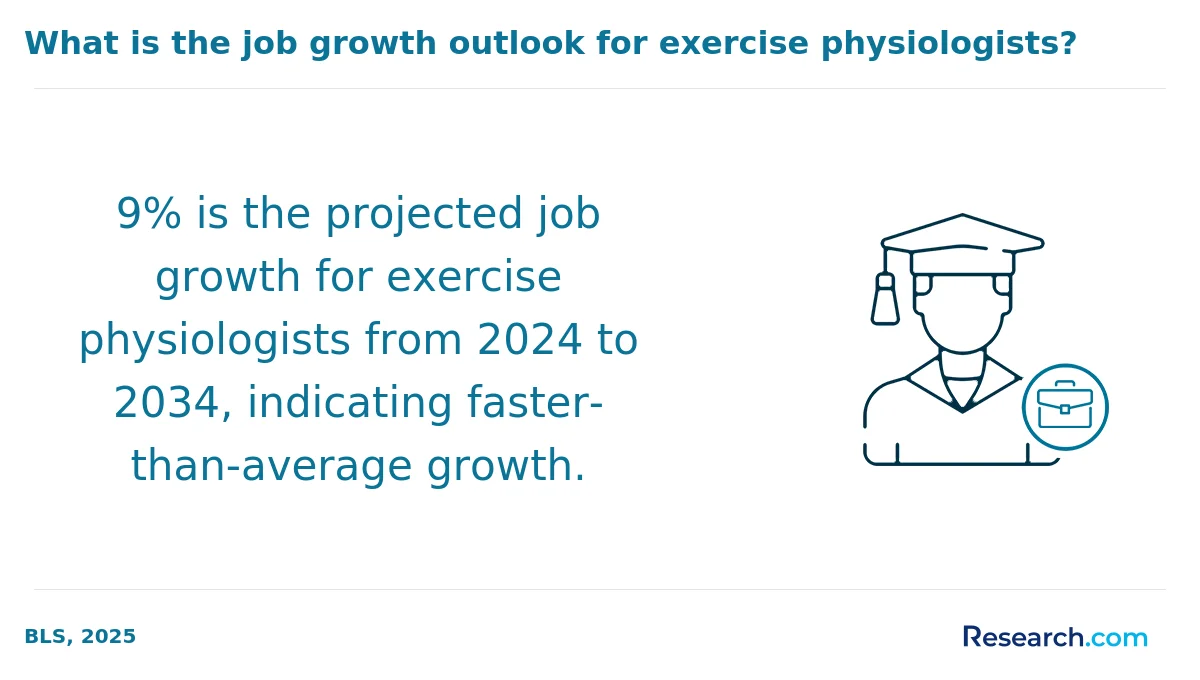
- The job growth rate for exercise science fields in the South is projected at about 11% over the next decade, which is above the national average.
- Entry-level salaries for exercise science graduates in the South range from $35,000 to $45,000 annually, increasing to $50,000-$65,000 with experience and certifications.
- Programs often align with Southern certification requirements and include clinical components to prepare students for licensure and professional exams.
- Improved digital infrastructure supports online learning, with many schools offering hybrid options combining online courses and local internships.
Picture a determined graduate juggling a full-time job in Atlanta while powering through an online bachelor's in exercise science from Georgia State University. For full-time students like them, the finish line typically appears after about four years, a steady marathon paced by synchronous classes and weekend labs. But not everyone runs the course the same way.
In the more relaxed cadence of part-time study-popular for busy adults in the South-completion can stretch to six years. A student in Charlotte, enrolled part-time at UNC Charlotte, might savor the process, balancing family dinners with lectures, turning their degree pursuit into a rewarding lifestyle rhythm.
For the ambitious, some Southern schools accelerate the journey, offering tight, semester-based sprints that whittle the timeframe down to three years or less. Imagine tapping into prior learning credits, zooming through practical experiences, or dedicating a summer break to wrap up clinical hours; these flexible paths energize motivated learners.
Graduate students eyeing master's degrees often see a neat two-year timeline, though internships and thesis demands can add delightful challenges that deepen real-world expertise at popular hubs like Texas State University.
Picture a graduate from a well-known Southern university juggling their online exercise science classes between work shifts and family dinners, savoring the freedom to study in cozy corners of their home. Here, flexibility reigns supreme, with coursework accessed anytime through virtual platforms, perfect for those whose lives refuse to pause. But this comes with a twist-less face-to-face banter with professors or sweaty lab sessions, requiring ironclad self-discipline to stay on track.
Contrast that with a campus-based class in a bustling lab at a Southern college, where students sprint between anatomy dissections, kinesiology motion tests, and energized chats with peers. The hum of university gyms and hands-on access to top-notch equipment creates a vibrant learning atmosphere. These students soak in instant feedback and build networking circles through clubs and campus events, making connections as strong as their core muscles.
Both paths, whether online or in-person, lead Southern students toward certification goals like ACSM, supported by partnerships with local gyms or clinic internships. So while one path offers convenience wrapped in digital freedom, the other delivers tactile, immersive experiences resonating deeply with aspiring exercise scientists in the South.
After earning your online exercise science degree, professional credentials validate your expertise and expand career options. Key certifications and requirements include:
- ACSM Certified Personal Trainer (ACSM-CPT) or NSCA Certified Strength and Conditioning Specialist (CSCS): degree, exam, and documented practical hours
- ACSM Clinical Exercise Physiologist (ACSM-CEP): suited for cardiac rehab and clinical settings; requires a practicum under a qualified supervisor
- State licensure or registration: some Southern states mandate additional health-related credentials for exercise physiologists
- Recertification and continuing education: maintain credentials through approved workshops, webinars, and professional conferences
Integrate exam prep into your studies and choose internships that fulfill practicum hours. Many graduates also enhance their hands-on skills through related pathways like the certified medical assistant program.
The average cost of a online exercise science degree in the South weaves a narrative of careful budgeting blended with opportunity. Imagine a student enrolled at a well-regarded Southern public university, where in-state tuition whittles total expenses down to around $19,836, a figure that feels encouragingly attainable. Contrast this with the experience of a peer attending the same institution as an out-of-state student, facing costs closer to $35,795. These numbers reflect a median spectrum, balancing dreams and dollars in a region that values accessible education.
Graduates from notable Southern colleges often recall how the total tuition and fees for Southern online exercise science programs were offset by scholarships, state residency discounts, and strategic course planning. The median total cost settling near $22,212 offers a tangible benchmark for those mapping out their academic journeys. This cost often includes not just tuition, but technology fees and materials, stitching together the fabric of a comprehensive online learning experience that fits life's rhythms.
Many students have shared how aligning with articulation agreements or regional consortia helped create pathways to reduce expenses while maintaining quality education in exercise science. For future scholars intrigued by balancing ambition with affordability, exploring affordable exercise science degree online programs becomes an inspiring first step.
Imagine kicking off your online exercise science journey through a Southern university like the University of Florida or Georgia Tech, wallet worries eased by a patchwork of financial aid. Pell Grants-those golden tickets awarded up to $7,395-don't need repaying and often arrive when you're juggling studies at least half-time with FAFSA in hand. One graduate recalls how these grants trimmed down the sticker shock, turning dreams into doable milestones.
Then there are institutional scholarships, where merit shines brightest. Southern schools love rewarding grit and brainpower-imagine snagging a merit-based scholarship from a North Carolina college that cuts your tuition in half just because you showed dedication to health sciences.
State aid is another treasure chest: Texas's Public Education Grant is a shining beacon for locals enrolled online, making exercise science degrees more accessible. Imagine balancing work and study while your employer chips in with tuition reimbursement, a win-win for career climbers expanding their credentials without upfront costs.
And don't overlook private scholarships from groups like the ACSM, where the passionate pulse of the sports medicine community backs your ambition with funding, fueling futures across Southern campuses.
Earning an exercise science degree often leads directly to industry-recognized credentials that boost credibility and career mobility:
- ACSM Certified Personal Trainer (CPT): Validates your ability to design and deliver safe, effective fitness programs.
- ACSM Certified Exercise Physiologist (EP-C): Ideal for clinical roles; requires a bachelor’s degree and hands-on internship hours.
- NSCA Certified Strength and Conditioning Specialist (CSCS): Focuses on athletic performance; requires a degree in exercise science or related field.
- NASM Certified Nutrition Coach (CNC): Equips you to create evidence-based nutrition plans complementing exercise regimens.
Licensure requirements vary by state; always confirm local scope-of-practice rules. Many programs mirror the structured approach of a certified medical assistant program, integrating exam prep and practical skills to ensure you’re ready on day one.
To step into the energetic world of online exercise science degrees in the South, imagine securing a sturdy launchpad: a high school diploma or GED anchors your academic journey. Graduates from vibrant Southern institutions often recall that nailing core subjects like biology, chemistry, and math with at least a "C" grade was their first victorious hurdle - giving them the confidence to decode the magnificent mechanics of the human body.
Picture a student from a bustling university in Georgia feeling empowered after submitting a glowing personal statement, revealing a genuine passion for human movement. Others from Texas shared how letters of recommendation acted like compelling endorsements, opening doors that lead straight into dynamic learning communities. While some campuses gently drop SAT or ACT requirements, the landscape is rapidly shifting-as many Southern schools embrace test-optional policies, inviting students to shine in other ways.
- Non-native English speakers stand proud, often showcasing their TOEFL or IELTS scores, stepping confidently into immersive scientific discussions without barriers.
- If prerequisite college courses were missed, some early enrollees retook them online, turning that extra effort into a vital foundation for thriving.
The South's blend of rigorous prerequisites and supportive pathways gives hopefuls a roadmap that's both challenging and deeply rewarding, lighting the spark for a successful exercise science adventure.
Imagine diving into human anatomy with courses that unravel the mysteries within your own body-how muscles flex, bones support, and systems dance in harmony. Southern graduates often recall these classes at popular online programs as the bedrock of their journey, where learning felt like holding a roadmap to their physical selves. Exercise Physiology takes this further, letting students explore how sweat and heartbeats tell stories at a cellular level, almost like decoding a secret language of movement.
Biomechanics, a favorite among many, transforms abstract physics into the art of perfecting a sprint or a jump, blending science with the joy of motion. Nutrition classes, meanwhile, offer bright sparks of discovery-understanding the fuel behind southern athletes' endurance and vitality.
- Sports Psychology unlocks the mental game, teaching how mindset shapes more than muscle
- Exercise Testing and Prescription empowers design of personalized fitness blueprints
- Health and Wellness Promotion encourages graduates to be champions of community vitality
Many students at Southern colleges cherish internships embedded in their courses, like hands-on stories from local gyms or rehab clinics, adding layers of real-world confidence and connection that online study rarely offers elsewhere.
Online exercise science degree specializations in the South unlock portals to unique careers shaped by the region's vibrant culture and health landscapes. Graduates from renowned Southern universities often recount their journeys through Sports Performance and Conditioning, where they hone skills fine-tuning athletes' bursts of power, evoking images of Friday night high school football heroes celebrating under stadium lights. Others find purpose in Health and Wellness Coaching, inspired by personal victories against heart disease challenges common in Southern communities, learning to guide clients toward strength and vitality.
Expanding horizons, some embrace Rehabilitation and therapeutic exercise, imagining themselves as compassionate allies aiding recovery after injury, working hand-in-hand with medical teams in bustling Southern hospitals. The specialized exercise science programs Southern US students explore also include fascinating realms like Exercise Science Research and Education, nurturing future experts through deep dives into innovative methods that might just revolutionize the field.
Those seeking a blend of compassion and scientific rigor often choose Clinical Exercise Physiology or Adaptive Physical Activity, tailoring exercise science to empower people with disabilities. Curious learners can explore the best kinesiology degree programs online to find a perfect fit aligned with their ambitious goals.
Imagine balancing your career, family, and studies while chasing the ideal online exercise science degree in the South. Graduates from popular Southern universities often share how accreditation-like that from SACSCOC-felt like a safety net, ensuring their hard work translated into respected credentials across Texas and Florida job markets. The best online exercise science degrees in the South blend this assurance with program flexibility; asynchronous classes let students watch lectures after putting in hours at local gyms or clinics, enriching real-world skills without sacrificing a paycheck.
Cost shouldn't weigh you down. Many students hunting for affordable exercise science programs southern states appreciate compare tuition while tapping financial aid options that gently ease the burden. Some even found eye-opening insights through exploring affordable exercise science masters programs, unlocking pathways to career growth without excessive debt.
Ultimately, picking a program feels like finding a community. Graduates often recall professors who intertwined cutting-edge research with passion, creating courses alive with current industry vitality. Factor in practicum opportunities tied to Southern fitness hubs, and your learning transcends screens-transforming you into a confident health and wellness professional ready for the region's swelling demand.
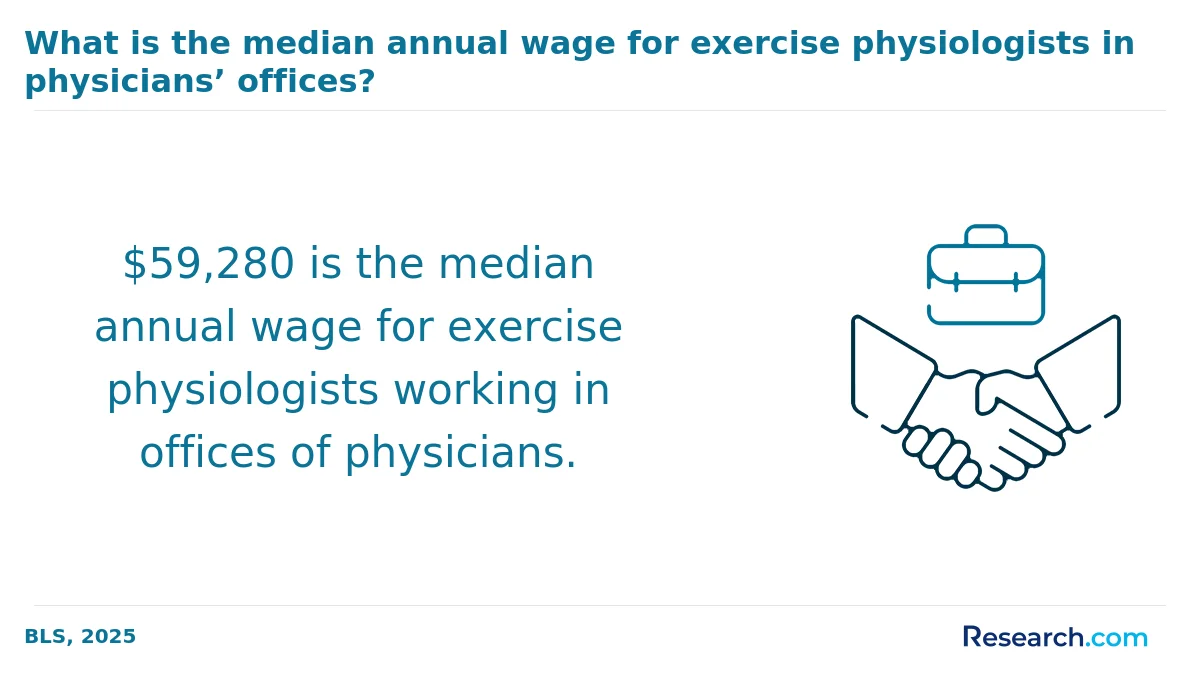
Graduates armed with an online exercise science degree in the South find themselves woven into a vibrant tapestry of careers, from energizing gym floors as certified personal trainers to crafting precise rehab programs as exercise physiologists in bustling Texan hospitals or Florida clinics. Some coach spirited college athletes in Georgia, pushing limits with strength and conditioning techniques honed through Southern universities' hands-on virtual labs. Others embrace the role of occupational therapy assistants, nurturing patient recovery with heartfelt dedication, balancing treatment plans alongside busy family lives thanks to the flexibility of online study.
One graduate's journey from a popular Southern college to becoming a sought-after health and wellness coach embodies the synergy between online education and real-world impact. These professionals collaborate with companies and communities to spark lasting lifestyle changes, illustrating the dynamic potential for online exercise science careers in the South. For those mapping their futures, exploring programs like this affordable bachelor of sports management online can open additional doors beyond traditional paths, blending passion and opportunity in a growing job market.
The job market for online exercise science degree jobs in the South is thriving, fueled by a vibrant mix of healthcare expansion and community wellness initiatives. Graduates from universities in Texas, Georgia, and North Carolina often share stories of landing roles in bustling metropolitan hospitals or trendy fitness centers, buoyed by their hands-on internships through local partnerships. The scene is dynamic: one graduate might be coaching cardiac rehab patients by day and leading wellness workshops by evening, thanks to the flexible training offered online.
With demand surging, especially in places like Florida's sports medicine clinics, salaries span roughly $45,000 to $60,000, rewarding those who bring passion and certifications like CPR or health coaching to the table. Many Southern public institutions offer affordable programs-like a great affordable master's degree in physical education online-making it accessible for career changers and new students alike. This blend of cost-effectiveness and real-world experience makes the South a fertile ground for those building a future in exercise science.
2027 Most Valuable Online Exercise Science Degree Programs Ranking in the South
Investing in your education is a significant decision that requires careful consideration, and the Research.com team recognizes the importance of providing trustworthy guidance. To support prospective students interested in exercise science, we have rigorously developed the "2027 Most Valuable Online Exercise Science Degree Programs Ranking in the South." Our dedication to quality, credibility, and accuracy involved thorough research and analysis.
We utilized the following reputable data sources to ensure a comprehensive evaluation of exercise science programs:
By consulting this ranking, readers will gain valuable insights into the top online exercise science programs in the South, empowering them to make well-informed decisions about their education. For further details on our ranking process, please visit our Research.com methodology page.




# 8 position
Cameron University
Bachelor of Sports and Exercise Science



# 14 position
Louisiana State University and Agricultural & Mechanical College
Master of Sport Management


Frequently Asked Questions About exercise science
Students pursuing online exercise science degrees in the South can maximize their learning by actively engaging with both virtual and local practical opportunities. Combining coursework with internships at regional healthcare facilities or fitness centers enhances hands-on skills and networking. According to the Southern Regional Education Board, partnerships between universities and local employers increase graduate employability by 20% in health sciences.
Utilizing university resources like virtual labs, academic advising, and state-specific certification preparation is crucial. For example, many Southern schools align curricula with the American College of Sports Medicine (ACSM) certification standards, helping students meet regional professional demands.
Time management and consistent communication with instructors further ensure success in the online format.
The exercise science field is expanding into several emerging niches, especially relevant for students in the South seeking online degrees. One significant area is **sport performance analytics**, where professionals use data to enhance athlete outcomes. According to the Southern Regional Education Board, demand for such roles grew by over 12% in 2022 across Southern states.
Another growing niche is **integrative health and wellness coaching**, blending exercise science with holistic lifestyle approaches. This is driven by increasing public interest in personalized health, particularly in states like North Carolina and Georgia.
Additionally, **tele-rehabilitation** is gaining momentum. This field leverages digital tools to assist patients remotely, a trend that accelerated during the COVID-19 pandemic. The U.S. Bureau of Labor Statistics highlights a 15% growth in related healthcare support roles through 2030.
After earning an online exercise science degree in the South, graduates should focus on gaining relevant certifications to improve employability. Certifications like the Certified Strength and Conditioning Specialist (CSCS) or the American College of Sports Medicine (ACSM) credentials are highly valued by Southern employers. According to the U.S. Bureau of Labor Statistics, health and fitness jobs in Southern states are expected to grow by 11% through 2032.
Networking through professional organizations such as the Southern District of the American College of Sports Medicine can open job opportunities. Internships at local fitness centers or rehabilitation clinics also provide practical experience.
Additionally, tailoring resumes to highlight Southern job market demands and continuing education can give graduates a competitive edge.
Employers in the South seek exercise science graduates with strong knowledge in human anatomy, physiology, and biomechanics. Proficiency in designing personalized fitness programs and understanding chronic disease prevention is highly valued. Communication skills rank prominently, as professionals must effectively educate and motivate diverse populations.
Data from the Southern Education Board highlights that 68% of regional employers prioritize practical experience alongside theoretical knowledge. Graduates who can analyze fitness assessments and apply evidence-based practices stand out in the competitive job market.
Technical competencies, such as familiarity with exercise testing equipment and health technology, also enhance employability in Southern health and wellness sectors.
Finding internships relevant to an exercise science degree in the South involves focused research and networking. Start by exploring university career centers, many of which maintain local partnerships with healthcare facilities, fitness centers, and rehabilitation clinics. These organizations often offer structured internship programs tailored for exercise science students.
Professional associations like the Southeastern American College of Sports Medicine provide listings and networking events that connect students with regional internship opportunities.
Additionally, online job portals and platforms such as Handshake often feature internships specifically in Southern states. According to the Bureau of Labor Statistics, the South has seen a growing demand for exercise science professionals, increasing internship availability.
Proactive communication with faculty advisors can also uncover hidden or informal internship placements aligned with students' career goals.
Online exercise science degrees offer significant career mobility and advancement opportunities in the South. Graduates gain accredited credentials that meet regional employer standards, especially in states like Texas, Florida, and Georgia where health and fitness industries are rapidly growing. According to the Bureau of Labor Statistics (BLS), the South is expected to see a 10-12% increase in demand for exercise physiologists and related roles through 2030.
These degrees equip students with skills to work in diverse settings, from rehabilitation centers to wellness programs, allowing upward movement into managerial or specialized positions.
Additionally, online formats provide flexibility for working professionals, helping them pursue certifications such as ACSM or NASM, which further enhance career prospects locally.
Studying for an online exercise science degree in the South equips students with skills that are valuable across multiple health and wellness fields. Programs emphasize anatomy, physiology, nutrition, and biomechanics, fostering a strong interdisciplinary foundation. This approach prepares graduates to collaborate with professionals in physical therapy, sports medicine, and occupational therapy.
Southern universities often integrate real-world case studies relevant to regional health concerns like obesity and cardiovascular disease, which enhances practical understanding. According to the National Center for Education Statistics, the South awards over 40% of exercise science-related degrees nationwide, reflecting regional expertise.
Additionally, these programs typically include coursework on communication and leadership, essential for team-based environments. As a result, graduates are well-prepared for roles that require coordination across medical, fitness, and rehabilitation disciplines.
Choosing between a thesis and a non-thesis online exercise science degree program in the South depends largely on your career goals and time commitment. Thesis programs typically require original research and a written dissertation, which can prepare students for doctoral studies or research-focused careers. Non-thesis options usually involve additional coursework or practical experience and are suitable for professionals aiming to enter or advance in clinical or applied settings more quickly.
In Southern states, where exercise science is growing alongside sports medicine industries, a thesis option may offer an edge for research roles. However, non-thesis pathways often provide greater flexibility, which suits working adults balancing jobs and studies.
Data from the Southern Regional Education Board highlights that about 40% of exercise science graduates in the region pursue careers in applied health rather than research, suggesting non-thesis programs are a practical choice for many.
Students based in the South seeking to study exercise science abroad have limited direct options due to the specialized nature of this field. Most US universities with strong exercise science programs encourage international study through exchange programs rather than full degrees outside the country.
Online degrees remain the most accessible path for Southern students, often offered by accredited US institutions with global recognition. Programs accredited by the Commission on Accreditation of Allied Health Education Programs (CAAHEP) ensure quality education.
Some Southern universities collaborate with foreign institutions, allowing credit transfers and study abroad components, enhancing cultural and academic exposure without complete relocation.
According to the National Center for Education Statistics, approximately 20% of exercise science students in the South participate in study abroad or international learning opportunities, reflecting growing interest but ongoing structural challenges.
Part-time job opportunities that complement an online exercise science degree in the South often focus on health, fitness, and rehabilitation sectors. Common roles include personal trainers, fitness instructors, and physical therapy aides. According to the U.S. Bureau of Labor Statistics, the Southern states have a growing demand for these positions, partly due to rising public health awareness.
Working as a wellness coach or group exercise leader can deepen practical knowledge while aligning with academic studies. Additionally, internships or assistant positions in sports medicine clinics provide valuable hands-on experience. These roles enhance understanding of biomechanics, injury prevention, and patient care.
Employers in the South often seek candidates with strong communication skills and familiarity with exercise technologies, reinforcing the importance of combining work and education.
Online exercise science students in the South have access to various networking opportunities despite the geographic distance. Many Southern universities offer virtual career fairs and webinars that connect students with regional employers in health, fitness, and rehabilitation fields.
Professional organizations like the Southern Society for Kinesiology, Health, and Physical Education (SSKHPE) provide online memberships, giving students access to conferences, job boards, and mentorship programs. According to SSKHPE, over 70% of their members actively network through these online platforms.
Additionally, Southern states have strong partnerships with healthcare facilities and sports organizations that allow online students to participate in internships or research projects locally, enhancing their professional connections before graduation.
Alumni networks offer crucial support for online exercise science degree students in the South by connecting them with experienced professionals in regional health and fitness industries. These networks provide mentorship opportunities that can enhance career development and job placement after graduation.
The Southern Association of Colleges and Schools Commission on Colleges (SACSCOC) reports many Southern universities actively engage alumni through job fairs and continuing education events. This involvement helps students tap into local job markets, where demand for exercise science experts is projected to grow 10% through 2030, according to the U.S. Bureau of Labor Statistics.
Additionally, alumni often serve as professional references and facilitate internships, which are integral components of exercise science programs. Networking within these communities can also lead to collaborations on research and practical projects unique to Southern demographics and health trends.
Customizing your online exercise science degree in the South starts with choosing programs offering specialized tracks or electives aligned with your career goals. Many Southern universities provide options such as sports performance, rehabilitation, or wellness coaching, allowing you to focus your studies.
Additionally, you can seek programs that include internship or practicum opportunities. This hands-on experience is vital for building skills and professional networks. According to the National Athletic Trainers' Association, Southern states like Florida and Texas have growing demand for certified exercise specialists, making practical experience important.
Online students should also explore certificate add-ons or dual-degree options available through Southern institutions to enhance credentials. Finally, advising services at these universities can guide course selection to ensure the degree fits your targeted career path.
Online exercise science students in the South often face unique challenges. One key issue is limited access to local internship opportunities, which are crucial for hands-on experience but can be scarce in rural areas. According to the National Center for Education Statistics, southern states have a higher percentage of rural populations, affecting access to practical placements.
Connectivity problems also persist. The Federal Communications Commission reports that approximately 22% of rural residents in the South lack high-speed internet, complicating online learning.
Another challenge is aligning online coursework with regional certification requirements, such as those from the American College of Sports Medicine, which vary by state.
Graduates with an online exercise science degree in the South can pursue several respected professional certifications. Common options include becoming a Certified Strength and Conditioning Specialist (CSCS) through the National Strength and Conditioning Association (NSCA). This credential is widely recognized and valued by employers, especially in sports and rehabilitation settings.
Other popular certifications include Certified Exercise Physiologist (CEP) offered by the American College of Sports Medicine (ACSM) and Certified Personal Trainer (CPT). These credentials enhance job prospects and earning potential.
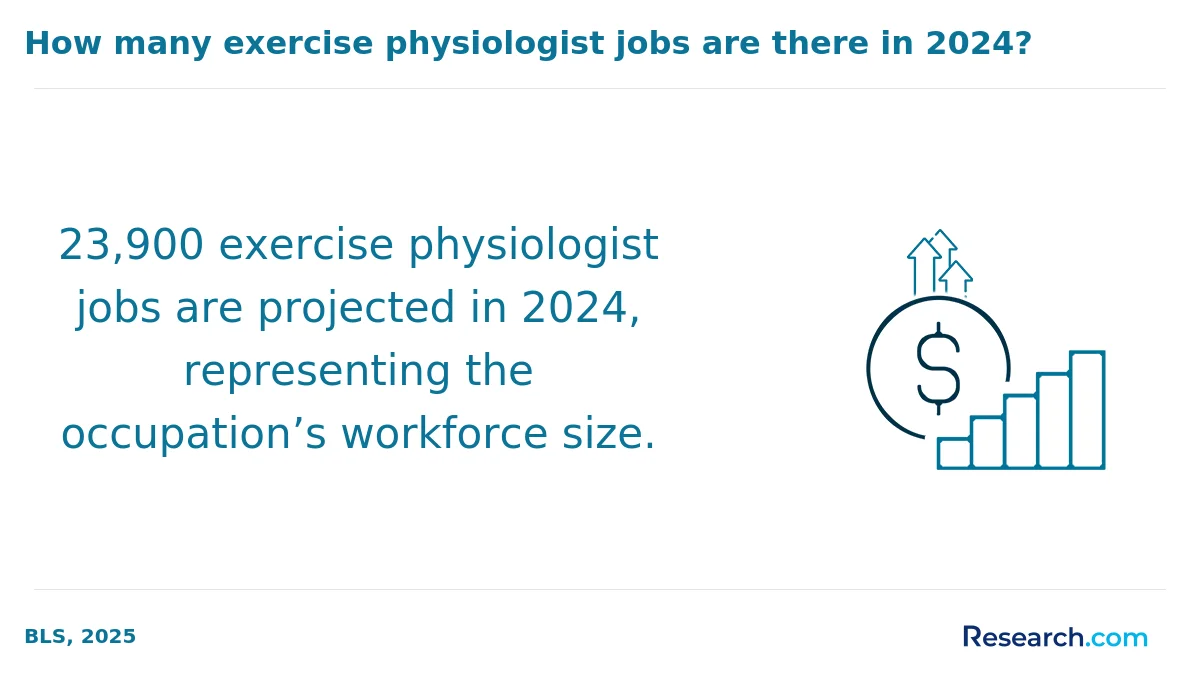
According to the Bureau of Labor Statistics, exercise physiologists earned a median annual wage of around $50,000 in southern states in 2023, reflecting growing demand for certified professionals.
Applying to an online exercise science program in the South requires clear focus on academic strengths and relevant experience. Most Southern universities look for a solid GPA, often around 3.0 or higher, and prerequisite coursework in biology, chemistry, and physiology. Highlight any fitness certifications or internships to demonstrate practical skills.
Craft a compelling personal statement explaining your passion for exercise science and how the program fits your career goals. According to the National Strength and Conditioning Association, Southern states like Texas and Florida show high demand for exercise science professionals, making regional ties a plus.
Strong letters of recommendation from professors or fitness professionals can further enhance your application's credibility.
The exercise science career holds growing significance worldwide, reflecting increasing public focus on health and wellness. In the United States, particularly in the South, online exercise science degrees offer flexible pathways for students pursuing this field.
Globally, exercise science professionals contribute to areas such as rehabilitation, fitness training, and sports performance. The Bureau of Labor Statistics projects a 15% growth in related jobs from 2021 to 2031, faster than average, with Southern states showing robust demand due to rising obesity rates and interest in preventive care (BLS, 2023).
Many countries recognize exercise science as vital for addressing chronic diseases, aligning with U.S. healthcare trends emphasizing physical activity's role in overall health. This global relevance broadens career opportunities for graduates both domestically and internationally.
Gaining practical experience during an online exercise science degree in the South is essential for career readiness. Students often complete internships at local fitness centers, rehabilitation clinics, or sports teams to apply their knowledge in real-world settings. Many Southern universities with online programs have partnerships with regional health facilities, enabling students to fulfill hands-on requirements nearby.
The Southern Athletic Trainers' Association notes that internships and fieldwork enhance a student's employment prospects significantly. Additionally, volunteering opportunities with community wellness programs or athletic departments provide valuable experience. Some programs also offer virtual simulations and labs, but local in-person practice remains key to developing skills.
Choosing the right concentration within an online exercise science degree program in the South depends on your career goals and interests. Common concentrations include kinesiology, athletic training, and fitness leadership. The Southern region offers diverse programs tailored to local industry needs, such as sports medicine and rehabilitation, which align with the growing demand for health professionals in states like Texas and Florida.
Review program curricula carefully; some offer specialized tracks that prepare you for certifications recognized by the National Athletic Trainers' Association or the American College of Sports Medicine. According to the Bureau of Labor Statistics, South Carolina and Georgia are among the fastest-growing states for exercise science careers.
Consider schools with strong industry connections and online resources to support remote learning. Accreditation through the Commission on Accreditation of Allied Health Education Programs (CAAHEP) or similar bodies is essential for quality assurance.
- Sport & Exercise Science Internships | Intern Abroad HQ https://www.internhq.com/fields/sport-and-exercise-science/
- The Challenges of Exercise Science https://www.ksep-es.org/journal/view.php
- Master of Science (M.S.) Major in Exercise Science (Non-thesis Option) https://mycatalog.txstate.edu/graduate/education/health-human-performance/exercise-science-ms/
- ESSA's career guide for Accredited Exercise Scientists https://www.essa.org.au/Web/Web/Resources/Tools-and-templates/ESSA-AES-Guide.aspx
- Exercise Science Program Alumni | NCWU https://ncwu.edu/academics/majors-minors/exercise-science/exs-alumni/
- Exercise and Sport Science (B.S.) - USC Upstate https://uscupstate.edu/programs/exercise-and-sport-science/
- Sport and Exercise Science is at the heart of tackling global challenges https://www.physoc.org/blog/sport-and-exercise-science-is-at-the-heart-of-tackling-global-challenges/
- Exercise Science research provides opportunity, advances knowledge https://www.gcc.edu/Home/News-Archive/News-Article/exercise-science-research-provides-opportunity-advances-knowledge
- Online Exercise Science Program https://stmary.edu/online-programs/exercise-science.html
- Beyond the Gym and the Field: Career Paths You Might Not Expect https://www.snu.edu/blog/beyond-the-gym-and-the-field-career-paths-you-might-not-expect