2027 Best Online Bachelor's in Exercise Science Degree Programs Ranking in the Midwest

Co-Founder and Chief Data Scientist
Choosing the right online exercise science degree can feel overwhelming, especially with so many options available. This article presents the 2027 Best Online Bachelor's in Exercise Science Degree Programs Ranking in the Midwest, carefully crafted by the Research.com team of data scientists. It's designed to help you confidently identify programs that truly stand out.
Whether you want to advance your career or pursue a passion for health and fitness, an exercise science degree opens many rewarding opportunities. Exploring this ranking will guide you toward programs that fit your goals and lifestyle.
Key benefits of getting online exercise science degree in the Midwest
- Salary potential: Exercise science graduates in the Midwest often find starting salaries around $40,000 to $50,000 per year, with opportunities to increase earnings through certifications and experience.
- Career paths: Graduates from universities like the University of Michigan explore roles in fitness training, rehabilitation, and wellness coaching, offering a variety of fulfilling job options.
- Online degree advantages: Earning an online exercise science degree from schools like Illinois State University allows flexible scheduling and reduced commuting stress, making education more accessible and manageable.
- 2027 Best Online Bachelor's in Exercise Science Degree Programs Ranking in the Midwest
- What can I expect from online exercise science degree in the Midwest?
- Where can I work with online exercise science degree in the Midwest?
What can I expect from online exercise science degree in the Midwest?
The average cost of an online exercise science degree in the Midwest typically ranges from $300 to $500 per credit hour, making it more affordable than many coastal programs. For example, graduates from the University of Nebraska Omaha or Illinois State University often highlight that their tuition expenses remained manageable, especially when combined with federal financial aid or scholarships targeted at health sciences students.
Many students appreciate the value received, noting that these programs deliver comprehensive coursework in anatomy, physiology, and kinesiology alongside practical experiences. The balance of cost and quality fits well with the Midwest's regional economies, allowing learners to pursue degrees without incurring excessive debt. Graduates frequently share how internship opportunities near their homes helped integrate classroom knowledge with real-world applications.
This affordability supports wider access while maintaining strong accreditation standards like those from CAAHEP, ensuring students graduate with respected credentials. Overall, the Midwestern online exercise science pathway provides a cost-effective route with flexible financial options, making it a viable choice for aspiring exercise professionals living in this region.
Where can I work with online exercise science degree in the Midwest?
Graduates with an online exercise science degree in the Midwest typically find career opportunities in healthcare, fitness, academia, sports, and wellness sectors. Healthcare facilities frequently hire them as rehabilitation specialists or physical therapy assistants, supported by a projected 12% growth in healthcare support occupations through 2032, according to the Bureau of Labor Statistics. This growth is fueled by demographic shifts and rising public health awareness.
Fitness centers and corporate wellness programs in states like Illinois and Ohio offer stable roles with median wages between $38,000 and $45,000 annually. Many graduates from universities such as the University of Minnesota contribute to wellness initiatives by designing injury prevention and conditioning programs.
Community colleges and research projects at Indiana University also engage graduates as lab technicians or research assistants, where they assist in kinesiology studies-enhancing their practical knowledge while positively impacting academic health research. In cities like Chicago, sports franchises employ them as performance trainers, sharpening athletic conditioning and recovery strategies.
Certification like the CSCS often elevates career prospects, enabling access to advanced positions in athletic training and rehabilitation across the Midwest's diverse professional settings.
Graduates with online exercise science degrees in the Midwest generally find salary ranges that reflect both regional demand and specific career paths. While the U.S. Bureau of Labor Statistics does not provide specific hourly or annual wage data for every related occupation, national figures help frame expectations. Exercise physiologists earn a median salary of about $50,280 nationally, and Midwest graduates-particularly from well-regarded programs at institutions like the University of Illinois or Michigan State University-report starting salaries typically between $35,000 and $45,000.
Many graduates enter roles such as fitness trainers or wellness coordinators, which have median wages near $42,980 nationally. Salaries in urban Midwest centers, like Chicago or Minneapolis, tend to be higher, sometimes reaching $60,000 or more as professionals gain certifications and experience.
Alumni often share that earning certifications such as ACSM Certified Exercise Physiologist enhances job prospects and salary potential, creating rewarding career trajectories in health and fitness sectors throughout the region.
- Tuition at public universities in the Midwest ranges from $8,000 to $15,000 per year for in-state online exercise science programs.
- Private schools often charge over $25,000 annually, but financial aid and scholarships may help reduce costs.
- Entry-level salaries for graduates typically range from $35,000 to $45,000, with mid-career wages rising to $50,000-$65,000.
- The job market in the Midwest is expected to grow about 11% through 2031 for health and fitness-related careers.
- Many programs require hands-on clinical experiences close to home, and accreditation by agencies like CAAHEP is important.
Completing an online exercise science degree in the Midwest typically requires about four years for full-time students, reflecting the standard undergraduate timeline at institutions like the University of Illinois at Urbana-Champaign or Michigan State University. These programs usually demand close to 120-130 credit hours, mixing core sciences with specialized exercise science courses and general education.
Graduates often describe balancing coursework with internships or lab work, especially when hands-on experiences must be completed locally. Part-time students enrolled at schools such as Iowa State University may take five to six years, adjusting their pace around work or family obligations. Many appreciate the flexibility of summer courses which help accelerate graduation.
Transfer students report positive outcomes by leveraging credit agreements between community colleges and four-year schools in the Midwest, reducing their time-to-degree. The manageable four-year plan allows students to create rewarding study-life balances without sacrificing educational quality.
In the Midwest, choosing between an online and on-campus exercise science degree often depends on how students balance flexibility and hands-on experience. Graduates from the University of Illinois share that on-campus programs provide crucial in-person lab work and physical assessments, fostering confidence through direct mentorship and access to campus facilities. Conversely, online students at Ohio State University value the flexibility allowing them to study alongside full-time work, using virtual labs and simulations to grasp core concepts despite fewer in-person requirements.
Approximately 35% of Midwestern students enrolled in distance education in 2022, reflecting a growing preference for online learning. Tuition also varies: on-campus programs average around $10,500 per year, while online options can be slightly cheaper or similarly priced depending on the institution. Financial aid typically supports both paths but may favor on-campus students for state-specific scholarships. Networking differs too; online learners rely on forums and virtual meetups, whereas on-campus peers benefit from face-to-face connections in study groups and internships.
The average cost of an online exercise science degree in the Midwest typically ranges around a median total of $47,400. In-state students often benefit from significantly lower tuition fees, with median costs near $13,200, making these programs affordable options for many local residents. Out-of-state students usually pay higher rates, with a median around $13,350, though some institutions offer in-state tuition rates or flat pricing for online learners to minimize this expense. These figures are consistent with the general trend of moderate tuition fees found in the Midwest, where public universities play a key role in keeping education accessible.
Graduates of online exercise science programs in well-regarded schools such as the University of Illinois Springfield and Minnesota State University report positive experiences balancing cost and quality. They often highlight how affordable tuition combined with online flexibility allowed them to manage living expenses and pursue their degree without relocating. Understanding total tuition fees for online exercise science programs in the Midwest also means considering factors like credit hour requirements and additional technology fees, which can vary but usually remain reasonable compared to national averages.
Prospective students should evaluate financing options and scholarships carefully to optimize their investment in education. For those seeking less traditional or more accessible pathways, exploring the easiest kinesiology degrees may provide alternatives aligned with their career goals and budgetary needs, while still delivering valuable credentials in exercise science.
Students pursuing online exercise science degrees in the Midwest commonly rely on federal financial aid as a foundational resource. Through FAFSA, undergraduates benefit from Pell Grants that can provide up to $7,395 annually, easing tuition burdens at institutions like the University of Illinois or Michigan State University. Many graduates recall how this funding made a tangible difference in managing their education costs.
State grants are also pivotal. For instance, Ohio's College Opportunity Grant offers nearly $2,000 yearly to eligible residents attending programs such as those at Ohio University. This targeted aid is frequently praised by Midwest students balancing work and study.
Institutional scholarships and grants from prominent schools in the region further supplement expenses. Many students highlight the merit- and need-based awards designed specifically for exercise science majors, which recognize their commitment to health-related fields.
Additionally, employer tuition assistance programs remain a vital aid form for working adults entering or advancing in fitness industries. Graduates often describe these partnerships as enabling smoother progress through online programs while sustaining their careers.
Professional organizations like the American College of Sports Medicine offer scholarships that many find invaluable for covering educational costs beyond traditional support networks.
Enrolling in an online exercise science degree program in the Midwest typically requires applicants to have a high school diploma or equivalent, such as a GED. Graduates from popular Midwest institutions often recall that having a solid foundation in biology and chemistry courses during high school made the transition to college-level anatomy and physiology much smoother. Many programs expect a minimum GPA around 2.5 on a 4.0 scale, reflecting the academic rigor necessary to succeed.
While some universities still request SAT or ACT scores, the increasing adoption of test-optional policies means students should verify requirements individually. Personal statements and letters of recommendation, though not always mandatory, provide admissions committees insight into a candidate's motivation and career goals-helping graduates feel their unique drive was recognized.
Several Midwest programs may also require students to complete local clinical internships, providing hands-on experience that graduates describe as invaluable in securing employment post-degree.
Online exercise science programs in the Midwest consistently include core courses such as Human Anatomy and Physiology, Exercise Physiology, Biomechanics, Nutrition for Exercise and Health, Exercise Testing and Prescription, and Health Promotion and Wellness. Graduates from well-regarded regional colleges often reflect positively on how these foundational classes provided essential knowledge for designing effective fitness and rehabilitation programs.
For example, students from popular Midwestern institutions frequently report how lab-based exercise physiology courses helped them translate scientific principles directly into real-world training scenarios. Biomechanics courses offer practical insights into athletic performance improvement, which many find immediately applicable during internships or practicum experiences required for accreditation.
Midwestern programs also emphasize electives tailored to regional needs, such as aging and rehabilitation-areas increasingly relevant given the projected growth of the older adult population in states like Illinois and Ohio. This specialized coursework allows students to feel confident and prepared for diverse career paths in fitness, health promotion, and clinical settings throughout the Midwest.
Online exercise science degree programs in the Midwest typically offer specializations that align with evolving industry demands and student career objectives. Common focus areas include Sports Performance and Conditioning, Health and Wellness Promotion, Clinical Exercise Physiology, and Biomechanics and Motor Control. Graduates from institutions like popular Midwestern state universities often report rewarding experiences applying strength training principles or designing corporate wellness programs in practical settings.
The specialization in Sports Performance and Conditioning equips students with skills in program design and injury prevention, ideal for athletic coaching roles. Health and Wellness Promotion prepares graduates to implement lifestyle management strategies in community or clinical contexts. Clinical Exercise Physiology focuses on rehabilitation and exercise prescription for chronic conditions, aligning with healthcare collaboration demands. Meanwhile, Biomechanics and Motor Control centers on human movement analysis using technology, advancing careers in research or ergonomic design. These varied tracks exemplify the typical online exercise science specializations Midwest students pursue to tailor their expertise effectively.
Many students value the flexibility of online delivery from well-regarded Midwestern colleges, which support balancing education with personal commitments. For detailed program comparisons, consult the best online kinesiology degree programs to identify institutions offering these specializations with accredited, rigorous curricula.
Choosing the best online exercise science degree in the Midwest means focusing on accredited programs from regionally recognized universities to ensure quality and credit transferability. Graduates from reputable colleges in the region often highlight how accreditation reinforced their confidence in the degree's value and helped with certification pursuits, such as the Certified Exercise Physiologist credential. Curriculum depth is another pivotal factor; top programs cover anatomy, biomechanics, nutrition, and practical training. Many students appreciate when schools partner with local clinics or gyms for internships, allowing them to gain hands-on experience despite the online format. Midwest institutions typically report graduation rates between 50% and 70%, which is a helpful benchmark when comparing schools.
Cost also plays a vital role-public universities often charge $8,000 to $12,000 annually for in-state students, making affordability crucial for many. Those seeking an affordable exercise science degrees Midwest option can find helpful resources, including financial aid and employer tuition reimbursement. For detailed options, consider exploring programs like the affordable master's degree in exercise science online. Graduates often praise the flexibility and support services available, such as dedicated tutoring and career advising, which enable them to balance studies with personal responsibilities effectively.
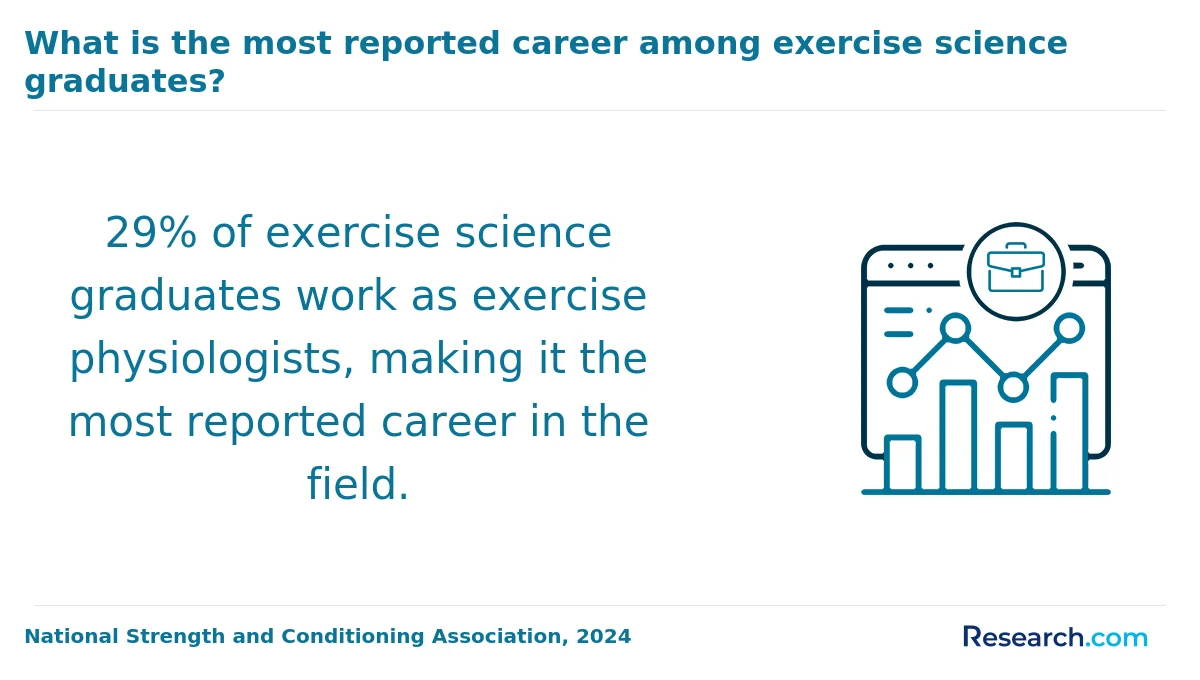
Graduates with an online exercise science degree in the Midwest find diverse career paths in health, fitness, and rehabilitation. Many pursue roles as certified personal trainers or fitness coaches, where demand is high due to increasing health awareness in metropolitan areas like Chicago and Minneapolis. The U.S. Bureau of Labor Statistics anticipates a 15% job growth for fitness trainers nationally through 2031, highlighting strong Midwest exercise science degree job prospects.
Others become exercise physiologists, applying cardiovascular and muscular expertise to patient care. Median Midwest salaries range from $50,000 to $65,000, depending on certifications and experience, reflecting solid earning potential. Graduates from institutions such as the University of Illinois or Ohio State University often note positive experiences transitioning into these roles seamlessly.
Additional opportunities include physical therapy assisting, health promotion, corporate wellness coordination, and sports performance analysis. These careers blend scientific knowledge with program management to enhance community well-being. Midwest employers increasingly value such skills, encouraging graduates across the region.
Students exploring affordable programs often consider an affordable bachelor's in sports management online, complementing exercise science for broader career flexibility.
The job outlook for exercise science graduates Midwest is promising, driven by a growing emphasis on health and fitness in states like Illinois, Ohio, and Michigan. Graduates from popular Midwestern institutions often find opportunities in hospitals, rehabilitation centers, and community wellness programs that value the practical experience gained through accredited online exercise science degree programs.
Entry-level roles such as exercise physiologist and rehabilitation specialist typically earn competitive salaries ranging from $50,000 to $60,000 annually, matching or exceeding regional standards. This steady demand is supported by local initiatives targeting preventive care and a growing market for specialized fields like cardiac rehabilitation and sports performance analysis.
Several graduates highlight how affordability and flexibility were key to their success, especially through programs known for reasonable tuition rates. Those interested in further advancement sometimes pursue an affordable masters in physical education, enhancing credentials to access expanded roles.
Midwest employment opportunities online exercise science degree also benefit from economic factors such as expansion of corporate wellness programs and increased funding for community health, creating steady job availability for motivated professionals.
2027 Best Online Bachelor's in Exercise Science Degree Programs Ranking in the Midwest
Investing in your education is a significant decision that can impact your future, and the Research.com team recognizes the importance of providing reliable guidance. To support prospective students interested in exercise science, we have carefully developed the "2027 Best Online Bachelor's in Exercise Science Degree Programs Ranking in the Midwest." Our dedication to quality, credibility, and accuracy is demonstrated through thorough research and data analysis.
We utilized the following reputable data sources to ensure a comprehensive assessment of exercise science programs:
By reviewing this ranking, readers will gain valuable insights to select the best online exercise science programs in the Midwest, enabling well-informed educational decisions. For further information about our ranking process, please visit our Research.com methodology page.


Frequently Asked Questions About exercise science
Students pursuing online exercise science degrees in the Midwest can enhance their learning by actively engaging with virtual labs and simulation tools provided by their programs. Many Midwestern universities, such as those recognized by the National Strength and Conditioning Association (NSCA), integrate interactive exercises that improve practical skills remotely. Additionally, joining regional professional networks like the Midwest American College of Sports Medicine chapter supports networking and mentorship opportunities. According to the Illinois Board of Higher Education, combining coursework with local internships or research projects strengthens real-world experience, which is crucial in exercise science education. Staying disciplined with consistent study schedules also improves overall success in online learning.
The exercise science field is evolving rapidly, with new niches emerging that offer exciting career opportunities. One growing area is sports analytics, where professionals use data to improve athlete performance and reduce injuries. This niche is gaining traction in the Midwest, supported by regional sports teams and research centers.
Another niche is wellness coaching, combining exercise science with nutrition and mental health to support holistic well-being. This approach is popular in Midwestern communities focused on preventive healthcare.
Finally, the integration of technology-such as wearable devices and virtual training platforms-is expanding opportunities for exercise scientists to work remotely and design personalized fitness programs.
After earning an online exercise science degree in the Midwest, graduates should focus on gaining relevant certifications such as the ACSM Certified Exercise Physiologist or NASM Certified Personal Trainer to improve job prospects. Networking through regional professional organizations like the Midwest Chapter of the American College of Sports Medicine can open doors to local employers and internships.
Midwestern states have seen a growing demand for exercise science professionals, particularly in healthcare and wellness sectors. According to the U.S. Bureau of Labor Statistics, the Chicago and Minneapolis metropolitan areas have among the highest employment levels for fitness trainers and exercise specialists.
Additionally, integrating practical experience through volunteer work or part-time positions in hospitals, rehabilitation centers, or fitness facilities boosts real-world skills that employers value in this competitive field.
Employers in the Midwest seek exercise science graduates with strong foundational knowledge in human anatomy, physiology, and biomechanics. These core scientific skills ensure graduates can design effective training and rehabilitation programs. Communication skills are also highly valued, as professionals must explain complex concepts clearly to clients and medical teams.
Technical aptitude, including proficiency with exercise testing equipment and data analysis software, is increasingly important. According to the Bureau of Labor Statistics, the demand for exercise physiologists is expected to grow by 13% nationally from 2020 to 2030, emphasizing the need for well-rounded skills.
Critical thinking and problem-solving abilities help graduates adapt programs to individual needs, a priority in personalized health care. Midwest employers often highlight teamwork and ethical practice as essential for success in clinical or fitness settings.
Finding internships in the Midwest for exercise science students often begins with university career centers, which maintain partnerships with local health and fitness organizations. Many institutions also utilize platforms like Handshake, connecting students with nearby opportunities in clinics, gyms, and rehabilitation centers.
Midwestern states such as Illinois, Ohio, and Michigan have robust healthcare sectors, providing numerous internship openings relevant to exercise science. According to the Bureau of Labor Statistics, these states showed consistent growth in physical therapy and sports training fields through 2023.
Students should target organizations accredited by the Commission on Accreditation of Allied Health Education Programs (CAAHEP) for quality internship experiences. Networking through professional associations like the Midwest Chapter of the American College of Sports Medicine also offers leads on openings and mentorship.
Additionally, students may consider virtual internships offered by Midwestern organizations adapting to online models, which align well with online degree formats and increase accessibility.
An online exercise science degree significantly enhances career mobility and advancement opportunities in the Midwest. With the region's growing emphasis on healthcare and wellness, professionals holding such degrees are increasingly sought after in fields like physical therapy, fitness training, and occupational therapy. According to the U.S. Bureau of Labor Statistics, employment for exercise physiologists in the Midwest is projected to grow 10% from 2022 to 2032, faster than the national average.
Online programs offer flexibility, allowing students to maintain current employment while earning credentials. This accessibility helps many advance into leadership or specialized roles. Regional employers recognize accredited online degrees, aiding in professional growth and salary potential. Midwestern states also offer licensure pathways tied to degree completion, further supporting career advancement.
Studying for an exercise science degree in the Midwest equips students with knowledge across biology, kinesiology, nutrition, and psychology, creating a foundation for interdisciplinary roles. Many Midwestern programs emphasize collaboration with healthcare, physical therapy, and sports science fields, reflecting regional workforce demands documented by the Bureau of Labor Statistics.
Online degrees from Midwest institutions often include coursework on data analysis and rehabilitation techniques, preparing graduates to work in diverse environments such as clinics, gyms, and research labs. According to the National Center for Education Statistics, Midwestern schools award over 15% of the nation's exercise science degrees, supporting a broad network of interdisciplinary professionals.
This cross-disciplinary focus supports careers in wellness coaching, athletic training, and occupational therapy support, helping students meet the dynamic needs of the health and fitness industries.
When choosing between a thesis and a non-thesis exercise science degree program in the Midwest, consider your career goals carefully. Thesis programs typically focus on research skills and require completing an original study, beneficial for students aiming for graduate school or research positions. Non-thesis programs often emphasize practical experience and coursework, suitable for those preparing for clinical or fitness careers. According to the National Commission for Certifying Agencies, most Midwest exercise science employers value hands-on skills, but research experience can open doors in academia.
Thesis options may take longer to complete and demand more independent work. Non-thesis paths usually provide flexibility and faster completion, which benefits working professionals. Evaluate your time, interests, and future plans before deciding.
Midwestern students seeking to study exercise science abroad through online programs have limited direct options within U.S.-based institutions. Most exercise science degrees offered online from the Midwest focus on domestic curricula, often accredited by organizations like the Commission on Accreditation of Allied Health Education Programs (CAAHEP). However, some universities encourage international exchanges or partnerships that allow students to supplement their studies with global perspectives.
Currently, few accredited online exercise science programs offer specifically international coursework or study-abroad elements tailored to Midwestern students. Students interested in international experience often pursue internships or research abroad during summer breaks rather than through online degree curricula.
According to the National Center for Education Statistics, Midwestern online enrollment in health-related fields has grown by over 12% since 2019, reflecting increasing interest. Still, international study within these degrees remains a niche area requiring proactive student initiative.
Part-time job opportunities can significantly enhance practical learning for students pursuing online exercise science degrees in the Midwest. Positions such as fitness trainers, physical therapy aides, or wellness coaches allow students to apply classroom knowledge in real-world settings. According to the U.S. Bureau of Labor Statistics, the Midwest region has a growing demand for fitness trainers, projected to increase by 11% from 2022 to 2032.
Additionally, roles in community health centers or recreational facilities offer exposure to diverse populations, aiding in skill development. Many employers in states like Illinois and Ohio value candidates with both education and hands-on experience. These jobs typically offer flexible hours, accommodating students' class schedules effectively.
Online exercise science students in the Midwest have various networking opportunities that can enhance their academic and professional development. Many Midwest universities offering online programs facilitate connections through virtual student organizations and career fairs. Additionally, students often access local chapters of national associations such as the American College of Sports Medicine (ACSM), which has a strong presence in the region.
Midwest states like Illinois, Michigan, and Ohio host conferences and workshops where online students can participate, sometimes at reduced rates. These events provide chances to meet industry professionals and potential employers. According to ACSM data, Midwest members report higher regional engagement compared to national averages.
Moreover, students benefit from internships and cooperative education arrangements with local healthcare and fitness organizations, which are often promoted through online program career services. Networking in this region is supported by a growing demand for exercise science professionals in areas like rehabilitation and wellness.
Alumni networks offer significant advantages for students pursuing online exercise science degrees in the Midwest. These networks provide access to experienced professionals who understand regional healthcare and fitness markets. According to the National Strength and Conditioning Association, connections within local alumni groups can improve job placement rates by up to 30% in this field.
Students benefit from networking events, mentorship programs, and exclusive job listings tailored to Midwest's sports medicine and rehabilitation industries. Networking also opens doors to internships and research opportunities that enhance practical skills. For students balancing online studies with work, these connections offer flexible guidance and support essential for career advancement.
Customizing an online exercise science degree in the Midwest allows students to tailor their education to specific career goals, such as physical therapy, fitness training, or sports management. Many programs offer elective courses, concentrations, or certificates focusing on areas like kinesiology, nutrition, or rehabilitation sciences. For example, universities in Illinois and Ohio frequently provide specializations that match regional workforce demands, supported by data from the Bureau of Labor Statistics showing growing health-related jobs in these states.
Additionally, students can engage in virtual internships or community partnerships to gain practical experience within Midwestern healthcare and fitness industries. Advisors at Midwestern schools often help create personalized study plans aligned with professional certifications, enhancing employability in local markets.
Online exercise science students in the Midwest often face challenges related to limited hands-on learning opportunities. Exercise science programs require practical experience in labs or clinical settings, which can be difficult to access remotely. According to the Midwest Association for Health, many students report difficulty securing local internships or observed practice hours necessary for certifications.
Additionally, inconsistent internet access in rural parts of the Midwest impacts timely participation in live lectures and assignments. The National Rural Health Association notes that about 25% of rural Midwestern households lack high-speed internet, which complicates online study.
Finally, students may struggle with fewer networking chances compared to on-campus peers, limiting professional growth in exercise science careers.
Graduates with an online exercise science degree in the Midwest can pursue several professional certifications that enhance career opportunities. Popular certifications include the Certified Strength and Conditioning Specialist (CSCS) offered by the National Strength and Conditioning Association and the American College of Sports Medicine's Certified Exercise Physiologist (ACSM-EP). These credentials are valued by employers in hospitals, fitness centers, and rehabilitation clinics across the region.
The Midwest has seen a rise in demand for certified exercise professionals, according to the Bureau of Labor Statistics, with job growth projected at 11% through 2030 for fitness trainers and instructors. Additional certifications like the Certified Personal Trainer (CPT) or Group Fitness Instructor (GFI) are also common pathways. Obtaining these certifications typically requires passing an exam and maintaining continuing education credits.
Writing a winning application for an online exercise science program in the Midwest requires clear focus and strong preparation. Start by thoroughly researching the specific program's prerequisites and admission criteria, as schools like Purdue University and the University of Illinois offer competitive online degrees in this field.
Highlight relevant experience, such as internships or volunteer work related to fitness, rehabilitation, or health sciences. Admissions committees value practical exposure in addition to academic performance.
Craft a compelling personal statement that demonstrates your passion for exercise science, emphasizing your long-term career goals and how the program fits your plans. Make sure to include any certifications like CPR or personal training, which are common in this field.
Present a strong academic record, particularly in biology, physiology, and chemistry courses. According to the National Center for Education Statistics, Midwest institutions report an average GPA of around 3.2 for admitted students in health science programs.
Lastly, secure solid recommendation letters from instructors or professionals familiar with your skills and commitment to this discipline. These elements combined increase the likelihood of admission to a top online exercise science degree in the Midwest.
Exercise science is a growing field with relevance worldwide, yet its career opportunities and standards vary by region. In the United States, and particularly in the Midwest, the field emphasizes evidence-based practices supported by organizations like the American College of Sports Medicine (ACSM).
Globally, exercise science careers may include roles in physical therapy, fitness training, or rehabilitation, but certification requirements differ significantly. For example, the U.S. has well-established licensure paths, while some countries rely more heavily on vocational training.
Midwestern universities offering online degrees often prepare students for certifications recognized both nationally and internationally, which enhances employability in a global market.
Employment projections from the U.S. Bureau of Labor Statistics show a 19% growth for fitness and wellness careers through 2031, reflecting demand locally and globally.
Gaining practical experience while studying for an online exercise science degree in the Midwest is crucial for career readiness. Many programs require internships or practicum placements, which students can complete at local fitness centers, hospitals, or rehabilitation clinics. According to the National Strength and Conditioning Association, over 60% of Midwest programs incorporate hands-on experiences to complement online coursework.
Students are encouraged to use their regional networks to find supervised opportunities that align with their interests, such as sports performance or clinical exercise physiology. Additionally, partnerships between universities and Midwest healthcare providers often facilitate student placements.
Volunteering in community health initiatives or assisting certified trainers locally can also build valuable skills while fulfilling degree requirements.
Choosing the right concentration within an online exercise science degree in the Midwest involves understanding your career goals and interests. Common concentrations include kinesiology, sports psychology, clinical exercise physiology, and athletic training. Each focuses on different aspects of health and physical performance.
Research regional job market trends to see which specialties have strong growth. For example, the Bureau of Labor Statistics expects a 10% growth in exercise physiologist roles nationally through 2032, with Midwest metropolitan areas showing steady demand. Online programs from accredited institutions in states like Illinois, Ohio, and Michigan often offer multiple concentrations.
Consider your preferred work settings, such as rehabilitation centers, fitness facilities, or research labs. Also, review program curricula to ensure they align with certification requirements relevant in the Midwest, like ACSM or NASM credentials.
Gathering this information helps tailor your education to local professional opportunities while fitting your personal interests.
- Online Exercise Science Degrees: Top School Review https://www.edumed.org/online-schools/exercise-science-degrees/
- Exercise Science Degree Programs & Career Guide 2025 https://www.nutritioned.org/exercise-science-degree/
- Study Health & Exercise Science Abroad https://worldstrides.com/en-us/higher-ed/academics/health-exercise-science
- Exercise Physiology Personal Statement Examples and Tutoring https://vincekotchian.com/personal-statements/exercise-physiology-personal-statements/
- Exercise science: What exactly is it? https://www.scienceforsport.com/exercise-science/
- Exercise Science Program Alumni | NCWU https://ncwu.edu/academics/majors-minors/exercise-science/exs-alumni/
- What does a career in Exercise Science look like? https://www.lmc.edu/about/news-center/articles/2025/what-does-a-career-in-exercise-science-look-like.htm
- Exercise Science | York College of Pennsylvania https://www.ycp.edu/academics/programs/exercise-science
- Online Bachelor's in Exercise Science https://online.maryville.edu/online-bachelors-degrees/exercise-science/
- Exercise Science Personal Statement https://www.bartleby.com/essay/Exercise-Science-Personal-Statement-C472C7B1E4BB40CB