2027 Easiest Online Exercise Science Degree Programs Ranking in the South

Co-Founder and Chief Data Scientist
If you're exploring options to advance your career in health and fitness, earning an exercise science degree can open many doors. This article introduces the 2027 Easiest Online Exercise Science Degree Programs Ranking in the South, crafted by the Research.com team of data scientists. It's designed to help you confidently choose programs that fit your goals and lifestyle.
Discover how accessible and rewarding these programs can be, making your journey smoother and more enjoyable. Whether you're starting fresh or looking to upskill, this ranking offers valuable insights to guide your decision.
Key benefits of getting online exercise science degree in the South
- Salary: Exercise science degree graduates in the South often find roles like fitness trainers or physical therapy aides, with median salaries around $40,000 annually, reflecting solid entry-level income potential.
- Career paths: Graduates from popular Southern universities pursue diverse careers, including sports coaching, wellness consulting, and rehabilitation therapy, offering rewarding opportunities to help others stay healthy and active.
- Online degree benefits: Earning an exercise science degree online from a respected Southern school provides flexible learning schedules and reduces commuting stress, making education accessible while balancing work or family life.
- 2027 Easiest Online Exercise Science Degree Programs Ranking in the South
- What can I expect from online exercise science degree in the South?
- Where can I work with online exercise science degree in the South?
What can I expect from online exercise science degree in the South?
The average cost of an online exercise science degree in the South typically ranges from $5,000 to $15,000 per year for in-state students at public universities in states like Alabama, Georgia, and North Carolina. Graduates from these programs often share how this affordability allowed them to balance work and family while pursuing their education without overwhelming debt.
Many Southern schools with strong reputations for exercise science offer competitive tuition combined with flexible online schedules. For example, graduates report that schools such as popular state universities made it easier to access course materials anytime and provided opportunities for local lab experiences, which helped solidify what they learned online.
Students also appreciate that these programs often include partnerships with nearby clinics or fitness centers, making hands-on practice both convenient and affordable. By investing in online options at these institutions, students find themselves well-prepared for certification exams like the EP-C credential while managing costs realistically.
Where can I work with online exercise science degree in the South?
Graduates with an online exercise science degree in the South commonly find roles in clinical environments such as hospitals and rehabilitation centers, where they collaborate with physical therapists to create personalized recovery plans. For example, graduates from the University of Florida often share how hands-on clinical internships helped them confidently enter these settings. With a 15% job growth projected by the BLS, these roles offer stability and fulfilling patient-focused work.
Many also thrive in the fitness and wellness sector as personal trainers or strength coaches, especially in states like Texas and Georgia, where health clubs are booming. Alumni from the University of North Carolina report rewarding careers managing wellness programs and motivating clients toward better health.
Teaching at community colleges or universities is another path, with part-time and adjunct roles increasing to combat childhood obesity through expanded physical education. Those interested in research can contribute to studies at institutions such as the University of Florida, advancing exercise science knowledge.
Obtaining certifications like ACSM or NSCA further boosts employability, enabling graduates to specialize and confidently enter competitive markets across the South.
Graduates with an online exercise science degree from Southern universities often begin their careers with salaries ranging between $40,000 and $45,000 annually. For example, graduates from popular institutions like the University of Florida or Texas A&M have reported starting positions near this range, reflecting the growing healthcare and fitness markets in states like Texas, Florida, and Georgia.
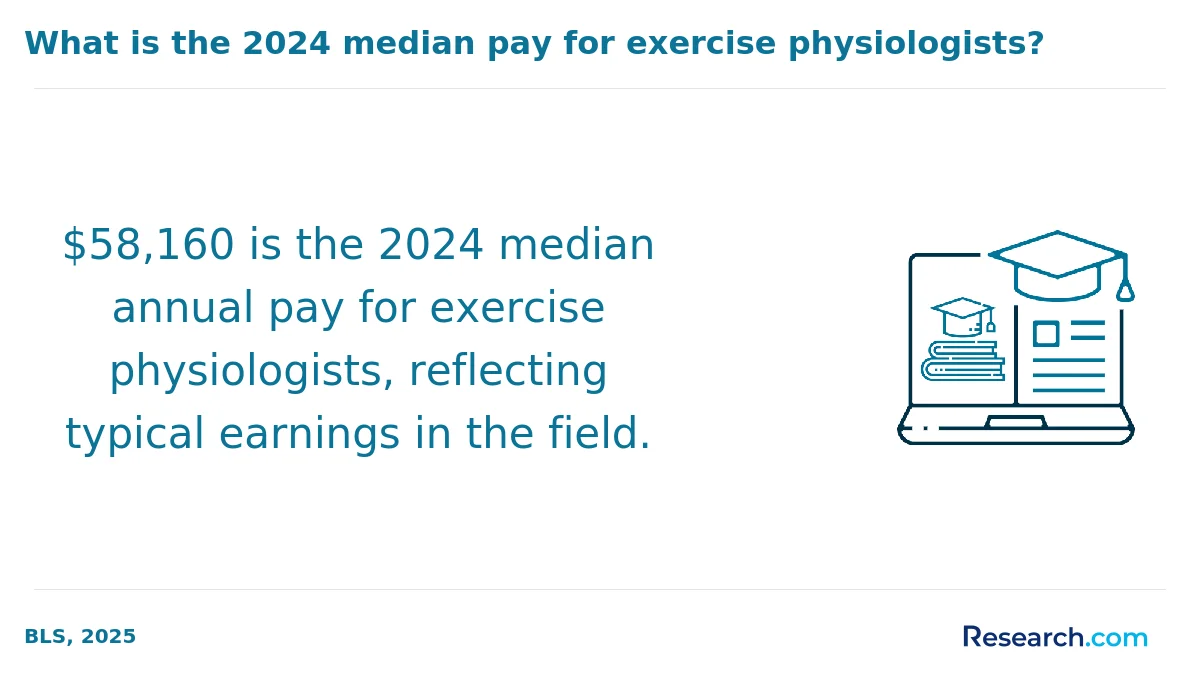
With experience and additional certifications such as Certified Strength and Conditioning Specialist (CSCS), earnings can increase to between $55,000 and $65,000. Graduates working in metropolitan areas like Dallas or Houston tend to command higher salaries due to increased demand and living costs. Those who move into physical therapy assistance or strength and conditioning roles in collegiate sports often see annual wages near or above $60,000.
Prioritizing nationally recognized credentials alongside your degree significantly boosts your marketability and income potential. Alumni stories frequently highlight that combining their degree from respected Southern schools with certifications opened doors to higher-paying jobs at rehabilitation centers or university programs.
- Tuition for online exercise science degrees in the South ranges from $7,000 to $15,000 per year, with public universities offering lower rates for in-state students.
- Entry-level salaries for graduates start around $40,000 annually, increasing to between $55,000 and $65,000 after five to ten years of experience.
- Employment in exercise science-related fields in the South is projected to grow by about 9% through 2030, driven by healthcare and wellness demand.
- States like Texas, Florida, and Georgia have high job concentrations and offer internships through local health partnerships with online programs.
- Choosing an accredited program recognized by organizations under CHEA is essential for certification and licensure eligibility in many states.
Completing an online exercise science degree in the South typically takes about four years for full-time students. For instance, graduates from popular Southern universities like the University of South Carolina often finish their bachelor's degree within this timeframe by following the structured semester schedule. However, if you're balancing work or family commitments, part-time study could extend your timeline to five years or more.
A common strategy among successful students is to leverage transfer credits from previous coursework, which some schools in states like Florida and Georgia readily accept. This approach can reduce your program length to closer to three years, making it an appealing option if you have prior college credits.
Many online programs also offer accelerated courses or year-round enrollment, allowing motivated students to complete their degree faster. By taking advantage of these options, you can customize your pace to fit your lifestyle, whether you're aiming to graduate quickly or need more flexibility.
Choosing an accredited online exercise science degree safeguards educational quality and professional eligibility. Look for programs approved by recognized bodies:
- Commission on Accreditation of Allied Health Education Programs (CAAHEP)
- Southern Association of Colleges and Schools Commission on Colleges (SACSCOC)
- Commission on Accreditation of Athletic Training Education (CAATE)
After graduation, pursue industry-standard certifications to boost your credentials:
- ACSM Certified Exercise Physiologist (EP-C)
- NSCA Certified Strength and Conditioning Specialist (CSCS)
- ACE Certified Personal Trainer
Verify accreditation status on each agency’s website and confirm that your curriculum aligns with certification exam requirements. For another accredited allied health pathway, explore our medical assistant program.
Choosing between an online and on-campus exercise science degree in the South depends largely on how you prefer to learn and your lifestyle needs. Online programs offer great flexibility, letting you study around work or family commitments from anywhere, which many students in rural Southern areas find incredibly freeing. For example, graduates from online tracks at universities like the University of Florida appreciate accessing lectures on their own schedule, avoiding long commutes.
On the other hand, on-campus degrees at schools like the University of North Carolina provide rich hands-on experiences. Students value the direct supervision during lab work and internships, which builds confidence in physical assessment and rehabilitation skills. This face-to-face interaction with faculty and peers creates a supportive learning atmosphere that some find energizing and essential.
Cost is another factor: Southern online students often save on housing and campus fees, sometimes paying less than $7,000 yearly, compared to $8,000-$12,000 for in-state on-campus tuition. Both options meet accreditation standards, so your choice should reflect your preferred learning style and career goals in exercise science.
Choosing an accredited online exercise science degree ensures your education meets rigorous standards and employers recognize your credentials.
- Regional accreditation (e.g., SACSCOC) validates institutional quality and credit transferability.
- Programmatic accreditation (e.g., CAAHEP) confirms the curriculum aligns with industry and clinical requirements.
- Graduating from an accredited program preserves eligibility for federal financial aid, professional certifications, and graduate study.
For related healthcare training pathways, explore our medical assistant program.
The average cost of an online exercise science degree in the South is approximately $22,212 in total. For in-state students attending popular Southern universities or colleges known for their exercise science programs, the median total cost drops closer to $19,836, making it a very attainable option for many. Out-of-state students should expect higher expenses, with the median total cost rising to about $35,795. These figures reflect the entire duration of the degree, helping students plan their finances effectively without worrying about unexpected tuition hikes.
Many graduates from well-regarded Southern schools emphasize the value of affordable public institutions and online offerings tailored to their schedules, which drastically reduces commuting and housing expenses. For instance, students at institutions with well-established online platforms often find it easier to balance work and study while saving money. Community colleges and technical schools frequently offer lower-cost associate degrees or transfer options in exercise science, presenting a budget-friendly stepping stone toward a bachelor's degree.
Budget-conscious students should explore financial aid options specific to health and exercise science fields and consider institutions offering scholarships or special online tuition rates. Additionally, if you are exploring affordable online exercise science programs southern US residents favor, consider looking into easy kinesiology online degrees to find flexible, lower-cost paths to graduation, making the pursuit of your degree both affordable and manageable.
Students pursuing online exercise science degrees in the South can tap into a variety of financial aid options tailored to ease tuition costs. For instance, many graduates from popular Southern schools like the University of Alabama and University of South Carolina credit Federal Pell Grants for reducing their yearly expenses by up to $7,395, making continuing education more accessible. Completing the FAFSA early is essential to unlock these benefits.
Federal Direct Loans also enable students to borrow up to $12,500 annually with manageable interest rates, which helped several graduates manage costs without overwhelming debt. Additionally, state-specific scholarships such as Tennessee's Education Lottery Scholarship and Georgia's HOPE Scholarship provide valuable support to residents studying online exercise science.
Many Southern universities supplement these federal and state aids with merit-based scholarships that can halve tuition fees, rewarding strong academic performance and relevant work experience. Some students even share their positive experiences with employer tuition reimbursement programs, especially those working in fitness or health fields, which can fully or partially cover the cost of their degree.
Private scholarships from organizations like the American College of Sports Medicine offer further funding opportunities, though early application is crucial to increase chances. Budgeting carefully and reaching out to school financial aid offices early are proven strategies graduates recommend for successfully navigating the financial aid landscape.
To enroll in an online exercise science degree program in the South, you typically need a high school diploma or GED. Graduates from popular Southern colleges often recall how having strong science and math backgrounds, especially in biology and chemistry, made their transition into coursework smoother and less stressful.
Most programs also require official transcripts showing your academic history. Some schools expect a minimum GPA around 2.5 to 3.0, which helps ensure you're ready to handle college-level material without feeling overwhelmed.
Non-native English speakers must prove proficiency through tests like TOEFL or IELTS, a step many successful students appreciated for boosting their confidence in virtual discussions and written assignments.
- Submitting transcripts early helps avoid last-minute delays
- Including optional SAT or ACT scores can strengthen your application
- Gaining CPR/AED certification or related volunteer experience improves readiness for hands-on portions
Reliable internet and recent technology are essential, as many Southern universities use platforms like Canvas or Blackboard. Graduates often highlight how being well-prepared with tech enabled them to stay engaged and enjoy their studies without frustration.
Typically, online exercise science degrees in the South include courses that blend theory with practical skills crucial for fitness and rehabilitation careers. Graduates from popular Southern universities often highlight foundational classes in human anatomy and physiology, essential for understanding muscle and joint function during workouts or physical therapy sessions.
Students also engage with exercise physiology, learning how physical activity impacts cellular and systemic health-knowledge that helps when designing effective training plans or recovery protocols. Biomechanics courses teach how forces affect body movement, a skill graduates recall using to improve athletic performance and reduce injury risk in real-world settings.
Nutrition classes focus on how diet supports energy and healing, making this knowledge immediately applicable for those coaching wellness or managing client meal plans. Behavioral science and exercise psychology courses offer insights into motivation, helping graduates support lasting lifestyle changes for clients.
Practical experience often comes through online labs combined with occasional in-person sessions, giving students hands-on exposure to fitness assessments and exercise testing, enhancing their confidence for professional environments in the Southern job market.
Typical specializations in online exercise science degree programs in the South allow students to focus their studies on practical and high-demand areas. Graduates from well-known Southern universities appreciate tracks like Kinesiology, which covers human movement and biomechanics-vital for careers in physical therapy and sports performance. Those drawn to athletic training often choose Strength and Conditioning, preparing them to become skilled strength coaches or personal trainers. Health and Wellness Coaching equips students to support clients in lifestyle changes, which is increasingly popular amid growing public health awareness.
For students interested in applied healthcare, Clinical Exercise Physiology offers training to prescribe safe exercise regimens for chronic disease management. Sport Psychology specialization addresses mental performance strategies, crucial for enhancing athletes' motivation and focus. Many graduates report feeling confident entering the workforce thanks to curriculum options tailored specifically to the South region exercise science career options.
Those weighing their options will find helpful guidance studying an online degree kinesiology program, which is widely offered by Southern colleges known for quality, accessibility, and recognition among regional employers.
Choosing the best online exercise science degree in the South begins with verifying accreditation from bodies like CAAHEP or regional accreditors such as SACSCOC. Graduates from popular southern universities often emphasize how accreditation gave them confidence their credits and degrees would be respected by employers and graduate schools. Next, evaluate the curriculum and specializations that match your goals; some students found kinesiology-focused tracks aligned perfectly with careers in physical therapy, while others preferred sports medicine or wellness coaching.
Flexibility is crucial for working professionals balancing jobs and family. Online programs in the South frequently offer asynchronous classes and local internship opportunities that help students gain hands-on experience without relocating. Considering affordable exercise science degrees Southern states offer is also wise; public institutions typically charge $6,000 to $12,000 per year, but private schools may exceed $20,000. For those prioritizing cost-efficiency, exploring a cheapest online exercise science master's degree can be a smart step.
Lastly, rely on insights from current students or alumni about faculty expertise, access to virtual labs, and career support networks. These firsthand experiences reveal the practical benefits of each program and ease decision-making for those seeking best online exercise science programs in the South.
Graduates with an online exercise science degree in the South often find rewarding roles as certified personal trainers or fitness coaches, especially in bustling gyms and wellness centers near universities known for strong exercise science programs. Many Southern states emphasize community health, boosting demand for professionals in such roles. Additionally, numerous Southern colleges prepare students to become exercise physiologists who design recovery programs for patients with chronic illnesses, benefiting from the expanding healthcare infrastructure in the region.
Health and wellness coaching is another growing career path, where graduates use their expertise to guide lifestyle changes in community-based health initiatives prevalent in the South. Several alumni from popular Southern institutions describe these roles as fulfilling due to the positive impact on vulnerable populations. To maximize job opportunities, students are encouraged to explore advanced degrees in physical therapy or sports medicine, which offer higher earning potential and are in demand locally.
Those aiming for financial efficiency might consider the cheapest online bachelor degree programs in sports management as a stepping stone before specializing. Overall, Southern states exercise science job opportunities are diverse and promising for proactive graduates.
Graduates with an online exercise science degree in the South benefit from a strong job market driven by expanding health and wellness sectors. Southern universities like the University of Florida and the University of North Carolina provide hands-on internships and community placements that enhance real-world skills and job readiness. Many graduates find fulfilling roles in cities such as Atlanta and Miami, where sports teams and rehabilitation centers actively seek exercise science professionals.
Job opportunities often arise in corporate wellness programs, rehabilitation clinics, and preventative healthcare, reflecting the South career outlook for exercise science graduates. Employers value certifications such as ACE or ACSM alongside degrees. The average annual salary ranges from $50,000 to $65,000, making it a viable career path in this region.
For prospective students balancing cost and quality, some choose affordable online options available through Southern colleges. You can explore the cheapest online masters in physical education to complement exercise science degrees and boost competitive advantage.
2027 Easiest Online Exercise Science Degree Programs Ranking in the South
Investing in your education is a significant decision that can shape your future, and the Research.com team understands the importance of making informed choices. To assist prospective students in the South, we have carefully developed the "2027 Easiest Online Exercise Science Degree Programs Ranking in the South." Our dedication to quality, credibility, and accuracy is demonstrated through thorough research and analysis to ensure a trustworthy ranking.
We utilized the following reputable data sources to create this ranking:
By exploring this ranking, readers will gain valuable insights into accessible and quality online exercise science degree programs in the South, helping them make well-informed decisions about their educational journeys. For more information about how our ranking was created, please visit our Research.com methodology page.




# 9 position
Louisiana State University and Agricultural & Mechanical College
Master of Sport Management


# 12 position
Cameron University
Bachelor of Sports and Exercise Science


# 15 position
University of Arkansas Grantham
Master of Health Systems Management



Frequently Asked Questions About exercise science
Students pursuing online exercise science degrees in the South can enhance their education by actively engaging with digital resources and regional professional networks. Many Southern universities, such as the University of Florida and Texas A&M, offer specialized virtual labs and simulation tools that replicate hands-on experiences, which are critical for mastering biomechanics and physiology concepts.
Connecting with local internship opportunities in healthcare and fitness organizations is also vital. Data from the Southern Regional Education Board show that internships increase employment rates by 20% in exercise science fields.
Additionally, joining associations like the Southern Society for Physical Activity supports networking and access to regional conferences, which enrich learning beyond the virtual classroom.
The exercise science field is expanding into several emerging niches, reflecting current health and technology trends. One significant area is sports analytics, where data and performance metrics help athletes optimize training. Programs in the South increasingly incorporate this focus into their curricula.
Another growing niche is telehealth fitness, which uses digital platforms to deliver exercise guidance remotely-especially important in rural Southern communities. Additionally, there is rising interest in gerontology and exercise, responding to the region's aging population.
Rehabilitation sciences and integrating wearable technology for monitoring physical activity are gaining traction nationally and in Southern universities alike, according to recent surveys by the American College of Sports Medicine.
After earning an online exercise science degree in the South, graduates should focus on gaining relevant certifications. Certifications like ACSM's Certified Exercise Physiologist or NSCA's Certified Personal Trainer boost credibility and job prospects.
Networking is crucial. Joining local or regional professional organizations such as the Southeastern American College of Sports Medicine chapter can provide valuable connections and job leads.
Internships and hands-on experiences-even virtual ones-help develop practical skills sought by employers. The U.S. Bureau of Labor Statistics projects a 15% growth in exercise science-related jobs in the Southern states by 2030, reflecting strong demand.
Additionally, consider pursuing graduate studies or specialized training in fields like physical therapy or sports nutrition to widen career options.
Employers in the South seeking graduates with online exercise science degrees prioritize strong knowledge in human anatomy, physiology, and kinesiology. Understanding these core subjects supports effective fitness program design and injury prevention.
Communication skills are also highly valued. Graduates must clearly explain exercise techniques and motivate clients of diverse backgrounds. According to the Bureau of Labor Statistics, effective interpersonal skills improve job prospects in health and fitness fields across Southern states.
Additionally, proficiency in data collection and analysis is essential. Employers look for graduates who can assess clients' progress using technology and interpret results to adjust training plans.
Finally, practical experience through internships or certifications enhances employability, as regional employers prefer candidates with hands-on skills.
Finding internships in the South related to an exercise science degree requires strategic planning and resourcefulness. Start by exploring university career centers, which often partner with local clinics, gyms, and hospitals to offer internship placements. Many Southern states, like Texas and Florida, have large healthcare industries that frequently seek exercise science interns.
Networking is also essential. Joining professional organizations such as the American College of Sports Medicine (ACSM) can provide access to internship listings and mentorship. Additionally, websites like Handshake and Indeed offer regional internship opportunities filtered by location and field.
State workforce agencies may have data on internship availability. For example, the Georgia Department of Labor provides resources specific to health and exercise-related careers. Use these tools to target internships within Southern states known for growth in health sciences.
An online exercise science degree can significantly enhance career mobility and advancement in the South, where healthcare and fitness industries are expanding. According to the U.S. Bureau of Labor Statistics, employment for exercise physiologists is projected to grow 11% from 2020 to 2030, faster than average. Earning this degree online offers flexibility, enabling students to balance work and study while gaining relevant certifications required in Southern states, such as the ACSM Certified Exercise Physiologist credential.
Employers in Southern metropolitan areas often seek candidates with formal education and practical experience, which online programs increasingly provide through virtual labs and internships. Graduates frequently find roles in rehabilitation centers, fitness facilities, and community health programs, supporting steady career growth.
Studying for an online exercise science degree in the South offers specialized training that intersects with multiple disciplines such as nutrition, physical therapy, and sports management. Southern universities often emphasize collaborative coursework, preparing students to work effectively in teams across healthcare, wellness, and athletic settings. According to the Southern Association of Colleges and Schools Commission on Colleges, many programs integrate courses in psychology and biomechanics, essential for interdisciplinary work.
Graduates are equipped to communicate with professionals in related fields, increasing their versatility in roles like rehabilitation coordination or wellness program design. This regional focus aligns with the growing demand for holistic health approaches in Southern states, where chronic disease rates remain high, according to the CDC. These programs prepare students to adapt and contribute within diverse health and fitness environments.
Choosing between a thesis and a non-thesis exercise science degree program in the South depends on your career goals and time commitment. Thesis programs typically require original research, which is ideal if you plan to pursue a PhD or a research career. These programs often last longer due to the research component. Non-thesis options focus more on coursework and practical skills, suited for students aiming to enter the workforce quickly or pursue certifications.
The Southern region offers a variety of accredited programs, many approved by the Commission on Accreditation of Allied Health Education Programs (CAAHEP). According to the Southern Regional Education Board (SREB), about 40% of Southern institutions provide thesis options in exercise science, reflecting a balanced choice for students.
Financial aid and tuition costs can also vary, so consider your budget. Ultimately, evaluate program curricula, faculty expertise, and your own academic strengths before deciding.
Students based in the South interested in studying exercise science abroad face limited direct options due to the specialized nature of the field and regional program availability. Most online exercise science degrees offered by Southern universities, such as the University of North Carolina and Florida State University, focus on US-based curricula with accredited programs tailored to meet American Society of Exercise Physiologists standards.
However, students can explore international partnerships or exchange opportunities with institutions in countries like Canada and the United Kingdom, where exercise science programs align closely with US accreditation.
According to the National Center for Education Statistics, fewer than 10% of Southern exercise science students participate in study abroad programs, reflecting regional trends.
Students pursuing online exercise science degrees in the South can benefit from part-time jobs that build relevant skills and experience. Common opportunities include working as fitness instructors, personal trainers, or wellness coaches, roles often available at local gyms and community centers. These positions help develop practical knowledge of human anatomy, exercise techniques, and client communication.
In addition, jobs such as physical therapy aides or rehabilitation assistants in clinics provide valuable exposure to patient care and kinesiology, complementing academic learning. According to the U.S. Bureau of Labor Statistics, the Southern states exhibit steady growth in health-related occupations, supporting job availability.
Moreover, some students find roles as sports camp assistants or athletic trainers for school teams, gaining firsthand experience with athletic performance and injury prevention.
Online exercise science students in the South benefit from various networking opportunities through regional professional organizations such as the Southern Athletic Trainers' Association and state-specific branches of the American College of Sports Medicine (ACSM). These groups often host virtual conferences, webinars, and local meetups, making it easier for remote learners to connect with professionals and peers.
Additionally, many Southern universities offering online exercise science degrees partner with local gyms, hospitals, and sports teams to provide internship placements and volunteer opportunities. This helps students build hands-on experience and professional contacts.
According to the Bureau of Labor Statistics, the South expects a 12% growth in exercise science-related jobs by 2031, underscoring the importance of professional networking in this expanding field.
Alumni networks provide significant benefits for online exercise science degree students in the South. These networks connect current students with graduates working in fields ranging from sports medicine to physical therapy. Such connections often lead to job opportunities and mentorship, which are crucial in competitive Southern markets like Texas and Florida.
Research by the National Strength and Conditioning Association highlights that 65% of professionals found their first career opportunity through alumni contacts. Additionally, Southern universities with strong alumni engagement offer exclusive workshops and local events, helping students build relevant professional skills.
Networking through alumni also enhances students' understanding of regional job trends and certifications required, especially since Southern states have varied licensing standards for exercise science-related careers. This localized insight improves career planning and success for graduates.
Customizing an online exercise science degree program in the South allows students to align their studies with specific career goals. Many Southern universities offer elective courses in areas like sports nutrition, rehabilitation, or strength conditioning, enabling focused expertise. Some programs provide internship or practicum options with local health facilities, helping students gain practical experience tailored to their interests. According to the National Society of Health Coaches, nearly 60% of Southern programs incorporate flexible curricula to address diverse professional paths. Additionally, choosing a program with certification preparation, such as for ACSM or NSCA, can enhance job prospects in specialized fields.
Online exercise science students in the South face several notable challenges. One common issue is limited access to local internship sites, which are crucial for hands-on experience. Many Southern states have fewer accredited clinical facilities near rural areas, complicating practical training requirements.
Additionally, internet connectivity can be inconsistent, especially in rural parts of the South. This affects streaming lectures and participating in interactive sessions. According to the Southern Regional Education Board, approximately 19% of Southern households lack high-speed broadband, limiting online learning effectiveness.
Lastly, students often struggle with balancing work, family, and coursework, which can impact retention and completion rates for online exercise science degrees in the region.
With an online exercise science degree, graduates in the South can pursue several professional certifications to boost their careers. Common certifications include the Certified Exercise Physiologist (EP-C) offered by the American College of Sports Medicine (ACSM) and the Certified Personal Trainer (CPT), also through ACSM or the National Academy of Sports Medicine (NASM).
Other respected credentials are the Certified Strength and Conditioning Specialist (CSCS) from the National Strength and Conditioning Association and the Certified Health Fitness Specialist (HFS). These certifications are widely recognized by employers across southern states like Texas, Florida, and Georgia.
Certification requirements generally include a bachelor's degree, passing an exam, and maintaining continuing education. According to the Bureau of Labor Statistics, jobs for fitness trainers in the South are expected to grow by 16% from 2020 to 2030, reflecting strong demand for certified professionals.
Writing a winning application for an online exercise science program in the South requires clear focus and preparation. Start by researching programs regionally accredited by agencies recognized by the U.S. Department of Education, ensuring quality and transferability of credits. Admissions committees typically look for strong academic performance in science and health-related courses, so highlight relevant coursework and any lab experience. Include a well-crafted personal statement that connects your passion for exercise science with career goals and how the program fits your needs.
Additionally, many Southern universities value practical experience. Mention internships, volunteer work, or certifications like CPR/AED to demonstrate commitment. According to the National Strength and Conditioning Association, the South has a growing demand for professionals with hands-on skills.
Letters of recommendation should come from academic or professional sources familiar with your dedication and aptitude in health sciences. Finally, carefully proofread your application to avoid errors, as attention to detail is crucial in this competitive field.
Exercise science careers hold strong global appeal due to growing awareness of health and wellness. In the United States, especially in the South, the field is expanding rapidly with increased demand for professionals in sports science, physical therapy, and fitness training. According to the Bureau of Labor Statistics, employment in related occupations is projected to grow 11% between 2020 and 2030, faster than the average for all occupations.
Internationally, exercise science is recognized as a critical component of public health strategies. Many countries are investing in research and education to combat lifestyle diseases through physical activity. However, the US remains a leader in exercise science research and certification standards, offering diverse career paths across clinical and non-clinical sectors.
For students in the South, pursuing an online exercise science degree provides access to programs aligned with national accreditation, which supports global career mobility. Institutions in this region incorporate current scientific trends and workforce needs to prepare graduates for a competitive job market.
Gaining practical experience while studying for an online exercise science degree in the South is essential for career readiness. Many Southern universities require internships or practicum hours, which students can complete at local fitness centers, hospitals, or rehabilitation clinics near their residence. This hands-on training complements online coursework by applying theoretical knowledge in real-world settings.
Students often collaborate with certified exercise physiologists or physical therapists to develop professional skills. According to the National Commission for Certifying Agencies, securing at least 300 hours of supervised experience is common to qualify for certifications in the field.
Additionally, virtual simulations and remote labs offered by some Southern programs provide practical learning opportunities without geographic constraints.
Choosing the right concentration within an online exercise science degree in the South depends on your career goals and interests. Popular concentrations include kinesiology, sports performance, health promotion, and rehabilitation. Each focuses on different aspects of human movement and health.
Consider local job market demands: the U.S. Bureau of Labor Statistics projects a 15% growth in exercise physiologist jobs through 2032, with the South showing strong opportunities in healthcare and fitness sectors. Research regional employer needs via state labor departments or university career services.
Accreditation and curriculum quality impact your education's value. Programs accredited by the Commission on Accreditation of Allied Health Education Programs (CAAHEP) are widely recognized in the South.
Align concentrations with certifications you may want, such as ACSM or NSCA, to enhance employment prospects in Southern states.
- eta College: Bachelor of Exercise:Sports Science (Online) https://etacollege.com/bachelor-of-exercise-sports-science-online/
- Sport & Exercise Science Internships | Intern Abroad HQ https://www.internhq.com/fields/sport-and-exercise-science/
- Exercise Science Personal Statement https://www.bartleby.com/essay/Exercise-Science-Personal-Statement-C472C7B1E4BB40CB
- Internships | Research Institute of Sport & Exercise https://risesportsinstitute.org/internships/
- Beyond the Gym and the Field: Career Paths You Might Not Expect https://www.snu.edu/blog/beyond-the-gym-and-the-field-career-paths-you-might-not-expect
- 2026 Best Online Exercise Science Degrees https://www.onlineu.com/degrees/exercise-science
- Sports and Exercise Science Personal Statement https://www.personalstatementservice.com/blog/examples/sports-and-exercise-science-personal-statement
- Online Exercise Science Program https://stmary.edu/online-programs/exercise-science.html
- Online Exercise Science Degrees: Top School Review https://www.edumed.org/online-schools/exercise-science-degrees/
- Exercise Science | York College of Pennsylvania https://www.ycp.edu/academics/programs/exercise-science