2027 Fastest Online Bachelor's in Exercise Science Degree Programs Ranking in the Midwest

Co-Founder and Chief Data Scientist
Exploring your options for an exercise science degree can feel overwhelming, especially when you want to find the fastest path to graduation. This article introduces the 2027 Fastest Online Bachelor's in Exercise Science Degree Programs Ranking in the Midwest, crafted by the Research.com team of data scientists to support your decision-making.
By reading this ranking, you'll uncover programs that balance quality education with flexibility and speed, helping you advance your career sooner. Earning an exercise science degree opens doors to rewarding health and fitness professions, and this guide makes choosing the right program easier and more confident.
Key benefits of getting online exercise science degree in the Midwest
- Exercise science graduates in the Midwest typically see starting salaries around $40,000 to $50,000 annually, aligning with national averages for fitness trainers and wellness coordinators; these roles offer steady income with growth potential.
- Graduates from Midwestern universities often pursue careers as personal trainers, physical therapy assistants, or wellness coaches, benefiting from strong local demand in health and fitness industries.
- Online exercise science degrees from reputable Midwestern schools provide flexibility for working adults, allowing students to balance studies and life commitments while gaining valuable hands-on experience through local internships.
- 2027 Fastest Online Bachelor's in Exercise Science Degree Programs Ranking in the Midwest
- What can I expect from online exercise science degree in the Midwest?
- Where can I work with online exercise science degree in the Midwest?
What can I expect from online exercise science degree in the Midwest?
When considering the cost of pursuing an online exercise science degree in the Midwest, students often find a welcoming balance between quality and affordability. For example, those enrolled at institutions like Ohio State University or the University of Michigan typically encounter tuition rates ranging from $8,000 to $15,000 per year for in-state students, which helps relieve financial pressure while fueling their educational journey.
Graduates recall how this affordability allowed them to focus more on immersing themselves in fascinating coursework-diving into anatomy, physiology, and biomechanics-without the burden of excessive debt. Many could maintain jobs or family commitments while studying, thanks to flexible online formats paired with occasional local internships or lab sessions.
The excitement of learning in well-established programs with strong regional connections brought a sense of belonging, even from afar. It's this combination of accessible pricing and meaningful, hands-on learning that encourages many Midwestern students to take confident steps toward becoming skilled exercise physiologists or rehabilitation specialists.
Where can I work with online exercise science degree in the Midwest?
Graduates with an online exercise science degree from Midwestern universities like the University of Michigan or Indiana University often find themselves stepping confidently into dynamic workplaces. Imagine designing personalized rehab programs in bustling Chicago hospitals or crafting energizing fitness plans at community centers in Minneapolis. These experiences not only build skills but ignite a passion for transforming lives through movement.
Many graduates discover rewarding careers as exercise physiologists in Ohio's advanced healthcare facilities, where they support patients managing chronic conditions with tailored physical activities. Others get energized working at corporate wellness programs in Indianapolis, helping employees stay motivated and healthy. The thrill of being a strength and conditioning coach at Big Ten schools adds a spark for those eager to enhance athlete performance on the collegiate or professional level.
Public health roles also attract adventurous graduates committed to fighting obesity and promoting fitness across the Heartland. Meanwhile, those drawn to research and teaching thrive at Midwestern universities, contributing to cutting-edge discoveries that shape the future of exercise science.
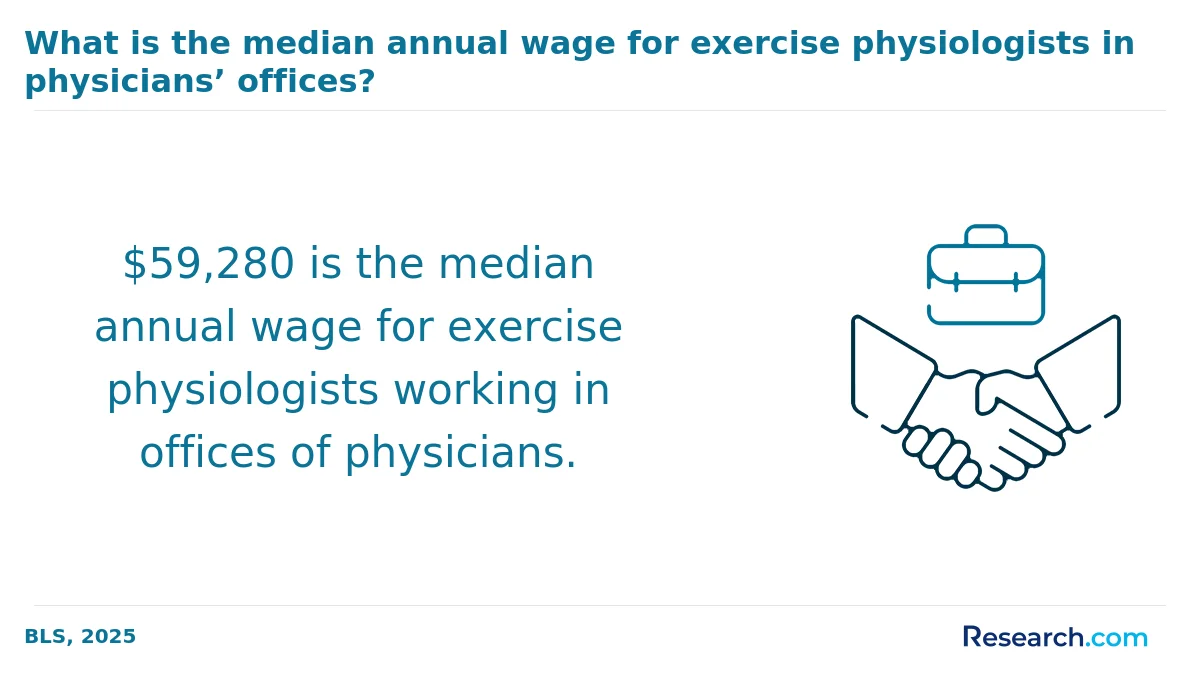
Graduates from online exercise science programs in the Midwest often find themselves stepping into careers where their passion meets rewarding pay. Imagine a recent graduate from a respected Midwest university landing a job as an exercise physiologist. While the national average hovers around $55,000 annually, Midwest salaries typically range from $48,000 to $53,000-competitive figures that feel both realistic and promising.
In bustling hubs like Chicago or Minneapolis, where healthcare innovation thrives, these numbers climb even higher. Graduates with a few years of experience or certifications from organizations like the ACSM often report earnings above $60,000. It's easy to picture them motivating clients in state-of-the-art facilities or supporting rehabilitation in top metropolitan hospitals.
Other graduates trailblazing careers as fitness trainers or wellness coordinators may start closer to $35,000-$40,000, gradually moving into mid-career ranges of $45,000 to $50,000. These figures echo national trends, confirming that Midwest students can comfortably chase their dreams in familiar regional landscapes.
The thrill of combining education from Midwest institutions with these tangible earnings creates a powerful sense of accomplishment for many online learners ready to embark on dynamic health and fitness careers.
- Online exercise science degrees in the Midwest typically require around 120 credit hours covering subjects like anatomy, physiology, and kinesiology.
- Tuition costs usually range from $20,000 to $40,000, with public universities offering lower rates for in-state students.
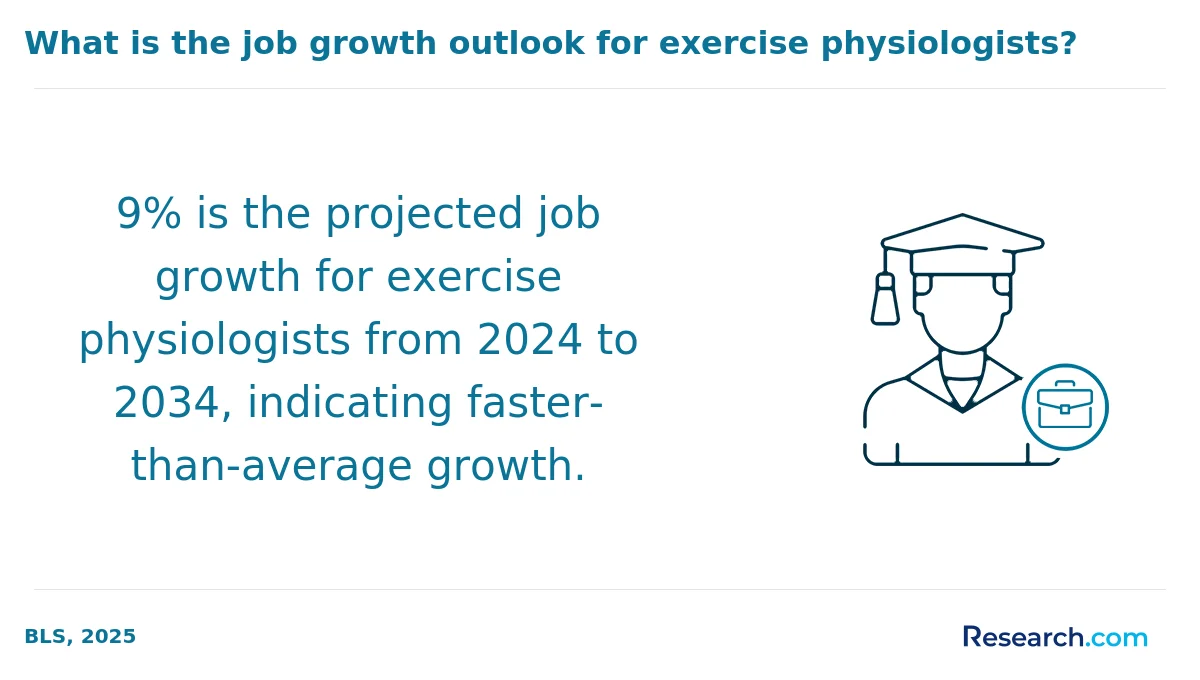
- Job growth for exercise physiologists in Midwest metro areas is expected to be about 10% over the next decade, faster than average.
- Starting salaries range from $35,000 to $45,000 annually, increasing to $50,000-$65,000 with experience and certification.
- Many programs prepare students for national certification exams and offer flexible schedules to balance work and study.
Completing an online exercise science degree in the Midwest generally takes about four years if you're studying full-time, aligning closely with the traditional undergraduate timeline. Imagine a student at Michigan State University balancing work and coursework, choosing to stay on a steady pace that fits their life rhythms perfectly. For those eager to fast-track their journey, universities like the University of Illinois offer accelerated paths-think summer sessions and compact semesters-that trim the timeline to around three years, sparking a sense of accomplishment sooner than expected.
Many graduates recall transferring credits from community colleges, shaving off precious semesters and fueling their motivation. Since Midwest programs often accept up to 60 transfer credits, it's like earning a head start on the adventure. Meanwhile, weaving hands-on internships or clinical experiences into the mix adds real-world depth, often enriching the journey but sometimes stretching it beyond four years.
What shines through is the flexibility these programs offer, helping students navigate personal schedules and financial considerations-transforming what could feel like a long haul into an empowering expedition toward their goals.
On the flip side, attending on-campus at places like the University of Michigan offers an immersive experience where face-to-face labs bring physiology to life. Graduates treasure hands-on sessions-testing, assessing, and collaborating in sweaty, energetic classrooms that ignite passion and practical skills firsthand.
Cost-wise, many Midwest public universities price online and campus programs similarly, but living off campus cuts housing and transport costs dramatically, easing financial pressure. Many online learners say arranging local internships bridges the gap, blending real-world practice with flexible study.
The average cost of an online exercise science degree in the Midwest hovers around $47,400 for the entire program. In-state students often find more manageable tuition near $13,200, a figure that resonates with many graduates from renowned Midwest institutions who recall the excitement of investing in their futures without breaking the bank. Out-of-state learners, on the other hand, face steeper costs, averaging closer to $13,350, which still feels accessible against the backdrop of the quality education offered.
Many students diving into the Midwest online exercise science tuition and fees appreciate how this investment translates into real-world benefits-think of those late-night virtual labs or interactive sessions with professors from universities known for their exercise science programs. Graduates often share stories of juggling daily life and studies, buoyed by the flexibility and affordability that online learning uniquely provides in this region.
For those eager to uncover even more budget-friendly paths, exploring the cheapest online exercise science degree options can open up a world of possibilities. The sense of adventure in choosing an online program in the Midwest isn't just about academics; it's also about making smart financial moves that empower students to focus on mastering their discipline without excessive financial strain.
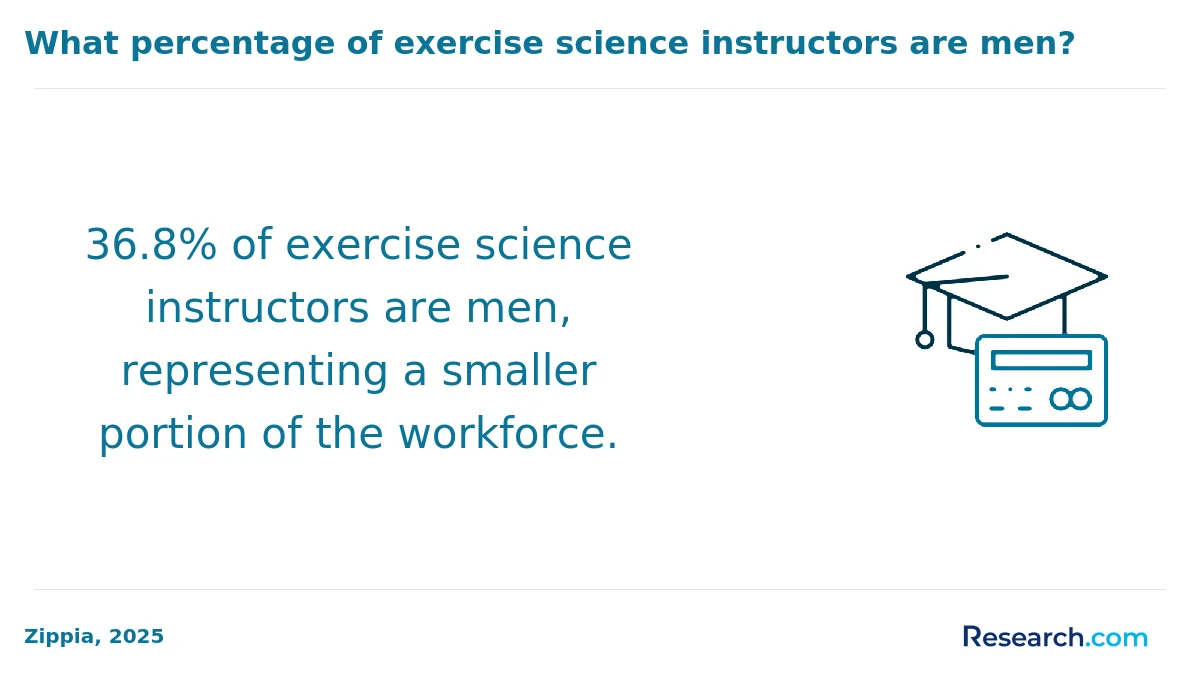
Imagine securing an online exercise science degree from a Midwest school like the University of Illinois or Michigan State University without drowning in debt. Many students discover federal aid through FAFSA as their first beacon-grants, loans, and work-study programs open doors. Picture a graduate thrilled to receive a Pell Grant, easing tuition costs by up to $7,395 during their final year.
State-specific grants from places such as Ohio or Minnesota also dramatically shrink bills. One student shared how a Michigan residency grant made attending Michigan online programs more affordable, transforming financial stress into motivation. Some states even participate in tuition reciprocity agreements, crafting paths to discounted out-of-state programs, which broadens horizons for adventurous learners.
Scholarships from professional organizations, like the American College of Sports Medicine, recognize passion and commitment, rewarding merit and leadership-fueling dreams of becoming health pioneers. Colleges themselves add institutional scholarships and accelerated degree options that shorten program lengths, inviting focused, ambitious learners to thrive.
Plus, students working in healthcare or fitness industries often tap into employer tuition assistance, blending work and study seamlessly. These diverse aids illuminate the journey for Midwest online exercise science students, turning challenges into exciting opportunities.
Diving into an online exercise science degree in the Midwest opens an exciting journey-but first, there are some key steps to take. Most programs, whether at a well-known Midwestern university or a respected college, ask for proof of a high school diploma or a GED. Imagine a recent graduate from a university in the heart of Illinois recalling how meeting the minimum GPA of around 2.5 helped them confidently move forward with their application.
Preparing with core courses like biology, chemistry, and math during high school truly sets the stage. Students often share how these subjects sparked their curiosity about the human body and movement before even starting their higher education courses. Transcripts play a crucial role, especially for transfer students hoping to speed up their degree at schools across the Midwest.
While some programs might still weigh SAT or ACT scores, many are shifting focus away from tests to embrace diverse backgrounds. A few colleges even ask for personal statements or interviews that helped applicants tell their unique stories and show their passion for health and exercise science-making every step feel like a meaningful part of the adventure.
Diving into an online exercise science degree in the Midwest means immersing yourself in courses that unlock the mysteries of the human body in motion. Imagine studying anatomy and physiology just like graduates from the University of Iowa, who describe these classes as eye-opening journeys into understanding how muscles and organs work together to fuel movement.
As you progress, courses like kinesiology and biomechanics bring science to life, revealing how joints and muscles create fluid motion. Graduates from the University of Illinois often share how hands-on virtual labs helped them visualize these concepts clearly, making complex systems feel accessible and exciting.
Nutrition and sports psychology round out the experience-where you explore how diet impacts recovery and how mindset drives performance. Many students at Michigan State University find these lessons especially inspiring, translating theory into practical tips they apply daily.
To top it off, online programs incorporate research methods and fitness assessments, encouraging you to design training plans as if preparing clients for real-world challenges. This blend of theory and practice prepares Midwestern students to thrive in the vibrant, growing field of exercise science.
Diving into online exercise science degree programs in the Midwest, you'll discover exciting specializations perfectly tailored to diverse career goals. Graduates from popular institutions in Illinois or Ohio vividly recall immersing themselves in Sports Performance and Conditioning, where mastering advanced biomechanics and injury prevention felt like unlocking an athlete's true potential. Others found joy in Health and Fitness Promotion, crafting wellness strategies that ripple positively through communities, a passion brought to life with real-world applications from midwestern neighborhoods to university wellness centers.
For those drawn to healing, Rehabilitation Sciences offers hands-on knowledge in anatomy and therapeutic exercise, a favorite among students balancing study with family life across Minnesota. Clinical Exercise Physiology captivates those fascinated by treating chronic diseases-graduates fondly describe analyzing cardiovascular health remotely while preparing for certifications that boost their careers.
Exploring online exercise science specializations Midwest reveals pathways rich with purpose and practical impact, often aligned with guidelines from the ACSM. Prospective students eager for a rewarding journey can learn more through online kinesiology degree programs known for flexibility and excellence.
Choosing the best online exercise science degree in the Midwest starts with diving into accreditation-knowing your program holds recognized standards ensures your hard work counts. Graduates from institutions like those locally renowned thrive because their credits transfer smoothly and their education mirrors on-campus rigor. Imagine taking virtual labs through collaborations with familiar Midwest clinics, gaining hands-on experience that feels just as real as in-person.
Exploring curriculum options sparks excitement for many online learners in the region. Whether your passion points to sports performance or rehabilitation, universities in the Midwest often tailor courses to reflect these specializations, empowering you to follow a path that fits your ambitions. Alumni often share how internships arranged through their schools opened doors, making the virtual journey feel deeply connected to the community.
Cost matters-and for those hunting affordable online exercise science programs Midwest schools offer options that balance quality and price. Comparing fees thoughtfully reveals where your investment stretches furthest without sacrificing essentials like clinical placements. Some students find inspiration by researching the cheapest online master's in exercise science to maximize value.
Student support enriches the adventure-academic advising, tutoring, and career counseling can light your way, smoothing out the bumps of online study. Midwest-based programs often provide synchronous sessions or virtual labs that spark engagement and hands-on learning, encouraging confidence and connection even from a distance.
Finally, graduates emphasize checking graduation rates and job placement success. Knowing a program leads many to rewarding roles in physical therapy or wellness coaching offers reassurance. By focusing on these tangible outcomes, your choice of best online exercise science degrees Midwest becomes not just a degree but a launchpad for your journey ahead.
Exploring online exercise science careers Midwest reveals a landscape rich with possibilities. Graduates from institutions like the University of Illinois or Michigan State often find themselves energizing roles as fitness trainers or exercise physiologists, leading others through transformative health journeys. Imagine guiding athletes in a university gym or helping seniors regain strength in a local clinic-such experiences bring the knowledge from anatomy and biomechanics to life.
Many graduates venture into cardiac rehabilitation, where they support patients recovering from heart conditions, a path prevalent in Midwest hospitals and outpatient centers. Others dive into occupational health, crafting wellness programs for companies aiming to boost employee vitality and morale. Aspiring professionals may further specialize by earning certifications like CSCS or ACSM-EP, opening doors to collegiate sports or clinical roles.
Midwestern colleges offering exercise science degrees also prepare students financially-with programs costing between $15,000 and $30,000 annually-and academically, including prep for certifications. For anyone curious about affordable options, check out the cheapest online sports management bachelor s degree as a stepping stone to such careers.
Advancement leads toward health education, sports research, or physical therapy assistance, showcasing the diverse career paths blossoming from a Midwest online exercise science degree job outlook that's vibrant and full of promise.
The job market for online exercise science degree jobs Midwest is vibrant and full of opportunities, especially for those who embrace the region's unique blend of healthcare and sports culture. Graduates from popular Midwest institutions often find themselves energized by hands-on roles in rehabilitation centers and fitness facilities within cities like Chicago or Minneapolis. Imagine designing recovery plans in bustling hospitals or helping athletes at community recreation centers prevent injuries-these real experiences highlight why the demand is growing.
Midwest job outlook for exercise science graduates brightens even more considering the region's aging population, which fuels a steady need for experts in exercise-based rehabilitation and chronic disease management. Alumni from well-known schools feel optimistic about salaries ranging from $40,000 to $60,000 at entry levels, with room to grow as they gain certifications. Many appreciate the affordable pathway to these careers, especially through programs offering in-state tuition, making the practical choice even easier, such as those found for the cheapest physical education master's degree.
2027 Fastest Online Bachelor's in Exercise Science Degree Programs Ranking in the Midwest
Investing in your education is a significant decision that can shape your future, and the Research.com team understands the importance of making informed choices. To assist prospective students interested in Exercise Science, we have meticulously developed the "2027 Fastest Online Bachelor's in Exercise Science Degree Programs Ranking in the Midwest." Our dedication to quality, credibility, and accuracy is demonstrated through rigorous research and data analysis carried out to assemble this ranking.
We utilized the following reputable data sources to ensure a comprehensive evaluation of these programs:
By consulting this ranking, readers will gain valuable insights into the fastest and most efficient online Exercise Science degree programs in the Midwest, empowering them to make well-informed decisions about their academic and professional futures. For further details on our approach, please visit our Research.com methodology page.




Frequently Asked Questions About exercise science
Online exercise science degree students in the Midwest can maximize their learning by actively engaging with their virtual coursework and seeking practical experience. Many Midwest institutions offer internships and partnerships with local health centers, which provide hands-on training essential for applied knowledge. Adhering to a consistent study schedule improves retention, especially given that exercise science involves complex anatomy and physiology topics. Utilizing campus resources like virtual labs and academic advising is crucial, even if studying remotely. According to the National Strength and Conditioning Association, practical application significantly enhances student outcomes in exercise science programs. Networking with peers through online study groups also fosters deeper understanding.
The exercise science field is rapidly evolving, with several emerging niches gaining attention, especially for students pursuing online degrees in the Midwest. One key area is telehealth and remote fitness coaching, driven by increased demand for virtual health services. According to the Bureau of Labor Statistics, roles involving digital health platforms are expected to grow faster than average through 2030.
Another growing niche is exercise genomics, which involves personalized fitness programs based on genetic information. Midwestern universities like the University of Illinois are integrating this into research, reflecting regional investment in biotech and health innovation.
Additionally, geriatric exercise science is expanding as the Midwest experiences an aging population, emphasizing tailored fitness to improve older adults' quality of life detailed by the Midwest Age Wave initiative.
Preparing for the job market after earning an online exercise science degree in the Midwest involves strategic steps. Graduates should pursue certifications such as the ACSM Certified Exercise Physiologist or NSCA Certified Strength and Conditioning Specialist, both highly valued by employers in this region.
Midwest employers often seek candidates with hands-on experience, so internships or volunteer roles in healthcare facilities, sports teams, or fitness centers are essential. According to the U.S. Bureau of Labor Statistics, the Midwest shows steady growth in exercise-related occupations, with a 10% increase expected through 2030.
Networking through professional organizations like the Midwest Chapter of the American College of Sports Medicine can also enhance opportunities.
Employers in the Midwest highly value exercise science graduates who possess both strong theoretical knowledge and practical skills. According to the National Strength and Conditioning Association, key skills include an understanding of human anatomy, physiology, and kinesiology, which are essential for developing effective fitness programs.
Communication skills are also critical, as professionals must explain complex concepts clearly to clients and collaborate with healthcare teams. Additionally, proficiency in data analysis tools for tracking progress and outcomes is increasingly sought after.
The Bureau of Labor Statistics reports the regional demand for these skills is driven by the growing health and wellness industry in states like Illinois, Ohio, and Michigan.
Finding internships in the Midwest relevant to an exercise science degree involves leveraging regional resources and university partnerships. Many Midwestern universities have relationships with local hospitals, fitness centers, and rehabilitation clinics that offer internship placements. The National Strength and Conditioning Association (NSCA) and the Midwest American College of Sports Medicine (ACSM) chapters often list local internship opportunities and networking events.
Students should utilize their school's career services and online platforms like Handshake, which can connect them with employers seeking exercise science interns. According to the Bureau of Labor Statistics, internships increase job placement rates significantly in exercise science-related fields. Additionally, contacting local healthcare providers and sports organizations directly can uncover unadvertised positions.
An online exercise science degree can significantly enhance career mobility and advancement opportunities in the Midwest. The region hosts a growing health and wellness industry, with the U.S. Bureau of Labor Statistics projecting a 10% growth in fitness training roles between 2022 and 2032-faster than the average for all occupations. Online programs offer Midwest students flexibility to gain credentials while working, enabling faster entry or promotion in roles such as exercise physiologist, strength coach, or wellness coordinator.
Employers in states like Illinois, Ohio, and Minnesota increasingly value accredited online degrees due to their rigorous curricula aligned with national certification standards. Furthermore, online learning often incorporates cutting-edge technology and research, equipping graduates with competitive skills needed for supervisory or specialized positions.
Studying for an exercise science degree in the Midwest offers strong preparation for interdisciplinary roles by integrating knowledge from fields such as biology, nutrition, psychology, and kinesiology. Many Midwestern universities align their curricula with recommendations from the Commission on Accreditation of Allied Health Education Programs (CAAHEP), ensuring well-rounded training.
Programs emphasize applied skills in biomechanics, exercise physiology, and health promotion, preparing students for diverse careers in rehabilitation, sports management, and wellness coaching. According to the National Center for Education Statistics, Midwestern institutions award over 1,500 exercise science-related bachelor's degrees annually, reflecting robust regional demand.
The interdisciplinary focus equips graduates to collaborate effectively with healthcare professionals and adapt to evolving job markets.
Choosing between a thesis and a non-thesis exercise science degree in the Midwest depends on your career goals and learning preferences. Thesis programs usually focus on research, requiring students to complete an original study and defend their findings. This path suits those planning to pursue graduate school or research-based careers. Non-thesis programs emphasize practical skills and coursework, offering a faster route to graduation and preparing students for immediate professional roles.
Many Midwestern universities, such as the University of Illinois and Michigan State, offer both options online. According to the National Center for Education Statistics, about 40% of exercise science graduates in the Midwest choose thesis tracks when aiming for advanced degrees. Consider how much time you can dedicate and whether you prefer hands-on application or academic research.
Students based in the Midwest seeking to study exercise science abroad face limited direct options through strictly online international programs. Most Midwestern universities offering exercise science degrees focus on domestic curricula but may provide study-abroad opportunities within their broader health sciences programs. According to the National Center for Education Statistics, only a small fraction of U.S. institutions partner with foreign universities for online exercise science courses. Instead, many students opt for hybrid programs or short-term international internships connected with their Midwestern institution. These experiences complement online degree studies by providing valuable global exposure while maintaining U.S. accreditation standards.
Students pursuing online exercise science degrees in the Midwest can benefit from several part-time job opportunities that align with their studies. Positions such as fitness instructor, personal trainer assistant, or physical therapy aide offer practical experience and skill development. According to the U.S. Bureau of Labor Statistics, the Midwest shows steady growth in fitness-related jobs, with employment expected to grow around 15% between 2021 and 2031. Local community centers and wellness clinics often hire part-time workers, providing hands-on exposure to exercise science principles. These roles can complement academic learning while helping students build professional networks in their region.
Online exercise science students in the Midwest have several valuable networking opportunities despite the virtual format. Many universities in this region, such as the University of Illinois and Kansas State University, offer access to professional organizations like the American College of Sports Medicine's (ACSM) Midwest chapter. This enables students to connect with local professionals through virtual meetups, conferences, and workshops.
Additionally, Midwestern online programs often encourage participation in regional internships or practicum placements, fostering direct ties with healthcare providers and fitness centers. Students can also engage in online forums and alumni networks specific to exercise science, which support career development and job placement.
According to ACSM, the Midwest shows consistent growth in health and fitness jobs, underlining the importance of strong local connections for career advancement in this field.
Alumni networks play a crucial role for students enrolled in online exercise science degree programs in the Midwest. These networks offer valuable connections to professionals currently working in the region's growing health and fitness sector, which the Bureau of Labor Statistics projects to expand by 11% through 2031.
Through alumni events and online platforms, students gain access to mentorship opportunities, internships, and job placements tailored to Midwest markets such as Chicago, Minneapolis, and Indianapolis. This regional focus helps graduates integrate smoothly into local employment trends and practices.
Research from the National Strength and Conditioning Association highlights that graduates who actively engage with alumni communities report higher employment rates and more rapid career advancement in exercise science fields.
Thus, Midwest students benefit from both professional support and knowledge sharing that aligns specifically with their online education.
Customizing an online exercise science degree in the Midwest allows students to align their education with specific career goals such as physical therapy, sports nutrition, or fitness training. Many universities offer elective courses and concentrations within their programs, enabling students to focus on areas like biomechanics, kinesiology, or health promotion.
Students can also select internships or practicum options in local healthcare facilities or fitness centers, often facilitated through university partnerships, to gain practical experience. Additionally, certification preparation courses for credentials like ACSM or NASM are sometimes integrated into curricula.
Data from the National Strength and Conditioning Association highlights the growing demand for specialized skills in the Midwest, emphasizing the value of tailored academic paths.
Online exercise science students in the Midwest often face unique challenges related to the region's educational infrastructure. Access to reliable high-speed internet can be inconsistent in rural areas, limiting participation in live lectures or interactive activities. According to the Federal Communications Commission (FCC), about 23% of rural Midwestern residents lack broadband access compared to 1.5% in urban areas.
Additionally, exercise science programs frequently require practical, hands-on experiences, such as labs or internships, which can be difficult to complete remotely. Students may need to coordinate with local facilities or travel to campuses, increasing time and cost burdens. Balancing work, family, and study commitments is also a reported barrier, as shown in surveys by the National Center for Education Statistics.
Furthermore, students sometimes face limited academic advising or peer support in online environments compared to traditional settings, impacting motivation and success rates.
Graduates with an online exercise science degree in the Midwest can pursue various respected professional certifications to advance their careers. Popular credentials include the Certified Strength and Conditioning Specialist (CSCS) from the National Strength and Conditioning Association, ideal for those focusing on athletic training. Another common option is the Certified Personal Trainer (CPT) offered by organizations like the American College of Sports Medicine (ACSM).
Additionally, the ACSM offers certifications such as the Exercise Physiologist (EP-C) credential, which is widely recognized in healthcare and fitness settings. These certifications often require a bachelor's degree plus passing an exam and may include continuing education. According to the ACSM, the demand for exercise science professionals in the Midwest has grown by 8% over recent years, reflecting the region's expanding fitness and rehabilitation sectors.
To write a winning application for an online exercise science program in the Midwest, start by highlighting your relevant academic background, such as courses in biology, physiology, or kinesiology. Admissions committees seek candidates with a strong foundation in science and an interest in health careers.
Include a clear personal statement explaining your motivation for pursuing exercise science online and how it aligns with your career goals. Midwest programs, including those accredited by the Commission on Accreditation of Allied Health Education Programs (CAAHEP), emphasize commitment to both theory and practical application.
Be sure to provide any relevant work or volunteer experience related to fitness, rehabilitation, or health promotion. Letters of recommendation from professionals in these fields can significantly strengthen your application.
Finally, meet all technical requirements and deadlines, as online programs in states such as Illinois, Michigan, and Ohio have competitive admission rates. According to the National Center for Education Statistics, enrollment in Midwest health science programs has grown by 15% over five years, increasing competition.
The field of exercise science enjoys growing recognition worldwide, offering diverse career paths from therapy to sports performance. In the United States, and specifically the Midwest, the demand for exercise science professionals is rising due to increased public focus on health and wellness.
Globally, exercise science careers are expanding with opportunities in fitness training, rehabilitation, and research. According to the U.S. Bureau of Labor Statistics (2023), employment for fitness trainers and instructors is projected to grow 15% from 2021 to 2031, much faster than average. Midwest universities often align their programs with national certifications, enhancing graduate mobility across borders.
Midwestern institutions emphasize evidence-based practice and practical skills, matching global trends toward holistic health approaches. This synergy prepares students for careers internationally while meeting regional workforce needs in healthcare and sports industries.
Gaining practical experience while earning an online exercise science degree in the Midwest is essential for career readiness. Many Midwestern universities incorporate internship or practicum components into their curricula. These placements often partner with local fitness centers, rehabilitation clinics, or university athletic departments.
Students can also pursue certifications alongside their degree, such as Certified Personal Trainer (CPT) credentials from the National Academy of Sports Medicine (NASM), which are valued in the region. According to the National Center for Education Statistics, over 60% of Midwestern exercise science programs include hands-on lab work or supervised field experiences.
Networking with local professionals through online platforms or regional associations can further enhance real-world exposure. This approach helps students develop skills relevant to Midwestern health trends and employer needs.
Choosing the right concentration within an online exercise science degree in the Midwest begins with assessing your career goals. Common concentrations include kinesiology, sports nutrition, or physical therapy assistance, each aligning with different professional paths. According to the Bureau of Labor Statistics, employment in exercise-related fields in the Midwest is expected to grow by 11% through 2032, particularly in rehabilitation and wellness sectors.
Consider the specific courses and hands-on requirements; some programs offer virtual labs while others may require local internships. Research regional job markets-for example, Illinois and Minnesota have a higher demand for sports medicine specialists than other Midwestern states, as reported by the Missouri Economic Research and Information Center (MERIC).
Lastly, verify accreditation and if the program prepares you for certification exams like the ACSM Certified Exercise Physiologist, which can impact your employment prospects in the Midwest.
- Internships | Research Institute of Sport & Exercise https://risesportsinstitute.org/internships/
- Exercise Science Program Alumni | NCWU https://ncwu.edu/academics/majors-minors/exercise-science/exs-alumni/
- Online Bachelor's in Exercise Science https://online.maryville.edu/online-bachelors-degrees/exercise-science/
- Exercise Science | York College of Pennsylvania https://www.ycp.edu/academics/programs/exercise-science
- Exercise Physiology Personal Statement Examples and Tutoring https://vincekotchian.com/personal-statements/exercise-physiology-personal-statements/
- Exercise Science Major (BA, BS) | Hamline University - MN https://www.hamline.edu/academics/undergraduate/exercise-science
- Master of Science (M.S.) Major in Exercise Science (Non-thesis Option) https://mycatalog.txstate.edu/graduate/education/health-human-performance/exercise-science-ms/
- Sport & Exercise Science Internships | Intern Abroad HQ https://www.internhq.com/fields/sport-and-exercise-science/
- Sports and Exercise Science Personal Statement https://www.personalstatementservice.com/blog/examples/sports-and-exercise-science-personal-statement
- Study Health & Exercise Science Abroad https://worldstrides.com/en-us/higher-ed/academics/health-exercise-science