2027 Fastest Online Exercise Science Degree Programs Ranking in the Midwest

Co-Founder and Chief Data Scientist
Are you considering pursuing an exercise science degree but want to find the fastest online programs in the Midwest? This article introduces the 2027 Fastest Online Exercise Science Degree Programs Ranking in the Midwest, created by the Research.com team of data scientists. It's designed to help you make an informed choice by highlighting programs that combine speed with quality education.
Reading this guide will save you time and effort while exploring valuable opportunities to advance your career in a growing field. Earning an exercise science degree can open doors to rewarding paths focused on health and wellness.
Key benefits of getting online exercise science degree in the Midwest
- The average salary for exercise science graduates in the Midwest ranges around $50,000 to $60,000 annually, offering a stable income for careers in fitness training, rehabilitation, and wellness coaching.
- Graduates from popular Midwest universities often find diverse career paths in physical therapy assistance, sports coaching, and health promotion, providing exciting opportunities to impact community health positively.
- Completing an exercise science degree online allows flexible scheduling and reduced commuting costs, making it easier for busy students or working adults to advance their education while balancing life commitments.
- 2027 Fastest Online Exercise Science Degree Programs Ranking in the Midwest
- What can I expect from online exercise science degree in the Midwest?
- Where can I work with online exercise science degree in the Midwest?
What can I expect from online exercise science degree in the Midwest?
The average cost of an online exercise science degree in the Midwest often surprises students used to sky-high tuition fees elsewhere. Many universities like those in Illinois and Ohio offer programs with tuition rates notably below national averages. Graduates recall how this affordability allowed them to focus on learning rather than financial stress, an advantage rarely emphasized in broader discussions about higher education costs.
Consider a student balancing a job and family commitments who chose an online program from a notable Midwestern university. The lower tuition, combined with scholarships designed specifically for online learners, made pursuing their degree achievable without relocating or sacrificing income. These savings enabled investment in practical experiences such as internships at local rehabilitation centers-a critical part of their hands-on education experience.
Such cost-effective options challenge the assumption that quality online exercise science degrees demand exorbitant financial investment. In fact, for many Midwestern students, the blend of reasonable costs and relevant, applied learning fosters a confident and rewarding educational journey that connects directly with the region's health industry needs.
Where can I work with online exercise science degree in the Midwest?
Graduates with an online exercise science degree from Midwestern institutions like the University of Illinois or Ohio State often imagine traditional roles but discover far richer possibilities. They find themselves shaping recovery plans in bustling Chicago hospitals or designing corporate wellness initiatives in Detroit's manufacturing centers, blending science with real-world impact.
One graduate shared how working at a St. Louis rehabilitation center transformed his understanding of chronic disease management-his efforts not only improved patient outcomes but deepened his own connection to community health. This vibrancy of purpose echoes across the region, where metropolitan hubs like Minneapolis offer competitive salaries and dynamic workplaces for exercise physiologists and fitness professionals alike.
Others move into sports programs at Midwestern universities, supporting athletes' peak performance through injury prevention techniques learned online. Far beyond gyms, they become trusted wellness coaches influencing corporate cultures or physical therapy assistants empowering aging Midwestern populations.
These paths reveal that an exercise science degree here is not just a credential but a gateway to meaningful careers fueled by passion and the unique health challenges of the Midwest.
Graduates from online exercise science programs in the Midwest often find their earnings shaped by a blend of regional economic factors and personal career choices. While the U.S. Bureau of Labor Statistics doesn't provide specific salary data for these roles, real-life examples offer valuable insight. For instance, individuals who've completed degrees from reputable Midwest institutions report starting salaries in the $40,000 to $50,000 range in states like Illinois and Ohio.
With experience and certifications such as the Certified Exercise Physiologist credential, many advance into roles paying between $55,000 and $65,000. Graduates working in metropolitan healthcare settings around Chicago or Minneapolis share stories of salaries climbing close to $70,000, reflecting the premium placed on specialized skills in patient rehabilitation and wellness coaching.
This regional salary growth encourages reflection beyond raw numbers-graduates often express pride in contributing to community health while enjoying a balanced lifestyle supported by moderate living costs. Choosing an online program from a respected Midwest college allows for career progress without sacrificing financial stability or personal fulfillment.
- Online exercise science degrees in the Midwest range from associate to bachelor's levels and include courses in anatomy, physiology, kinesiology, and nutrition.
- The average total cost for a bachelor's degree online in this region is between $20,000 and $40,000, with public universities typically offering lower tuition.
- In-state tuition discounts are often available for online students living in the state or nearby states.
- The average starting salary for graduates is about $40,000 per year, increasing to around $60,000 or more with experience and certifications.
- Employment growth in exercise-related fields is projected at about 10% over the next decade, driven by health awareness and aging populations.
- Some programs require local in-person internships or practical experience for licensure or certification, so accreditation and regional recognition are important.
The time it takes to complete an online exercise science degree in the Midwest often defies simple answers. At many popular institutions like the University of Illinois or Michigan State University, associate degrees typically wrap up in about two years with full-time study. Yet graduates frequently reveal how flexible pacing can turn this timeline into a more personalized journey - some extend their studies part-time while balancing family or work, savoring the process rather than rushing through.
Bachelor's degree seekers, often enrolled full-time at schools like Indiana University or Ohio State, expect around four years to graduate. However, several share stories of accelerating their path by taking extra summer courses or leveraging transfer credits, showcasing a spectrum of possibilities rather than a fixed timeline. For some, juggling internships or clinical hours deepens their practical knowledge and extends completion, but also brings a rewarding sense of accomplishment beyond the classroom.
There are ambitious students who choose combined bachelor's and master's tracks offered by some Midwest universities, completing these in about five years. This intensive route demands dedication but offers an exciting edge for those eager to advance swiftly in their careers. Ultimately, these real experiences highlight how the online exercise science degree timeline in the Midwest is less a rigid countdown and more a flexible roadmap shaped by individual goals and life circumstances.
Choosing between online and on-campus exercise science degrees in the Midwest challenges common assumptions about accessibility and quality. Graduates from the University of Illinois Urbana-Champaign recall the energizing buzz of hands-on labs and face-to-face mentorship, elements hard to replicate online. Meanwhile, learners at Ohio State University appreciate how online programs allow balancing family life and part-time jobs without the stress of daily commutes across sprawling campuses.
Yet, the difference goes beyond convenience. On-campus students often thrive in immersive settings where kinesiology labs and internships create a tangible connection to human anatomy and physiology. Those studying online from places like rural Iowa find flexibility critical but must actively seek local internships to meet accreditation and gain practical skills.
Reflect on this: is the tailored, self-directed rhythm of online studies better suited for your situation, or does the dynamic, community-driven campus experience fuel your passion to engage deeply in exercise science? Midwest education offers both paths but navigating these choices involves more than a simple preference-it's about how you envision your learning journey unfolding.
The average cost of obtaining an online exercise science degree in the Midwest challenges many expectations, hovering around $23,436 in total. For in-state students, the median figure drops significantly to roughly $13,872, making public universities in states like Ohio and Michigan more accessible. Graduates from these institutions often share that the investment felt manageable, especially when balanced against career opportunities in health and wellness industries.
Many Midwest online exercise science program tuition fees reflect this variation, with out-of-state students typically paying near $25,689 total. Considering that degree programs usually require around 120 credit hours, these numbers correlate with per-credit charges observed at popular colleges, often between $300 and $500. These realistic figures help dispel the myth that online degrees must be cost-prohibitive to hold equal value.
One graduate from a well-regarded public university in Illinois expressed satisfaction with the affordability paired with robust course offerings, emphasizing the flexibility to work while studying. Another recounted how budgeting for textbooks and certification exams was crucial, but manageable within the overall financial plan. For those unsure about their options, exploring the easiest kinesiology degree online provides insight into pathways that balance cost and rigor effectively.
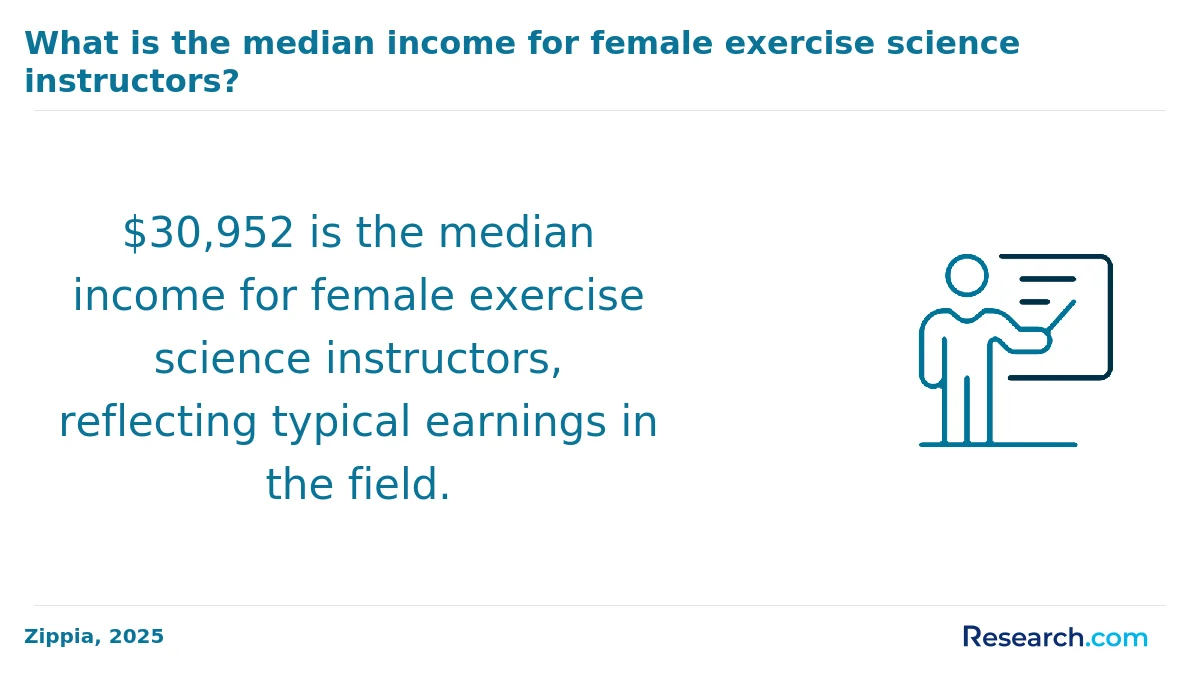
Accreditation and certification matter in exercise science because they affect educational quality, transferability, graduate-school options, employer confidence, and eligibility for some professional credentials. Students should verify both institutional accreditation and any program-level accreditation relevant to their career goal.
- CAATE accreditation: Important for Athletic Training concentrations and pathways where athletic training preparation is required.
- CAAHEP accreditation: Relevant for Clinical Exercise Physiology tracks and programs aligned with clinical exercise roles.
- Regional accreditation: Institutional accreditation, such as through the Higher Learning Commission, helps indicate overall academic quality and may support credit transfer and financial aid eligibility.
Professional credentials can also strengthen a graduate’s job prospects. Common post-graduation options include:
- ACSM-CPT or NSCA-CPT: Often used for personal training roles.
- ACSM-EP: Relevant for advanced exercise physiologist positions.
- State licensure where required: Requirements vary by state and role, so students should verify rules with their local physical therapy or exercise science board before assuming a degree alone is sufficient.
Understanding these standards is also useful when comparing related fast-track healthcare programs. For another example of accelerated healthcare training, see our medical assistant degree online 6 weeks guide.
Students pursuing an online exercise science degree in the Midwest often discover that financial aid is more accessible than they initially thought. Many graduates from institutions like Ohio State University or University of Illinois reflect on how filling out the FAFSA opened doors to Pell Grants, which covered significant chunks of their tuition-sometimes up to $7,395 annually. This foundational aid adapted to their real-life needs, offering relief during financially tight semesters.
Beyond federal aid, multiple Midwest colleges actively award scholarships tailored to online learners in health-related fields. Graduates often share stories of receiving $1,000 to $5,000 from regional scholarships designed to recognize dedication, whether as first-generation students or returning adults balancing family and work.
State programs, such as Illinois' MAP grants, heavily impact tuition affordability, especially for residents. Veterans benefit from the GI Bill and Yellow Ribbon Program, easing their path by covering substantial tuition fees, which many find invaluable when transitioning to civilian education.
Professional organizations like NASM and ACSM also provide external scholarships, offering hundreds to thousands of dollars, reinforcing that support networks extend beyond institutions. These layered financial aids transform daunting costs into achievable dreams for countless Midwest students.
When aiming to enroll in an online exercise science degree in the Midwest, remember that merely having a high school diploma or GED is just the beginning. Midwest programs often expect applicants to have tackled foundational courses in biology, chemistry, and math-subjects that, as graduates from schools like the University of Illinois or Michigan State University recall, build the groundwork for understanding human movement and physiology. These prerequisites aren't arbitrary barriers; they're vital stepping stones that once cleared, make the coursework feel more like an exciting challenge than an insurmountable hurdle.
Many successful students mention how maintaining a minimum GPA around 2.5 to 3.0 was less about stress and more about proving readiness. Those entering graduate studies, especially from places such as Indiana University, found that a stronger GPA and relevant college courses-like anatomy and kinesiology-opened doors to advanced learning without feeling overwhelmed.
Beyond academics, sharing your passion through recommendation letters or a focused statement of purpose can be the spark that transforms your application from routine to memorable, reflecting the vibrant energy experienced when stepping into this dynamic field in the Midwest's leading programs.
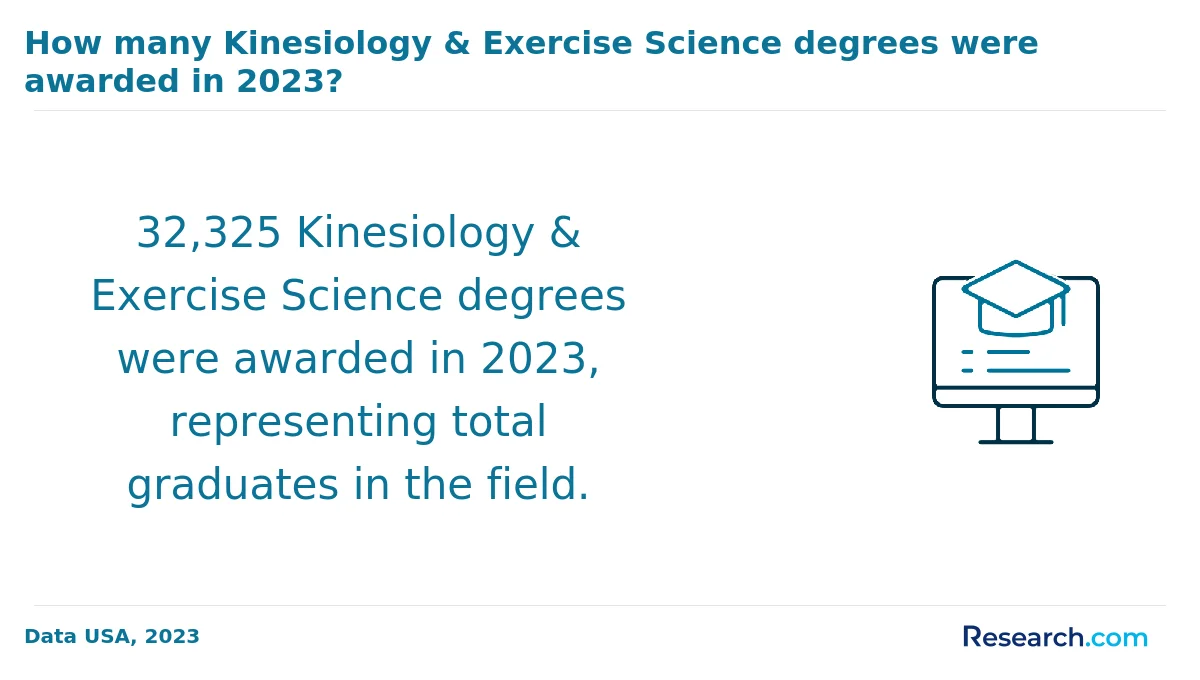
Students who want to finish an online exercise science degree faster should focus on credit strategy, course scheduling, and program format. The fastest option is not always the best if it creates scheduling conflicts with labs, practicums, or required science courses, so plan carefully before enrolling.
- Maximize transfer credits by applying previously earned coursework or an accredited associate degree.
- Enroll in continuous terms, including summer and winter sessions, to eliminate downtime between semesters.
- Choose programs offering 5–8 week intensive courses instead of traditional 16-week semesters.
- Leverage prior learning assessments or credit-by-exam options such as CLEP and DSST to earn credits for existing knowledge.
- Select self-paced or competency-based formats that let you move ahead once you’ve mastered each module.
Before committing to an accelerated format, ask whether all required courses are offered frequently, whether science labs have limited start dates, and whether internships or clinical placements can be completed on your timeline. For a model of short-term, high-impact coursework, see our medical assistant degree online 6 weeks.
Students pursuing an online exercise science degree in the Midwest often find themselves immersed in courses that go far beyond basic fitness concepts. Universities like the University of Illinois or Michigan State offer curricula where anatomy and physiology become literally the map of the human body, helping graduates vividly understand muscle and nerve functions-not just memorize them. One graduate described how studying kinesiology online reshaped their view on everyday movement, realizing how posture or gait affects long-term health.
Many Midwest programs include practical courses such as exercise physiology and biomechanics that challenge students to apply science to real-world scenarios, like designing recovery plans for athletes or elderly clients. Nutrition courses here focus on personalized diets rather than generic advice, often reflecting the agricultural heritage of the region. Health and wellness coaching classes teach students how to inspire real behavioral change, which one graduate recalled as empowering-not just educational.
Incorporating research methods and capstone projects, these programs ensure online students in the Midwest graduate with both knowledge and the confidence to adapt to diverse careers in fitness and healthcare.
Diving into online exercise science specializations Midwest programs reveals a landscape far richer than the usual assumptions. Students aren't just learning about fitness; they're engaging deeply with fields like Kinesiology, exploring human movement intricacies and biomechanics that transform how rehabilitation and athletic training are approached. Graduates from institutions like Michigan State University often recount how this hands-on knowledge reshaped their perspective on injury prevention and performance enhancement in everyday settings.
Other widely pursued pathways include Sports Medicine, which equips learners to work closely on diagnosis and recovery, a vital specialty reflected in the practical curriculum offered by many Midwest schools. For those pursuing wellness coaching or rehabilitation sciences, the experience is grounded in real-life application-guiding patients or clients through lifestyle or post-injury transformations. These degrees' flexibility lets students connect theory with local internship opportunities, making knowledge immediately relevant.
Enriching your academic journey with a degree in kinesiology rooted in Midwest universities opens doors to dynamic career paths and personal growth, amplified by the region's unique commitment to accessible online exercise science degrees.
Choosing the best online exercise science degree in the Midwest goes beyond rankings or price tags; it's about aligning the program deeply with your unique goals and lifestyle. Graduates from well-known Midwestern universities often recall that programs emphasizing hands-on virtual labs and internships transformed their understanding, making complex concepts like biomechanics and kinesiology feel tangible and motivating. Many discovered that the regional accreditation, especially from bodies like the Higher Learning Commission, was crucial-not only for degree recognition but also for accessing financial aid and seamless credit transfer.
Affordability plays a big role, but it's not just about sticker price. Those seeking affordable Midwest online exercise science programs often shared how scholarships and institutional support made a huge emotional difference, easing financial stress and boosting focus on studies. Institutions that combine rigorous curricula with accessible faculty and career services help learners balance online study with work or family life, fostering confidence and resilience.
Reflect on what industry connections the program offers, since these networks often shape future opportunities. To understand real-world impact, consider reading about exercise science careers and salaries, helping you envision where your degree can truly take you.
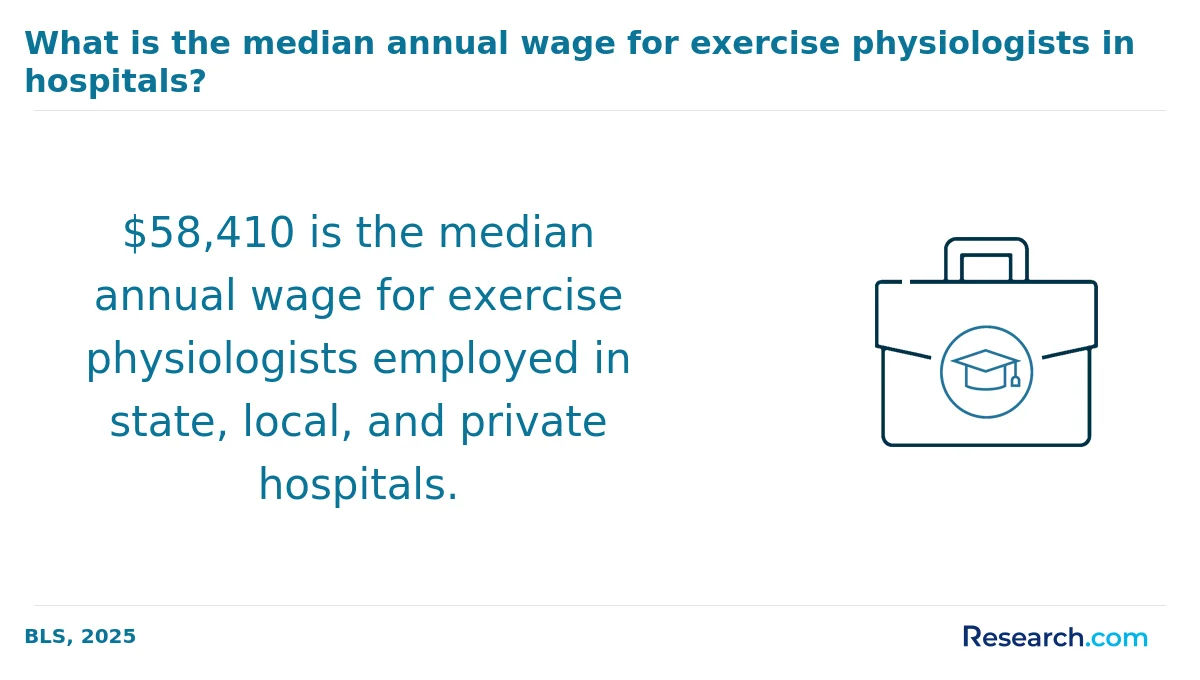
Graduates with an online exercise science degree in the Midwest often discover diverse and rewarding career paths that defy the traditional gym-bound personal trainer stereotype. Many find themselves thriving as certified personal trainers or exercise physiologists, roles that leverage deep knowledge from well-regarded programs at Midwest institutions. These graduates recall how learning biomechanics and nutrition empowered them to craft tailored health plans for clients, ranging from young athletes to elderly patients managing chronic conditions. The Midwest's aging population and a strong healthcare network in states like Illinois and Ohio create growing demand for rehabilitation specialists and wellness coaches, offering real satisfaction from guiding clients toward healthier lives.
Such practical experiences at popular Midwest colleges reveal that opportunities extend beyond clinics and gyms. Strength and conditioning coaches find fulfilling careers in collegiate sports, while many graduates also transition into broader health fields, akin to careers in sports management. For those considering flexible, affordable education options, an online exercise science career in the Midwest balances cost with promising job prospects.
Explore more about these possibilities by visiting careers in sports management.
The Midwest online exercise science job outlook defies simple prediction, driven by a unique blend of regional healthcare demands and growing corporate wellness initiatives. Graduates from schools like the University of Illinois or Michigan State University often share stories of entering a job market bustling with opportunities in rehabilitation centers and fitness programs. The demand here is no abstraction; it's palpable in clinics and community centers seeking professionals who can translate scientific knowledge into real-world health improvements. Common roles include exercise physiologists and wellness coordinators, where salaries typically range from $40,000 to over $60,000 based on experience and location.
Many employment opportunities for exercise science graduates Midwest stem from partnerships between universities and local hospitals or wellness organizations, creating pathways for internships and job placements that go beyond classroom theory. Online students, in particular, benefit from flexible programs while still accessing these robust networks. Those navigating tuition costs often balance affordability with practical training, appreciating that an online degree offers both convenience and connection. For those unsure about career steps, resources like the degree for pe teacher page provide useful guidance on related health occupations.
2027 Fastest Online Exercise Science Degree Programs Ranking in the Midwest
Investing in your education is a significant decision that can shape your future, and the Research.com team is fully aware of the importance of making informed choices. To support prospective students interested in exercise science, we have carefully developed the "2027 Fastest Online Exercise Science Degree Programs Ranking in the Midwest." Our dedication to quality, credibility, and accuracy is demonstrated through thorough research and precise analysis used to compile this ranking.
We utilized the following reputable data sources to ensure a comprehensive evaluation of exercise science programs:
By exploring this ranking, readers will gain valuable insights into the fastest online exercise science degree programs in the Midwest, empowering them to make well-informed decisions that align with their academic and career goals. For more information about how this ranking was created, please visit our Research.com methodology page.


# 4 position
University of Toledo
Master of Recreation and Leisure Studies - Recreation Administration


# 12 position
University of South Dakota
Master of Kinesiology and Sport Management, Sport Management specialization


Frequently Asked Questions About exercise science
Online exercise science students in the Midwest can maximize their learning by actively engaging with both theoretical and practical components of their programs. Many accredited Midwestern universities offer access to virtual labs and simulation tools, enhancing hands-on experience. Collaborating with local fitness centers or healthcare providers for internships can deepen practical understanding and improve job prospects. According to the National Strength and Conditioning Association, students who combine online coursework with real-world practice show higher skill retention. Students should also leverage academic advising services and participate in online study groups to reinforce learning. Staying current with regional exercise science research further boosts relevant knowledge for this dynamic field.
The exercise science field is expanding rapidly with several emerging niches that appeal to Midwest students pursuing online degrees. One growing area is wearable technology and data analytics. Professionals here combine fitness science with technology to track and improve athletic performance. According to the American College of Sports Medicine, this niche is expected to grow by 10% through 2030.
Another important trend is exercise prescription for chronic disease management, especially given the region's higher rates of obesity and diabetes. Specialists in this area work closely with healthcare providers to design effective rehab and wellness plans.
Finally, there is increasing demand for behavioral coaching to support healthy lifestyle changes, reflecting a broader focus on holistic health in the Midwest.
Preparing for the job market after earning an online exercise science degree in the Midwest involves strategic planning and practical experience. Midwest states report growing demand for exercise science professionals, with the U.S. Bureau of Labor Statistics projecting a 10% growth in related healthcare occupations by 2030.
To improve employability, students should pursue internships or volunteer roles in local fitness centers, hospitals, or rehabilitation clinics. Many Midwest universities offer partnerships with regional employers to facilitate these opportunities.
Certification is essential. Obtaining credentials such as the Certified Exercise Physiologist (CEP) through the American College of Sports Medicine enhances credibility and job prospects in the Midwest's competitive market.
Networking through professional associations like the Midwest chapter of the National Strength and Conditioning Association or attending regional job fairs can also open doors.
Employers in the Midwest highly value graduates of online exercise science programs who demonstrate strong analytical and communication skills. Proficiency in data interpretation and understanding biomechanics are essential, as these skills support designing effective training and rehabilitation plans.
Knowledge of nutrition and exercise physiology ranks among the top competencies, enabling graduates to create personalized fitness programs. According to the National Strength and Conditioning Association, Midwest employers also prioritize practical skills in injury prevention and the use of technology for fitness assessments.
Additionally, teamwork and leadership abilities are sought after, particularly in clinical and athletic settings. These skills help graduates collaborate across disciplines, strengthening their employability in a competitive job market.
Finding internships in the Midwest relevant to an exercise science degree involves utilizing local university career centers, professional organizations, and healthcare facilities. Many Midwestern universities partner with regional hospitals, fitness centers, and rehabilitation clinics to offer internship opportunities.
The National Strength and Conditioning Association (NSCA) and the American College of Sports Medicine (ACSM) have active chapters in Midwestern states. These organizations often list internships and networking events tailored to exercise science students.
According to recent data from the Midwestern Higher Education Compact, over 60% of internships in related fields occur within hospital and clinical settings, highlighting health systems as primary internship sites.
Students should also explore online job boards like Handshake and Indeed, filtering for internships in cities such as Chicago, Minneapolis, and Indianapolis. Early networking and engaging with alumni can improve placement chances significantly.
Obtaining an online exercise science degree in the Midwest can significantly boost career mobility and advancement. Many employers increasingly recognize accredited online programs, especially those offered by regional universities. This recognition helps graduates qualify for diverse roles, from fitness coaching to sports rehabilitation.
According to the U.S. Bureau of Labor Statistics, the Midwest is expected to see a 10% growth in fitness-related occupations through 2030, faster than the national average. This growth translates to more job opportunities for degree holders.
Additionally, online degrees offer flexibility, allowing students to maintain employment while advancing credentials. This balance often leads to promotions and higher salaries over time.
Studying for an exercise science degree in the Midwest equips students with foundational knowledge that spans biology, physiology, nutrition, and biomechanics. Midwest programs emphasize interdisciplinary collaboration, preparing students to engage with fields like physical therapy, sports medicine, and wellness coaching. According to the National Center for Education Statistics, Midwest universities award over 2,000 exercise science degrees annually, reflecting robust academic offerings tailored to evolving health industries.
Many programs integrate internships and research projects that connect students with healthcare professionals, enhancing real-world skills. This hands-on experience fosters adaptability across roles such as rehabilitation specialist or fitness program manager.
Midwestern institutions focus on teamwork and communication, essential for interdisciplinary work environments common in hospitals and sports organizations.
When choosing between a thesis and a non-thesis online exercise science degree in the Midwest, students should consider their career goals and learning preferences. Thesis programs emphasize research skills, ideal for those aiming for doctoral studies or research roles. The Midwest hosts many universities with strong research backgrounds, such as the University of Illinois, which reports that 35% of its exercise science graduates pursue advanced degrees.
Non-thesis programs focus on practical knowledge and often require internships or applied projects, appealing to students seeking immediate employment in clinical or fitness settings. According to the National Strength and Conditioning Association, 60% of Midwest exercise science professionals hold non-thesis degrees, reflecting workforce demand.
Students based in the Midwest seeking to study exercise science abroad face limited direct options through U.S. institutions, as most accredited programs are domestic. However, several Midwestern universities offer partnerships or exchange programs with international schools, allowing students to gain global experience while completing credits online. According to the National Consortium for Exercise Science and Physical Therapy, less than 10% of US exercise science programs provide formal abroad pathways with partner institutions.
Midwestern students can also explore international online degrees, though accreditation and transferability must be carefully reviewed. The Commission on Accreditation of Allied Health Education Programs (CAAHEP) emphasizes U.S.-based accreditation for licensure and employment.
Part-time job opportunities that complement an online exercise science degree in the Midwest often involve roles in fitness centers, rehabilitation clinics, and community health programs. Working as a personal trainer or fitness instructor provides practical experience and helps apply theoretical knowledge. The Midwest has over 10,000 fitness facilities, according to the International Health, Racquet & Sportsclub Association (IHRSA), offering numerous part-time positions.
Additionally, roles such as rehabilitation aide or physical therapy assistant in hospitals can provide hands-on experience with patient care. These positions align well with coursework in anatomy and kinesiology. Local public health departments also employ part-time wellness coaches.
Online exercise science students in the Midwest have access to a variety of networking opportunities despite the virtual format. Many Midwestern universities offering online degrees partner with local health clubs, rehabilitation centers, and sports organizations to provide internships and practicum experiences. These connections allow students to meet professionals in-person within their communities. Additionally, state associations such as the Illinois Chapter of the American College of Sports Medicine hold conferences and events that encourage networking among students and experts. According to the ACSM, over 40% of Midwest exercise science students join these groups to enhance career prospects and gain industry insights.
Alumni networks play a significant role in supporting online exercise science degree students in the Midwest by offering professional connections and career resources. These networks often provide access to mentoring from graduates working in sports medicine, rehabilitation, and fitness industries, which enhances job placement opportunities. According to the National Strength and Conditioning Association, Midwest universities with strong alumni ties report higher employment rates within six months of graduation compared to those without.
Through alumni events and online forums, students can engage with professionals familiar with regional health trends and employer expectations. This localized knowledge helps students tailor their skills to meet Midwest market demands, improving career readiness in a competitive job market.
Customizing an online exercise science degree in the Midwest often begins with selecting a program that offers flexible electives aligned with your career goals. Many Midwestern universities provide options ranging from sports performance to rehabilitation and wellness. According to the National Center for Education Statistics, 65% of Midwest online programs allow students to choose specialized tracks or minors.
Internship opportunities are another key customization factor. Schools like the University of Illinois at Urbana-Champaign facilitate virtual or local internships, enabling practical experience within your region.
Additionally, Midwest programs frequently incorporate updated certifications preparatory courses, such as ACSM or NASM, which are valuable for advancing in fitness and clinical settings.
Online exercise science students in the Midwest often face challenges related to limited access to hands-on training. Since exercise science requires practical skills like biomechanical testing and lab work, remote learners may struggle to find suitable local facilities. According to the Commission on Accreditation of Allied Health Education Programs (CAAHEP), approximately 30% of Midwest programs incorporate hybrid formats to address this gap.
Another common issue is time management, as many students balance coursework with jobs or family commitments. Data from the National Center for Education Statistics (NCES) shows that nearly 40% of online Midwest students are part-time, which can extend degree completion.
Additionally, internet access disparity affects students in rural Midwest areas, limiting participation in synchronous classes or digital resources. These hurdles require students to seek flexible program options and local internship partnerships.
Graduates with an online exercise science degree in the Midwest can pursue several professional certifications that enhance career opportunities. The American College of Sports Medicine (ACSM) offers well-recognized certifications like Certified Exercise Physiologist (EP-C) and Certified Personal Trainer (CPT), popular among Midwest employers. According to ACSM data, over 30% of certified professionals in this region hold an exercise science degree.
Other respected certifications include the National Strength and Conditioning Association's Certified Strength and Conditioning Specialist (CSCS) and the National Academy of Sports Medicine's Certified Personal Trainer (NASM-CPT). These certifications often require a bachelor's degree, making an online exercise science degree a relevant educational path.
Professional credentials improve credibility and job prospects in hospitals, fitness centers, and rehabilitation clinics across the Midwest.
To write a winning application for an online exercise science program in the Midwest, start by highlighting your relevant academic background, particularly in biology, chemistry, or health sciences. Midwestern schools place strong emphasis on a solid foundation in these subjects, as indicated by the American College of Sports Medicine's regional guidelines. Include any practical experience, such as internships or work in physical therapy or fitness settings, to demonstrate commitment.
Strong letters of recommendation from professionals familiar with your work ethic and academic potential can significantly boost your application. Also, tailor your personal statement to explain why an online program fits your career goals, emphasizing discipline and self-motivation. Many institutions, like those in Illinois and Ohio, receive hundreds of applications, so clarity and focus are crucial.
Exercise science careers are increasingly valued worldwide due to rising awareness of health and wellness. In the United States, including the Midwest, the demand for qualified exercise science professionals is expected to grow by 10% through 2031, according to the U.S. Bureau of Labor Statistics. This growth reflects a global trend toward preventive healthcare and fitness promotion.
Internationally, exercise science roles often emphasize rehabilitation, sports performance, and public health, aligning with these career paths in the Midwest. Many U.S. programs incorporate global research and practices, preparing students for diverse opportunities.
Midwestern universities offering online degrees frequently include coursework on cross-cultural health perspectives, recognizing the expanding global context of exercise science.
Gaining practical experience while studying for an online exercise science degree in the Midwest is essential for career readiness. Many Midwest universities partner with local healthcare facilities, fitness centers, and rehabilitation clinics to offer internships and practicum opportunities. These experiences allow students to apply theoretical knowledge in real-world settings.
Additionally, students can seek volunteer roles in community health programs or sports teams, common across Midwestern cities like Chicago and Minneapolis. These hands-on roles enhance understanding of exercise assessment and injury prevention.
According to the National Strength and Conditioning Association, internships increase job placement rates by 25% in this field. Furthermore, some programs require completion of a set number of supervised clinical hours, ensuring students gain relevant, supervised experience before graduation.
Choosing the right concentration within an online exercise science degree program in the Midwest depends on your career goals and personal interests. Exercise science offers several common concentrations, including kinesiology, athletic training, fitness management, and rehabilitation.
The Bureau of Labor Statistics projects a 10% growth in fitness training and wellness careers by 2030, highlighting opportunities in this field. Midwest universities often align their programs with regional sports medicine and healthcare needs, so researching local job markets can guide your choice.
Accreditation by the Commission on Accreditation of Allied Health Education Programs (CAAHEP) or the Commission on Accreditation for Exercise Sciences (CoAES) is essential to ensure program quality and professional recognition.
Consider internships or practicum opportunities offered online or locally, since hands-on experience is vital in exercise science careers.
- Exercise Science Major (BA, BS) | Hamline University - MN https://www.hamline.edu/academics/undergraduate/exercise-science
- Exercise Science | York College of Pennsylvania https://www.ycp.edu/academics/programs/exercise-science
- Exercise Science Degree Programs & Career Guide 2025 https://www.nutritioned.org/exercise-science-degree/
- Sport and Exercise Science is at the heart of tackling global challenges https://www.physoc.org/blog/sport-and-exercise-science-is-at-the-heart-of-tackling-global-challenges/
- Exercise Science Personal Statement https://www.bartleby.com/essay/Exercise-Science-Personal-Statement-C472C7B1E4BB40CB
- What does a career in sport and exercise science look like? https://www.murdoch.edu.au/news/blogs/blog-posts/campus-and-community/what-does-a-career-in-sport-and-exercise-science-look-like
- Online Exercise Science Degrees: Top School Review https://www.edumed.org/online-schools/exercise-science-degrees/
- Study Health & Exercise Science Abroad https://worldstrides.com/en-us/higher-ed/academics/health-exercise-science
- Online Exercise Science Program https://stmary.edu/online-programs/exercise-science.html
- International Exercise science Conferences In Europe 2026-2027 https://conferenceineurope.net/topic-list/exercise-science