2027 Fastest Online Master's in Engineering Degree Programs Ranking in the Northeast

Co-Founder and Chief Data Scientist
Are you considering advancing your career with a master's in engineering? Finding the right program that fits your pace and goals can be overwhelming, especially in the Northeast.
This article presents the 2027 Fastest Online Master's in Engineering Degree Programs Ranking in the Northeast, developed by the Research.com team of data scientists. It's designed to help you make an informed decision by highlighting programs that combine quality with flexibility.
Reading this guide will empower you to choose a program that aligns with your aspirations and lifestyle, making the journey toward your degree a motivating and achievable experience.
Key benefits of getting online engineering degree in the Northeast
- Engineering degree graduates in the Northeast can expect competitive salaries, with Project Engineers earning around $137,750 annually and Control Systems Engineers making about $118,350, reflecting strong financial rewards in this field.
- Graduates from well-known Northeastern universities often pursue diverse careers such as Biomedical Engineering, Product Development, or Research Engineering, offering exciting opportunities to work on cutting-edge technology and innovation.
- Obtaining an engineering degree online from respected Northeastern schools provides flexible learning schedules and access to expert faculty, making it easier to balance education with personal and professional commitments.
- 2027 Fastest Online Master's in Engineering Degree Programs Ranking in the Northeast
- What can I expect from online engineering degree in the Northeast?
- Where can I work with online engineering degree in the Northeast?
What can I expect from online engineering degree in the Northeast?
The average cost of an online engineering degree in the Northeast varies but often falls within a range that reflects the region's diverse higher education landscape. Public universities like those in Pennsylvania or state systems tend to offer more affordable tuition, making it easier for working professionals to pursue their goals without overwhelming debt. Graduates from institutions such as Northeastern University share how financial aid and employer tuition assistance significantly eased their journey.
Private universities, especially renowned ones in Massachusetts or New York, may have higher tuition fees, yet many students find the investment worthwhile due to robust alumni networks and cutting-edge research opportunities that enhance career prospects. The flexibility of asynchronous coursework, combined with live sessions, allows students to balance studies with jobs and family life, which adds tremendous value beyond just cost considerations.
Keep in mind, the cost is offset by access to internships and local industry connections-an invaluable advantage in regions thriving with biotechnology and renewable energy firms. Thoughtful planning around tuition assistance programs can make attaining your engineering degree in the Northeast not only possible but deeply rewarding.
Where can I work with online engineering degree in the Northeast?
Graduates with online engineering degrees from top Northeastern schools like Worcester Polytechnic Institute or the University of Massachusetts find themselves stepping into vibrant careers across diverse industries. Picture yourself joining a cutting-edge biotech firm in Boston or a tech startup in Cambridge, where your biomedical or computer engineering skills drive innovation. These roles are not just jobs-they're opportunities to shape health solutions or develop software that powers the future.
Others move into New York's bustling urban landscape, applying civil or mechanical engineering knowledge to large infrastructure projects that transform cities. Imagine working on sustainable building designs or transit systems that millions rely on every day. Over in Pennsylvania, graduates often dive into manufacturing or energy sectors, contributing to advances in industrial processes that keep the economy humming, especially around innovation hubs like Pittsburgh.
These real-world roles reward not only your technical expertise but also leadership and project management, skills many graduates cultivated while studying online. With licensure from ABET-accredited programs, your credibility grows, unlocking higher pay and responsibility. The Northeast's dynamic job market eagerly welcomes you to apply your engineering skills where they matter most.
Graduates of online engineering programs from prestigious Northeast schools often find themselves stepping into well-paying roles with confidence. For instance, a research engineer can expect to earn a mean annual wage of around $120,630, reflecting the strong demand for innovation in the region's tech hubs.
Similarly, a project engineer in cities like Boston or Philadelphia typically sees salaries near $137,750, which matches the high cost of living but also rewards expertise and leadership in complex projects. Product development engineers earn approximately $110,430 annually, benefiting from vibrant manufacturing and biotech sectors that flourish nearby.
Control systems engineers, an essential role in aerospace and renewable energy industries prevalent in the Northeast, are compensated with mean salaries near $118,350. Biomedical engineers from online programs also report promising figures, averaging about $106,700, showcasing how specialized fields continue to thrive.
Graduates often share stories of moving quickly from learning at schools like Northeastern University or Rensselaer Polytechnic Institute to joining dynamic teams where their skills directly impact cutting-edge advances-proving an online degree can be a powerful career catalyst.
- The Northeast has many accredited online engineering programs covering civil, mechanical, electrical, and software engineering.
- Master's program costs range from $15,000 to $40,000, with public universities generally charging less than private ones.
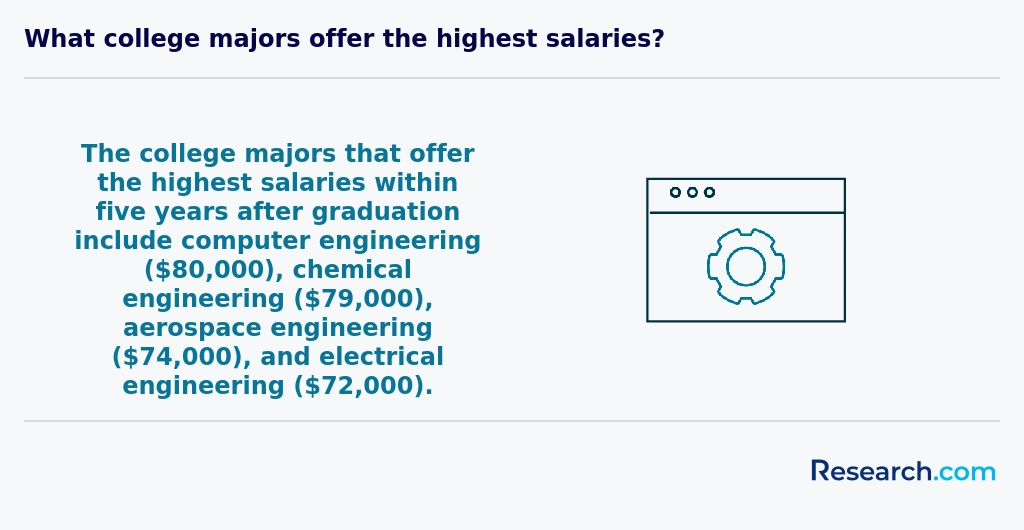
- Starting salaries for engineering graduates in the Northeast average between $70,000 and $80,000 annually.
- After five to ten years, experienced engineers can earn over $100,000 per year in this region.
- Job growth is steady, with high demand for software, civil, and electrical engineers.
- Online degrees from accredited schools are increasingly recognized by employers, and many programs offer internship and co-op opportunities.
Completing an online engineering degree in the Northeast typically takes between two and four years, depending on your pace and program choice. Many full-time students at institutions like those in Massachusetts and New York finish a bachelor's degree in about four years by completing the usual 120 to 130 credit hours. However, some graduates share how accelerated programs helped them graduate faster, allowing them to jump into their careers with confidence.
For those pursuing a master's degree, plans often span two years full-time, with 30 to 36 credit hours. Graduates balancing work and life commitments frequently choose part-time enrollment, stretching their timeline up to four years. This flexibility is a real advantage for busy professionals aiming to enhance skills without sacrificing stability.
Consider this: taking 9 to 12 credits per semester can keep you on track to finish swiftly, while transferable credits or testing out of courses-available through many Northeastern programs-can shorten your path. Embracing these options lets you tailor your journey, making the process feel manageable and even exciting as you progress steadily toward your engineering goals.
Ensuring that your online master’s in engineering program in the Northeast is ABET-accredited and aligned with state licensure requirements is critical for maximizing career mobility and earning professional credentials. Accredited programs undergo rigorous evaluation of curriculum, faculty qualifications, student outcomes, and continuous improvement processes-factors that employers and licensing boards trust. Most ABET-accredited online master’s programs will:
- Include all required topics for the Fundamentals of Engineering (FE) exam, from advanced mathematics and engineering sciences to ethics and professional practice.
- Offer dedicated FE prep courses or access to online review seminars, practice examinations, and study groups under faculty supervision.
- Track graduate FE pass rates and publish these outcomes to demonstrate program effectiveness.
- Provide guidance on state-by-state licensure pathways, including professional development hours (PDHs) and Professional Engineer (PE) exam readiness. After passing the FE exam and accumulating the mandated engineering experience (usually four years under a licensed PE), graduates can sit for the PE exam-a milestone that significantly boosts job prospects, salary potential, and authority to sign off on engineering projects. Furthermore, many online programs foster interdisciplinary collaboration, giving students opportunities to explore emerging fields. For example, engineering students interested in the intersection of engineering and life sciences can engage with specialized faculty and industry partners in areas such as biotechnology, ensuring their education remains at the forefront of innovation while meeting all accreditation and licensure standards.
The main difference between online and on-campus engineering degrees in the Northeast boils down to how and where you engage with your studies. Imagine a graduate from a traditional program at a university in Massachusetts, who cherishes walking through campus to labs and brainstorming with peers face-to-face. These on-campus programs offer hands-on projects, direct mentorship, and steady schedules, immersing you fully in the engineering community.
On the other hand, many students juggling careers or family responsibilities appreciate the flexibility of online programs from Northeastern schools. Graduates share how virtual labs and asynchronous classes allow them to learn at their own pace without relocating. With ABET-accredited online degrees, you still gain quality education that fits your life outside school.
Whether you thrive in the bustling environment of New York's engineering colleges or prefer the autonomy of an online setup, your choice shapes your journey. Both paths demand dedication but offer rewarding growth in the vibrant engineering landscape of the Northeast.
Accreditation ensures your online engineering degree meets rigorous academic and professional standards. Before enrolling, verify:
- ABET accreditation confirms the program’s curriculum aligns with industry competencies.
- Regional accreditation validates overall institutional quality and simplifies credit transfers.
- Employer recognition reflects program credibility in competitive job markets.
- Regular curriculum reviews incorporate emerging technologies and best practices.
When comparing cost alongside quality, consider programs offering the cheapest online engineering degree without sacrificing accreditation.
The average cost of an online engineering degree in the Northeast typically centers around $38,130, although this figure varies depending on whether students qualify for in-state or out-of-state tuition rates. Graduates from well-known universities in this region often recall the manageable balance between high-quality learning and financial commitment, especially when factoring in additional fees like technology access. In-state students can sometimes pay closer to $38,130, while out-of-state learners may see costs rise, reflecting the premium of attending prestigious programs.
Many online learners pursuing their engineering degrees in the Northeast find the investment worthwhile due to access to cutting-edge resources and expert faculty, elements that truly heighten the value of their education. An online program at a public university in New York or Massachusetts may charge between $20,000 and $35,000 in total tuition, which resonates well with students seeking flexibility without sacrificing quality. Navigating the total tuition and fees for online engineering programs northeast can be complex, but understanding these details enables students to plan effectively and seize scholarships or employer tuition assistance that highlight optimism in financing their future.
One graduate shares that attending a program famed among the valuable engineering programs in connecticut helped open doors in competitive engineering roles, making the initial investment feel like a pivotal career milestone. Prospective students are encouraged to explore these opportunities fully, knowing that their efforts align with both personal growth and professional advancement.
To excel in an online engineering program, prospective students should prepare both academically and technologically before starting their journey. Begin by ensuring that your study environment is equipped with reliable internet and up-to-date devices, enabling access to virtual labs, interactive lectures, and collaborative online tools. Establishing strong time management skills is crucial-create a daily schedule that allocates dedicated study sessions, participation in online discussions, and time for self-assessment. In addition to technical readiness, developing effective study habits can make a significant difference. Set clear academic goals, take advantage of tutoring or mentoring opportunities, and join online study groups to exchange insights and problem-solving strategies. Familiarizing yourself with the course structure and available resources early on can help ease the transition into online learning. For instance, exploring insights on valuable engineering programs in connecticut can provide perspective on what to expect from high-rated online programs and help you align with institutions that support your career aspirations. Moreover, take the initiative to engage with your professors and academic advisors, and regularly review feedback on your assignments. Staying proactive in seeking clarification on complex topics not only boosts your understanding of engineering concepts but also builds the confidence needed to succeed in a virtual learning environment. Adopting these preparation and success strategies will empower you to make the most of your online education and pave the way for a fulfilling engineering career.
When pursuing an online engineering degree in the Northeast, you'll find a variety of financial aid options designed to ease the often steep costs. Graduates from institutions like Northeastern University or the University of Massachusetts frequently share how federal aid, through FAFSA, became a game-changer, unlocking access to Pell Grants and flexible loans like Direct Unsubsidized and Grad PLUS Loans. These help bridge the gap between your tuition and budget without overwhelming repayment burdens.
State-specific grants also play a crucial role. For example, New York residents benefit from TAP grants, while Massachusetts students often rely on the John and Abigail Adams Scholarships to reduce their tuition expenses. These funds reward dedication and academic excellence, making the investment feel more achievable.
On top of that, scholarships from groups like the Society of Women Engineers or the National Society of Professional Engineers can provide significant financial relief. Many working professionals tap into employer tuition reimbursement programs, especially prevalent in the Northeast's engineering job market, turning career growth into a financial asset.
Each form of aid represents a stepping stone, empowering you to focus on learning and innovation without the weight of overwhelming debt.
Online master’s in engineering students in the Northeast must combine discipline, technical proficiency, and strategic planning to excel in a virtual environment. To maximize learning outcomes and ensure timely graduation, adopt these proven techniques:
- Establish a Dedicated Study Routine: Block out fixed time slots each week for lectures, readings, and assignments. Consistency helps build momentum and reduces last-minute stress.
- Leverage Virtual Labs and Simulations: Engage actively with online lab platforms to reinforce theoretical concepts. Scheduling regular hands-on sessions can deepen understanding and mimic on-campus experiences.
- Prioritize Time Management Tools: Utilize digital calendars, task managers, and productivity apps to track deadlines and group project milestones. Integrating reminders and progress checks ensures accountability.
- Foster Peer Collaboration: Join online study groups or engineering forums to share insights and troubleshoot complex problems. Peer interaction not only enhances technical skills but also builds a supportive network.
- Communicate Proactively with Faculty: Schedule regular virtual office hours with professors and teaching assistants. Clarifying doubts early reduces misunderstandings and demonstrates commitment to your program.
- Balance Work, Life, and Study: Set realistic goals by assessing weekly workloads and personal obligations. A structured plan that includes short breaks and self-care can prevent burnout during intensive coursework. For budget-conscious students seeking additional resources, our comprehensive Inexpensive Engineering Degree Programs Ranking in Kentucky can help identify cost-effective pathways and supplement your online curriculum with local networking opportunities. By combining these strategies with disciplined execution, you’ll position yourself for academic excellence and career advancement in the dynamic field of engineering.
When preparing to enroll in an online engineering degree program in the Northeast, you'll find that a solid academic foundation is essential. Graduates from prominent schools like those in Boston or New York often reflect on how their bachelor's degree-usually in engineering or closely related fields like physics or math-opened doors to advanced studies. If your background isn't strictly engineering, don't be discouraged; many programs welcome applicants who complete foundational courses in calculus, physics, and computer science before diving into higher-level topics.
Transcripts showcasing a strong GPA, typically around 3.0 or higher, serve as a testament to your readiness. Many admitted students at Northeastern institutions recall how their academic consistency made a difference in acceptance. Beyond grades, letters of recommendation and statements of purpose become your story's powerful advocates, especially if you bring relevant work experience.
Standardized tests such as the GRE are often optional now, a trend embraced by many Northeast programs to make access smoother for working professionals or busy parents pursuing their ambitions. Visualize yourself balancing work and study, confident that the right prerequisites will help you thrive in this demanding, yet rewarding journey.

Before committing to an accelerated program, confirm its credibility and industry recognition:
- ABET accreditation guarantees your curriculum meets rigorous engineering standards.
- Regional accreditation of the university ensures institutional integrity and transferability of credits.
- Employer recognition and strong alumni networks demonstrate real-world value and career impact.
- Active research partnerships or lab collaborations reflect cutting-edge learning opportunities.
For insights on balancing cost and quality when selecting an engineering degree online, consult our affordability guide.
When you dive into an online engineering degree in the Northeast, expect courses that build a strong foundation while preparing you for real-world challenges. Graduates from well-known institutions in the region often recall mastering Engineering Mechanics, where they learned to analyze forces and motion-skills crucial for designing bridges or automotive systems.
Thermodynamics is another key course, covering how energy moves and transforms, which comes alive when you imagine improving HVAC systems in bustling metropolitan buildings. Electrical engineering paths introduce Circuit Analysis and Electronics, essential for anyone dreaming of developing innovative gadgets or smart home devices.
Materials Science courses help you understand the properties of metals and composites, vital for aerospace or construction projects prevalent around Northeast manufacturing hubs. At colleges with strong engineering reputations, students often praise learning Computer-Aided Design (CAD), envisioning themselves modeling complex parts before they're ever built.
Control Systems and Automation rounds out the core studies-imagine programming drones or robotic arms that make factories smarter. Many Northeast programs skillfully blend these technical courses with collaborative projects, mirroring the teamwork found in the region's leading research centers and tech companies.
When pursuing an online engineering degree in the Northeast, you'll encounter a variety of exciting specializations designed to align with regional industries and your career aspirations. Graduates from well-known universities often share how the Mechanical Engineering track, emphasizing automotive or aerospace innovations, connects them to manufacturing hubs in New York and Pennsylvania. Others find inspiration in Civil Engineering, where they contribute to solving pressing infrastructure challenges in densely populated urban areas.
Electrical Engineering stands out for those drawn to technology and renewable energy, tapping into the Northeast's vibrant energy sector. Software and Computer Engineering majors frequently highlight the dynamic tech startup scene as a catalyst for their success. Exploring fields like Environmental and Industrial Engineering offers practical ways to impact sustainability and manufacturing efficiency in the region.
Students often mention that choosing online programs incorporating these popular online engineering degree specializations Northeast provides the flexibility to balance life and learning while staying connected to local job markets. For those interested in combining engineering with cutting-edge science, exploring career paths adjacent to biotechnology can open unexpected doors.
Choosing the best online engineering degree in the Northeast starts with ensuring the program holds ABET accreditation-graduates from schools like Northeastern University share how this credential made their resumes stand out to regional employers. Look beyond accreditation to find programs offering specializations that resonate with your passions, whether it's software engineering or civil engineering, so your studies feel engaging and relevant.
Many online students balance coursework with demanding careers, so flexible, asynchronous classes offered by institutions in states such as Massachusetts or Pennsylvania can be a game-changer. Graduates often mention how tailored student support, including virtual labs and career advising, helped them thrive despite studying remotely.
Cost awareness is key; some find in-state tuition discounts at public universities invaluable. Exploring options carefully can lead you to affordable online engineering programs Northeast students trust. For more on cost-effective choices, see the Inexpensive Engineering Degree Programs Ranking in Kentucky.

The Northeast offers a wealth of engineering degree jobs in the Northeast, spanning diverse fields that energize the region's economy. Graduates from popular schools like Northeastern University and Rensselaer Polytechnic Institute find themselves stepping into roles in civil engineering, shaping vital infrastructure such as bridges and urban spaces. Others dive into mechanical engineering positions in manufacturing firms around Boston, where innovation and precision drive the automotive and aerospace sectors forward.
Software engineering is another thriving path, especially in tech hubs like New York City, where graduates contribute to cutting-edge projects in finance and technology firms. Some graduates pursue electrical engineering careers, developing power systems or telecommunications networks that keep the region connected and growing. Biomedical engineering also stands out, as the Northeast's renowned healthcare and biotech institutions embrace engineers who develop life-changing medical devices.
If you're balancing work while studying, many online programs provide the flexibility to grow your skills and enter this vibrant job market. You can explore options at online colleges open enrollment that make advancing your engineering career opportunities Northeast accessible and exciting.
The job market for graduates holding an online engineering degree in the Northeast remains strong, fueled by industries such as manufacturing, aerospace, and energy that thrive in this region. Many graduates from well-regarded institutions find that their remote degrees open doors to stable positions with competitive salaries, often ranging between $90,000 and $115,000 for master's level engineers. This steady demand is a positive sign for anyone researching online engineering degree job outlook Northeast.
Graduates from universities popular in the Northeast often share how regional employers value practical skills gained through online programs, especially when paired with project experience. Remote work trends have further expanded opportunities, enabling engineers to collaborate with companies headquartered in cities like Boston or New York without relocating.
For those considering an affordable path, options such as the cheapest associate's degree online can provide a stepping stone, helping build a foundation while balancing work and study. The engineering career opportunities in the Northeast remain bright for motivated graduates ready to embrace emerging technology sectors.
2027 Fastest Online Master's in Engineering Degree Programs Ranking in the Northeast
Investing in your education is a significant decision that can profoundly impact your career, and the Research.com team recognizes the importance of providing trustworthy guidance. To aid prospective students in selecting the fastest online master's in engineering degree programs in the Northeast, we have carefully developed the "2027 Fastest Online Master's in Engineering Degree Programs Ranking in the Northeast." Our dedication to quality, credibility, and accuracy is demonstrated through rigorous research and thorough analysis.
We utilized the following reputable data sources to create this ranking:
By exploring this ranking, readers will gain valuable insights into accelerated online engineering programs that combine quality education with time efficiency, helping them make confident and informed decisions about their academic and professional futures. For more details on how this ranking was constructed, please visit our Research.com methodology page.


Frequently Asked Questions About engineering
Students pursuing online engineering degrees in the Northeast can enhance their learning by actively engaging with their programs' interactive tools, such as virtual labs and simulation software. According to the U.S. Department of Education, engagement with these resources improves comprehension and retention in STEM fields. Students should also take advantage of regional professional organizations like the New England Section of the American Society of Civil Engineers, which offers networking and mentorship opportunities. Furthermore, Northeastern universities often provide access to exclusive industry webinars and job placement services tailored to local engineering markets, helping students connect theory with practical career skills.
Emerging niches in the engineering field reflect rapid technological advancements and growing industry demands, particularly in the Northeast US. Areas such as renewable energy engineering are expanding due to aggressive regional clean energy goals and investments. For example, Massachusetts aims for net-zero emissions by 2050, creating opportunities in solar, wind, and battery technologies.
Another fast-growing niche is biomedical engineering, driven by innovation hubs around Boston and Philadelphia. These cities host top healthcare institutions advancing medical devices and biotech.
Additionally, data engineering and cybersecurity are gaining prominence as digital infrastructure grows. According to the National Science Foundation, the Northeast has seen a 20% increase in related STEM job postings in recent years.
Graduates with online engineering degrees in the Northeast should focus on building practical skills and professional networks to succeed in the competitive job market. According to the Bureau of Labor Statistics, engineering jobs in this region are expected to grow about 7% from 2022 to 2032, driven by industries like technology, manufacturing, and renewable energy.
Joining regional engineering societies, such as the New England Council of Transportation Engineers, can provide valuable connections and job leads. Additionally, many employers in the Northeast look for candidates with internship experience and strong proficiency in software like MATLAB and AutoCAD.
Obtaining professional certifications, including the Fundamentals of Engineering (FE) exam, can boost employability. Online degree students should also use university career services to access job fairs and employer partnerships specific to Northeastern states.
Employers in the Northeast highly value both technical and soft skills in engineering graduates. According to the National Association of Colleges and Employers (NACE), proficiency in software like MATLAB, AutoCAD, and Python is essential for many roles. Strong problem-solving abilities and critical thinking remain top priorities. Communication skills are also crucial, as engineers often collaborate across departments and with clients.
Additionally, teamwork and adaptability are frequently mentioned by companies in states like New York, Massachusetts, and Pennsylvania. The Bureau of Labor Statistics highlights that Northeast employers seek candidates who can manage projects efficiently and stay current with emerging technologies.
Finding engineering internships in the Northeast requires a focused approach combining regional resources and networking. Many states like New York, Massachusetts, and Pennsylvania host numerous engineering firms and tech companies offering internships, especially in urban hubs such as Boston and New York City. According to the National Association of Colleges and Employers (NACE), about 65% of internships in engineering are posted online through company websites and specialized job portals.
Students should utilize university career centers connected to their online programs, as these frequently have partnerships with local industries. Additionally, platforms like Handshake and LinkedIn allow filtering for internships specifically in the Northeast region. Professional associations such as the American Society of Mechanical Engineers (ASME) often post regional internship opportunities and events for networking. Actively engaging in virtual career fairs focused on the Northeast can also improve chances of securing relevant internships.
Online engineering degrees in the Northeast significantly enhance career mobility by offering flexible learning options that accommodate working professionals. This flexibility allows students to continue gaining work experience while advancing their education. According to the National Association of Colleges and Employers (NACE), engineers with a master's degree in the U.S. earn approximately 18% more than those with only a bachelor's.
In the Northeast, home to numerous tech hubs and manufacturing centers, advanced degrees often open doors to leadership roles. Employers in states like Massachusetts and New York prioritize candidates with specialized skills gained through graduate programs. Online degrees accredited by ABET, a recognized standard in engineering education, hold strong credibility in the job market.
Further, many online programs connect students to regional industry networks, enhancing job prospects and promotions within competitive fields such as aerospace and civil engineering.
Studying for an engineering degree online in the Northeast offers strong preparation for interdisciplinary roles by combining technical knowledge with real-world problem-solving skills. Many programs incorporate coursework in computer science, business, and data analytics, reflecting the diverse demands of regional industries like biotechnology, renewable energy, and manufacturing.
According to the National Center for Education Statistics, Northeast institutions award nearly 20% of the nation's engineering degrees, emphasizing collaboration across fields. This regional focus helps students adapt to roles that require coordination between engineering, management, and technology teams.
Additionally, online programs often provide project-based learning and virtual teamwork experiences, mirroring modern workplace environments. These experiences build communication and leadership skills crucial for interdisciplinary careers in the Northeast's evolving engineering landscape.
Choosing between a thesis and a non-thesis online engineering degree in the Northeast depends largely on your career goals and interests. A thesis program focuses on research, often involving a significant project that contributes new knowledge to the engineering field. This is ideal for students aiming for doctoral study or research roles.
Non-thesis programs typically emphasize coursework and practical skills, suitable for professionals looking to advance in industry or management positions. Many Northeastern universities, such as Northeastern University and the University of Massachusetts system, offer both formats.
According to the National Science Foundation, about 30% of engineering graduate students in the Northeast pursue thesis degrees, reflecting the region's strong research institutions.
Consider your preferred learning style, time commitment, and long-term goals when deciding which path fits best.
Students in the Northeast interested in studying engineering abroad have several options facilitated through U.S. institutions with international partnerships. Many universities in this region offer study-abroad programs and dual-degree options that allow students to complete part of their coursework overseas without interrupting their U.S.-based online studies.
According to NAFSA: Association of International Educators, over 20% of U.S. students who study abroad participate in engineering and technology fields, often choosing programs in Europe or Asia. Schools like Northeastern University and Columbia University provide structured exchanges or collaborations with foreign universities recognized in U.S. accreditation systems.
Additionally, some accredited online master's in engineering programs incorporate international project collaborations, allowing students to gain global experience virtually. It is important for students to verify credit transferability and consult university advisors to align these opportunities with their degree requirements.
Part-time job opportunities in the Northeast that complement online engineering degrees often involve roles in industries with high regional demand. For example, positions like engineering technician, CAD drafter, or lab assistant offer practical experience alongside study. The U.S. Bureau of Labor Statistics projects that engineering technician roles in the Northeast could grow by 5% through 2030, reflecting steady demand.
Internships and co-op positions with local companies, particularly in states like Massachusetts and New York, provide exposure to sectors such as biotechnology, aerospace, and renewable energy. These jobs enhance skills relevant to coursework and future careers.
Many employers in the Northeast value part-time roles involving data analysis, quality control, or manufacturing support, aligning well with engineering curricula. Engaging in such roles helps students build technical and teamwork skills essential for their degree success.
Online engineering students in the Northeast have access to a variety of valuable networking opportunities. Many universities offer virtual career fairs and industry webinars that connect students with local engineering firms and alumni. For example, institutions in New York and Massachusetts frequently collaborate with major tech companies to provide remote internships and mentorship programs.
Professional engineering organizations such as the New England Society of Professional Engineers host virtual events and workshops, helping students build essential industry connections. According to the National Society of Professional Engineers, membership growth in the Northeast has increased by 12% over the past five years, reflecting a strong regional community.
Additionally, many online programs encourage participation in regional hackathons and collaborative projects, which foster practical networking experiences without geographical barriers.
Alumni networks play a vital role for online engineering degree students in the Northeast by offering strong professional connections. Many universities in this region have extensive alumni bases working in key industries like technology, manufacturing, and infrastructure. According to the National Association of Colleges and Employers, 85% of jobs are filled through networking, highlighting the value of these connections.
These networks provide mentorship opportunities, internship leads, and job referrals, especially important in competitive fields like engineering. Additionally, alumni events and online platforms help students connect remotely, compensating for the lack of in-person campus interactions common in online education.
In the Northeast, where engineering hubs are concentrated around Boston, New York, and Philadelphia, alumni relationships enhance access to local job markets and industry insights crucial for career advancement.
Students pursuing an online engineering degree in the Northeast have numerous options to tailor their studies based on career aspirations. Many accredited institutions offer concentrations such as civil, mechanical, electrical, or software engineering, allowing specialization aligned with job market demands. According to the American Society for Engineering Education, nearly 60% of online engineering programs in this region provide elective courses and project-based learning to enhance practical skills.
Additionally, students can often choose research topics or internships connected to local industries, such as aerospace in New York or renewable energy in Massachusetts. Flexible credit transfers and part-time schedules further support career-focused customization.
Online engineering students in the Northeast face several challenges unique to their region and field. One major issue is limited access to specialized lab facilities, which are essential for hands-on learning in disciplines like mechanical or electrical engineering. Although programs provide virtual simulations, they cannot fully replace physical lab work.
Additionally, time zone differences can complicate communication with instructors and peers, especially for those balancing work and study. The Northeast hosts many top engineering schools, increasing competition for mentorship and internship opportunities.
Financial burdens also remain a concern. According to National Center for Education Statistics (NCES) 2023 data, average tuition for online graduate engineering programs in the Northeast is approximately 15% higher than the national average.
Lastly, maintaining motivation and managing technical difficulties with software and platforms are common hurdles for remote students across the region.
With an online engineering degree, you can pursue several well-recognized professional certifications that enhance your career prospects. A key certification is the Professional Engineer (PE) license, which often requires graduation from an ABET-accredited program, passing the Fundamentals of Engineering (FE) exam, and relevant work experience. Many Northeastern states, including New York and Massachusetts, have rigorous PE licensing requirements, reflecting strong engineering industries in the region.
The Project Management Professional (PMP) certification is also valuable, especially for engineers involved in managing complex projects. Additionally, certifications like Certified Manufacturing Engineer (CMfgE) and Certified Energy Manager (CEM) can benefit graduates in specialized fields. According to the National Society of Professional Engineers, these certifications increase job opportunities and salary potential significantly.
Writing a winning application for an online engineering program in the Northeast requires careful preparation. Begin by researching accredited programs recognized by ABET, which ensures your degree meets industry standards. Admissions committees in this region often emphasize academic performance, so highlight your undergraduate GPA and relevant coursework.
Clearly articulate your professional goals and how the program aligns with your career path, especially in industries prominent in the Northeast like aerospace, robotics, or renewable energy. Strong letters of recommendation from engineering professionals or professors can boost your profile.
Additionally, standardized test requirements vary; check each school's policy, as many have waived GRE scores recently. According to the National Center for Education Statistics, Northeast institutions have increased online engineering enrollment by 15% over the past three years, reflecting growing demand and competition.
Finally, demonstrate your motivation and time management skills, crucial for succeeding in online studies.
Engineering careers offer strong global opportunities, with the demand for skilled professionals growing steadily. In the United States, including the Northeast, engineering jobs are expected to grow about 8% from 2020 to 2030, according to the Bureau of Labor Statistics. This growth aligns with global trends, as emerging technologies like renewable energy and artificial intelligence require advanced engineering expertise worldwide.
Graduates with online engineering degrees from Northeast institutions benefit from their region's robust tech and manufacturing sectors. States like Massachusetts and New York contribute heavily to innovation, making locally accredited degrees highly respected internationally. Worldwide, employers value US-trained engineers for their practical skills and problem-solving ability, especially from well-regarded programs.
The emphasis on sustainability and infrastructure resilience in global projects also boosts the appeal of engineering careers. According to the American Society for Engineering Education, Northeast programs often integrate these aspects, preparing students for a broad range of international roles.
Gaining practical experience while pursuing an online engineering degree in the Northeast is crucial for career readiness. Many programs collaborate with regional industries to offer virtual internships, providing hands-on exposure without relocating. According to the National Society of Professional Engineers, over 60% of Northeastern engineering students participate in internships or cooperative education experiences before graduation.
Additionally, some universities include project-based coursework that mirrors real-world engineering problems, enhancing applied skills. Platforms like Northeastern University's online cooperative education program connect students with employers in Boston's robust tech and manufacturing sectors. Volunteering for local engineering organizations or attending virtual workshops can also supplement online study with practical knowledge.
Choosing the right concentration within an online engineering degree program in the Northeast begins with identifying your career goals and interests. The region is known for strong sectors like biotechnology, aerospace, and civil infrastructure, which influence concentration demand. For example, Massachusetts leads in biotechnology, while New York and Pennsylvania have significant opportunities in civil and mechanical engineering fields, according to the U.S. Bureau of Labor Statistics.
Research programs accredited by ABET, ensuring quality and recognition. Consider local industry partnerships, as many Northeastern schools collaborate with companies to provide practical experience and job placement. Additionally, review faculty expertise and course offerings to align with your desired specialization.
See What Experts Have To Say About Studying Engineering
Read our interview with Engineering experts


Bohdan W. Oppenheim
Engineering Expert
Professor Emeritus of Healthcare Systems Engineering
Loyola Marymount University

Joseph Reichenberger
Engineering Expert
Professor of Civil Engineering & Environmental Science
Loyola Marymount University

- Online Degree vs. Traditional: Choosing the Right Path https://beal.edu/online-degree-vs-traditional/
- Find Programs - ABET https://www.abet.org/accreditation/find-programs/
- Engineering Educational and Career Goals: 6 Reasons Why Continuing Your Engineering Education Advances Your Career https://www.pdh-pro.com/pe-resources/engineering-educational-and-career-goals-6-reasons-why-continuing-your-engineering-education-advances-your-career/
- Fastest Online Engineering Degree Programs - Educating Engineers https://educatingengineers.com/degrees/fastest-online-engineering-degree-programs/
- How to find your first engineering job https://www.nbc.ca/personal/advice/career/first-engineering-job.html
- Executive Search and Outplacement Services for the Engineering, Architecture, Construction, and Manufacturing Industries https://www.davron.net/stand-out-niche-engineering-job-market/
- Challenges, difficulties and barriers for engineering higher education https://www.jotse.org/index.php/jotse/article/view/1696/645
- 2025 Best Online Engineering Degrees https://www.onlineu.com/degrees/engineering
- New England Institute of Technology | NEIT https://www.neit.edu/
- Graduate Engineering Schools That Award Financial Aid to International Students | WorldTrips Travel Insurance https://www.worldtrips.com/resources/graduate-engineering-financial-aid-to-international-students