
2027 Best Engineering Degree Programs Ranking in Mankato

Co-Founder and Chief Data Scientist
Choosing the right engineering degree program in Mankato is an important step toward a rewarding career. This article presents the 2027 Best Engineering Degree Programs Ranking in Mankato, developed by the Research.com team of data scientists.
It's designed to help you make an informed decision by highlighting programs that stand out in quality and opportunities.
Pursuing an engineering degree can open doors to exciting careers, personal growth, and lasting success. Exploring these rankings can guide you toward a program that fits your goals and passions.
Key benefits of getting engineering degree in Mankato
- Graduates with engineering degrees in Mankato can expect strong earning potential, with Mechanical Engineers making around $105,220 annually and Electrical Engineers earning about $117,680 per year.
- Engineering graduates from Minnesota State University, Mankato often find diverse career opportunities in fields like civil, industrial, and electrical engineering, giving them flexibility to pursue industries they're passionate about.
- Completing an engineering degree online through local programs offers convenience and flexibility, allowing students to balance work and study while still accessing quality education and career support.
- 2027 Best Engineering Degree Programs Ranking in Mankato
- What can I expect from engineering degree in Mankato?
- Where can I work with engineering degree in Mankato?
What can I expect from engineering degree in Mankato?
The average cost of pursuing an engineering degree in Mankato, particularly through programs at Minnesota State University, Mankato, tends to be quite reasonable compared to many other institutions. Graduates often recall feeling a strong sense of value in their education, knowing that their tuition investment covers accredited, hands-on learning experiences that prepare them well for the job market. While exact fees vary based on residency status and course load, many students find that in-state tuition averages around $7,000 to $9,000 per year for engineering programs, making it an accessible option.
For example, students appreciate how the cost supports direct access to laboratory resources and industry collaborations, often leading to internships and co-op opportunities, which enhance their practical skills without requiring additional expenses elsewhere. This balance between cost and quality creates a sense of confidence and readiness, reinforcing why engineering degrees here feel both attainable and worthwhile to many local learners pursuing their dreams.
Where can I work with engineering degree in Mankato?
Graduates with an engineering degree in Mankato often find themselves stepping confidently into a diverse job market rich with opportunities. Many from local universities recall landing roles at manufacturing firms specializing in precision machinery or industrial equipment, where hands-on experience in product design and system optimization proved invaluable. This real-world application of classroom learning fuels both professional growth and personal satisfaction.
The construction and civil engineering sectors also serve as familiar, rewarding paths. Alumni from Mankato's technical colleges frequently share stories of contributing to infrastructure projects-like road expansions and sustainable buildings-that visibly enhance their communities, creating a strong sense of purpose and accomplishment.
For those drawn to innovation, the burgeoning technology sector provides exciting roles in software and systems engineering, fueled by companies expanding their digital operations locally. Government agencies and educational institutions offer further avenues, inviting engineers to engage in environmental research and urban planning, allowing them to blend technical skills with community impact.
These varied paths not only reflect Mankato's diverse economy but also highlight the adaptable and rewarding careers awaiting engineering graduates in the region.
Graduates holding an engineering degree from institutions like Minnesota State University, Mankato often find themselves competing well in the local job market, with salaries reflecting both their skills and the regional economy. For example, mechanical engineers can anticipate making around $105,220 annually on average, according to the latest U.S. Bureau of Labor Statistics data. This aligns with the thriving manufacturing sectors nearby, where many alumni begin their careers.
Civil engineers, essential for Mankato's ongoing infrastructure needs, typically earn near $101,160 per year, providing a stable foundation for those passionate about community development. Electrical engineers, benefiting from opportunities in technology firms and utilities, enjoy even higher mean wages of about $117,680 annually, reinforcing the value of technical expertise gained during study.
The practical experiences gained through local internships and projects at Mankato colleges often translate into these strong salary prospects. Graduates frequently share that starting salaries ranging from $60,000 to $70,000 soon grow beyond six figures with experience, making an engineering degree in Mankato a genuinely rewarding investment.
- Minnesota State University, Mankato offers engineering degrees in civil, mechanical, electrical, and industrial engineering, typically completed in four years.
- In-state tuition for engineering programs ranges from $8,000 to $10,000 per year, while out-of-state students pay between $14,000 and $16,000 annually.
- Starting salaries for engineering graduates average between $60,000 and $65,000 per year, with mid-career salaries rising to $85,000-$100,000.
- Mankato's job market includes strong demand for mechanical, civil, and electrical engineers due to nearby manufacturing, construction, and technology sectors.
- Internship and cooperative education programs are available to help students gain practical experience and improve job prospects after graduation.
Completing an engineering degree in Mankato generally takes four years of full-time study, especially at Minnesota State University, Mankato, where most engineering students follow a structured path of about 120 to 130 credit hours. Many graduates recall this timeline as both challenging and rewarding, as it carefully balances foundational courses with specialized engineering topics.
In real terms, this means students often spend mornings tackling math and physics before moving on to hands-on engineering labs in the afternoon-an experience that helps bring theory to life. However, some students choose to pace themselves differently. Part-time enrollment, co-op programs, or internships can extend this period, but often add valuable real-world skills that employers appreciate.
Postgraduate options, such as master's degrees offered locally, usually require an additional two years, accommodating students who seek deeper specialization or advancement in their engineering careers. This flexible approach helps students tailor their education to fit personal goals and life circumstances while maintaining enthusiasm and momentum.
Choosing between online and on-campus engineering degrees in Mankato often comes down to lifestyle and learning preferences. Graduates from Minnesota State University, Mankato recall how the on-campus experience enriched their education through hands-on labs and direct collaboration with peers and professors. This face-to-face engagement brings a tangible energy to mechanical or civil engineering courses, fostering teamwork and practical problem-solving skills that online formats can struggle to replicate.
Conversely, online programs offer remarkable flexibility, which appeals to working professionals balancing jobs or family. Alumni appreciate being able to study asynchronously, fitting coursework around their own schedules without sacrificing the rigor expected from ABET-accredited curricula. Many highlight how this convenience reduced stress while maintaining strong academic standards, proving that remote learning can be equally effective when disciplined.
In Mankato, cost differences between these modes are often minimal once housing and commuting expenses are factored in. Ultimately, it's a question of how much you value the campus atmosphere versus flexibility, knowing quality and accreditation remain solid either way.
The average cost of a engineering degree in Mankato is reflected by median total expenses around $36,471 for all students, with in-state students typically paying closer to $20,466. Alumni from Minnesota State University, Mankato, a popular institution in the area, often share how manageable in-state tuition and fees helped them focus more on their studies and hands-on lab work rather than financial stress. These graduates appreciate the university's balance between affordability and quality, noting that engineering programs here, while specialized and resource-intensive, remain accessible compared to national averages.
When considering the total tuition and fees for engineering programs Mankato students face, it's helpful to think beyond just tuition. Engineering students often encounter additional costs for materials, equipment, and specialized exams, but scholarships and assistantships available locally can ease this burden substantially. For many, this means they can pursue their passion in a supportive environment without being overwhelmed by debt.
Many students also explore financial strategies such as merit aid or need-based assistance, which is common at Minnesota State University, Mankato. These options significantly reduce the out-of-pocket expenses tied to the average cost of engineering degrees in Mankato. For those interested in expanding their skills further, especially in fields related to data and analytics, there are opportunities like online data analytics certifications that can complement their engineering education efficiently and economically.
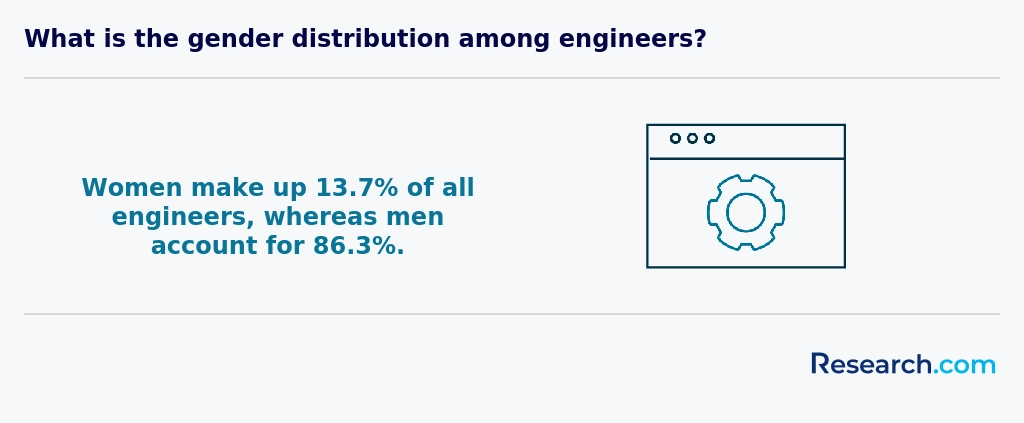
Ensuring your engineering degree from Mankato, MN, carries ABET accreditation is vital for both employer recognition and eligibility to take the Fundamentals of Engineering (FE) exam. ABET-accredited programs meet stringent quality standards in curriculum design, faculty expertise, and student outcomes-elements that directly impact your readiness for professional practice. Graduates of ABET-accredited schools typically enjoy higher FE pass rates and smoother transitions to the Professional Engineer (PE) license, which can significantly boost career prospects and salary potential. Before enrolling, verify each program’s accreditation status through the ABET website and review how its coursework aligns with state licensure requirements. Many local institutions in Mankato integrate licensure preparation into capstone projects, offering mock FE exam workshops and mentorship from licensed faculty. These resources not only reinforce core engineering principles-such as statics, dynamics, and thermodynamics-but also guide you through ethics, safety codes, and exam strategies essential for PE candidacy. While Mankato’s accredited programs deliver strong licensure support, prospective students on tighter budgets may also explore affordability across regions. For a detailed comparison of low-cost engineering degrees, check out the Cheapest Engineering Degree Programs Ranking in New Hampshire, which highlights institutions that balance quality accreditation with competitive tuition rates.
Engineering students in Mankato often find that financial aid plays a crucial role in turning their ambitions into reality. Graduates from Minnesota State University, Mankato frequently recall how federal Pell Grants, providing up to $7,395 annually, eased the burden of tuition fees that typically range between $10,000 and $15,000 for in-state residents. Beyond federal grants, many have benefited from the Minnesota State Grant Program, which supports students who call Minnesota home and attend eligible institutions in the area.
Merit-based scholarships from local universities serve as an additional beacon of hope. For example, engineering students at Minnesota State recount earning departmental scholarships that reward academic excellence, helping lift financial pressure while motivating them to excel.
Work-study opportunities on campus allow many to gain hands-on engineering experience while earning income, making the college journey feel both productive and rewarding. Graduates often cherish this blend of learning and earning, especially when tied to actual projects in university labs or community partnerships.
Finally, employer tuition assistance and cooperative education programs stand as valuable lifelines for working professionals in Mankato, fostering a practical connection between classrooms and careers that students deeply appreciate.
A vibrant campus life is an essential complement to the rigorous academic experience, offering engineering students in Mankato, MN, a well-rounded education that extends beyond the classroom. Students not only develop technical expertise but also benefit from extensive support services that foster personal growth, peer mentorship, and professional networking. Campus resources such as modern laboratories, collaborative study centers, and active engineering clubs provide opportunities for hands-on learning and long-term skill development. Many institutions also offer dedicated career counseling, internship placement services, and alumni networking events, all of which are key factors in smoothing the transition from education to industry. Moreover, campuses often host specialized workshops and seminars on emerging trends and technologies, ensuring that students remain competitive in a fast-evolving field. If you are exploring affordable paths to kickstart your engineering journey, you might want to check out the cheapest engineering programs in minnesota that balance quality with cost-effectiveness. Embracing the full spectrum of campus life and support services can significantly enhance your educational experience, empowering you to excel both academically and professionally.
Enrolling in an engineering degree in Mankato typically starts with a solid foundation in mathematics and science, a fact that graduates from Minnesota State University, Mankato often emphasize. Having completed coursework in algebra, geometry, trigonometry, and calculus before arrival prepares students to confidently engage with challenging classes. This strong academic background eases the transition into specialized engineering topics, such as fluid mechanics or circuitry, where calculus is frequently applied.
Physics and chemistry are also essential prerequisites, as reflected by many successful students who recall how these subjects helped them grasp core engineering concepts early on. Meeting or exceeding a GPA around 2.5 to 3.0 is often required, serving as a reliable indicator of readiness. Submitting SAT or ACT scores with strong math results can support an application, demonstrating the quantitative skills crucial for engineering disciplines.
Additionally, personal statements and letters of recommendation enrich the application, highlighting problem-solving abilities and a genuine passion for engineering. This holistic approach ensures that students entering programs in Mankato are not only academically prepared but also motivated to thrive in their studies.

Engineering students in Mankato, especially those attending well-regarded programs like Minnesota State University, find their early semesters deeply rooted in essential math and science courses. Graduates often recall how mastering calculus and differential equations was crucial for unraveling complex engineering models during their studies. Physics courses, covering mechanics and electricity, become the backbone for understanding real-world systems, while chemistry lays groundwork especially for those pursuing chemical or materials engineering.
Many share that early exposure to engineering design principles opens their eyes to practical problem-solving and introduces software tools vital in the field. As they move forward, the curriculum narrows to specialized topics-civil engineering students dive into structural analysis and geotechnical studies, while electrical majors embrace circuits and digital systems, experiences that resonate deeply when applied to projects.
Hands-on labs and capstone projects frequently inspire a sense of accomplishment, bridging classroom theories with tangible outcomes. Complementary courses like technical writing and project management equip students to confidently communicate complex ideas, a skill that alumni appreciate as they transition into professional roles in Mankato's diverse engineering landscape.

In Mankato, engineering degree specializations cover a wide spectrum that reflects the dynamic nature of the field. Graduates from renowned institutions here often share how Civil Engineering has enabled them to contribute meaningfully to community infrastructure projects, tackling real-world challenges like sustainable urban development. Mechanical Engineering students find excitement in designing innovative machinery, drawing from hands-on labs that simulate industries such as automotive and aerospace. Electrical Engineering also attracts many, offering pathways into cutting-edge technology sectors like robotics and power systems.
Beyond these, programs frequently offer Environmental Engineering, where students develop solutions that harmonize industrial growth with ecological responsibility-an increasingly relevant pursuit in Minnesota's evolving landscape. Other specializations like Industrial, Biomedical, and Software Engineering provide focused training for efficiency, healthcare technology, and computing solutions respectively, with many students noting how their practical experiences, including internships, enhance both knowledge and enthusiasm. Exploring a career as a software engineer job satisfaction often draws those passionate about merging programming with hardware.
Those considering the top engineering programs Mankato has to offer often remark on the value of such diverse options, which prepare them well for local and national job markets while allowing them to tailor their education to personal aspirations.
Choosing the best engineering degree in Mankato means focusing on programs with strong industry ties and ABET accreditation, such as those at Minnesota State University, Mankato. Graduates often share how hands-on experience in well-equipped labs and access to faculty with real-world expertise made their studies both engaging and rewarding. Selecting an engineering discipline aligned with Mankato's economic landscape-like electrical or civil engineering-can open doors to local jobs and internships, which many students find invaluable for career growth.
Cost is always a consideration, and affordable engineering degrees Mankato Minnesota offers give students a practical advantage without compromising quality. Many students appreciate knowing their tuition investment supports access to cooperative education programs that connect them with companies nearby. For those curious about long-term benefits, exploring software engineering salary trends reveals how certain fields promise strong financial returns.
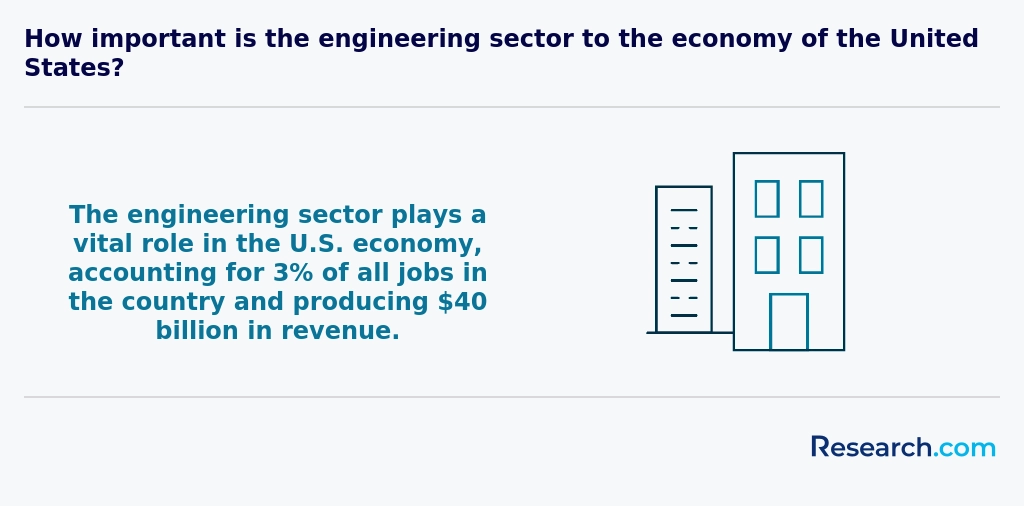
Graduates of an engineering degree in Mankato find a range of rewarding career paths closely tied to the city's unique economic landscape. Many who studied at local universities have entered manufacturing, where companies seek mechanical and electrical engineers to optimize production lines and innovate new products. This real-world application, often encountered during internships or cooperative education, creates a strong sense of accomplishment and belonging.
Other graduates gravitate toward civil and environmental engineering roles, contributing directly to Mankato's infrastructure growth and sustainability projects. Working on transportation systems or water management, they see firsthand how their efforts improve community life, a gratifying experience echoed by many alumni from respected Mankato colleges. This pathway exemplifies some of the best engineering jobs for Mankato graduates, with competitive salaries validating the effort.
Those drawn to technology find opportunities in software and computer engineering, benefiting from proximity to regional tech hubs and exploring remote roles. Several graduates have reported success by enrolling in fast-paced computer science programs, which complement their engineering backgrounds and expand career flexibility. Such diverse options demonstrate how an engineering degree career opportunities in Mankato can lead to fulfilling, long-term growth.

The job market for engineering degree holders in Mankato offers promising opportunities influenced by the city's diverse industrial base. Graduates often find roles in manufacturing firms producing agricultural machinery or in infrastructure projects that enhance regional transportation networks. Engineering students from Mankato State University and local colleges frequently share stories of internships evolving into full-time positions, reflecting the strength of connections between education and industry here. These experiences provide a sense of optimism and practical insight into how engineering skills translate into rewarding careers, perfectly illustrating the engineering degree job opportunities in Mankato.
Starting salaries typically range from $60,000 to $70,000 for entry-level engineers, increasing with experience and specialization. Many graduates appreciate the affordability of studying locally; the cheapest engineering programs in minnesota help ease financial burdens, making education accessible without sacrificing quality. This affordability combined with steady demand reinforces the Mankato engineering graduate employment outlook, making the region an attractive choice for aspiring engineers committed to building their futures close to home.
2027 Best Engineering Degree Programs Ranking in Mankato
Investing in your education is a significant decision that can profoundly impact your future, and the Research.com team recognizes the importance of making well-informed choices. To assist prospective engineers, we have carefully developed the "2027 Best Engineering Degree Programs Ranking in Mankato." Our dedication to quality, credibility, and accuracy is demonstrated through comprehensive research and rigorous analysis underlying this ranking.
We utilized the following reputable data sources to create a thorough and reliable evaluation of engineering programs:
By consulting this ranking, readers will gain valuable insights into the top engineering degree programs in Mankato, empowering them to make confident and informed educational decisions. For further details on our ranking process, please visit our Research.com methodology page.


Frequently Asked Questions About engineering
Engineering students in Mankato can maximize their learning experience by actively engaging in hands-on projects offered through Minnesota State University's College of Science, Engineering, and Technology. Practical experience is essential, as 75% of engineering employers report valuing internship experience highly according to a National Association of Colleges and Employers (NACE) survey.
Students should seek internships or cooperative education opportunities within local industries, including manufacturing and technology firms prominent in Mankato. Participating in student organizations like the Society of Women Engineers or the American Society of Mechanical Engineers helps build professional networks and leadership skills.
Utilizing campus resources such as tutoring centers and research labs also enhances understanding. Finally, staying current with industry trends via seminars and workshops can better prepare students for the evolving engineering job market.
Emerging niches within the engineering field reflect advances in technology and shifting market demands, especially relevant for students pursuing engineering degrees in Mankato. Areas like renewable energy engineering are growing rapidly, driven by Minnesota's commitment to sustainable power and green technology. According to the U.S. Bureau of Labor Statistics, jobs in green engineering are expected to grow by 9% from 2022 to 2032, highlighting strong opportunities.
Biotechnical engineering is another expanding niche, combining biology with engineering principles, particularly important given the proximity to research hubs in the Midwest. Additionally, software and data engineering are increasingly integrated with traditional engineering roles, reflecting industry trends toward automation and smart systems. These fields suit Mankato's evolving industrial landscape, offering graduates versatile career paths.
Graduates with engineering degrees in Mankato can improve their job prospects by gaining practical experience through internships or cooperative education programs. Minnesota State University, Mankato, offers strong industry connections that help students secure relevant hands-on opportunities.
Building a professional network is crucial; attending local engineering events or joining organizations such as the American Society of Mechanical Engineers (ASME) chapter at Mankato offers valuable contacts. Additionally, graduates should develop proficiency with industry-standard software and technical skills, as employers highly value them.
According to the U.S. Bureau of Labor Statistics, Minnesota's engineering field is expected to grow by about 5% through 2031, indicating steady demand. Finally, preparing a tailored resume and practicing for technical interviews significantly increases chances of employment in Mankato's competitive engineering job market.
Employers in Mankato highly value engineering graduates who demonstrate strong technical proficiency and problem-solving abilities. According to the Minnesota Department of Employment and Economic Development, skills in computer-aided design (CAD), programming languages, and systems analysis are crucial for local engineering roles.
Additionally, effective communication and teamwork are essential, as many engineering projects in Mankato involve collaboration across departments. Knowledge of industry-standard software and hands-on experience through internships are often preferred by employers.
Data from industry surveys also highlight adaptability and continuous learning as top traits, especially with rapid technological changes in manufacturing and infrastructure sectors around Mankato.
Finding internships in Mankato relevant to an engineering degree involves leveraging local resources and university connections. South Central College and Minnesota State University, Mankato, regularly host career fairs and maintain partnerships with regional employers, which enhance student access to internships in fields like mechanical, civil, and electrical engineering.
Many local manufacturing and engineering firms, such as Toro Company and Mayo Clinic Health System, offer hands-on internship opportunities. Students are encouraged to use university career centers and online job portals like Handshake to identify openings.
Additionally, contacting professional organizations such as the Minnesota Society of Professional Engineers can provide networking avenues. According to the National Association of Colleges and Employers, internships significantly boost employment prospects for engineering graduates.
Obtaining an engineering degree in Mankato significantly enhances career mobility and advancement opportunities within the local job market. The region hosts a variety of industries including manufacturing, transportation, and technology, which highly value technical expertise. According to the Minnesota Department of Employment and Economic Development, engineering occupations in the Mankato area are projected to grow by 8% through 2030, indicating steady demand.
Graduates with engineering degrees often access diverse roles, from design and development to project management. Higher education credentials increase the likelihood of obtaining leadership positions and higher salaries, with engineers in Mankato earning a median annual wage around $85,000, according to the U.S. Bureau of Labor Statistics.
Additionally, local employers often prefer candidates with degrees from accredited programs, reflecting strong foundational knowledge and practical skills, which supports career progression.
Studying for an engineering degree in Mankato offers strong preparation for interdisciplinary roles by combining foundational engineering principles with practical, real-world applications. Programs in the region emphasize collaboration across fields such as computer science, environmental studies, and business, reflecting evolving industry demands. Minnesota State University, Mankato, a key local institution, integrates project-based learning and internships, providing exposure to diverse engineering practices.
According to the university's data, over 70% of engineering students engage in multidisciplinary projects, fostering skills in communication and teamwork essential for cross-functional environments.
This hands-on approach ensures graduates can navigate complex problems and adapt their expertise to various sectors.
When choosing between a thesis and a non-thesis engineering degree program in Mankato, students should consider their career goals and learning preferences. A thesis program usually requires conducting original research, including writing and defending a thesis. This path is ideal for those aiming to pursue doctoral studies or careers in research and development.
By contrast, non-thesis programs often focus more on coursework and practical skills, appealing to students targeting industry roles or professional advancement. According to the Minnesota State system, which includes universities in Mankato, approximately 60% of engineering master's students opt for the non-thesis option, reflecting local industry demands.
Additionally, thesis programs can take longer to complete due to research commitments. Prospective students should consult advisors at their chosen Mankato institution to understand specific program requirements and outcomes before deciding.
Students in Mankato interested in studying engineering abroad can explore options through their home institutions, such as Minnesota State University, Mankato. The university often partners with international programs allowing students to spend a semester or year overseas while earning credits toward their engineering degrees. Popular destinations include universities in Europe and Asia with strong engineering faculties.
Additionally, students can apply to specialized exchange programs like the Engineering Study Abroad Consortium, which offers opportunities tailored to U.S. engineering students. These programs provide hands-on experience in different engineering fields and exposure to global engineering standards.
Financial aid and scholarships specifically for study abroad engineering students are available, helping to manage costs. According to the Institute of International Education, about 5% of U.S. engineering students participate in study abroad programs, a rate that is gradually increasing with more institutional support.
Students pursuing engineering degrees in Mankato have access to various part-time job opportunities that enhance their academic experience. Local industries, including manufacturing and technology firms, often seek interns or entry-level technicians. These roles provide hands-on experience with engineering principles applied in real-world settings.
Additionally, Mankato boasts several research centers affiliated with universities that occasionally offer research assistant positions. These roles help students develop critical analytical and problem-solving skills.
Retail and service jobs on campus or nearby also allow flexible schedules, though technical positions directly related to engineering pay higher and build more relevant expertise.
According to the Minnesota Department of Employment and Economic Development, engineering-related part-time employment in Mankato has grown steadily, reflecting regional industry demand.
Engineering students in Mankato benefit from various networking opportunities that connect them with local industries and professionals. Minnesota State University, Mankato, a key institution offering engineering programs, hosts career fairs and networking events each year, which attract dozens of regional employers. These events allow students to meet potential mentors and internship providers directly.
Students can also engage with professional organizations such as the Minnesota Society of Professional Engineers and student chapters of national engineering societies. These groups frequently organize workshops, seminars, and networking mixers in the Mankato area.
Additionally, local companies in sectors like manufacturing and technology often collaborate with universities to support student projects, providing valuable real-world connections.
Alumni networks for engineering degree students in Mankato provide significant advantages in career development and job placement. These networks often connect current students with graduates who are established professionals in fields such as mechanical, civil, and electrical engineering. According to the National Association of Colleges and Employers (NACE), students involved in alumni networks have 20% higher employment rates after graduation.
Engagement with alumni allows students to gain insights about local industries and internship opportunities in Mankato's growing engineering sector, particularly in manufacturing and technology firms. Alumni frequently offer mentorship, technical advice, and professional references, all of which are essential for early career growth. Additionally, alumni-led workshops and networking events increase students' visibility within the community and foster long-term professional relationships.
Customizing an engineering degree program in Mankato allows students to align their education with specific career goals. Many institutions offer flexible degree options, including elective courses in specialized fields like mechanical, civil, or electrical engineering. Students can often choose internships or cooperative education experiences with local industries, which enhances practical skills.
Additionally, Mankato-area schools may provide access to emerging technologies and labs tailored for hands-on learning. Academic advising plays a key role in personalizing course selection to focus on areas critical to your desired profession. According to recent data from the Minnesota State system, nearly 70% of engineering students in Mankato engage in internships, boosting job readiness.
Engaging with faculty on research projects or joining engineering clubs also supports career-focused learning pathways. These opportunities help bridge classroom theory with real-world application, making your degree uniquely suited to your future ambitions.
Engineering students in Mankato often face challenges common to rigorous STEM programs across the U.S., such as demanding coursework and heavy workloads. Balancing complex subjects like calculus, physics, and computer programming can be stressful. Time management is critical, as students need to juggle labs, projects, and internships alongside classes.
Access to cutting-edge lab equipment and research opportunities may be more limited compared to larger metropolitan universities, which can affect hands-on learning experiences. Additionally, securing relevant internships in the Mankato area can be competitive due to a smaller local engineering job market.
According to the National Center for Education Statistics, retention rates for engineering programs hover around 60-70% nationally, reflecting the challenge of staying on track in demanding curricula. Students are advised to seek strong academic advising and peer support to overcome these hurdles.
With an engineering degree, graduates in Mankato can pursue several professional certifications to advance their careers. The most recognized is the Professional Engineer (PE) license, which requires passing the Fundamentals of Engineering (FE) exam, followed by work experience and the PE exam. Holding a PE license is crucial for higher responsibility roles and is often required for public projects.
Other certifications include Certified Manufacturing Engineer (CMfgE) and Project Management Professional (PMP), relevant for those focusing on industrial engineering or management paths. Many Mankato engineering graduates work locally, where certified professionals are in demand by construction and manufacturing firms, according to data from the Minnesota Department of Employment and Economic Development.
Writing a winning application for an engineering program in Mankato starts with strong academic credentials. Most programs seek applicants with a solid background in math and science, particularly courses like calculus and physics. Highlight your GPA and any related coursework clearly.
Demonstrating practical experience through internships or projects is highly valued. Mankato's engineering programs often collaborate with local industries, so mentioning relevant hands-on work can distinguish your application.
Clear, concise personal statements explaining your interest in engineering and your career goals are essential. According to statistics from Minnesota State University, Mankato, successful applicants typically emphasize problem-solving skills and community engagement.
Finally, secure strong letters of recommendation from teachers or professionals familiar with your abilities in STEM fields.
The engineering field is highly valued worldwide, offering diverse opportunities for those with a degree. In the United States, including Mankato, engineering graduates are in strong demand. According to the U.S. Bureau of Labor Statistics, engineering employment is projected to grow by 8% from 2022 to 2032, faster than average for all occupations.
Globally, engineers play a crucial role in innovation, infrastructure, and technology development. Employers often seek professionals with skills that meet international standards, such as those accredited by ABET, which many Mankato programs follow.
In Mankato specifically, graduates benefit from regional industries including manufacturing and technology, which contribute to steady job placement rates. The global perspective emphasizes adaptability, problem-solving skills, and continuous learning as key to long-term success in engineering careers.
Gaining practical experience while studying for an engineering degree in Mankato is essential for career readiness. Students can seek internships and cooperative education (co-op) programs with local industries, including manufacturing and technology firms in the Mankato area. These opportunities offer hands-on experience alongside academic learning.
Many engineering programs in Minnesota encourage participation in research projects with faculty, giving students practical problem-solving skills. Additionally, joining engineering clubs and student organizations allows for teamwork on real-world projects and competitions.
According to the National Society of Professional Engineers, students who engage in internships improve their employment prospects by over 60%. Local colleges also host career fairs attracting regional employers, which can be a direct pathway to gaining relevant work experience.
Choosing the right concentration within an engineering degree program in Mankato involves careful consideration of your interests, career goals, and local industry demands. Minnesota State University, Mankato offers several engineering focuses, including civil, mechanical, and electrical engineering, each aligned with regional job markets. For instance, civil engineering is strong due to ongoing infrastructure projects in southern Minnesota, supported by data from the Minnesota Department of Employment and Economic Development.
Assess your strengths in math, science, and technical skills, and review course offerings for each concentration. Internships and cooperative education opportunities in Mankato provide valuable experience, helping clarify your preferred specialization. Additionally, explore potential salary ranges and growth projections reported by the U.S. Bureau of Labor Statistics for engineers in Minnesota to inform your decision.
- 2027 Best Engineering Degree Programs Ranking in Milwaukee
- 2027 Best Engineering Degree Programs Ranking in Chicago
- 2027 Best Engineering Degree Programs Ranking in Saint Louis
- 2027 Best Engineering Degree Programs Ranking in Fayetteville
- 2027 Best Engineering Degree Programs Ranking in Detroit
- 2027 Best Engineering Degree Programs Ranking in Dayton
- 2027 Best Engineering Degree Programs Ranking in Denver
- 2027 Best Engineering Degree Programs Ranking in Cleveland
- 2027 Best Engineering Degree Programs Ranking in Colorado Springs
- 2027 Best Engineering Degree Programs Ranking in Nashville
See What Experts Have To Say About Studying Engineering
Read our interview with Engineering experts

Joseph Reichenberger
Engineering Expert
Professor of Civil Engineering & Environmental Science
Loyola Marymount University


Bohdan W. Oppenheim
Engineering Expert
Professor Emeritus of Healthcare Systems Engineering
Loyola Marymount University

- Executive Search and Outplacement Services for the Engineering, Architecture, Construction, and Manufacturing Industries https://www.davron.net/stand-out-niche-engineering-job-market/
- Mechanical Engineering https://www.mnsu.edu/programs/mechanical-engineering/
- Quick Links https://www.alfabetaglobal.com/schools/minnesota-state-university-mankato/programs/bachelor-of-science-in-mechanical-engineering-663162a4-f45e-463c-b9df-a96260d320d9
- 18529 mechanical engineering English-speaking jobs in Poland https://englishjobs.pl/jobs/mechanical_engineering
- Interdisciplinary Engineering Education: Difficult, but not Impossible https://engineeringedu.press/2020/02/16/interdisciplinary-engineering-education-difficult-but-not-impossible/
- Minnesota State University: Shaping work-ready engineering grads https://studyinternational.com/news/meet-the-work-ready-engineering-graduates-of-minnesota-state-university-mankato/
- 328 Minnesota State University, Mankato scholarships 2026-27 [Updated] https://www.wemakescholars.com/university/minnesota-state-university-mankato/scholarships
- Engineering Study Abroad Programs | Go Overseas https://www.gooverseas.com/study-abroad/engineering
- Engineering Unleashed https://engineeringunleashed.com/institution/211
- Engineering work experience | This is Engineering https://thisisengineering.org.uk/become-an-engineer/work-experience/


