
2027 Best Online Doctorate in Engineering Degree Programs Ranking in the South

Co-Founder and Chief Data Scientist
Choosing the right doctorate program in engineering can be challenging, especially when looking for flexible online options in the South. This article presents the 2027 Best Online Doctorate in Engineering Degree Programs Ranking in the South, developed by the expert data scientists at Research.com. It is designed to help you confidently explore quality programs that fit your goals and lifestyle.
By reading this ranking, you'll gain valuable insights into top programs, empowering you to take the next step in your engineering career. Earning a doctorate opens new opportunities, making it a rewarding journey worth considering.
Key benefits of getting online engineering degree in the South
- Engineering graduates in the South can expect strong salaries, with roles like Senior Research and Development Engineer earning around $106,700 annually and Directors of Engineering making about $129,330 per year.
- Career paths include roles such as Engineering Program Manager or Principal Mechanical Engineer, offering diverse opportunities for growth and leadership in dynamic fields.
- Obtaining an online engineering degree offers flexibility and accessibility, allowing students to balance work and study while gaining reputable qualifications from respected Southern universities.
- 2027 Best Online Doctorate in Engineering Degree Programs Ranking in the South
- What can I expect from online engineering degree in the South?
- Where can I work with online engineering degree in the South?
What can I expect from online engineering degree in the South?
When considering the cost of an online engineering degree in the South, expect a balance of quality and affordability. Many graduates from institutions in Texas or North Carolina share that tuition is often significantly lower than private or out-of-state programs. For example, public universities such as those in the University of North Carolina system provide in-state tuition perks that can make pursuing a specialized field like mechanical or electrical engineering much more accessible.
One common experience is the relief students feel knowing they can manage costs without sacrificing the rigor expected from ABET-accredited programs. This affordability means you can focus on mastering challenging coursework, from advanced math to virtual labs, without the stress of overwhelming debt. The financial advantages paired with flexible online formats empower working professionals and remote learners to achieve their goals while staying connected to thriving Southern tech and industrial hubs. This blend of cost-effectiveness and quality truly sets the region apart for engineering education.
Where can I work with online engineering degree in the South?
With an online engineering degree earned from respected Southern schools like the University of Texas or Georgia Tech, you open doors to vibrant industries right in your backyard. Graduates often find themselves crafting solutions for Texas's booming oil and gas fields or contributing to cutting-edge aerospace projects around Dallas and Houston. Imagine working alongside seasoned professionals on energy innovations that power millions.
In Georgia, many graduates leverage their skills in automotive manufacturing or tech hubs around Atlanta, optimizing production lines and integrating advanced technology systems. This hands-on work not only challenges their creativity but also directly impacts global supply chains. It's rewarding to know your efforts improve processes that affect everyday lives.
North Carolina's Research Triangle offers a dynamic environment where biomedical and software engineers collaborate on pioneering research. Graduates describe the excitement of being part of teams developing breakthrough treatments and smart technologies that reshape healthcare and software industries. It's a place where passion meets purpose.
Civil and environmental engineers find steady demand across the South, contributing to vital infrastructure projects that communities depend on daily. Online graduates who pursue licensure can take pride in improving transportation, water systems, and urban spaces, seeing tangible results from their expertise.
Ultimately, earning your degree online from a Southern program means entering a region rich with opportunity. The landscape is diverse, and your engineering skills can transform industries while fueling personal growth and satisfaction.
If you choose to pursue an online engineering degree in the South, you can expect rewarding salary prospects that reflect both your hard work and the region's growing industries. Graduates from universities like Georgia Tech or the University of Texas often start their careers around $60,000 to $70,000, depending on their specialization and the local job market.
As you gain experience, you might step into roles such as Senior Research and Development Engineer, earning a mean annual wage of about $106,700. Advancing further, engineering graduates have landed leadership positions: for example, Engineering Program Managers and Principal Mechanical Engineers typically earn around $172,290 annually in Southern hubs like Atlanta or Raleigh-Durham.
For those with significant accomplishments and strategic career growth, Director of Engineering roles can offer mean salaries near $129,330, while Research and Development Directors can command impressive wages exceeding $258,900. These figures highlight how Southern online degrees open doors to lucrative, fulfilling careers.
Graduates often share how aligning their expertise with the South's aerospace, manufacturing, or tech sectors has accelerated their financial and professional success.
- Tuition for online engineering degrees in southern public universities ranges from $7,000 to $12,000 annually for in-state students.
- Entry-level engineering salaries in the South typically range from $60,000 to $70,000 per year.
- With experience, engineers can expect salaries between $90,000 and $110,000 within 5 to 10 years.
- Texas employs over 230,000 engineers across industries like aerospace, automotive, and IT, showing strong job opportunities.
- Many southern online engineering programs are ABET-accredited, which is important for licensure and career advancement.
- Online programs offer flexibility, benefiting students who balance work, family, and study commitments.
Completing an online engineering degree in the South is a journey that varies but promises rewarding results. Graduates from universities like Clemson and the University of Florida often find that a bachelor's degree takes about four years full-time, while part-time learners might take up to six years. This flexibility allows you to balance work, family, and studies without losing momentum.
Master's programs, common at institutions such as Georgia Tech and Texas A&M, generally require 18 to 24 months of full-time study. Many students working full-time choose part-time options, stretching their program up to three years - a smart choice that makes advanced education manageable alongside other commitments.
Doctoral candidates in Southern schools know that completing a PhD can take between three to six years, depending on research progress. The freedom of online study lets them dive deeply into their projects while managing life's demands.
Remember, Southern universities known for ABET accreditation emphasize practical experience, helping you gain real-world skills while respecting your timeline.
Pursuing an online doctorate in engineering requires a clear understanding of the dissertation process and the research milestones that define your academic journey. Most Southern programs structure research training into three phases: coursework completion, comprehensive examinations, and dissertation research. During the coursework phase, you’ll deepen your expertise in advanced topics like computational methods, experimental design, and interdisciplinary engineering systems. After passing comprehensive exams-designed to assess your mastery of core theories and methodologies-you’ll propose a dissertation topic under the guidance of a faculty advisor. Your dissertation proposal typically includes a literature review, research objectives, methodology, and a timeline. Once approved, you’ll dedicate 1–3 years to original research, often collaborating with research centers or industry partners. Online doctoral candidates benefit from virtual lab simulations, cloud-based data analysis tools, and scheduled research seminars that foster peer feedback and cross-institution collaboration. Many programs also offer opportunities for funded research assistantships or grant-supported projects, enabling you to build your publication record in journals such as IEEE Transactions or the ASME Journal of Mechanisms and Robotics. Residency requirements vary by institution but generally include short on-campus sessions-ranging from one week to one month per year-to access specialized equipment and engage in intensive workshops. By the time you prepare for your final defense, you’ll have compiled a body of work demonstrating innovative contributions to fields like renewable energy systems, advanced materials, or autonomous robotics. While evaluating these research components, consider program costs and funding options; for more budget-friendly pathways, explore our Low Cost Engineering Degree Programs Ranking in Ohio.
Choosing between an online and on-campus engineering degree in the South means weighing flexibility against hands-on experience. Graduates from schools like the University of Texas or Georgia Tech often share how on-campus programs gave them invaluable lab time and direct access to faculty mentors, which fueled their confidence and practical skills. Imagine collaborating face-to-face on a robotics project or testing prototypes in state-of-the-art labs-these moments are hard to replicate virtually.
Meanwhile, online programs offer freedom for those balancing work or family life. Many Southern students appreciate studying at their own pace through virtual lectures and discussion boards while staying rooted in their communities. For example, a graduate from a prominent Southern online program highlights how they avoided relocation costs and still earned a respected ABET-accredited degree.
Cost-wise, online degrees tend to be more affordable, saving money on housing and commuting, a crucial factor given the $9,000 to $12,000 average annual tuition in the region. Yet, reliable technology and proactive networking remain key to success in an online setting.
- Both paths require ABET accreditation to ensure quality.
- On-campus students benefit from direct involvement in regional industries like aerospace in Texas or energy projects in Florida.
- Online students gain unmatched scheduling flexibility, ideal for working professionals.
- Retention rates edge higher on campus, reflecting the power of in-person support and community.
Achieving success in an online doctorate in engineering involves more than just enrolling in a program-it requires strategic planning, time management, and proactive engagement with available resources. Start by setting clear short-term and long-term goals that align with your career aspirations. Build a structured schedule that balances coursework, research, and personal life, and don’t hesitate to take advantage of digital tools that help manage your academic tasks effectively. Connecting with peers and instructors is equally important. Many programs offer virtual study groups, discussion forums, and video conferencing sessions that mimic the collaborative environment of a traditional campus. Engaging actively in these platforms can foster a sense of community and provide invaluable networking opportunities. In addition, participating in webinars and online workshops can expose you to emerging industry trends and innovative research methodologies, further enhancing your learning experience. Staying informed about the latest developments in engineering can also give you a competitive edge. Regularly reviewing reputable resources and rankings-such as the in demand engineering programs list-ensures you remain aware of industry shifts and emerging specialties. These insights not only guide your academic focus but also strengthen your professional profile when entering the job market. Lastly, seek mentorship from professionals who have successfully navigated an online doctorate. Their guidance on balancing rigorous academic demands with real-world applications can be instrumental in transforming challenges into opportunities for growth. Embrace these proactive strategies to maximize your educational journey and pave the way for a rewarding career in engineering.
The average cost of an online engineering degree in the South can vary widely depending on where you study and your residency status. Many graduates from well-known public universities in the region report tuition costs that align with a median total cost of around $28,560, reflecting the more affordable in-state rates available at these institutions. This affordability is a significant advantage for Southern students pursuing engineering degrees online, especially when compared to the much higher median out-of-state total cost, which can be close to $234,792, a steep difference that highlights how important it is to understand tuition policies before enrolling.
In-state students often find that tuition at public institutions is manageable, making it easier to focus on mastering engineering fundamentals without overwhelming financial stress. For example, an engineering graduate from a large Southern university might pay significantly less by qualifying for in-state tuition, while still enjoying robust online program options recognized nationally.
The total tuition and fees for online engineering doctorate Southern US programs tend to be higher, often involving extra research and dissertation-related expenses. However, many students find this investment worthwhile given the career advancement opportunities that come with advanced degrees.
Whether you're exploring affordable bachelor's degrees or considering advanced studies, be sure to review options carefully. You can discover more about in demand engineering programs in the South, which can offer both quality education and flexible online learning paths tailored to your goals.
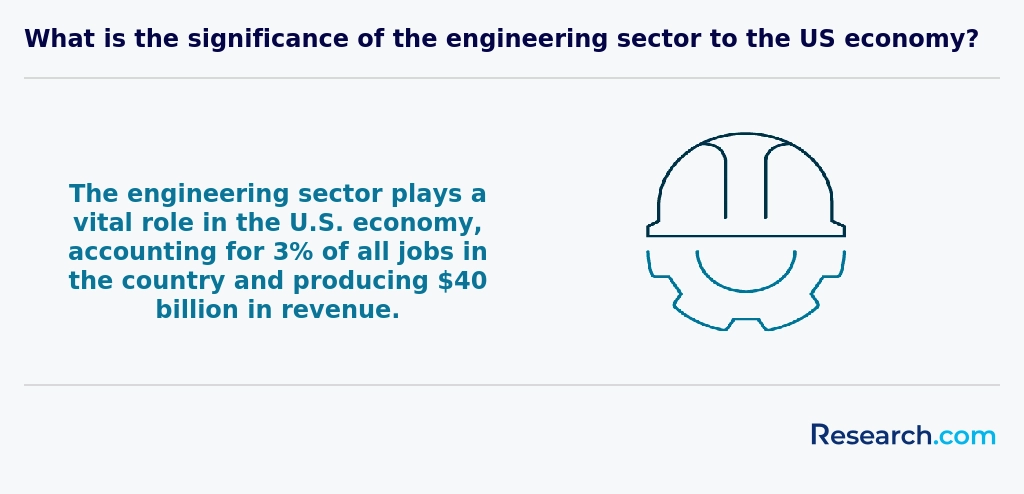
Earning an online doctorate in engineering in the South offers a powerful blend of flexibility, research opportunities, and career advancement:
- Flexible scheduling that accommodates full-time professionals and personal commitments
- Access to regional research partnerships and cutting-edge labs through Southern universities
- Collaboration with experienced faculty and industry mentors to drive impactful innovation
- Enhanced career prospects in academia, R&D leadership, and executive engineering roles
- Competitive tuition rates and funding opportunities highlighted in our online engineering degree affordability guide
When pursuing an online engineering degree in the South, financial aid is more accessible than you might think. Many graduates from well-known schools like the University of Texas or Georgia Tech have relied on federal aid such as Pell Grants and Stafford loans to ease tuition burdens. While Pell Grants primarily support undergraduate studies, federal loans and work-study programs offer crucial support for graduate students seeking online engineering excellence.
State-specific scholarships also create real opportunities. For example, the TEXAS Grant helps Texas public university students succeed remotely, while Georgia's HOPE Scholarship rewards academic achievement and residency, opening doors for many learners balancing work and study.
Institutional scholarships at Southern universities often reward merit and financial need, perfectly fitting those juggling family or jobs.
For working professionals, employer tuition assistance through North Carolina or Louisiana companies with tech-driven sectors has transformed dreams into degrees by reimbursing course costs.
Lastly, imagine joining the National Society of Professional Engineers community, where scholarships and fellowships provide the kind of encouragement that propels online engineering students toward success.
Southern online doctorate in engineering programs distinguish themselves through world-class faculty and robust research infrastructures designed to guide students from proposal to publication. Each program pairs candidates with faculty advisors whose specialties span advanced materials, renewable energy systems, biomedical devices, and computational modeling. Access to virtual lab environments and remote instrumentation, combined with regular one-on-one mentoring sessions, ensures students receive personalized feedback on methodology, data analysis, and manuscript preparation. To ease the transition into independent research, programs often offer structured workshops on topics such as grant writing, ethical research practices, and interdisciplinary collaboration. Doctoral candidates benefit from grant-funded projects and industry partnerships, gaining hands-on experience that directly informs their dissertations. This symbiosis between academia and industry also helps align each research topic with real-world demands, ensuring your work addresses current engineering challenges and market needs, including evolving computer engineer job requirements. Additionally, Southern institutions host annual virtual symposiums where doctoral students present preliminary findings, receive peer review, and network with alumni and industry experts. Publication support services assist candidates in selecting high-impact journals and navigating the peer-review process, boosting the visibility of their research. With this comprehensive faculty expertise and research support network, online engineering doctoral students in the South are well-equipped to make significant contributions to their fields and emerge as respected thought leaders.
To enroll in an online engineering degree program in the South, you'll generally need a high school diploma or its equivalent. Many graduates from institutions like Georgia Tech or the University of Florida recall how mastering calculus, physics, and chemistry before applying laid a solid foundation for their success. These subjects aren't just boxes to check-they're the tools that will empower you to solve real-world challenges.
For those aiming higher, graduate programs often expect a related bachelor's degree and a minimum GPA around 3.0. Southern schools have become more flexible with test scores like the SAT, ACT, or GRE, focusing instead on your overall potential.
Beyond academics, you'll need to showcase motivation through letters of recommendation and a thoughtful statement of purpose. Graduates often highlight how sharing their passion and previous work experiences helped them stand out.
Don't forget the technical side: reliable internet, a quiet study space, and hardware capable of running engineering software are essential to thrive online. These small practical steps bring you closer to the rewarding journey many Southern engineering students celebrate today.
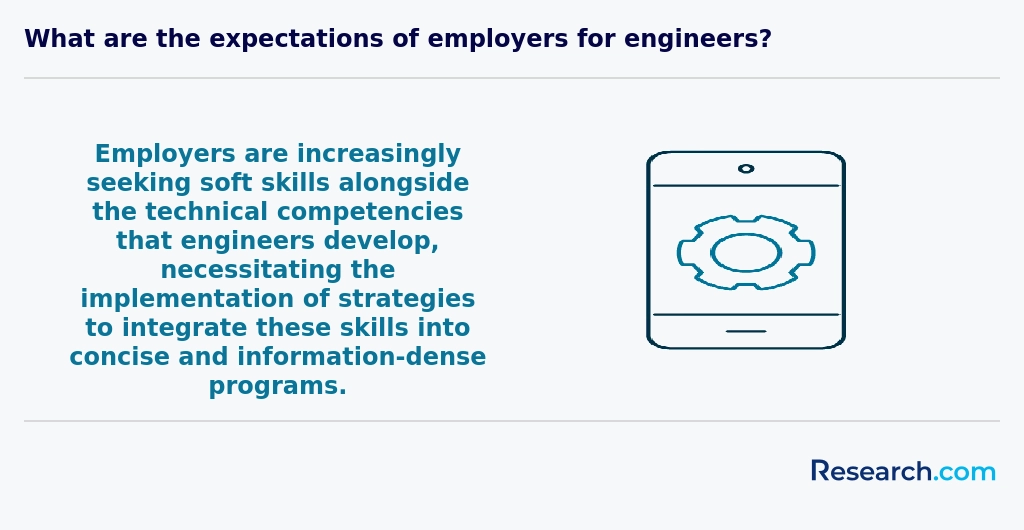
When choosing an online engineering degree, accreditation ensures you earn a respected credential recognized by employers, industry groups, and licensure boards.
- Regional accreditation (Southern Association of Colleges and Schools Commission on Colleges - SACSCOC) verifies overall institutional standards.
- ABET accreditation for engineering programs confirms curriculum rigor, faculty qualifications, and continuous improvement.
- State authorization and professional licensure approvals ensure eligibility to practice in your state.
Verifying accreditation safeguards your investment and supports career advancement.
Online engineering degrees in the South typically include courses that build a solid foundation while preparing you for real-world challenges. Graduates from popular Southern schools like Georgia Tech and the University of Texas share how mastering Calculus and Differential Equations was crucial for tackling complex engineering problems in their careers. Physics courses, especially mechanics and electromagnetism, help you understand the forces behind every innovative design, whether you're developing renewable energy systems or advanced aerospace technology.
Courses like Statics and Dynamics immerse you in the realities of force and motion, essential for civil or mechanical engineers working on bridges or vehicle designs. Thermodynamics often excites mechanical and chemical engineering students, connecting theory with what they see happening in engines or manufacturing plants. Hands-on classes such as Introduction to Engineering Design introduce tools like CAD, preparing you for teamwork and project management in virtual lab settings.
Programs here also emphasize Electrical Circuits, Systems Engineering, and Control Theory, equipping students to excel in automation and emerging tech industries. Through these courses, you gain not just knowledge but confidence to innovate within Southern industries driving technological growth.
When exploring online engineering specializations in the South, students often find themselves drawn to fields that reflect the region's industrial strengths and innovation hotspots. For example, graduates from popular colleges in Texas and Georgia pursue Civil Engineering to contribute to booming infrastructure projects, while others specialize in Mechanical Engineering to work on automotive systems or robotics that thrive in Southern manufacturing hubs.
Southern universities also offer focused programs in Electrical Engineering, ideal for those aiming to enter telecommunications or power systems industries prevalent in this region. Many students find the flexibility of combining Computer Science with engineering applications especially rewarding, preparing them for software development and hardware integration roles; their curriculum aligns perfectly with the skills needed in fast-growing tech sectors.
For a clearer picture of career options in this area, reviewing computer engineer job requirements can guide your choices. Southern US online engineering degree options further include Environmental and Industrial Engineering, designed to support sustainable growth and operational efficiencies unique to the South's economic landscape.
Choosing the right program starts with accreditation-many graduates from Southern universities emphasize how obtaining a degree from an ABET-accredited school opened doors in their engineering careers. Whether you're drawn to aerospace in Alabama or civil engineering in Texas, matching your specialization with the South's industry strengths shapes your success. For example, graduates of online engineering doctorate programs in the South often highlight the flexibility these programs offer, balancing work and family while pursuing advanced skills.
Cost matters too; many students appreciate that public universities in the South offer in-state tuition rates that are more affordable compared to private institutions. If budget is a concern, exploring Low Cost Engineering Degree Programs Ranking in Ohio can provide insightful comparisons. Flexible scheduling with asynchronous courses helps working professionals stay on track while managing real-life commitments.
I've seen affordable online PhD engineering degrees Southern US residents pursue to deepen their expertise without relocating, often taking advantage of strong faculty mentorship and industry connections that universities in Georgia and Florida provide. Graduates speak highly of post-graduation support that leads directly to job placements across the thriving Southern economy.

Graduates with an online engineering degree in the South find a wealth of career paths tailored to regional strengths and emerging industries. From civil engineering roles involving infrastructure projects like highways and urban planning to mechanical engineering careers focused on manufacturing and robotics, the opportunities are diverse and growing. Many graduates from universities in states like Texas and North Carolina secure positions in electrical engineering, contributing to advancements in renewable energy and telecommunications. Software engineering graduates benefit from the Silicon South's expanding tech sector, working in automation and cybersecurity fields.
Those considering online engineering doctorate careers in the South often highlight how their studies connected them to booming sectors like aerospace and energy, which remain fundamental to the region's economy. A key advantage for students is affordability and access through popular colleges, where lower tuition helps many to pursue their dreams. For practical steps, exploring accelerated associate degree programs can provide a solid foundation while opening doors to these exciting fields.
Engineering degree job opportunities Southern US graduates encounter reflect the dynamic nature of the region. Some enter petroleum or renewable energy sectors in Louisiana and Texas, while others join the automotive and technology industries in Georgia or Florida, capitalizing on strong local demand and competitive wages.
The job market for graduates holding online engineering degrees in the South is vibrant and full of opportunities. Many graduates from institutions like Georgia Tech and the University of North Carolina have shared how their degrees opened doors in areas such as energy, aerospace, and technology startups. Employers increasingly recognize online degrees, especially when earned from ABET-accredited schools, fueling steady demand across the region's growing industrial sectors. This trend is evident in Texas, Georgia, and North Carolina, where infrastructure projects and renewable energy initiatives drive hiring.
For those exploring the online engineering doctorate job outlook South, the expanding technology corridors and research parks present fertile ground for careers. Graduates often find themselves working on cutting-edge projects, benefiting from a region that values practical skills and innovation. The affordability of online programs, often costing between $7,000 and $15,000 annually, makes these paths accessible while maintaining quality.
If you're considering engineering but want to explore options first, many prospective students find interest by looking into the easiest bachelor's degree to get as a starting point before advancing. This practical approach helps align career goals with regional job market realities and personal growth.
2027 Best Online Doctorate in Engineering Degree Programs Ranking in the South
Investing in your education is a significant decision that can shape your future, and the Research.com team understands the importance of making informed choices. To assist prospective students in the South region, we have meticulously crafted the "2027 Best Online Doctorate in Engineering Degree Programs Ranking in the South." Our commitment to quality, credibility, and accuracy is reflected in the extensive research and analysis conducted to compile this ranking.
We utilized the following reputable data sources to ensure a comprehensive evaluation of doctoral engineering programs:
By exploring this ranking, readers will gain valuable insights into the top online doctorate programs in engineering available across the South, helping them make well-informed decisions about their educational paths. For a detailed overview of how this ranking was created, please visit our Research.com methodology page.


# 5 position
University of Alabama in Huntsville
Doctor of Industrial and Systems Engineering with a concentration in Systems Engineering

Frequently Asked Questions About engineering
Online engineering degree students in the South can maximize their learning by actively engaging with digital resources and regional professional networks. Many Southern universities, such as Georgia Tech and the University of Texas at Austin, offer robust online labs and virtual simulations to enhance practical skills. According to the Southern Regional Education Board, over 60% of Southern engineering students find internships through university partnerships, which is crucial for hands-on experience.
Participation in local engineering societies like the Texas Society of Professional Engineers helps students expand their network and access mentorship. Additionally, setting a disciplined study schedule and utilizing university tutoring services can improve retention and performance in rigorous engineering courses.
The engineering field is rapidly evolving with several emerging niches gaining traction, especially in the Southern U.S. Advanced fields such as renewable energy engineering and biomedical engineering are expanding due to regional investments and healthcare developments. According to the U.S. Bureau of Labor Statistics, Texas and Florida are among the top states for growth in renewable energy projects, driving demand for engineers skilled in solar and wind technology.
Cybersecurity engineering is another growing area, critical for protecting infrastructure. The Southeastern states are investing heavily in tech education to support this need. Additionally, data engineering and artificial intelligence integration within engineering processes are becoming essential skills for today's engineers.
Graduates with online engineering degrees in the South should focus on strengthening both technical and soft skills to compete effectively in the job market. According to the Bureau of Labor Statistics, the engineering sector in Southern states is expected to grow steadily through 2028, especially in areas like Texas and Georgia. Building a professional network via LinkedIn and industry-specific groups can open job opportunities.
Gaining relevant internships or cooperative education experiences during studies also improves employability. Additionally, obtaining professional certifications such as the Fundamentals of Engineering (FE) exam is highly recommended to advance licensure. Staying informed about regional industry trends helps tailor job applications for local markets.
Employers in the Southern United States highly value engineering graduates who possess strong problem-solving and critical-thinking skills. According to the National Association of Colleges and Employers (NACE), these skills remain top priorities for hiring managers in the region.
Technical proficiency, especially in software tools like AutoCAD, MATLAB, and programming languages such as Python, is essential. The Southern U.S. has a growing tech and manufacturing sector, increasing demand for engineers fluent in these areas, as noted by the U.S. Bureau of Labor Statistics.
Additionally, effective communication and teamwork skills are crucial. Engineering roles often require collaboration across multidisciplinary teams, so the ability to clearly convey complex ideas is highly sought after.
Adaptability to new technologies and continuous learning also rank high, helping graduates stay competitive in a dynamic job market.
Finding internships in the South relevant to an engineering degree involves leveraging regional resources and industry connections. The Southern United States hosts a growing engineering job market, particularly in states like Texas, Georgia, and North Carolina, with sectors such as aerospace, manufacturing, and energy leading demand.
Students should explore university career centers, which often maintain partnerships with local companies offering internships. According to the National Association of Colleges and Employers (NACE), Southern universities report higher internship participation rates in STEM fields compared to the national average.
Online platforms like Handshake and LinkedIn also provide access to internship postings specific to the South. Additionally, joining professional organizations, such as the Southern Society for Engineering Education, can open networking opportunities. Staying proactive by attending virtual career fairs and engaging with faculty can greatly improve chances of securing a valuable internship experience.
Online engineering degrees in the South significantly enhance career mobility and advancement. According to the Southern Regional Education Board (SREB), the region's growing technology and manufacturing sectors demand highly skilled engineers. Graduates with online credentials can access flexible learning while working, enabling continuous professional development without leaving their jobs.
Many Southern employers value accredited online degrees, especially those from ABET-accredited programs, which assure quality and relevance. This recognition helps graduates compete for promotions and higher-level roles.
Data from the U.S. Bureau of Labor Statistics show that engineering jobs in Southern states are projected to grow by 7% through 2031, emphasizing the value of advanced degrees for career progression.
Studying for an engineering degree online in the South equips students with skills that cross traditional boundaries. Programs often emphasize collaboration between engineering, business, and technology fields, reflecting regional industries like aerospace, manufacturing, and energy. This multidisciplinary focus prepares graduates to handle complex projects requiring knowledge from multiple domains.
In the Southern US, institutions integrate coursework in systems thinking, project management, and communication, which are crucial for interdisciplinary roles. According to the Southern Regional Education Board, over 40% of engineering jobs in the area involve cross-sector collaboration, highlighting the demand for such skills.
Online degrees foster flexible learning and teamwork through virtual labs and group projects, simulating real-world interdisciplinary environments.
When choosing between a thesis and a non-thesis online engineering degree in the South, consider your career goals and learning style. Thesis programs focus on research and require a detailed project or dissertation, ideal for those aiming at academia or R&D roles. Non-thesis options emphasize coursework and practical knowledge, suited for professionals seeking career advancement without intense research commitments.
According to the Southern Regional Education Board, over 60% of Southern engineering students prefer non-thesis programs for their flexibility. Additionally, non-thesis tracks often allow faster completion, which benefits working adults balancing job and study.
Cost and time investment vary significantly; thesis students may spend extra semesters on research, while non-thesis students typically finish sooner. Review specific university requirements and accreditation before deciding.
Students based in the South seeking to study engineering abroad have several online options. Many Southeastern universities offer collaborative programs with international institutions, allowing students to earn engineering degrees remotely while gaining global perspectives. For example, research from the Southern Regional Education Board highlights an increase in dual-degree and exchange partnerships in engineering fields.
Some universities provide virtual internships and international project collaborations, enhancing practical experience without leaving the country. Additionally, accreditation by ABET ensures that online engineering degrees from Southern schools meet global standards, which is critical for working internationally.
While direct study abroad may be limited, these online international opportunities provide valuable advantages for Southern engineering students exploring global careers.
Part-time job opportunities in the South that complement engineering degree education often include roles in manufacturing, technology firms, and research labs. States like Texas, Georgia, and North Carolina host numerous engineering-related employers who seek interns and part-time workers with technical skills.
Positions such as CAD technician, lab assistant, or junior engineering analyst provide practical experience alongside coursework. According to the U.S. Bureau of Labor Statistics, the South's engineering sector grew by 7% from 2019 to 2023, increasing demand for skilled support staff.
Additionally, working with local utility companies or construction firms offers hands-on training in real-world problem solving. These roles help students apply theory to practice and strengthen resumes for future careers.
Online engineering students in the South have growing access to professional networking opportunities despite the remote format. Many Southern universities offering online engineering degrees collaborate with regional industry hubs, enabling students to attend virtual career fairs and join local engineering societies.
For example, the Tennessee Valley Corridor hosts events connecting engineers with aerospace and manufacturing firms, benefiting students from nearby states. According to the American Society of Mechanical Engineers (ASME), chapters in Southern states report increased online event participation since 2020, providing valuable peer and professional connections.
Additionally, platforms like LinkedIn and university alumni networks help students engage with mentors and employers regionally, supporting career growth in the Southern engineering market.
Alumni networks offer vital support to online engineering degree students in the South by connecting them to a broad community of professionals and graduates. These networks frequently provide access to job opportunities and internships tailored to the Southern engineering market, which is growing due to investments in sectors like aerospace, automotive, and energy. According to the Southern Regional Education Board, nearly 65% of graduates in STEM fields find employment within their state, highlighting the importance of local connections.
Networks also facilitate mentorship programs, helping students navigate industry challenges and career advancement. Alumni often share insights on industry trends specific to the Southeastern US, enhancing students' understanding beyond traditional coursework.
These connections may prove crucial in fields such as civil, mechanical, and electrical engineering, where regional licensure and standards matter. Participation in alumni events and professional groups helps build a reliable support system, improving student retention and success in online programs.
Customizing an online engineering degree program in the South involves selecting specializations and electives that align with your career goals. Many Southern universities offer concentrations in fields like civil, mechanical, electrical, or software engineering to match regional industry needs. According to the Southern Regional Education Board, tailoring coursework to focus on emerging technologies, such as renewable energy or cybersecurity, enhances job prospects.
Students may also benefit from flexible scheduling and internship opportunities with local companies. Online programs frequently allow credit transfers and independent research options, letting you build skills relevant to your desired role. This customization supports both early-career professionals and experienced engineers seeking advancement.
Online engineering students in the South face unique challenges related to technology access and hands-on learning requirements. According to the Pew Research Center, about 15% of Southern households lack reliable broadband internet, impacting remote study capabilities. Engineering fields often require lab work and equipment use, which can be difficult to replicate virtually. Students may need to travel to campus or partner locations for practical sessions, adding time and expense.
Additionally, balancing work, family, and study commitments remains a significant challenge for many Southern students pursuing online degrees. Support services like tutoring or advising may also be less accessible remotely. These factors can affect retention and graduation rates in Southern engineering programs, as highlighted by the National Center for Education Statistics.
With an online engineering degree, professionals in the South can pursue various respected certifications that enhance career prospects. One prominent option is the Professional Engineer (PE) license, which requires passing the Fundamentals of Engineering (FE) exam and gaining work experience.
The PE credential is highly valued across Southern states like Texas and Georgia, where engineering industries are robust. Another notable certification is the Certified Manufacturing Engineer (CMfgE), relevant for professionals interested in manufacturing sectors prevalent in the Southeast.
Additionally, certifications in project management, such as Project Management Professional (PMP), complement engineering skills well.
Applying to an online engineering program in the South requires a clear, focused approach. Start by researching regional institutions accredited by ABET, as this ensures quality education recognized nationwide.
Highlight your academic background emphasizing math and science achievements. The average GPA for accepted students in Southern engineering programs often ranges from 3.2 to 3.8, according to data from the Southern Association of Colleges and Schools.
Craft a strong personal statement demonstrating your motivation for engineering and how an online format fits your career goals. Include relevant work experience, internships, or projects, especially those related to Southern industries such as aerospace or energy.
Obtaining strong letters of recommendation from academic or professional mentors familiar with engineering can significantly strengthen your application. Lastly, prepare thoroughly for any required standardized tests such as the GRE, as many Southern programs consider these scores during admissions.
Engineering careers have a strong global demand, driven by technological advances and infrastructure needs. In the United States, including the South, engineering is seen as a highly valued profession with steady growth. The U.S. Bureau of Labor Statistics projects a 7% increase in engineering jobs through 2031. The Southern region particularly benefits from growth in aerospace, energy, and manufacturing sectors, offering abundant opportunities for graduates.
Globally, engineering skills are transferable but often require understanding local regulations and standards. U.S.-accredited online engineering degrees from Southern institutions prepare students to compete internationally, combining technical expertise with regional industry insights. This global perspective enhances career flexibility and mobility.
Gaining practical experience while pursuing an online engineering degree in the South is essential for career readiness. Many Southern universities partner with local industries offering virtual internships and cooperative education opportunities. These programs enable students to apply theoretical knowledge in real-world settings, even remotely. According to the National Society of Professional Engineers, internships increase job placement rates by up to 20% for engineering graduates nationwide.
Additionally, students can engage in project-based coursework and research collaborations with faculty. Some schools provide access to virtual labs and simulation software to enhance hands-on skills. Joining regional engineering societies also helps network and find practical experiences tailored to Southern markets.
Choosing the right concentration within an online engineering degree program in the South begins with understanding regional industry demands. For example, aerospace, automotive, and energy sectors are prominent in states like Texas and Alabama, influencing specialization popularity. According to the U.S. Bureau of Labor Statistics, Texas leads in engineering employment, especially in mechanical and electrical roles.
Prospective students should evaluate their career goals and local job market trends. Selecting a concentration aligned with Southern industry growth, such as civil or environmental engineering, may offer better job opportunities post-graduation. Researching program accreditation and faculty expertise also ensures quality education tailored to these fields.
Finally, consider program flexibility and available resources for online learners, including internship connections and career services within Southern universities.
See What Experts Have To Say About Studying Engineering
Read our interview with Engineering experts


Jasna Jankovic
Engineering Expert
Associate Professor
University of Connecticut

Joseph Reichenberger
Engineering Expert
Professor of Civil Engineering & Environmental Science
Loyola Marymount University

- The engineering career mobility report: Who gets promoted? https://www.signalfire.com/blog/engineering-career-trends-pt1
- How to Study Abroad as an Engineering Major https://www.semesteratsea.org/study-abroad-engineering-major/
- Engineering Study Abroad Programs | Go Overseas https://www.gooverseas.com/study-abroad/engineering
- Arya College | Best B.Tech College in Jaipur, Rajasthan, India https://www.aryacollege.org/resources/common-challenges-faced-by-engineering-students/
- Undergraduate Online Financial Aid | Bushnell University https://www.bushnell.edu/financial-aid/undergraduate-online/
- The Rise of the Niche Engineer https://www.sterling-engineering.com/niche-engineer/
- WHAT EMPLOYERS ARE LOOKING FOR – Career Connections Center | Milwaukee School of Engineering https://www.msoecareerconnections.com/channels/what-employers-are-looking-for/
- 40 Different Types of Engineering Degrees https://typesofengineeringdegrees.org/
- How important is College Alumni Networks https://talk.collegeconfidential.com/t/how-important-is-college-alumni-networks/1964579
- New Ranking: The Best Alumni Networks https://poetsandquantsforundergrads.com/rankings/the-best-alumni-networks/


