
2027 Most Affordable Online Master's in Elementary Education Degree Programs Ranking in the USA

Co-Founder and Chief Data Scientist
Are you considering advancing your career with a master's degree in elementary education? Choosing the right program is a big decision, especially when balancing quality and affordability.
This article features the 2027 Most Affordable Online Master's in Elementary Education Degree Programs Ranking in the USA, carefully crafted by the Research.com team of data scientists to guide you toward the best options available.
By exploring this ranking, you'll discover accessible programs that fit your goals, helping you make an informed choice for a bright future in education.
Key benefits of getting online elementary education degree in America
- Graduates with an elementary education degree often start with salaries around $60,000 annually, reflecting a stable and rewarding income for teaching roles in U.S. public schools.
- Many elementary education graduates from universities like the University of Michigan pursue diverse careers, including classroom teaching, curriculum development, and educational consulting.
- Online degree graduates from institutions such as Arizona State University enjoy flexible schedules and lower costs, making it easier to balance work and study while earning a respected credential.
What can I expect from online elementary education degree in America?
Students pursuing online elementary education degrees in America typically encounter an average cost ranging from $200 to $600 per credit hour, though this varies depending on the institution and residency status. For a bachelor's degree requiring about 120 credits, this can mean a total tuition cost between $24,000 and $72,000. Graduates from well-known universities often share how investing in an accredited online program gave them confidence, not just in mastering teaching methods but in launching stable careers with supportive financial aid options.
Many report easing concerns about expenses thanks to accessible federal financial aid and scholarships targeted at future educators, particularly those in public universities offering more affordable in-state rates. Imagining a future where technology further reduces costs, students see themselves embracing flexible, interactive learning environments that blend virtual and in-person experiences, similar to practicum requirements many had to complete locally.
These graduates express enthusiasm about how their investment prepared them thoroughly for classrooms across diverse communities, equipped with digital tools and practical skills that meet evolving educational demands.
Where can I work with online elementary education degree in America?
Graduates with an online elementary education degree in America often find themselves stepping into roles as licensed elementary school teachers across public, private, and charter schools. Many from programs at well-known institutions like the University of Florida or Arizona State University recall feeling confident entering classrooms, thanks to state certification preparation built into their online curriculum.
Beyond traditional teaching, some alumni have pursued careers as curriculum developers or instructional coordinators, designing engaging programs that spark young learners' curiosity. Imagine working behind the scenes to improve learning tools that your former professors at the University of North Carolina helped to shape.
With the rise of virtual schooling, many graduates now teach remotely, connecting with students from the comfort of their homes. Those from online programs at institutions such as Texas A&M share excitement about contributing to the expanding world of digital education.
Community centers, afterschool initiatives, and nonprofits also welcome those with elementary education degrees, where graduates find joy leading STEM clubs or literacy campaigns that directly impact children's futures.
How much can I make with online elementary education degree in America?
Graduates holding an online elementary education degree in America typically begin with median salaries around $63,000 annually, based on recent data from the U.S. Bureau of Labor Statistics. For example, many who studied at well-known programs offered by universities such as the University of Florida or Texas A&M report entering states with competitive compensation that supports a fulfilling lifestyle. These early-career teachers find joy in their classrooms while knowing their pay reflects their dedication.
Geographic location plays a significant role in earnings; those who take positions in states like California or Massachusetts often see starting salaries surpass $70,000. Meanwhile, graduates beginning their careers in regions with lower overall wages might expect closer to $40,000 to $45,000. This range motivates many online students to pursue additional certification or a master's degree to increase their earning potential and take advantage of growing demand for qualified educators.
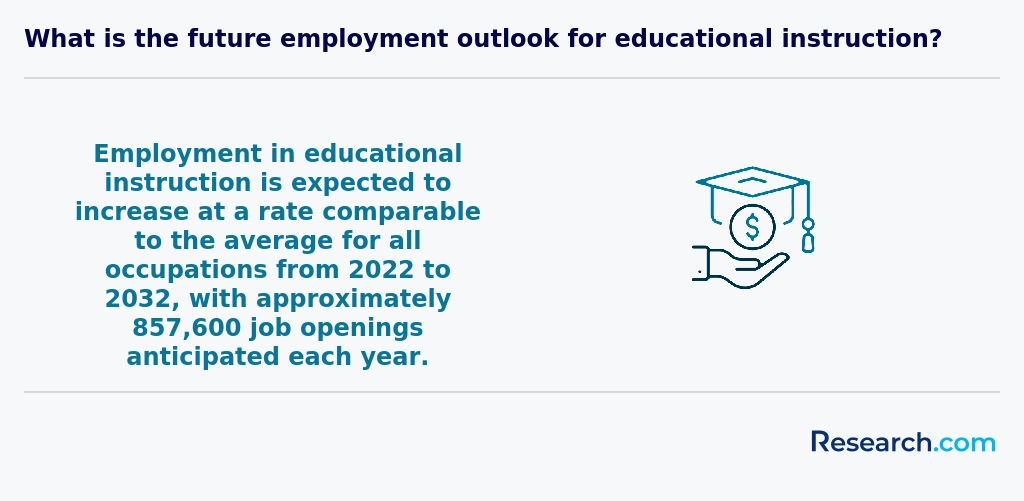
Graduates share experiences of valuing the flexibility and quality of online education that prepared them well for diverse classrooms. With ongoing demand expected to grow by 5 percent through 2032, many see their degree as a solid investment toward stable income and meaningful work in education nationwide.
- Key benefits of getting online elementary education degree in America
- What can I expect from online elementary education degree in America?
- Where can I work with online elementary education degree in America?
- How much can I make with online elementary education degree in America?
- How do we rank schools?
- 2027 Most Affordable Online Master's in Elementary Education Degree Programs Ranking in the USA
- What online elementary education degree graduates have to say
- Key Findings
- How long does it take to complete online elementary education degree in America?
- What's the difference between online and on-campus elementary education degree?
- What is the average cost of online elementary education degree in America?
- What financial aid is available to online elementary education degree students in America?
- What are the prerequisites for enrolling in online elementary education degree program in America?
- What courses are typically in online elementary education degree programs in America?
- What types of specializations are available in online elementary education degree programs in America?
- How do you choose the best online elementary education degree in America?
- What career paths are available for online elementary education degree students in America?
- What is the job market for online elementary education degree in America?
- Frequently Asked Questions About elementary education
- Top Trending Elementary Education Rankings
How do we rank schools?
Investing in your education is a significant decision that can shape your future, and the Research.com team understands the importance of making informed choices. To assist prospective students seeking affordable paths to advance in elementary education, we have carefully developed the "2027 Most Affordable Online Master's in Elementary Education Degree Programs Ranking in the USA." Our dedication to quality, credibility, and accuracy is demonstrated through rigorous research and comprehensive analysis.
We utilized the following reputable data sources to ensure a thorough evaluation of programs:
By exploring this ranking, readers will gain valuable insights into the most affordable and credible online master's programs in elementary education, empowering confident and well-informed educational decisions. For more details on our methodology, please visit our Research.com methodology page.
2027 Most Affordable Online Master's in Elementary Education Degree Programs Ranking in the USA
# 1 position

The University of Central Florida offers a Master's program focused on Elementary Education and Education with a moderately selective acceptance rate of 40%. The program has a graduation rate of 78% and an average total cost of $9,810. It serves a large online population, with 59,097 students enrolled, and provides a high level of financial aid, with 92% of students receiving assistance.
# 2 position

Valdosta State University offers a Master's program focused on Elementary Education and Education, designed to be completed in 18 months. The program has a less selective acceptance rate of 72%, with a graduation rate of 42%. Approximately 7,705 students study online, and 93% of students receive high levels of financial aid. The average total cost for the program is $10,548.
# 3 position

Campbellsville University offers a Master's program focused on Elementary Education and Education, lasting 18 months. The program has an open admission policy with an 80% acceptance rate. Students benefit from moderate financial aid, with 79% receiving support. The average total cost is $11,160. The university enrolls 8,038 online students, and the graduation rate stands at 42%, reflecting student completion trends.
# 4 position

Southeast Missouri State University offers an 18-month master's program focused on Elementary Education. The program has a graduation rate of 58% and is less selective with a 74% acceptance rate. Approximately 1,300 students enroll online. The average total cost is $10,341. A high 96% of students receive financial aid, making support widely accessible for candidates pursuing this degree.
# 5 position

Pittsburg State University offers a 24-month Master's program focused on Elementary Education and Education. The program has an open admission policy with an acceptance rate of 89%. Around 92% of students receive high levels of financial aid. The average total cost is $12,243. The university enrolls 3,930 online students and has a graduation rate of 57%, reflecting a balanced blend of accessibility and student success.
# 6 position
Southeastern University
Master
Southeastern University offers a Master's program focused on Elementary Education and Education, designed to be completed in 18 months. The program is less selective, with an acceptance rate of 53%. The average total cost is $13,500, and a high percentage of students, 96%, receive financial aid. Currently, 6,053 online students are enrolled, while the graduation rate stands at 43%.
# 7 position

Slippery Rock University of Pennsylvania offers a Master's program focused on Elementary Education. The program length is 18 months, with an average total cost of $17,028. It has a graduation rate of 66% and a less selective acceptance rate of 71%. Approximately 96% of students receive financial aid, indicating high aid levels. The program serves 8,751 online students, providing flexible access to education.
# 8 position

The University of Northern Iowa offers a Master's program focused on Elementary Education and Education. The program spans 18 months and costs an average of $15,510. It has an open admission policy with a 93% acceptance rate. About 84% of students receive high levels of financial aid. The graduation rate stands at 68%. There are 3,800 online students currently enrolled in this program.
# 9 position

The George Washington University offers a Master's program focused on Elementary Education with a moderately selective acceptance rate of 47%. The program spans 24 months and has a graduation rate of 84%. It enrolls around 5,000 online students and provides high levels of financial aid, with 80% of participants receiving support. The average total cost of the program is $19,890.
# 10 position

The University of North Alabama offers a Master's degree focusing on Elementary Education and Education with an open admission acceptance rate of 87%. The program has a graduation rate of 55%, indicating moderate completion success. Nearly all students, 98%, receive high levels of financial aid. The average total cost for the degree is $11,550. The school supports a large online community with 6,774 students enrolled in online courses.
# 11 position

The University of South Dakota offers a Master's program focusing on Elementary Education and Education. The program maintains an open admission policy with a 99% acceptance rate, making it accessible to most applicants. Approximately 95% of students receive high levels of financial aid. The average total cost for the degree is $14,113. The program has a graduation rate of 60% and currently enrolls 5,720 online students.
# 12 position
Troy University
Master
Troy University offers a master's program focused on Elementary Education with an open admission policy, accepting 96% of applicants. The average total cost for the degree is $14,820. The program serves a large online student population of 9,559, with a graduation rate of 50%. A high proportion of students, 96%, receive financial aid, indicating strong support for eligible learners.
# 13 position
Brenau University
Master
Brenau University offers a Master's program focused on Elementary Education and Education. The program lasts 24 months and has an acceptance rate of 88%, reflecting an open admission policy. The average total cost for the degree is $23,550. About 99% of students receive financial aid, indicating high levels of support. The graduation rate for this program is 33%, providing insight into student completion outcomes.
# 14 position

MidAmerica Nazarene University offers a 24-month Master's program focused on Elementary Education. The program has an open admission policy with a 79% acceptance rate and a graduation rate of 54%. The average total cost is $19,800, with 100% of students receiving financial aid. There are currently 185 online students enrolled, reflecting the program's accessibility and support for distance learners.
# 15 position

Morehead State University offers a Master's program focused on Elementary Education and Education. The acceptance rate is 77%, indicating an open admission policy. About 99% of students benefit from high levels of financial aid. The average total cost for the degree is $17,100. Currently, 4,745 students are enrolled online, and the graduation rate is 52%, providing insight into student outcomes.
# 16 position

Missouri State University offers a Master's program focused on Elementary Education and Education with an open admission policy, accepting 91% of applicants. The program has a graduation rate of 58%, reflecting moderate completion success. Approximately 95% of students receive financial aid, indicating high support levels. There are 12,351 online students enrolled, and the average total cost for the program is $24,948.
# 17 position

Worcester State University offers an 18-month Master's program focused on Elementary Education and Education. The program has an open admission policy with an 88% acceptance rate. It features a 61% graduation rate and serves 4,181 online students. The average total cost is $421,940, and 90% of students receive financial aid, indicating a high level of support for enrolled students.
# 18 position
Western Governors University
Master
Western Governors University offers a Master's degree program focused on Elementary Education and Education. The program has a graduation rate of 46%, indicating that nearly half of the enrolled students successfully complete their studies. It serves a large online student body, with 210,209 students currently enrolled. Additionally, 72% of students receive moderate levels of financial aid, supporting accessibility to the program.
# 19 position
Liberty University
Master
Liberty University offers a master's degree program focused on Elementary Education and Education, with an open admission policy reflected by a 99% acceptance rate. The program has a graduation rate of 65%, indicating a moderate level of student success. Approximately 97% of students receive financial aid, representing a high level of support. The university currently enrolls 70,750 online students in this program.
# 20 position
Missouri State University-West Plains
Master
Missouri State University-West Plains offers a Master's degree focused on Elementary Education. The program has a graduation rate of 41%, indicating the proportion of students successfully completing their studies. A significant 94% of students receive financial aid, reflecting a high level of assistance available. Other details such as program length, cost, acceptance rate, and online enrollment are not available.
What online elementary education degree graduates have to say
- Studying online at the University of Florida gave me flexibility to juggle work and family while pursuing my elementary education degree. The engaging virtual classes and supportive professors helped me grow professionally and personally. Highly recommend for anyone balancing life commitments! - Emily
- Pursuing my elementary education degree online through Arizona State University provided a diverse, interactive learning environment. The real-world applications and modern curriculum prepared me thoroughly for the classroom. I felt confident and ready to inspire young minds. Truly a transformative experience. - Marcus
- Liberty University's online elementary education program exceeded my expectations with its faith-based approach and strong community feel. The convenience of studying from home combined with meaningful coursework made this journey rewarding and uplifting. I'm proud to be a graduate ready to make a difference! - Sophia
Key Findings
- Tuition for online elementary education degrees ranges from $10,000 to over $30,000, depending on whether the institution is public or private and the student's residency status.
- Graduates typically start with salaries between $45,000 and $50,000, while the median annual wage for elementary teachers is approximately $63,000, varying by experience and location.
- Job growth for elementary teachers is projected at about 5% from 2020 to 2030, influenced by population changes and school funding levels.
- Choosing a regionally accredited program that meets state certification requirements is essential for licensure eligibility, including passing standardized tests and completing supervised teaching.
- Many programs offer specializations like special education, early childhood education, or ESL to enhance job opportunities and potential earnings.
How long does it take to complete online elementary education degree in America?
Completing an online elementary education degree in America typically takes between two and four years, depending on the level pursued and enrollment status. Graduates from well-known programs at universities like Arizona State University or University of Florida often share how full-time students can finish a bachelor's degree in about four years, while part-time learners appreciate the flexible pacing that lets them balance work and study.
Many find that accelerated master's degrees in elementary education, offered by institutions such as Western Governors University, can be completed in as little as 12 to 18 months, creating exciting pathways for career advancement. Graduates describe feeling motivated by the ability to tailor their schedules and apply learning immediately in classrooms.
Programs increasingly incorporate asynchronous course delivery and transfer credit options, which help students shorten their timelines. Whether tackling coursework from home in California or working evenings in New York, students appreciate how evolving program structures support diverse lifestyles and ambitions across America's online education landscape.
What's the difference between online and on-campus elementary education degree?
Online and on-campus elementary education degrees in America differ mainly in flexibility and environment. Graduates from online programs at well-known public universities often praise the ability to study on their own schedule, balancing coursework with family life or part-time jobs. They describe logging in late at night or during weekends to complete assignments, a freedom that on-campus peers at institutions like state universities don't typically enjoy.
On the other hand, students attending traditional on-campus programs frequently highlight the energizing atmosphere of face-to-face interactions with professors and classmates. For example, those enrolled at colleges known for strong education departments value hands-on group projects and access to campus resources, saying these experiences foster a sense of community and immediate feedback that strengthens learning.
Both pathways require real-world clinical experiences, but online students often coordinate these locally, which sometimes builds a supportive network within their own communities. This adaptability suits future educators eager to thrive in diverse settings while meeting state licensing requirements, ensuring a rewarding journey whether through digital classrooms or bustling campus halls.
What is the average cost of online elementary education degree in America?
For students exploring the average cost of online elementary education degree USA options, the typical total expenses vary depending on residency and institution type. Median costs show in-state students often pay around $11,424 for their full degree, while out-of-state learners might expect to spend closer to $21,846. The median total cost for most online elementary education degrees across the country lands near $15,165. Graduates from popular universities share how these costs feel manageable when balanced against flexible online formats and financial aid opportunities. Many reflect on how receiving federal aid and scholarships lightened their financial load, allowing them to focus more on teaching practice and less on debt stress.
Consider a student at a well-known public university renowned for elementary education programs, who benefited from a fixed online tuition rate, finding the affordability key to pursuing a meaningful career in education. These personal experiences highlight how choosing accredited programs with clear costs offers peace of mind and motivation. As demand grows, affordable online master's in elementary education 2027 programs aim to maintain competitive pricing while integrating innovative digital teaching methods, supporting students' professional growth.
Planning carefully for additional expenses, such as textbooks, technology fees, and certification testing, is an essential step. Some students successfully budget these by accessing school resources or employer tuition reimbursement. Those interested in advancing their skills may explore the best online master's for teaching, blending instruction design with elementary education for a well-rounded, affordable pathway.
What financial aid is available to online elementary education degree students in America?
Students pursuing online elementary education degrees in America increasingly benefit from evolving financial aid options designed to ease tuition costs. Graduates from well-known universities like the University of Florida or Arizona State University often share how federal aid through FAFSA transformed their educational journey by unlocking Pell Grants-sometimes covering up to $7,395 annually-and low-interest federal loans, making the prospect of earning a degree less daunting.
State programs such as the TEACH Grant provide targeted support for those ready to commit to high-need teaching areas, offering up to $4,000 yearly, which many future educators find both motivating and reassuring. Institutional scholarships at these colleges reflect growing recognition of the demand for qualified elementary teachers, encouraging merit and need-based awards that transform hopeful students' finances.
Some graduates also recount employer tuition reimbursements from school districts or educational companies, a trend likely to expand as demand for teachers intensifies. These various aid forms create a supportive and optimistic pathway for many aspiring educators in America's online programs.
What are the prerequisites for enrolling in online elementary education degree program in America?
Enrolling in an online elementary education degree in America typically starts with meeting foundational prerequisites like possessing a high school diploma or GED. Graduates from well-known colleges often share how having some college credits or an associate degree eased their transition into bachelor's programs, especially at institutions recognized for their education departments. For example, future teachers from popular universities frequently mention that proficiency in English and math was critical before diving into more specialized coursework.
Many online programs increasingly consider alternative qualifications, such as prior teaching experience or portfolios reflecting educational engagement, which makes the process more inclusive and adaptable. Some hopeful educators at respected online colleges describe how submitting personal statements and recommendation letters allowed them to express their passion beyond test scores like the SAT or ACT.
Looking ahead, criminal background checks and health requirements remain essential to ensure safe learning environments, as shared by those pursuing degrees online. The blend of flexibility with rigorous prerequisites creates a promising path, empowering more Americans to join the teaching profession through accessible, yet thorough, online programs.
What courses are typically in online elementary education degree programs in America?
Online elementary education degrees in America typically include courses that blend theory with practical application, preparing students to thrive in diverse K-6 classrooms. Graduates from well-known universities often recall coursework like Child Development and Psychology, which helped them understand how to engage young learners by recognizing their emotional and cognitive needs.
Courses in Curriculum Design and Instructional Strategies encourage creativity in teaching core subjects such as reading and math, enabling students to develop lesson plans that resonate with children's daily experiences. For instance, a graduate might describe using techniques learned to transform a basic science lesson into an interactive storytelling session that captures students' imaginations.
Classroom Management and Educational Technology courses equip future teachers with skills to handle dynamic classrooms while integrating the latest digital tools effectively, a crucial ability highlighted by recent graduates from prominent colleges.
Specialized classes, including Inclusive Education and Multicultural Education, foster empathy and adaptability. Graduates often emphasize how these classes helped them embrace classroom diversity and support all students confidently in their teaching careers.
What types of specializations are available in online elementary education degree programs in America?
Online elementary education specializations USA continue to evolve, with many degree programs offering tracks such as special education, literacy and reading instruction, and educational technology. Graduates from popular colleges often share experiences of tailoring their studies to meet diverse student needs, whether developing individualized education plans or integrating digital tools in the classroom. These specializations prepare teachers to confidently engage with all learners, reflecting the growing demand for adaptive and inclusive teaching methods.
In America, elementary education degree focus areas are also expanding toward bilingual education, STEM, and curriculum development, providing future teachers with versatile skills to address diverse classrooms. Students report feeling empowered when mastering strategies that improve early literacy and support second-language learners, creating impactful learning moments for young students.
As costs remain variable, prospective students are encouraged to explore cheapest EdD online programs, which often include specialized tracks without substantial price increases. This approach allows ambitious educators to focus on meaningful specializations while managing financial goals.
How do you choose the best online elementary education degree in America?
Choosing the best online elementary education degree in America means focusing on reputable accreditation and alignment with your state's certification requirements. Graduates from well-known colleges often praise how programs accredited by the Council for the Accreditation of Educator Preparation (CAEP) offer confidence that their degrees are respected and meet high standards. Many students appreciate programs that blend foundational courses in child development and instructional strategies with emerging technology, preparing them for the evolving classroom.
Students aiming for the best affordable online elementary education degrees USA often share how tuition savings paired with robust financial aid made ambitious career goals attainable. One common experience is finding schools that offer in-state tuition regardless of residency, a crucial benefit for online learners. Career advising and virtual collaboration tools have consistently been highlights, making students feel supported throughout their journey.
For those considering advanced study, exploring doctoral programs online no dissertation can also provide flexible pathways beyond the master's level. Choosing a program with strong graduation rates and job placement, emphasized by graduates from top accredited elementary education master's programs America, increases chances for rewarding employment after completion.
What career paths are available for online elementary education degree students in America?
Graduates with an online elementary education degree in America find a wide array of career paths driven by evolving educational demands. Most commonly, these graduates become elementary teachers, joining the ranks of over a million educators shaping young minds in public, private, and charter schools across the country. Many report feeling deeply fulfilled when witnessing their students' growth from kindergarten through fifth grade.
Beyond traditional teaching, some graduates from popular colleges with strong online programs pursue specialized roles like curriculum developers or educational consultants, applying creativity to enhance learning environments. Schools increasingly seek professionals with expertise in inclusive education, opening doors to roles such as special education teachers or instructional coordinators who tailor strategies for diverse learners. These careers often come with rewarding challenges and higher salaries, contributing to positive professional satisfaction.
Others leverage their online degree to engage in community-focused positions within nonprofits or government programs, where their work supports literacy and early childhood education initiatives. Financial flexibility from attending affordable programs, including those featured among the cheapest online school psychology programs, empowers graduates to explore leadership opportunities like school principals or education program managers. This dynamic landscape of online elementary education careers USA offers inspiring futures for driven students eager to make an impact.
What is the job market for online elementary education degree in America?
The job market for online elementary education degree graduates in America remains promising, with steady growth expected as schools seek qualified teachers to meet rising student enrollment. Graduates from popular colleges known for their elementary education programs often share positive experiences about transitioning smoothly into public or charter school roles, especially when their programs are aligned with state licensure requirements. Many find opportunities in diverse settings, reinforcing that geographic flexibility can be key in securing positions amid regional demand variations.
Those pursuing online elementary education jobs USA appreciate the convenience of balancing studies with personal commitments, which helps widen access to teaching careers. For example, graduates from well-regarded institutions frequently highlight how their education prepared them to meet the evolving classroom standards amid technological and curricular changes.
Looking ahead, innovative online programs increasingly incorporate practical training, making graduates competitive candidate educators. Exploring related fields is also common, with some pursuing a mathematics online degree alongside to enhance their instructional versatility. Such adaptability bodes well for job stability and fulfillment in education careers.
Frequently Asked Questions About elementary education
Students pursuing online elementary education degrees in America can maximize their learning experience by actively engaging with course materials and instructors. Research from the U.S. Department of Education shows that interaction with faculty significantly improves student success in online programs. Establishing a regular study schedule helps maintain consistency and manage coursework effectively.
Utilizing available resources such as virtual tutoring, discussion forums, and multimedia lessons enhances understanding. Networking with peers through online study groups fosters collaboration and practical insights.
Many programs also require field experiences or student teaching in local schools, providing essential hands-on practice to complement online learning. Staying informed about licensure requirements in their state ensures graduates are prepared for certification.
The field of elementary education in the United States is evolving with several emerging niches that reflect current educational priorities and societal needs. One significant area is special education integration, focusing on equipping teachers to better support students with disabilities in inclusive classrooms. According to the National Center for Education Statistics, about 13.7% of public school students receive special education services, highlighting growing demand for expertise.
Another niche is bilingual and English as a Second Language (ESL) education. With over 10% of K-12 students classified as English learners, proficiency in bilingual instruction is increasingly vital. Online degrees often include these specialized tracks to prepare educators effectively.
Social-emotional learning (SEL) is also gaining prominence, aiming to develop students' emotional intelligence alongside academics. Institutions are incorporating SEL strategies into their curricula, reflecting research by CASEL showing improved academic outcomes.
Additionally, educational technology integration is a rising focus, preparing teachers to utilize digital tools essential for modern classrooms, especially after the expansion of remote learning methods.
After completing an online elementary education degree in America, preparing for the job market involves several key steps. First, obtaining state licensure is essential, as all public elementary teachers must be certified according to state-specific requirements outlined by the U.S. Department of Education. This often includes passing exams like the Praxis series and completing background checks.
Networking through student teaching placements and education associations such as the National Education Association (NEA) can open doors. Job applicants should also tailor resumes and cover letters to highlight their online learning experiences and classroom management skills.
Finally, keeping up with continuing education and professional development increases employability in a competitive field where the Bureau of Labor Statistics projects a 5% growth for elementary teachers from 2021 to 2031.
Employers in the US prioritize several key skills when hiring graduates with elementary education degrees. Effective communication and classroom management are essential, as teachers must engage diverse student populations and maintain a positive learning environment. According to the National Center for Education Statistics, adaptability and technology integration skills have grown increasingly important with the rise of digital learning tools.
Critical thinking and problem-solving abilities help teachers tailor instruction to meet individual student needs. Additionally, strong collaboration skills are valued, since educators often work with colleagues, parents, and administrators. Knowledge of state and federal education standards also plays a crucial role in ensuring compliance and effective curriculum planning.
Finding internships related to an elementary education degree in America involves several strategic steps. First, students should contact the career services offices at their online schools, as many universities partner with local schools and districts to offer internship placements. According to the National Center for Education Statistics, over 90% of U.S. public elementary schools participate in internship programs through higher education institutions.
Additionally, students can explore opportunities through state departments of education or local school districts' websites, which often list available internships and requirements. Networking with educators on platforms like LinkedIn or attending virtual career fairs also increases chances to secure internships. Many internships require background checks given work with children, so preparing necessary documentation early is essential.
Obtaining an online elementary education degree in America can significantly enhance career mobility and advancement opportunities. According to the U.S. Bureau of Labor Statistics, elementary school teachers with advanced degrees, such as a master's, often qualify for higher-paying positions and leadership roles in schools. Online programs provide flexible access to necessary credentials, allowing working professionals to upgrade skills without relocating.
Many school districts require or prefer a master's degree for salary increases or promotions to specialist or administrative roles. Completing an accredited online degree can also meet state certification requirements, opening doors to teaching in various districts nationwide.
Furthermore, continuing education supports career resilience in a competitive job market, especially with evolving educational standards and technologies. Accessible online formats allow teachers to balance work and study efficiently.
Studying for an elementary education degree online in America equips students with skills to work across multiple disciplines. Programs emphasize core subjects such as literacy, math, science, and social studies, preparing educators to teach diverse content effectively.
According to the National Center for Education Statistics (NCES), elementary teachers increasingly collaborate with specialists in special education, technology, and counseling. Online degrees reflect this by integrating coursework on educational psychology, technology integration, and inclusive teaching methods.
This interdisciplinary focus enables graduates to adapt instruction for varied student needs and participate in team-based approaches to education. Such preparation is crucial as 65% of schools report using interdisciplinary teaching models to enhance learning outcomes.
When choosing between a thesis and a non-thesis elementary education degree program in America, consider your career goals and learning preferences. Thesis programs require conducting original research and writing a comprehensive paper, which can take extra time but benefits those interested in academic or specialized education roles. Non-thesis options focus on practical skills and coursework, often appealing to professionals aiming to enter or advance in teaching quickly.
According to the National Center for Education Statistics, many online programs offer flexible formats to accommodate working adults. Additionally, the Council for the Accreditation of Educator Preparation (CAEP) sets standards applicable to both types of programs, ensuring quality regardless of format.
Students based in America who wish to study elementary education abroad have several options, mostly through partnerships between U.S. universities and foreign institutions. These arrangements often offer joint or dual degrees, allowing students to earn American credentials with an international perspective. However, fully online elementary education degrees are predominantly offered by U.S.-based programs due to state licensure requirements.
American students interested in international experience may participate in study-abroad semesters or practica focusing on education systems abroad. According to the Institute of International Education, about 2% of U.S. education majors study abroad, a relatively low number compared to other disciplines.
Due to strict licensing variation by state, prospective teachers should ensure any foreign coursework aligns with specific U.S. state certification standards. This makes programs offered through U.S. universities with global partnerships the most practical path.
Part-time job opportunities that complement an elementary education degree in America often focus on roles that build relevant skills and experience. Common positions include teacher's aide, tutoring, and after-school program assistant. These jobs allow students to directly apply educational theories and classroom management techniques learned in their studies.
According to the U.S. Bureau of Labor Statistics, demand for teacher assistants grew by 7% from 2021 to 2031, reflecting the importance of this role in education settings. Tutoring, both in-person and online, is another flexible option that enhances instructional skills and subject knowledge.
Additionally, roles in summer camps or educational nonprofits provide valuable experience working with children. These positions help future teachers develop communication, patience, and adaptability-key traits for effective elementary educators.
Online elementary education students in America have access to various networking opportunities that enhance their professional growth. Many universities offer virtual student organizations and discussion boards, connecting future educators across states. For example, the National Education Association (NEA) provides membership benefits and online forums specifically for educators, including those studying elementary education.
Students can also attend online conferences and webinars hosted by the American Association of Colleges for Teacher Education (AACTE), which supports connections among teacher candidates.
Additionally, local school districts often partner with online programs, offering fieldwork and practicum placements that facilitate in-person networking with experienced teachers and administrators.
Alumni networks play a significant role for students pursuing online elementary education degrees in America. These networks connect current students with graduates who work in diverse educational settings across the country. Through these connections, students gain access to mentorship, job leads, and practical advice on classroom management and curriculum design.
Statistics from the National Center for Education Statistics (NCES) show that strong professional networks improve job placement rates by up to 20% among education graduates. Alumni networks also facilitate professional development opportunities and provide peer support, which is vital for online learners who may miss in-person interactions. This support helps students build confidence and expand their career options.
Customizing an online elementary education degree program in America involves selecting electives and specialized tracks aligned with your career goals. Many universities offer options such as special education, literacy, or STEM education to deepen expertise in key areas. According to the National Center for Education Statistics (NCES), programs increasingly incorporate practical teaching strategies and technology integration to prepare candidates for diverse classrooms.
Students can also tailor their coursework to meet state certification requirements, which vary widely across the U.S. This flexibility allows graduates to pursue careers in public schools, private institutions, or specialized educational roles.
Advisors and faculty often assist in shaping these paths, ensuring students meet both academic and professional standards while focusing on their interests.
Online elementary education students in America often face challenges related to time management and self-motivation. Balancing coursework with personal and professional responsibilities can be particularly demanding, as many students juggle jobs or families alongside their studies.
Technical difficulties are another common issue. Reliable internet access and adequate technology are essential but not always available, especially in rural or low-income areas. According to the National Center for Education Statistics, about 14% of U.S. households with school-age children lack high-speed internet at home.
Additionally, building practical teaching skills remotely can be difficult. While virtual simulations help, in-person field experiences remain crucial for hands-on training. Navigating these challenges requires strong support systems from institutions and peers.
An online elementary education degree opens doors to several professional certifications essential for teaching careers in the United States. The most common certification is State Teacher Certification or Licensure, required to teach in public elementary schools. This certification usually involves passing state-specific exams such as the Praxis Series. Additionally, graduates can pursue National Board Certification from the National Board for Professional Teaching Standards, which is recognized nationally and can enhance job prospects and salary potential.
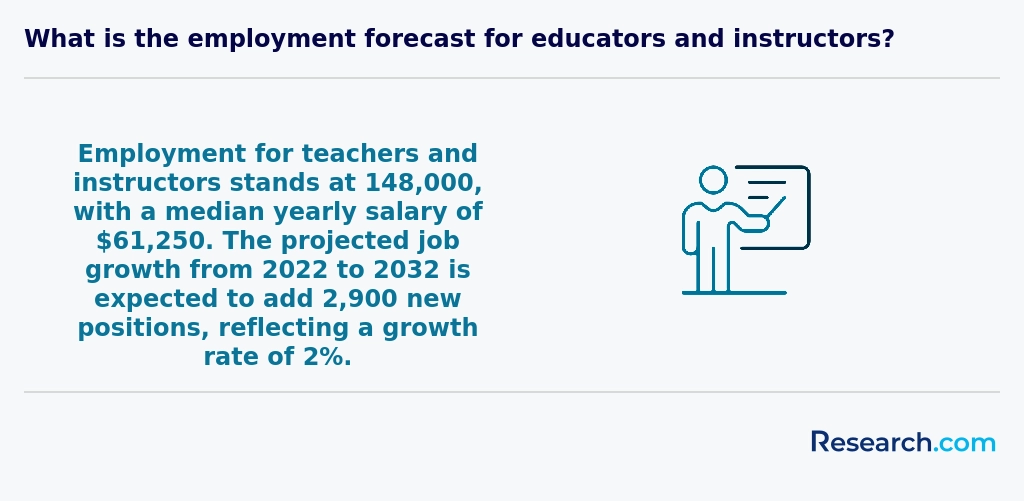
Specialized certifications are also available, including ESL (English as a Second Language) and Special Education endorsements. Data from the U.S. Bureau of Labor Statistics highlights that certified elementary teachers earn a median annual wage of around $61,000 as of 2022. Pursuing these certifications ensures graduates meet quality standards and increase their professional opportunities.
Applying to an online elementary education program in America requires careful preparation. Begin by researching programs accredited by recognized bodies such as CAEP (Council for the Accreditation of Educator Preparation) to ensure quality. Highlight your passion for teaching young children and any relevant experience in your personal statement. Strong applications often include clear, concise essays demonstrating understanding of child development and educational theories.
Standardized test scores like the GRE may be required; check each program's criteria. Include professional or volunteer experiences working with children to strengthen your resume. Letters of recommendation from academic or professional sources familiar with your teaching potential can significantly impact admission decisions. According to NCES data, over 2 million teachers work in US elementary schools, emphasizing competition in the field.
Elementary education careers in the United States are viewed within a global context that recognizes the essential role early education plays in societal growth. According to the U.S. Bureau of Labor Statistics, elementary school teachers are expected to see a job growth rate of 4% from 2021 to 2031, reflecting steady demand. Globally, there is an increasing emphasis on quality education frameworks, such as UNESCO's Education 2030 Agenda, which highlights the importance of trained educators in achieving sustainable development goals. This international focus reinforces the value of U.S.-based online elementary education degrees, which prepare teachers to meet both local and cross-cultural educational needs.
Though certification requirements vary worldwide, U.S. programs often incorporate research-backed teaching methods aligned with global standards. For students pursuing careers domestically or abroad, an online degree provides flexibility while ensuring adherence to American accreditation norms. This is significant because the U.S. educational approach often serves as a model in multinational educational collaborations and policy-making forums, increasing job mobility for certified educators.
Gaining practical experience while studying for an online elementary education degree in America is essential for developing effective teaching skills. Most accredited programs require fieldwork or student teaching as part of their curriculum. This hands-on experience typically involves collaborating with local K-6 schools under the supervision of certified educators.
Students often complete hundreds of hours of classroom observations and teaching practice to meet state certification requirements. According to the National Center for Education Statistics, about 80% of teacher preparation programs incorporate these experiences to ensure readiness for real classrooms.
Some universities partner with school districts to facilitate placements near students' homes, making practical training accessible even when the degree is earned online.
Choosing the right concentration within an online elementary education degree program in America involves understanding your career goals and the needs of the education field. Many programs offer specializations such as literacy, special education, or STEM education, each addressing different student needs and teaching strategies.
Data from the National Center for Education Statistics shows growing demand for educators skilled in special education and literacy, reflecting an increased focus on inclusive classrooms and reading proficiency. Consider concentrations that align with these trends to enhance employability.
Additionally, verify that the program's curriculum aligns with your state's licensure requirements, since certification standards vary across states. Researching state-specific guidelines ensures your concentration supports your teaching career plans.
Finally, review faculty expertise and available resources in each concentration to select a program that offers strong practical training and research opportunities.
Top Trending Elementary Education Rankings
References
- Pros And Cons Of Online Elementary School https://ignitelearningacademy.com/blog/pros-and-cons-of-online-elementary-school
- Sample Application Letter for Elementary Teacher - TeacherPH https://www.teacherph.com/application-letter-elementary-teacher/
- 20-Time In Education Inspire. Create. Innovate. - K-12 Challenges and Recommendations https://www.20timeineducation.com/20-project/20-time-ideas/grade-level-recommendations
- Adult Degree Completion Program--Online Elementary Education https://www.mssu.edu/academics/education/teacher/degree-completion-program-elem-ed.php
- Elementary Education Major https://suny.oneonta.edu/academics/majors-programs/elementary-education
- A.J. Juliani | Why Kids Need Meaningful Learning Experiences Right Now https://www.ajjuliani.com/blog/meaningful-relevant-learning-now
- Interdisciplinary Studies: Preparing Students for a Complex World https://www.facultyfocus.com/articles/course-design-ideas/interdisciplinary-studies-preparing-students-for-a-complex-world/
- Challenges to Primary Education - PAL Network https://palnetwork.org/challenges-to-primary-education/
- The Impact of Career Education on Students' Labour ... https://www.jurnaldidaktika.org/contents/article/download/490/253
- Employable Skills That Prepare Students for the Workforce | MHS https://www.mhskids.org/blog/employability-skills-high-schoolers-21st-century-workforce/


