
2027 Most Valuable Online Education Degree Programs Ranking in Washington, DC

Co-Founder and Chief Data Scientist
Choosing the right education degree program can be overwhelming, especially when studying online. For students in Washington, DC, this article is designed to guide you through those choices with confidence.
We present the 2027 Most Valuable Online Education Degree Programs Ranking in Washington, DC, created by the Research.com team of data scientists. This ranking helps highlight programs that offer meaningful value for your time and investment.
By reading this, you'll discover opportunities that align with your goals, making your journey toward an education degree both rewarding and inspiring.
Key benefits of getting online education degree in Washington
- Salary for education degree graduates: Graduates can expect competitive salaries such as $70,740 annually for elementary school teachers and $76,000 for special education teachers, reflecting strong earning potential in Washington's education sector.
- Career paths: Education degree holders from universities like the University of Washington have diverse opportunities, including roles as instructional designers, early childhood educators, or ESL teachers, allowing flexibility and growth.
- Online degree benefits: Completing an education degree online offers convenience and the ability to balance work and study while gaining accredited credentials from top programs like Washington State University, a great option for busy learners.
- Key benefits of getting online education degree in Washington
- What can I expect from online education degree in Washington?
- Where can I work with online education degree in Washington?
- How much can I make with online education degree in Washington?
- 2027 Most Valuable Online Education Degree Programs Ranking in Washington, DC
- Key Findings
- How long does it take to complete online education degree in Washington?
- Return on Investment (ROI) of Online Education Degrees in Washington, DC
- What's the difference between online and on-campus education degree?
- Teacher Certification in Washington, DC
- What is the average cost of online education degree in Washington?
- Certification and Licensure Requirements in DC
- What financial aid is available to online education degree students in Washington?
- Essential Tips for Online Learning Success
- What are the prerequisites for enrolling in online education degree program in Washington?
- Return on Investment of Online Education Degrees in Washington, DC
- What courses are typically in online education degree programs in Washington?
- What types of specializations are available in online education degree programs in Washington?
- How do you choose the best online education degree in Washington?
- What career paths are available for online education degree students in Washington?
- What is the job market for online education degree in Washington?
- Top Trending Education Rankings
- See What Experts Have To Say About Studying Education
What can I expect from online education degree in Washington?
Online education degrees in Washington typically cost between $6,000 and $15,000 per year for in-state students attending public universities such as Washington State University and Western Washington University. This range reflects tuition fees reported by numerous graduates who appreciated the affordability compared to traditional on-campus programs. Some programs also offer in-state tuition rates for online learners from other states, enhancing accessibility and value. For out-of-state students, tuition can be higher, but the availability of financial aid helps reduce the burden significantly.
Graduates often highlight how community college pathways make starting an education degree more cost-effective, with credits transferable to four-year institutions. These students describe managing their studies alongside work or family commitments without financial stress, thanks to these reasonable tuition costs and flexible scheduling. The combination of affordable tuition, practical field experiences arranged locally, and state-approved programs prepares candidates well for Washington's teacher certification, providing a rewarding online learning journey.
Where can I work with online education degree in Washington?
Graduates with an online education degree in Washington frequently find employment within K-12 public and private schools, filling consistent vacancies in high-demand subjects like special education, math, and science. Many graduates from institutions such as the University of Washington report securing teaching roles quickly due to the region's steady need for qualified professionals. Beyond classroom roles, opportunities extend to educational administration positions like instructional coordinators and school principals, especially for those completing state-approved teacher preparation programs.
Early childhood education centers also offer promising career paths, fueled by Washington's investment in quality early learning initiatives supported by the Department of Children, Youth, and Families. Meanwhile, higher education roles involving academic advising or educational technology are common for graduates from colleges such as Washington State University.
Graduates with skills in digital pedagogy often engage with the state's technology sector, developing or managing online learning platforms. Employment growth of approximately 7% through 2030, as reported by the Washington State Employment Security Department, reflects sustained demand and exciting career potential across these varied educational fields.
How much can I make with online education degree in Washington?
Graduates with online education degrees in Washington can expect varied earnings depending on their exact role and experience. For example, elementary school teachers in the state earn a mean annual wage of about $70,740, while special education teachers earn around $76,000. These figures align closely with what graduates from prominent institutions like the University of Washington or Western Washington University have reported entering the workforce with. Such salaries often begin in the $50,000 to $60,000 range for new teachers.
Other education-related careers also offer competitive compensation. ESL teachers average $65,430 annually with an hourly wage of $31.46, reflecting strong demand and rewarding opportunities. Instructional designers, often graduates with a focus on educational technology from colleges such as Seattle Pacific University, can expect a mean wage near $77,200.
These salaries allow graduates to feel optimistic about their financial future, especially as many report steady wage growth and advancement opportunities within Washington's educational systems. Earning potential can grow significantly with experience and further certifications, making education degrees a solid investment in the region.
2027 Most Valuable Online Education Degree Programs Ranking in Washington, DC
How do we rank schools?
Investing in one's education is a significant decision that can impact both personal and professional growth, and the Research.com team fully acknowledges the importance of informed choices. To support prospective students in Washington, DC, we have carefully developed the "2027 Most Valuable Online Education Degree Programs Ranking in Washington, DC." Our dedication to quality, credibility, and accuracy is demonstrated by the thorough analysis and rigorous research underlying this ranking.
We utilized the following reputable data sources to ensure a comprehensive evaluation of online education degree programs:
By consulting this ranking, readers will gain valuable insights into the most worthwhile online education degree programs in Washington, DC, empowering them to make confident and well-informed educational decisions. For additional information about how this ranking was developed, please visit our Research.com methodology page.

# 2 position
The George Washington University
Master of Special Education for Culturally & Linguistically Diverse Learners

Key Findings
- Online education degrees in Washington range from bachelor's to master's levels, including specialties like curriculum development and educational leadership.
- The cost for undergraduate online education programs is between $12,000 and $25,000, while graduate programs typically cost $15,000 to $35,000, excluding textbooks and technology.
- Education roles in Washington are expected to grow by about 7% in the next decade, with strong demand for licensed teachers, administrators, and instructional coordinators.
- Entry-level educators earn around $50,000 to $55,000 annually, and experienced education administrators can make up to $90,000 per year.
- Most education careers require state certification, so online programs must meet Washington's curriculum and practice hour standards for licensure eligibility.
How long does it take to complete online education degree in Washington?
Completing an online education degree in Washington typically takes about four years for a bachelor's degree when attending full-time, as reported by graduates from well-known institutions such as the University of Washington and Central Washington University. Many students find the flexible pacing of these programs helpful, allowing them to manage family and work commitments while progressing at their own speed.
Associate degrees or certification programs often require one to two years, appealing to those eager to enter the education workforce quickly. Graduates of South Seattle College highlight the advantage of shorter timelines to meet specific state certification needs.
Master's programs generally take two years full-time, but part-time options at schools like Washington State University enable students to extend their studies over three or more years. Some learners appreciate accelerated tracks that can shorten completion to 12-18 months by transferring credits or enrolling in year-round sessions.
Factors such as transfer credits, course load, and summer sessions significantly impact the timeline. Washington's flexible online education landscape reflects the diverse lifestyles of its learners, fostering positive experiences among many who successfully balance their goals.
Return on Investment (ROI) of Online Education Degrees in Washington, DC
Investing in an online education degree in Washington, DC requires weighing upfront costs against long-term earnings and career growth. On average, online graduates recoup their tuition within 3–5 years, thanks to competitive median salaries-$63,130 for ESL teachers and $73,080 for instructional designers. When you calculate total expenses (tuition, fees, materials) against expected salary increases, many professionals achieve a 15–20% annual return. Additionally, cost-saving options such as accelerated programs and transferable credits can shorten payback periods. For example, completing an accelerated bachelor’s degree in three years instead of four can save roughly $9,750 in tuition and reduce time to salary gains. Beyond pure financial metrics, ROI also includes intangible benefits: career flexibility, professional networking, and advancement potential. Graduates often find that specialized roles-such as curriculum developers or educational policy analysts-offer 10–30% higher wages than entry-level teaching positions. To further enhance your cost-benefit analysis, consider exploring the easiest education degree programs, which may offer shorter completion times and lower credit requirements while still delivering accredited credentials. By comparing program length, tuition per credit hour, and projected earnings, Washington, DC students can make data-driven decisions that maximize both their educational outcomes and financial wellbeing.
What's the difference between online and on-campus education degree?
Online education degrees in Washington, such as those offered by the University of Washington and Western Washington University, allow students to complete coursework remotely through digital platforms. Graduates often highlight the convenience of fitting their studies around work and family commitments, appreciating the flexibility to study evenings or weekends. In contrast, traditional on-campus programs require physical attendance, providing students with immediate access to campus libraries, counseling services, and face-to-face faculty interactions, which many find motivating and socially enriching.
Tuition costs for public universities in Washington average about $10,000 annually for in-state students, with online programs sometimes reducing expenses by eliminating housing and commuting fees. However, some online degrees match on-campus tuition, reflecting equivalent academic rigor. Numerous graduates report that self-discipline and proactive time management are vital for success in online settings, whereas on-campus learners benefit from structured schedules and spontaneous networking events hosted on campuses like Seattle University.
- Online formats deliver accessibility and flexibility for busy adults across Washington.
- On-campus programs offer immersive environments with direct resource access.
- Costs vary, but online programs can offset living expenses.
- Learning success often depends on individual preferences and discipline.
Teacher Certification in Washington, DC
After earning your online education degree, you’ll need to complete the DC certification process to teach in local public or charter schools. Many accredited online colleges prepare you for each licensure requirement.
- Enroll in an OSSE-approved educator preparation program, ensuring coursework aligns with DC standards.
- Pass required exams, including Praxis Core and relevant Praxis II subject tests.
- Submit your application through the DC OSSE Educator Licensing Portal, including official transcripts.
- Complete fingerprinting and background checks as mandated by DC law.
- Receive your Standard or Advanced License and maintain credentials through annual professional development.
Completing these steps ensures you meet Washington, DC’s legal and professional standards for classroom teaching.
What is the average cost of online education degree in Washington?
The average cost of an online education degree in Washington typically hovers around a median total of $44,820, reflecting a mix of public and private institution tuition rates. For in-state students, public universities such as the University of Washington and Washington State University offer more affordable options, with annual tuition ranging between $8,000 and $14,000 for undergraduate education programs. Many graduates from these schools appreciate the balance between quality instruction and manageable expenses, which allows them to pursue degrees without overwhelming financial stress.
Graduate programs, including Master of Education (M.Ed.) degrees, tend to be pricier, with tuition at public institutions ranging from $10,000 to $20,000 annually, depending on credit load and program specifics. Private universities, like Seattle Pacific University and Gonzaga University, often charge higher tuition, sometimes exceeding $30,000 per year. Despite the higher cost, students often find value in the personalized attention and specialized curriculum these private schools provide, making the investment worthwhile for career advancement in education.
Understanding tuition and fees for online education programs in Washington DC is important for prospective students aiming to budget effectively. Additional costs such as textbooks and technology fees should be factored in, but many students find relief through state grants, scholarships, and employer tuition assistance.
For those considering where to enroll, exploring the most valuable education school in district of columbia may provide useful perspective on the ROI of various options, helping students make informed decisions about their education investments.
Certification and Licensure Requirements in DC
To teach in Washington, DC public schools, graduates must meet Office of the State Superintendent of Education (OSSE) standards. Key steps include:
- Hold a regionally accredited bachelor’s degree in education or a related field
- Complete an OSSE-approved teacher preparation program
- Pass required exams (Praxis Core, Praxis II or edTPA performance assessment)
- Submit official transcripts, licensure application, and fingerprint-based background check via Educator Licensing Online (ELO)
- Maintain certification through continuing education, professional development, and renewal fees
Out-of-state educators can apply for reciprocity by providing valid teaching credentials and meeting DC testing requirements. Many online programs align their curriculum with DC competencies to streamline licensure. Prospective educators might also explore an easiest associates degree to get in education as an alternative entry point.
What financial aid is available to online education degree students in Washington?
Students pursuing online education degrees in Washington benefit from multiple financial aid options that help make programs at universities like the University of Washington or Western Washington University more affordable. Federal aid through the FAFSA unlocks access to Pell Grants averaging $4,400 annually for eligible undergraduates, which require no repayment and provide a vital foundation for many. Graduates frequently rely on Federal Direct Loans, which offer manageable interest rates and flexible repayment, easing financial pressure during advanced studies.
Washington State's tailored grants significantly support resident students. The State Need Grant helped over 50,000 students in 2022, often covering a significant chunk of tuition at public institutions. The Washington College Grant extends assistance to both public and select private college students, broadening access for many online learners.
Institutional scholarships play a key role; educators entering specialized fields like STEM at Central Washington University often share how merit-based awards eased their path by thousands of dollars. Employer tuition reimbursement programs in sectors such as public education further empower working professionals balancing career and education.
Professional organizations like the Washington Education Association provide additional scholarships for licensure or certification, layering support that many graduates found essential in reducing out-of-pocket costs and encouraging continued advancement.
Essential Tips for Online Learning Success
Online education programs offer unmatched flexibility, but thriving in a virtual environment requires intentional strategies and disciplined habits. Start by establishing a dedicated study zone and a consistent schedule that mimics traditional class structures, ensuring you balance coursework with personal responsibilities. Actively engage with peers and instructors through discussion boards and virtual study sessions to enhance your learning experience and build a supportive network. Adopt effective time management techniques by breaking tasks into manageable segments, utilizing digital calendars, and setting clear academic goals. Embrace technology tools like cloud-based organizers and note-taking apps to stay organized and track assignment deadlines. Regularly review your progress and adjust your study routines to maintain focus and motivation throughout the semester. For guidelines on selecting top-tier institutions that support these success strategies, consider exploring the most valuable education school in district of columbia ranking, which highlights programs known for robust support services and favorable post-graduation outcomes. Ultimately, blending these practical tips with proactive communication and self-care can transform the hurdles of online learning into a pathway for academic and professional success.
What are the prerequisites for enrolling in online education degree program in Washington?
To enroll in an online education degree program in Washington, applicants must first hold a high school diploma or GED for undergraduate courses, aligning with standard admission policies across institutions like the University of Washington or Seattle Pacific University. Graduate programs, such as a Master of Education, require a bachelor's degree from an accredited university, often with a minimum GPA of 3.0, ensuring candidates demonstrate strong academic foundations.
Many graduates recall submitting recommendation letters and statements of purpose, which allowed them to showcase their passion for teaching and community impact. Some programs may waive GRE requirements due to widespread test-optional policies, though certain competitive tracks recommend submitting scores.
Residency benefits also play a significant role: Washington residents can take advantage of in-state tuition averaging $11,000 annually, making online study more accessible and financially viable. Reliable internet and technology access remain critical, as students consistently emphasize the importance of smooth virtual interactions in their studies.
Return on Investment of Online Education Degrees in Washington, DC
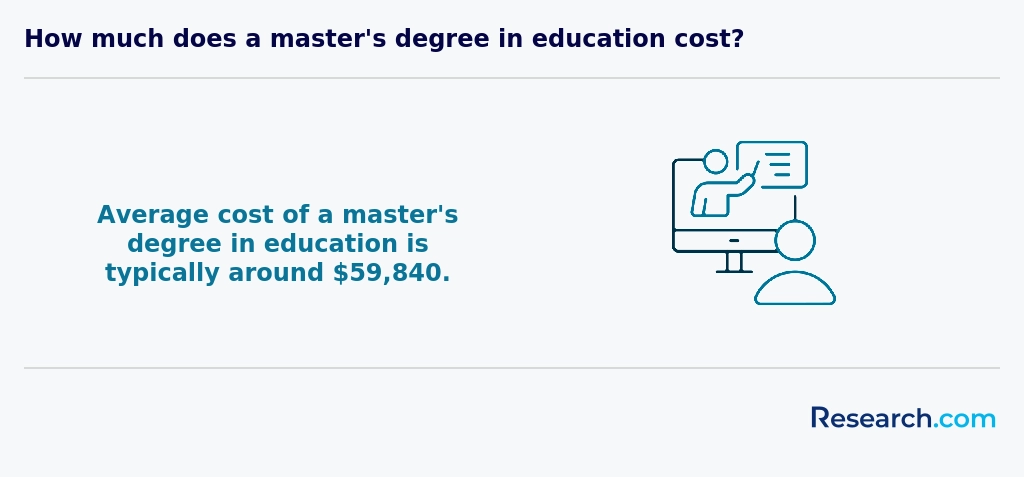
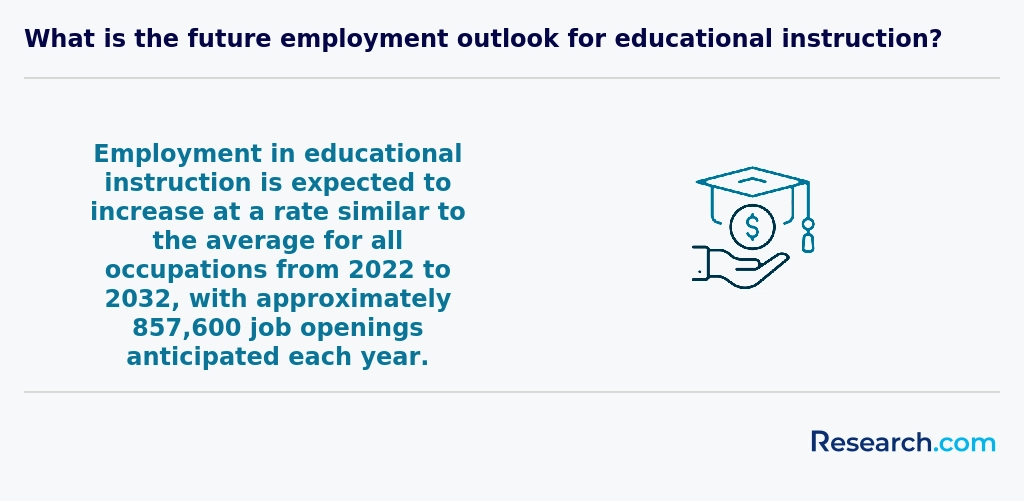
Investing in an online education degree is as much a financial decision as it is an academic one. In Washington, DC, where the average cost of attendance for a master’s in education is approximately $59,840, understanding your return on investment (ROI) helps you measure long-term value. When graduates earn mean annual salaries of $73,080 as Instructional Designers or $63,130 as ESL teachers, they can often recoup their tuition within 3–5 years, depending on living expenses and loan interest rates. Beyond salary metrics, ROI considers debt-to-income ratios and career advancement potential. For instance, graduates with specialized certifications-such as in Special Education or Educational Leadership-tend to see salary increases of 10–15% above the median within the first five years post-graduation. Factoring in average graduate debt of $37,850, these professionals typically achieve a break-even point faster than peers in other fields. Comparative analysis reveals that while Washington, DC programs deliver strong outcomes, some out-of-state options may offer lower tuition without sacrificing quality. For example, prospective students on a tighter budget can explore our Affordable Online Master's in Education Degree Programs Ranking in Missouri, which highlights high-value programs charging under $250 per credit hour and delivering similar post-graduation earnings. To maximize ROI, applicants should seek accredited institutions with robust career services, flexible repayment plans, and strong alumni networks. By evaluating total cost of attendance alongside projected salary growth, you can choose an online education degree that not only enhances your expertise but also secures financial stability in the competitive Washington, DC job market.
What courses are typically in online education degree programs in Washington?
Online education degree programs in Washington cover foundational and specialized courses designed to prepare educators for both physical and virtual classrooms. Common core courses include Foundations of Education, which explores the history and philosophy behind teaching in the US, and Curriculum Design and Instructional Strategies, helping students craft effective lesson plans tailored to diverse learners.
Other frequently taken classes involve Educational Psychology to understand student learning processes and Assessment and Evaluation, which trains students in measuring learning outcomes practically. Graduates often highlight how Classroom Management and Discipline coursework offered at institutions like the University of Washington enabled them to maintain engaging, well-ordered learning environments.
Many programs at colleges such as Seattle Pacific University also emphasize Educational Technology, preparing students to integrate digital tools that enhance online instruction. Specialized courses, including literacy development or special education methods, reflect Washington's alignment with state certification standards, equipping students with relevant, in-demand skills.
Hands-on training through student teaching or internships with local schools ensures practical experience, a vital component appreciated by graduates who felt confident entering classrooms ready to make an impact.
What types of specializations are available in online education degree programs in Washington?
Online education degree specializations Washington DC students commonly pursue include Elementary and Secondary Education, Special Education, Educational Leadership and Administration, Curriculum and Instruction, Educational Technology, School Counseling, and Early Childhood Education. These tracks prepare graduates for diverse roles like classroom teachers, school administrators, counselors, and technology integrators, reflecting the varied needs of Washington's education sector.
Graduates from well-known institutions report satisfaction with flexible online formats that support working professionals in balancing studies and careers. For instance, those focusing on Educational Technology often find themselves leading digital integration projects in classrooms, a reflection of Washington's evolving educational landscape. Similarly, students in Special Education experience strong community support as they prepare for high-demand roles supporting students with disabilities.
Students searching for the best education program majors Washington DC online will appreciate how these specializations align with local workforce demands and certification requirements. For those undecided, exploring easiest education degree programs published by top colleges offers practical insight into manageable pathways that accelerate career outcomes.
How do you choose the best online education degree in Washington?
Choosing the best online education degree in Washington requires focusing on accreditation, specialization, cost, flexibility, and career support. Graduates from prominent universities in Washington often emphasize the importance of selecting programs accredited by the Northwest Commission on Colleges and Universities (NWCCU), ensuring both quality and recognition. Specializations, such as educational leadership or special education, should align with your career aspirations; many students find that tailoring their learning focus enhances job satisfaction and effectiveness in Washington's diverse school systems.
Cost is a major consideration. Public online undergraduate programs in Washington average about $8,500 annually for in-state students, while private options may exceed $20,000. Many Washington students successfully manage this by comparing tuition carefully and seeking scholarships or financial aid. Those balancing work and family note the value of asynchronous classes and robust online resources, which provide necessary flexibility. Career services also play a vital role, offering connections to local school districts and internships that boost employment chances.
For those interested in affordable options, reviewing the Affordable Online Master's in Education Degree Programs Ranking in Missouri can provide useful benchmarking. Washington residents looking for the best online education degrees Washington DC region often utilize this data-driven approach to make informed decisions.
What career paths are available for online education degree students in Washington?
Graduates with an online education degree in Washington have access to a range of career paths supported by the state's growing demand for qualified educators. Many begin as certified teachers, a role requiring passing the Washington Educator Skills Test and securing endorsements in specific subjects or grade levels. Graduates from popular institutions like the University of Washington or Seattle Pacific University often highlight the flexibility of online programs in managing work and study, helping them successfully enter K-12 teaching, one of the primary education degree job opportunities in Washington DC.
Beyond classroom teaching, graduates frequently pursue roles in educational administration, such as school principals or district administrators, which typically require further licensure and a master's degree. Online graduate programs cater well to these ambitions, enabling students to balance leadership training with existing responsibilities. Instructional coordinators and special education teachers also represent important career options, addressing diverse learner needs while shaping curriculum standards.
Adult education instructors and educational technology specialists increasingly find opportunities, reflecting Washington's focus on workforce training and digital classroom tools. Many graduates appreciate programs that combine practical experience with academic knowledge, as seen in popular colleges statewide. For students seeking accelerated paths, exploring quickest online bachelor degree programs for working adults can enhance career progression in this competitive field.
What is the job market for online education degree in Washington?
The job market for graduates with an online education degree in Washington remains robust, driven by steady demand across public schools, universities, and private academies. Many education graduates from respected institutions such as the University of Washington and Seattle Pacific University report positive experiences transitioning into roles as certified educators, curriculum developers, or instructional coordinators. The state's commitment to digital classrooms and remote learning further amplifies opportunities for those proficient in educational technology.
Employment growth projections for education professionals in Washington show consistent increases through 2028, reflecting the need to support over 2.5 million K-12 students statewide. Washington's median teacher salary, around $77,000 annually, exceeds the national average, confirming a strong market for qualified candidates. For those considering costs, online programs here generally range from $7,000 to $15,000 year, offering competitive value compared to national norms.
Students researching their options may want to review programs to identify what is the easiest master degree to get, balancing affordability and career flexibility. The job outlook for education degrees Washington DC region holders shows market strength, especially for educators comfortable with virtual instruction and flexible credentials.
Frequently Asked Questions About education
Online education degree students in Washington can maximize their learning experience by actively engaging with course materials and participating in virtual discussions. Research from the Washington Student Achievement Council emphasizes that students who dedicate at least 10-15 hours weekly see better outcomes in online programs. Utilizing resources offered by universities, such as tutoring and academic advising, helps maintain focus and improve comprehension.
Time management is crucial; setting a consistent study schedule aligns with recommendations from the U.S. Department of Education for online learners. Additionally, joining online study groups or professional networks in Washington can enhance collaboration and real-world application of skills.
Emerging niches in the education field reflect shifts in technology and societal needs, particularly within Washington's online degree programs. One notable area is educational technology, where experts design and implement digital learning tools. Demand for these skills is rising as schools across Washington integrate more virtual and hybrid models.
Another growing niche is special education with a focus on trauma-informed teaching practices-a response to increased awareness of student mental health. According to the Washington State Office of Superintendent of Public Instruction (OSPI), there is a steady rise in specialized certifications for supporting diverse learners.
Additionally, leadership roles in education administration continue to expand, with programs emphasizing strategic planning and equity initiatives. These emerging areas offer valuable opportunities for students seeking to align their education degrees with evolving workforce needs in Washington.
After completing an online education degree in Washington, preparing for the job market involves strategic steps to enhance employability. Begin by obtaining relevant teaching certifications required by Washington State, such as the Residency Teacher Certificate. According to the Washington Office of Superintendent of Public Instruction, certification improves job prospects significantly.
Networking plays a vital role; engage with local education associations and attend virtual job fairs. Additionally, gaining practical experience through internships or substitute teaching increases competitiveness. The Washington State Employment Security Department reports that educators with practical experience have higher placement rates.
Lastly, tailor resumes to highlight online learning skills and technology proficiency, which are increasingly valued in education roles.
Employers in Washington seeking education degree graduates prioritize strong communication and classroom management skills. According to the Washington State Office of Superintendent of Public Instruction, effective collaboration with diverse student populations is essential for success. Graduates who demonstrate proficiency in technology integration are highly valued as digital tools become more prevalent in K-12 settings.
Critical thinking and adaptability are also key, with 72% of school districts in Washington emphasizing these traits during hiring, per the Washington State School Directors' Association. Additionally, knowledge of cultural competency and inclusive teaching practices supports the state's commitment to equity in education.
These skills prepare graduates to meet evolving educational challenges in Washington's public schools.
Finding internships in Washington related to an education degree involves leveraging local school districts and education organizations. The Washington Office of Superintendent of Public Instruction (OSPI) offers resources and guidelines for student teaching and internship placements. Many public schools in the region partner with nearby universities to provide practicum experiences for education students.
Online degree students should contact their university's career services for partnerships and virtual internship options. Additionally, professional associations like the Washington Education Association (WEA) can connect students with opportunities in K-12 classrooms.
Washington state's education sector continues to grow, with over 100,000 teachers employed statewide, increasing internship availability in diverse settings.
Online education degrees in Washington significantly enhance career mobility and advancement, especially in the education sector. According to the Washington State Employment Security Department, educators with advanced degrees, including those earned online, often experience faster job promotions and higher salary prospects compared to those with only bachelor's credentials.
Online programs provide flexibility, allowing working professionals to acquire new skills without interrupting their careers. This accessibility helps educators meet state certification requirements and pursue specialized roles such as curriculum developers or instructional coordinators.
Recent data shows that nearly 40% of Washington's teachers hold a master's or higher, a qualification correlated with better career outcomes. Online degrees also increase competitiveness in the job market, as many school districts recognize accredited online programs.
Studying for an education degree online in Washington equips students with skills applicable across multiple disciplines. Washington's programs often emphasize collaboration, technology integration, and culturally responsive teaching, which are essential traits for interdisciplinary roles. According to the Washington Student Achievement Council, about 30% of education programs incorporate coursework in psychology, sociology, and digital literacy, preparing graduates to work effectively in diverse settings.
Students learn to design curricula that meet varied learner needs and engage communities, making their expertise valuable beyond traditional classrooms. This breadth supports careers in educational policy, counseling, and administrative roles where cross-field knowledge is critical.
When choosing between a thesis and a non-thesis education degree program in Washington, consider your career goals first. Thesis programs often suit students aiming for research, doctoral studies, or roles in policy development. Non-thesis tracks tend to focus more on practical skills for classroom teaching or administration.
The University of Washington and Washington State University offer online education degrees with both options. According to the National Center for Education Statistics, about 30% of education master's students nationwide opt for thesis tracks, reflecting their commitment to research.
Consider time and workload: thesis programs generally demand more intensive research and writing, while non-thesis paths may require additional coursework or applied projects.
Students based in Washington looking to study education abroad have several pathways available through U.S. institutions offering international partnerships and exchange programs. Many Washington universities collaborate with global education providers to facilitate online degrees combined with study-abroad opportunities.
For example, the University of Washington supports students pursuing education degrees via programs that include international fieldwork or virtual exchanges, enhancing global teaching perspectives.
According to the Institute of International Education, about 12% of Washington students participate in study-abroad programs, often choosing education fields to gain cross-cultural experience.
These options typically blend online coursework with short-term travel or international internships, allowing students to maintain flexibility while gaining valuable global insights.
Washington offers several part-time job opportunities that complement education degree studies, particularly for online students. Positions such as teacher assistants, tutors, and substitute teachers provide valuable hands-on experience while allowing flexible schedules.
According to the Washington State Employment Security Department, the demand for teacher assistants is expected to grow by 5% through 2028, making it a practical option for students. Many school districts in Washington allow substitute teachers to work part-time without full certification, which suits those pursuing education degrees.
Tutoring jobs, including online platforms, also help develop instructional skills and understanding of diverse learner needs. These roles often pay between $15 and $25 per hour, according to local job listings.
Online education students in Washington have several valuable networking opportunities despite the remote nature of their studies. Many universities, such as the University of Washington and Washington State University, offer virtual career fairs and networking events that connect students with local employers across various sectors.
Additionally, students can access professional organizations like the Washington Education Association, which hosts online forums and webinars tailored to educators. These platforms facilitate collaboration and mentorship among peers and industry experts.
According to the National Center for Education Statistics, about 35% of Washington's degree-seeking students take at least one online course, increasing the prevalence and importance of digital networking opportunities statewide.
Alumni networks offer significant advantages to online education degree students in Washington. These networks provide valuable connections with graduates who often share job leads, mentorship, and career advice.
Washington-based universities, including online programs, typically have active alumni organizations that facilitate events and networking opportunities, helping students build professional relationships. According to the Washington Student Achievement Council, 72% of graduates reported that alumni connections helped secure employment within six months of finishing their degree.
For online students, alumni networks bridge geographical distances and foster a sense of community, which is essential for career growth in education sectors statewide. Participation in these networks enhances access to local school districts and educational organizations.
Customizing an online education degree program in Washington allows students to align their studies with specific career goals. Many universities in Washington offer flexible curricula where learners can select concentrations, such as special education, educational leadership, or curriculum design. According to the Washington Student Achievement Council, tailoring coursework helps increase employability in roles like instructional coordinator or school administrator.
Students should look for programs that provide elective options, certificate add-ons, or practicum experiences aligned with their interests. Several institutions also offer partnerships with local schools for hands-on training. Understanding licensure requirements in Washington can guide course selection to meet state teaching standards.
Online learners benefit from academic advising and career services supporting personalized career pathways. Customization maximizes relevance while fitting professional schedules.
Online education students in Washington often face challenges such as maintaining motivation and managing time effectively. According to the Washington State Board for Community and Technical Colleges, over 40% of online students report difficulties balancing work, family, and school commitments. Limited access to high-speed internet, especially in rural areas, also affects students' ability to participate in synchronous classes or access materials promptly. Additionally, some students struggle with fewer opportunities for direct interaction with instructors and peers, which can impact learning engagement and support. Navigating financial aid and understanding state-specific accreditation rules present further hurdles for many pursuing degrees online in Washington.
With an online education degree in Washington, graduates can pursue several professional certifications that enhance their career prospects. One common option is the Washington State Residency Teacher Certificate, which allows you to teach in public schools after completing required exams and background checks.
Many also choose to pursue the National Board Certification, a recognized credential that demonstrates advanced teaching skills. This certification is beneficial for educators seeking higher salaries or leadership roles.
Other certifications include the Educational Technology Specialist Certificate, which supports skills in integrating technology in classrooms, a growing need in Washington's schools.
According to the Washington Office of Superintendent of Public Instruction, these certifications align with state requirements and workforce demands, helping online degree holders advance professionally.
To write a winning application for an online education program in Washington, start by clearly understanding the program's requirements. Washington state institutions often emphasize a strong academic record, so highlight your GPA and relevant coursework.
Craft a concise personal statement explaining your educational goals and why you chose online learning, linking your aspirations to Washington's specific program strengths if possible. Demonstrate your readiness for remote study by mentioning any experience with online platforms or self-directed learning.
Include letters of recommendation from professionals familiar with your academic or teaching abilities, as these carry weight in Washington's competitive admissions.
Lastly, verify all materials before submission and meet deadlines, as many programs in Washington report increased competition yearly, per the Washington Student Achievement Council.
Global perspectives on an education career emphasize the growing importance of adaptability and cultural awareness in teaching. In the United States, including Washington, DC, educators are encouraged to integrate global competencies to prepare students for an interconnected world. According to the U.S. Department of Education, programs focusing on international education and diversity are expanding within online degrees.
Washington's online education degree programs often include courses on global education trends, benefiting from the city's diverse population and policy-driven education environment. This approach aligns with UNESCO's recommendations advocating for global citizenship education worldwide.
For prospective Washington students, understanding these perspectives can enhance career readiness and opportunities in both local and international contexts.
Students pursuing an online education degree in Washington can gain practical experience through several key opportunities. Many Washington institutions encourage virtual student teaching placements in local public schools, allowing candidates to apply theory in real classroom settings. The Washington Office of Superintendent of Public Instruction supports partnerships between universities and K-12 schools, facilitating practice opportunities that comply with state certification requirements.
Additionally, internships and practicum experiences are often integrated into online programs, providing hands-on involvement with curriculum development and educational technology.
Engaging in professional learning communities and online workshops offered by organizations such as the Washington Education Association can further enhance practical skills.
Choosing the right concentration within an online education degree program in Washington involves assessing your career goals and local job market demands. According to the Washington State Employment Security Department, fields like special education and educational leadership show strong growth. Understanding which areas align with your interests and skills is key.
Next, review program accreditations and faculty expertise to ensure quality education. Many Washington institutions offer concentrations in curriculum and instruction, educational technology, and administration. Consider the availability of practicum or internship opportunities, especially those connected with local schools, to gain practical experience.
Finally, research licensure requirements for teachers or administrators in Washington, as some concentrations better prepare students for state certifications. Reliable sources like the Washington Office of Superintendent of Public Instruction provide up-to-date licensing information.
Related Education Rankings for Nearby Cities
- 2027 Most Valuable Online Education Degree Programs Ranking in Philadelphia, PA
- 2027 Most Valuable Online Education Degree Programs Ranking in Loretto, PA
- 2027 Most Valuable Online Education Degree Programs Ranking in Norfolk, VA
- 2027 Most Valuable Online Education Degree Programs Ranking in Virginia Beach, VA
- 2027 Most Valuable Online Education Degree Programs Ranking in Indiana, PA
- 2027 Most Valuable Online Education Degree Programs Ranking in Pittsburgh, PA
- 2027 Most Valuable Online Master's in Education Degree Programs Ranking in New York, NY
- 2027 Most Valuable Online Education Degree Programs Ranking in Slippery Rock, PA
- 2027 Most Valuable Online Education Degree Programs Ranking in Greenville, NC
- 2027 Most Valuable Online Education Degree Programs Ranking in Oswego, NY
Top Trending Education Rankings
See What Experts Have To Say About Studying Education
Read our interview with Education experts

Nooshan Ashtari
Education Expert
Professor & Book Author
University of Southern California


References
- How To Write A Great Cover Letter For Teacher Training - Engage Education https://engage-education.com/blog/how-to-write-a-great-cover-letter-for-teacher-training/
- The 8 challenges of education in a changing world https://casvitrescantos.com/en/the-8-challenges-of-education-in-a-changing-world/
- Teacher Certification & Licensure https://www.teachingdegrees.com/certification
- Online Education Degree Programs | University of Phoenix https://www.phoenix.edu/online-education-degrees.html
- How to Pick Your Concentration for Your M.Ed. Degree | ACE Blog https://ace.edu/blog/how-to-pick-your-med-concentration/
- Navigating Challenges In Education, Learning & Development - those who can https://www.thosewhocan.org/navigating-challenges-in-education-learning-and-development/
- 5 Tips on Choosing the Right Course or Study Program - Edunation https://www.edunation.co/5-tips-on-choosing-the-right-course-or-study-program/
- Top 10 Effective Networking Tips for Students https://www.unfc.ca/blog/networking-tips-for-students
- Teacher of Global Perspectives (IGCSE) https://www.scie.com.cn/jobs-global-perspectives/
- Online Colleges in Washington | OEDb.org https://www.oedb.org/washington/


