2027 Most Valuable Online Master's in Education Degree Programs Ranking in North Dakota

Co-Founder and Chief Data Scientist
If you're considering advancing your career with a master's degree in education, this article is here to guide you. It features the 2027 Most Valuable Online Master's in Education Degree Programs Ranking in North Dakota, carefully created by the Research.com team of data scientists.
This ranking helps you identify quality programs that offer great value, making your decision easier and more confident. Pursuing an education degree opens doors to meaningful opportunities and personal growth. Explore your options and take a positive step toward shaping your future.
Key benefits of getting online education degree in North Dakota
- Graduates with an education degree in North Dakota can earn competitive salaries, such as $129,330 for Education Managers and $96,570 for Higher Education Professors, offering strong financial prospects.
- Career options include roles like Curriculum Specialists, Education Consultants, and Program Managers, providing diverse opportunities for growth and impact within the local education system.
- Online education degrees from North Dakota universities offer flexibility to balance work and study, making it easier to gain skills without disrupting daily life, which feels empowering and practical.
- 2027 Most Valuable Online Master's in Education Degree Programs Ranking in North Dakota
- What can I expect from online education degree in North Dakota?
- Where can I work with online education degree in North Dakota?
What can I expect from online education degree in North Dakota?
The average cost of an online education degree in North Dakota typically ranges between $10,000 and $20,000 for the entire program. For instance, graduates from North Dakota State University and the University of North Dakota often find their tuition and fees fall within this range, making it an affordable option compared to many national averages. These schools provide transparent pricing with options for in-state tuition, which significantly lowers costs for residents.
Students appreciate how manageable payments can be when balanced with work and family. One graduate mentioned paying per credit hour, which helped spread out expenses over time while allowing part-time study. This flexible payment model eases financial stress and supports containment of overall education debt.
Financial aid and scholarships are also available, which many students use to reduce out-of-pocket costs. Considering the strong demand for educators in North Dakota, investing in these programs often pays off with quicker job placement and better salaries.
Choosing an accredited program like those at NDSU or UND ensures tuition investment aligns with state certification requirements, maximizing career advancement potential.
Where can I work with online education degree in North Dakota?
Graduates with an online education degree in North Dakota often find solid opportunities in K-12 public schools, especially within rural districts where teacher demand remains high. Many who studied at well-known institutions such as the University of North Dakota have successfully secured teaching roles ranging from classroom instructors to special education specialists, benefiting from licensure pathways integrated with their online programs.
Private and charter schools also offer viable career options, often welcoming online degree holders with flexible hiring practices. Graduates from colleges like North Dakota State University report positive experiences moving into teaching or administrative roles in these settings, where innovation and adaptability are valued.
For those interested in early childhood education, online degrees focusing on young learners open doors to preschools, daycare centers, and programs like Head Start. Graduates appreciate how these roles allow them to make a direct impact on community families.
Beyond classroom work, education graduates can pursue leadership and administrative careers, taking on positions such as curriculum coordinators or instructional designers. Many find that additional certifications earned online complement their skill sets and enhance their candidacies for these roles. Postsecondary education positions at community colleges and universities also welcome these graduates, especially for advising and student support roles.
Graduates with an online education degree from institutions like the University of North Dakota often find rewarding salary prospects in the state's education sector. For example, those stepping into roles as Education Managers typically earn around $129,330 annually, reflecting leadership responsibilities that come with advanced qualifications and experience.
Similarly, Education Program Managers can expect mean wages near $104,920 per year, a solid figure that supports career growth after completing specialized online master's programs. Curriculum Specialists, who might have completed focused degrees in curriculum development, earn approximately $77,200 annually, balancing creative input with academic expertise.
Graduates working as Education Consultants often report salaries around $95,600, benefiting from flexible roles that can combine advisory work with teaching. Higher Education Professors in North Dakota command a mean annual wage of about $96,570, making this path attractive for those pursuing tenure-track positions after online doctoral or master's studies.
One graduate from a popular online education program shared how salary gains aligned with their increased certifications and practical experience, enabling a comfortable lifestyle in Fargo. These numbers show that earning an online degree in education in North Dakota can lead to competitive earnings paired with meaningful career advancement.
- Tuition for in-state undergraduate online education programs ranges from $7,000 to $10,000 per year.
- Graduate programs, like master's degrees in education, typically cost between $8,000 and $15,000 annually.
- Starting salaries for education graduates in North Dakota are about $45,000 to $50,000, with median salaries reaching $60,000 to $65,000 after five to ten years.
- There is high demand for teachers in areas like special education, math, and science, with ongoing shortages reported.
- Online programs often meet state licensure requirements, including accredited degrees and specific coursework needed for teacher certification.
Completing an online education degree in North Dakota usually takes between 18 months and 3 years, depending on your program and enrollment status. For instance, many graduates from North Dakota State University finish their master's in education in about 18 months when studying full-time. This accelerated pace lets them quickly apply new skills in their classrooms and advance their careers.
Other students choose the flexible path offered by the University of North Dakota, where part-time options extend completion to about 3 or 4 years. This approach suits those balancing work and family, allowing steady progress without overwhelming schedules.
Most online master's programs in the state require 30 to 36 credit hours. Full-time students typically finish in two years, while part-time learners expect three or more years. Those with prior teaching experience or transfer credits might finish sooner, which has been a relief for some graduates juggling commitments.
Understanding these timelines helps you plan realistically, save on costs, and tailor your study pace to fit your life.
When selecting an online Master’s in Education in North Dakota, verifying both regional and programmatic accreditation is critical. Programs accredited by the Higher Learning Commission (HLC) and Council for the Accreditation of Educator Preparation (CAEP) meet rigorous standards that satisfy the North Dakota Department of Public Instruction (ND DPI) for teacher licensure. Enrolling in an unaccredited program can delay your path to certification or require costly additional coursework. • Regional Accreditation: Confirm the institution holds HLC accreditation, which ensures your degree is widely recognized by employers and transferable to doctoral programs. • Programmatic Accreditation: Look for CAEP or NCATE seals; these guarantee curriculum alignment with state licensure competencies. • State Licensure Requirements: North Dakota mandates specific coursework in pedagogy, student assessment, and culturally responsive teaching. Check ND DPI’s official guides for up-to-date credit hour and practicum requirements. • Reciprocity and Endorsements: If you hold an out-of-state license or plan to teach elsewhere, verify the program’s acceptance of transfer credits and support for reciprocal licensure agreements. For students who need a foundational teaching credential before pursuing a master’s, consider exploring affordable undergraduate pathways through Cheapest Online Bachelor's in Education Degree Programs. By prioritizing accredited programs and understanding licensure timelines, you’ll ensure that your online Master’s in Education advances both your professional credentials and classroom readiness.
Choosing between online and on-campus education degrees in North Dakota hinges on how you want to balance flexibility, cost, and experience. Graduates from the University of North Dakota often recall that on-campus classes provided a structured routine with face-to-face interaction, which helped them build strong connections with professors and classmates. On-campus students benefit from hands-on activities and easy access to campus resources, but they need to commit to set class times and daily travel to the university.
In contrast, online programs-favored by many at North Dakota State University-offer asynchronous learning, allowing students to study on their own schedule. This is especially helpful if you're juggling work, parenting, or living in a rural area far from campus. While online students miss some spontaneous in-person engagement, many report satisfaction with live video sessions and active discussion boards that create a supportive virtual community.
Tuition costs tend to be similar across both formats, averaging around $8,000 annually for public universities, but online students save on commuting and housing expenses. Checking program accreditation is crucial in either path to ensure your degree meets standards recognized by employers and licensing boards in North Dakota.
Graduates of online Master’s in Education programs in North Dakota must secure state licensure to teach in K-12 settings. Understanding the certification process ensures you can transition smoothly from student to educator. Key steps include: 1. Coursework Alignment • Complete an approved teacher preparation program that meets North Dakota Department of Public Instruction (ND DPI) standards. • Verify that your online curriculum covers essential pedagogy, classroom management, and student assessment competencies. 2. Testing Requirements • Pass the Praxis Core Academic Skills for Educators (reading, writing, mathematics). • Satisfy the Praxis II subject-specific exams aligned with your specialization (e.g., Elementary Education, Special Education). 3. Application Process • Submit official transcripts and test scores via ND DPI’s eLicensing portal. • Provide a background check and fingerprinting clearance. • Pay the licensure application fee and any additional processing charges. 4. Alternative Routes & Reciprocity • If you hold out-of-state certification, apply for reciprocity through ND DPI by demonstrating comparable coursework and testing. • Consider bridging programs-many institutions that offer the Cheapest Online Bachelor's in Education Degree Programs also provide post-baccalaureate certification tracks. 5. Maintaining and Renewing Your License • Complete continuing education or professional development hours every five years as mandated by ND DPI. • Document progress through accredited workshops, conferences, or university-level coursework. By planning early and aligning your online master’s coursework with North Dakota’s licensure requirements, you’ll streamline your path to becoming a certified educator.
The average cost of an online education degree in North Dakota typically centers around $11,360, making it a practical investment for many students planning their careers in education. For example, graduates from North Dakota State University and the University of North Dakota often report manageable tuition fees combined with savings from studying online, such as reduced commuting and housing expenses. This median cost reflects in-state tuition rates at public universities, which generally charge between $350 and $450 per credit hour for online graduate education programs.
Online master's in education tuition North Dakota students encounter usually involves about 30 to 36 credit hours, which aligns with that total cost estimate. Some students find that their schools offer tuition parity for out-of-state learners, meaning they pay similar rates as in-state students, helping to control expenses. Private institutions nearby, however, can charge significantly more, sometimes between $600 and $1,000 per credit hour, which can push the total cost considerably higher.
Many students recommend carefully reviewing additional fees such as technology or administrative costs, which add to the overall price. To ease budgeting, it's wise to explore financial aid, scholarships, and employer tuition assistance programs specifically targeting education students in North Dakota. Those interested can find more detailed options through affordable education schools in North Dakota.

Earning an online Master's in Education is only the beginning of a rewarding career, and many graduates find that ongoing professional development plays a crucial role in long-term success. In today’s constantly evolving educational landscape, building a robust network through online communities, webinars, and professional conferences not only keeps you updated with the latest teaching strategies but also opens doors to mentorship and career advancement opportunities. For instance, many professionals enhance their teaching repertoire by participating in virtual workshops and earning micro-credentials that validate their expertise in emerging technologies and innovative instructional methods. In addition to developing leadership and digital skills, graduates are encouraged to explore interdisciplinary studies and complementary fields. For those interested in broadening their professional horizons, considering additional training in related areas can be highly beneficial. Many educators have found that learning about curriculum development or integrating educational technology can significantly boost their career trajectory. Moreover, if you’re curious about expanding your expertise beyond traditional education, you might want to learn more about what is the best online library science program as a way to diversify your skill set and explore alternative career paths within the broader field of education. Investing time in continuous learning and tapping into diverse networking opportunities can help you adapt to changes in educational policies and technological advancements. By leveraging these professional development resources, you not only strengthen your credentials but also position yourself as a proactive leader ready to meet future challenges in North Dakota’s competitive education sector.
When pursuing an online education degree in North Dakota, many students find federal aid to be a vital first step. Completing the FAFSA unlocks access to Pell Grants and federal loans like Stafford or PLUS loans, which helped recent graduates from the University of North Dakota manage tuition while balancing work and family. These funds reduce upfront costs significantly, making programs feel more achievable.
State-specific support also plays a key role. The North Dakota College Access Grant provides need-based assistance to eligible students enrolled in online education programs at institutions like North Dakota State University. Additionally, merit scholarships through the North Dakota Scholars Program reward academic excellence, which some graduates have used to offset remaining expenses.
Institutional scholarships and grants target education majors directly. For example, students at Mayville State University have praised scholarship opportunities tailored to education professionals, acknowledging how these awards eased financial stress during their studies. Finally, educators working within the state benefit from the Teacher Loan Forgiveness program, potentially wiping out thousands of dollars in federal loans, promoting a career devoted to teaching in local communities.
For prospective students in North Dakota considering advancing their careers through an online Master's in Education, affordability is a key factor. Exploring options for affordable education schools in North Dakota can be a crucial step in making informed decisions about their educational investments. By understanding the financial aspects of pursuing an online education degree, students can better navigate the process of selecting a program that fits their needs and budget. This includes considering factors such as tuition costs, financial aid options, and the potential return on investment in terms of career opportunities and salary potential.
To enroll in an online education degree in North Dakota, start by earning a bachelor's degree from a regionally accredited college; this is non-negotiable. Many graduates from the University of North Dakota and North Dakota State University recall that while their undergraduate major didn't have to be in education, having some foundational coursework made the transition smoother.
Next, prepare your official transcripts carefully. Most programs expect a minimum GPA of around 3.0-something that reassures admissions you can handle graduate-level work. Don't overlook letters of recommendation either; recent enrollees often mention how strong academic or professional references helped set them apart.
- Craft a clear personal statement explaining why you want the degree and your career aspirations
- Highlight any teaching experience you have, especially if aiming for advanced certification
- Check if your chosen program requires a teaching license-for example, certain endorsements at NDSU do
While the GRE is less commonly required, some programs might still request it, so confirm directly with schools. Finally, ensure reliable technology since a stable internet connection is key to success in online classes here.
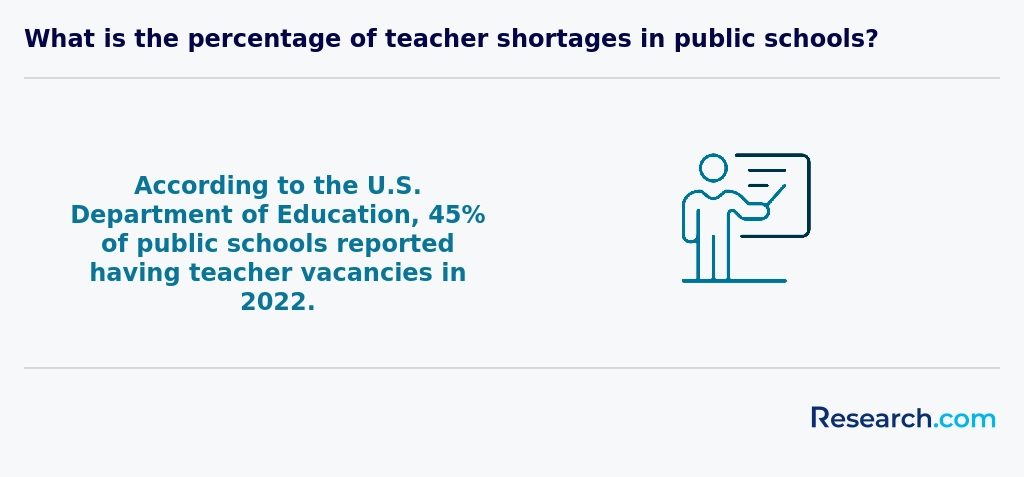
Graduates of an online Master’s in Education program in North Dakota must complete state-specific certification requirements to teach in K-12 schools. Ensuring your online degree aligns with North Dakota Department of Public Instruction (NDDPI) standards is critical for a smooth licensure process. Program Alignment with NDDPI Standards • Approved Curriculum: Verify that your institution’s curriculum addresses the Professional Teaching Standards set by NDDPI, including content knowledge, instructional strategies, assessment, and classroom management. • Clinical Practice Hours: Confirm that the program integrates supervised field experiences or practicum hours in North Dakota schools. These hands-on placements not only satisfy licensure requirements but also enhance classroom readiness. Required Examinations • Praxis Core Academic Skills for Educators: Most candidates must pass the Praxis Core (reading, writing, mathematics) before admission. • Praxis Subject Assessments: Specific content exams (e.g., Elementary Education, Secondary Mathematics) are required to demonstrate mastery in your chosen teaching field. • Additional Assessments: Certain specializations, like special education or ESL, may require supplementary tests (e.g., Foundations of Reading). Application and Renewal Process 1. Complete an approved educator preparation program and submit official transcripts to NDDPI. 2. Request official Praxis scores and documentation of clinical experiences. 3. Apply online through NDDPI’s licensing portal, pay applicable fees, and undergo a criminal background check. 4. Maintain and renew your teaching license every five years by documenting professional development hours. Reciprocity and Alternative Routes North Dakota offers reciprocity agreements with many states. If you hold an out-of-state teaching license, you may qualify for a reciprocal license without repeating all requirements. For those starting their journey, exploring foundational undergraduate pathways-such as our Cheapest Online Bachelor's in Education Degree Programs-can provide an affordable first step toward full certification.
Online education degree programs in North Dakota, such as those offered by popular institutions like the University of North Dakota and Minot State University, equip students with a well-rounded set of courses tailored to practical teaching careers. Graduates often highlight how foundational classes like Educational Psychology and Classroom Management prepared them to handle real student challenges and create positive learning environments effectively.
Typically, you'll take courses like Foundations of Education, where you explore the history and philosophy behind schooling, and Instructional Design and Technology, which teaches you to integrate digital tools smoothly-an essential skill in today's classrooms, especially in rural North Dakota schools.
Assessment and Evaluation courses train you to interpret student data to improve teaching strategies, while Curriculum Development helps you craft lesson plans that engage diverse learners. Many graduates find Educational Leadership courses valuable for stepping into administrative roles, a common pathway as North Dakota schools expand their leadership teams.
Students appreciate that these courses align closely with state licensure standards, ensuring each step brings you closer to a rewarding teaching career without unnecessary detours.
North Dakota's online education degree specializations are designed to fit practical career steps. Graduates commonly choose Curriculum and Instruction, where they learn to create impactful lesson plans that improve student success, a popular track among those aiming to advance classroom teaching. Many also pursue Educational Leadership and Administration to prepare for roles like principals or superintendents, with training tailored to local school systems' needs.
For those drawn to inclusive classrooms, the Special Education specialization equips students to support learners with disabilities, covering crucial skills like Individualized Education Programs (IEPs). Others focus on early years through Early Childhood Education, building foundational teaching skills aligned with North Dakota's commitment to early development. Familiar programs at universities such as the University of North Dakota and North Dakota State University reflect these tracks.
Additionally, fields like Educational Technology and Literacy Education help educators integrate modern tools and improve reading skills. Aspiring students should also explore options like what is the best online library science program to complement their education careers effectively. Understanding these North Dakota online master's in education tracks helps plan a fulfilling and flexible study path.
Start by verifying regional accreditation, especially from the Higher Learning Commission, to ensure your degree holds real value in North Dakota's education system. Many graduates from the University of North Dakota and North Dakota State University praise their programs for meeting these standards, giving them confidence when applying for licensure. Next, focus on choosing a specialization that aligns with your career goals-whether curriculum and instruction, educational leadership, or special education-since North Dakota's licensure requirements vary by area and career path.
Costs can differ widely across schools, so compare tuition carefully. Online education programs at public universities here often range from $7,000 to $20,000 annually. Graduates appreciate when they find affordable options combined with financial aid or scholarships. If budget is a concern, check out this helpful resource for the Cheapest Online Bachelor's in Education Degree Programs. Flexibility is another must-have: asynchronous courses and strong support services help working professionals balance study with life. Many in-state students report feeling well-supported by faculty and technical services that keep their learning on track.
Lastly, look at graduation rates and employment success to gauge program effectiveness. Graduates often share positive stories about career advancement after completing North Dakota's online education degrees. Keeping these practical steps in mind will help you find the best online education degrees North Dakota offers.
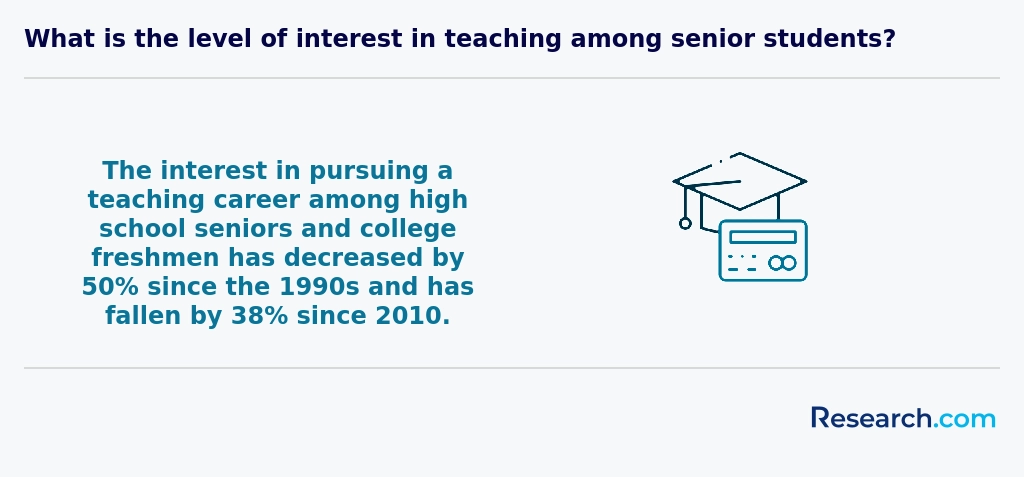
Graduates with an online education degree in North Dakota often pursue practical roles like K-12 classroom teaching, where licensed teachers are in steady demand, especially in subjects such as math, science, and special education. Those who studied at well-known institutions like the University of North Dakota or North Dakota State University have found that their online preparation effectively aligned with state licensure requirements, making entry into this field straightforward and fulfilling.
Beyond teaching, many leverage their degrees for leadership roles, including educational administrators or principals, which typically require advanced certifications that some local programs offer online. Graduates appreciate how these programs balance career advancement with personal responsibilities.
Online education degree careers in North Dakota also extend to curriculum development, community or corporate training, and instructional coordination, where technology integration skills are valued. This flexibility is ideal for those adapting to evolving education environments.
As one step toward financial clarity, those weighing options often examine what masters degrees pay the most, helping to plan a sustainable career path.
The job market for an online education degree in North Dakota remains strong and steady, supported by ongoing demand for qualified teachers across urban and rural areas. Graduates from popular institutions such as the University of North Dakota and North Dakota State University often share how online programs allow them to balance work and study, enhancing their qualifications without interrupting their careers. This flexibility appeals to many working educators aiming to advance.
North Dakota's teaching shortages in rural districts create additional openings, making it easier for graduates to secure positions outside of metropolitan areas. Employers value candidates with practical experience combined with advanced credentials, which online master's programs readily provide. Salary prospects typically range from $50,000 to $60,000 annually for kindergarten through high school teachers, often rising for those with master's degrees. For students comparing options, understanding what is the easiest bachelor degree to get can also help in planning a smooth academic path.
Statewide employment projections suggest growth aligned with national averages, ensuring graduates with North Dakota online master's in education careers will find meaningful employment opportunities in public or private education settings.
2027 Most Valuable Online Master's in Education Degree Programs Ranking in North Dakota
Investing in your education is a significant decision that can shape your future, and the Research.com team fully recognizes the importance of making well-informed choices. To assist prospective students in North Dakota, we have carefully developed the "2027 Most Valuable Online Master's in Education Degree Programs Ranking." Our dedication to quality, credibility, and accuracy is evident in the thorough research and analysis that underpin this ranking.
We utilized the following reputable data sources to ensure a comprehensive evaluation of education programs:
By exploring this ranking, readers will gain valuable insights into the top online master's in education programs in North Dakota, empowering them to make confident and informed educational decisions. For more information about the creation of this ranking, please visit our Research.com methodology page.


Frequently Asked Questions About education
Online education degree students in North Dakota can maximize their learning by actively engaging with their course materials and instructors. According to the North Dakota University System, consistent participation in discussion boards and timely submission of assignments enhance comprehension and retention. Utilizing campus resources, such as virtual tutoring and academic advising, contributes significantly to student success.
Students should establish a dedicated study schedule to manage their time effectively, balancing coursework with personal and professional responsibilities. Research from the National Center for Education Statistics highlights that structured time management is critical for online learners nationwide, including those in North Dakota.
Networking with peers through online study groups promotes collaboration and deeper understanding of educational concepts. Staying informed about state licensure requirements and continuing education opportunities also benefits future career prospects in North Dakota's growing education sector.
Emerging niches within the education field in North Dakota reflect national trends emphasizing technology and inclusivity. One key area is educational technology, focusing on developing skills to integrate digital tools in classrooms. This growth responds to a 25% increase in online and blended learning in North Dakota schools, reported by the North Dakota Department of Public Instruction (2023).
Another expanding niche is special education, where demand rises due to increasing awareness and support for students with diverse learning needs. Careers in counseling and mental health services within schools are also growing as districts prioritize student wellness.
Additionally, leadership roles in education administration are sought-after, especially as rural districts adapt to changing demographics and funding challenges.
After earning an online education degree in North Dakota, prepare for the job market by gaining relevant experience through internships or substitute teaching. The North Dakota Department of Public Instruction reports an ongoing demand for qualified educators, making practical experience essential. Networking with local school districts and attending state education conferences can provide valuable contacts and job leads. Additionally, obtain appropriate teaching licensure, as North Dakota requires certification for public school employment. Enhancing skills with professional development courses or endorsements increases competitiveness. Research from the Bureau of Labor Statistics highlights a positive outlook in North Dakota's education job market through 2030.
Employers in North Dakota prioritize several key skills when hiring graduates with education degrees. According to the North Dakota Department of Public Instruction, effective communication and classroom management are essential for success in local schools. Employers also value adaptability, given the increasing integration of technology in education, especially for online and hybrid teaching environments.
Critical thinking and problem-solving skills are important, as teachers often need to tailor lessons to diverse student needs. Additionally, collaboration with colleagues and engagement with families remain top priorities. North Dakota schools report a growing demand for culturally responsive teaching skills to support a more diverse student population.
Data from the National Center for Education Statistics highlights that these competencies align with national trends, emphasizing teamwork, instructional planning, and digital literacy as crucial for new educators in the state.
Finding internships in North Dakota relevant to an education degree involves exploring multiple resources. Many universities with online education programs maintain partnerships with local school districts, offering students access to practicum and internship opportunities. The North Dakota Department of Public Instruction often lists openings for student teachers and education interns within the state's schools.
Networking through professional organizations such as the North Dakota Education Association can also provide leads. Additionally, websites like Handshake and local job boards frequently feature internship positions tailored to education students.
According to the U.S. Bureau of Labor Statistics, education internships enhance employment prospects by providing real-world classroom experience, which is crucial in North Dakota's growing public-school system.
An online education degree in North Dakota can significantly impact career mobility and advancement, particularly in the state's growing education sector. As of recent data from the North Dakota Department of Public Instruction, teachers with advanced degrees, such as a master's in education, often qualify for higher salary tiers and leadership roles.
North Dakota's demand for qualified educators is strong, creating opportunities for degree holders to move into specialized teaching, administrative, or curriculum development positions. Online programs provide flexibility, allowing working professionals to advance their credentials without leaving their jobs.
Furthermore, institutions accredited by the Council for the Accreditation of Educator Preparation (CAEP) ensure that online degrees meet rigorous standards, which employers recognize.
Studying for an education degree in North Dakota equips students with skills that support interdisciplinary roles by integrating various teaching methods and content areas. Programs often emphasize collaboration across subjects, preparing graduates to work in diverse educational settings.
North Dakota's online education degrees include coursework in technology integration, special education, and leadership, fostering adaptability in multiple roles. According to the North Dakota Department of Public Instruction, teachers with interdisciplinary skills meet the growing demand for versatile educators.
Additionally, many programs align with state standards that encourage innovative approaches to curriculum development blending multiple disciplines. This prepares students for roles not only in classrooms but also in educational policy and community engagement.
When choosing between a thesis and a non-thesis education degree program in North Dakota, consider your career goals and learning preferences. Thesis programs typically require original research and are well-suited for students interested in academic or research-oriented roles. Non-thesis programs often focus on practical skills through coursework and may include projects or comprehensive exams instead.
North Dakota schools, such as the University of North Dakota and North Dakota State University, offer both options in their online education master's degrees. According to the National Center for Education Statistics, non-thesis programs tend to be shorter and may cost less, which can be important factors for working professionals.
Choosing depends on whether you plan to pursue a doctorate or leadership roles where research skills are essential. Otherwise, non-thesis pathways might better fit career advancement in teaching or administration fields.
Students in North Dakota interested in studying education abroad have several options through U.S.-based universities offering international partnerships and exchange programs. Many institutions facilitate online education degrees that include global study components, allowing learners to gain international perspectives without relocating.
The University of North Dakota, for example, collaborates with various overseas universities to provide study abroad opportunities integrated with online coursework. According to the National Center for Education Statistics, about 15% of North Dakota students participate in study abroad or international programs, highlighting growing access.
Additionally, programs accredited by the Council for the Accreditation of Educator Preparation (CAEP) often include global education modules, helping teachers develop cross-cultural competencies required in today's classrooms.
Part-time job opportunities in North Dakota that complement an education degree are diverse and practical for aspiring educators. Many students find roles as teacher aides or paraprofessionals in local schools, which provide hands-on classroom experience. According to the North Dakota Department of Public Instruction, there is consistent demand for support staff in K-12 education.
Additionally, tutoring positions in subjects like math, reading, and science are widely available through community centers and private services. These jobs help develop instructional skills and deepen subject knowledge.
Other relevant part-time roles include library assistants and childcare workers, which enhance understanding of student development and educational environments. These positions can often accommodate flexible schedules compatible with online degree programs.
Online education students in North Dakota benefit from several networking opportunities despite geographic distances. The state's universities, such as the University of North Dakota and North Dakota State University, offer virtual student organizations and professional groups that connect peers and alumni. These platforms facilitate discussions, workshops, and mentorship programs tailored to education students.
The North Dakota Department of Public Instruction also supports educational events and webinars accessible to online learners, promoting connection with K-12 educators statewide. According to the National Center for Education Statistics, North Dakota has seen increased engagement in online learning communities, helping students build valuable professional networks.
Local conferences and regional education associations often provide discounted rates or virtual access for online students, enhancing real-world networking beyond the screen.
Alumni networks play a significant role for online education degree students in North Dakota by offering valuable professional connections. Graduates remain connected through these networks, which often provide job leads, mentorship, and collaboration opportunities. According to the North Dakota University System, strong alumni engagement can increase employment prospects by up to 20% for recent graduates.
Many North Dakota institutions facilitate virtual events and discussion forums, helping online students build relationships despite geographic distance. These connections are especially important in rural areas, where local education professionals often rely on trusted networks for career advancement.
Access to alumni expertise also supports continuous learning and skill development, enhancing the value of an online degree over time.
Customizing an online education degree program in North Dakota allows students to align their studies with specific career goals. Many institutions offer flexible course selections, including concentrations in special education, curriculum design, or educational leadership. Students can also choose between research projects or practical internships to gain relevant experience.
North Dakota's State Board for Career and Technical Education reports increasing demand for educators skilled in digital learning, so programs often include technology integration tracks. Additionally, some online degrees offer endorsements required for state certification in areas such as reading or principal licensure, which enhances career mobility.
Students should consult academic advisors to tailor coursework while meeting North Dakota Department of Public Instruction certification guidelines. This ensures their degree supports their professional aims effectively.
Students pursuing online education degrees in North Dakota often face several challenges. Limited high-speed internet access remains a significant issue, especially in rural areas where nearly 30% of residents lack broadband service, according to the Federal Communications Commission (FCC). This digital divide can hinder smooth participation in live classes and timely submission of assignments.
Additionally, balancing work, family, and study commitments is a common struggle, as many online learners in North Dakota are adult students seeking career advancement. The lack of face-to-face interaction sometimes leads to feelings of isolation, impacting motivation and engagement.
Furthermore, accessing campus resources and academic advising remotely may be less straightforward compared to traditional students.
With an online education degree in North Dakota, you can pursue various professional certifications that enhance your teaching credentials and career prospects. Commonly sought certifications include the North Dakota teaching license, which qualifies you for K-12 classroom instruction. This license requires passing the Praxis exams and completing an approved educator preparation program.
Additionally, endorsements such as Special Education, English as a Second Language (ESL), and Reading Specialist are available for online degree holders, meeting state-specific requirements set by the North Dakota Education Standards and Practices Board.
For advanced professionals, the National Board Certification is a respected credential that online degree holders can pursue to demonstrate teaching excellence nationwide.
Writing a winning application for an online education program in North Dakota involves several key steps. First, carefully review the program's admission requirements, which often include a minimum GPA, relevant professional experience, and prerequisite coursework. North Dakota universities typically value a clear statement of purpose explaining your career goals and how their program aligns with them.
Highlight your teaching experience or educational background, and include strong letters of recommendation from academic or professional contacts. According to the North Dakota University System, emphasizing your commitment to education and continuous learning can strengthen your application.
Finally, ensure your application is complete and submitted before the deadline. Many programs use platforms like the Common App or institutional portals, so double-check all materials are uploaded correctly. This attention to detail reflects professionalism and dedication.
The global view of education careers highlights increasing demand for qualified teachers and leaders across diverse settings. In the United States, including North Dakota, education remains a stable profession with steady growth. According to the U.S. Bureau of Labor Statistics, jobs for elementary and secondary teachers are projected to grow about 5% from 2021 to 2031, aligning with global trends emphasizing quality education.
North Dakota, with its commitment to improving education access, has seen initiatives supporting online learning and teacher development. For example, the North Dakota Department of Public Instruction promotes programs enhancing educator skills, reflecting worldwide efforts to prepare teachers for diverse classrooms.
Internationally, education careers often emphasize cultural competence and adaptability, skills increasingly valued in the US market. Online master's degrees in education offer North Dakota students flexible paths to meet these global expectations while addressing local needs. This approach aligns with UNESCO's global education goals, which encourage well-prepared educators everywhere.
Gaining practical experience while studying for an online education degree in North Dakota is possible through several pathways. Many programs incorporate student teaching or practicum components that must be completed in person, often arranged at local schools near the student's residence. This hands-on experience is critical for licensure and skill development.
Additionally, partnerships between universities and North Dakota school districts facilitate internships, allowing students to apply theory in real classrooms. The North Dakota Department of Public Instruction emphasizes clinical experiences as part of effective teacher preparation. Online students are encouraged to connect with school districts early to secure placements.
Volunteering and substitute teaching are also common ways to build experience during coursework. These options help students network and understand local education challenges in North Dakota's unique rural and urban settings.
Choosing the right concentration within an online education degree in North Dakota begins with identifying your career goals and interests. Common concentrations include curriculum design, special education, and educational leadership. North Dakota's Department of Public Instruction highlights a growing demand for special education professionals, making this a practical choice.
Consider the local job market; for instance, North Dakota's schools increasingly seek educators skilled in technology integration and rural education strategies. Research programs accredited by CAEP or the Higher Learning Commission to ensure quality.
Review program flexibility and support services for online students, which differ among North Dakota institutions. Understanding these factors can help select a concentration aligned with both personal ambition and state demand.
- 2027 Most Valuable Online Master's in Education Degree Programs Ranking in Minnesota
- 2027 Most Valuable Online Master's in Education Degree Programs Ranking in Iowa
- 2027 Most Valuable Online Master's in Education Degree Programs Ranking in Wisconsin
- 2027 Most Valuable Online Master's in Education Degree Programs Ranking in Colorado
- 2027 Most Valuable Online Master's in Education Degree Programs Ranking in Kansas
- 2027 Most Valuable Online Master's in Education Degree Programs Ranking in Illinois
- 2027 Most Valuable Online Master's in Education Degree Programs Ranking in Missouri
- 2027 Most Valuable Online Master's in Education Degree Programs Ranking in Indiana
- 2027 Most Valuable Online Master's in Education Degree Programs Ranking in Michigan
- 2027 Most Valuable Online Master's in Education Degree Programs Ranking in Kentucky
See What Experts Have To Say About Studying Education
Read our interview with Education experts


Nooshan Ashtari
Education Expert
Professor & Book Author
University of Southern California

- What Studios Taught Me about Teaching 21st-Century Skills https://www.nextgenlearning.org/articles/teaching-studios-changes-learning
- Online Colleges in North Dakota https://www.onlineschools.org/guides/north-dakota/
- Insights of North Dakota https://insights.nd.gov/College/Parents
- Putting theory into practice: The value of an interdisciplinary approach to teaching https://my.chartered.college/impact_article/putting-theory-into-practice-the-value-of-an-interdisciplinary-approach-to-teaching/
- MONPERATOTO Jati Diri Situs Togel Online Resmi Bersama Agen Toto Togel 4D Terpercaya https://writerslife.org/educational-markets/
- Navigating Challenges In Education, Learning & Development - those who can https://www.thosewhocan.org/navigating-challenges-in-education-learning-and-development/
- Online Degree vs. Traditional: Choosing the Right Path https://beal.edu/online-degree-vs-traditional/
- Tips for Choosing Your Graduate Concentration - Graduate Programs for Educators https://www.graduateprogram.org/blog/tips-for-choosing-your-graduate-concentration/
- Seven Major Challenges Facing Education in the 21st Century https://www.internationalschoolparent.com/articles/seven-global-education-challenges/
- Home https://www.cde.nd.gov/home