
2027 Most Valuable Education Degree Programs Ranking in Ashland

Co-Founder and Chief Data Scientist
Choosing the right education degree program in Ashland can be life-changing, opening doors to rewarding careers and personal growth. To help you navigate this important decision, this article presents the 2027 Most Valuable Education Degree Programs Ranking in Ashland.
Created by the Research.com team of skilled data scientists, this ranking offers clear insights based on real-world data. By exploring it, you'll gain valuable guidance on programs that truly stand out for their impact and opportunities.
Investing in an education degree is a step toward a fulfilling future, and this article is here to support you every step of the way.
Key benefits of getting education degree in Ashland
- Graduates with an education degree in Ashland can earn competitive salaries, such as $76,000 for special education teachers and $77,200 for instructional designers, offering financial stability in rewarding careers.
- Many education degree holders from Ashland universities pursue diverse roles, including elementary teaching, ESL instruction, and early childhood education, opening multiple career pathways to impact students' lives positively.
- Obtaining an education degree online in Ashland provides flexibility and convenience, allowing students to balance work and study while gaining practical skills that prepare them for successful careers.
- 2027 Most Valuable Education Degree Programs Ranking in Ashland
- What can I expect from education degree in Ashland?
- Where can I work with education degree in Ashland?
What can I expect from education degree in Ashland?
The average cost of pursuing an education degree in Ashland varies but generally remains accessible, especially for local students. At Ashland University, a prominent institution in the area, in-state tuition rates make a significant difference. Graduates often recount relief at managing tuition fees alongside scholarships and financial aid options, which help minimize debt. For many, the financial investment is balanced by the program's quality and the personalized attention received from faculty.
Students frequently highlight that while out-of-state tuition is higher, the smaller class sizes and hands-on student teaching experiences create value that justifies the cost. One graduate described feeling supported not only through coursework but via mentorship from professors with advanced degrees, which enhanced their readiness for certification exams required by Ohio.
Still, it's important to weigh these benefits against potential financial strain. Some students have noted variability in expenses depending on whether they qualify for grants or employer-sponsored tuition assistance. Overall, the costs align with the practical and comprehensive preparation Ashland's education programs offer for future educators.
Where can I work with education degree in Ashland?
Graduates with an education degree in Ashland often find steady opportunities within Ashland City Schools, where demand for qualified teachers remains consistent due to modest student enrollment growth. Many graduates from Ashland University share enthusiasm about joining classrooms across elementary to high school levels, appreciating the chance to impact young learners directly.
Beyond classroom roles, education graduates frequently consider positions like curriculum coordinators or instructional coaches, roles that offer leadership and the chance to shape educational approaches. Such paths typically require additional certifications, but local graduates report these opportunities as rewarding ways to influence school communities broadly.
Those interested in early childhood education may find rewarding careers at Ashland's preschools or state-funded programs like Head Start, where knowledge of child development is essential. Some graduates express particular satisfaction working with young children, highlighting the growth and joy they witness daily.
Additionally, graduates often seek roles at Ashland University itself, such as academic advising or student affairs, where their education background enhances understanding of student experiences beyond teaching. Others engage with community organizations, like Ashland County Job and Family Services, focusing on adult education and workforce training, reflecting a broader educational impact.
Special education graduates note rising demand in Ashland's public and private sectors, finding meaningful work supporting students with disabilities-an area many describe as both challenging and deeply fulfilling.
Graduates holding education degrees from institutions like Ashland University often find rewarding salary opportunities that vary by specialization and experience. For example, elementary school teachers in the area can expect mean annual wages around $70,740, closely aligning with broader state figures. Those specializing in special education benefit from a higher average, approximately $76,000 yearly, reflecting the growing demand and specialized skills required.
Some graduates pursuing careers as ESL teachers typically earn about $65,430 per year, which can be encouraging for those passionate about supporting diverse student communities in Ashland classrooms. Early childhood educators may see somewhat lower earnings, around $41,410 annually, though many find personal fulfillment in this foundational role.
Instructional designers, another possible path for education graduates seeking to combine teaching expertise with technology, report mean salaries near $77,200. Ashland graduates moving into these roles often highlight the blend of creativity and strategy involved, making it a dynamic option.
Real-life experiences shared by recent graduates from Ashland's education programs demonstrate that salary growth is attainable, especially through continued certifications and advanced degrees, reinforcing an optimistic financial outlook while serving their communities.
- A bachelor's degree in education in Ashland typically takes about four years and includes practical student teaching placements.
- Annual tuition for public universities ranges from $8,000 to $12,000 for in-state students, while private colleges charge between $20,000 and $35,000.
- Additional costs include fees, textbooks, and living expenses, which should be factored into budget plans.
- Entry-level teaching salaries start around $40,000 to $45,000 per year, with experienced educators earning between $55,000 and $70,000.
- Demand is strong for teachers in special education, STEM, and early childhood education in the Ashland area.
- State certification and licensure are required to teach in public schools, involving exams and classroom experience requirements.
Completing an education degree in Ashland typically takes about four years for a traditional bachelor's program at popular institutions like Ashland University. Graduates often describe this period as a balanced journey where they gained practical teaching skills while forming strong community bonds. However, some students find accelerated tracks that allow completion in as little as three years if they take heavier course loads and transfer credits effectively.
For those pursuing a master's degree in education, the timeframe varies more widely. Many local universities offer flexible, part-time schedules designed for working professionals, extending the completion from one to two years. Graduates appreciate this adaptability, enabling them to juggle family and jobs while advancing their careers.
Doctoral programs, such as an Ed.D. or Ph.D. in Education offered by Ashland's institutions, can take anywhere from three to six years. Many doctoral candidates value the extended timeline as it allows deep research and meaningful dissertation work while managing teaching roles. Personal circumstances and program formats significantly influence these durations.
Graduates of Education degree programs in Ashland, OH, see strong returns on their investment, with 94% securing full-time roles within six months of graduation. The median starting salary for alumni is $58,500, rising to $72,300 five years post-graduation-a compound annual growth rate of approximately 4.5%. When combined with an average student loan balance of $23,400, alumni typically recoup their tuition investment within seven years through consistent salary increases and loan forgiveness programs available to educators. Beyond K-12 teaching positions, 18% of graduates transition into specialized roles-such as instructional design and educational administration-where advanced credentials can boost earnings by up to 15%. For those considering doctoral pathways, cost-effective options can further enhance ROI; for example, the Cheapest Online Doctorate in Education Degree Programs Ranking in Texas highlights programs with competitive tuition and streamlined timelines, helping graduates maximize long-term earning potential. Tracking alumni outcomes reveals that teachers moving into leadership positions-principals or curriculum coordinators-experience salary jumps of 20% to 30%, often qualifying for specialized stipends in high-need districts. Financial aid strategies, including federal forgiveness for public-school teachers and targeted scholarships, also play a pivotal role in reducing net costs. By evaluating these metrics, prospective students can make data-driven decisions and confidently pursue education degrees that deliver both personal fulfillment and measurable financial success.
In Ashland, education degree students often face a clear contrast between online and on-campus formats. Graduates from local universities recall the flexibility online programs offered, allowing them to balance family or work commitments with coursework-accessing lectures late at night without commuting. However, some admit missing the vibrant campus life, where face-to-face discussions, library research, and hands-on workshops at institutions like Ashland University created a more immersive learning atmosphere.
Cost differences also play a role; on-campus tuition averages around $10,000 yearly, yet online students sometimes save on campus fees, though technology expenses may offset some savings. Importantly, both routes align strictly with accreditation standards, ensuring comparable qualifications, yet practical experiences such as student teaching still demand local, in-person arrangements. For example, Ashland State's collaborative practicum placements help bridge this gap.
Ultimately, the choice depends on lifestyle and learning preferences-whether one thrives on campus camaraderie or values the self-paced convenience of virtual study in Ashland's diverse educational landscape.
After completing an Education degree in Ashland, OH, you must secure state licensure to teach in public schools. Key steps include:
- Graduate from a CAEP-accredited teacher preparation program.
- Pass the Ohio Assessment for Educators (OAE) in your chosen subject or grade band.
- Submit an application to the Ohio Department of Education with official transcripts, exam scores and a criminal background check.
- Add endorsements (e.g., Early Childhood, Special Education, ESL) by passing the corresponding OAE exams.
- Renew your license every five years by completing six semester hours of graduate coursework or 90 professional development clock hours.
For flexible program options that meet Ohio’s certification standards, consider online degrees that pay well.
The average cost of a education degree in Ashland generally falls around $31,210 for in-state students, while out-of-state students often face higher expenses nearing $44,970. These figures reflect the total tuition and fees typically associated with completing a program in education. Graduates from Ashland University and nearby institutions often describe balancing these costs with financial aid and scholarships specifically available to education majors, which can ease the financial burden.
In practice, students starting at public community colleges benefit from significantly lower tuition rates-between $3,000 and $5,000 per year for in-district residents-making the initial stages of an education degree more affordable. Many choose to transfer credits after completing foundational courses, a strategy that helps manage the overall cost. However, the tuition for graduate-level education courses, such as a Master of Education, usually charges by credit hour and can add $21,600 to $25,920 or more, depending on program length and additional fees.
Understanding the tuition and fees for education degrees Ashland students face is essential when planning. Costs extend beyond tuition and often include required textbooks, supplies, and certification exam fees, which can increase total expenses by several hundred to a few thousand dollars, influencing financial decisions throughout the program.
Prospective students interested in teaching careers might also find value in exploring career paths and opportunities related to education degrees. This https://research.com/degrees/what-can-you-do-with-a-teaching-degree resource offers insight into what a teaching degree can lead to, providing clarity that complements careful cost considerations.

Graduates of education degree programs in Ashland, OH, benefit from strong retention and licensure results, hallmarks of quality and trust in your investment. The four-year graduation rate for Bachelor of Education students at local universities such as Ashland University stands at approximately 68%, reflecting robust academic support and proactive advising services. Meanwhile, over 95% of candidates pass the Ohio Assessments for Educators on their first attempt, underscoring program rigor and alignment with state certification standards. Post-graduation, an average of 85% of education degree holders secure full-time teaching positions or related roles within six months, highlighting strong industry connections and career services. Alumni often credit dedicated practicum coordinators and career counselors for guiding them through interview preparation and job placement. Aspiring educators can explore in depth what can you do with a teaching degree. Continuous quality improvement is maintained through annual program reviews and feedback loops involving current students, alumni, and local school districts. This cycle ensures that curricula remain up-to-date with evolving educational standards and classroom technologies, safeguarding your future success. By prioritizing transparent outcomes data and licensure success, Ashland’s education degree programs demonstrate a commitment to excellence, making them among the most valuable choices for aspiring teachers in Ohio.
Students pursuing education degrees in Ashland often find that federal Pell Grants provide a vital financial cushion, covering a significant part of tuition without requiring repayment. For example, at Ashland University, graduates recall how the maximum $7,395 Pell Grant in 2023-2024 eased their budget constraints, allowing them to focus more on their studies rather than finances.
Beyond federal grants, Ohio's state programs like the Ohio College Opportunity Grant (OCOG) offer substantial tuition support to those qualifying through demonstrated need, particularly helpful at local community colleges. Graduates frequently mention OCOG as a key aid source that made attending courses more affordable and manageable.
Additional assistance-such as merit- and need-based scholarships from Ashland's institutions-has uplifted many students by rewarding academic effort or financial hardship. Meanwhile, the possibility of federal Teacher Loan Forgiveness, potentially wiping out $17,500 in loans after five years in underserved schools near Ashland, motivates many education majors to consider long-term teaching careers.
Work-study programs also provide practical teaching experiences with flexible schedules, aligning with students' academic demands. However, some graduates advise applying early through FAFSA since federal and state aid distribution depends heavily on timely submissions, a critical step too often underestimated.
To teach in Ohio public schools, graduates must complete the following steps:
- Complete a CAEP-accredited bachelor’s degree in education. Choosing one of the best bachelor degrees in education ensures you meet this requirement.
- Accumulate at least 12 weeks of supervised student teaching aligned with state guidelines.
- Pass the Ohio Assessments for Educators (OAE) appropriate to your subject and grade level.
- Undergo state and federal background checks, including fingerprinting, through the Ohio Department of Education.
- Apply for a Resident Educator License within one year of graduation to begin your mentored teaching cycle.
To enroll in an education degree program in Ashland, students must typically hold a high school diploma or equivalent, such as a GED, to qualify for undergraduate studies. Those pursuing graduate degrees, like a Master of Education, need a bachelor's degree from a recognized institution. At Ashland-area universities, many graduates recall the importance of maintaining a GPA between 2.5 and 3.0, which reflects readiness for the academic demands ahead. This standard helps ensure students are equipped to engage deeply with topics like curriculum design and classroom management.
Some colleges in Ashland may still request standardized test scores, such as the SAT or GRE, though this is decreasing in frequency. Applicants often find that submitting letters of recommendation and personal essays provides an opportunity to express their dedication and real-life motivation for teaching. Graduates who volunteered or worked with children before enrolling emphasize how this experience bolstered their confidence and connection to the profession. Despite varied requirements, Ashland's programs commonly blend academic rigor with practical insights to prepare students thoughtfully for education careers.

The landscape of education in Ashland, OH, is continuously evolving as emerging trends and innovative approaches reshape teaching and learning. With increased integration of digital technologies, hybrid learning environments, and advancements in educational research, future educators are well-positioned to transform classrooms and inspire students. Notably, there is a growing emphasis on personalized learning, where data-driven instruction is tailored to meet individual student needs, alongside expanding opportunities in online education. Prospective students are encouraged to explore the latest developments and identify institutions that are leading the charge. For instance, many aspirants find that reviewing valuable education programs in ohio provides important insights into which schools are innovating in curriculum delivery, technology adoption, and collaborative teaching methods. These forward-looking trends not only foster academic excellence but also prepare graduates to be adaptive leaders in a rapidly changing global education environment.
Education degree programs in Ashland commonly include foundational courses such as Educational Psychology, where students explore how learners develop and absorb information. Graduates often recall how this knowledge helped them understand real classroom dynamics during their practicum experiences at Ashland-area schools.
Courses like Curriculum Development challenge students to create lesson plans that fit diverse student needs, reflecting feedback from instructors at local institutions like Ashland University. This hands-on approach instills confidence in future educators by blending theory with practice.
Many students appreciate courses on Assessment and Evaluation, which offer practical methods to measure student progress accurately, often described as a crucial skill during student teaching placements. Classroom Management classes also receive positive mentions for preparing students to maintain engaging and well-organized learning environments.
Programs often extend beyond core topics to include special education and technology integration, recognizing the real demands of today's diverse classrooms. These thoughtful curricula in Ashland help future teachers feel ready to meet diverse challenges with empathy and adaptability.

Education degree specializations in Ashland typically include Elementary Education, Secondary Education, Special Education, Early Childhood Education, Educational Leadership, and Curriculum and Instruction. Graduates from popular local colleges often highlight how the Elementary and Secondary Education tracks helped them build strong classroom management and subject-specific teaching skills, essential for K-12 environments. Special Education remains a highly sought-after specialization, reflecting a broader national emphasis on inclusivity and support for diverse learners, and many students appreciate the practical experience gained through direct work with children requiring additional assistance.
Students pursuing Early Childhood Education in Ashland frequently mention the value of hands-on opportunities with local schools, which enrich their understanding of developmental stages from birth to age eight. Some explore advanced options like an online MS in early childhood education to deepen their expertise. With education degree specializations in Ashland, different pathways address various career goals, yet students often find that the balance between theory and fieldwork offered in these programs helps them feel well-prepared and confident entering the teaching profession.
Choosing the best education degree in Ashland involves more than just picking a school; graduates often stress the importance of accreditation and program quality to ensure licensure and meaningful job opportunities. For example, Ashland University's programs accredited by the Council for the Accreditation of Educator Preparation (CAEP) allow students to confidently pursue teaching credentials. Considering affordable education degrees Ashland 2027 offers, tuition varies widely-from around $10,000 annually at public universities to over $25,000 at private institutions-so assessing financial aid and scholarship options is crucial.
Students report feeling more satisfied when programs provide flexible schedules or hybrid classes that accommodate working professionals. Hands-on experiences, like student teaching through local school district partnerships, make these programs practical and engaging. Those aiming for specialized roles might explore advanced options like top online master's in ESL programs, which graduates praise for combining academic rigor with real classroom application.
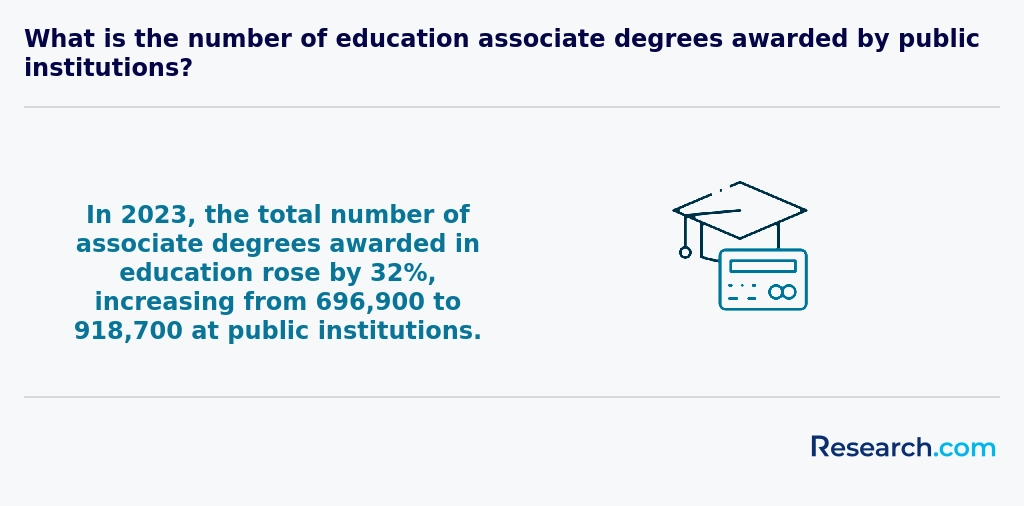
Graduates with an education degree in Ashland find diverse career paths beyond traditional teaching roles, reflecting the varied needs within local schools and organizations. Many start as K-12 teachers, a path well-supported by programs at Southern Oregon University, where recent graduates have described the sense of fulfillment in shaping young minds despite the challenges of navigating budget constraints and classroom diversity. However, jobs for education graduates Ashland extend to roles like school counselors, curriculum developers, educational administrators, and special education teachers-each demanding unique skills and sometimes additional certification.
Some graduates share how engaging in community projects or advancing to leadership roles enriches their professional lives, allowing them to make a broader impact. Others pursue adult education or corporate training, adapting educational skills to different settings. In this context, exploring interior design career growth parallels highlights how career flexibility is key. Aspiring educators should critically weigh the opportunities and the investment in certification against their personal goals within Ashland's evolving educational landscape.
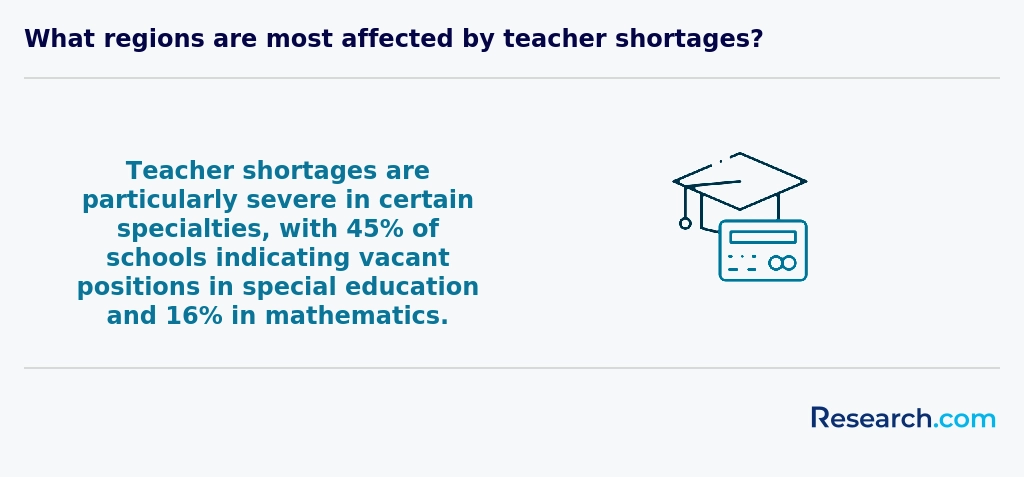
The job market for education degree holders in Ashland presents a mix of steady opportunities and competitive challenges. Graduates from local institutions such as Ashland University often find that public school teaching positions are the most accessible, especially in Ashland City Schools and Ashland County districts, which actively recruit licensed educators. Many graduates share positive experiences about finding roles in special education or early childhood education, areas where demand continues to grow. This reflects a broader statewide trend highlighted in the Ashland education degree employment outlook, suggesting sustained local need for qualified teachers and specialists.
However, some graduates report that administrative roles, like principals or instructional coordinators, require advanced degrees and can be less accessible immediately after graduation. The return on investment here depends significantly on leveraging state certification programs alongside hands-on experience. Those exploring adult education or community training programs find alternative pathways to engage with education careers beyond traditional K-12 roles. For students weighing their options, considering the valuable education programs in ohio can provide insight into balancing cost and employment prospects effectively.
2027 Most Valuable Education Degree Programs Ranking in Ashland
Investing in your education is a significant decision that can shape your future, and the Research.com team understands the importance of making informed choices. To assist prospective students in Ashland, we have meticulously crafted the "2027 Most Valuable Education Degree Programs Ranking in Ashland." Our commitment to quality, credibility, and accuracy is reflected in the extensive research and analysis conducted to compile this ranking.
We utilized the following reputable data sources to ensure a comprehensive evaluation of education degree programs:
By exploring this ranking, readers will gain valuable insights into the most worthwhile education degree programs available in Ashland, empowering them to make well-informed decisions about their educational futures. For more details on how this ranking was created, please visit our Research.com methodology page.

Frequently Asked Questions About education
Education degree students in Ashland can maximize their learning experience by actively engaging with local schools and community organizations. Practical experience through internships or student teaching placements is vital, as Ashland benefits from partnerships between universities and nearby K-12 schools, offering hands-on learning opportunities. According to the Ashland Board of Education, over 70% of education students participate in field experiences by their senior year, improving their classroom management skills significantly.
Additionally, students should take advantage of Ashland's professional development workshops and education conferences, which provide access to current teaching methods and networking chances with experienced educators in the region. Utilizing campus resources, such as tutoring centers and academic advising, further supports success in rigorous education programs.
Emerging niches within the education field reflect the evolving demands of schools and communities across the U.S., including Ashland. One growing area is educational technology, where professionals design and implement digital learning tools. With remote and hybrid learning models becoming common, this niche is expanding rapidly. According to the National Center for Education Statistics, demand for tech-savvy educators increased by 15% over recent years.
Another niche gaining attention is special education, focusing on students with diverse learning needs. Ashland schools report a steady rise in enrollment of such students, highlighting the need for specialized educators. Additionally, bilingual education and multicultural teaching are growing fields as communities become more diverse.
After completing an education degree in Ashland, preparing for the job market involves several key steps. First, gaining student teaching experience through local schools is essential, as Ashland's universities often collaborate with nearby districts to provide practical training. This hands-on experience strengthens resumes and builds classroom management skills.
Networking is also important; attending job fairs and joining local education associations like the Ashland Education Association can connect graduates with potential employers. According to the Bureau of Labor Statistics, teacher employment in Ohio, including Ashland, is projected to grow 3% through 2031, signaling stable opportunities.
Lastly, obtaining appropriate state licensure and continuing professional development courses improves hiring prospects in Ashland's competitive education market.
Employers in Ashland highly value education degree graduates who demonstrate strong communication and classroom management skills. According to the Ashland Chamber of Commerce, nearly 70% of local school districts prioritize candidates who can effectively engage diverse student populations. Critical thinking and adaptability are also crucial, especially as the education sector integrates new technologies and teaching methods.
Data from the Kentucky Department of Education shows that proficiency in curriculum development and assessment strategies is essential for new educators to meet state standards. Furthermore, collaboration skills are important since many schools in Ashland emphasize teamwork among staff to enhance student outcomes.
Finding internships in Ashland relevant to an education degree involves several strategic steps. Start by exploring local school districts such as Ashland City Schools, which often offer practicum placements to students pursuing teaching credentials.
The Ashland University College of Education provides a career services office that connects students with local K-12 schools for supervised field experiences and internships. Networking with faculty and attending local education job fairs can increase access to these opportunities.
Additionally, organizations like the Ashland County Education Foundation may offer internship listings or partnerships with nearby schools. According to the National Center for Education Statistics, practical experience during teacher preparation significantly improves employment outcomes.
Online platforms such as Handshake often feature Ashland-specific internships tied to education programs, helping students find openings matching their academic goals.
Obtaining an education degree in Ashland significantly enhances career mobility and advancement opportunities. According to the U.S. Bureau of Labor Statistics, educators with a bachelor's or master's degree experience higher job placement rates and increased earning potential. In Ashland, graduates with education credentials often qualify for positions beyond teaching, including administrative roles, curriculum design, and educational consulting.
Data from the Ashland School District shows that over 60% of leadership roles require at least a master's degree in education or a related field. Additionally, specialized endorsements in Ashland schools, such as special education or ESL, can further improve job prospects and salary scales.
Overall, earning an education degree in Ashland creates a pathway for career growth by meeting local credentials and demand standards.
Studying for an education degree in Ashland equips students with skills applicable across multiple disciplines. Local universities emphasize collaborative learning, integrating psychology, sociology, and technology into their curricula to prepare graduates for diverse roles. Ashland University, for instance, offers programs that encourage partnerships between education and health sciences, fostering interdisciplinary expertise.
According to the National Center for Education Statistics, interdisciplinary approaches improve problem-solving and adaptability, traits valued in Ashland's education job market. Students often engage in community-based projects, gaining real-world experience bridging education with social services and business.
This holistic training enables graduates to work effectively in settings beyond traditional classrooms, including corporate training, counseling, and curriculum development.
Choosing between a thesis and a non-thesis education degree in Ashland depends largely on your career goals and learning preferences. Thesis programs typically require original research and a formal thesis paper, which is ideal for students aiming to pursue doctoral studies or research roles. Non-thesis options usually emphasize practical skills through additional coursework or projects, appealing to professionals focused on immediate application in schools or administration.
Local institutions in Ashland align with US standards, where about 40% of education graduate students opt for thesis paths nationally, according to the National Center for Education Statistics. Consider your interest in research and long-term career plans when deciding.
Students based in Ashland seeking to study education abroad have several pathways connected to their local institutions. Ashland University offers partnerships with programs that enable semester-long study overseas, focusing on global education perspectives. These exchange programs often include locations in Europe and Asia, combining coursework with practical teaching experience.
The U.S. Department of Education reports that approximately 10% of education majors nationally participate in study abroad programs, a trend Ashland students can join through university affiliations. Programs generally last from a few weeks to a full semester, providing credits transferrable to Ashland's degree requirements.
Students are encouraged to consult Ashland University's Office of International Education for updated options and financial aid availability related to international study in education.
In Ashland, part-time job opportunities that complement education degree studies are plentiful, especially within local schools and childcare centers. Positions such as teacher assistants, substitute teachers, and after-school program aides provide valuable, hands-on experience that supports academic learning. According to the Bureau of Labor Statistics (2023), teacher assistant roles in Ashland often start at about $12 to $15 per hour, allowing students to earn while gaining relevant skills.
Community centers and tutoring services also offer part-time roles for education students seeking to improve their instructional techniques. Working in these roles hones communication, classroom management, and lesson planning skills, all essential for future educators.
Educational nonprofits in Ashland frequently hire student interns and program coordinators, fostering professional networking and practical insights into the education field. These opportunities serve as a strong foundation for those pursuing certification or advanced degrees in education.
Education students in Ashland have access to various networking opportunities that support their professional growth. Ashland University, a key institution in the area, offers student chapters of national organizations like the Future Educators Association. These groups provide regular meetings, workshops, and guest speaker events, fostering connections between peers and experienced educators.
Local school districts frequently collaborate with Ashland-based universities, offering internships and student-teaching placements. These partnerships enable students to build relationships with practicing teachers and administrators early in their careers.
Additionally, Ashland hosts regional education conferences and seminars where students can meet professionals, learn about current trends, and engage in discussions.
Alumni networks provide significant advantages for education degree students in Ashland. These networks offer mentorship opportunities, allowing current students to connect with experienced educators who graduated from the same programs. Such guidance helps students navigate career paths and job searches more effectively.
Access to a broad professional network is another key benefit. Ashland's education alumni often work in local schools and districts, giving students valuable contacts that can lead to internships, job placements, or collaborative projects.
According to the National Association of Colleges and Employers, 85% of jobs are filled through networking, highlighting the importance of strong alumni connections in education fields.
Students pursuing education degrees in Ashland have multiple options to tailor their programs to their career objectives. Many local institutions offer specialized tracks such as early childhood education, special education, or educational leadership. These tracks allow students to focus on areas that match their interests and job market demands.
Additionally, Ashland schools often provide opportunities for practical experience through student teaching or internships in nearby school districts. This hands-on training can be customized based on the grade level or subject area the student wishes to work in.
Electives and certification courses further enhance specialization options, helping students align skills with career goals. Data from the Ohio Department of Higher Education shows growing enrollment in specialized education programs, reflecting this trend in personalizing learning paths.
Education students in Ashland often face several challenges typical of those pursuing teaching degrees across the United States. One major hurdle is balancing rigorous coursework with unpaid or low-paid fieldwork in local schools, which is essential for practical experience. Additionally, adapting to evolving state certification requirements can be complex; Oregon's teacher certification process requires passing specific exams and completing background checks, which sometimes delays graduation timelines.
Financial strain is another significant concern. According to the Oregon Department of Education, many education students rely on federal aid but still struggle with tuition and living costs, especially in Ashland, where the cost of living has risen slightly over recent years. Finally, students often encounter difficulties in securing quality practicum placements due to limited availability in local schools, which can impact readiness for licensure and employment.
Graduates with an education degree in Ashland can pursue several professional certifications to enhance their career opportunities. One of the most common is state teaching certification, which is necessary to work as a public school teacher in Ohio. This credential requires passing the Ohio Assessments for Educators (OAE), including subject-area exams and pedagogy tests.
Additionally, candidates may earn specialized certificates such as Reading Specialist or Special Education credentials to work with diverse student populations. The Ohio Department of Education provides detailed guidance on requirements for these endorsements.
For those interested in school administration, a Principal or Superintendent license is available after completing additional graduate-level coursework and passing relevant exams.
Applying for an education degree program in Ashland requires careful preparation to stand out. Begin by researching the specific requirements of local institutions, such as Ashland University, which emphasizes a strong GPA and relevant experience.
Highlight your passion for teaching and community involvement through a well-written personal statement. Ashland schools often look for candidates demonstrating commitment to local educational needs.
Include any volunteer or work experience related to education, as practical exposure strengthens your application. According to the Ohio Department of Higher Education, programs in Ashland value hands-on skills alongside academic achievements.
Finally, ask for recommendation letters from educators or professionals familiar with your dedication to education. These enhance credibility and provide insight into your potential as a future teacher.
Education careers in the United States, including Ashland, benefit from strong global recognition, especially as schools emphasize diverse and inclusive teaching methods. Nationwide, teacher demand is projected to grow 5% from 2021 to 2031 according to the U.S. Bureau of Labor Statistics, highlighting stable job prospects. Ashland's education programs align with this trend by preparing students to meet national certification standards and adapt teaching techniques influenced by global best practices.
International perspectives emphasize collaboration, technology integration, and cultural competence, essential for educators working in diverse classrooms. Ashland institutions often incorporate these elements into their curriculum, helping graduates remain competitive both domestically and internationally.
Gaining practical experience while studying for an education degree in Ashland is essential for career readiness. Students often participate in field placements or student-teaching assignments organized by their colleges. For example, Ashland University and other local institutions collaborate with nearby schools to provide hands-on classroom experience under supervision.
The Ohio Department of Education requires student teachers to complete a defined number of hours-typically 12 to 15 weeks of full-time teaching practice-ensuring real-world skills development. Additionally, some programs offer internships or service-learning opportunities in Ashland area schools.
Volunteering in local educational settings, such as tutoring centers or after-school programs, is another popular way to build practical expertise while still enrolled. These experiences help students understand diverse classroom dynamics and prepare for certification exams.
Choosing the right concentration within an education degree program in Ashland involves understanding your career goals and local workforce needs. Popular focuses include early childhood, special education, and middle or secondary education. The Ashland area, part of Ashland County, sees a steady demand for special education teachers, reflecting national trends highlighted by the U.S. Bureau of Labor Statistics. Exploring program details at local institutions, such as Ashland University, can help identify which concentrations offer practical experience and licensure preparation.
Consider consulting local school district requirements and employment projections. For instance, Ashland County's educational job market values versatile teachers capable of working with diverse student populations. Reviewing recent graduate employment rates and internship opportunities can also assist in making an informed choice aligned with your aspirations and regional demands.
- 2027 Most Valuable Education Degree Programs Ranking in Cleveland
- 2027 Most Valuable Education Degree Programs Ranking in Columbus
- 2027 Most Valuable Education Degree Programs Ranking in Pittsburgh
- 2027 Most Valuable Education Degree Programs Ranking in Erie
- 2027 Most Valuable Education Degree Programs Ranking in Cincinnati
- 2027 Most Valuable Education Degree Programs Ranking in Indianapolis
- 2027 Most Valuable Education Degree Programs Ranking in Buffalo
- 2027 Most Valuable Education Degree Programs Ranking in Chicago
- 2027 Most Valuable Education Degree Programs Ranking in River Forest
- 2027 Most Valuable Education Degree Programs Ranking in Washington
See What Experts Have To Say About Studying Education
Read our interview with Education experts

Nooshan Ashtari
Education Expert
Professor & Book Author
University of Southern California

Alan J. Singer
Education Expert
Professor of Teaching, Learning and Technology
Hofstra University

- How to Pick Your Concentration for Your M.Ed. Degree | ACE Blog https://ace.edu/blog/how-to-pick-your-med-concentration/
- The Future of Education: Emerging Trends Reshaping Learning Environments http://www.gesseducation.com/gess-talks/articles/future-education-emerging-trends-reshaping-learning-environments
- Educational Loans - Ashland County Community Foundation https://ashlandforgood.org/educational-loans/
- Ashland University Workforce Development - Home https://www.ashland.education/
- Education Studies https://www.ashland.edu/program/education-studies-bachelors
- Putting theory into practice: The value of an interdisciplinary approach to teaching https://my.chartered.college/impact_article/putting-theory-into-practice-the-value-of-an-interdisciplinary-approach-to-teaching/
- About AU https://jobs.ashland.edu/
- The Pros and Cons of Online Learning vs. Traditional Education https://www.sophia.org/blog/higher-education/pros-cons-online-learning-vs-traditional-education/
- How to Gain Real-World Experience While Studying Online | American National University https://an.edu/how-to-gain-real-world-experience-while-studying-online/
- Top 10 Effective Networking Tips for Students https://www.unfc.ca/blog/networking-tips-for-students


