
2027 Most Affordable Online Master's in Education Degree Programs Ranking in Maryland

Co-Founder and Chief Data Scientist
If you're considering advancing your career with a master's in education, finding the right program in Maryland can feel overwhelming. This article presents the 2027 Most Affordable Online Master's in Education Degree Programs Ranking in Maryland created by the Research.com team of data scientists to guide your decision.
By exploring affordable and reputable options, you can choose a program that fits your budget and goals.
Investing in your education opens doors to new opportunities and personal growth-this ranking helps you take that important step confidently.
Key benefits of getting online education degree in Maryland
- Education degree graduates in Maryland can earn competitive salaries, with Education Managers making around $129,330 annually and Education Program Managers earning about $104,920 per year.
- Graduates from popular Maryland schools often pursue rewarding careers as Curriculum Specialists or Education Consultants, opening doors to roles focused on shaping teaching methods and improving learning outcomes.
- Online education degrees from Maryland institutions offer flexibility and convenience, allowing students to balance work and study while gaining skills comparable to traditional programs, making career growth more accessible.
- 2027 Most Affordable Online Master's in Education Degree Programs Ranking in Maryland
- What can I expect from online education degree in Maryland?
- Where can I work with online education degree in Maryland?
What can I expect from online education degree in Maryland?
Imagine stepping into an online classroom at Towson University, where the cost feels less like a barrier and more like an investment in your future. Maryland's online education degrees typically hover around in-state tuition rates, often making master's programs accessible at roughly $8,000 to $12,000 per year. Graduates from the University of Maryland Global Campus often recall the relief of affordable pricing that didn't sacrifice quality-allowing them to balance work, family, and study without financial strain.
Many online students describe their experience as a dance between rigorous learning and flexible scheduling, fueled by state financial aid that can further lighten tuition costs. The affordability is a beacon for professionals aiming to grow without uprooting their lives, turning dreams of curriculum design or educational leadership into tangible realities.
While prices vary, the consistent theme is clear: Maryland's public institutions strive to offer education degrees that are wallet-friendly, reflecting a commitment to growing the state's future educators with both passion and practicality.
Where can I work with online education degree in Maryland?
Graduates with an online education degree in Maryland often find themselves stepping into dynamic roles across the state's vibrant educational landscape. Imagine joining a bustling classroom in Baltimore City, where learners thrive under teachers who earned their credentials through accessible online programs at schools like Towson University or the University of Maryland Global Campus.
Many alumni share stories of becoming valued leaders-principals or curriculum developers-shaping the future in Montgomery County's evolving school districts. The path is wide open: from instructional coordinators crafting engaging lesson plans to education program managers steering policies that ripple statewide, these careers are fueled by degrees designed to blend theory with real-world Maryland needs.
Others move seamlessly into higher education institutions, advising students or designing innovative online courses, inspired by their own journeys through Maryland's universities.
With the rise of educational technology and special education demand, graduates also dive into consulting roles or support services, driven by passion and fueled by the state's growing job market-bringing joy, impact, and purpose to professional lives grounded in education.
Graduates of online education programs from Maryland's well-regarded institutions like Towson University or the University of Maryland often find themselves stepping into roles with rewarding paychecks. Imagine a recent graduate who, after earning an online degree, steps confidently into a position as an Education Manager, where the mean annual wage hits an impressive $129,330 - a number that feels not just like a paycheck, but a ticket to financial independence.
Others dive into roles like Higher Education Professors, enjoying a respectable mean annual wage of $96,570, bringing vibrant lectures to life on digital campuses across Maryland. Some specialize further as Education Program Managers, pulling in about $104,920 annually, blending leadership with passion for educational innovation.
Curriculum Specialists and Education Consultants round out the picture with mean salaries near $77,200 and $95,600 respectively, perfect for graduates who love crafting learning experiences or advising schools on best practices. Maryland's investment in education echoes in these salaries, validating the choice to pursue an online degree here.
- Maryland offers accredited online education programs through public universities, private institutions, and community colleges, providing flexibility for remote learners.
- Total tuition for an online master's degree in education typically ranges from $10,000 to $25,000, with lower rates for in-state residents at public universities.
- Employment for education professionals in Maryland is projected to grow by about 5% over the next decade, especially in special education, curriculum development, and administration.
- Starting salaries for education degree holders range from $45,000 to $55,000, with mid-career wages rising to $70,000 to $90,000 annually.
- Maryland requires teacher licensure through the State Department of Education, and many online programs align with these certification requirements.
- Regional accreditation by bodies like the Middle States Commission on Higher Education is essential for program quality and state certification eligibility.
Imagine juggling work, family, and your dream of becoming an educator through an online program at one of Maryland's top schools like Towson University or University of Maryland Global Campus. For many, the journey stretches between 18 months and 3 years, shaped by whether you dive in full-time or take a steady part-time pace. Graduates often share how intensive semesters, especially in accelerated tracks, challenge their focus but bring a satisfying rush of progress-some finishing as quickly as 12 to 18 months.
Picture a graduate balancing late-night course modules while savoring a quiet moment after putting kids to bed. That's the reality for part-time learners, often stretching their studies to three years but savoring the flexibility that keeps life and learning in harmony. Maryland's licensing requires practicum hours, adding real-world flavor and sometimes extending the timeline, but it's this hands-on experience that fuels graduates' confidence.
For those new to education, prerequisite classes can add time, turning the degree into a layered adventure. The rhythm of Maryland's online programs-woven with personal growth and practical preparation-makes completion feel less like crossing a finish line and more like stepping into a meaningful new chapter.
Becoming a licensed educator in Maryland involves several key steps designed to ensure high standards of teaching quality and student safety. Prospective online Master’s in Education students should understand the following requirements before enrolling: 1. Approved Educator Preparation Program • Complete a state‐approved teacher preparation program, either through a Maryland institution or via an out‐of‐state program that meets Maryland’s standards. • Confirm that your online Master’s coursework includes required field experiences and clinical practice. 2. Basic Skills and Subject Assessments • Pass the Praxis Core Academic Skills for Educators (Reading, Writing, Mathematics) unless exempted by prior SAT/ACT scores or highest degree. • Pass the Praxis II Subject Assessment in your intended endorsement area (e.g., Elementary Education, Special Education). 3. Background Check and Fingerprinting • Submit fingerprints for State and Federal Criminal History Records checks through the Maryland State Department of Education (MSDE). • Clear all background reviews before applying for an Internship Certificate. 4. Internship Certificate (Initial License) • Apply for a Maryland Intern (formerly “Initial”) Certificate once you have completed program coursework and passed required Praxis exams. • The Internship Certificate is valid for one year and may be renewed once if all requirements are in process. 5. Professional Standard Teaching Certificate • After two full years of successful teaching, mentored by a certified educator, apply for the Professional Standard Teaching Certificate. • Hold a teaching position in a Maryland public or nonpublic school under a valid Internship Certificate. • Complete professional development and any additional coursework mandated by MSDE. 6. Alternative and Transitional Pathways • Career Changer Program: For candidates with a bachelor’s degree in another field who complete an alternative preparation route and required Praxis exams. • Maryland Approved Alternative Preparation (MAAP): Fast‐track licensure for professionals transitioning into education. Understanding these certification steps helps you tailor your online Master’s journey to meet Maryland’s licensure standards. If you’re also exploring affordable programs in other regions, consider our Cheapest Online Education Degree Programs Ranking in the Midwest for additional options.
Imagine toggling between a lively classroom at Towson University, where professors' voices ripple through halls and spontaneous debates spark over coffee breaks, and a cozy home nook where a University of Maryland education graduate streams lectures in pajamas at midnight. Maryland's online education degrees unlock this kind of freedom-work when the inspiration strikes, join virtual cohorts, and dive into coursework without a commute. Graduates appreciate slipping into their own pace, balancing family or jobs seamlessly.
Conversely, on-campus learners relish the electric buzz of face-to-face interaction, grabbing tutoring help moments after a tricky lesson or networking during campus events. Those additional campus fees translate into tangible benefits-library access, study groups, and energetic classrooms alive with immediate feedback.
Cost-wise, online programs often whisper sweet savings, hovering between $500 and $700 per credit hour, a contrast to the $1,200+ semester fees for traditional routes. Both earn seals of approval from Maryland's trusted accreditors, ensuring rigor regardless of the path chosen.
When evaluating the value of an online Master’s in Education, understanding the return on investment (ROI) is crucial for both short- and long-term career planning. On average, graduates in Maryland report salary increases of 15–25% within two years of completing their degree, with administrative positions such as instructional coordinator or school principal commanding starting salaries above $70,000. Factoring in average in-state tuition of $24,444 for a master’s program and modest living expenses, most students recoup their educational investment within three to five years through higher salary brackets and leadership stipends. Beyond immediate salary gains, the cumulative impact of career advancement can be significant. Educators who pursue specialized tracks-such as special education or educational leadership-often see faster promotions and access to higher-paying district-level roles. Even teachers who remain in the classroom benefit from salary scales tied to advanced credentials, with many districts offering tiered pay increases of $2,000–$5,000 annually for master’s degree holders. To maximize ROI, it’s essential to compare program costs with projected salary growth and consider support services like career counseling, mentorship, and alumni networks. For those weighing degree options, it can also be helpful to review broader program requirements and durations. Prospective students may explore resources that highlight program flexibility and entry requirements-such as what are the easiest education degrees-to identify pathways that align with both their learning style and budget. By balancing tuition investment against anticipated earnings and career milestones, Maryland students can make informed choices that ensure long-term professional and financial rewards.
Looking at the average cost of online education degree in Maryland, recent figures reveal a median total cost hovering around $23,724. For in-state students, this cost dips to about $21,816, making it a practical choice for Maryland residents eager to advance their careers without breaking the bank. Imagine graduates juggling family, work, and studies at the University of Maryland Global Campus-balancing responsibilities while appreciating the affordability of in-state tuition that lets them invest in their future without overwhelming debt.
Many find the balance between cost and quality encouraging, especially when enrolling in public institutions. Towson University, for example, draws in aspiring educators who share stories of how the tuition costs felt manageable alongside flexible schedules. It's a fitting reflection for anyone considering affordable online masters in education Maryland tuition, blending professional growth with financial savvy.
Of course, while tuition is key, graduates often mention incidental expenses like course materials and technology fees. However, knowing these costs upfront helps shape a clearer picture of the entire journey. For those curious about the range of schools offering competitive rates, a closer look at the affordable education schools in maryland can open doors to unexpected opportunities, turning budget-conscious dreams into tangible achievements.
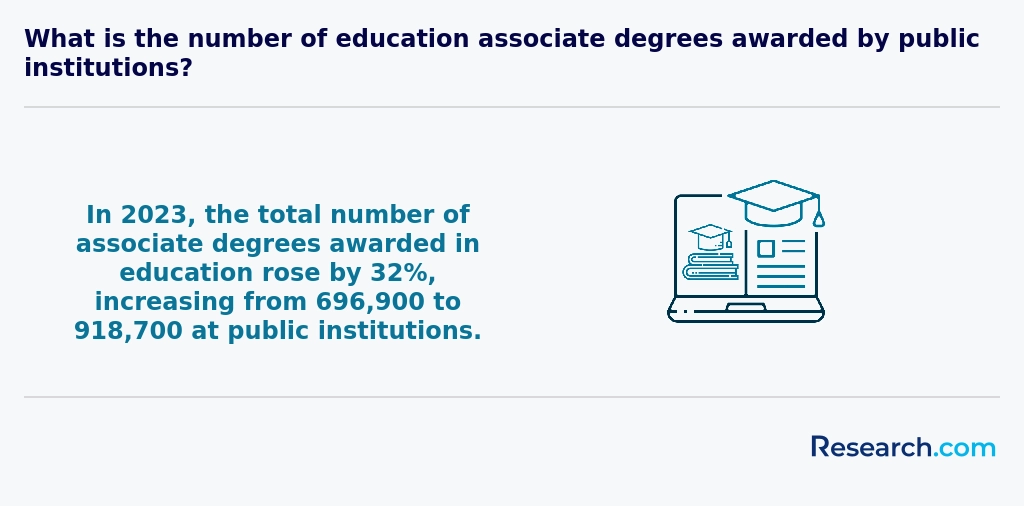
Earning an online master’s in education in Maryland means meeting both accreditation standards and state licensure rules to teach or lead schools. Most programs are CAEP-accredited and approved by the Maryland State Department of Education (MSDE), ensuring your degree qualifies you for certification.
Key steps to certification:
- Graduate from an MSDE-approved, CAEP-accredited program (30–36 credits)
- Pass required Praxis exams or approved alternatives
- Complete fingerprinting and background clearance through MSDE
- Submit official transcripts, test scores, and application with fees
- Maintain certification with continuing education credits
Before diving into a master’s, some educators build foundational skills with the easiest associate degree to get, then advance toward statewide credentials. Continuous professional development ensures your certification stays current in Maryland’s evolving education landscape.
Imagine a graduate at the University of Maryland juggling late-night study sessions with a part-time job, breathing a sigh of relief thanks to the Maryland Part-Time Grant easing the weight of tuition. This state-specific grant is a lifeline for those balancing life and learning in online education programs, making the dream feel within reach. Meanwhile, another student at Towson University eagerly fills out the FAFSA, unlocking access to federal student loans and work-study options that cushion the financial leap into grad school.
Delving deeper, institutional scholarships and assistantships await at many Maryland colleges, sometimes slicing tuition bills by half or more-an unseen treasure chest for determined scholars. Teacher loan forgiveness programs sprinkle extra hope over those aiming to teach in high-need areas, rewarding perseverance with up to $17,500 wiped from debt. And for those working while learning, local schools and nonprofits often act as unexpected allies, offering tuition reimbursements that turn dedication into tangible support.
Programs accredited by the Council for the Accreditation of Educator Preparation (CAEP) or NCATE meet Maryland State Department of Education standards for teacher licensure.
- CAEP and NCATE accreditation signals rigorous curriculum, experienced faculty and ongoing quality reviews.
- Maryland State Board approval guarantees eligibility for K-12 certification and seamless integration into public schools.
- Regional accreditation from the Middle States Commission on Higher Education ensures federal aid eligibility and credit transfer.
Verifying accreditation protects your career and financial investment. For more options on budget-friendly accredited programs, check out our cheapest online colleges.
Ready to dive into Maryland's online education degree? Picture yourself joining a vibrant community at institutions like Towson University or the University of Maryland, where the journey begins with a solid foundation: a bachelor's degree from a regionally accredited school, usually boasting a GPA around 3.0. Imagine a graduate from Salisbury University reflecting on their path-they uploaded official transcripts and, despite a slightly lower GPA, amplified their application with heartfelt letters of recommendation, turning a profile into a compelling narrative.
GRE scores? Often optional. Many graduates recall how experience in classrooms or previous advanced degrees waived that hurdle, opening doors to learning without standardized test stress. Visualize the candidate who, armed with teaching certification and a couple of years guiding eager learners, felt their professional journey recognized and valued right from the start.
Additional checks like foundational courses might greet those switching fields, but every step molds you closer to your educator dreams in Maryland's dynamic online programs.
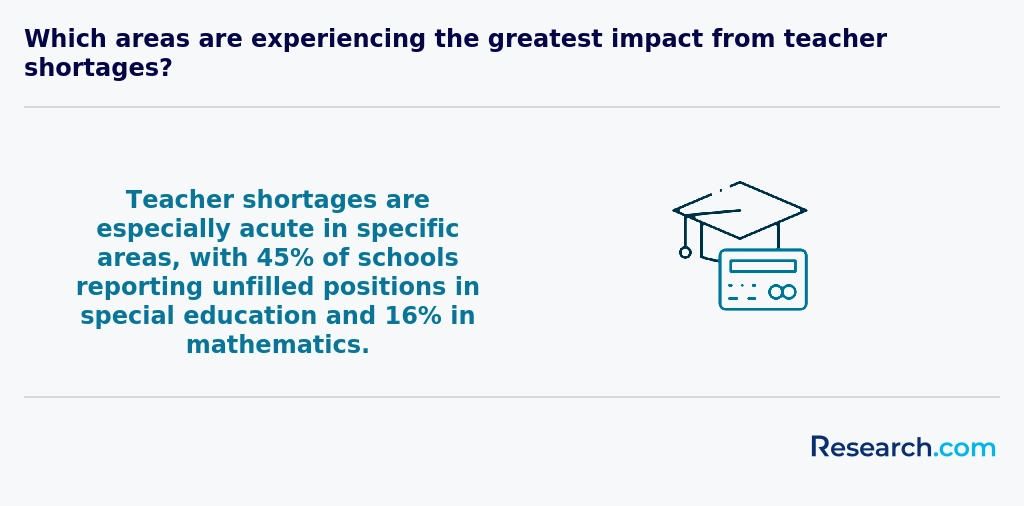
Navigating an online master’s program is not just about enrolling in courses-it’s also about tapping into a suite of support services that can enhance your academic journey and career prospects. Maryland’s online education institutions often offer robust resources, including dedicated academic advising, access to virtual tutoring, career counseling services, and a network of alumni to foster both personal and professional growth. These services can help you balance coursework with life’s other demands, streamline your study process, and ensure you remain engaged throughout your degree. For instance, some schools have special initiatives that connect students with industry professionals, creating mentorship opportunities that provide real-world insights into the education field. Additionally, many Maryland programs highlight their commitment to fostering collaborative online communities, much like those found at affordable education schools in maryland, where students are encouraged to participate in interactive webinars, discussion forums, and networking events. By prioritizing these support resources, you not only enhance your learning experience but also equip yourself with the tools necessary for long-term success in the dynamic field of education.
Imagine diving into courses like Foundations of Education, where graduates from Maryland's leading universities explore not just the history of teaching but the unique policies shaping classrooms right in their backyard. They recall lively online discussions about how Maryland's diverse communities influence educational approaches, making the theory feel alive and urgent.
Educational Psychology feels like unlocking the mystery of what makes students tick - graduates often share stories of realizing how emotional and social factors affect learning, which changed their view on classroom dynamics instantly. In Curriculum Design and Instruction, students craft lesson plans tailored to Maryland's multicultural classrooms, imagining themselves innovating teaching strategies that could engage kids from Baltimore to Annapolis.
Classroom Management courses buzz with practical tips that graduates say transformed their confidence, helping them visualize leading a positive, inclusive space. Meanwhile, Educational Technology sparks excitement, showing how digital tools can bring lessons to life in both city schools and rural areas. These courses blend heart and science, preparing teachers who truly get the Maryland classroom vibe.
Imagine diving into an online education degree in Maryland where each specialization opens a unique door to transform your teaching journey. Graduates from top institutions like the University of Maryland have found themselves empowered by the Curriculum and Instruction track, blending technology with innovative strategies to truly captivate today's digital learners. It's the kind of program that makes you excited to revamp lesson plans with fresh ideas.
For those drawn to leadership, Maryland's offerings in Educational Leadership and Administration prepare you to step confidently into roles as principals or district supervisors. Alumni often mention how courses in school law and policy made their transitions smoother, aligning perfectly with state licensure requirements.
Special education enthusiasts in Maryland shine by addressing diverse learner needs, mastering techniques compliant with IDEA laws. Meanwhile, online education degree specializations Maryland also branch into counseling, where the focus on mental health and ethical practices grounds graduates in real-world challenges.
Curious which path suits you best? Maryland's niche options like STEM education or literacy open exciting avenues, reflecting the state's push for innovation. If you're wondering about starting points or what are the easiest education degrees, Maryland's flexible programs let you tailor studies to your passions and career dreams.
Imagine setting out on your journey to earn the best online education degree Maryland has to offer. Picture a graduate from Towson University, juggling their full-time job while navigating asynchronous classes that bend perfectly around their schedule. The secret sauce? Regional accreditation that guarantees your credits won't vanish into a black hole when you transfer or apply for jobs across Maryland's public schools. Tailoring your degree to align with local teacher certification requirements can transform your career trajectory, just as recent graduates discovered when they specialized in curriculum development or educational leadership.
Affordability plays its part too-programs here offer competitive rates, often below national averages, making them a realistic choice. To dive deeper into cost-effective options, some turn to resources like the Cheapest Online Education Degree Programs Ranking in the Midwest. Those balancing life and study appreciate programs that blend flexibility with robust student support-virtual libraries, career counseling, and advising-much like the experience reported by alumni of the University of Maryland Global Campus. This holistic blend ensures not only a degree but a thriving educational journey in affordable education master's programs Maryland students seek.
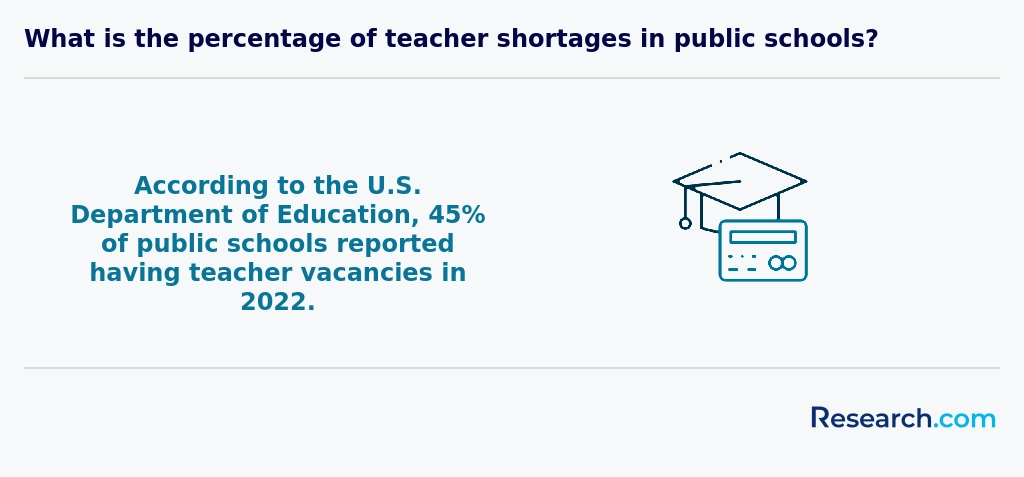
Graduates with an online education degree in Maryland step into a dynamic world where classrooms aren't just physical spaces but realms of endless possibility. Many become licensed K-12 teachers, energized by the chance to transform young minds in districts where Maryland's demand for math, science, and special education experts is ever-growing. Others find their calling beyond the chalkboard-as school administrators shaping the future of education through leadership roles, from principals to curriculum coordinators, often after sharpening skills at respected Maryland institutions that nurture their growth.
For those drawn to innovation, roles in instructional design and educational technology sparkle with potential, crafting engaging digital learning experiences that resonate especially well with Maryland's tech-forward campuses. Counseling and educational psychology careers provide a heartfelt path for graduates who want to support student well-being and development, blending theory with compassionate practice gained through online programs.
These career options illustrate why online education degree jobs Maryland graduates pursue feel both purposeful and adaptable. Many reflect on their journeys at local universities where the blend of flexible study and real-world application fuels their optimism. And for those curious about the financial side, Maryland's programs remain competitive, making it easier for students to join the ranks of top money making majors in education.
Graduates with an online education degree in Maryland often find themselves stepping into a thriving job market where their skills shine brightest. Imagine a recent graduate from a well-known Maryland university, now blending technological fluency with classroom leadership in a Baltimore public school. This blend is increasingly demanded as more districts embrace digital tools alongside traditional teaching. The Maryland job outlook for education graduates remains strong, with a hopeful 4% growth anticipated through 2030, especially in STEM and bilingual education fields.
Many graduates celebrate the advantage of Maryland's certification pathways, which their online programs often help them navigate smoothly. With K-12 teacher salaries averaging around $72,000 and additional incentives like tuition reimbursement in local districts, pursuing this path offers both purpose and financial reward. Students curious about affordable pathways to this career can explore the best accelerated online bachelor degree programs to jumpstart their journey.
Real-life stories from Maryland's campuses tell of graduates who confidently claim roles not just as educators but as instructional coordinators and tech specialists, adding layers of innovation to the classroom experience. The future is vibrant for those ready to embrace Maryland's evolving educational landscape.
2027 Most Affordable Online Master's in Education Degree Programs Ranking in Maryland
Investing in your education is a significant decision, and the Research.com team fully understands the importance of making well-informed choices. To support prospective students in Maryland, we have carefully developed the "2027 Most Affordable Online Master's in Education Degree Programs Ranking." Our commitment to quality, credibility, and accuracy is reflected in the comprehensive research and analysis undertaken to compile this ranking.
We utilized the following reputable data sources to ensure a thorough evaluation of programs:
By reviewing this ranking, readers will gain valuable insights into affordable and quality online master's programs in education, enabling them to make educated choices about their academic and professional futures. For a detailed explanation of our process, please visit our Research.com methodology page.

# 2 position
University of Maryland Global Campus
Master of Distance Education and E-learning

# 3 position
University of Maryland-Baltimore County
Master of Teaching English to Speakers of Other Languages (TESOL)

Frequently Asked Questions About education
Students pursuing online education degrees in Maryland can enhance their learning by actively engaging with course materials and regularly communicating with instructors. Maryland's higher education system, including institutions like Towson University and University of Maryland Global Campus, offers robust online platforms that support interaction and collaboration.
Scheduling consistent study times helps maintain discipline, especially for working professionals balancing multiple responsibilities. Utilizing Maryland's academic resources, such as virtual libraries and tutoring services, can improve understanding and retention.
Furthermore, joining online student groups or forums promotes peer support and networking, vital for professional growth. According to the Maryland Higher Education Commission, students who effectively use these strategies report higher satisfaction and completion rates in online programs.
The education field is evolving rapidly, with several emerging niches gaining attention in Maryland and beyond. One significant area is educational technology, which integrates digital tools to improve learning outcomes. As Maryland schools increasingly adopt hybrid and remote learning, demand for professionals skilled in edtech grows.
Another emerging niche is special education with a focus on mental health support. The Maryland State Department of Education highlights the need for educators trained to assist students with disabilities and emotional challenges.
Additionally, literacy specialists and curriculum developers are sought after to address diverse student needs, especially amid changing standards and demographic shifts. These niches reflect broader trends shaping education careers today.
Graduates with online education degrees in Maryland can enhance their job prospects by actively engaging with the local education community. Maryland's Department of Labor reports that education-related jobs are projected to grow by 5% through 2030, emphasizing the importance of strong professional networks.
Building a robust resume tailored to Maryland's school systems is essential. Highlighting student-teaching experiences and any state certification is beneficial, as Maryland requires licensure for many education positions. Additionally, pursuing internships or substitute teaching roles can provide valuable hands-on experience.
Utilizing Maryland's Job Centers and education-specific career fairs can connect graduates with employers. Also, staying current with Maryland-specific curriculum standards boosts readiness. According to the Maryland State Department of Education, familiarity with local policies increases job competitiveness in public schools.
Employers in Maryland increasingly seek education degree graduates who demonstrate strong communication and classroom management skills. According to the Maryland State Department of Education, effective interpersonal abilities are critical for engaging diverse student populations across urban and rural settings.
Additionally, proficiency with educational technology is highly valued, especially as schools adopt digital tools to enhance learning. Graduates skilled in creating inclusive lesson plans aligned with Maryland's College and Career Readiness Standards have a competitive edge.
Data from the U.S. Bureau of Labor Statistics highlights that problem-solving and adaptability are essential for addressing challenges typical in Maryland classrooms. Furthermore, collaboration with colleagues and families remains a top priority for employers statewide.
Finding internships in Maryland relevant to an education degree involves several steps. Start by exploring partnerships between online programs and local school districts, such as Baltimore City Public Schools or Montgomery County Public Schools, which often offer placement opportunities.
Maryland's Department of Education website provides listings of approved school internships and student teaching positions, a critical component for hands-on experience. Networking through professional organizations like the Maryland State Education Association can connect you with veteran educators and potential internship openings.
Many universities also maintain internship databases accessible to online students, helping match you with roles aligned to your specialization in education. Reviewing Maryland's labor market data will also highlight high-demand districts.
Obtaining an online education degree in Maryland significantly enhances career mobility and advancement opportunities. According to the Maryland State Department of Education, professionals with a master's degree in education earn approximately 20% more on average than those with only a bachelor's.
Online degrees provide flexibility, allowing working educators and professionals to upgrade qualifications without interrupting their careers. Maryland's Education Article § 6-401 emphasizes advanced certification requirements for leadership roles, often requiring graduate-level credentials.
Moreover, Maryland offers various teacher salary scales that reward higher education degrees, directly linking advanced qualifications to pay increases and promotional eligibility. This creates tangible incentives for career growth within the state's school systems.
Institutions like the University System of Maryland highlight that online master's programs align with Maryland Professional Certification standards, ensuring that graduates meet state criteria for licensure and advancement.
Studying for an education degree online in Maryland equips students with skills that extend beyond traditional classroom teaching, preparing them for interdisciplinary roles. Maryland institutions emphasize collaboration across fields such as psychology, technology, and social work. This approach reflects the state's focus on comprehensive education, supported by data from the Maryland Higher Education Commission, which highlights strong integration of cross-disciplinary courses in master's programs.
Students often engage in projects that require applying educational theories to healthcare, business, or community services. Online programs provide flexibility while ensuring exposure to diverse methodologies, which is vital for roles that blend education with other sectors. This prepares graduates for dynamic careers in various professional environments.
Choosing between a thesis and a non-thesis education degree program in Maryland depends on your career goals and academic interests. Thesis programs typically require original research and are ideal for students aiming to pursue doctoral studies or roles in education research. Non-thesis programs focus more on coursework and practical skills, fitting professionals seeking advanced knowledge without a strong research component.
Maryland's public universities, such as the University of Maryland system, often offer both options online. According to the Maryland Higher Education Commission, over 30% of graduate education students choose non-thesis paths due to their flexibility.
Consider the time commitment: thesis tracks usually take longer, involving a final research project, while non-thesis programs may be completed quicker through additional classes or internships.
Students based in Maryland who wish to study education abroad through online degree programs have several credible options. Many U.S. universities with Maryland accreditation offer fully online master's degrees in education, enabling students to complete coursework remotely while meeting state certification requirements.
The Maryland Higher Education Commission (MHEC) supports these online pathways and verifies out-of-state programs to help ensure quality and transferability of credits. According to recent MHEC data, over 20 institutions provide approved online education programs accessible to Maryland residents.
Additionally, some programs incorporate international study components or global education perspectives, enriching the curriculum without requiring travel. This approach suits those seeking international exposure alongside flexible online learning.
Maryland offers various part-time job opportunities that align well with education degree studies. Positions such as teacher aides, substitute teachers, and tutoring roles provide practical experience while supporting academic growth. According to the Maryland Department of Labor, education-related job growth is expected to increase by 8% through 2030, especially in K-12 settings.
Additionally, many school districts in Maryland hire part-time staff for after-school programs and summer learning initiatives. These roles help students gain firsthand experience working with diverse youth populations. Online education students can also explore virtual tutoring and curriculum development jobs, which offer flexibility and relevant skill-building.
Online education students in Maryland have several networking opportunities that can enhance their academic and professional growth. Many universities, such as the University of Maryland Global Campus, offer virtual networking events, discussion boards, and student organizations specifically for online learners. These platforms allow students to connect with peers and faculty throughout the state.
Additionally, Maryland's education sector is supported by organizations like the Maryland State Department of Education and regional chapters of national groups such as the Association for Supervision and Curriculum Development (ASCD). Online students can join these groups to access workshops and conferences.
Local online degree students also benefit from alumni networks and partnerships with Maryland school districts for internships and practicum placements, which foster direct professional connections.
Alumni networks offer valuable benefits to online education degree students in Maryland by providing connections that enhance career growth. Graduates from Maryland's institutions often join active networks, gaining access to job postings, mentorships, and professional development events. According to the Maryland Higher Education Commission, about 65% of employed graduates found their jobs through networking opportunities, highlighting the importance of alumni ties.
These networks also foster a sense of community despite the virtual learning environment. Students can engage with peers and experienced educators in forums and workshops. This interaction supports both academic success and long-term professional relationships specific to Maryland's education sector.
Customizing an online education degree program in Maryland allows students to align their studies with specific career goals. Many Maryland institutions offer flexible course selections, enabling students to choose concentrations such as curriculum design, educational leadership, or special education. This flexibility supports diverse career paths.
Additionally, Maryland follows the guidelines of the Maryland Higher Education Commission, ensuring programs meet state standards while offering options like practicum placements or licensure tracks. According to the Maryland State Department of Education, integrating field experiences is key for practical skill-building.
Students can also benefit from credit transfers, accelerated courses, or certificates to enhance their expertise and employability within the Maryland education system.
Online education students in Maryland often face unique challenges related to access and engagement. According to the Maryland Higher Education Commission, about 20% of Maryland students report difficulties with reliable internet access, which can hinder participation in virtual classes.
Many students struggle with balancing work, family, and study commitments. This is especially true since Maryland's median age for graduate students is higher than the national average, indicating more students juggle multiple responsibilities.
Another common challenge is feeling isolated. Without regular face-to-face interaction, students may find it harder to connect with peers and instructors, affecting motivation and academic success.
Lastly, navigating financial aid and understanding program accreditation remain concerns for prospective online learners in Maryland's evolving education landscape.
With an online education degree in Maryland, you can pursue several professional certifications that enhance your qualifications and career opportunities. Common certifications include the Maryland Teacher Certification, required for public school educators and administered by the Maryland State Department of Education (MSDE).
Other options include the National Board Certification, a highly regarded credential that advances teaching skills and earning potential. Maryland educators holding a master's degree often pursue certifications in special education, school counseling, or educational leadership.
Additionally, credentials such as the Reading Specialist Certification and Principal Certification are attainable with an education degree and are in demand across Maryland's schools.
These certifications comply with state standards and often require passing exams along with pedagogical experience. They reflect Maryland's commitment to maintaining highly qualified professionals in its education system according to the latest MSDE data.
Writing a winning application for an online education program in Maryland starts with thorough research. Applicants should clearly demonstrate their commitment to advancing education through a well-crafted personal statement. Highlighting relevant experience, such as teaching or educational support roles, strengthens the application. According to the Maryland Higher Education Commission, Maryland offers a variety of affordable online education programs, so tailoring your application to align with the specific institution's mission is crucial.
Include accurate and up-to-date academic transcripts showing strong performance in education-related courses. Additionally, securing strong letters of recommendation from professional educators can enhance your credibility. Demonstrate your readiness for online learning by describing your time management skills and familiarity with digital tools commonly used in Maryland-based programs.
Education careers in the United States, including Maryland, are increasingly viewed through a global lens. According to the U.S. Department of Education, Maryland ranks among the top states for teachers with advanced degrees, reflecting a strong local emphasis on education quality. Globally, educators are expected to adapt to diverse classrooms and emerging technologies, making online degrees in education attractive for their flexibility and relevance.
Internationally, the demand for skilled educators is rising, especially in countries aiming to improve literacy and access to education. Maryland's online education programs prepare students to meet both local and global challenges by incorporating best practices from worldwide educational research.
Students pursuing an online education degree in Maryland can gain practical experience through several key avenues. Many Maryland universities require fieldwork or student teaching hours as part of their certification programs, ensuring hands-on experience despite the online format. For example, the Maryland State Department of Education mandates a minimum number of supervised practicum hours for teacher candidates.
Additionally, partnerships between online programs and local Maryland schools provide placement opportunities nearby. Some institutions also encourage internships in educational settings or community organizations, which can be completed locally. These experiences help students apply theory to practice and meet Maryland certification requirements.
According to data from the Maryland Higher Education Commission, approximately 70% of online education degree programs include practical components aligned with state standards, making it feasible to gain valuable real-world experience while studying remotely.
Choosing the right concentration within an online education degree program in Maryland starts with understanding your career goals. Research the demand for specific specialties in Maryland's job market. For example, special education and instructional technology are growing fields supported by the state's education department data.
Consider your previous experience and interests. If you enjoy working with diverse learners, a concentration in special education may fit well. For those interested in educational leadership, Maryland offers pathways aligned with state certification requirements.
Review program accreditation and curriculum to ensure it meets Maryland's professional standards. Also, evaluate flexibility and support services given the online format. Consulting resources such as the Maryland Higher Education Commission can provide updated program listings and guidelines.
- 2027 Most Affordable Online Master's in Education Degree Programs Ranking in Virginia
- 2027 Most Affordable Online Master's in Education Degree Programs Ranking in Pennsylvania
- 2027 Most Affordable Online Master's in Education Degree Programs Ranking in New Jersey
- 2027 Most Affordable Online Master's in Education Degree Programs Ranking in New York
- 2027 Most Affordable Online Master's in Education Degree Programs Ranking in Ohio
- 2027 Most Affordable Online Master's in Education Degree Programs Ranking in North Carolina
- 2027 Most Affordable Online Master's in Education Degree Programs Ranking in Kentucky
- 2027 Most Affordable Online Master's in Education Degree Programs Ranking in South Carolina
- 2027 Most Affordable Online Master's in Education Degree Programs Ranking in Massachusetts
- 2027 Most Affordable Online Master's in Education Degree Programs Ranking in Indiana
See What Experts Have To Say About Studying Education
Read our interview with Education experts


Nooshan Ashtari
Education Expert
Professor & Book Author
University of Southern California

- The Advantages of Studying an Online Degree https://www.falmouth.ac.uk/news/advantages-studying-online-degree
- 10 of the biggest problems facing education today https://www.concern.net/news/problems-with-education-around-the-world
- Teaching Job Roles | Teach For Life https://www.teachforlife.com/teachingjobs/global-perspectives-teacher
- 10 Reasons Why Education Helps to Advance Your Career - Insight Training https://insight.edu.au/blog/career-advancement-through-education/
- What Employers Actually Want From Graduates https://bodyswaps.co/resources/blog/what-employers-actually-want-from-graduates
- Guide to Online Education Degrees | OEDb.org https://www.oedb.org/rankings/online-education-programs/
- Promising Niches in the Global EdTech Landscape - Blog https://rocketech.it/blog/post/global-edtech-landscape-what-niches-are-the-most-promising
- What Can I Do With a Teaching Degree (Besides Teach)? https://www.alleducationschools.com/blog/what-can-i-do-with-a-teaching-degree-besides-teach/
- Maryland Financial Aid | College Fair Guide https://www.collegefairguide.com/state-financial-aid/maryland-financial-aid
- Know more about thesis vs non- thesis: what is the difference? https://studyfans.com/en/blogs/816


