
2027 Most Affordable Online Master's in Education Degree Programs Ranking in Charlotte, NC

Co-Founder and Chief Data Scientist
For those in Charlotte considering an online master's degree in education, finding an affordable and quality program can feel overwhelming.
This article presents the 2027 Most Affordable Online Master's in Education Degree Programs Ranking in Charlotte, NC, crafted by the Research.com team of data scientists to guide you through the best options available.
By exploring this ranking, you'll discover programs that fit your budget without sacrificing quality, helping you invest wisely in your future.
Advancing your education opens doors to new opportunities, and this guide aims to support your journey confidently.
Key benefits of getting online education degree in Charlotte
- Education degree graduates in Charlotte can expect rewarding salaries, such as Education Managers earning around $129,330 annually and Curriculum Specialists making approximately $77,200 per year.
- Potential career paths include roles like Higher Education Professor or Education Consultant, offering diverse opportunities for growth and impact within schools, colleges, or education programs.
- Online education degrees provide flexibility and convenience, allowing graduates to balance work and study effectively, as seen in successful online graduates from local institutions who advance their careers without pausing their lives.
- 2027 Most Affordable Online Master's in Education Degree Programs Ranking in Charlotte, NC
- What can I expect from online education degree in Charlotte?
- Where can I work with online education degree in Charlotte?
What can I expect from online education degree in Charlotte?
The average cost of an online education degree in Charlotte typically ranges between $300 and $600 per credit hour, making it an affordable choice compared to national averages. Many graduates from popular institutions such as the University of North Carolina at Charlotte appreciate this balance of quality and cost. One recent graduate shared how manageable tuition allowed them to pursue a master's degree without financial strain while working full-time.
Public universities in Charlotte often offer lower rates for in-state students, which can significantly reduce the overall expenses of completing a degree. For example, a bachelor's degree requiring around 120 credit hours could cost roughly $36,000 or less at these rates.
Students benefit from accessible payment plans and sometimes financial aid options, helping to cover tuition while focusing on their studies. This affordability paired with flexible schedules creates a positive, stress-reducing experience, helping students stay motivated and confident throughout their program.
Where can I work with online education degree in Charlotte?
Graduates with an online education degree in Charlotte often find rewarding careers within Charlotte-Mecklenburg Schools, one of the largest employers in the area. Many have landed roles as classroom teachers, curriculum specialists, or instructional coaches, thriving by applying skills gained from local programs at institutions like the University of North Carolina at Charlotte.
Others use their expertise in educational technology and curriculum development-areas emphasized in online courses-to secure positions at Central Piedmont Community College, working in academic advising or instructional design. These roles allow graduates to feel directly connected to student success and institutional growth.
Nonprofit organizations in Charlotte focused on literacy and youth development also attract graduates who enjoy creating impactful training programs or managing community outreach. Graduates often describe the fulfillment they get from contributing to workforce development and adult education projects in such settings.
With Charlotte's economy growing steadily, education graduates report a hopeful outlook, knowing their skills are in demand across K-12, higher education, nonprofits, and corporate training, offering diverse pathways to professional growth.
Graduates with an online education degree in Charlotte can expect competitive salaries in various roles, especially when leveraging local institutions like the University of North Carolina at Charlotte or Johnson & Wales University. For instance, Education Managers earn a mean annual wage of $129,330, making this a highly lucrative path for those seeking leadership roles in schools or educational organizations.
Positions such as Education Program Managers offer strong earning potential too, with an average salary of $104,920 annually. Graduates often appreciate how these roles allow them to directly influence curriculum and policy, bringing meaningful change to Charlotte's educational landscape.
A typical career as a Higher Education Professor in the region earns around $96,570 per year, which appeals to those passionate about teaching at colleges. Furthermore, jobs like Curriculum Specialists earn an average of $77,200 annually, ideal for graduates focused on developing effective learning materials and strategies.
Education Consultants, earning about $95,600, highlight how versatile an online education degree can be, enabling roles in advisory capacities with schools and organizations. Many Charlotte graduates report satisfaction with how quickly they transition into these well-paying positions after completing their online studies locally.
- Online master's degrees in education in Charlotte cost between $12,000 and $25,000 for in-state students.
- Early-career salaries for education graduates start around $50,000 to $55,000 annually.
- Experienced educators and administrators can earn between $70,000 and $85,000 per year.
- Charlotte's job market for education professionals is stable with growing demand for specialists in special education, STEM, and educational technology.
- Accreditation by recognized bodies like CAEP is important for certification and employment in North Carolina.
- Online degrees align with North Carolina licensure requirements, easing the path to teaching credentials and advanced roles.
Completing an online education degree in Charlotte typically takes between 18 months and 3 years, depending on your chosen pace and program format. Graduates from the University of North Carolina at Charlotte often share how flexible 8-week accelerated terms helped them finish faster while balancing work and family. Others enrolled part-time, taking closer to 3 years but appreciating the ability to learn without disrupting daily responsibilities.
Many programs require 30 to 36 credit hours, and transferring credits from previous coursework can further reduce your timeline. For example, a busy teacher pursuing licensure found that applying prior credits cut down her course load significantly, allowing her to graduate sooner.
Certificate options offer even quicker pathways, lasting just a few months up to a year, ideal for professionals seeking specific skills without full degree commitment. Charlotte's online education programs emphasize flexibility and accreditation, making it practical to earn your degree while staying local and connected to the community.
Earning an online master’s in education is only the first step toward a successful teaching career in Charlotte, NC; graduates must also satisfy North Carolina’s licensure and certification requirements to teach in public schools. First, ensure your program is approved by the North Carolina Department of Public Instruction (NCDPI) and regionally accredited by a body such as the Southern Association of Colleges and Schools Commission on Colleges (SACSCOC). Next, complete all required coursework, including at least 12 credit hours in your intended licensure area and supervised student teaching or internship hours as stipulated by NCDPI. Candidates must pass the relevant Praxis® exams or the edTPA performance assessment for their specialization-scores vary by subject and grade level, so review the NCDPI passing standards carefully. After passing these assessments, submit an online application through the NCDPI Educator Certification Online System, provide official transcripts, and complete a criminal background check. Upon approval, you’ll receive a North Carolina Teaching License, valid for five years and renewable via professional development units or graduate credits. For budget-conscious students exploring affordable online education degrees outside Charlotte, it’s helpful to compare cost benchmarks; for instance, the Cheapest Online Education Degree Programs Ranking in Fort Lauderdale, FL showcases alternative programs that meet rigorous accreditation and licensure standards. By understanding these certification steps early, prospective educators can align their program choices with North Carolina’s requirements and streamline their path to the classroom.
Online education degrees in Charlotte offer flexible study schedules, perfect for busy individuals balancing work and family. Graduates from the University of North Carolina at Charlotte often share how the ability to access coursework anytime minimized stress and avoided daily commutes, making their education journey smoother and more manageable.
Conversely, on-campus programs provide a more traditional experience with face-to-face classes and direct access to campus resources like libraries and counseling, which many students at Queens University of Charlotte find invaluable for building stronger connections with peers and professors.
Cost differences also matter. Online students typically save on housing and transportation expenses, while on-campus learners invest more time and money in campus life. Both formats maintain similar quality if the program is CAEP-accredited, ensuring that online students earn recognized credentials for teacher licensure in North Carolina.
Online master’s in education programs in Charlotte, NC, are held to rigorous standards through regional and national accreditation bodies-most notably the Southern Association of Colleges and Schools Commission on Colleges (SACSCOC) and the Council for the Accreditation of Educator Preparation (CAEP). In addition, each program must receive approval from the North Carolina Department of Public Instruction (NCDPI) to align courses with state licensure requirements. These endorsements not only guarantee that your degree will be recognized by school districts nationwide but also ensure seamless credit transfer should you pursue further graduate study. Charlotte’s top affordable online programs integrate targeted Praxis® exam preparation directly into the curriculum. For example, courses in Educational Psychology, Assessment and Evaluation, and Curriculum Development are mapped to core competencies tested on licensure exams. Recent cohorts at institutions like UNC Charlotte report pass rates exceeding 90% on elementary education licensure assessments, while Queens University of Charlotte and Johnson C. Smith University maintain competitive success rates above 85%. This consistent performance underscores the efficacy of structured exam review sessions, dedicated faculty-led workshops, and on-demand practice materials. Furthermore, before enrolling, verify that the program offers clear guidance on completing required field experiences and submitting licensure applications to NCDPI. Many online programs facilitate virtual student teaching placements and partner with local school districts for supervised practicum hours, giving you real-world classroom exposure. For those comparing accreditation and cost across regions, you may also find value in reviewing the Cheapest Online Education Degree Programs Ranking in Fort Lauderdale, FL, which highlights similarly accredited, budget-friendly options in another state.
The average cost of an online education degree in Charlotte can vary, but data shows the median total expense is around $12,258. For many in-state students, the cost significantly drops with a median in-state total of about $3,012, making programs at institutions like UNC Charlotte more accessible. Out-of-state students should anticipate higher costs, with median fees near $10,920, reflecting broader tuition differences.
Graduates from Charlotte universities often share how their investment paid off by balancing work and study, enjoying the flexibility of online programs while managing expenses. For example, at UNC Charlotte, online master's tuition typically comes to about $475 per credit hour, which keeps the total within a reasonable range of $14,000 to $18,000 for a full program. Meanwhile, schools like Queens University offer a more premium experience with tuition around $825 per credit hour, reaching totals over $27,000, appealing to those seeking specialized or private education options.
Understanding the average cost online education degree Charlotte NC involves recognizing potential additional expenses, such as technology and materials fees, which are usually modest but worth budgeting for. Many students enhance affordability by tapping into scholarships or employer tuition reimbursement programs. For those exploring career advancement through education, the investment in an online degree can bring both personal and professional growth.
For detailed career pathways and cost-benefit insights, consider visiting https://research.com/careers/education-careers to explore opportunities related to education degrees.

Students pursuing online education degrees in Charlotte have access to a variety of financial aid opportunities that make earning their degree more affordable. Many graduates from institutions like UNC Charlotte rely on federal aid by completing the FAFSA to secure Pell Grants and Direct Loans, which ease upfront tuition costs.
State-specific scholarships such as the North Carolina Education Lottery Scholarship offer substantial support for in-state students, reducing the financial burden significantly. Those attending local universities often find institutional grants and merit-based scholarships that reward academic achievement, helping students feel confident about their investment in education.
Several students benefit from employer tuition reimbursement programs offered by Charlotte's school districts, allowing teachers to advance their degrees while managing expenses. Local education foundations and professional organizations also provide targeted grants, often unlocking extra funding that graduates say feels like a tangible boost during their studies.
Applying early across these multiple aid sources is a proven strategy used by successful online learners in Charlotte, ensuring they maximize all available support and reduce stress while focusing on their courses.
When considering an online education degree, particularly in Charlotte, NC, it's essential to weigh the various factors that contribute to a program's quality and affordability. For prospective students looking to invest in their educational future, understanding the nuances of online education programs can significantly impact their career prospects and financial stability. In Charlotte, NC, students can find a range of online education programs tailored to different interests and career goals, from early childhood education to educational leadership. To find the most affordable options, one can explore the cheapest online education schools in north carolina, which provide valuable insights into cost-effective education pathways. By conducting thorough research and considering factors such as accreditation, institutional reputation, and flexibility in learning formats, students can make informed decisions about their educational investments. This approach not only ensures that students find programs that align with their academic and professional aspirations but also helps them navigate the complex landscape of online education, ultimately leading to more fulfilling and successful careers in education.
To enroll in an online education degree program in Charlotte, you'll generally need a bachelor's degree from an accredited institution, which doesn't always have to be in education. Many graduates from universities like UNC Charlotte share how their diverse academic backgrounds - coupled with a solid GPA around 2.5 to 3.0 - helped them meet this key requirement without stress. Official transcripts are essential, serving as proof of your academic history, so make sure to request those early to avoid delays.
Standardized tests such as the GRE may be waived by some programs, especially post-pandemic, so checking specific university policies, like those at Queens University of Charlotte, can save you time and effort. Letters of recommendation often come into play for advanced degrees; graduates often highlight how a professor's or supervisor's endorsement propelled their applications forward.
For master's programs, some institutions value relevant professional experience in education or related fields. Those balancing work and study find this practical experience enhances their learning and confidence as future educators in Charlotte's vibrant school system.

Online master’s in education programs in Charlotte, NC, must hold regional accreditation from the Southern Association of Colleges and Schools Commission on Colleges (SACSCOC) to ensure academic rigor, federal financial aid eligibility, and statewide recognition. In addition, approval by the North Carolina Department of Public Instruction (NCDPI) confirms that curriculum and practicum components satisfy state licensure requirements for initial teaching certification or advanced endorsements. Specialized accreditations-such as those from the Council for the Accreditation of Educator Preparation (CAEP) or the National Council for Accreditation of Teacher Education (NCATE)-further validate program quality in areas like special education, educational leadership, and instructional design. Prospective students should verify that their chosen online program includes embedded support for passing the Praxis Core and Praxis II exams, as well as structured practicum or internship experiences that fulfill the mandated hours for the Standard Professional 1 (SP1) license. Programs offering integrated exam prep and mentorship can significantly streamline the path from graduation to full teacher certification, reducing both time and out-of-pocket exam costs. Beyond North Carolina, understanding how accreditation influences affordability and outcomes in other regions can be insightful. For a comparative perspective on accredited, budget-friendly programs, explore our Cheapest Online Education Degree Programs Ranking in Fort Lauderdale, FL. This resource highlights the interplay between accreditation status and tuition costs in a different market, helping you make a more informed decision about where to invest in your teaching career.
Online education degree programs in Charlotte consistently include practical courses designed to prepare students for real-world teaching and leadership roles. Graduates from popular institutions like the University of North Carolina at Charlotte often highlight foundational classes such as Educational Psychology, where they learned how to understand different learning styles and adapt lessons to diverse classrooms.
Core courses like Curriculum Development and Instruction help students develop effective lesson plans, while Classroom Management provides strategies to maintain a respectful, engaging environment-skills that recent graduates say were immediately useful during their student-teaching experiences.
Many students at Central Piedmont Community College appreciate courses on Technology Integration in Education, where they gain hands-on experience with educational technology tools, enhancing both in-person and remote learning.
Specialized areas such as special education or educational leadership allow students to tailor their studies. Aligning coursework with North Carolina's state licensure requirements ensures graduates feel confident and prepared for certification and employment in Charlotte's schools.

Online education degree specializations Charlotte NC commonly include Early Childhood Education, Educational Leadership and Administration, Special Education, Curriculum and Instruction, Reading and Literacy Education, and Educational Technology. Graduates from popular colleges in Charlotte often share how specializing in Educational Leadership helped them confidently transition into school administration roles, while others highlight the practical skills gained in Special Education to better support diverse learners in classroom settings.
Students pursuing these programs at well-known Charlotte institutions appreciate the real-world applicability of their coursework. For example, those focusing on Educational Technology report feeling empowered to implement innovative digital tools, enhancing engagement in local classrooms. Choosing a specialization that aligns with your career goals and Charlotte's job market trends can be decisive.
If you want a strong foundation, consider exploring options such as early childhood education through recognized routes like early childhood education degreerankings, which many Charlotte learners use to find reputable programs suited to their ambitions.
Accreditation is the first factor to check when selecting the best online education degrees Charlotte NC offers. Graduates from popular schools such as the University of North Carolina at Charlotte often emphasize how CAEP accreditation assured them of quality education and smooth licensure processes. Flexibility is another key consideration; many working professionals appreciate programs with asynchronous learning that fit their busy schedules without sacrificing support services like online tutoring and career counseling.
Cost plays a decisive role, especially for those seeking affordable master's in education programs Charlotte residents favor. Public universities in the area typically offer competitive tuition rates for in-state students. Exploring financial aid, scholarships, or employer reimbursement helps reduce expenses effectively. One graduate shared how budgeting for these expenses made their degree manageable alongside work commitments.
Look closely at program curriculum and specializations aligning with your goals. Whether focusing on educational leadership or curriculum design, choosing up-to-date courses enhances your skills for real-world classroom challenges. For those interested in more targeted options, exploring the best elementary education degrees online available locally can provide a clearer pathway.

Graduates with an online education degree in Charlotte have diverse career opportunities. Many become licensed teachers in Charlotte-Mecklenburg Schools, one of the largest districts in the country, allowing them to make a meaningful impact on local K-12 students. Others find rewarding roles as education administrators, such as principals or curriculum coordinators, where they apply leadership skills gained through advanced online programs. Careers in educational technology and instructional design are also growing, especially with Charlotte's focus on integrating digital tools in classrooms.
Some graduates specialize in special education, meeting the high demand for trained professionals in this field. Others explore positions outside traditional schools, including corporate training or adult education, leveraging skills in curriculum development and learner assessment learned online. Many graduates from popular Charlotte universities share how these roles offer both personal fulfillment and career stability.
For those concerned about cost, exploring options for financial aid for teaching masters can make pursuing an online education degree jobs in Charlotte NC more accessible and affordable.
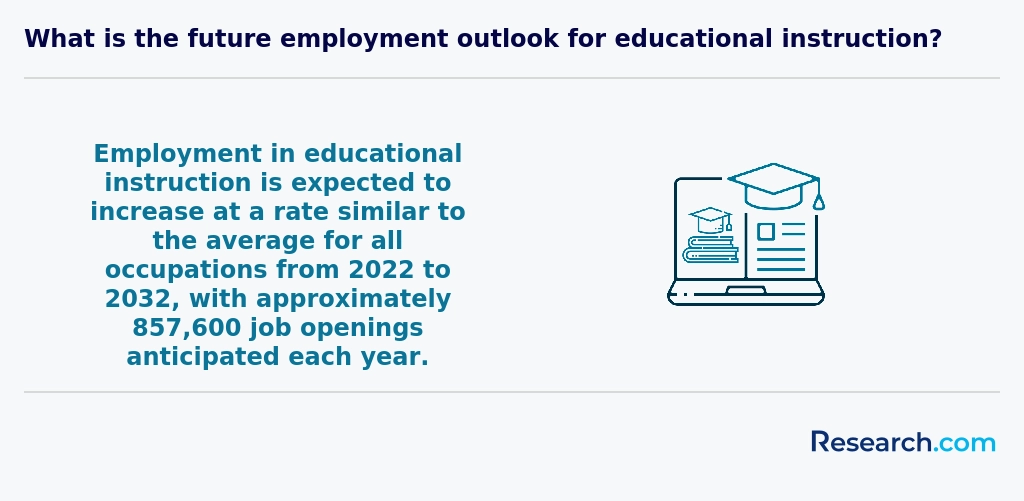
The job market for online education degree graduates in Charlotte is strong and steadily expanding. Many graduates from well-known local universities find rewarding careers within the Charlotte-Mecklenburg School district, the second-largest in North Carolina. This district frequently hires for roles such as elementary and secondary school teachers, special education instructors, and educational administrators. Graduates often share positive experiences about how their online degrees prepared them well for state certification and real classroom challenges, making the transition into teaching careers smoother.
For those exploring teaching career opportunities Charlotte North Carolina offers, high-need areas like STEM and special education present excellent entry points with stable demand. Salaries for teachers generally range from $57,000 to $62,000, while administrators typically earn above $90,000, reflecting competitive compensation for the region. Financial aid and tuition reimbursement programs at popular institutions supporting online students make pursuing these roles even more accessible.
Students interested in understanding what are the types of education degrees available online can explore tailored programs that align with their career goals through resources like what are the types of education degrees. This ensures candidates can choose paths that best fit local employment opportunities.
2027 Most Affordable Online Master's in Education Degree Programs Ranking in Charlotte, NC
Investing in your education is a significant decision that can shape your future, and the Research.com team understands the importance of making informed choices. To assist prospective students in Charlotte, NC, we have meticulously crafted the "2027 Most Affordable Online Master's in Education Degree Programs Ranking in Charlotte, NC." Our commitment to quality, credibility, and accuracy is reflected in the extensive research and analysis conducted to compile this ranking.
We utilized the following reputable data sources to ensure a comprehensive evaluation of education programs:
By exploring this ranking, readers will gain valuable insights into the most affordable and reputable online master's in education programs available in Charlotte, helping them make confident and informed decisions about their educational investments. For further details on our ranking process, please visit our Research.com methodology page.
# 1 position
The University of North Carolina at Charlotte
Master of Special Education (K-12) General/Adapted Curriculum


Frequently Asked Questions About education
Online education degree students in Charlotte can enhance their learning by actively engaging with course materials and participating in virtual discussions. Research from the National Center for Education Statistics highlights that students who interact regularly with peers and instructors tend to achieve higher performance.
Setting a consistent study schedule is essential. Charlotte's busy professionals benefit from time management strategies, balancing work and study efficiently. Utilizing local resources, like the Charlotte Mecklenburg Library's online databases, provides valuable academic support.
Additionally, students should leverage technology effectively, ensuring reliable internet access and familiarity with learning platforms like Canvas or Blackboard. According to the U.S. Census Bureau (2023), over 90% of Charlotte households have internet access, supporting this approach.
Finally, seeking out virtual tutoring and academic advising through licensed Charlotte institutions can personalize learning paths and improve outcomes.
The education field is rapidly evolving, with new niches emerging to meet modern demands. In Charlotte, online education degrees often focus on areas like educational technology, special education, and ESL (English as a Second Language) instruction. According to the Charlotte Regional Education Report (2023), there is increasing demand for professionals skilled in digital learning tools and inclusive classroom strategies.
Another growing niche is data-driven instruction, where educators use analytics to tailor teaching approaches. Additionally, programs in curriculum design specifically for online platforms are gaining popularity among Charlotte students. These specializations address current workforce needs and prepare graduates for diverse roles in K-12 and higher education settings.
Overall, these emerging areas reflect broader national trends identified by the U.S. Department of Education, highlighting technology integration and equity-focused teaching as key priorities.
After completing an online education degree in Charlotte, it is crucial to develop a clear strategy to enter the local job market. Start by connecting with Charlotte-based school districts and educational organizations, such as Charlotte-Mecklenburg Schools, which employs over 15,000 educators. Networking through local education job fairs and professional associations like the North Carolina Association of Educators can open doors.
Additionally, obtaining relevant teaching certifications required by North Carolina's Department of Public Instruction is essential. Gaining experience through internships or substitute teaching in Charlotte-area schools can strengthen your resume. Use online platforms and Charlotte-focused job boards to track opportunities.
Finally, tailor your resume to highlight skills in remote teaching and digital tools, as these competencies are in demand nationwide.
Employers in Charlotte seeking graduates with education degrees prioritize a mix of practical and interpersonal skills. According to the Charlotte-Mecklenburg Schools district, critical skills include classroom management, effective communication, and proficiency in educational technology. These competencies help teachers create engaging and organized learning environments.
Data from the North Carolina Department of Public Instruction highlights that adaptability and cultural responsiveness are also essential due to Charlotte's diverse student population. Graduates who demonstrate strong collaboration abilities and data-driven decision-making are more competitive in the job market.
Understanding state curriculum standards and inclusive teaching practices further differentiates candidates, reflecting evolving educational priorities in Charlotte's schools.
Finding education-related internships in Charlotte begins with exploring local school districts like Charlotte-Mecklenburg Schools, which often offer practical opportunities for education degree students. Many internships focus on classroom assistance, curriculum development, or special education support. Networking through university career centers and education departments is crucial; institutions such as the University of North Carolina at Charlotte provide connections to local schools and nonprofits.
The Charlotte region has a growing education sector, with over 140 public schools and numerous private institutions, increasing internship availability. Job boards like Handshake and platforms linked to professional organizations can also help locate openings specifically for education majors.
Additionally, contacting education-focused nonprofits and after-school programs in Charlotte can provide internship possibilities tied to community outreach and youth development initiatives. Timing applications during the academic calendar and maintaining clear communication with potential supervisors enhances success in securing these roles.
An online education degree can significantly enhance career mobility and advancement opportunities for professionals in Charlotte. According to the Charlotte Chamber of Commerce, the education sector in the region is growing rapidly, with schools and institutions actively seeking qualified educators and administrators.
Completing an online degree offers flexibility, allowing working professionals to gain advanced credentials without interrupting their careers. This flexibility contributes to career progression, as many Charlotte school districts require or strongly prefer candidates with master's degrees for leadership roles.
Research from the U.S. Bureau of Labor Statistics shows that educators with a master's degree in education have better job stability and earn approximately 20% more than those with only a bachelor's degree. In Charlotte, this salary differential supports upward mobility in school leadership positions and specialized educational roles.
Furthermore, online education programs often include updated curricula that align with current Charlotte educational standards, helping graduates meet local licensure requirements and qualify for promotions.
Studying for an education degree in Charlotte offers strong preparation for interdisciplinary roles by integrating diverse teaching methods and subject knowledge. Programs emphasize collaboration across fields such as psychology, technology, and special education. This approach equips graduates to work effectively in various educational settings.
Charlotte's universities include coursework focusing on educational technology, curriculum design, and leadership, often reflecting local community needs. According to the Charlotte-Mecklenburg Schools district, nearly 40% of students benefit from specialized support services, highlighting the demand for educators skilled in multiple disciplines.
Online education degrees in Charlotte also provide practical experiences, such as virtual collaborations and internships, allowing students to apply interdisciplinary strategies in real-world contexts.
When choosing between a thesis and a non-thesis education degree program in Charlotte, consider your career goals first. Thesis programs typically suit students interested in research, academia, or doctoral studies. They require conducting original research and writing a formal thesis, which can take extra time.
Non-thesis programs focus more on coursework and practical application, often appealing to professionals aiming to advance their teaching or administrative careers quickly. According to the National Center for Education Statistics, many Charlotte programs offer both options, allowing flexibility.
Evaluate your time availability, learning preferences, and desired outcomes before deciding. Speak with advisors at Charlotte institutions for detailed guidance.
Students in Charlotte interested in studying education abroad through online degrees have several options. Many accredited universities across the United States offer fully online Master's in Education programs, allowing Charlotte residents to engage with international faculty and curricula without leaving the city. While direct "study abroad" experiences are limited in fully online programs, some schools incorporate global education perspectives and virtual exchange opportunities.
Charlotte's growing educational infrastructure, including resources from the University of North Carolina at Charlotte, supports students seeking flexible learning with global relevance. According to NCES data, over 30% of North Carolina graduate students now enroll in online programs, reflecting this trend. This means access to diverse international pedagogical methods while studying locally.
Part-time job opportunities in Charlotte that complement education degree studies include roles such as teaching assistants, tutors, and daycare support staff. These positions provide practical experience alongside coursework, which is beneficial for mastering classroom management and instructional skills. According to the U.S. Bureau of Labor Statistics, Charlotte's education sector has seen growth, with teaching assistant roles projected to increase 7% through 2030.
Local tutoring centers and after-school programs often seek part-time workers, offering flexible hours that suit online students. Engagement in these roles helps develop communication and organizational skills integral to educational careers.
Online education students in Charlotte have several networking opportunities despite their remote status. Many universities, such as UNC Charlotte and Queens University, offer virtual events and professional development workshops accessible to online learners. These programs often include participation in local education forums and alumni groups, fostering connections within the Charlotte educational community.
The Charlotte Chamber of Commerce and organizations like Charlotte Works provide additional networking chances through webinars and career fairs relevant to educators. According to Charlotte's Department of Education, collaborative projects and internships are increasingly integrated into online coursework, creating real-world networking benefits.
Local education conferences, such as the Piedmont Education Conference, are also accessible online, helping students expand their professional circles.
Alumni networks provide significant support to online education degree students in Charlotte. These networks offer access to experienced professionals who can share job leads and career advice. According to the Charlotte Chamber of Commerce, local alumni connections increase employment opportunities by up to 30% for recent graduates.
They also foster mentorship programs, which help students navigate the transition from study to professional roles. Many universities in the Charlotte area maintain active online communities, allowing students to engage with alumni regardless of distance.
This network can enhance professional development through workshops, networking events, and industry insights, crucial for education graduates entering Charlotte's competitive job market.
Customizing an online education degree program in Charlotte allows students to align their studies with specific career goals. Many accredited institutions offer flexible curricula where learners can select specializations such as curriculum design, educational leadership, or special education. According to the Charlotte Regional Education Report (2023), nearly 70% of local education programs provide elective courses tailored to diverse professional interests.
Students may also integrate practicum experiences or capstone projects related to their focus area, facilitating practical skill development. Part-time enrollment and asynchronous classes further support working professionals. Exploring program options through the North Carolina Department of Education or local universities' online offerings can help prospective students identify the best fit for their ambitions.
Online education students in Charlotte face several common challenges that can impact their success. One major issue is balancing coursework with work and family responsibilities, as many online learners are adult students with jobs or caregiving duties. According to the National Center for Education Statistics, about 60% of online students nationwide juggle school alongside professional or personal commitments.
Another challenge is limited direct interaction with instructors and peers. In Charlotte, where community ties and networking are important, some students feel isolated, which can affect motivation and engagement. Reliable internet access is also a factor, especially in underserved areas of the city, limiting students' participation in live sessions or downloading materials.
Finally, navigating financial aid for online programs can be confusing, as local resources and scholarships vary. Understanding the accreditation status of programs is critical to ensure credits will be recognized by employers or other institutions.
With an online education degree, professionals in Charlotte can pursue several key certifications to enhance their careers. One common option is the North Carolina Professional Teaching License, which allows graduates to teach at public schools statewide. This license requires passing tests like the Praxis exams and completing a background check.
Additionally, educators can earn the National Board Certification, recognized across the U.S. for advanced teaching competence. This certification boosts job prospects and often leads to higher salaries.
Other popular certifications include those in special education, ESL (English as a Second Language), and instructional technology, all relevant to Charlotte's diverse student population according to the Charlotte-Mecklenburg Schools data.
Writing a winning application for an online education program in Charlotte requires clarity, preparation, and attention to local context. Start by thoroughly researching programs accredited by recognized bodies like the Council for the Accreditation of Educator Preparation (CAEP), which ensures quality education standards. Highlight your relevant experience and goals, connecting them to Charlotte's education landscape, where nearly 40% of residents hold a bachelor's degree or higher, according to the U.S. Census Bureau.
Present a well-crafted personal statement that reflects your understanding of challenges in Charlotte's diverse schools. Include specific examples of how your skills can benefit local communities.
Lastly, request strong recommendation letters from professional or academic contacts familiar with your abilities in education-related roles. Properly formatted transcripts and adherence to application deadlines will also boost your chances.
Education careers in the United States, including Charlotte, are increasingly valued in a global context. According to the National Center for Education Statistics, there is a steady demand for qualified educators, reflecting the importance of education worldwide. Globally, education professionals are expected to adapt to diverse learning environments and technologies, especially with the rise of online degrees.
Charlotte's online education programs align with this trend, offering flexibility and the skills needed to succeed internationally. The U.S. emphasizes evidence-based teaching methods and cultural competence, preparing educators to work effectively in varied settings.
Moreover, as global education priorities shift, skills obtained through online degrees in Charlotte can open doors beyond local employment, showing strong career versatility.
Gaining practical experience while earning an online education degree in Charlotte is essential for applying theoretical knowledge. Many online programs partner with local schools in the Charlotte-Mecklenburg area to offer remote or in-person student teaching opportunities. This hands-on experience is often required for teacher certification and helps build classroom management skills.
Additionally, Charlotte's diverse school districts provide various settings-from urban to suburban-that allow for exposure to different student populations. Some programs also encourage internships or volunteering with educational nonprofits and community programs.
According to the Charlotte-Mecklenburg Schools district, volunteer and practicum placements are frequently coordinated through university partnerships, ensuring students access to quality field experience.
Choosing the right concentration in an online education degree program in Charlotte starts with understanding your career goals. Popular specializations include curriculum development, educational leadership, and special education. Each has distinct job prospects and salary expectations within North Carolina's education system.
Research local demand by consulting sources like the North Carolina Department of Public Instruction, which forecasts growth areas for educators in Charlotte schools. For example, leadership roles often require specific certifications available through certain concentrations.
Consider the flexibility of the program since online degrees vary in how they offer practicum or licensure support, which is crucial for employment in Charlotte's public and private schools.
Finally, evaluate the reputation and resources of the university offering the program, as schools with regional accreditation better align with Charlotte's teacher licensing standards.
- 2027 Most Affordable Online Education Degree Programs Ranking in Bluefield, VA
- 2027 Most Affordable Online Education Degree Programs Ranking in Gainesville, GA
- 2027 Most Affordable Online Education Degree Programs Ranking in Greenville, NC
- 2027 Most Affordable Online Education Degree Programs Ranking in Morehead, KY
- 2027 Most Affordable Online Education Degree Programs Ranking in Norfolk, VA
- 2027 Most Affordable Online Education Degree Programs Ranking in Campbellsville, KY
- 2027 Most Affordable Online Master's in Education Degree Programs Ranking in Virginia Beach, VA
- 2027 Most Affordable Online Doctorate in Education Degree Programs Ranking in Washington, DC
- 2027 Most Affordable Online Education Degree Programs Ranking in Valdosta, GA
- 2027 Most Affordable Online Education Degree Programs Ranking in Cincinnati, OH
See What Experts Have To Say About Studying Education
Read our interview with Education experts

Nooshan Ashtari
Education Expert
Professor & Book Author
University of Southern California

Alan J. Singer
Education Expert
Professor of Teaching, Learning and Technology
Hofstra University

- 10 Reasons Why Education Helps to Advance Your Career - Insight Training https://insight.edu.au/blog/career-advancement-through-education/
- Education Technology Trends to Watch in 2065: 10 Innovations Shaping the Future of Learning https://www.digitallearninginstitute.com/blog/education-technology-trends-to-watch-in-2026
- Online Education Degree Programs | University of Phoenix https://www.phoenix.edu/online-education-degrees.html
- Navigating Challenges In Education, Learning & Development - those who can https://www.thosewhocan.org/navigating-challenges-in-education-learning-and-development/
- Special Education Schools in Lockwood, Charlotte NC https://igniteachievementacademy.com/special-education-schools-in-lockwood-charlotte-nc
- The Advantages of Studying an Online Degree https://www.falmouth.ac.uk/news/advantages-studying-online-degree
- Latest Trends in the Field of Education - ICERT https://icert.org.in/latest-trends-in-the-field-of-education/
- Promising Niches in the Global EdTech Landscape - Blog https://rocketech.it/blog/post/global-edtech-landscape-what-niches-are-the-most-promising
- How to Gain Real-World Experience While Studying Online | American National University https://an.edu/how-to-gain-real-world-experience-while-studying-online/
- How to choose the best bachelor's in education program for you | edX https://www.edx.org/resources/how-to-choose-a-bachelors-in-education


