
2027 Most Affordable Education Degree Programs Ranking in West Hartford

Co-Founder and Chief Data Scientist
Choosing the right education degree program is an important step toward a fulfilling career. For students in West Hartford, finding an affordable and quality option can feel overwhelming.
This article features the 2027 Most Affordable Education Degree Programs Ranking in West Hartford, created by the Research.com team of data scientists. It is designed to help you make an informed choice by highlighting the best programs that fit your budget and goals.
Reading this guide can empower you to take confident steps toward a rewarding future in education.
Key benefits of getting education degree in West Hartford
- Graduates with an education degree in West Hartford can expect rewarding salaries, such as $76,000 annually for special education teachers and $77,200 for instructional designers, reflecting the value of their skills in the job market.
- Career paths are diverse, including roles like elementary school teacher, ESL instructor, or early childhood educator, offering graduates from institutions like the University of Hartford many fulfilling options.
- Completing an education degree online, for example through Westfield State University's program, provides flexibility and convenience, helping students balance studies with life while preparing for a successful career.
- 2027 Most Affordable Education Degree Programs Ranking in West Hartford
- What can I expect from education degree in West Hartford?
- Where can I work with education degree in West Hartford?
What can I expect from education degree in West Hartford?
Thinking about the price tag on your education degree in West Hartford? It tends to hover around $14,500 for in-state tuition at public universities like the University of Hartford - a figure that feels surprisingly friendly compared to national averages. One graduate recalls balancing coursework with student teaching placements at West Hartford Public Schools without drowning in debt, thanks to scholarships aimed specifically at education majors.
These programs aren't just about numbers but about real-world preparation where theory meets practice. Imagine walking the halls of classrooms buzzing with diverse learners while mastering techniques in curriculum design and classroom management, all under the mentorship of passionate professors tuned into Connecticut's certification demands.
Costs here come with the bonus of access to a district known for innovation and inclusion, where your teaching style can flourish. Another recent alum cherishes the partnership between local schools and their university, which paved the way for internship opportunities that felt less like chores and more like exciting gateways to a teaching career.
Where can I work with education degree in West Hartford?
Graduates armed with an education degree from West Hartford's colleges often find themselves stepping into vibrant school hallways or community centers where every day sparks fresh opportunities. Imagine landing your first role as a classroom teacher in one of West Hartford's 21 bustling public schools, where you're not just teaching lessons but weaving stories with nearly 9,700 curious students eager to learn. Many graduates recall the thrill of earning their teacher certification through Connecticut's State Department of Education, turning theories from campus lectures into dynamic classroom moments.
Others dive into roles that ripple beyond traditional teaching - from crafting engaging curriculum guides as instructional coaches to mentoring new educators navigating their early days. Some graduates find joy working with special needs children at local centers, addressing unique challenges with empathy and expertise.
For those studying at popular institutions nearby, the proximity to Hartford's rich educational landscape expands options to nonprofits or university programs, seamlessly blending local community impact with broader career horizons. In West Hartford, the journey is as personal as it is promising, fueling passions with practical roles and heartfelt connections every step of the way.
Imagine stepping out from a West Hartford college, diploma in hand, ready to shape young minds. With an education degree, your starting line might look like $70,740 a year as an elementary school teacher, reflecting the local Connecticut vibrancy where schools invest in quality education. Teaching early childhood? Expect a gentler start around $41,410, but with the joy of igniting first curiosities and laughter-filled classrooms.
Graduates transitioning into special education roles tap into a mean annual wage near $76,000, a rewarding path that's about impacting lives in profound ways. For those who find themselves drawn to language and culture, ESL teachers in West Hartford typically earn around $65,430 annually, turning classrooms into bridges between worlds.
Some alumni from popular West Hartford institutions venture into designing learning experiences, becoming instructional designers with mean salaries of about $77,200, blending creativity with education. These figures reflect more than just paychecks-they narrate journeys of graduates embracing their passions, supported by West Hartford's commitment to nurturing educators who are well-prepared and fairly rewarded.
- The cost for education degrees in West Hartford ranges from $25,000 to $40,000 at public schools and often exceeds $50,000 at private colleges.
- Starting salaries for entry-level teachers in West Hartford public schools are between $45,000 and $55,000 annually.
- With five to ten years of experience, teachers can earn between $60,000 and $75,000, depending on seniority and certifications.
- Job openings exist for various roles including elementary, middle, and high school teachers, special education specialists, and instructional coordinators.
- Teachers must meet Connecticut licensure requirements, which include completing an approved program, passing exams, and student teaching.
Imagine stepping onto the leafy campus of a West Hartford college, books in hand, ready to dive into your education degree. For many, earning a bachelor's in education here means embracing a four-year journey filled with lively lectures, hands-on student teaching, and late-night study sessions. Graduates often recall how those 120 to 130 credit hours felt like stepping stones, each one bringing them closer to inspiring a new generation.
Some chose the two-year associate path at local community colleges, balancing work and studies with a flexible pace that still fuels their passion for education. Others chasing a Master of Education at nearby institutions enjoy the rhythm of one to two years, sometimes squeezing their coursework into evenings or weekends. These flexible programs, often enriched with internships, turn busy working professionals into confident educators.
Part-time learners savor the slow bloom of knowledge, stretching their experience over several years, while acceleration enthusiasts race ahead, finishing master's degrees in as little as 12 months. The spectrum of options in West Hartford ensures every aspiring teacher finds their perfect timeline.
Investing in an education degree requires balancing upfront costs against long-term earnings. By comparing average tuition expenses with projected salaries, prospective educators can gauge how quickly they’ll recoup their investment. In West Hartford, CT, the average total cost of a bachelor’s in education at a public institution is roughly $108,584 over four years, while private nonprofit programs can exceed $234,512. When paired with median starting salaries-$38,640 for early childhood educators and $63,130 for ESL teachers-the payback period ranges from approximately 3 to 6 years. Key factors influencing ROI include:
- Total Cost of Attendance vs. Earnings: Calculate tuition plus living expenses against post-graduation wages to estimate break-even points.
- Financial Aid Impact: Grants, scholarships, and work-study can shave years off your payback period by reducing borrowed amounts.
- Specialization Premiums: Roles like instructional designers earn an average of $73,080 annually, accelerating your return compared to entry-level teaching positions. Beyond salary data, consider the long-term benefits of advanced credentials. Master’s programs often lead to leadership roles or higher pay scales within educational administration. For those exploring flexible learning formats, quality online education programs can offer cost savings on housing and commuting, further enhancing ROI. By assessing these variables, you’ll be equipped to choose a program that maximizes both professional fulfillment and financial return.
Imagine stepping onto the leafy campus of the University of Hartford, feeling the buzz of student life while prepping for your student teaching practicum in a nearby school-this is the heartbeat of on-campus education degrees in West Hartford. Graduates describe the face-to-face chats with professors and spontaneous study group sessions in cozy libraries as invaluable, weaving a tapestry of connection and immersion that fuels their passion for teaching.
Now picture juggling lesson plans from your couch while your kids nap, the glow of your laptop screen your classroom. Online education degrees here, offered by accredited institutions close by, transform learning into a flexible rhythm tailored to your busy life. Graduates often celebrate the freedom to pace themselves, diving into modules during quiet evenings or weekends, yet still meeting the practical in-person requirements that root theory in real classrooms.
Both pathways swirl together the magic of acquiring a respected credential, but whether energized by the buzz of campus hallways or the quiet focus of home study, West Hartford's education degree programs embrace your unique journey with heart and opportunity.
Picture yourself walking across the campus of a popular West Hartford institution, feeling the mix of excitement and purpose that comes with pursuing an education degree. The average cost of this journey, weighing on the minds of many, settles around $65,333 for most students, whether they hail from within Connecticut or beyond. For those fortunate enough to qualify as in-state residents, the financial horizon looks a bit friendlier, with median costs closer to $49,075. Graduates often recall the challenging yet rewarding path-balancing tuition with books, supplies, and the unique charm of West Hartford's vibrant community.
One common reflection is how the tuition pays for more than just classes; it buys access to dedicated faculty fostering your growth as an educator in settings like the University of Hartford and nearby colleges. These memories underscore why considering the average cost of education degree in West Hartford is essential-it's an investment in both your future and the students you'll eventually inspire.
Navigating affordability often includes exploring the most affordable education programs in connecticut, a practical step that many hopeful educators embrace to ease the financial weight. Alongside tuition, living expenses, transportation, and the annual $1,200-$1,500 for books and supplies shape the total cost picture, creating a real-life equation every new student calculates with careful hope.
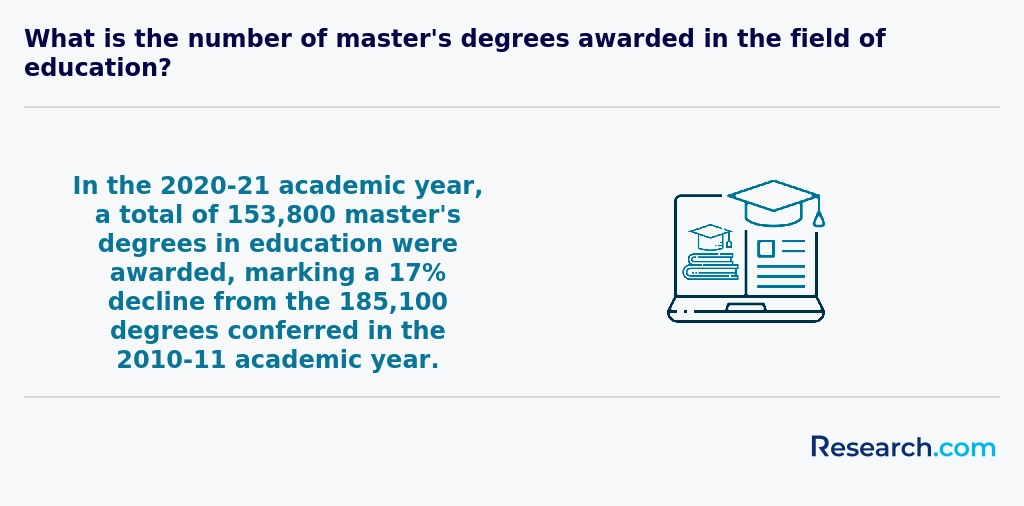
Understanding the return on investment (ROI) for an education degree in West Hartford, CT, is essential for making informed financial decisions. By comparing average program costs against projected salaries, prospective students can estimate how long it will take to recoup their tuition and begin reaping net benefits. Many in-state bachelor’s candidates face an average tuition of $9,750 per year at public institutions, totaling approximately $39,000 over four years. When you factor in room, board, and fees, the full cost can approach $108,584. Graduates entering the workforce as ESL teachers, earning around $63,130 annually, could break even on tuition within two years of full-time employment. Instructional designers with starting salaries near $73,080 may see an even faster payoff. Key ROI considerations include: • Break-even timeline: Estimate 1.5–3 years based on role and total cost of attendance. • Net salary growth: With a projected 10% job market expansion by 2030, starting salaries are likely to increase, shortening ROI timelines. • Debt repayment: Federal student loans offer income-driven plans; graduates paying $300–$400 per month could clear undergraduate debt in under a decade, depending on interest rates. • Graduate-level ROI: Master’s programs averaging $59,840 can yield significant gains; master’s-level educators often earn 10–15% more than bachelor’s-level peers, improving long-term earnings potential. For those exploring advanced credentials, consider our Affordable Online Master's in Education Degree Programs Ranking in Minnesota to compare cost-effectiveness and projected ROI across similar programs.
Imagine juggling tuition bills at Central Connecticut State University while securing a Pell Grant that lifts nearly $7,400 off your plate-this is the reality for many education majors in West Hartford. These grants, unlike loans, feel like a gift, a financial hug that says, "You've got this." Alongside these federal treasures, the Roberta B. Willis Scholarship stands out as a beacon for those pledged to teach in Connecticut's public schools, granting up to $5,000 yearly and creating a sense of purpose beyond the classroom.
Picture a University of Hartford graduate balancing evening study sessions with federal work-study jobs, earning not just wages but hands-on experience in educational settings. Their story mirrors many who blend passion and practicality, supported by institutional scholarships that reward merit and dedication to the teaching craft. To supplement, William D. Ford Direct Loans offer a safety net, with hopeful whispers of Public Service Loan Forgiveness where a decade of teaching could erase debts, turning dreams into tangible futures.
To teach in West Hartford and across Connecticut, candidates must complete a structured certification process:
- Earn a bachelor’s degree in education from a regionally accredited program.
- Pass the Connecticut-required exams: Praxis Core Academic Skills and Praxis II subject assessments.
- Demonstrate teaching readiness by submitting an approved edTPA portfolio during student teaching.
- Apply for an Initial Educator Certificate through the Connecticut State Department of Education (SDE).
- Complete a mentored induction program, typically lasting two years.
- Maintain and renew certification every five years by completing state-mandated professional development credits.
For added flexibility, candidates often pursue prerequisite or certification coursework through a cheapest online college.
To dive into an education degree in West Hartford, you'll first need the building blocks: a high school diploma or its equivalent to step onto the campus of universities like the University of Hartford or Capital Community College.
Think of this as your ticket to a world where theory meets classroom magic. Graduate hopefuls bring an undergraduate degree from an accredited school, setting the stage for deeper learning in programs geared toward masters or certifications.
Graduates often recall submitting transcripts that reveal their strengths in psychology or social sciences, sometimes buoyed by a GPA hovering around 2.5 to 3.0. Imagine sitting down to pen a personal statement, capturing your passion for shaping young minds-this essay isn't just words, it's your story reaching admission committees across West Hartford's education programs.
Some grads cheerfully share how letters of recommendation gave their applications a heartfelt boost, while hands-on experience volunteering in classrooms showed schools their real commitment beyond academics.
Whether juggling SAT scores or easing past test-optional policies, these prerequisites blend academic milestones with genuine passion, perfectly preparing you for West Hartford's welcoming, affordable institutions.
1. Capital Community College – Associate in Early Childhood Education • In-district tuition: $5,124 per year • Hands-on practicum placements in local preschools • Flexible evening and weekend course options 2. Goodwin University – Bachelor of Science in Education • Annual tuition: $24,400 • Cohort-based online and evening classes • Emphasis on inclusive teaching strategies and field experiences 3. University of Saint Joseph – Bachelor of Science in Education • Annual tuition: $31,200 • CAEP-accredited program with small class sizes • Specialization tracks in Special Education and Literacy 4. University of Hartford – Bachelor of Science in Elementary Education • Annual tuition: $36,675 • Early field experiences beginning first semester • Strong alumni network and certification support 5. Charter Oak State College – Online Bachelor in Early Childhood Education • Tuition: $6,240 per year for Connecticut residents • Fully asynchronous format with 100% online practicum coordination • Prior-learning assessments to accelerate degree completion For those exploring graduate pathways or seeking additional affordable online master’s options, check out our Affordable Online Master’s in Education Degree Programs Ranking in Minnesota, which highlights cost-effective master’s programs designed for working professionals.
Imagine walking through the leafy campuses of West Hartford's universities, where the buzz isn't just about books but about shaping future classrooms. Education degree programs here dive deep into courses like Foundations of Education, which invites you to explore the stories and philosophies behind today's teaching practices-graduates often recall lively debates that transform history into a living, breathing force guiding their own methods.
Courses such as Educational Psychology feel like unlocking secret codes to how children's minds grow and thrive, making every lesson plan a personalized adventure. In Curriculum and Instruction, students get to experiment with creative teaching strategies, dreaming up ways to make math or history come alive for different learners, a skill graduates cherish when standing before their first eager classroom.
Practical courses like Classroom Management aren't just theory-they're rehearsals for real-life magic, equipping students to build respectful, energized learning environments right in West Hartford schools. And with Educational Technology, budding educators harness digital tools to brighten lessons and connect with students in fresh, dynamic ways.
In West Hartford, education degree specializations unfold like colorful chapters in a future educator's story. Imagine graduates from local colleges, their eyes bright with excitement, diving into Elementary Education to craft magical worlds for kindergarteners or mastering the art of middle school science in Secondary Education. These paths shape educators ready to inspire curiosity and resilience.
One graduate recalls the rewarding challenge of a Special Education specialization, where they learned tailored strategies to uplift students with diverse needs, turning legal complexities into empowerment tools. Meanwhile, others explored "West Hartford teaching certification programs" through exciting focuses like Educational Leadership, stepping confidently toward school administration roles.
Programs here also branch into vital areas like Early Childhood Education and English as a Second Language (ESL), preparing educators to meet every learner's background. For those designing curricula, the Curriculum and Instruction specialization sparks creativity and innovation. Those curious about flexible options turn to quality online education programs that blend theory with hands-on practice right in West Hartford.
Choosing the best education degree in West Hartford often feels like navigating a vibrant tapestry of options - each thread representing unique programs, specializations, and campus cultures. Imagine graduates from local colleges who shine not just because of their degrees but because their programs were CAEP-accredited, opening doors to teacher certifications that make a real impact in classrooms. When weighing affordability, these students often reflect on discovering affordable education degree programs West Hartford offers, balancing tuition costs without sacrificing quality. Picture an eager teacher-in-training at a West Hartford college, thriving through local school partnerships that transform theory into lively student-teaching experiences.
Consider flexibility too: some graduates found part-time or hybrid courses essential to juggle life's demands. Cost-conscious students researched as thoroughly as those scrolling through the Affordable Online Master's in Education Degree Programs Ranking in Minnesota, drawing inspiration beyond state lines. Peeling back the layers of program length, faculty expertise, and graduation outcomes reveals the thread you must pull to weave your own success.
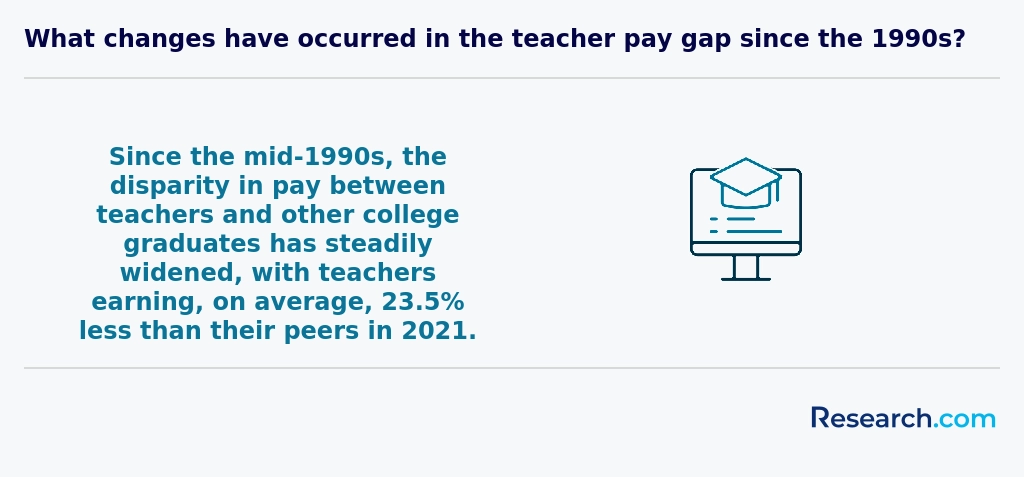
Graduates stepping out of West Hartford's education programs find themselves weaving through a tapestry of rewarding paths. Imagine walking the halls of a local elementary school, shaping young minds, or stepping into specialized classrooms where inclusion and care turn challenges into victories. Those pursuing educational administration might catch the sunrise planning district-wide programs or shaping curricula that ripple through classrooms across the town. Some take the path less traveled, becoming school counselors who listen closely to students' hopes and hurdles, offering guidance that stretches beyond textbooks into the heart.
Popular universities and colleges in West Hartford have alumni glowing with pride from roles in public schools, special education, and adult education programs. These stories aren't just statistics; they're personal triumphs fueled by passion and a deep connection to community. For anyone curious about the broader possibilities, including flexible routes, exploring the Affordable Online Master's in Education Degree Programs Ranking in Minnesota is a smart step.
With teaching jobs and salaries West Hartford continues to offer competitive opportunities, education degree career options West Hartford graduates explore radiate energy and promise, empowering each to craft their unique journey.
The job market for education degree job opportunities West Hartford is a landscape alive with promise and steady growth. Graduates from local universities often share stories of entering classrooms that welcome their fresh ideas and certified skills, especially in STEM and special education fields where demand is most pronounced. The West Hartford Public Schools, employing over 1,200 teachers, serves as a vibrant hub where starting salaries ranging from $50,000 to $55,000 reward new educators while mid-career teachers can look forward to a climb above $75,000.
Imagine walking the hallways of a well-established suburban district, where student enrollment remains stable and your role feels essential to shaping minds. With West Hartford's focus on inclusive education, special education teachers find expanding opportunities to make meaningful impacts. Graduates from popular education programs cherish the practical experience gained during their studies that aligns perfectly with the district's expectations.
Those stepping into this competitive field benefit from strong certifications and specializations. If you're curious about the highest paying college majors and how education stacks up, West Hartford's outlook through 2027 encourages plenty of hopeful candidates to join its ranks.
2027 Most Affordable Education Degree Programs Ranking in West Hartford
Investing in your education is a significant decision that can profoundly impact your future, and the Research.com team recognizes the importance of making well-informed choices. To assist prospective students in West Hartford, we have carefully developed the "2027 Most Affordable Education Degree Programs Ranking in West Hartford." Our dedication to quality, credibility, and accuracy is demonstrated through thorough research and analysis backing this ranking.
We utilized the following reputable data sources to ensure a comprehensive evaluation of affordable education degree programs:
By consulting this ranking, readers will obtain valuable insights into affordable education programs in West Hartford, enabling them to make confident, informed decisions about their academic futures. For additional information on how this ranking was created, please visit our Research.com methodology page.


Frequently Asked Questions About education
Education degree students in West Hartford can enhance their learning by engaging actively with local schools for hands-on experience. West Hartford Public Schools serve as excellent settings for practical training and internships, helping students apply theory to real-life classroom situations. According to the Connecticut Department of Education, collaborative partnerships between universities and K-12 schools improve student teacher preparedness.
Students should also take advantage of professional development workshops offered by regional education centers, which focus on current teaching methodologies and state standards. Networking with practicing educators in West Hartford can provide valuable mentorship and career insights. Additionally, staying informed about Connecticut's certification requirements ensures students meet all qualifications efficiently.
The education field is evolving with several emerging niches gaining traction in the U.S., including West Hartford. One growing area is educational technology, where specialists develop tools to enhance digital learning experiences. According to the National Center for Education Statistics, online learning enrollment has steadily increased, creating demand for experts in this niche.
Another important area is special education with a focus on neurodiverse students. West Hartford's schools have expanded resources for inclusive education, reflecting a national trend emphasizing personalized teaching methods.
Additionally, there is rising interest in sustainability education, integrating environmental topics into curriculums, responding to growing global concerns. Finally, bilingual education continues to be vital as communities become more diverse, requiring educators skilled in language acquisition and cultural competency.
After completing an education degree in West Hartford, preparing for the job market involves several key steps. First, gaining practical experience through student teaching or internships is essential. Schools in Connecticut often require certification, so graduates should ensure they meet Connecticut State Department of Education requirements, including passing the Praxis exams.
Networking is also crucial. West Hartford's local school districts and educational organizations provide job fairs and professional development events. According to the Connecticut State Department of Education, nearly 80% of new teachers find employment through local connections and school district recommendations.
Graduates should also consider continuing education or specialized certifications to improve employability. Skills in special education or technology integration are in demand. Staying informed about statewide trends and salary averages, which currently range from $50,000 to $75,000 for entry-level educators, can aid in job negotiations.
Employers in West Hartford prioritize a combination of practical and interpersonal skills when hiring education degree graduates. Strong communication abilities are essential, as educators must effectively engage students, parents, and colleagues. According to the Connecticut State Department of Education, collaboration skills are increasingly valued due to the emphasis on team teaching and integrated learning environments.
Additionally, cultural competency is crucial in West Hartford's diverse school districts to support inclusive classrooms. Critical thinking and problem-solving skills help graduates adapt to various classroom challenges.
Technology proficiency is another key requirement, reflecting the growing integration of digital tools in teaching.
Familiarity with state curriculum standards and data-driven instruction methods is also important for success in the local education job market.
Finding internships in West Hartford relevant to an education degree involves leveraging local school districts and higher education institutions. The West Hartford Public Schools district is a key resource, offering partnerships and field experience opportunities for student teachers. Many education programs require practical experience, so connecting with district offices early can improve chances.
Area colleges such as the University of Connecticut and Central Connecticut State University maintain relationships with West Hartford schools to place interns in classrooms. The Connecticut State Department of Education website lists approved certification programs that include mandatory internships, ensuring practical, supervised experience.
Local nonprofits and educational organizations also provide internship opportunities for aspiring educators. Networking through university career centers and attending education job fairs in Hartford County increases visibility to potential internship supervisors.
Obtaining an education degree in West Hartford significantly enhances career mobility and advancement opportunities. In this area, certified teachers with bachelor's or master's degrees often qualify for higher pay scales and leadership roles within the school system.
According to the Connecticut Department of Education, educators with advanced degrees typically earn 10-20% more than those with only a bachelor's. This wage increase reflects the demand for skilled professionals able to meet diverse student needs and pursue specialized roles such as curriculum coordinators or instructional coaches.
Moreover, West Hartford Public Schools encourages continuous professional development, giving degree holders priority for promotions and specialized programs. This can lead to career growth both inside and beyond classroom teaching.
Studying for an education degree in West Hartford equips students with skills essential for interdisciplinary roles within schools and community settings. Local higher education institutions emphasize collaborative learning, integrating coursework in psychology, sociology, and technology alongside core teaching methods. This approach prepares graduates to engage with diverse student needs and work effectively with professionals from various fields.
West Hartford's education programs often include practicum experiences and partnerships with local schools, fostering practical understanding of interdisciplinary collaboration. According to the Connecticut Department of Education, over 60% of education graduates in this region reported readiness for cross-functional roles involving counseling and curriculum development.
Such programs also highlight the importance of adaptability in addressing evolving educational challenges, ensuring graduates can contribute broadly to student success.
When choosing between a thesis and a non-thesis education degree program in West Hartford, students should consider their career goals and learning preferences. A thesis option involves conducting original research and writing a substantial paper, which is beneficial for those interested in advanced study or educational research careers. Non-thesis programs usually focus on coursework and practical experience, making them ideal for professionals aiming to enter or advance in school administration or teaching roles.
In Connecticut, including West Hartford, public universities report that about 40% of education master's students select thesis tracks, often linked to roles requiring research skills (Connecticut Dept. of Higher Education, 2023). Understanding these formats helps students align their academic paths with local job market demands and certification requirements.
Students based in West Hartford seeking education degrees with an international experience have several pathways through U.S. higher education institutions. Many universities offer study abroad programs specific to education majors, allowing for practical learning in foreign school settings. For example, nearby colleges such as the University of Connecticut provide opportunities to study educational systems abroad, often in Europe or Latin America.
The U.S. Department of Education reports that approximately 15% of education undergraduates participate in study abroad programs nationally. West Hartford students can leverage partnerships between regional institutions and global universities, benefiting from exchange programs lasting a semester or a full academic year.
These programs generally focus on comparative education, curriculum development, or language immersion, enhancing both academic and cultural competencies essential for future educators.
Part-time job opportunities in West Hartford that complement education degree studies are diverse and readily available. Local schools often seek tutoring assistants or after-school program aides, providing hands-on experience in classroom management and student engagement. According to the West Hartford Public Schools website, several positions for substitute teachers and instructional aides offer flexible schedules suitable for students.
Libraries and community centers in West Hartford also hire education students for roles supporting literacy programs and youth activities. These positions can enhance skills in curriculum development and child communication. Additionally, nearby early childhood education centers frequently recruit part-time childcare assistants, which align well with education majors focused on young learners.
Education students in West Hartford have access to various networking opportunities through local institutions and community organizations. The University of Hartford and neighboring colleges offer education-focused events, workshops, and career fairs that connect students with faculty, alumni, and local school district professionals. These interactions help build valuable relationships for future employment.
Additionally, the West Hartford Public Schools district often collaborates with higher education programs to provide internships and student teaching placements. This practical experience allows students to establish connections within local schools. According to the Connecticut Department of Education, West Hartford is known for strong partnerships supporting teacher development.
Professional associations such as the Connecticut Education Association also host regional meetings accessible to students, offering further networking possibilities in West Hartford's education community.
Alumni networks provide valuable support for education degree students in West Hartford by offering access to professional connections and mentorship. Graduates and current students benefit from networking events and workshops designed to enhance teaching skills and job placement opportunities.
These networks often connect students with experienced educators in the Hartford County area, increasing chances for internships and local employment. According to data from the Connecticut Department of Education, districts near West Hartford show consistent hiring trends favoring candidates with strong community ties.
Through alumni groups, students can also gain insights into school culture and navigate certification processes, critical for licensure in Connecticut. Such networks help bridge the gap between academic training and practical, real-world classroom experience.
Students pursuing education degrees in West Hartford can tailor their programs by choosing from various specialization options such as early childhood education, special education, or educational leadership. Many local institutions offer flexible course schedules, including online and evening classes, to accommodate working professionals.
Internship opportunities and student teaching placements within the West Hartford Public Schools district provide hands-on experience aligned with career goals. Additionally, students may select electives that focus on curriculum development or educational technology to enhance specific skill sets.
Academic advisors in West Hartford colleges often help design individualized plans that meet certification requirements and align with state licensure standards, ensuring graduates are well-prepared for local job markets.
Education students in West Hartford often face several challenges common to aspiring teachers across the US. One key issue is balancing rigorous coursework with practicum experiences in local schools. These hands-on placements, essential for certification, can be time-consuming and demanding.
Additionally, financial constraints pose difficulties. Although Connecticut offers some state grants, the high cost of living in West Hartford affects students' budgets. According to the Connecticut Office of Higher Education, average student debt among education majors remains a concern.
Finally, adapting to evolving educational standards and technology integration requires continuous effort, especially as schools increasingly emphasize digital literacy and inclusive teaching strategies.
With an education degree, you can pursue several professional certifications to enhance your teaching career in West Hartford. The most common is the Connecticut initial educator certificate, required to teach in public schools. After gaining experience, teachers may apply for a professional educator certificate, which allows for lifelong teaching without renewal. Specializations like special education, ESL (English as a Second Language), and literacy training offer additional certification paths.
National certifications such as those from the National Board for Professional Teaching Standards are also recognized in West Hartford and can increase salary potential. Certification requirements are overseen by the Connecticut State Department of Education, which regularly updates criteria based on educator preparation standards.
Writing a winning application for an education program in West Hartford starts with understanding the admission requirements of local institutions such as the University of Hartford and nearby Central Connecticut State University. These programs typically expect a solid academic record, letters of recommendation, and a persuasive personal statement.
Highlight your passion for teaching and any relevant experience, such as volunteering or internships in educational settings. According to the Connecticut Office of Higher Education, competitive applicants often emphasize their commitment to community engagement, which is valued in West Hartford's education programs.
Be clear about your career goals and how the program will help you achieve them. Proofread your application carefully, as grammar and clarity reflect your communication skills - essential for educators.
Education careers are valued worldwide for their role in shaping future generations. In the United States, teaching remains a stable profession with growing demand, especially in diverse communities like West Hartford. According to the U.S. Bureau of Labor Statistics, employment for kindergarten and elementary school teachers is expected to grow by 7% from 2021 to 2031.
Globally, educators are encouraged to develop skills that address multicultural classrooms and technology integration. West Hartford's schools often emphasize inclusive practices, reflecting a broader international trend toward equity in education. Higher education institutions in Connecticut, including those near West Hartford, offer degrees focusing on both theory and practical experience, meeting these global standards.
Various international frameworks guide teaching credentials, but U.S. degrees remain competitive worldwide, especially when paired with certification and ongoing professional development. This makes pursuing an education degree in West Hartford a strategic choice for those interested in a versatile, global teaching career.
Gaining practical experience while studying for an education degree in West Hartford is essential for career readiness. Many local colleges and universities partner with West Hartford Public Schools, allowing students to complete supervised student teaching internships. These placements provide hands-on classroom experience, often required for teacher certification in Connecticut.
Additionally, West Hartford benefits from community programs and after-school initiatives where education students can volunteer or work part-time. This involvement helps build classroom management and instructional skills outside the traditional academic setting.
According to the Connecticut State Department of Education, over 75% of education degree candidates in the state complete fieldwork or practicum requirements, emphasizing its importance in preparation for licensure.
Choosing the right concentration within an education degree program in West Hartford involves understanding local job market demands and your personal interests. Popular concentrations include early childhood, special education, and secondary education, each aligning with specific career paths. According to the Connecticut Department of Education, West Hartford schools show increasing demand for special education teachers, reflecting state-wide growth of 9% in that field through 2030.
Consider your strengths and preferred age group when selecting a concentration. Research each program's curriculum and practicum opportunities, as hands-on experience in nearby West Hartford schools can be crucial. Additionally, review licensure requirements set by Connecticut's Office of Higher Education to ensure your chosen path meets certification standards.
- 2027 Most Affordable Education Degree Programs Ranking in Providence
- 2027 Most Affordable Education Degree Programs Ranking in Wilkes-Barre
- 2027 Most Affordable Education Degree Programs Ranking in Philadelphia
- 2027 Most Affordable Education Degree Programs Ranking in Dover
- 2027 Most Affordable Education Degree Programs Ranking in Washington
- 2027 Most Affordable Education Degree Programs Ranking in Buffalo
- 2027 Most Affordable Education Degree Programs Ranking in Erie
- 2027 Most Affordable Education Degree Programs Ranking in Pittsburgh
- 2027 Most Affordable Education Degree Programs Ranking in Cleveland
- 2027 Most Affordable Education Degree Programs Ranking in Raleigh
See What Experts Have To Say About Studying Education
Read our interview with Education experts

Alan J. Singer
Education Expert
Professor of Teaching, Learning and Technology
Hofstra University


- Job Openings - Town of West Hartford https://www.westhartfordct.gov/town-departments/human-resources/job-openings
- College Bound: Choosing a College - We-Ha | West Hartford News https://we-ha.com/college-bound-choosing-a-college/
- Student Expectations and Perceptions of Higher Education - ACA https://aca-secretariat.be/newsletter/student-expectations-and-perceptions-of-higher-education/
- Financial Aid - https://hall.whps.org/school-counseling/financial-aid
- Tips for Choosing Your Graduate Concentration - Graduate Programs for Educators https://www.graduateprogram.org/blog/tips-for-choosing-your-graduate-concentration/
- 10 Reasons Why Education Helps to Advance Your Career - Insight Training https://insight.edu.au/blog/career-advancement-through-education/
- 18 Highest Paying Jobs With an Education Degree (not teaching) | Devlin Peck https://www.devlinpeck.com/content/jobs-with-an-education-degree
- The 10 Highest Paying Jobs With a Teaching Degree [Quiz] https://www.umassglobal.edu/blog-news/highest-paying-jobs-with-a-teaching-degree
- How to Build Work Experience While Studying - EN Global Education Ltd https://englobaleducation.co.uk/how-to-build-work-experience-while-studying/
- Career Pathways Technology Collaborative | The Justice Education Center, Inc. West Hartford, CT https://www.justiceeducationcenter.org/initiatives/career-pathways/


