
2027 Best Online Master's in Education Degree Programs Ranking in Connecticut

Co-Founder and Chief Data Scientist
Choosing the right online master's in education program can feel overwhelming, especially for busy learners in Connecticut. This article introduces the 2027 Best Online Master's in Education Degree Programs Ranking in Connecticut, developed by the Research.com team of data scientists. Their analysis helps identify top-quality programs worth your consideration.
Exploring this ranking makes it easier to find programs that fit your goals and lifestyle. Pursuing an education degree opens doors to meaningful careers where you can truly make a difference. Dive in to discover options that inspire and empower your next steps.
Key benefits of getting online education degree in Connecticut
- Education degree graduates in Connecticut can earn competitive salaries, such as $129,330 annually for Education Managers and $96,570 for Higher Education Professors, highlighting strong financial prospects.
- Graduates from universities like the University of Connecticut often pursue diverse roles including Education Program Manager or Curriculum Specialist, offering rewarding career options.
- Online education degrees provide flexible schedules and accessibility, as shown by graduates from online programs at schools like Southern Connecticut State University, making it easier to balance work and study.
What can I expect from online education degree in Connecticut?
The average cost of an online education degree in Connecticut varies but generally falls between $10,000 and $25,000 for in-state students, depending on the program and institution. Graduates from universities like the University of Connecticut or Southern Connecticut State University often share how affordable tuition allowed them to pursue advanced certification without the burdensome debt they expected. This balance of quality and cost is a key reason many working professionals choose online paths here.
Financial aid and scholarships tailored for online learners also play a significant role in easing expenses. Students who carefully planned their budgets found they could manage tuition alongside personal and work commitments, appreciating the flexibility and support offered.
These programs, blending affordability with respected faculty and strong state accreditation, provide a meaningful investment in one's future. When pursuing an education degree in Connecticut online, practical concerns about cost often give way to a focus on growth, accomplishment, and the rewarding impact on one's career journey.
Where can I work with online education degree in Connecticut?
With an online education degree in Connecticut, graduates often find themselves stepping into rewarding roles within public and private K-12 schools, where certification through the State Department of Education is a key stepping stone. Many graduates from respected institutions like the University of Connecticut or Central Connecticut State University share stories of quickly moving into teaching roles or becoming instructional coordinators, thriving in districts such as Bridgeport Public Schools. The sense of purpose these educators express when working directly with students or developing curriculum is both inspiring and motivating.
Others discover fulfilling careers beyond traditional classrooms-in community colleges or adult education centers-where they contribute to designing online courses or advising learners, a path popular among graduates from institutions offering strong online education programs. The excitement of shaping digital learning environments and supporting diverse student populations keeps their work dynamic and meaningful.
Some graduates pursue advanced certifications, opening doors to leadership roles like principals or district administrators, often finding their efforts deeply impactful in communities committed to education equity and growth throughout Connecticut.
How much can I make with online education degree in Connecticut?
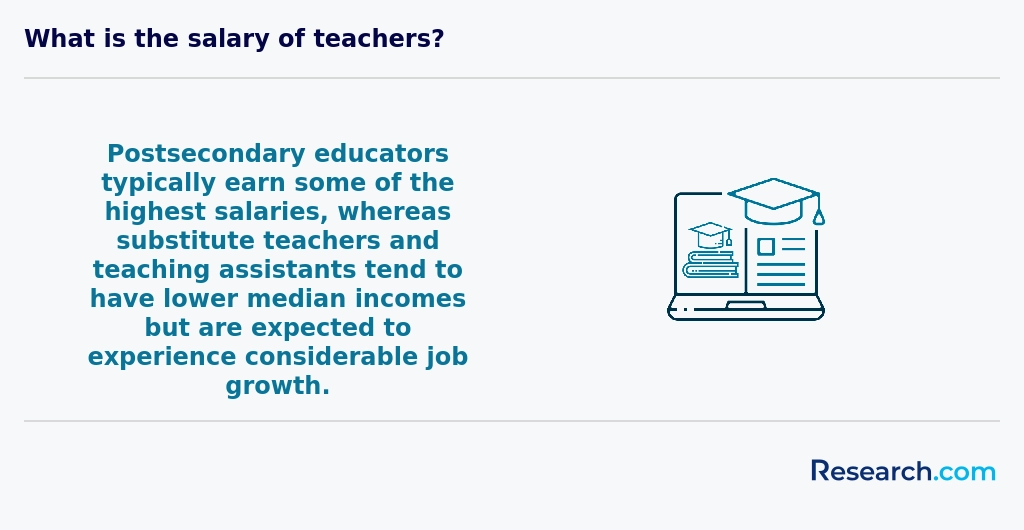
Graduates holding an online education degree in Connecticut often find encouraging salary prospects. For example, those stepping into roles as education managers report mean annual wages around $129,330, a testament to leadership opportunities available in districts across the state. Graduates who have pursued positions as education program managers typically earn about $104,920, reflecting solid mid-level management compensation.
Curriculum specialists, a popular pathway for education students from institutions like the University of Connecticut or Eastern Connecticut State University, receive mean salaries near $77,200. This role offers a balanced mix of creative input and educational impact, which many graduates find deeply rewarding. Education consultants also earn competitive wages, with an average annual salary about $95,600, allowing flexibility while influencing educational practices statewide.
Those aiming for higher education teaching roles can expect mean salaries close to $96,570, which aligns well with the ambitions of many Connecticut graduates from respected programs. Considering these figures alongside district-based increments for advanced degrees, such as master's credentials, the earning potential of online education graduates continues to brighten, practically illustrating the value of investing in flexible, quality education.
- Key benefits of getting online education degree in Connecticut
- What can I expect from online education degree in Connecticut?
- Where can I work with online education degree in Connecticut?
- How much can I make with online education degree in Connecticut?
- How do we rank schools?
- 2027 Best Online Master's in Education Degree Programs Ranking in Connecticut
- What online education degree graduates have to say
- Key Findings
- How long does it take to complete online education degree in Connecticut?
- Maximizing Your Online Master's in Education Experience
- What's the difference between online and on-campus education degree?
- Accreditation and Licensure
- What is the average cost of online education degree in Connecticut?
- Certification and Licensure Requirements
- What financial aid is available to online education degree students in Connecticut?
- Licensure and Certification Pathways in Connecticut
- What are the prerequisites for enrolling in online education degree program in Connecticut?
- Accreditation and Certification: Ensuring Quality and State Approval
- What courses are typically in online education degree programs in Connecticut?
- What types of specializations are available in online education degree programs in Connecticut?
- How do you choose the best online education degree in Connecticut?
- What career paths are available for online education degree students in Connecticut?
- What is the job market for online education degree in Connecticut?
- Frequently Asked Questions About education
- Related Education Rankings for Nearby States
- Top Trending Education Rankings
- See What Experts Have To Say About Studying Education
How do we rank schools?
Investing in your education is a significant decision that can shape your future, and the Research.com team understands the importance of making informed choices. To assist prospective students in Connecticut, we have meticulously crafted the "2027 Best Online Master's in Education Degree Programs Ranking in Connecticut." Our commitment to quality, credibility, and accuracy is reflected in the extensive research and analysis conducted to compile this ranking.
We utilized the following reputable data sources to ensure a comprehensive evaluation of education programs:
By exploring this ranking, readers will gain valuable insights into the best online master's in education programs available in Connecticut, helping them make well-informed decisions about their educational paths. For more details on our methodology, please visit our Research.com methodology page.
2027 Best Online Master's in Education Degree Programs Ranking in Connecticut
# 1 position

The University of Connecticut offers a Master's program focused on Educational Technology and Education, lasting 36 months. The program has a graduation rate of 83% and an acceptance rate of 52%, making it less selective. Students benefit from high levels of financial aid, with 88% receiving support. The average total cost for the degree is $24,750.
# 2 position

Eastern Connecticut State University offers a Master's program focused on Education with an open admission policy, accepting 83% of applicants. The program has a graduation rate of 58%. A high percentage of students, 99%, receive financial aid, reflecting strong support for enrollees. Currently, the program includes 364 online students, demonstrating a significant commitment to accessible, flexible learning options for graduate education.
What online education degree graduates have to say
- Emily: Studying my online education degree at the University of Connecticut gave me the flexibility to balance family life and coursework effortlessly. The engaging virtual classrooms and expert faculty support made learning interactive and rewarding. It truly empowered me to advance my teaching career without compromising my personal commitments.
- Jason: Southern Connecticut State University's online education program delivered a well-structured curriculum that deepened my understanding of modern teaching methods. The community of learners and accessible resources made me feel connected despite the distance. Graduating gave me the confidence and skills needed to excel in diverse educational settings.
- Karen: Charter Oak State College's online education degree was a game-changer for my career. The personalized attention and self-paced courses let me progress at my speed, which was ideal for my busy schedule. The supportive faculty and real-world applications made each lesson meaningful and motivating throughout my journey.
Key Findings
- In-state tuition for online master's education degrees at public universities in Connecticut ranges from $12,000 to $20,000 per year.
- Private institutions charge up to $30,000 annually for similar online education programs.
- Early-career teachers with a master's degree earn about $60,000 annually on average, while mid-career educators can make $75,000 or more.
- Employment in education roles in Connecticut is projected to grow by 5% through 2028.
- Online education degrees help meet state licensure requirements, including passing Praxis exams and completing student teaching.
- Connecticut participates in regional reciprocity agreements, easing certification transfer to nearby states.
How long does it take to complete online education degree in Connecticut?
Completing an online education degree in Connecticut typically takes between 1.5 and 3 years, depending largely on whether a student studies full-time or part-time. Graduates from popular institutions like the University of Connecticut often share how maintaining a full-time course load-usually 9 to 12 credit hours per semester-allowed them to finish in about two years while balancing work and family.
Others who chose part-time enrollment, taking around 6 credits or fewer each semester, found their journey extended to three years or more, appreciating the flexibility to learn without overwhelming themselves. Many reflect warmly on how this pacing helped them apply what they learned immediately in their classrooms or leadership roles.
Some students pursuing accelerated programs at colleges such as Southern Connecticut State University completed their degrees in as little as 12 to 18 months, embracing intensive study schedules and the rewarding feeling of swift progress.
These experiences highlight the value of aligning your pace with your personal and professional life, making the timeline for degree completion both manageable and motivating.
Maximizing Your Online Master's in Education Experience
Succeeding in an online Master's in Education program goes beyond completing coursework—it involves leveraging available resources and building a robust professional network. First, be proactive in engaging with virtual classroom discussions, academic advisors, and career services offered by your institution. Establish regular check-ins with mentors or faculty members to gain personalized guidance and feedback. Additionally, set clear short-term and long-term goals to help you stay focused throughout the program. Invest time in familiarizing yourself with the latest educational technologies and digital collaboration tools. This not only enhances your technical skills but also prepares you for increasingly tech-driven classrooms. Participate in online study groups or webinars to expand your perspectives and create connections that may lead to future career opportunities. For a detailed guide on securing affordable education options, consider exploring the cheapest education programs in connecticut. Finally, continuously reflect on your learning progress by keeping a portfolio of your projects, research, and classroom experiences. Documenting your achievements will not only boost your confidence but also serve as a valuable resource when pursuing career opportunities or additional academic endeavors. Embrace these strategies to fully maximize your online learning journey and achieve both personal and professional success in the education field.
What's the difference between online and on-campus education degree?
Graduates from the University of Connecticut often reflect on how online education degrees gave them the freedom to balance coursework with jobs or family life. The asynchronous learning allowed them to study late at night or on weekends without worrying about fixed class times. Meanwhile, alumni of Southern Connecticut State University frequently emphasize the energizing atmosphere of face-to-face classes, where spontaneous discussions with professors and peers sparked new ideas and immediate support.
Online students appreciate that they can avoid daily commutes and campus housing costs, making education more affordable and manageable. However, those on-campus benefit from easy access to campus facilities and practical teaching placements, essential for hands-on training. Both experiences share rigorous academic standards ensured by Connecticut's accredited universities, yet each offers a unique way to engage with the material and community.
Choosing between these paths depends on your lifestyle and learning style-whether you thrive in flexible, remote study or prefer the vibrant, in-person classroom dynamics of Connecticut's respected education programs.
Accreditation and Licensure
Accreditation and state approval ensure your online master’s in education is recognized by employers, qualifies for federal aid and meets Connecticut’s licensure standards.
- Regional accreditation by the New England Commission of Higher Education (NECHE) is essential for credit transfer and financial aid.
- CAEP (Council for the Accreditation of Educator Preparation) program recognition indicates adherence to national teacher-preparation benchmarks.
- Approval from the Connecticut State Department of Education is required for those seeking state teacher certification.
- Verify each program’s accreditation status through the university’s site and CT Department of Education listings.
- Educators seeking specialized credentials can explore online certificates after graduation.
What is the average cost of online education degree in Connecticut?
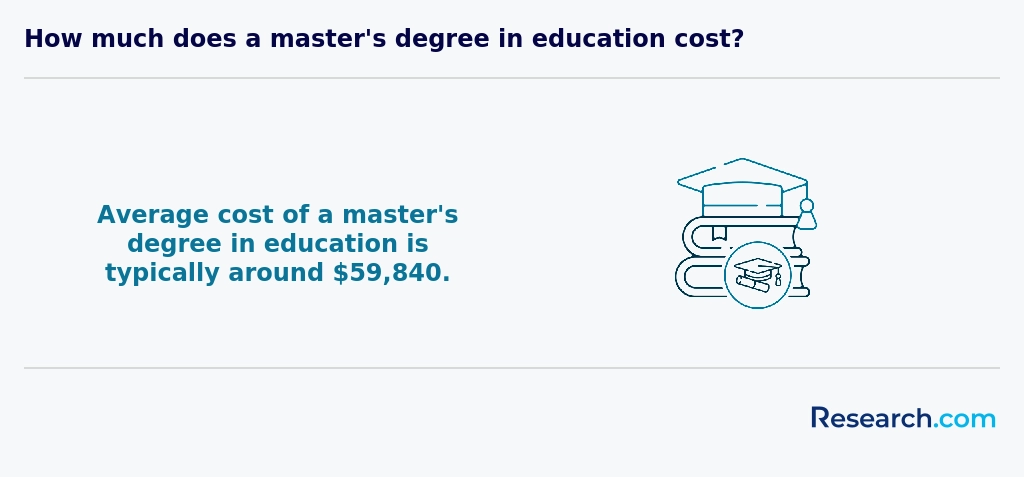
The average cost of an online education degree in Connecticut centers around $24,750, a figure that reflects a balance between in-state affordability and certain out-of-state fees. Graduates from respected institutions like the University of Connecticut and Central Connecticut State University often recount how the in-state tuition rates, usually between $400 and $700 per credit hour, allowed them to pursue advanced education without overwhelming financial strain. This insight into the Connecticut online master's in education tuition fees resonates with many prospective students who want a quality degree yet remain mindful of expenses.
For those studying education online in Connecticut, the prices often vary based on residency and school type. While public universities offer moderate pricing, private colleges may charge notably higher rates, sometimes reaching up to $40,000 total. Still, students describe their investment as worthwhile; they value the flexibility of online learning combined with access to renowned faculty and resources. These real experiences highlight how costs align closely with program features and individual circumstances.
It's important to recognize that beyond tuition, there can be additional fees-technology costs, textbooks, or travel for occasional campus visits. Many students in Connecticut navigate these costs effectively by seeking financial aid, scholarships, or assistantships tailored to education majors. Exploring resources like https://research.com/careers/education-careers further supports prospective learners in understanding the professional paths available after completing their degrees.
Understanding the nuances behind the average cost of online education degree Connecticut programs aids in realistic planning. It also encourages thoughtful decision-making about choosing institutions and managing financial commitments while pursuing a fulfilling career in education.
Certification and Licensure Requirements
Completing an online master’s in education is the first step toward becoming a certified teacher in Connecticut. To earn an Initial Educator Certificate, you must meet state requirements and pass licensure exams:
- Meet academic prerequisites: hold a regionally accredited master’s in education with approved credits in pedagogy and content.
- Pass required Praxis exams: Praxis Core Academic Skills and Praxis Subject Assessments for your specialization.
- Fulfill clinical requirements: complete 12–16 weeks of supervised student teaching or clinical practice.
- Submit licensure application: send official transcripts, test scores, and a background check to the Connecticut State Department of Education.
- Maintain certification: renew every five years by completing 30 hours of approved professional development.
Prospective educators can compare affordable masters degrees that include state-approved certification pathways to minimize costs.
What financial aid is available to online education degree students in Connecticut?
Students pursuing an online education degree in Connecticut often find federal financial aid to be a cornerstone of their funding. Many graduates recall applying through FAFSA to secure Stafford or Grad PLUS Loans, which helped bridge the gap when tuition felt overwhelming. While grants are rare at the graduate level, the work-study option provided one graduate with invaluable hands-on experience while offsetting costs.
State programs also play a vital role. Graduates from public universities like the University of Connecticut or Central Connecticut State University frequently mention the Connecticut Aid for Public College Students (CAPCS) as a crucial resource, offering need-based grants that eased financial stress for in-state learners.
For those planning to teach in Connecticut's public schools after earning their degree, the Teachers' Retirement Board's loan forgiveness programs sparked hope. One recent alum described the relief of knowing dedicated service could reduce their debt, reinforcing their commitment to the local education community.
Additionally, institutional scholarships and assistantships at these universities often turn dreams into reality by substantially lowering tuition. Many students also benefited from employer tuition reimbursement, turning current jobs into stepping stones for advancement.
Early application and thorough research are transformative; graduates often advise others to dive deep into available aid early, ensuring no opportunity is missed in securing support tailored for online learners in Connecticut.
Licensure and Certification Pathways in Connecticut
Earning an online Master's in Education in Connecticut often aligns with state certification requirements, ensuring graduates are ready to obtain or upgrade their teaching license. Most programs integrate coursework that meets Connecticut State Department of Education (CSDE) criteria, including pedagogy, classroom management, and subject-specific instruction. To qualify for initial certification, candidates must pass the Praxis Core and Praxis II exams in their endorsement area, complete a state-approved teacher preparation component, and satisfy background checks. For those pursuing specialized endorsements—such as reading specialist, special education, or instructional leadership—additional modules and practica are required. Many universities collaborate with local school districts to provide supervised student teaching experiences, a mandatory step for licensure. Graduates should verify that their chosen program’s field experiences and exit requirements align directly with CSDE guidelines to avoid any delays in certification processing. Beyond state licensure, educators can explore advanced endorsements or endorsements in adjacent areas. For instance, professionals interested in early learning can consult resources on what can you do with online bachelors degree in early childhood education to understand how an early childhood specialization complements teacher certification. These pathways not only expand classroom opportunities but also meet growing demand for certified specialists in Connecticut’s public and private schools.
What are the prerequisites for enrolling in online education degree program in Connecticut?
Enrolling in an online education degree program in Connecticut typically begins with having a bachelor's degree from an accredited institution, a foundation that many successful graduates recall as essential. For example, those who pursued degrees at institutions like the University of Connecticut found that submitting official transcripts to demonstrate a solid academic record was a crucial step. It's common for programs to seek a minimum GPA around 3.0, reflecting the commitment needed for graduate-level coursework.
Many applicants share how providing strong letters of recommendation, often from professors or supervisors, helped personalize their applications and showcase their readiness. Alongside this, drafting a thoughtful personal statement allowed them to express their passion for education and career ambitions clearly.
While some schools in Connecticut waive GRE requirements, others maintain this as part of their admissions package, especially for competitive tracks. Practical experiences remind students to verify these details early to avoid surprises.
Additionally, those aiming for teacher certification appreciate how state-specific prerequisites, like background checks, connect them directly to licensure goals, making the process feel meaningful and motivating.

Accreditation and Certification: Ensuring Quality and State Approval
Accreditation is a critical factor when choosing an online Master’s in Education degree in Connecticut. Programs accredited by the Council for the Accreditation of Educator Preparation (CAEP) or the Connecticut State Board of Education ensure that your coursework meets rigorous standards, qualifies for federal financial aid, and satisfies state certification requirements. Before enrolling, verify that your chosen institution is recognized by:
- CAEP or NCATE for educator preparation programs
- The Connecticut Office of Higher Education for state licensure
- Regional accrediting bodies such as NEASC-CIHE for overall institutional quality State certification pathways also vary. Graduates seeking Initial Educator Certification (IEC) in Connecticut must complete a CAEP-accredited master’s program, pass the Praxis exams, and fulfill student teaching hours. If you plan to teach outside Connecticut or pursue administrative roles, review reciprocity agreements and specialized certifications (e.g., Reading Specialist, School Leader) through the National Association of State Directors of Teacher Education and Certification (NASDTEC). Investing in an accredited program not only safeguards your eligibility for loan forgiveness under programs like TEACH Grants, but also enhances your employability across public and private schools. For a cost-conscious perspective on accredited offerings, compare rankings such as our Low Cost Online Master's in Education Degree Programs Ranking in Michigan to gauge tuition trends and accreditation status in neighboring states.
What courses are typically in online education degree programs in Connecticut?
Graduates from well-regarded institutions like the University of Connecticut often reflect on how their courses felt both challenging and deeply rewarding, helping them grow as educators ready to meet real classroom demands. Core courses typically cover educational psychology, where students gain insights into how children and adolescents learn-vital knowledge for tailoring instruction effectively in Connecticut's diverse schools.
Curriculum design and instructional strategies are also central, teaching students how to craft engaging lesson plans that respond to varied learning styles, much like those experienced in programs at Southern Connecticut State University. Courses on assessment and evaluation equip future teachers to measure progress accurately, preparing them to support every learner's success.
Specialized classes such as special education law or literacy intervention resonate strongly with students who aspire to serve all communities, including those with unique educational needs. Connecticut's online master's programs emphasize practical engagement, often requiring internships within local districts, which many graduates cite as eye-opening experiences that boost confidence and career readiness.
What types of specializations are available in online education degree programs in Connecticut?
Online education degree specializations Connecticut offer are thoughtfully designed to prepare educators for the evolving demands of modern classrooms. Graduates from popular institutions find that areas such as Instructional Technology provide practical skills to seamlessly incorporate digital tools, enhancing student engagement in both urban and suburban settings. Others appreciate the focus on Educational Leadership and Administration, which equips them to confidently navigate school management challenges and policy reforms common within Connecticut's school districts. This specialization often aligns well with those drawn to emerging leader development opportunities, fueling professional growth beyond the classroom.
Curriculum and Instruction specialization resonates with those eager to refine teaching methods, supported by evidence-based practices that yield measurable improvements. Meanwhile, Special Education addresses the rewarding, yet complex, work of creating inclusive spaces for all learners. Early Childhood Education and TESOL tracks reflect Connecticut's diverse communities, empowering educators to meet varied developmental and linguistic needs. The wide range of specializations emphasizes the best education master's program tracks Connecticut has to offer, helping students find a path that truly matches their passions and career ambitions.
How do you choose the best online education degree in Connecticut?
Choosing the best online education degree programs in Connecticut starts with checking the program's accreditation. Graduates from well-known state universities often emphasize how regional accreditation by NECHE and program-specific recognition by CAEP gave them confidence in the quality of their studies and smoother credit transfers. Imagine balancing coursework while working full-time; asynchronous classes offered by some Connecticut colleges provide that much-needed flexibility, allowing you to study late at night or during weekends.
Affordability remains a key concern. Many find that seeking affordable online master's in education Connecticut programs means carefully comparing tuition costs, which can vary widely-some reach up to $1,200 per credit hour. Scholarships and in-state tuition options can ease financial burden significantly. Hearing from alumni, it's clear that exploring financial aid early on helped them avoid unnecessary stress.
Lastly, don't overlook support services. Connecticut students often share how accessible academic advising and career counseling enriched their journey. For those unfamiliar with local certification paths, understanding teaching requirements West Virginia was a helpful comparison to clarify steps needed for their own careers.
What career paths are available for online education degree students in Connecticut?
Graduates with an online education degree in Connecticut find a broad spectrum of rewarding career paths. Many step directly into licensed teaching roles at public and private schools, where they report a deep personal satisfaction in shaping young minds. These graduates often highlight programs from well-known Connecticut universities, where rigorous training in student assessment and classroom management prepares them for certification and success. Exploring career opportunities with education degree Connecticut also reveals a variety of specialized roles, such as instructional coordinators who innovate curriculum development or school counselors providing essential emotional support to students during challenging times.
Others find their calling as educational administrators, managing schools with a vision to foster inclusive and thriving learning environments. Some graduates pursue paths in special education, appreciating the profound impact they can have working with diverse learners. Emerging fields like educational technology are becoming popular, as schools increasingly embrace digital learning tools. Students interested in expanding their expertise also consider child development degree scholarships, bridging education with developmental insights to better serve children at every stage.

What is the job market for online education degree in Connecticut?
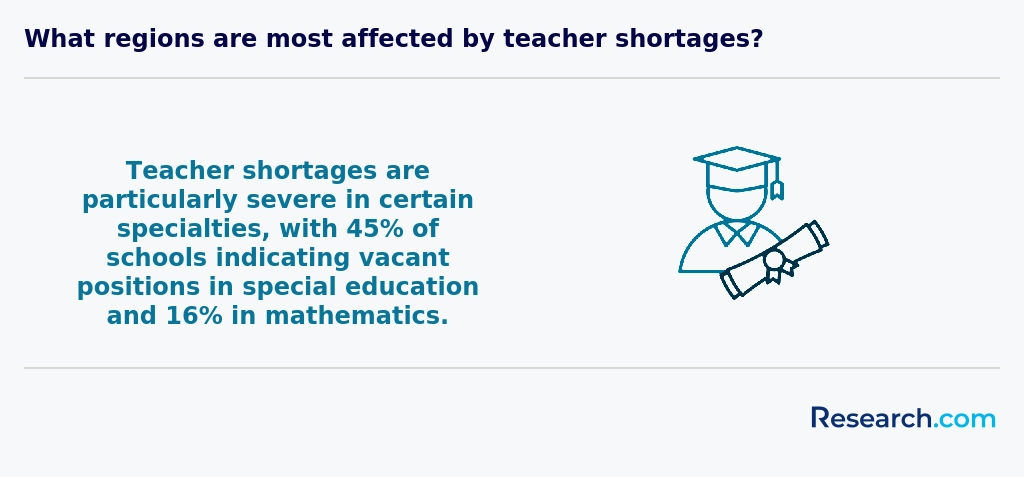
Graduates with an online education degree in Connecticut find a promising job market shaped by steady growth and a clear demand for skilled educators. Many who studied at respected institutions like the University of Connecticut or Central Connecticut State University have shared how their programs equipped them to meet state certification requirements seamlessly. This practical preparation matters because the employment opportunities for education graduates Connecticut offers are directly linked to certification readiness and the state's ongoing teacher shortages, especially in special education and STEM fields.
Many graduates appreciate the flexibility of earning their degrees online while teaching or working in other roles, which helps maintain financial stability during the transition. The job outlook for online education degree Connecticut graduates specifically highlights a growing need for educators adept at integrating technology and remote learning, skills honed through contemporary online programs.
For those interested in advancing their careers, pursuing an online doctorate in educational administration can open pathways to leadership roles within Connecticut's school systems, leveraging both experience and credentials to enhance career prospects.
Frequently Asked Questions About education
Students pursuing online education degrees in Connecticut can maximize their learning by establishing a dedicated study schedule. Research from the Connecticut State Department of Education highlights that time management directly correlates with higher academic success. Engaging actively in virtual forums and group projects helps replicate in-person collaboration, which is essential in mastering teaching methods.
Utilizing Connecticut's extensive digital library resources, such as those from the Connecticut Digital Library Consortium, provides access to academic journals and educational tools. Additionally, connecting with local education networks offers mentorship opportunities and insight into the state's K-12 standards and policies. These strategies ensure students stay informed and supported throughout their online programs.
Emerging niches within the education field reflect evolving societal and technological demands. In Connecticut, there is significant growth in special education and literacy intervention programs, driven by state initiatives to support diverse learners. According to the Connecticut State Department of Education, over 15% of public school students receive special education services, highlighting ongoing demand for qualified educators in this area.
Another expanding niche is educational technology integration. Schools increasingly seek professionals skilled in digital learning tools, especially after remote education trends accelerated by the COVID-19 pandemic.
Additionally, bilingual education and English language learning support are gaining attention in Connecticut due to a growing multilingual student population.
After completing an online education degree in Connecticut, preparing for the job market involves several key steps to improve employment prospects. First, graduates should obtain proper certification from the Connecticut State Department of Education, essential for teaching positions in the state. Networking is also crucial; joining local professional organizations such as the Connecticut Education Association can connect candidates with educators and district leaders.
Internships and student teaching completed during the degree provide valuable experience and often lead to job offers. Additionally, updating a resume to highlight relevant online coursework and skills gained through virtual collaboration appeals to modern employers. According to the U.S. Bureau of Labor Statistics, Connecticut's teacher employment is projected to grow moderately, signaling opportunities for qualified candidates.
Employers in Connecticut prioritize several key skills when hiring graduates with education degrees. Strong communication abilities rank highly, as teachers must effectively engage students and collaborate with parents and colleagues. Classroom management is also critical, with a focus on creating positive learning environments that support diverse student needs.
Data from the Connecticut Department of Education highlights the demand for proficiency in instructional technology, reflecting the increasing use of digital tools in classrooms. Additionally, critical thinking and adaptability are valued due to the evolving educational standards and policies.
Connecticut schools particularly seek candidates skilled in inclusive education to support the state's diverse student population.
Finding internships in Connecticut relevant to an education degree involves leveraging local school districts, educational nonprofits, and state programs. Many districts, including Hartford and New Haven, offer internships or practicum placements as part of teacher preparation, often in partnership with universities.
The Connecticut Department of Education provides resources and listings for approved internship opportunities. Additionally, online job portals such as the Connecticut Education Network (CEN) focus specifically on education roles within the state.
Networking through professional organizations like the Connecticut Education Association can also open doors to internships. Since Connecticut requires student teaching internships as part of licensure, programs often assist students in placement.
Obtaining an online education degree in Connecticut can significantly enhance career mobility and advancement opportunities. Many school districts in Connecticut recognize online degrees accredited by regional bodies such as NEASC, allowing graduates to qualify for higher-level teaching positions and leadership roles.
According to the Connecticut Department of Education, Educators with advanced degrees often see salary increases; for example, many districts provide step raises between 5-10% for those holding a master's degree.
Online education degrees also offer flexibility for working professionals, enabling them to earn credentials without taking career breaks. As a result, graduates can pursue administrative roles such as curriculum coordinators or instructional coaches, roles increasingly in demand throughout Connecticut's education system.
Studying for an education degree in Connecticut offers strong preparation for interdisciplinary roles by integrating diverse fields such as psychology, technology, and sociology. Many Connecticut universities emphasize collaboration across departments, enabling students to develop skills applicable in varied educational settings. According to the Connecticut Office of Higher Education, over 60% of education graduates engage in interdisciplinary coursework to meet evolving workforce demands.
Online programs in Connecticut often include training in data analysis, educational technology, and counseling, equipping graduates to address complex challenges. This approach aligns with national trends that value versatility in educators for roles beyond traditional classrooms, such as curriculum design and community outreach.
When choosing between a thesis and a non-thesis education degree program in Connecticut, it is important to consider your career goals and learning preferences. Thesis programs require conducting original research and writing a formal document, which suits students aiming for careers in research or doctoral studies. Non-thesis programs, on the other hand, focus on coursework and practical skills, ideal for professionals seeking direct application in schools or educational administration.
Connecticut's online education programs often reflect these differences. According to the Connecticut State Department of Education, nearly 30% of graduate students prefer non-thesis options for faster degree completion.
Cost, time commitment, and faculty support also play significant roles in this decision.
Students based in Connecticut who wish to study education abroad while pursuing an online degree have several options through U.S.-based institutions with international partnerships. Many accredited universities in Connecticut collaborate with foreign universities to offer exchange programs, virtual internships, or combined online curricula allowing for global perspectives in education.
Connecticut students can also enroll in online master's programs that incorporate international education standards or comparative education studies, enriching their understanding without relocating. According to the Connecticut Office of Higher Education, approximately 35% of graduate students in education engage in programs with some international components.
While direct overseas enrollment remains limited due to licensure and accreditation complexities, these blended and virtual international options provide students valuable global insights aligned with Connecticut's high academic standards.
Part-time job opportunities in Connecticut that complement education degree studies are diverse and valuable for gaining practical experience. Many students find work as teacher assistants or paraprofessionals in public schools, where Connecticut employed over 2,500 in such roles as of 2023, according to the Connecticut State Department of Education. These positions provide direct classroom support while developing instructional skills.
Other opportunities include tutoring roles in local learning centers or online platforms, benefiting from Connecticut's strong emphasis on academic achievement. Additionally, working as childcare providers or afterschool program coordinators offers experience with age groups common in education careers. These roles help build communication, management, and lesson planning skills relevant to education degrees.
Online education students in Connecticut have several networking opportunities despite the virtual format. Many universities, such as the University of Connecticut and Southern Connecticut State University, offer virtual career fairs, discussion forums, and alumni networks tailored for online learners. These platforms connect students with peers, faculty, and education professionals across the state.
Additionally, organizations like the Connecticut Education Association provide online events and workshops, facilitating interaction and professional development. According to the Connecticut Office of Higher Education, nearly 40% of online students engage in such extracurricular networking activities, enhancing their career prospects.
Alumni networks play a significant role in supporting online education degree students in Connecticut by providing valuable professional connections. Graduates from Connecticut institutions often remain active in local school districts, which helps current students access job opportunities tailored to the state's education system.
According to data from the Connecticut Office of Higher Education, schools in the state emphasize strong community ties, and alumni groups often organize mentoring programs, career workshops, and networking events specifically for online learners. This engagement helps students gain insights into education trends and licensing requirements unique to Connecticut.
Many alumni networks also offer platforms for sharing job leads and recommendations, giving students a competitive edge in the local job market. With Connecticut's emphasis on teacher retention and professional development, alumni connections become a practical resource for ongoing career advancement.
Customizing an online education degree program in Connecticut involves selecting specialized tracks and elective courses aligned with your career goals. Many state universities offer areas like curriculum development, educational leadership, or special education. The Connecticut State Department of Education encourages programs that prepare candidates for specific certifications, enabling focus on desired teaching fields.
Students can often tailor practicum experiences and research projects to match local school district needs, enhancing practical skills. According to the Connecticut Office of Higher Education, over 60% of online education students choose programs with flexible credit options, allowing pace adjustments and course selection to suit professional timelines.
Additionally, some programs incorporate partnerships with Connecticut schools, offering direct mentorship opportunities, which can be crucial for career preparation.
Online education students in Connecticut commonly face challenges related to balancing work, family, and study commitments. Many students report difficulties managing time effectively, especially since 65% of online learners in the state are employed full-time, according to the Connecticut Department of Higher Education.
Access to reliable technology and internet connectivity also poses a barrier, particularly in rural areas where broadband access remains limited. The Federal Communications Commission notes that about 10% of Connecticut households still lack high-speed internet.
Additionally, students often express feelings of isolation and reduced interaction with peers and faculty, which can impact motivation and engagement.
Finally, navigating financial aid and understanding program accreditation are typical concerns for prospective students exploring online education degrees in Connecticut.
With an online education degree in Connecticut, you can pursue several professional certifications that enhance your teaching credentials. One common certification is the Connecticut Initial Educator Certificate, which allows you to teach in public schools across the state.
Additionally, the State Board of Education offers endorsements in areas like special education and English as a Second Language (ESL), which are valuable for career advancement.
Many graduates also aim for National Board Certification, a respected voluntary credential in the U.S. that recognizes accomplished teaching. Connecticut's Department of Education provides resources to support candidates.
These certifications typically require completing approved coursework, passing exams, and fulfilling classroom experience.
Writing a winning application for an online education program in Connecticut requires clear focus and preparation. Begin by thoroughly researching each program's specific requirements, as Connecticut hosts a variety of accredited institutions offering online degrees in education. Highlight your academic background and relevant experience in education or related fields, emphasizing any leadership or teaching roles.
Applicants should craft a well-structured personal statement that clearly explains their motivation and career goals. According to the Connecticut Office of Higher Education, programs often value candidates who demonstrate commitment to improving local education outcomes.
Strong letters of recommendation can further support your application, especially from professionals familiar with your teaching skills. Lastly, verify standardized test or prerequisite completion; some programs may still require GRE scores or specific coursework, depending on school policy.
Globally, a career in education is highly valued for its impact on social development and lifelong learning. In the United States, including Connecticut, teaching professions often require advanced degrees to meet increasing standards and diverse classroom needs. According to the Connecticut Department of Education, the state reported a 5% increase in demand for qualified educators between 2020 and 2023, reflecting broader global trends valuing skilled educators.
Internationally, education careers emphasize adaptability, cultural awareness, and technology integration. This aligns with Connecticut's push for online education degrees that prepare graduates for evolving global classroom environments. Such programs equip future educators with skills needed to engage diverse learners effectively.
Students pursuing an online education degree in Connecticut can gain practical experience through several key opportunities. Many programs include practicum or internship components, requiring placement in local schools or educational settings. Connecticut's Department of Education supports partnerships between universities and K-12 institutions, facilitating hands-on teaching experience. Additionally, students may participate in virtual simulations that mimic classroom management and instructional strategies. Engaging in volunteer roles or substitute teaching in nearby districts also helps build real-world skills. According to the Connecticut State Department of Education, such hands-on experiences are vital for meeting state certification requirements and improving job prospects after graduation.
Choosing the right concentration within an online education degree in Connecticut begins with assessing your career goals and interests. Popular concentrations include curriculum design, special education, and educational leadership. According to the Connecticut State Department of Education, demand is growing for teachers with expertise in special education, reflecting statewide efforts to improve inclusive learning environments.
Review program accreditation, especially regional accreditation from bodies like NEASC, to ensure quality education. Check if the concentration aligns with Connecticut's licensure requirements if you seek certification.
Additionally, consider the program's flexibility and support services, crucial for balancing studies with work.
Research recent graduate outcomes to understand which concentrations offer strong job placement in Connecticut's education sector.
Related Education Rankings for Nearby States
- 2027 Best Online Master's in Education Degree Programs Ranking in New York
- 2027 Best Online Master's in Education Degree Programs Ranking in Massachusetts
- 2027 Best Online Master's in Education Degree Programs Ranking in New Jersey
- 2027 Best Online Master's in Education Degree Programs Ranking in Pennsylvania
- 2027 Best Online Master's in Education Degree Programs Ranking in Maine
- 2027 Best Online Master's in Education Degree Programs Ranking in Virginia
- 2027 Best Online Master's in Education Degree Programs Ranking in Ohio
- 2027 Best Online Master's in Education Degree Programs Ranking in Kentucky
- 2027 Best Online Master's in Education Degree Programs Ranking in North Carolina
- 2027 Best Online Master's in Education Degree Programs Ranking in South Carolina
Top Trending Education Rankings
See What Experts Have To Say About Studying Education
Read our interview with Education experts


Alan J. Singer
Education Expert
Professor of Teaching, Learning and Technology
Hofstra University

References
- What Employers Actually Want From Graduates https://bodyswaps.co/resources/blog/what-employers-actually-want-from-graduates
- Can Higher Education Improve Long-Term Career Success https://studysphereadvisors.com/how-higher-education-influences-long-term-career-growth/
- How to Pick Your Concentration for Your M.Ed. Degree | ACE Blog https://ace.edu/blog/how-to-pick-your-med-concentration/
- Networking For Educators: How To Grow A Professional Circle - Carlow University https://www.carlow.edu/networking-for-educators/
- The importance of networking in the education sector https://www.tlclive.com/blog/the-importance-of-networking-in-the-education-sector
- Why We Collaborate | RISE Network https://www.ctrise.org/about-rise/why-we-collaborate/
- Events & Opportunities https://connect.teachforall.org/events-opportunities
- Networking Tips and Advice for Students https://schoolshouldbe.com/post/networking-tips-and-advice-for-students/
- Career ConneCT Trainings - Capital Workforce Partners https://capitalworkforce.org/career-connect-program/
- Online Teaching Programs in Connecticut https://www.teachingdegree.org/states/connecticut/


