
2027 Best Education Degree Programs Ranking in Utah

Co-Founder and Chief Data Scientist
Choosing the right education degree program can shape your future career in meaningful ways. This article presents the 2027 Best Education Degree Programs Ranking in Utah, carefully developed by the Research.com team of data scientists.
Our goal is to help you make an informed decision by highlighting programs that offer solid academic value and growth opportunities. Whether you're just starting or considering advancing your qualifications, exploring top-ranked programs can inspire confidence and clarity.
Investing in an education degree opens doors to rewarding careers that impact communities positively.
Key benefits of getting education degree in Utah
- Graduates with an education degree in Utah can earn competitive salaries, such as Special Education Teachers earning around $76,000 and Instructional Designers making approximately $77,200 annually, offering financial stability.
- Career paths for education graduates include roles like Elementary School Teacher or ESL Teacher, with many Utah universities supporting strong connections to local schools that help ease job placement.
- Online education degrees from Utah colleges provide flexible learning schedules and allow graduates to balance work and study, making it easier to earn credentials without disrupting daily life.
- 2027 Best Education Degree Programs Ranking in Utah
- What can I expect from education degree in Utah?
- Where can I work with education degree in Utah?
What can I expect from education degree in Utah?
The average cost of an education degree in Utah varies widely depending on the institution and level of study, but many students find the expense manageable when weighed against the quality of training received. For instance, graduates from universities like the University of Utah or Utah State University often report that tuition for bachelor's degrees ranges from $6,000 to $9,000 per year for in-state students. This relatively affordable tuition is frequently supplemented by scholarships and grants aimed specifically at education majors, helping reduce financial stress.
Many graduates recall the value of hands-on experiences such as student teaching placements in nearby schools, which enriched their learning and justified the expense. While some students might feel the cost is significant, especially at private colleges, others appreciate the investment as a stepping stone to stable careers given Utah's growing demand for qualified educators.
Moreover, those pursuing advanced degrees often encounter higher tuition but also opportunities for assistantships and research funding. The tangible benefits of practical training and supportive financial resources lend nuance to any assumptions about the affordability of education degrees in Utah.
Where can I work with education degree in Utah?
Graduates with an education degree in Utah primarily find employment in K-12 public schools, where over 40,000 licensed teachers serve diverse classroom needs from elementary to high school levels. These roles often require specific endorsements, which some graduates from institutions like the University of Utah pursue to tailor their qualifications. Many report feeling fulfilled by impacting young learners in familiar community settings.
Others leverage their degrees into roles beyond traditional teaching. For example, some graduates from Brigham Young University describe transitioning into school counseling or educational administration, appreciating the challenge of managing programs or supporting staff. These positions, however, frequently demand additional certifications and illustrate the need for flexibility in career planning.
Higher education careers also attract degree holders who become academic advisors or curriculum developers, particularly at local universities. Students consistently value these paths for their collaborative work culture and opportunity to influence teacher training.
Special education remains a vital, growing sector in Utah. Graduates committed to inclusivity often find rewarding work supporting students with disabilities, despite the extra licensure required. Some also move into education technology, blending teaching expertise with the innovative Utah tech scene to develop engaging learning tools.
Graduates holding education degrees from Utah institutions such as the University of Utah or Brigham Young University can anticipate varied salary prospects depending on their chosen path. For example, elementary school teachers in Utah earn an average wage around $70,740 annually according to national data, aligning well with local figures near $57,500 to $60,000 in the state. This range reflects differences in districts and experience levels. Special education teachers often see higher wages, with mean salaries near $76,000 nationally and about $59,000 reported within Utah, recognizing the specialized skills involved.
Those aiming for roles beyond K-12 teaching, like instructional designers or postsecondary instructors, might find salaries averaging $77,200 and $72,000 respectively, offering stronger financial incentives for advanced study. Some recent graduates from Utah colleges recall starting as teaching assistants or substitutes closer to $20,000-$30,000 but viewed it as a valuable step toward full certification and higher pay.
The decision to pursue a master's or doctoral degree can translate to a 10-20% salary boost, as Utah educators attest, making continued education a rewarding investment that enhances both personal fulfillment and professional earning potential.
- Education degree programs in Utah are offered at public and private institutions, with levels from associate to doctoral degrees.
- In-state tuition for undergraduate education degrees at public universities ranges from about $6,000 to $8,000 per year, while graduate programs typically cost between $7,000 and $12,000 per year.
- Utah's demand for education professionals is steady, with job growth expected to match or slightly exceed the national average.
- Starting salaries for new teachers in Utah range from $45,000 to $50,000 annually, rising to $55,000-$65,000 for mid-career educators.
- State certification is required to teach in public schools, involving approved teacher preparation and passing exams focused on subject knowledge and classroom experience.
Completing an education degree in Utah varies notably by level and individual circumstances. For example, graduates from the University of Utah often spend about four years earning a bachelor's degree, balancing rigorous coursework with field experiences. This aligns with standard undergraduate timelines nationwide but demands consistent dedication.
Master's programs, such as those at Utah State University, generally require around two years. Graduates appreciate the chance to deepen expertise while often managing jobs or families. Some recall flexible online or hybrid formats helping them persist, though part-time attendance can extend duration beyond two years.
Doctoral candidates at institutions like Brigham Young University encounter longer commitments, typically ranging from three to six years. The span depends heavily on research progress and teaching duties. Graduates describe this as a rewarding but intense journey, requiring strong time management and resilience.
Factors like enrollment status, program type, and certification mandates influence completion times. Many Utah students find a balance between ambition and real-life demands, resulting in a fuller, more manageable educational experience.
When considering an education degree in Utah, financial constraints can be a significant barrier for many potential students. However, there are several affordable options available that can make pursuing a degree in education more manageable. For those looking to minimize their expenses, exploring most affordable education schools in Utah can be a crucial step. These institutions offer competitive programs at a lower cost, ensuring that students can gain a quality education without accumulating excessive debt. By opting for these affordable education options, students can focus on their studies and career aspirations without the burden of financial stress, ultimately leading to a more successful and fulfilling educational journey.
Online education degrees in Utah offer flexibility that many graduates appreciate, especially those balancing work or family. For instance, students enrolled in programs at the University of Utah or Utah State University share how being able to access lectures anytime helps manage their busy schedules without sacrificing progress. This flexibility is a clear advantage but may come with fewer real-time interactions.
On the other hand, graduates from Brigham Young University's on-campus education programs often highlight the value of face-to-face engagement. They describe hands-on experiences-like supervised practicum and lively classroom discussions-that deepen their understanding and build strong peer connections. These social aspects can be crucial for those seeking immersive learning environments.
Both formats maintain rigorous accreditation standards in Utah, ensuring quality regardless of delivery method. Cost considerations also vary; while some online programs may lower expenses related to commuting and housing, tuition for public university education degrees in Utah typically ranges from $6,000 to $8,000 annually whether online or on-campus.
Aspiring educators in Utah must navigate a structured certification process to ensure they’re fully qualified to teach in K–12 classrooms. First, you’ll need to complete an accredited teacher preparation program-either through a bachelor’s degree with an endorsement or an alternative route for those holding a non-education bachelor’s. Next, candidates must clear the Utah Basic Skills Assessment (or SAT/ACT waiver) and relevant subject-matter exams (often Praxis II). After passing these assessments, submit your application online to the Utah State Board of Education, including official transcripts, passing scores, and proof of program completion. A crucial step in the licensing process is the fingerprint-based criminal background check, which safeguards student safety. Additionally, Utah requires teacher candidates to demonstrate classroom readiness through the edTPA performance assessment portfolio, focusing on planning, instruction, and assessment. Once your application is approved and fees are paid, you’ll receive an initial educator license valid for five years. During this period, educators must complete 120 hours of ongoing professional learning and renew their license through the Utah State Board’s online portal. For teachers seeking flexibility, many Utah institutions now offer online endorsement courses and exam prep modules. If you’re exploring cost-effective online pathways beyond Utah, consider our Affordable Online Education Degree Programs Ranking in Illinois, where you can compare tuition and program structure to find the best fit for your budget. Whether you choose a traditional or alternative route, understanding these certification steps will help you embark on a successful teaching career in the Beehive State.
The average cost of an education degree in Utah for in-state students typically centers around $7,810 for total tuition and fees, reflecting a much more affordable option compared to out-of-state attendees or private institutions where costs may be substantially higher. Graduates from well-known universities like the University of Utah often recall balancing the cost with financial aid and scholarships, which make the pursuit of their teaching credentials manageable and rewarding. These students highlight how accessible tuition helps reduce financial stress, allowing them to focus on their studies and practical training.
While some private colleges in Utah charge upward of $25,000 annually, many future educators find community colleges or regional campuses cost-effective, with tuition sometimes below $5,000. This variance contributes to a range of total expenses for education degrees, which aligns closely with the average cost of education degree in Utah overall. Students frequently share experiences of supplementing tuition with grants and state-sponsored scholarships aimed specifically at teacher preparation programs, helping narrow the gap between desire and affordability.
Understanding total tuition and fees for education degrees Utah requires recognizing more than just sticker prices. Beyond tuition, costs like textbooks, supplies, and living expenses add thousands of dollars yearly. For those interested in exploring options, the most affordable education schools in Utah provide practical alternatives that create real opportunities to pursue teaching careers without overwhelming debt.
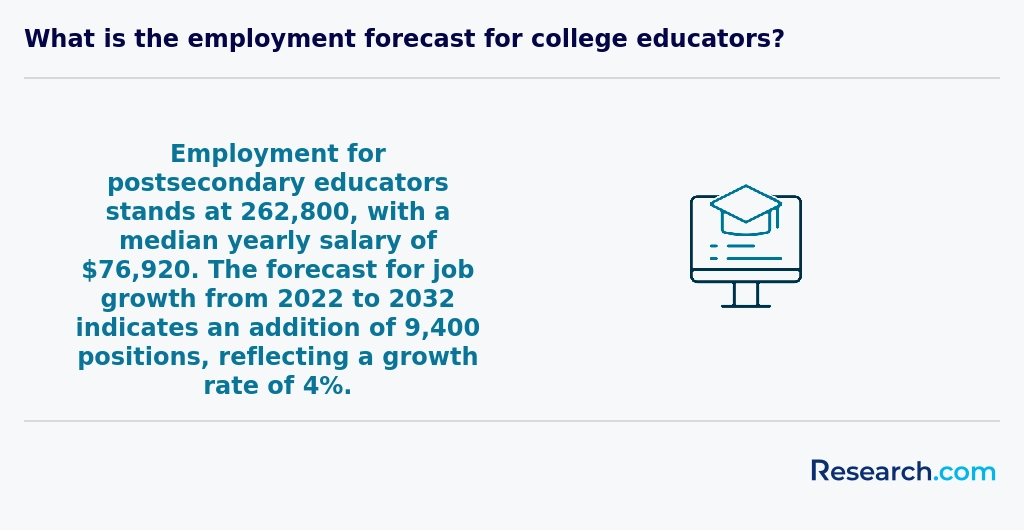
In today’s fast-evolving educational landscape, staying ahead means embracing lifelong learning and proactive career development. After earning your degree, consider pursuing additional certifications, attending workshops, and joining professional associations that offer valuable networking opportunities and resources-all critical for enhancing teaching methods and leadership skills. For those eager to further elevate their educational credentials, options such as the shortest doctor of education online degrees provide a streamlined pathway to advanced expertise without compromising your professional life. Additionally, many institutions offer continued support through alumni programs, career counseling, and online communities that facilitate ongoing learning and share best practices. This commitment to continuous improvement not only broadens your skill set but also positions you as an innovative leader in the education field, ready to influence future trends and inspire the next generation of educators.
Students pursuing education degrees in Utah often rely on a mix of financial aid options that can significantly ease the cost burden. For example, graduates from the University of Utah report that applying for federal aid through FAFSA was a crucial first step, unlocking access to Federal Pell Grants worth up to $7,395. This grant alone helped many reduce reliance on loans while focusing on their studies.
State-specific programs, such as the Utah Nurse Educator Scholarship and the State Board of Education's loan forgiveness for teaching in underserved areas, offer meaningful incentives that tie financial support directly to working in local schools. Graduates from Brigham Young University often highlight these programs as motivating factors that balanced debt concerns with community impact.
University scholarships vary widely, with merit and need-based options helping to lower in-state tuition fees, typically between $6,500 and $9,500 annually. Some students also find graduate assistantships or part-time teaching roles invaluable-not just for income but for gaining teaching experience alongside their studies.
However, it's important to weigh the long-term implications of federal and private loans carefully, especially considering repayment obligations after graduation. Checking resources from the Utah System of Higher Education can help students navigate these choices wisely and maximize aid opportunities.
Embarking on an Education degree program in Utah begins with a clear understanding of admission requirements and key deadlines. Most universities, including the University of Utah and Utah State University, follow a similar application workflow: 1. Submit Official Transcripts 2. Provide Test Scores or Waivers (ACT/SAT, GRE for graduate programs) 3. Complete a Background Check 4. Write a Personal Statement or Teaching Philosophy 5. Supply Two to Three Letters of Recommendation 6. Pay the Application Fee and Meet Deadlines (typically November 1 for fall intake; rolling for spring) To maximize your chances: • Begin gathering recommendation letters at least three months before your deadline. • Tailor your personal statement to highlight classroom experiences or volunteer work in Utah schools. • Verify licensing pathways early-special education and ESL tracks often require additional paperwork. After submission, you’ll receive an email confirmation within two weeks and can expect an admissions decision in four to six weeks. If accepted, you’ll be invited to a virtual orientation where you can connect with faculty mentors and peer advisors. For those comparing financial investments, it’s also worth exploring programs outside Utah. For example, our Affordable Online Education Degree Programs Ranking in Illinois offers insight into cost-effective online alternatives that balance quality and flexibility. Completing each step on time ensures you transition smoothly from applicant to an engaged member of Utah’s vibrant education community.
To enroll in an education degree program in Utah, students generally need a high school diploma or GED, which forms the essential academic foundation. Many Utah graduates recall how meeting minimum GPA requirements-typically between 2.5 and 3.0 on a 4.0 scale-felt achievable but necessary to demonstrate readiness, especially at institutions like the University of Utah or Utah State University. Although standardized tests such as the SAT or ACT are often required, some schools have moved toward test-optional policies, reflecting a responsive approach to diverse student strengths.
Foundational coursework in English, mathematics, social studies, and science is usually mandatory before progressing to specialized education classes. For example, students at popular education colleges describe a mix of challenge and confidence gained while completing these prerequisite classes, which enhance their broad knowledge base.
Graduate program applicants often need a relevant bachelor's degree plus transcripts and recommendation letters. Many also share that passing the Praxis Core tests was a defining moment, ensuring their competence in essential skills before advancing. These requirements collectively promote both academic rigor and practical readiness within Utah's teacher preparation landscape.
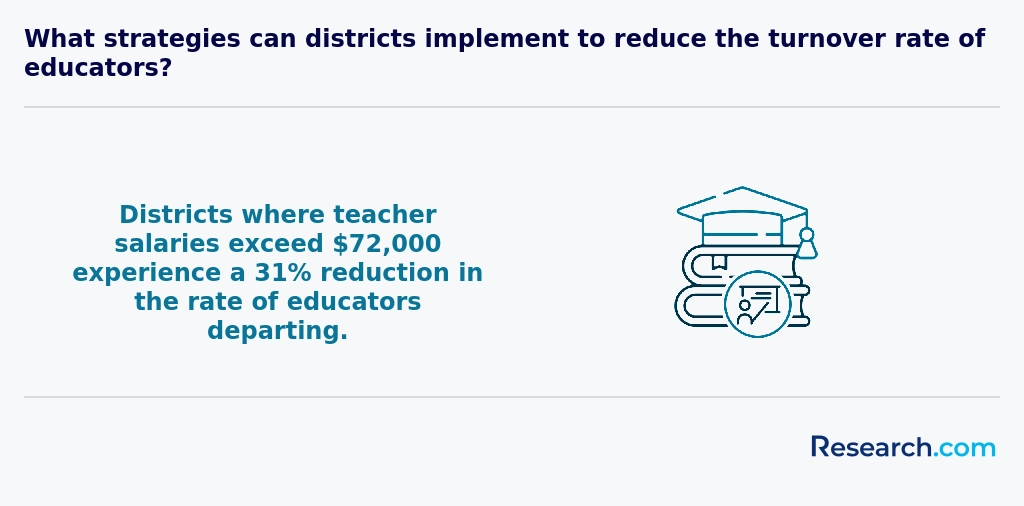
When evaluating the total investment for your education degree, understanding the cost differences between online and on-campus programs is essential. On-campus tuition in Utah typically ranges from $9,750 per year for in-state students to $28,386 for out-of-state, plus room, board, and campus fees that average $12,000–15,000 annually. In contrast, many online programs waive campus fees and offer flat-rate tuition: for example, Utah State University’s online Education program charges approximately $7,500 per year for residents, with similar savings for non-residents. Key cost factors to consider:
- Tuition and Fees: Online students often benefit from reduced administrative and technology fees.
- Materials and Technology: Online learners should budget $500–$1,000 annually for software, textbooks, and hardware upgrades.
- Hidden Costs: On-campus students may incur parking, facility, and commuting expenses, which can add $1,200–$2,500 per year. To maximize affordability, compare program fees, financial aid packages, and scholarship opportunities. If you’re open to exploring additional online options beyond Utah, check out our Affordable Online Education Degree Programs Ranking in Illinois for insights into cost-effective, high-quality alternatives.
Education degree programs in Utah commonly include courses such as Foundations of Education, Educational Psychology, and Instructional Strategies and Classroom Management. Graduates from universities like the University of Utah recall how Foundations of Education helped them understand the historical and philosophical context behind teaching, making classroom theories come alive. Instructional Strategies courses, often paired with hands-on classroom management practice, enable students to build confidence in handling diverse learning environments, a skill emphasized across Utah's programs.
Assessment and Evaluation courses teach how to measure student progress effectively, a crucial necessity for meeting Utah's state standards. Many graduates describe their experience in Student Teaching or Practicum as transformative, highlighting real-world immersion under mentorship that bridges theory and practice in local school districts.
Special Education and Educational Technology are also typical offerings, preparing future teachers to embrace diverse learning needs and modern digital tools. Utah State University students particularly appreciate electives like ESL education, which reflect the state's evolving classroom demographics and promote cultural competence.
Education degree specializations in Utah span a range of focused tracks designed to equip future educators with skills tailored to diverse classroom needs. Graduates from universities like the University of Utah and Brigham Young University often recount how specializing in Elementary Education provided them with practical tools to engage young learners in core subjects such as reading and math, making daily lessons feel both rewarding and approachable. Others find the Secondary Education path appealing, diving into subject-specific areas like Mathematics, Science, English Literature, or Social Studies, which reflect Utah's diverse secondary teaching degree program options.
Special Education is another vital track, often praised by graduates who appreciate the emphasis on individualized learning and inclusive teaching practices. The demand highlighted by the Utah Special Education Data Report resonates with these students, who feel prepared to meet the real challenges of supporting students with disabilities. Early Childhood Education, focusing on children from birth to age eight and stressing developmental milestones, also remains a popular choice.
More specialized paths such as Educational Leadership and English as a Second Language (ESL) acknowledge the growing complexity of Utah's educational landscape. For those wanting to advance quickly, some students consider the shortest doctor of education online degrees, reflecting how flexible options fit varying career goals and lifestyles.
When choosing the best education degree programs Utah offers, focus first on accreditation and how well a school prepares you for Utah's teacher licensure requirements. Graduates from Utah State University often share their confidence entering classrooms due to the program's high teacher certification pass rates above 90%. However, consider that some might prefer the flexibility of online or hybrid programs, especially if balancing work or family, which is where affordable local options might not meet every need. Exploring specialization is equally important: if your passion is early childhood education, attending a school with strong programs in that area, like the University of Utah, might enhance your career path and satisfaction.
Tuition costs vary widely; public in-state universities typically charge about $6,500 annually, while private institutions can exceed $20,000. Graduates often express relief at benefiting from state scholarships like the Regents Scholarship, which lessen affordability concerns. For those seeking less traditional paths, consulting resources such as the Affordable Online Education Degree Programs Ranking in Illinois can provide insights into cost-effective alternatives. Balancing these factors carefully will help you find an education degree that aligns with your goals and circumstances.

Graduates with an education degree in Utah find diverse career paths that meet both personal goals and regional needs. Many pursue roles as K-12 teachers in public or private schools, answering the ongoing demand especially in subjects like special education and science. Students attending institutions such as the University of Utah or Brigham Young University often share how hands-on practicum experiences helped them feel confident stepping into classrooms despite statewide teacher shortages. This direct engagement highlights the tangible impact education graduates can have on Utah's schools.
Beyond teaching, some graduates pursue school administration, taking on roles like principals or curriculum coordinators, which often require further certification but come with increased responsibility and higher median salaries, around $95,000 in Utah as reported by the U.S. Bureau of Labor Statistics. Others find meaningful careers as counselors or educational specialists, supporting student well-being and mental health in school environments.
Additionally, higher education careers are an option, with many graduates becoming academic advisors or faculty at Utah's state universities. This pathway emphasizes shaping future educators and contributes to the evolving educational landscape. Students interested in exploring shorter routes might also consider 3-month certificate programs that pay well to diversify their qualifications.
Overall, education degree career opportunities in Utah present practical and fulfilling roles that resonate with many graduates' aspirations and the state's educational needs.
The education degree job opportunities Utah offers remain promising, especially for graduates from institutions like the University of Utah and Utah State University. These graduates often find positions in public school districts that urgently need educators in rural and suburban areas. One common story among education students is the rewarding experience of stepping into classrooms where the demand for qualified teachers, particularly in math, science, and special education, is significant. The student population growth across Utah drives these opportunities, making it easier for new teachers to secure jobs shortly after graduation.
Utah's teaching career outlook 2027 is bolstered by steady employment growth projections of about 8%, which surpasses the national average. Graduates who pursue advanced credentials or a Master's degree tend to unlock roles beyond classroom teaching, such as in educational leadership or counseling, contributing to job market diversity. Salaries start around $45,000 but can increase with experience, reflecting a balance between competitive compensation and reasonable educational costs.
For Utah students weighing their choices, understanding what 4 year degree pays the most can be crucial when considering education. Attending local universities also helps manage tuition fees, which generally run below national averages, adding financial appeal to the career path.
2027 Best Education Degree Programs Ranking in Utah
Investing in your education is a significant decision that can shape your future, and the Research.com team understands the importance of making informed choices. To assist prospective students in Utah, we have meticulously crafted the "2027 Best Education Degree Programs Ranking in Utah." Our commitment to quality, credibility, and accuracy is reflected in the extensive research and analysis conducted to compile this ranking.
We utilized the following reputable data sources to ensure a comprehensive evaluation of education programs:
By exploring this ranking, readers will gain valuable insights into the best education degree programs available in Utah, helping them make confident and informed decisions about their educational paths. For more details on our methodology, please visit our Research.com methodology page.



# 17 position
Western Governors University
Master of Science in Education

# 18 position
Western Governors University
Bachelor of Science in Education
# 19 position
Weber State University
Bachelor of Arts in Education

# 20 position
Weber State University
Master of Education
Frequently Asked Questions About education
Education degree students in Utah can maximize their learning experience by engaging actively in both theoretical and practical aspects of their programs. Participating in student teaching placements offered through Utah's public schools allows hands-on experience, a crucial step in Utah's licensure process.
Taking advantage of resources at institutions like the University of Utah and Brigham Young University, which rank among the top teacher education programs nationally, can enhance knowledge and skills. According to the Utah Board of Higher Education, nearly 4,000 students enroll annually in education programs across the state, emphasizing the importance of networking and peer collaboration.
Students should also consider joining professional organizations, such as the Utah Education Association, to access workshops and mentorship opportunities. Staying informed about Utah's evolving educational standards and technology integration helps prepare future educators to meet local classroom needs effectively.
Emerging niches within the education field in Utah reflect national trends combined with local demand. One growing area is educational technology, which integrates digital tools to enhance learning experiences. Utah's strong tech industry supports this trend, with schools increasingly seeking experts in edtech implementation and training. Another niche is special education, responding to increased awareness and legislative focus on inclusive education. Utah's population growth also drives a need for bilingual education specialists, particularly in Spanish-English language programs. Additionally, early childhood education continues to expand, fueled by statewide initiatives promoting quality preschool programs. These niches offer promising career paths for education degree seekers in Utah.
After completing an education degree in Utah, preparing for the job market involves a combination of licensing, practical experience, and networking. Utah requires public school teachers to obtain a state teaching license, which includes passing the Praxis exams and completing student teaching hours supervised by a certified educator.
Gaining hands-on experience through internships or substitute teaching helps graduates build classroom management skills and professional connections. The Utah State Board of Education also offers resources to assist with job placement and career development.
Networking through local education conferences and joining state organizations, like the Utah Education Association, can increase job prospects. According to the Utah Department of Workforce Services, education jobs in Utah are projected to grow by 8% through 2028, making preparation essential for competitive hiring.
Employers in Utah seek education degree graduates who demonstrate strong communication and classroom management skills. According to the Utah State Board of Education, effective communication is essential for fostering student engagement and collaboration with parents and colleagues.
Critical thinking and adaptability also rank highly, enabling teachers to respond to diverse student needs in rapidly changing educational environments. The Utah Education Policy Center highlights that proficiency with digital tools and technology integration is increasingly important as schools adopt hybrid learning models.
Lastly, employers value a solid understanding of instructional strategies and assessment techniques to support student growth and meet state educational standards.
Finding internships in Utah relevant to an education degree involves several strategic approaches. Many universities in Utah, such as the University of Utah and Brigham Young University, have partnerships with local K-12 schools and education organizations to provide internship opportunities. According to the Utah State Board of Education, over 60% of education students complete internships as part of their licensure requirements.
Students can also explore programs sponsored by Utah Education Network, which connects candidates to schools in need of teaching interns. Additionally, websites like Handshake and the Utah Board of Higher Education are valuable resources for locating internship listings tailored to education majors. Networking with faculty advisors and attending education career fairs can further increase chances of finding relevant internships.
Obtaining an education degree in Utah significantly enhances career mobility and advancement opportunities within the state's growing school systems. According to the Utah State Board of Education, educators with degrees often qualify for higher starting salaries and leadership roles, such as department heads or curriculum specialists. Utah's focus on improving educational standards has increased demand for qualified teachers, creating a competitive environment where advanced credentials matter.
The Utah Department of Workforce Services highlights that teachers holding bachelor's degrees commonly see a 15% wage increase over those without degrees. Additionally, a master's degree can open doors to administrative positions, which generally offer higher pay and greater job security. This upward movement is supported by Utah's initiatives encouraging professional development and advanced certification for educators.
Studying for an education degree in Utah equips students with skills to engage in interdisciplinary roles across teaching, counseling, and administration. Utah's higher education institutions emphasize collaborative learning, encouraging future educators to integrate knowledge from psychology, sociology, and technology. According to the Utah System of Higher Education, many programs include coursework that blends pedagogy with child development and special education, enhancing versatility.
Students learn to apply diverse strategies essential for working with varied student populations. Programs often partner with local schools and community services, offering hands-on experience. This practical approach prepares graduates for roles that require multitasking and coordination beyond traditional classroom teaching.
Choosing between a thesis and a non-thesis education degree program in Utah depends on your career goals and academic interests. Thesis programs typically require original research, ideal for students aiming for doctoral studies or research-oriented roles. Non-thesis options usually focus on practical coursework and may require comprehensive exams instead.
In Utah, many universities offer both formats in education, with thesis tracks often lasting longer due to research demands. According to the Utah System of Higher Education, about 30% of graduate education students opt for thesis programs, reflecting a balance between academia and applied professions.
Consider your time availability and learning preferences. Thesis programs develop strong research skills, while non-thesis paths may be better suited for those pursuing immediate teaching or administrative careers. Review specific university requirements carefully before deciding.
Students in Utah interested in studying education abroad have several options through partnerships and exchange programs offered by Utah universities. For example, the University of Utah and Utah State University provide study abroad opportunities in countries such as the United Kingdom and Australia, focusing on educational theory and practice.
These programs often last a semester or summer term, allowing students to earn credits toward their degree. According to the Utah System of Higher Education, about 4% of Utah students participate in international study programs annually, though this varies by institution and program.
Financial aid and scholarships may be available to support study abroad, especially those aimed at education majors. It is advisable for students to consult their university's education department and study abroad office early in their academic career to plan accordingly.
Students pursuing education degrees in Utah can find valuable part-time job opportunities that complement their studies. Common roles include teacher's assistants, which provide direct classroom experience and help develop practical skills in managing diverse student needs.
Another popular option is tutoring, particularly in subjects like math and reading, important areas emphasized by the Utah State Board of Education. Tutoring jobs often offer flexible hours, making them ideal for balancing with coursework.
Additionally, positions in after-school programs or educational nonprofits allow students to engage with youth and understand community education dynamics. According to Utah's Department of Workforce Services, these roles frequently lead to stronger professional networks beneficial for future teaching careers.
Education students in Utah have access to several valuable networking opportunities that can enhance their professional growth. Many universities, including the University of Utah and Brigham Young University, host student organizations focused on education, such as future teacher associations and specialized interest groups. These clubs often organize events that connect students with local educators and school administrators.
Additionally, Utah's education programs frequently collaborate with nearby school districts for internships and field experiences, allowing students to build contacts in real classroom settings. The Utah Education Association also offers conferences and workshops that serve as platforms for networking and professional development. According to the Utah State Board of Education, these experiences are vital for job placement and career advancement in the state.
Alumni networks in Utah provide valuable support for education degree students by offering connections to experienced professionals across the state. These networks facilitate mentorship opportunities that help students transition smoothly into teaching roles or other educational careers. Research from the Utah System of Higher Education highlights that nearly 70% of graduates find jobs through networking, underscoring the practical advantage of active alumni communities.
Additionally, alumni events and online platforms provide access to job postings, workshops, and continuing education resources tailored to Utah's education sector. This localized support is crucial in a competitive job market where understanding Utah's specific educational policies and standards makes a significant difference.
Customizing an education degree program in Utah allows students to align their studies with their career goals. Many Utah universities offer flexible degree options, including endorsements, minors, and specializations such as special education or educational technology. For example, the Utah State Board of Education supports pathways that integrate teacher licensure with specific career objectives. Additionally, students can select practicum experiences or internships within local school districts to gain practical skills aligned with their interests. According to the Utah System of Higher Education, over 75% of education students tailor their coursework to meet regional workforce needs, focusing on areas like STEM education or bilingual teaching.
Education students in Utah commonly face challenges related to balancing rigorous coursework with field experiences. Utah requires substantial clinical hours for teacher licensure, which can be demanding alongside college classes. According to the Utah State Board of Education, teacher candidates must complete at least 12 weeks of student teaching, often creating time management pressures.
Financial barriers are also significant. While tuition rates in Utah are generally lower than the national average, many students still struggle with living expenses and fees for certification exams. Scholarships and grants are available but can be competitive.
Additionally, keeping pace with evolving state standards, such as Utah's College and Career Readiness Standards, requires continuous adaptation. Students often need strong support systems to navigate curriculum changes effectively.
With an education degree in Utah, graduates can pursue multiple professional certifications that enhance their teaching credentials and career opportunities. The Utah State Board of Education offers an initial teaching license, which is required to work as a public school teacher in the state. This license is typically obtained after completing an accredited educator preparation program and passing required exams.
Beyond basic licensure, educators can seek endorsements in specialized areas such as special education, English as a Second Language (ESL), and school counseling. These endorsements require additional coursework and Praxis testing.
Utah also supports National Board Certification, a prestigious credential recognized nationwide that can lead to higher salaries and leadership roles. According to the Utah Education Policy Center, over 1,000 teachers in the state held this certification as of 2023.
Writing a winning application for an education program in Utah requires careful preparation and attention to detail. Start by researching the specific requirements of the universities you are interested in, such as the University of Utah or Utah State University. Many programs ask for a personal statement that clearly explains your motivation for becoming an educator and your career goals.
Include relevant academic achievements and any teaching or volunteer experience related to education. According to the Utah System of Higher Education, highlighting hands-on experience is especially valued. Be sure to request strong recommendation letters from professors or supervisors who know your work ethic and passion for teaching.
Finally, ensure your application is error-free and submitted before deadlines, which often fall between November and January for fall admission. Demonstrating commitment and preparedness can significantly improve your chances in Utah's competitive education programs.
Education careers are increasingly valued worldwide for their role in shaping future generations and supporting economic growth. In the United States, including Utah, the demand for qualified educators is strong, with the Bureau of Labor Statistics projecting a 7% growth in teaching jobs through 2031. Globally, countries prioritize education differently, but the trend toward improving teacher quality is clear.
Utah, in particular, has a younger-than-average population, leading to steady enrollment in schools. This creates ongoing opportunities for education graduates in diverse roles, from classroom teachers to education specialists. According to Utah's State Board of Education, approximately 50,000 students graduate yearly statewide, underscoring the need for trained educators.
For students considering education degrees in Utah, understanding these trends highlights the profession's stability and relevance both locally and within broader global discussions about educational improvement and equity.
Gaining practical experience while pursuing an education degree in Utah is essential for preparing to become an effective teacher. Many Utah universities and colleges incorporate student teaching placements as a mandatory part of their programs. These placements allow students to work in local public and charter schools, applying classroom theories under supervision.
In addition to student teaching, internships and assistantship roles in educational settings offer valuable hands-on learning. According to the Utah State Board of Education, over 90% of education degree candidates complete supervised practicum experiences before graduation.
Some programs also partner with Utah school districts to provide classroom experiences earlier in the curriculum, enhancing skills progressively. Volunteering for after-school programs and tutoring can further strengthen practical knowledge while networking with educators.
Choosing the right concentration within an education degree program in Utah requires careful consideration of your career goals and local demand for educators. Utah's job market favors specializations such as elementary education, special education, and STEM-related teaching fields. According to the Utah Department of Workforce Services, there is a growing need for teachers in math and science.
Evaluate your interests and strengths alongside program offerings at Utah institutions, many of which provide concentrations aligned with state certification requirements. For example, special education often demands additional state licensure.
Research graduate outcomes and employment rates by concentration to make an informed choice tailored to Utah's evolving education landscape.
- 2027 Best Online Education Degree Programs Ranking in Idaho
- 2027 Best Online Education Degree Programs Ranking in Texas
- 2027 Best Online Education Degree Programs Ranking in Nebraska
- 2027 Best Online Education Degree Programs Ranking in South Dakota
- 2027 Best Online Education Degree Programs Ranking in North Dakota
- 2027 Best Online Education Degree Programs Ranking in Kansas
- 2027 Best Online Education Degree Programs Ranking in Minnesota
- 2027 Best Online Education Degree Programs Ranking in Iowa
- 2027 Best Online Education Degree Programs Ranking in Missouri
- 2027 Best Online Education Degree Programs Ranking in Wisconsin
See What Experts Have To Say About Studying Education
Read our interview with Education experts

Alan J. Singer
Education Expert
Professor of Teaching, Learning and Technology
Hofstra University


- Get Into Teaching with an internship https://www.youthemployment.org.uk/getintoteaching-with-an-internship/
- Report: Utah higher education students received $1.6B in federal student aid awards https://www.ksl.com/article/news/utah/education/report-utah-higher-education-students-received-16b-in-federal-student-aid-awards/51324298
- Is a thesis always mandatory in a master's degree program? https://euler.euclid.int/is-a-thesis-always-mandatory-in-masters-degree-program/
- The 10 Highest Paying Jobs With a Teaching Degree [Quiz] https://www.umassglobal.edu/blog-news/highest-paying-jobs-with-a-teaching-degree
- How to Pick Your Concentration for Your M.Ed. Degree | ACE Blog https://ace.edu/blog/how-to-pick-your-med-concentration/
- Student Expectations and Perceptions of Higher Education - ACA https://aca-secretariat.be/newsletter/student-expectations-and-perceptions-of-higher-education/
- Online Learning vs Traditional Learning Comparison https://advantagesschool.com/online-learning-vs-traditional-learning/
- 10 Reasons Why Education Helps to Advance Your Career - Insight Training https://insight.edu.au/blog/career-advancement-through-education/
- Teaching Job Roles | Teach For Life https://www.teachforlife.com/teachingjobs/global-perspectives-teacher
- Networking Tips and Advice for Students https://schoolshouldbe.com/post/networking-tips-and-advice-for-students/


