2027 Best Education Degree Programs Ranking in the South

Co-Founder and Chief Data Scientist
Choosing the right education degree program can shape your future and open doors to meaningful careers. This article introduces the 2027 Best Education Degree Programs Ranking in the South, developed by the Research.com team of data scientists to guide you through the top choices available.
By exploring this carefully crafted ranking, you'll gain insight into programs that stand out for quality and impact. Whether you're starting your journey or aiming to advance, discovering the best options helps you make confident, informed decisions for a rewarding educational path.
Key benefits of getting education degree in the South
- Graduates with education degrees in the South can earn competitive salaries, such as Special Education Teachers making around $76,000 and Instructional Designers earning about $77,200 annually, offering financial stability.
- Potential career paths include becoming Elementary School Teachers, ESL Teachers, or Early Childhood Educators, with many successful graduates from universities like the University of Alabama thriving in these roles.
- Online education degrees, such as those from the University of Florida, offer flexibility and convenience, allowing students to balance work and study while accessing the same valued qualifications as traditional programs.
- 2027 Best Education Degree Programs Ranking in the South
- What can I expect from education degree in the South?
- Where can I work with education degree in the South?
What can I expect from education degree in the South?
The average cost of earning an education degree in the South often surprises students who expect a uniform fee but find significant variation depending on the institution. Graduates from universities like the University of Texas or the University of Florida often share stories of balancing quality education with the financial aid they received. Many benefit from state-sponsored scholarships or loan forgiveness programs tied to commitments to teach in underserved rural schools, which can drastically reduce overall expenses.
While tuition might range from around $10,000 to $25,000 per year at public Southern universities, these figures don't account for additional costs such as books, supplies, and living expenses. However, the practical experience integrated into these programs, like hands-on teacher training and district partnerships, often adds tangible value that justifies the investment. Students recall how these opportunities made theory come alive, offering a rewarding, real-world context that enhanced both their confidence and career readiness.
Moreover, the financial landscape is softened by the South's emphasis on educator support, illustrating that the true cost isn't just measured in dollars but in the promising return of a meaningful teaching career.
Where can I work with education degree in the South?
Graduates with education degrees in the South often envision classrooms filled with eager students, especially in bustling public school districts throughout Texas, Georgia, or North Carolina. Many find fulfilling careers as K-12 teachers, emerging from programs at universities like the University of Georgia or the University of Texas, where hands-on training prepares them to inspire tomorrow's leaders. Yet, the path doesn't stop at the classroom door.
Some graduates quickly realize the impact they can have as school administrators, stepping into roles as principals or assistant principals that shape school culture and policies. This shift is supported by steady regional growth, pointing to lasting stability in these roles. Others discover their talents extend into specialized instructional coordination or curriculum development, especially in states like Florida, fueled by investments in educational standards.
For those exploring beyond K-12, working in higher education as academic advisors or student affairs specialists at Southern universities offers rewarding experiences, blending mentorship with institutional growth. Many alumni express pride working for state agencies or nonprofits committed to education innovation and youth development.
With the South's expanding edtech scene, some graduates merge education with technology, crafting engaging online learning experiences and consulting on digital tools, proving that an education degree is not a single road but a gateway to diverse, impactful careers.
Graduates with an education degree from Southern universities, like the University of North Carolina or the University of Georgia, often find themselves reflecting on salary realities early in their career journey. For instance, an elementary school teacher in the South typically earns around $70,740 annually, somewhat below national figures, but still sufficient to enjoy a comfortable lifestyle in many Southern communities. Meanwhile, special education teachers report higher wages, with a mean annual salary near $76,000, rewarding those who specialize and embrace the challenge of serving diverse learners.
Consider a graduate who chose to focus on ESL teaching, commonly found at institutions such as Vanderbilt University. Their starting pay around $65,430 annually offers an encouraging entry point, especially paired with the fulfillment of impacting immigrant and non-native students' lives. Early childhood educators, often from colleges like Florida State University, earn about $41,410, a modest figure but one balanced by strong community support and the joy of shaping young minds.
Instructional designers stand out with median wages near $77,200, representing a promising path for education graduates interested in modern learning technologies and curriculum development-fields growing rapidly across Southern school districts and universities. These varied roles reveal that while salary in the South might challenge some expectations, they also reveal opportunities for meaningful, well-compensated work that aligns with passion and expertise.
- Annual tuition for in-state students in Southern public universities ranges from $7,000 to $12,000, while private schools charge between $20,000 and $35,000.
- Additional costs such as textbooks, fees, and living expenses are not included in tuition and can increase the total cost of education.
- New teachers in the South typically earn between $40,000 and $47,000 per year, with experienced educators making $55,000 to $65,000 annually.
- There is a strong demand for teachers, especially in math, science, and special education, leading to more job opportunities in the region.
- Many Southern education programs are accredited by the Council for the Accreditation of Educator Preparation (CAEP), which supports licensure and certification.
Completing an education degree in the South often unfolds as a journey marked by both dedication and flexibility. For many students attending universities like the University of Georgia or Texas A&M, the typical bachelor's degree spans about four years of full-time study. This timeline blends foundational courses with hands-on practicum experiences, offering a balanced pace that prepares graduates confidently for classroom challenges.
Graduates frequently share how part-time enrollment or online options at institutions such as Florida State University provide a welcome breathing space, allowing them to juggle work and family while steadily progressing.
Master's degrees extend this journey by one to two years, a timeframe that some embrace as an opportunity to deepen their specialty without rushing. Doctoral candidates from Southern colleges often describe their three-to-six-year path as a transformative phase, where research on regional education issues becomes a passionate commitment beyond just coursework.
Ultimately, the completion time in the South reflects a personalized balance-a space where ambition meets accessible support systems.
Calculating the return on investment (ROI) for an Education degree in the Southern United States requires weighing the total program costs against potential salary outcomes and career advancement opportunities. On average, in-state tuition and fees for a four-year bachelor’s degree in the South amount to roughly $9,750 per year, with total costs including room, board, and materials reaching about $108,584. By comparison, entry-level teachers in Southern public schools earn median annual salaries between $40,000 and $50,000, translating to a payback period of approximately 3–4 years. For those pursuing a master’s degree-where average costs approach $59,840-higher-level positions such as instructional coordinators and school administrators offer median salaries of $65,000 to $80,000, shortening the ROI timeline to 2–3 years. Key factors that influence ROI include program delivery format, specialization, and financial aid: • Online vs. on-campus: Online programs often reduce ancillary costs (commuting, housing) by 20–30%, improving net ROI even if tuition is comparable. • Specializations: High-demand fields such as Special Education and ESL command salary premiums of up to 15%, accelerating cost recovery. • Financial aid: Leveraging grants like TEACH or state-based scholarships can cut net costs by up to 50%, halving payback periods. Prospective students can further boost ROI by exploring affordable advanced degrees and regional cost variations; for example, those seeking low-cost options may consult the Cheapest Online Master’s in Education Degree Programs Ranking in Illinois to identify programs with competitive tuition and strong post-graduation placement rates.
Graduates from the University of North Carolina at Chapel Hill often recall the vibrant energy of in-person classes, where spontaneous discussions and direct access to professors shaped their learning. This on-campus experience fosters immediate feedback and networking, which many value deeply. Conversely, alumni of Florida State University's online education program highlight the freedom to study around family and work commitments. They appreciate completing assignments late at night after their children are asleep, an option hardly possible in traditional settings.
In the South, the difference also touches on geographic realities. Students in rural Georgia may find online degrees a lifeline, avoiding long commutes to University of Georgia campuses. Yet, some online programs still require occasional visits for hands-on practicums, blending convenience with critical real-world experience.
Both routes demand commitment but evoke distinct emotions-on-campus students cherish camaraderie and campus life, while online learners prize autonomy and flexibility, challenging the notion that quality education must fit one mold.
For many students, understanding the long-term benefits and return on investment (ROI) of an Education degree is as essential as choosing the right program. In this section, we explore key metrics such as alumni career progression, salary increments over time, and the impact of advanced certifications on professional growth. Recent alumni surveys indicate that many Education graduates see significant improvements in their career trajectory within just a few years of starting their practices, with promotions and leadership roles increasingly common. Moreover, institutions that offer extensive career support services and mentoring programs tend to report higher job placement rates and stronger professional networks among their graduates. For prospective students weighing options between traditional and accelerated programs, resources such as the ranking of shortest edd online degrees provide valuable insights into time-efficient options that can boost career momentum without compromising academic rigor. By examining the tangible outcomes and ROI offered by various degree tracks, students can make more informed and confident decisions about investing in their educational futures.
The average cost of obtaining an education degree in the South challenges many assumptions about affordability and value. With a median in-state total cost of around $13,136 and a median out-of-state cost climbing to approximately $38,598, prospective students quickly learn that the path to their degree is shaped by more than just sticker price. Graduates from notable programs at schools like the University of Florida or Texas A&M often reflect on the balance between these tuition fees and the rich, immersive experiences their education provided.
Unlike the national averages that may seem daunting, the South offers a unique financial landscape for education degree tuition and fees Southern states tend to maintain. Students who commit to public universities benefit from competitive in-state tuition, enabling them to pursue their teaching dreams without overwhelming debt. Yet, scholarships and financial aid remain essential for many, transforming challenging costs into opportunities. A graduate once shared how financial planning and aid unlocked their ability to attend a leading Southern institution, an experience echoed by many aiming for impactful educational careers.
It's common for students to underestimate additional expenses such as textbooks, supplies, or technology fees. Considering these alongside tuition, the total investment reflects both the tangible and personal growth experienced during their studies. Prospective educators should explore options like the fastest online education schools in south carolina, which often present flexible, lower-cost alternatives tailored to busy lives.

Effective time management is crucial for students pursuing Education degrees, especially those enrolled in online or hybrid programs, which offer flexibility but also demand self-discipline. To maximize their learning experience, students can explore various online resources and tools, such as digital calendars, task management apps, and online libraries, which can help them stay organized and focused. For instance, utilizing a planner or an app to schedule study sessions and assignments can significantly enhance productivity. Moreover, many Southern universities provide dedicated support services for online learners, including virtual mentorship programs and technical assistance, to ensure a smooth and successful educational journey. Students interested in fastest online education schools in south carolina can find valuable information and insights to inform their decisions, ultimately leading to a more efficient and fulfilling learning experience. By leveraging these resources and strategies, students can better manage their time, achieve academic success, and make the most of their Education degree program in the South.
Many education students in the South discover that financial aid is more than just a lifeline-it shapes their entire academic journey. Graduates from the University of Georgia often recall how Pell Grants, providing up to $7,395 annually, lifted the weight of tuition fees, making their dream of teaching a reality. Meanwhile, Floridian students frequently access the Florida Teacher Scholarship Program, which can cover up to 75% of tuition, transforming what seemed unaffordable into an achievable goal.
But financial aid in the South isn't merely about grants. Texas education graduates regularly benefit from state programs like the Teacher Incentive Allotment and loan forgiveness initiatives, especially in high-need districts. This tangible support rewards dedication and eases post-graduation debt pressures. At institutions like the University of Florida, merit-based scholarships and assistantships spark hope, allowing students to focus on learning rather than finances.
Further relief comes from loan forgiveness programs such as PSLF, which many Southern education graduates find invaluable after ten years of public school service, affirming that pursuing education degrees here can be economically sustainable in the long run.
Understanding the return on investment (ROI) of an education degree in the South is crucial for prospective students weighing program costs against long-term earnings. On average, graduates with a bachelor’s in Education from Southern public universities incur total tuition and fees of approximately $108,584 over four years, while private nonprofit institutions can exceed $234,512. Factoring in living expenses and other costs, the average student debt for Education majors in the South ranges from $30,000 to $45,000, depending on aid and residency status. When evaluating potential earnings, Education degree holders in the South can expect mean annual salaries of $63,130 for ESL teachers, $38,640 for early childhood educators, and $73,080 for instructional designers. Based on these figures, the typical payback period for a bachelor’s degree-defined as the time required to recoup tuition and living costs through salary-ranges from 5 to 8 years. Graduates who leverage state and federal grants, such as Pell or TEACH Grants, may shorten this period significantly, boosting overall ROI. For students aiming to advance to a master’s level while minimizing debt, cost-effective online options can be pivotal. For example, the Cheapest Online Master's in Education Degree Programs Ranking in Illinois highlights programs that balance affordability with strong accreditation, potentially reducing both tuition costs and time to degree completion. By comparing program costs, financial aid opportunities, and projected salary gains, aspiring educators can make data-driven decisions that optimize their financial and professional outcomes.
To enroll in an education degree program in the South, you must first secure a high school diploma or GED, a universal gateway echoed by graduates from institutions like the University of Georgia and the University of Florida. These students often reflect on how meeting the minimum GPA requirement, typically around 2.5 to 3.0, was a clear signal that their dedication during high school truly mattered for their future in teaching.
Standardized tests such as the SAT or ACT still hold sway at many Southern universities, though some have embraced test-optional policies, recognizing that resilience and passion for education often cannot be measured by scores alone. Graduates recall how these tests helped sharpen their academic focus, preparing them for the challenges of college-level coursework.
For those aiming higher with graduate degrees, possessing a bachelor's from an accredited program is non-negotiable. Southern graduates frequently share stories of how foundational education classes at places like Vanderbilt University expanded their perspectives, even if they came from unrelated academic backgrounds.
Beyond academics, passing background checks is a critical step, ensuring safe environments for future students. Many education candidates find that gathering letters of recommendation and crafting personal statements pushes them to reflect deeply on their commitment to teaching, experiences echoed across the South's teacher preparation programs.

Earning an Education degree in the South is only the first step; graduates must navigate state-specific licensure and certification processes to become practicing teachers. Most states require completion of an accredited teacher preparation program, a minimum GPA (often 2.75 or higher), and a clean criminal background check. Candidates then register with their State Department of Education and submit official transcripts to verify completion of required coursework. Next, aspiring teachers must pass content and pedagogy exams, such as the Praxis Core Academic Skills for Educators and Praxis Subject Assessments. While some Southern states offer alternative assessments or educator preparation pathways, the Praxis series remains the most widely accepted standard. After exam scores are submitted, applicants fill out an application for an initial teaching certificate, which typically involves fingerprinting and payment of licensure fees. Certification requirements vary by state. For example, Georgia mandates a Professional Knowledge exam in addition to Praxis scores, whereas Florida requires a general knowledge test plus a subject-area exam aligned with state standards. South Carolina and Alabama both offer provisional certificates for graduates completing student‐teaching internships under the supervision of certified mentor teachers. It’s essential to review your specific state’s education board website for up‐to‐date guidelines and deadlines. To advance in your career and meet renewal requirements-often every five years-teachers must complete ongoing professional development or obtain a master’s degree. Graduates seeking flexible, cost-effective pathways can explore options like the Cheapest Online Master's in Education Degree Programs Ranking in Illinois, which satisfy continuing‐education credits while enhancing instructional expertise.
Education degrees in the South typically immerse students in a diverse array of courses designed for real classroom impact. Graduates from well-known Southern universities often describe how courses like Foundations of Education challenge them to rethink the historical and social contexts shaping today's classrooms, making theory palpably relevant during their student teaching experiences. Classrooms in states like Georgia or Texas become living labs as students apply Curriculum and Instruction principles, designing lesson plans that respond to the unique, multicultural makeup of their communities.
Many recall the practical value of Classroom Management courses, where strategies learned became lifelines during their first teaching jobs, helping them cultivate respectful and engaging learning environments. The focus on Diverse Learners and Inclusive Education equips future educators to embrace and support students with varied needs, echoing the realities faced in rural or bilingual schools common across Southern states.
In addition, Educational Psychology moves beyond textbooks, helping students understand not just how learning happens, but how it sometimes struggles, offering compassion alongside pedagogy. Hands-on experiences through Student Teaching solidify these lessons, making education degrees in the South feel like dynamic, community-rooted journeys rather than abstract academic pursuits.
Education degree specializations in the South present an unexpected depth, far beyond just becoming classroom teachers. Graduates from universities popular in the region often reflect on how specializations like curriculum and instruction reshaped their perspectives, helping them design programs that truly engage diverse learners. It's common to hear about students in Texas or Florida finding joy in crafting lessons that speak to unique community needs, a testament to the vibrant teaching focus areas Southern states nurture.
Special education draws many who feel a strong calling to advocate for students with disabilities. Southern colleges emphasize inclusive teaching strategies, preparing educators to thrive amid growing demand. Meanwhile, leadership tracks at institutions throughout Georgia and North Carolina challenge students to imagine themselves as school principals or policy innovators, roles charged with transforming educational environments for the better.
Early childhood education is another compelling path, especially valued in Southern programs where graduates witness firsthand the impact of early learning on social and cognitive growth. Counseling and psychology specializations also stand out, with counseling students increasingly addressing mental health challenges in schools. Those curious about pathways to advanced roles might explore the ranking of shortest edd online degrees that Southern institutions offer.
Choosing the best education degree in the South means looking beyond surface details like tuition fees or school prestige. Graduates from renowned Southern universities often emphasize how program accreditation directly impacted their ability to secure teaching certifications and meaningful employment in public schools. Such accreditation isn't just a stamp-it's a guarantee that the curriculum prepares you for real classroom challenges. Reflect on attending institutions recognized by bodies like CAEP to avoid costly missteps.
Many students underestimate the value of program flexibility until balancing work, family, and study becomes overwhelming. Southern colleges frequently offer online and hybrid education degrees, making those juggling responsibilities feel supported and motivated. One graduate's story highlights how shifting to an online format saved time without losing quality-an important insight for those seeking affordable education degrees Southern states can provide.
The real challenge lies in weighing cost against outcomes. Tuition at Southern public universities often ranges between $8,000 and $12,000, but recognizing scholarship opportunities or teacher loan forgiveness can transform affordability. For those seeking practical guidance, exploring rankings like the Cheapest Online Master's in Education Degree Programs Ranking in Illinois offers a concrete starting point to make informed decisions tailored to your ambitions.
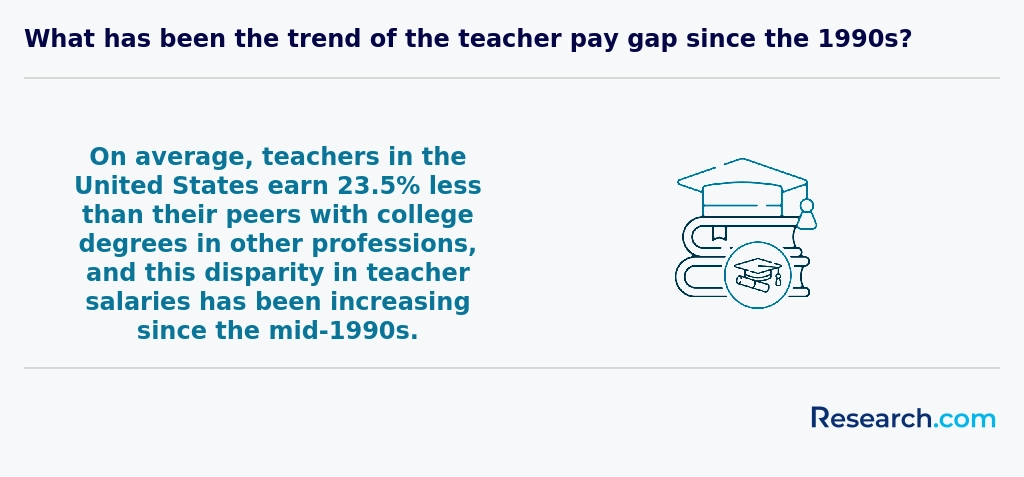
Graduates from education programs in the South find themselves at a crossroads of traditional teaching and innovative leadership roles. While many envision becoming licensed teachers in states like Texas or North Carolina, where school districts are rapidly expanding, the reality stretches far beyond the classroom. Education graduates from universities such as the University of Florida or the University of Georgia have shared stories of stepping into roles as school principals or curriculum coordinators, shaping educational policy and impacting entire communities. This versatility highlights a lesser-known truth: education degree career opportunities in the South are rich and varied, often blending classroom experience with administrative influence.
Moreover, the rising emphasis on student well-being has opened pathways in counseling and educational technology. Graduates from well-regarded southern colleges frequently recall their transition into careers as instructional coaches or school psychologists, driven by the region's growing investment in mental health services and digital learning tools. For those exploring affordable options to begin this journey, the Cheapest Online Master's in Education Degree Programs Ranking in Illinois sometimes serve as a strategic springboard, combining cost-effective education with practical career preparation that resonates with Southern states' teaching job prospects for education graduates.
The education degree job outlook in the South defies simple expectations. Graduates from universities like the University of Georgia or the University of Florida often find themselves stepping into a layer of opportunity fueled by regional population growth, especially in suburban and rural communities. These areas need teachers who are passionate and adaptable, particularly in subjects where shortages persist, such as special education and STEM fields. The diversity of roles available-from classroom teaching to educational leadership-means many graduates feel a rewarding sense of impact as they navigate these career paths.
Consider graduates who choose to stay local after earning their degrees at well-known Southern institutions; their salaries vary widely, reflecting state-to-state differences that influence career decisions. North Carolina's comparatively higher average pay encourages teachers to build lifelong careers there, while others embrace the challenge of less lucrative but deeply meaningful roles elsewhere. The teaching career opportunities in Southern states extend beyond K-12, including adult education and academic advising, offering a rich professional experience.
Those weighing costs against benefits appreciate that many Southern public colleges provide affordable tuition combined with financial aid, reducing barriers for aspiring educators. Individuals looking to accelerate their credentials often explore a 1 year masters program, balancing swift entry into the evolving job market with solid academic preparation. These graduates routinely express pride in shaping young minds amid steady demand, confirming that education remains a vital and personally fulfilling calling in the South.
2027 Best Education Degree Programs Ranking in the South
Investing in your education is a significant decision that can shape your future, and the Research.com team understands the importance of making informed choices. To assist prospective students in the South, we have meticulously crafted the "2027 Best Education Degree Programs Ranking in the South." Our commitment to quality, credibility, and accuracy is reflected in the extensive research and analysis conducted to compile this ranking.
We utilized the following reputable data sources to ensure a comprehensive evaluation of education programs:
By exploring this ranking, readers will gain valuable insights into the best education degree programs available in the South, helping them make well-informed decisions about their academic careers. For more details on our methodology, please visit our Research.com methodology page.


# 15 position
University of North Carolina at Chapel Hill
Doctor of Education in Organizational Learning
# 16 position
Texas A&M University-College Station
Master of Education in Curriculum and Instruction


Frequently Asked Questions About education
Education degree students in the South can maximize their learning experience by engaging deeply with both classroom instruction and practical fieldwork. According to the National Center for Education Statistics (NCES), Southern universities often offer robust student teaching opportunities, which are critical for hands-on learning. Participating actively in these placements allows students to apply theory to real classroom settings.
Networking with local school districts also enhances learning, as many Southern states have partnerships that support mentorship programs. Additionally, taking advantage of professional development workshops and education conferences within the region helps students stay updated on teaching innovations and policies.
Finally, leveraging online resources from Southern education research centers can provide additional insights into regional educational challenges and strategies.
Emerging niches within the education field in the Southern United States reflect growing regional and national trends. One key area is educational technology integration, where professionals are trained to implement digital tools in K-12 and higher education settings. According to the Southern Regional Education Board, demand for educators skilled in remote learning platforms rose by 22% between 2020 and 2023.
Another niche is special education with a focus on inclusive practices, responding to an increasing number of students requiring individualized support. Career opportunities also expand in culturally responsive teaching, especially in diverse Southern communities, promoting equity and engagement.
Additionally, early childhood education remains critical, driven by policy initiatives to improve readiness for kindergarten across Southern states.
Preparing for the job market after completing an education degree in the South involves strategic planning and practical experience. Graduates should pursue student teaching opportunities, as most Southern states require hands-on classroom experience for teacher certification. According to the Southern Regional Education Board, states like Texas and Georgia have seen a 15% rise in demand for qualified teachers through 2025.
Networking is essential. Attending regional education conferences and joining organizations like the Southern Education Association can connect graduates with potential employers. Additionally, obtaining state-specific certifications and pursuing endorsements in high-need areas such as special education or STEM subjects improves job prospects.
Staying informed about local school district hiring trends and salaries, which range widely but average around $50,000 annually in many Southern states, helps in realistic job planning.
Employers in the South seeking education degree graduates emphasize a range of essential skills. Communication remains critical, with many schools reporting that 85% of successful candidates demonstrate strong verbal and written abilities (Southern Regional Education Board, 2023). Classroom management and adaptability are also top priorities, especially given the region's diverse student populations and varied school environments.
Data from the U.S. Bureau of Labor Statistics highlights the growing importance of technology integration skills, as 67% of Southern schools now incorporate digital tools into daily lesson plans. Additionally, cultural competence and collaborative teamwork are vital for effectively engaging with students, parents, and colleagues.
Employers highly value graduates who show critical thinking and problem-solving capabilities to address educational challenges unique to Southern communities.
Finding internships relevant to an education degree in the South requires strategic approaches tied to regional resources. Many Southern universities, such as those in North Carolina and Georgia, have established partnerships with local school districts and educational organizations, offering students hands-on experience during their studies. According to the Southern Regional Education Board, over 60% of education degree programs in the South incorporate fieldwork or internships as graduation requirements.
Students should actively engage with university career centers, which often host internship fairs and maintain databases of available positions. Additionally, leveraging connections with local public schools, education nonprofits, and summer programs increases internship opportunities.
State Departments of Education in Southern states typically provide listings of approved student teaching and internship placements, aligning experiences with licensure pathways. Online portals such as Handshake also serve Southern students by aggregating education-focused internships tailored to local communities.
An education degree in the Southern U.S. provides significant career mobility and advancement opportunities due to strong regional demand for qualified teachers. According to the Southern Regional Education Board (SREB), over 60% of Southern states report teacher shortages, especially in rural and low-income areas. This shortage increases hiring flexibility for graduates. Additionally, obtaining advanced degrees such as a master's or specialist degree can lead to higher salaries and leadership roles like instructional coordinators or school administrators. The U.S. Bureau of Labor Statistics predicts a 5% growth in education jobs through 2030, with Southern states often leading in school expansion and reform efforts, further enhancing prospects for degree holders.
Studying for an education degree in the South equips students with skills that extend beyond traditional teaching. Many Southern universities integrate interdisciplinary coursework, combining education with psychology, sociology, and technology. This prepares graduates to work effectively in diverse roles such as curriculum design, educational policy, and community outreach. According to the National Center for Education Statistics (2023), Southern institutions graduate approximately 25% of the nation's education majors, many of whom benefit from collaborative learning models.
Programs often emphasize practical experience in varied settings, encouraging adaptability. Well-rounded training ensures graduates can address complex educational challenges across different populations and environments, meeting evolving regional and national demands.
When choosing between a thesis and a non-thesis education degree program in the South, consider your career goals and learning preferences. Thesis programs typically require original research and are ideal for students aiming for doctoral studies or research roles. Non-thesis programs focus on practical skills and often appeal to educators seeking immediate classroom application or administrative positions.
Southern universities such as the University of Florida and Texas A&M offer both options, reflecting regional demand for flexible graduate education pathways. According to the National Center for Education Statistics, about 40% of education master's students in the South choose non-thesis tracks, valuing faster completion times.
Cost and duration also differ: thesis programs may take longer and involve more faculty mentorship, while non-thesis degrees often allow for accelerated graduation. Understanding these factors helps students align their education with professional objectives in the Southern job market.
Students based in the South interested in education degrees have multiple study abroad options through U.S. universities with global partnerships. Many Southern institutions, such as the University of Georgia and University of North Carolina, offer exchange programs in Europe, Asia, and Latin America focused on education studies. These programs allow students to earn course credits applicable to their degrees while gaining international experience. According to the Institute of International Education, Southern students accounted for nearly 30% of all U.S. Education majors studying abroad in 2022, highlighting strong regional participation. Additionally, short-term faculty-led trips and internships provide hands-on global teaching experience.
Students pursuing education degrees in the South can benefit significantly from part-time jobs that enhance practical skills. Common opportunities include teacher assistant roles in public schools, where students gain firsthand classroom experience. According to the Southern Regional Education Board, nearly 45% of education majors work part-time in schools during their studies.
Other valuable positions involve tutoring services, especially in math and reading, which allow students to develop personalized instruction techniques. Libraries and community centers also offer part-time educator roles, helping with literacy programs aimed at diverse populations.
These jobs not only provide relevant experience but also strengthen resumes for future teaching positions within Southern states' growing school districts.
Education students in the South have access to a variety of robust networking opportunities designed to support their career growth. Many Southern universities host education-focused organizations like the Phi Delta Kappa International chapter, which connects students with professionals and researchers. According to the National Center for Education Statistics, Southern states collectively enroll over 4 million undergraduates, creating a diverse pool for collaboration.
Additionally, regional conferences such as the Southern Regional Education Board's annual meetings offer students chances to engage with educators and policymakers. Local school partnerships also provide practical experience and networking through internships and student-teaching placements.
Alumni networks offer significant advantages to education degree students in the South. These networks connect current students with graduates who have firsthand experience in regional schools and districts. According to the Southern Regional Education Board, over 60% of education graduates find employment through connections fostered by alumni networks.
In addition, alumni can offer mentorship on navigating certification processes unique to Southern states, such as Texas and Georgia. They also frequently share job openings and professional development opportunities.
These connections help build professional confidence and expand employment options in a competitive field, which is vital given the South's diverse and rapidly growing student populations.
Students pursuing education degrees in the South can tailor their programs by selecting specialized tracks such as special education, curriculum development, or educational leadership. Many Southern universities offer flexible course options, including online and hybrid classes, to fit professional schedules.
Additionally, students can engage in internships or practicums aligned with their career goals, gaining hands-on experience within local school districts. Universities in states like Texas and Georgia often provide partnerships with K-12 schools for practical training.
Electives focusing on educational technology or bilingual education are widely available, addressing regional needs. According to the Southern Regional Education Board, such customization helps graduates meet state certification requirements and improve employment prospects in diverse educational settings.
Education students in the South face several unique challenges during their degree programs. Many Southern states continue to have lower funding for public education compared to the national average, which can affect the availability of resources and practical training opportunities for future teachers. According to the Learning Policy Institute, states like Mississippi and Alabama spend significantly less per pupil than the U.S. average, impacting school quality and teacher preparation.
Additionally, rural school placements often require longer commutes and limited access to mentorship, posing difficulties for hands-on learning experiences. Students may also encounter challenges balancing fieldwork with coursework due to heavy workloads.
Furthermore, retention rates for Southern education programs can be lower, partly due to financial strain and regional economic disparities.
With an education degree in the South, you can pursue several professional certifications to enhance your career prospects. Common certifications include state teaching licenses, which are required to teach in K-12 public schools. Each Southern state has specific certification requirements, often involving passing exams and completing supervised teaching hours.
Beyond initial licensure, educators often seek National Board Certification, a rigorous process recognized across the U.S. This credential can lead to higher salaries and leadership opportunities.
Other options include certifications in special education, ESL (English as a Second Language), and school administration. According to the Southern Regional Education Board, these certifications are in high demand due to the region's diverse student population.
To write a winning application for an education program in the South, start by focusing on a clear and concise personal statement. Highlight your passion for teaching and specific experiences working with children or educational settings. Research from the National Center for Education Statistics shows Southern states often emphasize culturally responsive teaching, so mention any relevant skills or training.
Next, ensure your academic records meet or exceed program requirements, as GPA expectations typically range from 3.0 to 3.5 for competitive Southern schools. Secure strong recommendation letters from educators or supervisors who know your work ethic and dedication.
Finally, tailor your application to reflect the values and mission of the institution, referencing any community engagement or leadership relevant to Southern education contexts.
Education careers hold a significant place globally, with demand growing steadily, especially in the United States. Within the South, education degrees prepare students to meet diverse cultural and socioeconomic needs while aligning with national standards. According to the National Center for Education Statistics (NCES), Southern states employ nearly 30% of the nation's public school teachers, illustrating a strong regional market for educators.
Globally, education professionals are increasingly expected to adapt to technological advancements and multicultural classrooms. U.S. education degrees emphasize research-based teaching methods and cultural competency, valuable in international contexts. For Southern students, programs often integrate these perspectives to enhance global readiness.
In addition, Southern universities frequently partner with international institutions to offer exchange opportunities, supporting global awareness. These collaborations prepare graduates for careers not only in local schools but also in international education settings and policy development.
Gaining practical experience while studying for an education degree in the South often involves field placements, student teaching, and internships. Most teacher preparation programs require candidates to complete supervised classroom hours, which provide valuable hands-on training. For example, Southern states like Georgia and Texas mandate at least 12 to 16 weeks of student teaching prior to licensure, according to state education agencies.
Many universities partner with local schools to offer clinical experiences, allowing students to apply theory in real classroom settings. Additionally, some programs encourage volunteering and tutoring in underserved communities, enriching both skills and resumes.
Licensure guidelines from organizations like the Southern Regional Education Board emphasize practical experience as essential to developing effective educators.
Choosing the right concentration within an education degree program in the South involves several factors. First, consider your career goals-whether you prefer early childhood, special education, or educational leadership. The Southern Regional Education Board reports that special education and STEM-related education concentrations are growing due to regional demand.
Next, research the specific needs of schools in Southern states. For example, Texas and Georgia have increased demand for bilingual education specialists to serve diverse communities. Accreditation status also matters; ensure the program is recognized by the Council for the Accreditation of Educator Preparation (CAEP).
Additionally, evaluate program flexibility, including online options and practicum placements aligned with Southern school districts. Finally, consult faculty expertise and alumni outcomes to gain insight into concentration effectiveness within the region.
See What Experts Have To Say About Studying Education
Read our interview with Education experts

Alan J. Singer
Education Expert
Professor of Teaching, Learning and Technology
Hofstra University

Nooshan Ashtari
Education Expert
Professor & Book Author
University of Southern California

- Bachelor of Education in Senior Phase and Further Education and Training https://www.wits.ac.za/course-finder/undergraduate/humanities/bed-senior-phase-teaching/
- Top 10 Effective Networking Tips for Students https://www.unfc.ca/blog/networking-tips-for-students
- The importance of networking in the education sector https://www.tlclive.com/blog/the-importance-of-networking-in-the-education-sector
- Navigating Challenges In Education, Learning & Development - those who can https://www.thosewhocan.org/navigating-challenges-in-education-learning-and-development/
- Students: This is How You Should Prepare for the Job Market https://www.agencycentral.co.uk/articles/students-this-is-how-you-should-prepare-for-the-job-market/
- Teaching Degree Requirements in 2023 | Teachers of Tomorrow https://www.teachersoftomorrow.org/blog/insights/teaching-degree-requirements/
- Events & Opportunities https://connect.teachforall.org/events-opportunities
- The 10 Highest Paying Jobs With a Teaching Degree [Quiz] https://www.umassglobal.edu/blog-news/highest-paying-jobs-with-a-teaching-degree
- One Degree, Five Career Pathways: Where A BEd (Foundation Phase Teaching) Degree Can Take You | Boston City Campus https://www.boston.ac.za/blog/one-degree-five-career-pathways-where-a-boston-bed-foundation-phase-teaching-degree-can-take-you/
- EDUCATION AS A KEY IN CAREER BUILDING https://journals.vilniustech.lt/index.php/JBEM/article/download/15399/10674