2027 Best Education Degree Programs Ranking in Fayetteville

Co-Founder and Chief Data Scientist
Choosing the right education degree program is an important step toward a rewarding career. For students in Fayetteville, finding programs that truly stand out can feel overwhelming.
This article introduces the 2027 Best Education Degree Programs Ranking in Fayetteville, developed by the Research.com team of data scientists. Their expert analysis helps you make an informed choice by highlighting top programs worth considering.
By exploring this ranking, you'll gain clarity and confidence in selecting a path that supports your passion for teaching and growth. Your future as an educator starts here.
Key benefits of getting education degree in Fayetteville
- Salary benefits: Education degree graduates in Fayetteville can earn competitive salaries, such as $76,000 annually for Special Education Teachers and $77,200 for Instructional Designers, offering financial stability.
- Career paths: Graduates from the University of Arkansas in Fayetteville often pursue roles as Elementary School Teachers or Early Childhood Educators, opening doors to impactful and rewarding careers in education.
- Online degree advantages: Earn your education degree online through Fayetteville State University for flexible scheduling and personalized pacing, making it easier to balance work, life, and studies without sacrificing quality.
- 2027 Best Education Degree Programs Ranking in Fayetteville
- What can I expect from education degree in Fayetteville?
- Where can I work with education degree in Fayetteville?
What can I expect from education degree in Fayetteville?
If you're thinking about an education degree in Fayetteville, you'll be happy to know that tuition is pretty reasonable, especially if you're an in-state student at spots like the University of Arkansas. Many graduates share how they managed to keep costs down thanks to these competitive rates, making it easier to focus on learning without stressing too much about big student debt.
On top of affordable tuition, plenty of financial aid and scholarships are up for grabs specifically for education majors, which is a huge help. Imagine being able to dive into classes about curriculum development or classroom management, knowing you've got some financial support backing you up-it totally changes the vibe and lets you concentrate on gaining the skills you'll use in real classrooms.
Plus, since Fayetteville programs often include hands-on student teaching in local schools, many students find the investment worthwhile because they leave ready and confident for Arkansas teaching jobs. It's like getting your feet wet before jumping into the real deal, all while keeping costs manageable.
Where can I work with education degree in Fayetteville?
If you're studying education in Fayetteville, you've got a bunch of solid options waiting after graduation. Lots of grads land teaching jobs with Fayetteville Public Schools, where you might find yourself in a lively classroom with kids from early childhood all the way to high school. It's a place buzzing with energy, especially if you're into special education, ESL, or STEM subjects-there's always demand for passionate teachers in these areas.
Plus, if you're studying at the University of Arkansas or one of the local colleges, you could dive into roles beyond the classroom. Many grads get involved in educational program coordination or counseling on campus, which is a great way to make a meaningful impact without being tied to a single grade level.
Some former students love working with little ones, stepping into preschools or community centers where they help shape early learning experiences. Others head into leadership gigs like school administration or curriculum development, where they really get to call the shots and improve the school system from the inside.
And don't forget about options outside schools too-there are plenty of roles in tutoring, consulting, and even government jobs with the Arkansas Department of Education where your education degree can shine. It's all about finding the right fit that feels exciting and rewarding.
If you're studying education in Fayetteville, graduates from schools like the University of Arkansas often see a pretty solid range of starting salaries depending on their path. For example, elementary school teachers typically make around $70,740 a year nationwide, so you can expect something close to that in Fayetteville, though entry-level might start a bit lower, around $40,000 to $47,000 locally.
Special education teachers tend to earn more, with an average salary near $76,000 nationally. That extra pay reflects the specialized skills and extra training many Fayetteville grads put in. Some education majors choose roles like instructional designers, where the national average climbs to about $77,200 annually-ideal for those into curriculum development and tech in education.
English as a Second Language (ESL) educators are another popular choice, raking in about $65,430 per year, while early childhood educators make around $41,410 on average. Many Fayetteville grads share how these figures match well with local opportunities, especially when you factor in experience, certifications, and the perks offered by school districts.
- In-state undergraduate tuition for education degrees in Fayetteville ranges from $10,000 to $15,000 per year.
- Graduate education programs cost between $11,000 and $16,000 annually depending on degree type and residency.
- Entry-level teachers typically earn between $40,000 and $45,000 per year in Fayetteville.
- After 10 years, teachers' salaries increase to an average range of $55,000 to $65,000 annually.
- Specialized education roles like counselors and administrators often start with salaries around $60,000.
Most education degrees in Fayetteville wrap up in about four years if you're studying full-time. For example, graduates from the University of Arkansas at Fayetteville often share how they balanced their coursework across eight semesters, which felt just right for diving deep into teaching skills without feeling rushed. It's pretty typical here since Fayetteville's programs stick close to the national average, so you're not stuck in school forever.
If you're looking to go beyond a bachelor's, a master's degree usually takes another 1 to 2 years. Many students appreciate the flexibility of part-time or evening classes offered by Fayetteville universities, making it easier to juggle work or family while studying.
Certificate programs and quicker pathways to teaching can take just a few months up to a year-perfect for those wanting fast entry into the education field without the long haul. Local grads often smile recalling how these programs jump-started their careers quickly without sacrificing quality.
Becoming a certified teacher in Arkansas involves completing state-mandated steps to ensure both academic readiness and professional competence. First, candidates must graduate from an accredited Education degree program that meets Arkansas Department of Education (ADE) standards. Upon graduation, aspiring teachers register with ADE and submit official transcripts, a criminal background check, and verification of student-teaching hours. Next, candidates must pass the Praxis Core Academic Skills for Educators tests (reading, writing, and math) and the applicable Praxis II content exam for their chosen specialization. Minimum passing scores vary by subject area, so it’s essential to consult the latest ADE guidelines. After meeting exam requirements, applicants complete the ADE online application, pay the licensure fee, and await credential review, which typically takes 4–6 weeks. For those balancing work and study, Arkansas offers flexible routes such as alternative certification programs and approved online courses. Prospective students exploring online pathways can compare costs and program features through resources like the Affordable Online Education Degree Programs Ranking in Pensacola, FL, which highlights budget-friendly options that accommodate diverse schedules. Once initial certification is granted, teachers must engage in professional development and renew their license every five years. Renewal requirements include completion of 120 professional development hours, with a focus on classroom management, equity training, and instructional technology. Understanding and fulfilling these licensure steps ensures a seamless transition from student-teacher to fully licensed educator in Arkansas.
If you're thinking about getting an education degree in Fayetteville, the biggest difference between online and on-campus programs comes down to how you experience learning. On-campus programs, like those at the University of Arkansas, let you dive into campus life-imagine chatting face-to-face with your professors or joining study groups in the library. Graduates often say this vibe really helped them form connections and stay motivated with a solid schedule.
Online education, on the other hand, is all about flexibility. Many Fayetteville students juggling jobs or family love being able to catch lectures anytime from home, using video talks and discussion boards. Some even share how online programs still made it easy to stay engaged through local internships or virtual classroom simulations.
Cost-wise, on-campus might mean extra commuting or housing expenses, while online students save there but need reliable tech. Both paths lead to the same accredited degree, so it's really about what fits your lifestyle and how you learn best.
Graduates of an accredited Education degree program in Fayetteville, AR, must navigate state certification and licensure to become fully qualified teachers. First, you’ll complete a state-approved teacher preparation program-often integrated within your bachelor’s coursework-and fulfill a supervised student-teaching internship. Next, you must pass the Praxis® Core Academic Skills for Educators tests (covering reading, writing and mathematics) as well as the Praxis® Subject Assessments relevant to your specialization (for example, Elementary Education or Secondary English). Following successful test completion, submit your application through the Arkansas Department of Education (ADE), including official transcripts, background check clearance and the required certification fee. Upon review, ADE issues an Initial Teaching License valid for five years. To upgrade to a Standard Teaching License, educators must complete two years of mentored teaching, earn a minimum GPA in graduate-level coursework (if required), and demonstrate satisfactory performance evaluations. For specialty endorsements-such as ESL or Special Education-additional Praxis® exams and coursework may be mandated. Maintaining licensure requires ongoing professional development: Arkansas teachers must earn at least 120 continuing education units (CEUs) every five years, with specific credits in ethics and pedagogy. Beyond traditional classroom roles, certified educators can also explore a wide range of jobs you can get with an education degree, leveraging their skills in curriculum design, training and educational leadership.
If you're thinking about pursuing an education degree in Fayetteville, the average cost can vary depending on where you study and your residency status. For in-state students at popular spots like the University of Arkansas, undergrad tuition hovers around $10,000 a year, which is pretty reasonable and helps keep those student loans in check. Graduates often share how this affordability made focusing on their studies and teaching practice much less stressful.
Of course, tuition is just part of the picture. Fayetteville education degree program tuition fees usually include extra expenses like books, fees, and living costs, which add up to a total closer to $27,000 annually. Many students find budgeting for these extras important since living near campus can impact how much they spend monthly on things like transport and food.
Private universities are a different story, with tuition costs often hitting $35,000 or more each year. Still, many graduates talk about finding scholarships or assistantships that really helped lighten the financial load. Plus, with the rise of online classes, some students have saved money by cutting commuting and housing costs, making it easier to manage without sacrificing quality.
For anyone weighing their options, it's worth exploring various degrees in education available around Fayetteville and gathering detailed cost info from each school. That way, you can plan your budget better and enjoy your time studying without too many financial worries.
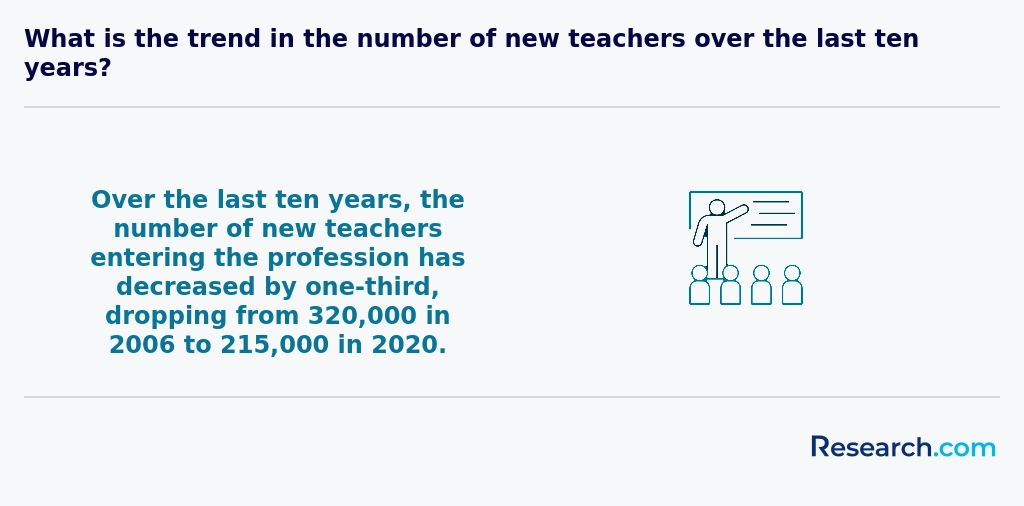
Understanding the return on investment (ROI) of your education degree is crucial for making informed decisions about your future. By comparing total costs against potential earnings, you can better gauge the long-term value of your academic investment.
Total Cost Breakdown
• In-State Tuition & Fees: ~$9,750 per year • Room, Board & Supplies: ~$17,396 per year • Average Time to Graduate: 4–6 years (120–140 credit hours) • Estimated Total Cost (4 years): $108,584 (in-state); $182,832 (out-of-state)Projected Earnings
• Early Childhood Educator: $38,640 / year • ESL Teacher: $63,130 / year • Instructional Designer: $73,080 / year • Median Regional Salary for Educators: $61,250 / yearBreak-Even Analysis
• ESL Teacher Path: – Total Cost: $108,584 – Annual Salary: $63,130 – Years to Recoup Investment: ~1.7 years • Instructional Designer Path: – Total Cost: $108,584 – Annual Salary: $73,080 – Years to Recoup Investment: ~1.5 years • Early Childhood Educator Path: – Total Cost: $108,584 – Annual Salary: $38,640 – Years to Recoup Investment: ~2.8 yearsMaximizing Your ROI
1. Seek scholarships and grants early to reduce upfront costs. 2. Leverage work-study or part-time teaching roles to earn while learning. 3. Compare program costs and outcomes; for more affordable online options, explore our Affordable Online Education Degree Programs Ranking in Pensacola, FL. 4. Factor in specialization: roles like instructional design often yield higher starting salaries, shortening payback periods. By carefully analyzing your prospective costs and salaries, you can choose a program in Fayetteville, AR that aligns with both your passion for education and your financial goals.Getting financial aid for an education degree in Fayetteville is pretty doable, especially if you know where to look. Many students at the University of Arkansas, for example, snag merit-based scholarships that really help cut down tuition costs. Plus, grad students often land assistantships that not only ease the financial burden but also give hands-on experience in the education field. It's a win-win!
Federal aid is a big help here, too. Lots of students use Pell Grants, which don't have to be paid back, or federal loans via FAFSA. Some even qualify for work-study gigs that fit nicely around their class schedules. Parents might grab Federal PLUS loans to support their kids as well.
State programs, like the Arkansas Teacher Opportunity Program, are also worth checking out. Graduates who commit to teaching in high-need areas in Arkansas can get loan forgiveness, which is a huge relief after graduation.
Beyond that, scholarships pop up through groups like the Arkansas Association of Colleges for Teacher Education, and some local foundations offer grants aimed to boost diversity and retention in education careers. Many working educators in Fayetteville schools also benefit from tuition reimbursement or employer-sponsored aid, making the whole journey feel a bit lighter and more doable.
Graduates with an education degree in Fayetteville, AR must meet Arkansas state licensure requirements to teach in public schools. First, candidates must pass the Praxis® Core Academic Skills for Educators tests in Reading, Writing, and Mathematics, followed by a Praxis® Subject Assessment aligned with their chosen specialization (e.g., Elementary Education, Special Education). Upon successful completion, applicants submit an application through the Arkansas Department of Education’s ADEConnect portal, including official transcripts, test score reports, and a state-mandated background check. Aspiring teachers should also complete a state-approved teacher preparation program, which integrates supervised student teaching hours-typically 12–16 weeks-in a local classroom. These clinical experiences are designed to strengthen classroom management skills, lesson planning, and student assessment techniques. After fulfilling program requirements and passing all examinations, candidates receive an Initial Teaching License valid for five years. To advance to a Standard Teaching License, educators must complete at least three years of teaching experience and participate in ongoing professional development or earn a master’s degree in education. Alternative certification pathways are available for career changers holding a bachelor’s degree in a non-education field. These programs expedite licensure by combining online coursework with school-based mentoring, often allowing participants to teach under a provisional license. For options that balance cost, flexibility, and accreditation, consider exploring Affordable Online Education Degree Programs Ranking in Pensacola, FL, which highlights affordable routes to licensure-supportive programs.
If you're thinking about enrolling in an education degree program in Fayetteville, there are a few key things you'll need to have ready. Most programs, like those at the University of Arkansas, expect you to have finished high school or earned a GED. It's the basic starting point, so don't stress if you've got that checked off.
Graduates often share that submitting official transcripts showing a decent GPA-usually around 2.5 to 3.0-helps prove you're ready for college-level classes. Some students remember feeling relieved when their SAT or ACT scores weren't a big deal because a lot of Fayetteville schools now offer flexible options or skip test requirements altogether.
One thing many find important is the background check process. Since you'll likely be working with kids during internships or student teaching, Fayetteville schools require fingerprinting and clearance, which can seem formal but actually feels like a solid step toward real-world teaching.
Also, don't forget about letters of recommendation and personal statements. Many students say writing about why they want to teach really helped them connect with admissions staff at local colleges, making their applications stand out in a friendly, personal way.
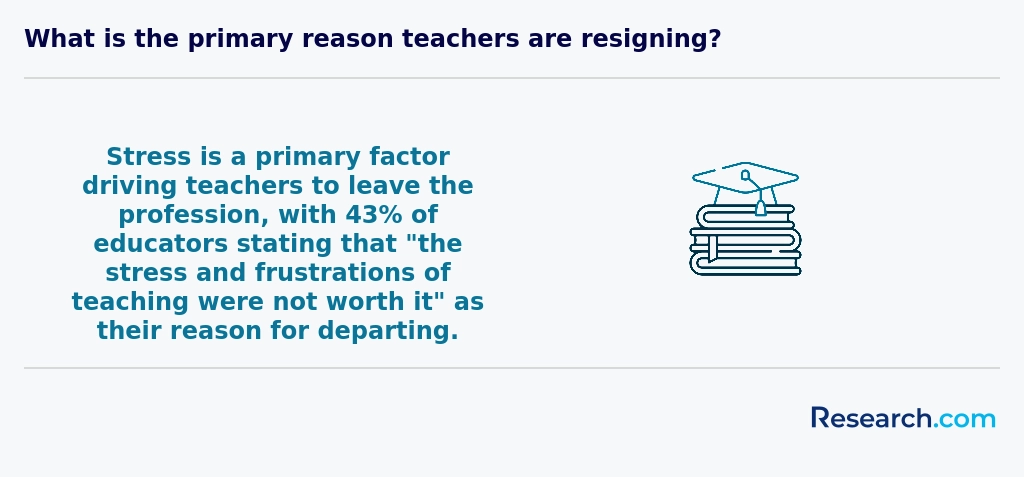
When considering pursuing an education degree in Fayetteville, AR, understanding the financial implications and available funding options is crucial. The cost of tuition, living expenses, and other educational materials can be significant, making it essential for prospective students to explore all avenues of financial aid. For those looking to minimize their financial burden, it's worth investigating the most affordable education schools in Arkansas, which can offer competitive pricing without compromising on the quality of education. Additionally, many institutions in Fayetteville, such as the University of Arkansas, provide scholarships, grants, and federal loans to help students finance their education degrees. By taking advantage of these financial aid opportunities, aspiring educators can focus on their academic and professional development, rather than being deterred by the financial costs associated with pursuing their degree.
If you're diving into an education degree in Fayetteville, expect a solid mix of courses that really get you ready to teach. At popular spots like the University of Arkansas, grads often talk about how foundational classes like Educational Psychology and Child Development helped them understand what's going on in students' heads and how to handle a lively classroom. These courses aren't just textbooks-they describe real classroom moments, like figuring out why a kid's struggling with reading or how to motivate a shy student.
You'll also take hands-on classes about teaching methods, tailored to whatever grade or subject you want to focus on. For example, if you're aiming to teach elementary school, you'll dive into literacy and math teaching strategies, which grads say gave them practical tools they use every day. Secondary education students get to specialize in their subjects, like history or science, which makes lesson planning feel way more doable.
One thing many Fayetteville students rave about is the student teaching experience. Getting placed in local schools means you jump right into the teaching world, learning on your feet but with support. It's like a real "trial by fire" but in the best way, boosting your confidence before you graduate.
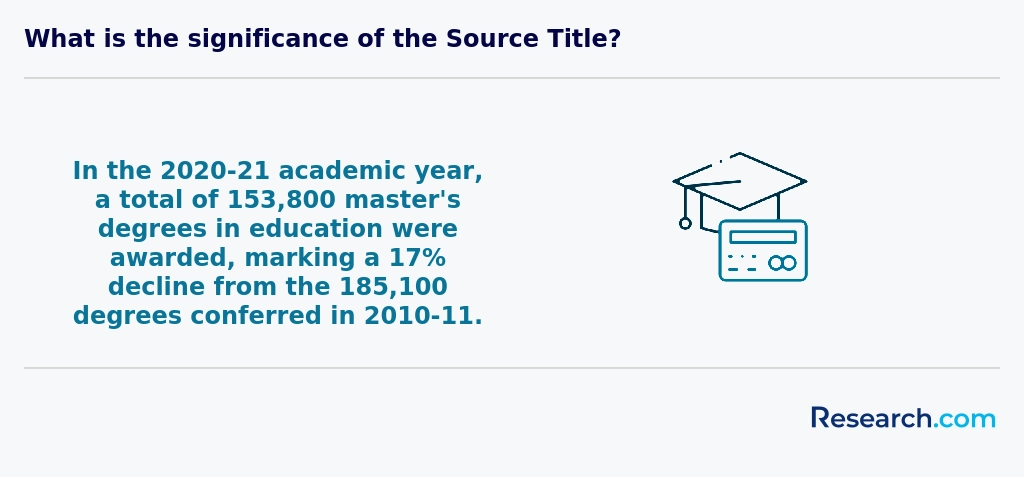
If you're looking into education degree specializations in Fayetteville, you'll find plenty of options that really fit different teaching passions. For example, many students from popular schools like the University of Arkansas get hands-on experience in Elementary Education, learning how to make lessons fun and impactful for kids from kindergarten to 6th grade. Others dive into Secondary Education, focusing on subjects like science or math for middle and high schools, which makes teaching older students a breeze.
There's also Special Education for those who want to support kids with different learning needs, and Early Childhood Education for working with little ones right from birth through age 8. Some graduates have loved working on campus by preparing for careers in Educational Leadership or trying out the latest digital tools in Educational Technology. Fayetteville education degree programs options often provide real classroom internships at local schools, making the experience feel super real and exciting. If you're curious about different career paths, you might even check out interior design entry-level jobs for inspiration outside teaching.
When picking the best education degree in Fayetteville, start by thinking about what type of degree fits you-whether it's a Bachelor's, Master's, or even a doctorate. Graduates from the University of Arkansas often share how helpful real classroom experience was, thanks to student teaching opportunities in local schools. This hands-on approach really boosted their confidence and gave them a taste of actual teaching life.
Cost matters too, and finding affordable teaching degrees in Fayetteville can make a big difference. Many students say exploring financial aid or scholarships helped ease their worries about tuition, which around here tends to hover near state university averages.
Don't forget to check if the program gets you ready for those all-important Arkansas teacher licensure exams. Also, if you want to branch out, some grads recommend looking at programs meeting library science degree requirements, since they open doors to other education-related careers. It's all about finding what clicks with your goals and feeling excited about the journey ahead!
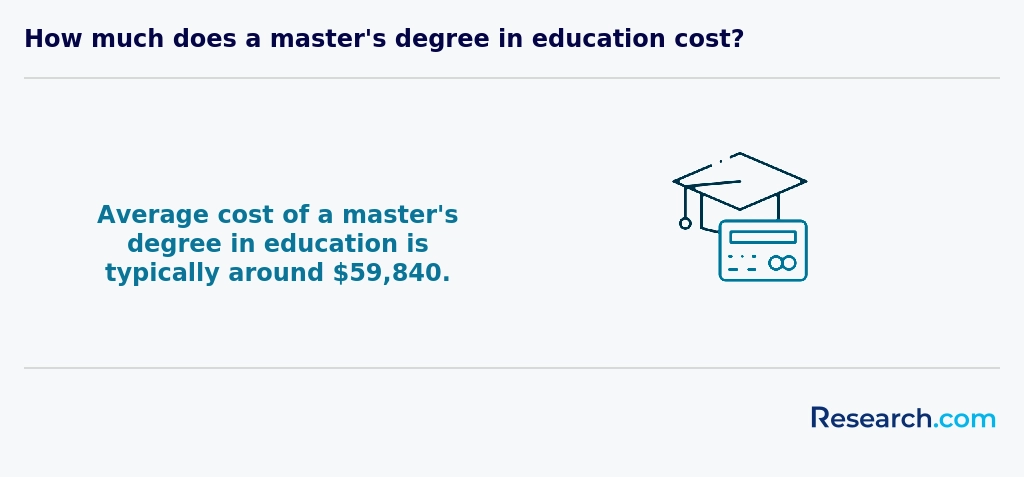
If you're thinking about an education degree career options Fayetteville offers some cool paths to jump into right after graduation. Many students from the University of Arkansas find themselves stepping into licensed classroom teaching roles, whether it's elementary, middle, or high school. Those grads love sharing what they've learned and feel proud seeing their students grow. Others dive into special education, where the demand keeps growing-if you're curious, check out some online special education careers to see how you can make a real difference there.
There's also room for you in educational administration-think principals and curriculum coordinators-perfect if you enjoy leadership and shaping how schools run. Fayetteville colleges prepare you well for that. Or maybe school counseling catches your interest, guiding students through their academic and personal challenges. Plus, some grads are excited to work in instructional coordination or adult education, helping to create programs that really impact the community. These teaching job opportunities in Fayetteville make it a great place to start your education career with plenty of supportive programs nearby.
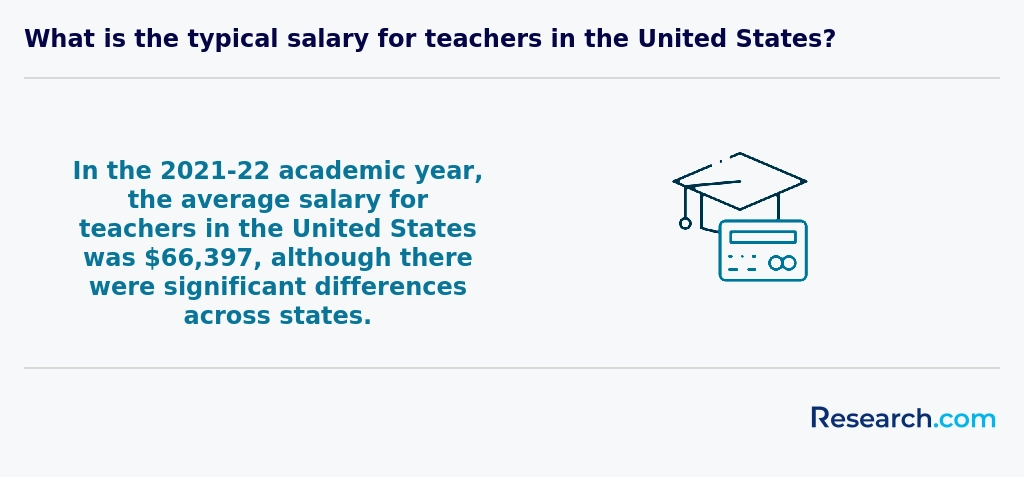
The job market for education degree job opportunities in Fayetteville is steady and promising, especially if you focus on in-demand subjects like special education, math, or science. Many graduates from popular schools like the University of Arkansas find success landing teaching roles or stepping into educational administration and curriculum development positions. These roles often come with a chance to impact local schools in meaningful ways.
Starting salaries for educators here hover around $40,000, which might feel a bit modest compared to big cities but are competitive enough given Arkansas's living costs. Plus, Fayetteville's local institutions offer tuition rates in the $10,000 to $12,000 range for in-state students, often with the benefit of scholarships and state programs geared toward helping aspiring teachers.
For those interested in expanding their skill set, pursuing advanced degrees or certifications can really open doors. Many graduates also explore opportunities linked to accredited online library science programs to diversify their expertise and enhance their career options in the education sector.
2027 Best Education Degree Programs Ranking in Fayetteville
Investing in your education is a significant decision that can shape your future, and the Research.com team understands the importance of making informed choices. To assist prospective students in Fayetteville, we have meticulously crafted the "2027 Best Education Degree Programs Ranking in Fayetteville." Our commitment to quality, credibility, and accuracy is reflected in the extensive research and analysis conducted to compile this ranking.
We utilized the following reputable data sources to ensure a comprehensive evaluation of education programs:
By exploring this ranking, readers will gain valuable insights into the best education degree programs available in Fayetteville, empowering them to make informed decisions about their educational journeys. For more details on our methodology, please visit our Research.com methodology page.

Frequently Asked Questions About education
Students pursuing education degrees in Fayetteville can enhance their learning by actively engaging with local schools and educational centers through practical internships. These hands-on experiences are vital, as Fayetteville's schools often partner with universities, providing valuable classroom exposure aligned with state teaching standards.
Utilizing resources at the University of Arkansas, the largest institution in the city, offers access to up-to-date research and specialized workshops. According to the Arkansas Department of Education, students who participate in field experiences show a 30% higher success rate in certification exams.
Joining study groups and attending education conferences in Fayetteville also helps to deepen understanding and build professional networks. Additionally, leveraging Fayetteville's digital libraries and online learning platforms supports flexible and diverse study methods.
Emerging niches within the education field reflect the growing changes in how teaching and learning are approached, especially in Fayetteville. One significant area is educational technology integration, where teachers skilled in digital tools and online platforms are increasingly in demand. According to the Arkansas Department of Education, Fayetteville schools have expanded their use of technology-based instruction by 25% over the last three years.
Another growing niche is special education with a focus on inclusive classrooms, as Fayetteville public schools seek qualified educators to support diverse learners. Additionally, careers in educational leadership and administration are attracting students who want to influence policy and school improvement locally. Finally, bilingual education is gaining importance due to rising multilingual student populations in the area.
After completing an education degree in Fayetteville, preparing for the job market involves several strategic steps. First, students should gain practical experience through internships or student teaching placements arranged by local universities, which enhance both skills and resumes. Networking is also essential; the Fayetteville area has active education professional groups where connections with local school districts can be made. According to the Arkansas Department of Education, Fayetteville public schools have a growing demand for qualified teachers, particularly in STEM and special education fields.
Obtaining state certification is mandatory before employment, with the Arkansas Department of Education providing detailed guidelines. Additionally, candidates can benefit from workshops on resume building and interview preparation offered by Fayetteville colleges and career centers. Staying informed about local school district hiring trends increases chances of securing a position soon after graduation.
Employers in Fayetteville highly value education degree graduates who demonstrate strong communication skills. Effective verbal and written communication is essential for working with students, parents, and colleagues. According to the Arkansas Department of Education, 75% of Fayetteville school administrators prioritize classroom management abilities in new teachers.
Critical thinking and problem-solving skills are also important, as educators often need to adapt lesson plans to accommodate diverse learning styles. The ability to integrate technology into instruction is increasingly sought after, with Fayetteville schools adopting digital tools to enhance learning.
Additionally, teamwork and collaboration are key since educators frequently work within professional learning communities, sharing strategies to improve student outcomes.
Finding internships in Fayetteville relevant to an education degree involves targeting local school districts and educational organizations. Fayetteville Public Schools, serving over 23,000 students, often partners with universities to offer internship opportunities for education majors. Contacting the district's Human Resources or Teacher Recruitment office can provide information on current openings. Additionally, the University of Arkansas, located in Fayetteville, frequently posts internship listings tailored to education students, allowing practical experience alongside academic study.
Networking through local education conferences and job fairs also helps students connect with internship providers. Websites like Handshake and the Arkansas Department of Education's career portal may list available internships in Fayetteville-area schools.
Obtaining an education degree in Fayetteville can significantly enhance career mobility and advancement within the local educational sector. According to the Arkansas Department of Education, educators holding a bachelor's or higher in education tend to receive better job placement opportunities in Fayetteville's public and private schools.
With Fayetteville being part of the Northwest Arkansas region, which is experiencing steady population and school enrollment growth, demand for qualified teachers is rising. This growth creates pathways for graduates to quickly move into specialized roles, such as curriculum coordinators or instructional coaches.
Furthermore, teachers with advanced education degrees often qualify for higher salary tiers and leadership positions, supported by Fayetteville Public Schools' pay scales. Statewide data from the National Center for Education Statistics indicates that teachers with a master's degree earn about 10-15% more than those with only a bachelor's, improving long-term career prospects locally.
Professional credentials linked to an education degree also support transitions into administrative roles within Fayetteville's education system. Continuing education and licensure renewal requirements encourage ongoing skill development, which employers in the region value highly.
Studying for an education degree in Fayetteville offers students a strong foundation to excel in interdisciplinary roles. Local institutions integrate diverse curricula that blend education theory with psychology, technology, and social sciences. This approach equips future educators with skills beyond traditional teaching, preparing them to address complex challenges in various settings.
Fayetteville's programs emphasize collaborative projects and community engagement, allowing students to work across disciplines. According to the Arkansas Department of Higher Education, 62% of Fayetteville education graduates report working in roles involving multiple fields within five years of graduation.
This interdisciplinary training reflects national trends encouraging educators to be adaptable, analytical, and culturally aware professionals capable of innovating in dynamic environments.
Deciding between a thesis and a non-thesis education degree program in Fayetteville depends largely on your career goals and learning preferences. A thesis program typically requires original research and a written dissertation, which is ideal for students planning to pursue a PhD or careers in research and academia.
Non-thesis programs generally emphasize coursework and practical skills, suited for those aiming to enter or advance in teaching, administration, or educational leadership roles. In Fayetteville, institutions like the University of Arkansas offer both options, with about 30% of education master's students choosing thesis tracks according to their 2023 enrollment data.
Consider your interest in research, time availability, and professional objectives when choosing between these formats.
Students based in Fayetteville seeking to study education abroad have various pathways through U.S. universities that offer international study programs. While Fayetteville itself, home to the University of Arkansas, does not directly run overseas campuses, it provides access to exchange programs and partnerships with global institutions. According to the University of Arkansas, around 3% of education majors participate in study abroad experiences during their degree, gaining cross-cultural teaching insights.
Popular options include semester-long exchanges in countries with robust education systems, such as the United Kingdom, Australia, and Canada. These programs often focus on comparative education, curriculum development, or TESOL methodologies, aligning with U.S. certification requirements.
Financial aid and scholarships specific to study abroad are often available through Fayetteville's universities and external foundations, supporting practical and affordable international education experiences for Fayetteville students.
Students pursuing education degrees in Fayetteville can benefit from various part-time job opportunities that enhance both experience and resume value. Local schools and after-school programs frequently seek teacher assistants, a role that provides hands-on classroom experience and a deeper understanding of student needs. According to Fayetteville Public Schools employment data, these positions offer practical exposure to curriculum development and classroom management.
Additionally, tutoring services in Fayetteville are in demand, especially in subjects like math and reading. Tutoring allows education students to apply instructional strategies while improving communication skills. Libraries and community centers also offer roles in program facilitation, benefiting future educators by fostering public speaking and organizational abilities.
Education students in Fayetteville benefit from a variety of networking opportunities that support their academic and professional growth. Local institutions like the University of Arkansas offer frequent events, including education workshops, conferences, and guest lectures, allowing students to connect with experienced educators and peers. The Fayetteville Public Schools district also provides valuable partnerships for student teaching placements, fostering relationships with local schools. According to the Arkansas Department of Education, networking through internships and professional development programs enhances job placement rates for graduates. Additionally, education students can engage with statewide organizations such as the Arkansas Education Association, expanding their professional contacts beyond Fayetteville.
Alumni networks offer valuable support to education degree students in Fayetteville by creating strong professional connections. These networks connect current students with graduates who work in local schools and educational organizations, aiding in job placement and internships. According to the University of Arkansas, Fayetteville, active alumni communities can boost employment prospects by up to 30% through referrals and mentoring.
Such networks often organize workshops and seminars, enhancing practical skills beyond the classroom. They also provide insight into Fayetteville's unique educational environment, helping students navigate licensure requirements and district needs. Engagement with local alumni fosters collaboration and lifelong professional growth essential for education careers.
Customizing an education degree program in Fayetteville typically involves selecting specializations, electives, and practical experiences that align with your career objectives. Many area institutions offer flexible tracks such as early childhood, special education, or instructional technology, allowing you to focus on a specific student population or teaching method.
Additionally, Fayetteville schools often provide opportunities for internships and field placements within local districts, which can be tailored to your interest in urban or rural education settings. According to the Arkansas Department of Higher Education, about 60% of Fayetteville education students participate in such hands-on experiences before graduation.
Some programs also support graduate certificates or endorsements in areas like ESL or administration, offering an extra credential to boost employability. Carefully reviewing program curricula and academic advising can ensure your coursework fits your professional goals effectively.
Education students in Fayetteville commonly face challenges balancing coursework with fieldwork requirements. Many programs require extensive student teaching hours, which can conflict with part-time jobs or family responsibilities. This practical component is essential but demanding, often causing stress for those managing multiple commitments.
Financial strain is another typical issue. According to the National Center for Education Statistics, education majors frequently report concerns about tuition costs and limited scholarship opportunities compared to other disciplines. Fayetteville students may find financial aid resources insufficient to fully cover living expenses during lengthy practicum periods.
Moreover, adapting to evolving education technologies and diverse classroom environments presents difficulties. As Fayetteville schools serve increasingly diverse populations, education students must develop strong cultural competencies, a process that can be challenging without adequate training and mentorship.
With an education degree in Fayetteville, graduates can pursue several professional certifications that enhance their career opportunities in teaching and education administration. One common certification is the state teaching license issued by the Arkansas Department of Education, required to teach in public K-12 schools.
Beyond basic licensure, educators can earn National Board Certification, recognized nationally for advanced teaching skills. Fayetteville teachers may also pursue endorsements in specialized areas such as special education, English as a Second Language (ESL), or literacy instruction to meet local school district needs.
Additionally, administrative certifications, including school principal or superintendent credentials, can be pursued by those aiming to shift from classroom teaching to educational leadership roles.
Writing a winning application for an education program in Fayetteville begins with a clear and focused personal statement. Highlight your passion for teaching and your motivation to contribute to local schools. Fayetteville, Arkansas, has growing education initiatives, so demonstrating knowledge of regional needs enhances your application.
Strong academic records matter; most programs require at least a 3.0 GPA. Include relevant experience such as volunteer work or internships in schools. Fayetteville public universities like the University of Arkansas often value applicants with hands-on educational involvement.
Lastly, secure strong letters of recommendation from educators who can attest to your commitment and skill set. Attention to deadlines and thorough proofreading are essential to stand out.
Education careers today are shaped by both local and global trends. In the United States, teaching professionals are increasingly valued for their ability to work in diverse classroom environments and integrate technology into learning. Fayetteville, Arkansas, reflects this trend, with a growing demand for educators skilled in multicultural education and digital tools, according to the Arkansas Department of Education.
Globally, teaching often requires adaptability to different educational standards and cultural contexts. U.S. educators with degrees focusing on global perspectives may find opportunities in international schools or online education platforms. The National Center for Education Statistics notes that teacher preparation programs in Fayetteville emphasize these competencies to meet current workforce needs.
Gaining practical experience while studying for an education degree in Fayetteville is essential to prepare for a successful teaching career. Local institutions such as the University of Arkansas offer structured student teaching placements in nearby schools, allowing candidates to apply their knowledge in real classrooms under supervision. These internships typically span one or two semesters, providing hands-on experience with lesson planning, classroom management, and student assessment.
Additionally, Fayetteville's Public Schools often collaborate with universities to provide fieldwork opportunities and substitute teaching roles for education majors. According to the Arkansas Department of Education, about 85% of education students in Arkansas complete a practicum or internship before graduation, enhancing their readiness for licensure exams and employment.
Choosing the right concentration within an education degree program in Fayetteville begins with understanding your career goals and interests. Fayetteville offers various education concentrations, such as early childhood, special education, and secondary education, each aligning with different career paths. Research from the Arkansas Department of Higher Education shows that demand for special education teachers in Fayetteville has grown by 8% over the past five years, indicating strong job prospects in this area.
Next, consider the curriculum and practicum opportunities offered by Fayetteville institutions to ensure hands-on experience in your chosen field. Reviewing program accreditation and state licensure alignment is also essential to meet Arkansas teaching requirements.
Additionally, connect with local education professionals and advisors to gain insights into Fayetteville's school district needs and employment trends, helping you make an informed decision about your specialization.
- 2027 Best Education Degree Programs Ranking in Wichita
- 2027 Best Education Degree Programs Ranking in Kansas City
- 2027 Best Education Degree Programs Ranking in Columbia
- 2027 Best Education Degree Programs Ranking in Des Moines
- 2027 Best Education Degree Programs Ranking in Birmingham
- 2027 Best Education Degree Programs Ranking in New Orleans
- 2027 Best Education Degree Programs Ranking in Dubuque
- 2027 Best Education Degree Programs Ranking in Louisville
- 2027 Best Education Degree Programs Ranking in Indianapolis
- 2027 Best Education Degree Programs Ranking in Mobile
See What Experts Have To Say About Studying Education
Read our interview with Education experts

Nooshan Ashtari
Education Expert
Professor & Book Author
University of Southern California

Alan J. Singer
Education Expert
Professor of Teaching, Learning and Technology
Hofstra University

- Seven Major Challenges Facing Education in the 21st Century https://www.internationalschoolparent.com/articles/seven-global-education-challenges/
- Promising Niches in the Global EdTech Landscape - Blog https://rocketech.it/blog/post/global-edtech-landscape-what-niches-are-the-most-promising
- Education Study Abroad | CIEE https://www.ciee.org/go-abroad/college-study-abroad/programs/subjects-disciplines/education-study-abroad
- The importance of networking in the education sector https://www.tlclive.com/blog/the-importance-of-networking-in-the-education-sector
- 10 Reasons Why Education Helps to Advance Your Career - Insight Training https://insight.edu.au/blog/career-advancement-through-education/
- Teaching Job Roles | Teach For Life https://www.teachforlife.com/teachingjobs/global-perspectives-teacher
- EDUCATION AS A KEY IN CAREER BUILDING https://journals.vilniustech.lt/index.php/JBEM/article/download/15399/10674
- Education degree - Tłumaczenie po angielsku - Słownik angielsko-polski Diki https://www.diki.pl/slownik-angielskiego
- Higher education https://www.cityviewnc.com/stories/higher-education-2/
- What else can I do with an education or teaching degree? https://targetjobs.co.uk/careers-advice/career-ideas/what-else-can-i-do-education-or-teaching-degree