2027 Best Criminal Justice Degree Programs Ranking in New York

Co-Founder and Chief Data Scientist
Choosing the right criminal justice degree program in New York can feel overwhelming. Our 2027 Best Criminal Justice Degree Programs Ranking in New York, created by the Research.com team of data scientists, is designed to simplify this process for you.
This ranking highlights the top programs based on thorough data analysis, helping you discover quality options that match your goals. Pursuing a criminal justice degree can open doors to meaningful careers, personal growth, and community impact.
Reading this article will give you confidence in making an informed, inspiring educational choice.
Key benefits of getting criminal justice degree in New York
- Salary for criminal justice degree graduates: Graduates can expect competitive salaries, such as police officers earning a mean annual wage of $76,550 and crime scene investigators making about $95,930, offering financial stability and growth opportunities.
- Career paths: Many graduates from schools like John Jay College in New York pursue roles as correctional officers, forensic science technicians, or court clerks, showcasing the degree's versatility in law enforcement and legal fields.
- Online degree benefits: Earning a criminal justice degree online from institutions such as SUNY Empire State College allows flexible study schedules, enabling students to balance work and education while still accessing quality resources and support.
- 2027 Best Criminal Justice Degree Programs Ranking in New York
- What can I expect from criminal justice degree in New York?
- Where can I work with criminal justice degree in New York?
What can I expect from criminal justice degree in New York?
The average cost of pursuing a criminal justice degree in New York can feel like an investment into a complex mosaic of opportunity. Graduates from renowned institutions like John Jay College of Criminal Justice often reflect on tuition figures that hover around $7,000 to $10,000 per year for in-state students, while private universities may command higher fees, sometimes reaching $40,000 annually. Yet, this price tag is just a gateway to a dynamic education filled with hands-on internships in NYC's precincts, courtrooms, and correctional facilities.
Many students recall balancing intense courses on forensic techniques with gripping fieldwork alongside seasoned officers, all feeding their passion despite the financial stretch. Scholarships and flexible payment plans create pathways that lighten the load, making the cost feel less like a barrier and more like a stepping stone toward a meaningful career.
In this buzzing urban hive of legal training, the investment transcends numbers-it's a plunge into the heart of New York's justice system, crafting skilled professionals ready to take on real-world challenges.
Where can I work with criminal justice degree in New York?
Graduates from criminal justice programs at institutions like John Jay College or SUNY Albany step into New York's vast web of career opportunities energized and ready. Imagine walking the halls of a state police precinct in Albany or joining a detective team in bustling Queens-these roles are alive with purpose and demand sharp minds forged in New York's classroom trenches.
Some find themselves woven into the fabric of the New York State Department of Corrections, balancing discipline with humanity inside prison walls or community supervision offices, where every decision shapes lives. Others chase the thrill of federal agencies like the FBI or DEA, channeling their education into protecting the nation's safety, fueled by resilience and a hunger for justice.
Then there are those graduates who pivot toward nurturing communities-working with victim advocacy groups or nonprofits that heal wounds unseen but deeply felt. Legal roles as paralegals or court officers become dynamic launchpads, especially in a state that employs more paralegals than any other.
Private security firms and consulting agencies also beckon, offering paths where creativity meets caution, crafting protocols that guard against unseen threats. In New York, a criminal justice degree isn't just a diploma-it's a passport to diverse, impactful careers that echo in the city's every corner.
Graduates from criminal justice programs at prominent New York institutions like John Jay College often find themselves stepping into roles where the paycheck reflects both dedication and the city's unique demand. Picture starting as a police officer with a mean annual wage around $76,550-well above national averages-while progressing to detective roles where experience and skill can edge closer to $85,000 or more.
For those fascinated by the forensic side, a forensic science technician in New York typically earns about $71,540 annually, turning passion for science into a lucrative career. Imagine the satisfaction of a crime scene investigator bringing cases to life with a salary near $95,930, channeling analytical skills into impactful work.
Correctional officers, with a mean wage of $58,810, and court clerks earning roughly $48,760, also find rewarding public sector careers. Graduates relish knowing their starting salary reflects New York's higher cost of living yet offers growth and stability in roles tied to justice and community safety.
- The average total cost for a criminal justice bachelor's degree in New York state universities ranges from $30,000 to $60,000 for in-state students.
- Private colleges and online programs can cost more than $70,000 for the entire degree.
- Entry-level salaries for criminal justice graduates in New York typically range from $40,000 to $50,000 per year.
- Experienced professionals in the field often earn around $70,000 annually, especially with advanced degrees or certifications.
- Employment in law enforcement and forensic science in New York is expected to grow about 5% over the next decade.
- Internship programs with local law enforcement agencies provide crucial hands-on training and improve job prospects for graduates.
Picture yourself diving into criminal justice at a bustling CUNY campus, where the clock starts ticking differently based on your pace. If you're the full-throttle kind, an associate degree wraps up in about two years, laying the foundation for an exciting career or a jump to a bachelor's. Speaking of the bachelor's, imagine spending four vibrant years at SUNY, fully immersed in lectures, internships, and late-night study sessions, emerging with a degree that's your passport into law enforcement or policy roles.
Now, life isn't always a straight path. Some graduates balance work, family, and classes, stretching that bachelor's journey just a bit longer, but gaining priceless real-world grit along the way. The master's degree dance at these New York institutions flexes between 18 months to two years, designed for professionals who juggle jobs and dreams, sometimes sneaking classes into evenings or weekends.
A few factors shape these timelines-credit transfers that speed things up, part-time enrollments that extend your adventure, and even tuition realities pushing students to strategize. The vibrant energy of New York's criminal justice programs is in these varied rhythms, each journey uniquely rewarding.
Beyond earning a degree, New York criminal justice graduates can significantly enhance their marketability and expertise by pursuing specialized professional certifications and ongoing education. Certifications such as the Certified Forensic Investigator (CFI) from the International Association for Identification or the Certified Protection Professional (CPP) from ASIS International validate technical skills in crime scene analysis, risk management, and security operations. For those interested in federal intelligence roles, reviewing cia agent career requirements can help align academic preparation with the competencies sought by agencies like the CIA. Continuing education programs, including graduate certificates in Cybercrime Investigation or Emergency Management, offer targeted coursework to address emerging threats and technologies. Many New York institutions partner with local law enforcement and judicial bodies to deliver workshops on digital forensics, de-escalation techniques, and trauma-informed interviewing. These programs not only build practical skills but also foster valuable networks with seasoned practitioners and mentors. Maintaining certifications often requires completing annual or biennial professional development credits (PDCs), which can be earned through webinars, conferences, or advanced training courses. Organizations like the New York State Division of Criminal Justice Services (DCJS) host accredited seminars on topics ranging from evidence handling to victim advocacy. Tracking PDCs through an online portal ensures compliance with licensing bodies and demonstrates a commitment to continual improvement. Ultimately, integrating certifications and continuing education into one’s career roadmap elevates professional credibility and opens doors to specialized roles in forensic labs, federal agencies, and executive leadership within justice organizations. By strategically selecting credentials that complement their degree, graduates position themselves as adaptable, knowledgeable, and ready to meet the evolving demands of New York’s criminal justice landscape.
Picture a criminal justice student navigating the bustling halls of John Jay College in Manhattan, soaking up face-to-face debates on law enforcement ethics while grabbing coffee between classes. The tangible energy of on-campus life fuels connections-professors nodding knowingly during tough questions, peers swapping internship leads during lunch. This in-person experience sharpens communication and feeds a network that extends beyond the classroom, a priceless asset in New York's tight-knit criminal justice community.
Now imagine another student logging in from upstate or Queens, balancing work shifts and family with online lectures offered by the City University of New York. Flexibility is their ally-classes accessed at midnight after a long day, virtual discussions buzzing quietly on the screen. Though the physical campus isn't footsteps away, the curriculum mirrors the same core criminology and corrections courses, with digital forums sparking fresh perspectives and occasional weekend residencies anchoring real-world practice.
Both paths weave distinct experiences: one rich in spontaneous hallway conversations, the other sculpted by disciplined independence. Graduates from each route share a common pride-a New York criminal justice degree carved out on their own terms, tailored by choice and circumstance.
As the field of Criminal Justice evolves, New York’s top degree programs are integrating cutting-edge methodologies to prepare graduates for tomorrow’s challenges. Prospective students should consider how each program addresses these emerging trends to ensure their education remains both relevant and forward-thinking. 1. Technology and Digital Forensics Criminal Justice curricula increasingly include courses in digital forensics, cybercrime investigation, and the use of forensic software. Programs that offer hands-on labs with industry-standard tools-such as Cellebrite extraction systems and advanced crime-scene simulation software-help students develop the technical proficiency demanded by modern law enforcement agencies. 2. Data Analytics and Artificial Intelligence With law enforcement agencies relying on predictive policing and crime pattern analysis, many programs now teach data analytics, machine learning, and GIS mapping. Graduates trained in AI-driven tools can assist departments in resource allocation, threat assessment, and strategic planning, making them highly attractive to employers seeking data-savvy professionals. 3. Community-Centered and Procedural Justice A growing emphasis on community engagement and procedural justice ensures that graduates understand the social dynamics of policing. Courses in restorative justice, cultural competency, and trauma-informed practices equip students to build trust and collaborate effectively with diverse communities. 4. Interdisciplinary Collaborations Leading programs partner with psychology, public health, and social work departments to address mental health crises, substance abuse, and reentry support. These collaborations foster a holistic approach, enabling students to design comprehensive intervention strategies beyond traditional enforcement models. 5. Simulation, Virtual Reality, and Scenario-Based Training Immersive training through VR simulations and mock incident command centers allows students to experience high-pressure decision-making in a controlled environment. This hands-on approach refines critical thinking, communication, and de-escalation skills, bridging the gap between theory and real-world application. 6. Cost-Conscious Pathways As tuition concerns grow, many students explore affordable programs both within and beyond New York. For comparative insight into budget-friendly options, consult the Low Cost Criminal Justice Degree Programs Ranking in Arkansas, which highlights how other states are innovating without compromising quality. By evaluating how New York’s Criminal Justice degree programs incorporate these trends, students can select a curriculum that not only meets current professional standards but also anticipates the future landscape of law enforcement and public safety.
The average cost of a criminal justice degree in New York can be a mental map lined with numbers that shift depending on where you land. For many in-state students attending SUNY campuses, the dream feels achievable with total expenses around $33,740. Graduates often recall the mix of thrill and calculation as they balanced rigorous classes with financial planning. Attending a public college means tuition remains more manageable, but it's the overall total-tuition, fees, supplies, and those unexpected fieldwork costs-that shapes the journey. It's easy to picture a typical year filled not just with textbooks, but also tech and lab fees that add roughly $1,000 annually, gently nudging the budget higher.
For those drawn to the specialized allure of private institutions like John Jay College or Pace University, the financial landscape looks different-median total costs jump closer to $48,120. Students there often describe their experience as investing in distinctive opportunities that prepare them for unique criminal justice roles across New York City's complex urban tapestry. The pressure to manage these higher costs is real, but so is the payoff in professional confidence and robust networks.
Applicants wrestling with the real question of average cost of criminal justice degree in New York can find hope in the support available. Programs like TAP, plus various scholarships, can rewrite budgets to be far kinder. Many grateful graduates remember how financial aid was a lifeline-allowing them to focus on their passion instead of just the price tag. For a detailed look at affordable criminal justice schools in New York, check out affordable criminal justice schools in New York.
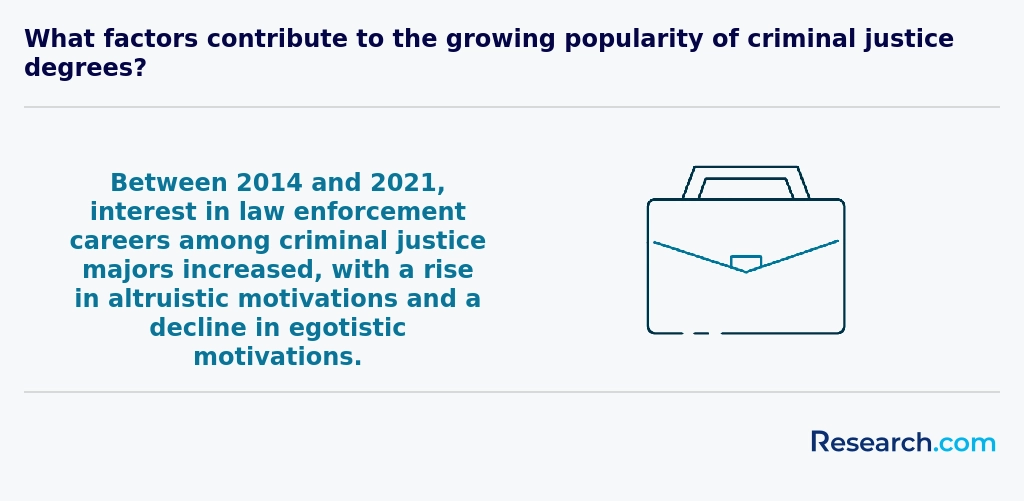
Earning a Criminal Justice degree in New York is only the first step toward a dynamic career-professional certifications and continuous training can significantly enhance your expertise, employability, and earning potential. Many graduates pursue state-specific credentials such as the New York State Division of Criminal Justice Services (DCJS) certification for police officers or correctional staff, which validate practical skills and compliance with local standards. Forensic specialists often seek certification through the American Board of Criminalistics (ABC) or the International Association for Identification (IAI), demonstrating mastery in evidence analysis and crime scene processing. Advanced certifications not only solidify subject-matter authority but also open doors to specialized roles and promotions. For instance:
- Certified Protection Professional (CPP) credential from ASIS International for security management positions
- National Institute of Justice (NIJ)–accredited certifications in digital forensics and cybercrime investigation
- Probation Officer and Parole Officer certificates through accredited law enforcement academies Beyond state and national certifications, some graduates target federal clearance and specialized exams. Aspiring intelligence professionals can explore cia agent career requirements to understand eligibility criteria, security clearance levels, and professional competencies needed for entry into agencies like the CIA or FBI. Continuous professional development-through workshops, webinars, and memberships in associations such as the American Society of Criminology (ASC) or the International Association of Chiefs of Police (IACP)-ensures that practitioners remain current on best practices, emerging technologies, and evolving legal frameworks. By combining a solid academic foundation with recognized certifications, Criminal Justice graduates in New York can confidently advance their careers, command higher salaries, and strengthen their contributions to public safety and justice.
Imagine stepping onto the campus of John Jay College, your heart pounding with ambition but your wallet whispering caution. The bright side? Federal Pell Grants can lift a heavy part of that financial weight, offering up to $7,395 a year with no repayment strings attached. Many graduates recall how that grant was a game-changer, turning dreams into degrees without drowning in debt.
Then there's the New York State Tuition Assistance Program (TAP), a lifeline for residents attending iconic schools like the University at Albany. TAP grants can chip away up to $5,665 annually, easing the burdens for full-time students balancing textbooks and part-time gigs.
Scholarships from groups linked to criminal justice fields add a personal touch. Graduates often share stories of seizing scholarships from organizations such as the New York State Association of Criminal Defense Lawyers, fueling their passion for justice while covering unexpected costs.
Throw in work-study programs allowing on-campus jobs related to justice studies and federal student loans with modest interest, and suddenly financing your future at these New York institutions feels less like a barrier and more like a puzzle you can solve.
For students pursuing a Criminal Justice degree in New York, affordability is a crucial consideration. Many institutions offer competitive pricing without compromising on the quality of education. To explore these options, students can look into affordable criminal justice schools in New York, which provide a comprehensive overview of the most budget-friendly programs available. By understanding the financial implications of their educational choices, students can make informed decisions that align with their career aspirations and personal circumstances, ultimately setting themselves up for success in their future careers.
To step into the world of criminal justice in New York, the journey begins with a humble but crucial ticket: a high school diploma or its equivalent. This foundational step unlocks access to revered institutions like John Jay College or SUNY Albany, where graduates often recall their first moments clutching transcripts and recommendation letters-proof that their stories and ambitions matter.
While standardized tests like the SAT may seem like rocky terrain, many New York schools have softened this path with test-optional policies, a lifeline especially appreciated by those juggling work and study. Yet, strong scores can still shine like beacons on competitive applications, offering that extra sparkle.
Real-world experience often becomes the secret ingredient. Picture a hopeful candidate recounting volunteer days spent alongside local law enforcement or legal aid clinics in bustling city neighborhoods-those hours transform passion into tangible proof of commitment.
Graduate hopefuls, aiming for a master's, bring bachelor's degrees as their foundation, ready to deepen insight into the justice landscape that shapes New York's communities.
Amid this, the financial puzzle emerges, with public colleges offering a more approachable tuition range around $7,000 to $10,000 yearly-echoing stories of students balancing part-time jobs and scholarship applications to fuel their dreams.

Graduates aiming for law enforcement or corrections roles in New York must secure state certification and complete academy training. Many students choose an online criminal justice degree that fulfills academic prerequisites for these credentials.
- Meet minimum standards: U.S. citizen, age 20–21+, clean criminal record
- Pass the New York State civil service exam for your target position
- Complete approved police or peace officer academy (200–800 hours)
- Obtain certification from the NYS Division of Criminal Justice Services (DCJS)
- Fulfill ongoing requirements: annual in-service training (at least 6 hours) and periodic recertification
Imagine diving into the heartbeat of New York's criminal justice world, where courses don't just teach-they immerse you in the drama of real-life justice. At universities like John Jay College or SUNY Albany, graduates describe how *Criminology* transforms abstract theories into stories of neighborhoods grappling with crime and resilience. You're not just memorizing laws in *Criminal Law*; you're tracing the footsteps of court battles that rattle the city's core.
Picture sitting in *Law Enforcement Procedures*, debating ethical dilemmas that officers face on Brooklyn's busy streets. *Corrections* classes reveal the complex world behind prison walls, sparking a passion for rehabilitation over punishment. *Judicial Process* offers a front-row seat to courtroom dynamics that graduates say sharpen their analytical minds.
Courses like *Research Methods in Criminal Justice* pump you with the tools to analyze real data-helpful when hotshot students tackle New York's urgent justice reforms. Electives in juvenile justice or cybercrime unlock doors to today's cutting-edge challenges, empowering students to tailor their quest to protect and serve the Empire State's communities with confidence and empathy.
In New York, criminal justice degree specializations transport students into vivid worlds where law enforcement meets cutting-edge science, and community care intertwines with high-tech defenses. Graduates from top colleges like the City University of New York often reflect on their journeys through Law Enforcement tracks, where they mastered grassroots policing tactics and felt the pulse of city streets in internship programs with the NYPD. Other students immerse themselves in forensic science, decoding crime scenes with a precision that turns mysteries into solved cases. Corrections specialists share stories of rehabilitating lives behind iron bars, finding purpose in community reintegration programs.
For those drawn to the digital frontier, Cybersecurity and Cybercrime courses open up epic battles against hackers in both government and private sectors, equipping students to protect New York's virtual world. Meanwhile, Juvenile Justice tracks inspire passion for helping youth reclaim their paths, blending policy study with real-world intervention. This spectrum of the best criminal justice concentration options New York offers sparks enthusiasm and a distinct sense of mission among students, who often explore pathways aligned with their deepest ambitions.
Legal minds gravitate toward Criminal Law and Court Administration, where classroom theory meets courtroom dynamics, producing advocates ready for justice roles. The nexus of classroom and hands-on opportunities creates an authentic preparation for notable careers-whether chasing crime data or navigating legal corridors. Many embark on unique routes informed by detailed insights, including those curious about how to meet additional standards, as detailed in the cia agent career requirements. This kaleidoscope of options makes New York a compelling place for a criminal justice degree journey.
Choosing the best criminal justice degree programs New York demands a blend of street-smart intuition and academic savvy. Imagine walking the bustling halls of a top Manhattan university, where graduates recall forging real bonds during internships with NYPD units, experiencing firsthand the pulse of the city's law enforcement ecosystem. These hands-on adventures transform textbooks into living stories of justice. But it's not just about glamor; affordability shadows every choice. Many students juggle dreams with budgets-some tapping into specialized scholarships or exploring Low Cost Criminal Justice Degree Programs Ranking in Arkansas to find creative funding routes, proving that passion need not be curtailed by price.
Accreditation whispers trust across the lecture halls, ensuring your degree is more than a stack of paper but a respected credential. Flexibility is key, too-those late-night classes or online modules allow working professionals to infiltrate the academic world without sacrificing life's realities. Your path through New York's criminal justice maze should be as dynamic as the city itself, tailored to your ambitions and rhythms.
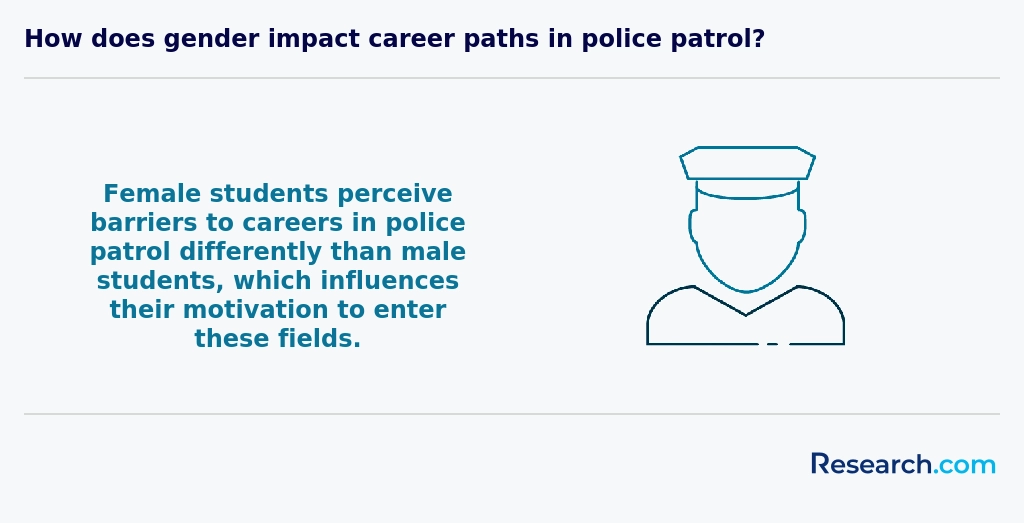
Graduates with a criminal justice degree in New York find themselves woven into the vibrant tapestry of the city's justice system-whether patrolling the streets as detectives or carving paths behind the scenes as crime analysts. From the bustling halls of CUNY to the historic campuses of SUNY, students transform classroom theories into hands-on experiences, chasing real cases with fiery ambition. The spectrum of criminal justice career opportunities in New York stretches further: probation officers navigating rehabilitation programs, or advocates lighting hope within victim support agencies, each role pulsating with meaning.
Envision yourself stepping into a probation officer's shoes, meeting individuals at crossroads, helping rewrite futures against the gritty backdrop of New York's correctional landscape. Or picture the thrill of a legal assistant decoding case files in a Manhattan firm, leveraging skills honed through study yet alive with city urgency.
Those drawn to societal impact find rewarding paths in nonprofit social services, influencing policy and lives on the grassroots level. Many graduates balance passion with pragmatism, knowing that opportunities sprout alongside the fastest growing college majors and jobs with criminal justice degree in New York remain as plentiful as the city's endless energy.
The criminal justice job outlook New York paints a picture of steady growth and vibrant opportunity, especially for graduates holding degrees from renowned institutions like John Jay College or the City University of New York. Imagine stepping into the bustling NYPD precinct or a federal agency office, where your education turns into real-world impact, protecting communities or shaping reform. Graduates often share stories of their first patrol or investigative assignment, filled with a mix of adrenaline and purpose that only New York's unique legal landscape can provide.
New York criminal justice career prospects stretch beyond traditional roles. Correctional treatment specialists and social advocates find meaningful work in city prisons and community programs, addressing systemic issues from the inside out. The salary range may start modestly, but the city's demand creates room for upward mobility. Cost concerns linger for some students, but many discover pathways to fund their studies through scholarships or online universities with open admission that balance quality and affordability.
2027 Best Criminal Justice Degree Programs Ranking in New York
Investing in your education is a significant decision that can shape your future, and the Research.com team understands the importance of making informed choices. To assist prospective students, we have meticulously created the "2027 Best Criminal Justice Degree Programs Ranking in New York." Our dedication to quality, credibility, and accuracy is evident in the careful research and analysis behind this ranking.
We utilized the following reputable data sources to ensure a comprehensive evaluation of criminal justice programs:
By exploring this ranking, readers will gain valuable insights into the best criminal justice degree programs in New York, empowering them to make informed decisions about their educational journeys. For more details on our methodology, please visit our Research.com methodology page.






# 14 position
SUNY at Fredonia
Criminal Justice, B.A.





Frequently Asked Questions About criminal justice
Criminal justice degree students in New York can enhance their learning by engaging in internships with local law enforcement agencies, such as the NYPD or district attorney offices. These opportunities provide practical experience and networking connections essential for career growth. According to the New York State Division of Criminal Justice Services, hands-on fieldwork significantly improves graduate employability.
Enrolling in courses that cover both theory and practice, including cybercrime and forensic science, aligns well with the evolving nature of criminal justice careers. Students should also join relevant clubs or organizations to discuss current legal trends and policies. Finally, attending guest lectures or local conferences can deepen understanding of regional justice challenges unique to New York.
The criminal justice field in New York is evolving, with several emerging niches attracting attention. Cybercrime investigation is rapidly growing due to the rise in digital offenses, making expertise in technology and law enforcement crucial. Forensic psychology also stands out as professionals work to understand criminal behavior and assist in legal processes.
Additionally, homeland security and counterterrorism have increased in importance post-9/11, with New York being a key focus area for related roles. According to data from the New York State Division of Criminal Justice Services, demand for specialists in these areas is expected to grow steadily through 2030.
Another promising niche involves restorative justice programs, emphasizing rehabilitation over punishment. These areas require new skills, combining traditional criminal justice education with interdisciplinary knowledge.
After completing a criminal justice degree in New York, preparing for the job market involves combining education with practical experience. Internships with local law enforcement agencies, courts, or social service organizations provide valuable hands-on skills. According to the New York State Department of Labor, roles in criminal justice are expected to grow by 5% through 2030, emphasizing the importance of experience and networking.
Students should also consider obtaining relevant certifications, such as in forensic science or victim advocacy, to enhance their resumes. Building connections through professional associations like the New York State Association of Criminal Justice Educators can open job opportunities. Strong communication and critical thinking skills remain essential in this competitive field.
Employers in New York seeking criminal justice degree graduates prioritize a mix of technical, interpersonal, and analytical skills. Strong critical thinking and problem-solving abilities are essential for evaluating evidence and making informed decisions. Communication skills, both written and verbal, are equally important to effectively interact with colleagues, law enforcement, and the public.
Knowledge of criminal law, procedures, and local policies is vital given New York's complex legal framework. Additionally, familiarity with data analysis tools and crime mapping techniques is increasingly valued, reflecting trends in law enforcement. According to the New York State Department of Labor, analytical and technological skills have risen in importance over the past five years.
Ethical judgment and emotional resilience also rank high since criminal justice roles often involve stressful, sensitive situations. Adaptability and cultural competence are crucial in a diverse state like New York, helping graduates work effectively across communities. Employers typically seek well-rounded candidates who combine academic knowledge with practical competencies.
Finding internships in New York relevant to a criminal justice degree involves targeting government agencies, non-profits, and law enforcement offices active in the state. Many students begin by contacting the New York State Division of Criminal Justice Services or local district attorney offices, which annually offer numerous internship opportunities.
Universities in New York often maintain partnerships with police departments, correctional facilities, and advocacy groups, providing valuable internship placements. Using the New York State Office of Courts and the New York Police Department's internship programs can enhance practical experience.
Additionally, online platforms like Handshake and USAJobs list internships specific to criminal justice in New York. Networking through academic advisors and career centers is vital, as 70% of internships are secured through referrals, according to the National Association of Colleges and Employers.
A criminal justice degree in New York significantly enhances career mobility and advancement opportunities. According to the New York State Department of Labor, individuals with a bachelor's degree in criminal justice are more likely to secure higher-paying roles within law enforcement, corrections, and federal agencies.
Many employers require or prefer candidates with formal education due to the complex nature of today's justice system. A degree provides crucial knowledge in areas like criminal law, forensic science, and ethical standards, which often leads to faster promotions.
Graduates can advance to positions such as detective, probation officer, or federal agent more rapidly compared to those without degrees. In addition, ongoing professional development linked to degree programs can fulfill requirements for certification and specialized roles, further supporting upward mobility.
Studying for a criminal justice degree in New York offers students a comprehensive foundation to engage in interdisciplinary roles within the justice system. Programs often integrate coursework from sociology, psychology, law, and public administration, equipping graduates with versatile skills.
New York's diverse urban environment provides practical opportunities for applying theory to real-world challenges, such as crime prevention, community policing, and policy analysis. According to the New York State Division of Criminal Justice Services, graduates proficient in multiple disciplines have better job prospects in fields including social work, corrections, and legal services.
Students also gain experience analyzing data and understanding systemic issues, which is vital for collaboration with professionals in healthcare, education, and government agencies.
When choosing between a thesis and a non-thesis criminal justice degree program in New York, consider your career goals and learning style. Thesis programs emphasize research and critical analysis, suitable for students aiming at further academic work, such as a PhD, or roles in policy research. Non-thesis programs focus more on practical skills and coursework, often appealing to those seeking immediate employment in law enforcement or administration.
In New York, programs such as those at John Jay College and SUNY institutions reflect this distinction clearly. According to the New York State Education Department, over 60% of criminal justice graduates enter public safety roles, where practical experience is highly valued.
Evaluate the time commitment as thesis options usually require longer study periods due to research demands. Finally, consider faculty expertise and available resources, since strong mentorship is vital for successful thesis work in criminal justice fields.
Students based in New York interested in studying criminal justice abroad have several pathways through partnerships and study abroad programs offered by US institutions. Many New York universities with strong criminal justice departments provide exchange opportunities in countries like the United Kingdom, Canada, and Australia, which have comparable legal systems and offer valuable global perspectives.
Programs are often coordinated with faculty from schools such as John Jay College of Criminal Justice, which reports that approximately 12% of its students participate in international study experiences. These programs typically last a semester and combine coursework with field visits to criminal justice agencies abroad.
Financial aid and scholarships may be available to help offset the costs, but students should verify credit transfer policies to ensure their international studies count toward their degrees. Official data on study abroad participation can be found in the Institute of International Education's Open Doors Report.
Part-time job opportunities that complement criminal justice degrees in New York often provide practical experience and networking advantages. Common roles include working as a security officer, where students gain insight into safety procedures and risk management. Internships or assistant positions within local law enforcement agencies offer direct exposure to investigations and courtroom procedures. Additionally, roles in victim advocacy groups or correctional facilities familiarize students with support services and rehabilitation efforts. According to the New York State Division of Criminal Justice Services, gaining hands-on experience significantly strengthens a graduate's job prospects in the competitive criminal justice field. These part-time jobs balance work with study efficiently.
Criminal justice students in New York have access to a wide range of networking opportunities that can enhance their careers. Many universities collaborate with local law enforcement agencies, courts, and legal organizations, providing students with internships and fieldwork. For example, the New York State Division of Criminal Justice Services offers internship programs that connect students directly to criminal justice professionals.
Professional associations like the New York State Corrections Association and the New York Criminal Justice Association host conferences and events, allowing students to meet practitioners and experts. Additionally, New York City's large legal and criminal justice community creates informal networking through seminars and workshops. These experiences often lead to valuable job connections.
Alumni networks play a significant role in supporting criminal justice degree students in New York. These networks connect students with graduates who have practical experience in law enforcement, legal fields, and public safety agencies throughout the state. According to the New York State Division of Criminal Justice Services, about 98,000 individuals are employed in criminal justice roles statewide, intensifying competition for jobs.
Through alumni events, mentorship programs, and online platforms, students gain access to career advice and internship opportunities. Networking with alumni can increase job placement rates, which is vital in fields such as corrections, investigation, and policy analysis. Many New York-based universities report that graduates utilizing alumni connections find employment faster and often receive higher starting salaries.
Customizing a criminal justice degree program in New York allows students to tailor their education to specific career goals within the field. Many colleges in New York offer concentrations, such as forensic science, cybersecurity, or law enforcement, enabling focused study aligned with industry demands. For example, John Jay College of Criminal Justice provides options in areas like legal studies and forensic psychology, supporting various career paths. Additionally, students can select electives targeting emerging issues like criminal justice reform or digital forensics. Gaining internships with New York City agencies or local courts also enhances practical knowledge and employment opportunities. According to the New York State Division of Criminal Justice Services, specialized education improves job prospects in this competitive market.
Criminal justice students in New York often face the challenge of balancing rigorous academic coursework with practical field experiences. Many programs require internships or police ride-alongs, which can be time-consuming and emotionally demanding. Additionally, navigating the complexities of New York's diverse legal and social systems requires strong critical thinking skills.
Financial concerns also affect students, as tuition rates in New York can be high, especially for out-of-state learners. According to the College Board, the average annual tuition for a public four-year college in New York was over $10,000 in 2023.
Moreover, students encounter competitive job markets, with entry-level criminal justice roles sometimes limited, heightening stress about career prospects.
With a criminal justice degree in New York, numerous professional certifications can enhance your career prospects. For example, becoming a Certified Law Enforcement Officer requires completion of the New York State Division of Criminal Justice Services (DCJS) training. Many graduates also pursue certification as a Crime Scene Investigator, which involves specialized training recognized by DCJS. Additionally, certifications in Victim Advocacy and Forensic Interviewing are available and valued within social services and law enforcement sectors.
Such credentials often improve job competitiveness in a state where the criminal justice field employs over 100,000 professionals (Bureau of Labor Statistics, 2023). Certifications ensure you meet state standards and increase eligibility for roles in policing, corrections, or federal agencies.
Writing a winning application for a criminal justice program in New York requires clear focus and preparation. Start by thoroughly researching each institution's specific requirements and deadlines, as they can vary widely across colleges. Highlight your academic achievements, especially courses related to sociology, law, or psychology, as these form a strong foundation for criminal justice studies.
Admissions committees in New York often value relevant work or volunteer experience, such as internships with local law enforcement agencies or community organizations. According to the New York State Education Department, practical experience can significantly improve admission chances.
Craft a compelling personal statement that explains your motivation for studying criminal justice and your career goals. Be concise, sincere, and connect your interests to New York's unique legal and social landscape. Lastly, secure strong letters of recommendation from educators or professionals familiar with your abilities and commitment to the field.
The global perspectives on a criminal justice career emphasize the increasing importance of understanding diverse legal systems and law enforcement practices. For U.S. students, including those in New York, this means recognizing how international cooperation combats crime such as terrorism, human trafficking, and cybercrime.
New York's criminal justice programs often incorporate comparative studies, preparing graduates to engage with agencies like INTERPOL or the United Nations. According to the Bureau of Labor Statistics, employment for criminal justice professionals is expected to grow by 9% nationally through 2031, reflecting demand that spans local and global contexts.
Knowledge of global laws and cultural competency enhances career prospects beyond domestic roles, making it a valuable aspect for New York students in this field.
Gaining practical experience while studying for a criminal justice degree in New York is essential for career readiness. Many colleges offer internship programs with local law enforcement agencies, courts, and correctional facilities, allowing students to apply theoretical knowledge in real-world settings.
Students can also participate in cooperative education (co-op) programs, which combine classroom learning with paid work experience. The New York State Division of Criminal Justice Services supports partnerships that facilitate internships and fieldwork, enhancing hands-on learning opportunities.
Additionally, joining campus organizations focused on criminal justice or volunteering for community safety initiatives provides valuable experience and networking opportunities. Practical exposure helps students develop critical skills sought by employers in New York's competitive criminal justice job market.
Choosing the right concentration within a criminal justice degree in New York depends on your career goals and interests. Common concentrations include law enforcement, corrections, forensic science, and cybersecurity. Research New York State job outlooks: for example, the New York State Department of Labor projects a 5% growth for police officers and detectives through 2030.
Consider local agencies and industries-New York City has extensive law enforcement and forensic opportunities, while upstate areas may focus more on corrections. Additionally, look for programs offering internships or partnerships with New York agencies to gain practical experience. Reviewing specific course requirements and career support in your chosen concentration is essential.
- 2027 Best Criminal Justice Degree Programs Ranking in Massachusetts
- 2027 Best Criminal Justice Degree Programs Ranking in Vermont
- 2027 Best Criminal Justice Degree Programs Ranking in Rhode Island
- 2027 Best Criminal Justice Degree Programs Ranking in Maryland
- 2027 Best Criminal Justice Degree Programs Ranking in New Hampshire
- 2027 Best Criminal Justice Degree Programs Ranking in Maine
- 2027 Best Criminal Justice Degree Programs Ranking in West Virginia
- 2027 Best Criminal Justice Degree Programs Ranking in Kentucky
- 2027 Best Criminal Justice Degree Programs Ranking in North Carolina
- 2027 Best Criminal Justice Degree Programs Ranking in Indiana
See What Experts Have To Say About Studying Criminal Justice
Read our interview with Criminal Justice experts

James W. Marquart
Criminal Justice Expert
Associate Provost and Professor of Criminology
Texas Christian University

Mark Moore
Criminal Justice Expert
Research Professor of Public Management
Harvard University

David Carter
Criminal Justice Expert
Professor, School of Criminal Justice
Michigan State University

- 6 Ways to Network in the Criminal Justice Field https://www.aiuniv.edu/blog/2014/march/6-ways-to-network-in-criminal-justice
- MS Criminal Justice Thesis Track vs. Internship | University of Bridgeport https://www.bridgeport.edu/news/criminal-justice-thesis-track-vs-internship/
- What to do With a Criminal Justice Degree - Paladin Security https://paladinsecurity.com/security-careers/become-security-guard-canada/
- Online Bachelor’s Degree in Criminal Justice https://www.monroeu.edu/academics/undergraduate-programs/school-criminal-justice/online-bachelors-degree-criminal-justice
- Tips to Help Criminal Justice Students and Grads Network Successfully https://www.allcriminaljusticeschools.com/blog/networking-strategies-for-criminal-justice-students-and-grads/
- Study Criminal Justice Abroad | Go Overseas https://www.gooverseas.com/study-abroad/criminal-justice
- Ensuring Justice: Exploring the Path to a Criminal Justice Certificate - Lakewood University https://lakewood.edu/ensuring-justice-exploring-the-path-to-a-criminal-justice-certificate/
- How Much Does A Criminal Justice Degree Cost? https://imagine-america.org/blog/much-criminal-justice-degree-cost
- How To Network As A Criminal Justice Graduate https://www.northwestcareercollege.edu/blog/how-to-network-as-a-criminal-justice-graduate/
- Best Criminal Justice Schools In New York https://www.criminaljusticedegreeschools.com/degree-by-state/new-york/