2027 Most Affordable Criminal Justice Degree Programs Ranking in Washington

Co-Founder and Chief Data Scientist
Are you interested in starting a career in criminal justice without breaking the bank? This article introduces the 2027 Most Affordable Criminal Justice Degree Programs Ranking in Washington, created by the Research.com team of data scientists. It's designed to help you make an informed decision about which programs truly offer value for your investment.
Choosing the right degree can open doors to meaningful opportunities in law enforcement, corrections, and more. Reading this ranking will guide you toward affordable options that fit your goals, making your educational journey both smart and achievable.
Key benefits of getting criminal justice degree in Washington
- Salary benefits: Graduates can earn competitive wages with roles like Police Officer averaging $76,550 annually and Crime Scene Investigators making around $95,930 per year, offering strong financial stability.
- Career paths: A criminal justice degree from a Washington university opens doors to diverse jobs such as Correctional Officer or Court Clerk, allowing you to find a fulfilling role in law enforcement or legal support.
- Online degree advantages: Pursuing an online criminal justice degree provides flexible scheduling and accessibility, making it easier for working adults in Washington to advance their education without sacrificing current job commitments.
- Key benefits of getting criminal justice degree in Washington
- What can I expect from criminal justice degree in Washington?
- Where can I work with criminal justice degree in Washington?
- How much can I make with criminal justice degree in Washington?
- 2027 Most Affordable Criminal Justice Degree Programs Ranking in Washington
- Key Findings
- How long does it take to complete criminal justice degree in Washington?
- Certifications and Licensing Requirements
- What's the difference between online and on-campus criminal justice degree?
- Professional Certifications and Licensure
- What is the average cost of criminal justice degree in Washington?
- Why Pursue a Career in Criminal Justice in Washington
- What financial aid is available to criminal justice degree students in Washington?
- Accreditation and Licensing Requirements for Criminal Justice Programs in Washington
- What are the prerequisites for enrolling in criminal justice degree program in Washington?
- Accreditation and Licensing Requirements in Washington
- What courses are typically in criminal justice degree programs in Washington?
- What types of specializations are available in criminal justice degree programs in Washington?
- How do you choose the best criminal justice degree in Washington?
- What career paths are available for criminal justice degree students in Washington?
- What is the job market for criminal justice degree in Washington?
- Related Criminal Justice Rankings for Nearby States
- Top Trending Criminal Justice Rankings
- See What Experts Have To Say About Studying Criminal Justice
What can I expect from criminal justice degree in Washington?
The average cost of earning a criminal justice degree in Washington varies notably depending on the type of institution. Graduates from community colleges often report that tuition is more affordable, frequently ranging from $4,000 to $7,000 per year, which eases financial strain for many. Public universities, such as those popular for criminal justice degrees in Washington, tend to have higher tuition, typically between $8,000 and $12,000 annually for in-state students. Private institutions usually command even greater fees, sometimes doubling public rates, which can be a significant consideration for prospective students.
One graduate from a well-known public university found value in flexible online courses, allowing them to balance work and study without incurring additional commuting costs. Another graduate highlighted that financial aid and scholarships considerably reduced their out-of-pocket expenses, underscoring how cost experiences can vary widely.
While these costs reflect tuition alone, students should also consider expenses related to internships or required materials. Careful budgeting paired with an awareness of program accreditation ensures both affordability and quality education in Washington's criminal justice landscape.
Where can I work with criminal justice degree in Washington?
Graduates holding a criminal justice degree in Washington often find diverse employment opportunities across various sectors, reflecting the state's broad public safety infrastructure. Many start their careers with law enforcement agencies such as the Seattle Police Department or suburban departments in King and Pierce counties, where real-world policing challenges provide vital hands-on experiences. Students from popular programs at institutions like Washington State University report feeling prepared to tackle these roles, balancing theoretical knowledge with practical skills.
Others pursue careers in corrections, working with the Washington State Department of Corrections, where the focus extends beyond incarceration to rehabilitation and community supervision. Graduates frequently describe rewarding experiences as parole officers or counselors, emphasizing the chance to impact lives positively.
Moreover, criminal justice graduates often enter social services, joining nonprofit organizations or victim advocacy groups to provide crucial support to crime victims. This pathway appeals to those motivated by community engagement and restorative justice.
Federal agency jobs in investigative or administrative capacities also attract graduates, offering diverse career trajectories. Judicial system roles-such as probation officers or court clerks-are additional employment avenues, illustrating the multifaceted applications of a criminal justice degree in Washington's varied legal landscape.
How much can I make with criminal justice degree in Washington?
Graduates with a criminal justice degree in Washington can anticipate varied salary outcomes depending on their chosen career path. For example, law enforcement officers typically earn a mean annual wage of about $76,550, reflecting figures from the U.S. Bureau of Labor Statistics. This aligns with experiences shared by recent graduates from institutions like Seattle University and Eastern Washington University, where many secure positions in local police departments with competitive pay.
Correctional officers earn approximately $58,810 per year on average, making this a viable option for those interested in facility-based roles. Graduates working as forensic science technicians can expect salaries near $71,540, with crime scene investigators earning even more at $95,930 annually-figures that illustrate the financial potential for specialized careers within the state.
These salaries, however, can fluctuate due to factors like location and experience. Graduates often report higher wages in urban centers such as Seattle or Tacoma compared to rural areas. Those pursuing advanced certifications or degrees also find opportunities to boost earnings, sometimes reaching six figures in federal roles.
Considering these dynamics, potential students at popular Washington schools benefit from viewing salary as part of a broader career journey-one balancing passion, training, and market demand to achieve rewarding employment in the criminal justice field.
2027 Most Affordable Criminal Justice Degree Programs Ranking in Washington
How do we rank schools?
Investing in your education is a significant decision that can shape your future, and the Research.com team fully understands the importance of making well-informed choices. To support prospective students interested in criminal justice degrees in Washington, we have carefully developed the "2027 Most Affordable Criminal Justice Degree Programs Ranking in Washington." Our dedication to quality, credibility, and accuracy is demonstrated through thorough research and analysis to deliver a trustworthy resource.
We utilized the following reputable data sources to ensure a comprehensive evaluation of criminal justice programs:
By consulting this ranking, readers will gain valuable insights into the most affordable programs available in Washington, helping them make informed educational and financial decisions. For more information on how our ranking was developed, please visit our Research.com methodology page.
# 1 position
Heritage University
Bachelor of Science in Criminal Justice


Key Findings
- Annual tuition for public colleges in Washington ranges from $10,000 to $12,000 for in-state students, while private institutions charge between $20,000 and $35,000.
- Entry-level salaries for criminal justice graduates average $45,000 to $50,000 per year, increasing to $65,000 to $75,000 with experience.
- The criminal justice job market in Washington is expected to grow by 5% to 8% over the next decade.
- Internships and partnerships with local law enforcement help improve employment prospects for students.
- Certification and licensing are often required for many criminal justice careers in Washington, especially for police officers and private investigators.
How long does it take to complete criminal justice degree in Washington?
Completing a criminal justice degree in Washington usually varies by the level of education chosen and how one balances school with life. For instance, graduates from Tacoma Community College typically wrap up an associate degree in about two years, gaining essential knowledge that quickly gets them into entry-level roles or ready to transfer.
Those pursuing a bachelor's degree, such as students at the University of Washington or Central Washington University, often plan for around four years of full-time study. However, many find themselves extending this period slightly to accommodate part-time work or fewer classes per term, which can make the experience more manageable and less stressful. One graduate describes this flexibility as key to maintaining both academic success and personal well-being.
For those aiming higher, completing a master's degree at schools like Eastern Washington University or Seattle University commonly takes an additional two years. Here, students engage deeply with research and policy, often balancing studies with professional roles, which can subtly influence the time needed to finish.
Ultimately, while typical durations are two years for associate, four for bachelor's, and two more for master's degrees, real-world experiences in Washington's diverse programs show these timelines can shift smartly depending on individual circumstances and goals.
Certifications and Licensing Requirements
Graduates of a Criminal Justice degree in Washington often need specific certifications and licenses to launch their careers and maintain professional standards. Key credentials include:
- Peace Officer Standards and Training (POST) Certification: Required for all law enforcement officers, POST ensures candidates complete the Washington Basic Law Enforcement Academy and pass written and physical assessments.
- Correctional Officer Training: Administered by the Washington State Department of Corrections, this program includes facility security procedures, crisis intervention, and ethics education.
- Private Investigator License: Issued by the Washington State Department of Licensing, applicants must pass a background check, complete pre-licensing education, and submit proof of liability insurance.
- Forensic Science Technician Credentials: Beyond a degree, many employers value voluntary certification from the American Board of Criminalistics (ABC) or the International Association for Identification (IAI). Students interested in laboratory roles should review the detailed forensic science requirements to ensure they meet accreditation and experience standards.
- Victim Advocate Certification: Offered by organizations such as the National Organization for Victim Assistance (NOVA), this credential demonstrates proficiency in crisis intervention, victim rights, and community resources. Maintaining these credentials often involves continuing education units (CEUs) or periodic recertification exams, underscoring the importance of lifelong learning in the criminal justice field.
What's the difference between online and on-campus criminal justice degree?
Choosing between online and on-campus criminal justice degrees in Washington hinges largely on learning style and lifestyle needs. Graduates from Central Washington University's online program often appreciate the ability to balance coursework with jobs or family, emphasizing the flexibility of attending classes anywhere in the state. This model suits self-motivated learners who thrive on managing their own schedules.
Conversely, on-campus students at universities like The Evergreen State College frequently highlight the value of in-person interaction. They describe engaging discussions with professors and classmates that deepen understanding, along with easier access to campus resources such as career centers and local internship opportunities with agencies like the Washington State Patrol. These hands-on experiences often build confidence and professional networks crucial for employment.
Both paths cover essential criminal justice topics and lead to respected credentials with comparable costs for Washington residents, usually about $8,000 annually at public institutions. Yet, online learners may face challenges with practical training, which some programs address through virtual simulations or hybrid arrangements requiring occasional campus visits.
Professional Certifications and Licensure
Graduates of Criminal Justice programs in Washington enhance their career prospects and comply with industry standards by obtaining professional certifications and state licensure. For aspiring law enforcement officers, the Washington State Criminal Justice Training Commission’s Peace Officer Standards and Training (POST) certification is mandatory. Candidates must complete a rigorous academy curriculum covering criminal law, defensive tactics, firearms proficiency, and community policing strategies before passing both written and physical exams. Achieving POST certification not only authorizes individuals to serve as sworn officers but also demonstrates a commitment to the highest standards of public safety. In the corrections field, the Department of Corrections (DOC) Basic Corrections Officer Academy provides certification for correctional officers, emphasizing inmate supervision, crisis intervention, and ethical conduct. Correctional officers who pursue additional credentials-such as the Certified Correctional Health Professional (CCHP)-gain specialized knowledge in mental health and medical protocols, which can lead to advanced positions in facility management or rehabilitation program coordination. Forensic Science Technicians and Crime Scene Investigators should review state and national credentialing bodies to meet both academic and practical requirements. Many employers require the International Association for Identification’s Certified Crime Scene Investigator (CCSI) credential, which covers evidence collection, photography, and scene reconstruction. Those interested in laboratory analysis and evidence processing can explore detailed forensic science requirements to align their academic coursework with professional standards, ensuring readiness for roles in both public and private crime labs. Beyond entry-level certifications, criminal justice professionals boost their expertise and upward mobility through specialized credentials. Examples include the Certified Fraud Examiner (CFE) for white-collar crime specialists, the Victim Advocate Certification (VAC) for those supporting survivors, and the Criminal Justice Certified Public Manager (CJCPM) for leadership roles. Engaging with ongoing continuing education units (CEUs) and membership in professional associations such as the International Association of Chiefs of Police (IACP) or the American Society of Criminology (ASC) further solidifies expertise, enhances networking opportunities, and ensures compliance with evolving legal and ethical standards.
What is the average cost of criminal justice degree in Washington?
The average cost of earning a criminal justice degree in Washington varies depending on the type of institution and residency status. Recent data show that the median total cost for completing a degree is approximately $59,248, with in-state students paying closer to $30,667. Graduates from well-known public universities in Washington often describe balancing these expenses with part-time work and financial aid, making the investment feel manageable despite initial sticker shock. This nuanced understanding is vital for anyone searching for affordable criminal justice degree programs Washington offers.
Community colleges in Washington provide an accessible pathway, with annual tuition rates significantly lower than four-year universities. Graduates from these colleges often share that starting at a community college allowed them to build confidence and save money before transferring to more expensive institutions. On the other hand, private colleges charge much higher tuition, sometimes reaching up to $40,000 annually, reflecting the premium placed on specialized programs or smaller class sizes.
Expenses extend beyond tuition. Additional fees, textbooks, and materials can add $1,500 to $3,000 per academic year, which past students say feels surprisingly significant once factored into budgets. Despite this, many find the investment worthwhile because the degree opens numerous career doors. For prospective students comparing options, exploring the best criminal justice programs in Washington can provide clarity and help tailor choices according to personal finances and career goals.
Why Pursue a Career in Criminal Justice in Washington
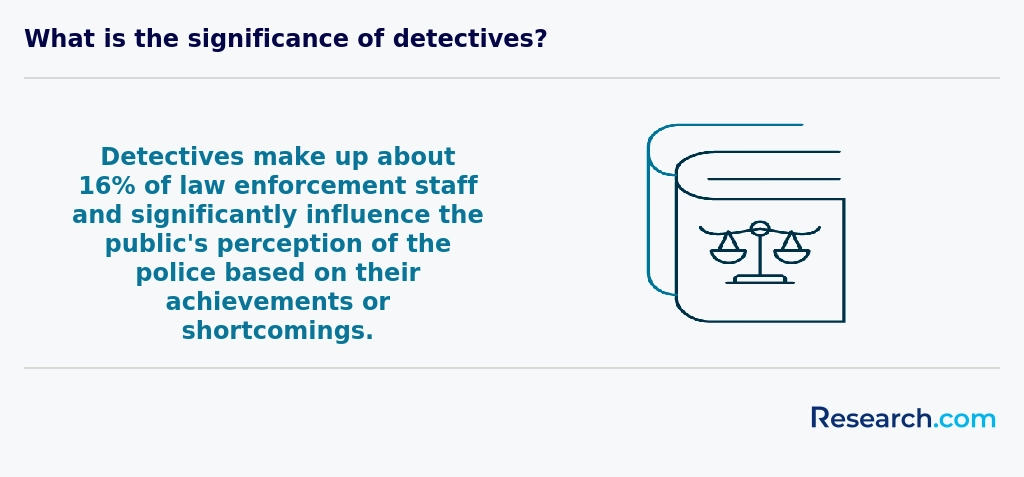
Pursuing a career in criminal justice in Washington can be a highly rewarding and challenging profession, offering a wide range of career paths and opportunities for advancement. For those interested in learning more about the best criminal justice programs in Washington, it is essential to understand the intricacies of the field and the skills required to succeed. A career in criminal justice can lead to roles such as police officers, correctional officers, forensic scientists, and federal agents, each playing a vital role in maintaining public safety and upholding the law. With the growing need for skilled professionals in this field, Washington State has become a hub for those looking to make a meaningful difference in their communities. By exploring the various aspects of criminal justice, from law enforcement and corrections to forensic science and social justice, individuals can find a career path that aligns with their passions and skills, leading to a fulfilling and impactful professional life.
What financial aid is available to criminal justice degree students in Washington?
Students pursuing criminal justice degrees at schools like the University of Washington or Seattle University often rely on multiple financial aid sources to manage costs. Federal aid, especially through completing the FAFSA, opens doors to Pell Grants that typically offer around $4,500 annually without the pressure of repayment. Graduates reflect on how this support made a tangible difference during challenging semesters.
Washington-specific aid, such as the Washington College Grant, further alleviates tuition expenses for residents. Many have found that this grant covers up to $6,000 each year, significantly easing financial stress for families earning below $125,000. It's common for students attending Central Washington University to leverage this aid effectively alongside federal awards.
Scholarships targeted at criminal justice students, including those from local law enforcement foundations, often reward dedication and diversity efforts within the field. While amounts vary, these can provide vital top-ups helping students feel recognized and supported.
Supplementing aid with federal loans and work-study positions within campus criminal justice departments also remain practical choices. These options not only assist financially but also enhance hands-on learning and employability after graduation.
Accreditation and Licensing Requirements for Criminal Justice Programs in Washington
Choosing a program with proper accreditation ensures your degree meets state and national standards for criminal justice education. In Washington, look for programs accredited by the Academy of Criminal Justice Sciences (ACJS) or recognized by the Washington State Criminal Justice Training Commission (WSCJTC). These accreditations confirm that coursework aligns with industry best practices and prepares graduates for licensure exams. For example, many police departments require completion of a Washington State Peace Officer Standards and Training (POST)–approved curriculum, while federal agencies often prefer candidates with degrees from ACJS-accredited institutions. Before enrolling, verify that your chosen school’s accreditation is current and recognized by the U.S. Department of Education. This step not only impacts your eligibility for licensure but also influences transferability of credits and access to federal financial aid. When comparing cost-effective accredited programs across states, students can also consult the Low Cost Criminal Justice Degree Programs Ranking in Wisconsin to understand regional variations in tuition and accreditation standards for quality criminal justice education.
What are the prerequisites for enrolling in criminal justice degree program in Washington?
Enrolling in a criminal justice degree program in Washington typically begins with meeting a few foundational requirements that vary depending on the institution and level of study. For instance, undergraduate applicants at universities like the University of Washington usually need a high school diploma with a minimum GPA around 2.5, along with submitting transcripts, letters of recommendation, and sometimes a personal statement reflecting genuine interest in criminal justice.
Graduates from programs in Washington often recall how these admission elements helped them articulate their commitment, preparing them for the real-world challenges ahead. Community colleges, such as Seattle Central College, tend to have more flexible criteria, focusing primarily on basic academic readiness rather than strict test scores, which allows students to build confidence before transferring to four-year institutions.
At the graduate level, things become more selective. Master's programs generally require a completed bachelor's degree with a minimum 3.0 GPA, GRE scores, and sometimes relevant work experience in law enforcement or social services. These prerequisites acknowledge the program's rigor and emphasize readiness for advanced study, ensuring candidates can thrive both academically and professionally in Washington's evolving criminal justice landscape.
Accreditation and Licensing Requirements in Washington
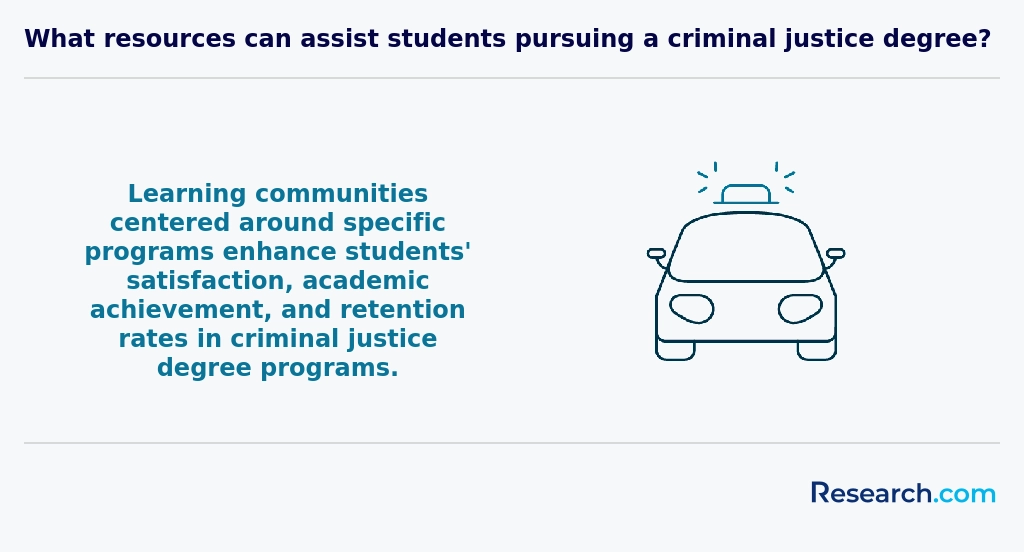
Understanding accreditation and licensure ensures your degree leads to a valid career path.
- Regional accreditation (e.g., NWCCU) guarantees recognized academic standards.
- Programmatic accreditation (such as ACBSP or CAEP) confirms specialized criminal justice training.
- Law enforcement graduates must complete Washington’s Peace Officer Standards and Training (POST) certification.
- Corrections professionals often pursue certification through the Department of Corrections’ Basic Training Academy.
- For forensic roles, consider certifications like Certified Forensic Analyst (CFA) to enhance credibility.
- Continuing education and biennial re‐certification maintain your standing in the field.
- For flexible, accredited options, explore a criminal justice degree online.
What courses are typically in criminal justice degree programs in Washington?
Criminal justice degree programs in Washington typically include a range of courses designed to build both theoretical understanding and practical skills. Graduates from popular institutions like Seattle University and Eastern Washington University often recall how core classes such as Introduction to Criminal Justice and Criminology helped them grasp the basic framework of police, courts, and corrections systems, often linking concepts to real, local cases they studied in detail.
Many students appreciate the focus on Criminal Law and Law Enforcement Practices, where they engage with legal statutes and explore community policing strategies relevant to Washington's diverse urban and rural environments. For instance, discussing local law enforcement challenges in Seattle or Spokane often made these courses feel immediately applicable and engaging.
Courses in Corrections and Rehabilitation also resonate strongly, as students connect classroom content with internships at agencies like the Washington State Patrol, witnessing firsthand how probation and parole work. Additionally, electives in Ethics in Criminal Justice or Juvenile Justice emphasize critical thinking, encouraging students to consider the broader social implications of policies they study.
What types of specializations are available in criminal justice degree programs in Washington?
Students pursuing a criminal justice degree in Washington frequently choose from specializations such as law enforcement, corrections and rehabilitation, forensic science, cybersecurity, and juvenile justice. Those focusing on law enforcement often aspire to roles as police officers or federal agents, benefiting from coursework in patrol procedures and investigative techniques. Graduates from well-known institutions like the University of Washington often describe the hands-on training as crucial to their confident entry into the workforce.
Meanwhile, students interested in corrections learn about managing facilities and offender rehabilitation, an important field given Washington's emphasis on community corrections. Others gravitate towards forensic science, drawn by opportunities to work with cutting-edge technology in crime scene investigation. For a detailed understanding of forensic requirements, prospective students can explore forensic science requirements. Cybersecurity specializations also attract those eager to tackle digital crimes, a field growing rapidly statewide.
These varied criminal justice degree specializations Washington programs offer reflect diverse career paths in response to the state's evolving legal landscape, allowing students to align their studies with their passions and local job markets.
How do you choose the best criminal justice degree in Washington?
Choosing the best criminal justice degree in Washington starts with evaluating program levels and their alignment with your career goals. Graduates from popular universities often highlight how bachelor's degrees in Seattle offer a strong foundation for law enforcement careers, while community colleges provide more affordable criminal justice degree programs Washington that appeal to those seeking entry-level roles. Cost varies widely; private schools can exceed $20,000 annually, whereas public institutions and community colleges may be more budget-friendly.
Consider curriculum breadth too-students who focus on forensic science or cybersecurity find programs at universities with specialized faculty more fulfilling. Hands-on internships with local agencies in cities like Spokane and Tacoma often shape graduates' positive experiences, providing a realistic view of corrections or detective work.
Financial aid and scholarships also factor in. For a clearer picture of affordability, consult rankings like Low Cost Criminal Justice Degree Programs Ranking in Wisconsin as a comparative guide. Finally, weigh job placement rates and alumni networking in Washington's criminal justice field before deciding.

What career paths are available for criminal justice degree students in Washington?
Graduates with a criminal justice degree in Washington often pursue diverse career paths that reflect the state's unique law enforcement landscape. Popular avenues include roles as police officers, detectives, or state troopers, especially given the training opportunities from the Washington State Criminal Justice Training Commission. Many graduates from universities like the University of Washington highlight the rewarding challenge of combining academic knowledge with practical certification. This blend equips them well for demanding law enforcement careers, a key component of criminal justice careers in Washington state.
Beyond traditional policing, federal agencies such as the FBI, DEA, or Homeland Security attract many graduates, particularly because Washington's proximity to national borders and ports provides a dynamic environment for these agencies. Others find forensic analysis or crime scene investigation appealing, applying scientific skills developed during their studies. Graduates from community colleges often share their satisfaction working in these specialized fields, which balance technical expertise with serving justice.
Correctional officer and probation roles also offer stable employment, with the Washington State Department of Corrections employing many. Graduates pursuing criminal justice degree job opportunities Washington sometimes note how these roles allow them to make a tangible difference in offender rehabilitation. Additionally, some explore court administration or social work avenues focused on reducing recidivism. For students seeking quicker entry into high-paying roles, exploring 6 month certificate programs for high paying jobs can also complement their criminal justice education.
What is the job market for criminal justice degree in Washington?
The job market for criminal justice degree holders in Washington remains steady, with employment opportunities for criminal justice graduates in Washington spread across public safety roles such as police officers, correctional officers, and probation officers. Graduates from well-known institutions like the University of Washington and Seattle University often share positive experiences about the demand for municipal and state law enforcement positions. While growth is moderate, around 5% over the next decade according to labor statistics, the stability of these roles offers reassurance for those seeking long-term careers in law enforcement or corrections.
Salary prospects generally reflect the regional cost of living, with police officers earning a median annual wage near $70,000. This balance between cost and pay helps graduates envision practical career paths after earning their degrees. For students mindful of expenses, community colleges and public universities in Washington provide more affordable education options, supporting diverse entry points into the field.
Many students considering their studies also research affordable online options and may explore the best online college degrees for seniors to complement their in-person classes or work schedules.
Frequently Asked Questions About criminal justice
Criminal justice degree students in Washington can maximize their learning by combining classroom theory with practical experiences. Engaging in internships with local law enforcement agencies or the Washington State Department of Corrections provides real-world insights that enhance academic knowledge. According to the Washington State Employment Security Department, practical experience increases job prospects in this competitive field.
Additionally, students should participate in campus organizations focused on criminal justice and attend seminars hosted by professionals. Keeping up with Washington's specific criminal justice policies and reforms, such as those tracked by the Washington Association of Sheriffs and Police Chiefs, supports contextual understanding. Utilizing the state's public safety data can also deepen students' analytical skills.
Emerging niches within the criminal justice field in Washington reflect broader national trends emphasizing technology and community-based approaches. One notable area is cybercrime investigation, where specialists address online fraud, identity theft, and digital threats. Given Washington's tech-driven economy, demand for such expertise is increasing. Another fast-growing niche is restorative justice, focusing on rehabilitation and victim-offender dialogue rather than traditional punitive measures. According to the Washington State Institute for Public Policy, programs promoting restorative practices have reduced recidivism rates significantly.
Additionally, forensic psychology is gaining attention by combining criminal justice with mental health expertise. These specialized roles require knowledge beyond traditional law enforcement, offering new career paths for graduates. Such emerging fields align with evolving criminal justice challenges and offer promising opportunities in Washington's diverse landscape.
After earning a criminal justice degree in Washington, preparing for the job market involves strategic steps to enhance employability. Gaining practical experience through internships or volunteer roles in local law enforcement agencies, courts, or community organizations is highly recommended. Washington's Department of Corrections and State Patrol often offer such opportunities, helping students build relevant skills and professional networks.
Job seekers should also focus on certifications like First Aid, CPR, or specialized law enforcement training to increase their qualifications. According to the Bureau of Labor Statistics, employment for police officers and detectives in Washington is projected to grow 7% from 2022 to 2032, indicating steady demand.
Developing strong communication and critical thinking skills, as well as familiarity with Washington's legal system, can further distinguish candidates in a competitive job market.
Employers in Washington seek criminal justice graduates with strong analytical skills to interpret laws and evaluate evidence effectively. Communication is also essential, as professionals must write clear reports and interact with diverse populations.
Problem-solving ability is highly valued, especially for roles involving investigations or corrections. Knowledge of local and state regulations familiarizes graduates with Washington's legal framework, increasing their job readiness. According to the Washington State Employment Security Department, interpersonal skills such as teamwork and conflict resolution rank prominently in demand for criminal justice professionals.
Additionally, technological literacy, including proficiency with criminal databases and forensic software, is increasingly important due to advancements in law enforcement tools.
Finding internships in Washington related to a criminal justice degree involves targeting local government agencies, law enforcement departments, and nonprofit organizations. The Washington State Patrol and county sheriff's offices often offer internship programs for students interested in policing and public safety.
Universities like the University of Washington and Washington State University provide career services that connect students with internships in criminal justice fields. Additionally, the Washington State Criminal Justice Training Commission can be a resource for hands-on experience opportunities.
According to the Bureau of Labor Statistics, internships improve graduate employment rates by over 60%, making practical experience essential. Networking through local criminal justice associations also plays a key role in securing internships.
A criminal justice degree in Washington significantly enhances career mobility and advancement opportunities within the state's public safety and legal sectors. According to the Washington Employment Security Department, jobs in law enforcement and related fields are projected to grow by about 7% through 2030, a rate faster than the average for all occupations. This growth increases demand for qualified candidates holding formal education in criminal justice.
Completing a degree can help candidates meet minimum hiring requirements for many agencies, including the Washington State Patrol and municipal police departments. Higher education also opens doors to specialized roles such as forensic analyst, probation officer, or crime analyst.
Employees with bachelor's degrees often demonstrate better critical thinking and communication skills, which are valuable for promotions into supervisory and administrative positions. Educational credentials are increasingly considered in competitive hiring and advancement, with some agencies offering salary incentives for degree completion, as reported by the Washington Association of Sheriffs and Police Chiefs.
Studying for a criminal justice degree in Washington equips students with interdisciplinary skills essential for modern public safety careers. Programs often integrate coursework in psychology, sociology, law, and public administration, reflecting the diverse challenges faced by justice professionals.
Washington's educational institutions emphasize collaboration between criminal justice and related fields, preparing students to work effectively with various agencies and community organizations. For example, students learn about policy analysis, conflict resolution, and social services, strengthening their roles beyond traditional law enforcement.
According to the Washington State Employment Security Department, occupations related to criminal justice are expected to grow by 7% through 2030, increasing demand for graduates with versatile, cross-disciplinary knowledge.
Choosing between a thesis and a non-thesis criminal justice degree program in Washington depends largely on your career goals and learning preferences. Thesis programs are research-focused and ideal for students aiming for advanced studies or research careers. They usually require original research and a written thesis, which can be demanding but rewarding.
Non-thesis options emphasize practical knowledge and often include internships or projects, making them suitable for students seeking direct entry into law enforcement, public policy, or related fields.
According to the Washington State Board for Community and Technical Colleges, programs with internships report a 15% higher job placement rate within six months of graduation, which is a key consideration for practical career paths.
Review program curricula and consult advisors to match your learning style and professional goals before deciding.
Students based in Washington seeking to study criminal justice abroad have several pathways to consider. Many universities in Washington participate in exchange programs with international institutions, allowing students to gain global perspectives on law enforcement and legal systems. For example, the University of Washington offers study-abroad opportunities in countries such as the United Kingdom and Australia, which have criminal justice systems with similarities and differences worth exploring.
Additionally, students can enroll in joint degree or certificate programs that include international study components. These experiences are valuable as Washington's criminal justice sector deals increasingly with transnational crime, emphasizing the importance of international knowledge.
According to the Institute for Crime & Justice Policy Research, cross-border collaborations have risen 15% over the past five years, highlighting the growing need for global competence.
Students pursuing criminal justice degrees in Washington have several part-time job options that directly enhance their education and provide practical experience. Common opportunities include working as security officers, community service aides, or administrative assistants within local law enforcement agencies. These roles help develop key skills such as report writing, communication, and understanding of criminal procedures.
According to the Washington Employment Security Department, jobs in protection services are expected to grow by 6% through 2030, reflecting steady demand. Internships or volunteer positions within courts or probation offices also offer insights into the judicial process. Gaining hands-on experience alongside academic studies can significantly boost employability after graduation.
Criminal justice students in Washington benefit from diverse networking opportunities throughout their academic journey. Many universities host student chapters of professional organizations such as the American Criminal Justice Association (ACJA) and the Academy of Criminal Justice Sciences (ACJS), which facilitate connections with peers and industry professionals.
Washington's proximity to multiple law enforcement agencies, including the Washington State Patrol and Seattle Police Department, offers students internships and mentorship programs. These partnerships provide practical experience and valuable contacts.
Additionally, career fairs and speaker events at institutions often feature representatives from local courts, probation offices, and federal agencies, strengthening professional networks essential for career development.
Alumni networks play a significant role for criminal justice degree students in Washington by providing valuable professional connections. These networks often include graduates working in law enforcement, correctional institutions, and legal agencies statewide, creating opportunities for mentorship and job placement.
Washington's criminal justice alumni frequently share insights about local agencies like the Washington State Patrol and King County Sheriff's Office, assisting students in understanding employer expectations. According to data from the Bureau of Labor Statistics, the criminal justice field in Washington is growing, making these connections even more important.
Additionally, alumni events and online platforms encourage students to engage directly with experienced professionals, which can enhance career readiness and networking skills crucial for securing roles in the competitive Washington criminal justice market.
Customizing a criminal justice degree program in Washington is key to aligning education with specific career goals. Many Washington colleges allow students to select elective courses focusing on areas such as forensic science, law enforcement, corrections, or cybersecurity.
Students can also pursue internships with local agencies like the Washington State Patrol or county sheriff's offices, providing practical experience and networking opportunities. Some programs offer concentration tracks, enabling deeper study of juvenile justice or criminology.
Online and part-time options increase flexibility, accommodating working professionals. According to the Washington State Employment Security Department, positions in criminal justice are expected to grow 6% through 2030, highlighting the importance of tailored skills.
Academic advisors at Washington institutions assist in planning a course load that matches career ambitions within the state's justice system.
Criminal justice students in Washington face several common challenges throughout their studies. Many struggle with balancing demanding coursework and practical field experiences, as internships with local law enforcement or legal agencies require significant time commitments. According to the Washington State Criminal Justice Training Commission, gaining access to quality placements can be competitive due to limited availability. Additionally, students often encounter complex subjects such as criminal law, criminology, and forensic science, which require strong critical thinking and analytical skills.
Financial concerns are also prevalent, with tuition and related costs posing barriers despite available scholarships. Navigating the evolving legal and social issues surrounding criminal justice, including reform and equity debates prominent in Washington, adds further complexity to their education.
With a criminal justice degree in Washington, graduates can pursue various professional certifications to advance their careers. Common certifications include the Certified Crime Analyst (CCA) and Certified Protection Professional (CPP), which enhance skills in crime analysis and security management.
For those aiming for law enforcement roles, Washington offers the Basic Law Enforcement Academy (BLEA) certification, mandatory for entry-level police officers. Additionally, Crime Scene Investigator (CSI) certifications are valued for forensic specialists.
National certifications, such as the Certified Juvenile Justice Specialist (CJJS) and Certified Corrections Officer (CCO), also provide career opportunities and are recognized across the state. These certifications often require passing exams and relevant professional experience.
According to the Washington State Criminal Justice Training Commission, certified officers typically have higher employment rates and better salary prospects.
To write a winning application for a criminal justice program in Washington, start by researching the specific requirements of your target schools. Many institutions value a clear statement of purpose that connects your goals with the criminal justice field, especially addressing local issues like public safety and community policing in Washington State.
Highlight any relevant experience, such as internships with law enforcement agencies or volunteer work, which demonstrate your commitment. According to the Washington State Criminal Justice Training Commission, practical experience strengthens applications. Also, maintain a strong GPA and include any standardized test results if required.
Letters of recommendation should come from professionals familiar with your academic or community-related achievements. Tailoring your application to reflect Washington's emphasis on ethical standards and diversity in law enforcement can improve your chances significantly.
Examining criminal justice careers from a global angle reveals both challenges and opportunities for students in Washington. While the U.S. criminal justice system is unique, many principles, such as law enforcement, rehabilitation, and victim rights, are shared internationally.
Washington State University reports that careers in criminal justice increasingly require an understanding of international law enforcement collaborations and human rights standards. Agencies like INTERPOL and the United Nations influence how criminal justice professionals operate worldwide, highlighting the need for global awareness.
Students pursuing criminal justice degrees in Washington benefit from exposure to comparative justice systems and policies, preparing them for roles that may involve cross-border crime issues such as cybercrime and trafficking.
Gaining practical experience while studying for a criminal justice degree in Washington is essential for building job-ready skills. Many Washington colleges partner with local law enforcement agencies, courts, and social service organizations to offer internships or cooperative education programs. According to the Washington State Criminal Justice Training Commission, these opportunities allow students to apply classroom knowledge in real-world settings, such as police departments and correctional facilities.
Additionally, volunteering with nonprofits focused on crime prevention or victim support provides hands-on learning. Some universities also organize simulation labs and mock trials, enhancing practical skills. Pursuing these experiences can improve employment prospects in Washington's competitive criminal justice field.
Choosing the right concentration within a criminal justice degree in Washington starts with understanding your career goals. Popular areas include law enforcement, corrections, forensic science, and legal studies. Washington's Department of Commerce reports that employment for criminal justice-related roles in the state is projected to grow by 7% through 2030. Research local job markets to see which specializations are in demand.
Consider the curriculum offered by colleges-some emphasize practical skills like investigation techniques, while others focus on policy or rehabilitation. Align your choice with personal interests and strengths. If unsure, speak with academic advisors or professionals in Washington's criminal justice system to gain insights.
Additionally, review program accreditation and partnerships with local agencies for internships, as hands-on experience is valuable in this field.
Related Criminal Justice Rankings for Nearby States
- 2027 Most Affordable Criminal Justice Degree Programs Ranking in Arizona
- 2027 Most Affordable Criminal Justice Degree Programs Ranking in Colorado
- 2027 Most Affordable Criminal Justice Degree Programs Ranking in New Mexico
- 2027 Most Affordable Criminal Justice Degree Programs Ranking in Nebraska
- 2027 Most Affordable Criminal Justice Degree Programs Ranking in Kansas
- 2027 Most Affordable Criminal Justice Degree Programs Ranking in Oklahoma
- 2027 Most Affordable Criminal Justice Degree Programs Ranking in Texas
- 2027 Most Affordable Criminal Justice Degree Programs Ranking in Iowa
- 2027 Most Affordable Criminal Justice Degree Programs Ranking in Missouri
- 2027 Most Affordable Criminal Justice Degree Programs Ranking in Arkansas
Top Trending Criminal Justice Rankings
See What Experts Have To Say About Studying Criminal Justice
Read our interview with Criminal Justice experts

Frank Schmalleger
Criminal Justice Expert
Professor Emeritus
The University of North Carolina

Mark Moore
Criminal Justice Expert
Research Professor of Public Management
Harvard University

James W. Marquart
Criminal Justice Expert
Associate Provost and Professor of Criminology
Texas Christian University

References
- Ensuring Justice: Exploring the Path to a Criminal Justice Certificate - Lakewood University https://lakewood.edu/ensuring-justice-exploring-the-path-to-a-criminal-justice-certificate/
- MS Criminal Justice Thesis Track vs. Internship | University of Bridgeport https://www.bridgeport.edu/news/criminal-justice-thesis-track-vs-internship/
- Online Bachelor’s Degree in Criminal Justice | Warner Pacific https://www.warnerpacific.edu/programs/criminal-justice/
- Criminal Justice Career Goals https://www.bartleby.com/essay/Criminal-Justice-Career-Goals-8B09294D4789A4A5
- College Students Discuss: Biggest Challenges to the Criminal Justice System https://www.nealdavislaw.com/blog/firm-news/criminal-justice-challenges-student-responses/
- CJA Events and Members Meetings | Criminal Justice Alliance https://www.criminaljusticealliance.org/cja-events-member-meetings/
- Criminal Justice, B.A. - Trinity Washington University | Washington, DC https://www2.trinitydc.edu/academic_program/criminal-justice-2/
- Criminal Justice Studies Graduate Certificate https://www.etamu.edu/programs/criminal-justice-studies-graduate-certificate/
- What to do With a Criminal Justice Degree - Paladin Security https://paladinsecurity.com/security-careers/become-security-guard-canada/
- Criminology and Criminal Justice https://www.stmartin.edu/academics/all-programs/criminology-and-criminal-justice