
2027 Most Valuable Counseling Degree Programs Ranking in Scranton

Co-Founder and Chief Data Scientist
Choosing the right counseling degree program is a big step toward a rewarding career in Scranton. To help you navigate this important decision, this article features the 2027 Most Valuable Counseling Degree Programs Ranking in Scranton. Created by the Research.com team of data scientists, this ranking offers clear, data-driven insights to guide your choices.
Reading this article will save you time and effort by focusing on programs that truly deliver value. Pursuing a counseling degree opens doors to meaningful work, personal growth, and lasting impact in your community.
Key benefits of getting counseling degree in Scranton
- Salary for counseling degree graduates can be quite rewarding; for example, Addiction Counselors earn a mean annual wage of $60,080, while Rehabilitation Specialists make about $48,430 yearly, offering financial stability in caring roles.
- Career paths after earning a counseling degree in Scranton are diverse, including roles like Family Support Workers and Community Outreach Coordinators, both with mean wages around $54,020, providing opportunities to impact communities positively.
- Online counseling degrees from Scranton institutions offer flexibility and convenience, allowing students to balance personal commitments while gaining valuable skills, often resulting in successful graduates ready to enter the workforce confidently.
- Key benefits of getting counseling degree in Scranton
- What can I expect from counseling degree in Scranton?
- Where can I work with counseling degree in Scranton?
- How much can I make with counseling degree in Scranton?
- 2027 Most Valuable Counseling Degree Programs Ranking in Scranton
- Key Findings
- How long does it take to complete counseling degree in Scranton?
- What's the difference between online and on-campus counseling degree?
- What is the average cost of counseling degree in Scranton?
- What financial aid is available to counseling degree students in Scranton?
- What are the prerequisites for enrolling in counseling degree program in Scranton?
- What courses are typically in counseling degree programs in Scranton?
- What types of specializations are available in counseling degree programs in Scranton?
- How do you choose the best counseling degree in Scranton?
- What career paths are available for counseling degree students in Scranton?
- What is the job market for counseling degree in Scranton?
- Top Trending Counseling Rankings
- See What Experts Have To Say About Studying Counseling
What can I expect from counseling degree in Scranton?
Most students pursuing a counseling degree in Scranton find the cost to be a thoughtful investment in their future, with tuition averaging around $20,000 to $25,000 per year at institutions like the University of Scranton. Graduates often describe their experience as not just academic, but transformative-a journey unfolding through hands-on internships and engaging with local communities. Imagine spending afternoons in supervised clinical settings, absorbing lessons that feel immediately relevant and empowering.
Many reflect on how this blend of theory and real-world practice, supported by faculty who understand the Scranton mental health landscape, made the expense feel worthwhile. Students appreciate that the costs cover access to licensed counselors and faculty mentors who guide them through licensure readiness, including preparation for the National Counselor Examination (NCE). Balancing tuition with part-time work or assistantships is common, and the sense of entering a profession growing in demand adds a hopeful, promising glow to those financial commitments.
Where can I work with counseling degree in Scranton?
Graduates from counseling programs at Scranton's well-known universities often find themselves stepping into vibrant roles across the community. Many eagerly dive into mental health clinics dotted around the city, where the demand for compassionate counselors continues to grow. Imagine working alongside dedicated teams at places like Moses Taylor Hospital, helping patients navigate mental health challenges during recovery - a profoundly rewarding experience celebrated by alumni.
Others discover the joy of school counseling, supporting young minds in Scranton's public and private schools. These graduates share stories of witnessing students blossom emotionally and academically with their guidance, a daily reminder of their real impact. Counseling careers here also unfold in healthcare settings and nonprofit agencies where passion for addiction recovery or family therapy fuels meaningful change.
Private practice beckons many adventurous counselors, offering independence and the thrill of building personalized client relationships right in Lackawanna County. Even government roles, including correctional facilities, provide enriching paths for those craving to serve diverse populations. Scranton's counseling programs truly open doors to varied and fulfilling career journeys.
How much can I make with counseling degree in Scranton?
Graduates from counseling programs in Scranton often find their efforts rewarded with promising earnings that reflect both their dedication and the local market's unique character. For example, those stepping into roles like Addiction Counselor can expect a mean annual wage around $60,080, which feels like a solid milestone for starting a meaningful career helping others.
Others who embrace community-focused roles such as Community Outreach Coordinator or Family Support Worker usually see average salaries near $54,020. Imagine yourself collaborating with local organizations, making impactful changes daily - this career offers not only financial stability but also rich personal fulfillment.
Some adventurous graduates pursue careers as Rehabilitation Specialists, earning approximately $48,430 annually. The blend of hands-on support and clinical insight in this role can be especially rewarding if you studied at a Scranton institution known for strong counseling curricula, where practical experience bridges classroom theory and community impact.
And for those craving a bit more challenge and growth, intervention specialists pull in around $76,000 yearly, offering a glimpse into advanced counseling opportunities. Graduates often share stories of starting with smaller agencies and gradually building expertise that leads to these higher salaries, proving Scranton's counseling degrees open diverse financial paths while nurturing your passion for helping others.
2027 Most Valuable Counseling Degree Programs Ranking in Scranton
How do we rank schools?
Investing in your education is a significant decision that can shape your future, and the Research.com team understands the importance of making informed choices. To assist prospective students in Scranton, we have meticulously crafted the "2027 Most Valuable Counseling Degree Programs Ranking in Scranton." Our commitment to quality, credibility, and accuracy is reflected in the extensive research and analysis conducted to compile this ranking.
We utilized the following reputable data sources to ensure a comprehensive evaluation of counseling programs:
By exploring this ranking, readers will gain valuable insights into the best counseling degree programs available in Scranton, helping them make informed decisions about their educational paths. For more details on our methodology, please visit our Research.com methodology page.
# 1 position
Lackawanna College
Bachelor of Science in Counseling


Key Findings
- Counseling degrees in Scranton are available mainly from local schools like the University of Scranton, with master's degrees required for most counseling jobs.
- Tuition for graduate counseling programs ranges from $15,000 to $25,000 per year at public institutions and can exceed $30,000 at private universities, not including books, fees, and internships.
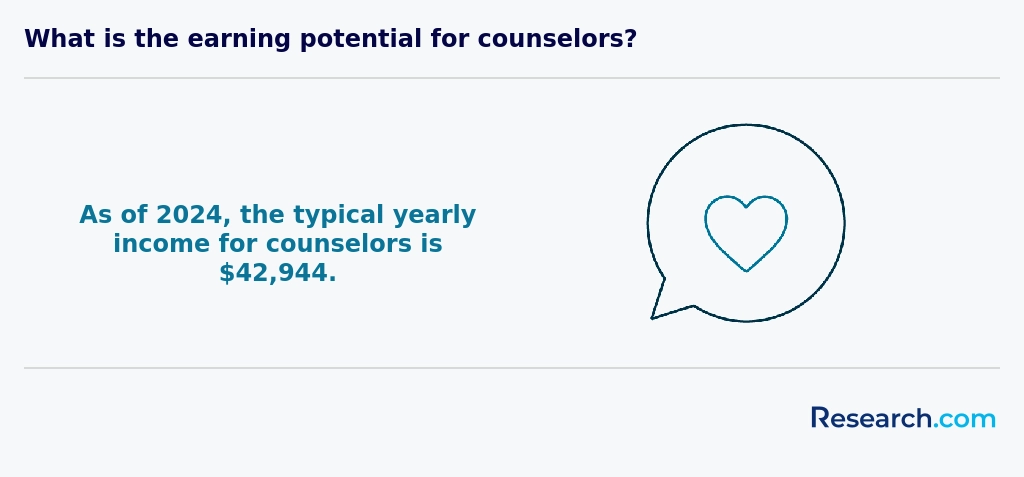
- Starting salaries for entry-level counselors are typically between $40,000 and $45,000 annually, with experienced counselors earning $55,000 to $65,000.
- Employment for counselors in Pennsylvania is projected to grow about 10% over the next decade, faster than the average for all occupations.
- Licensure in Pennsylvania requires completing an accredited program, supervised clinical hours, and a state-recognized exam, which local Scranton programs support.
How long does it take to complete counseling degree in Scranton?
Embarking on a counseling degree journey in Scranton typically spans about six to seven years, a timeline that sparks excitement for many adventurous students. Imagine starting at a local university, diving into four enriching years of undergraduate studies, exploring human behavior, and mastering foundational counseling skills. Graduates from well-known Scranton institutions often share how those initial years built a strong base, perfectly aligning with the standard 120 to 130 credit hours.
Then comes the thrilling leap into a master's program, where students immerse themselves for two to three years in advanced counseling theories and ethical practice. At places like the University of Scranton, graduates describe the rewarding challenge of supervised clinical hours and internships, gearing them up for professional licensure in Pennsylvania. These experiences make the learning journey deeply practical and inspiring.
Flexibility adds to the adventure-some choose part-time or online options, tailoring their studies around life's rhythms. A few also discover accelerated paths that can trim the timeline, enhancing the excitement of reaching their counseling goals sooner while embracing Scranton's supportive academic community.
What's the difference between online and on-campus counseling degree?
Choosing between an online or on-campus counseling degree in Scranton feels like setting off on two unique journeys. Graduates from the University of Scranton recall the vibrant energy of face-to-face classes, where spontaneous hallway conversations and hands-on access to counseling labs brought learning to life. This traditional route offers a structured rhythm and the chance to dive deep into local clinical internships, creating powerful real-world connections just a short walk from campus.
On the flip side, students embracing online programs enjoy the thrilling freedom to study anytime, anywhere-perfect for those balancing jobs or family. Imagine logging into discussions from home or a cozy coffee shop, while still completing supervised fieldwork at local clinics in Scranton. This flexibility often lightens the load, reducing commute stress and allowing for a personalized pace, though it requires self-motivation and tech-savvy grit.
Both paths meet Pennsylvania's licensure standards, and alumni from either often treasure the unique blend of academic rigor and practical experience that shapes them into compassionate, confident counselors ready to make a difference.
What is the average cost of counseling degree in Scranton?
For those curious about the average cost of counseling degree programs in Scranton, the numbers paint an intriguing picture. Graduates from well-known universities here often describe balancing their passion for helping others with the financial adventure of higher education. The median total tuition and fees hover around $56,598, revealing a typical investment that reflects the quality and personalized experience offered by Scranton's institutions.
Many local students find in-state rates more manageable, with median in-state total costs near $41,420, making public colleges an appealing option for pursuing counseling degrees. One graduate shared how attending a public university in Pennsylvania allowed them to focus more on their practicum experiences and less on tuition worries, which fueled their excitement for real-life counseling opportunities.
The total tuition and fees for counseling degrees Scranton-wide tend to align with this median, but it's important to remember additional costs like textbooks, clinical placements, and fees, all part of that life-changing journey. Visitors curious about alternative pathways may explore 6-month certificate programs that pay well online as a lively detour when planning their educational route.
What financial aid is available to counseling degree students in Scranton?
Diving into the world of counseling degrees in Scranton, students often discover a treasure trove of financial aid options that breathe life into their academic dreams. Imagine attending a school like the University of Scranton or Marywood University, where federal aid like Pell Grants can cover thousands, easing the weight of tuition that can range between $10,000 and $25,000 annually.
Graduates often share how completing the FAFSA unlocked access to federal loans with flexible terms, making repayment feel less daunting. Beyond federal help, many find hope in Pennsylvania's state programs-through PHEAA, in-state students snag grants and scholarships tailored to their counseling goals, a true game-changer for local learners.
Merit-based scholarships at these institutions also spark excitement. Picture a counseling student passionate about mental health who receives a departmental grant focused on that specialty, reinforcing a sense of belonging and purpose.
Some working professionals in Scranton tap employer tuition assistance, turning job experience into educational support. Others celebrate winning private scholarships from local mental health groups-each award weaving into their funding story, making the journey not just affordable but inspiring.
What are the prerequisites for enrolling in counseling degree program in Scranton?
Diving into counseling degrees in Scranton means you'll first need to meet some clear yet inviting prerequisites that set the stage for your journey. For undergraduates aiming for a bachelor's, having a high school diploma or GED is your ticket through the door, often paired with a solid GPA around 2.5 to 3.0. Imagine a local graduate sharing how maintaining steady grades opened doors to their favorite Scranton college's counseling program, where the supportive faculty made every challenge feel like a new adventure.
If your eyes are set on graduate studies-like a Master of Science or Arts in counseling-you'll need a bachelor's degree from an accredited school. Whether your previous degree is in psychology, education, or even another field, programs in cities like Scranton welcome diverse experiences, especially if you've completed relevant classes like psychology or statistics. Many graduates recall how their personal essays and recommendation letters brought their passion for counseling alive, painting a vibrant picture of their goals to admissions committees.
Beyond academics, counselors-in-training often share how volunteer work or jobs in counseling-related settings added layers of confidence and real-world insight. Some programs might even invite you for an interview, where enthusiasm and curiosity help you shine. Plus, if you dream of becoming a Licensed Professional Counselor in Pennsylvania, choosing a CACREP-accredited program in Scranton ensures your path aligns with state licensing requirements, turning your aspirations into reality.
What courses are typically in counseling degree programs in Scranton?
Diving into a counseling degree in Scranton means immersing yourself in courses that bring theory to life in vibrant, real-world ways. At well-known institutions like the University of Scranton, students often find themselves exploring human growth and development through stories they connect with, understanding emotional shifts across a lifetime. Graduates recall the excitement of mastering counseling theories-like cognitive-behavioral and person-centered approaches-that become tools they eagerly applied during their practicum experiences on campus.
Ethics and professional issues spark thoughtful debates about confidentiality and client rights, making students feel prepared and confident for future challenges. Classroom discussions about group counseling create lively simulations, helping trainees navigate the dynamics of healing communities. Training also includes hands-on skills in assessment and diagnosis, turning textbook knowledge into meaningful insights when working with diverse clients.
From colleges to community clinics, the curriculum encourages a heartfelt connection to multicultural counseling, inspiring empathy and cultural awareness. This educational adventure blends scholarly rigor with personal growth, making each course a step closer to becoming a compassionate counselor.
What types of specializations are available in counseling degree programs in Scranton?
Exploring counseling degree specializations in Scranton opens doors to exciting career pathways. Graduates from local universities often share how clinical mental health counseling helped them embrace rewarding roles in community centers or private practices, addressing real struggles like anxiety and trauma. Others pursuing the Scranton counseling program concentrations enjoy the dynamic, hands-on experience of school counseling, where they support students through academic and social challenges. Imagine walking the halls of a Scranton school, offering guidance that truly makes a difference in young lives.
Then there's marriage and family therapy, a favorite among those who crave deeper understanding of relationships and communication. Local programs equip students to earn Pennsylvania licensure, opening doors to fulfilling clinical careers. Some adventurous learners expand horizons with niche focuses like substance abuse or career counseling, each addressing urgent community needs.
For those curious about combining flexibility with value, it's worth exploring certifications online that pay well-a perfect complement to on-campus studies in Scranton.
How do you choose the best counseling degree in Scranton?
Choosing the best counseling degree programs in Scranton feels like setting off on a rewarding journey. Imagine sitting in a cozy classroom at a well-known Scranton university, surrounded by passionate faculty who bring real-world experience, helping you grasp what it means to be a mental health advocate locally. Graduates often share how programs with CACREP accreditation directly paved their way to Pennsylvania's LPC licensure, sparking confidence in their career launch.
Many find joy exploring specializations-from clinical mental health to school counseling-tailoring studies to their personal calling. One graduate recalls balancing evening classes with family life, thanks to flexible schedules offered by popular colleges here, making education accessible and energizing. Navigating affordable counseling degrees Scranton PA has on offer also sparked satisfaction when comparing tuition and extra fees, a practical step that saved money and stress.
Venturing into internships and local support networks creates connections that bring theory to life, enhancing opportunities. Those who dive deeper also explore related fields, guided by advice on the most profitable college majors to broaden future horizons.

What career paths are available for counseling degree students in Scranton?
Graduates with a counseling degree in Scranton find themselves opening doors to careers rich with purpose and community impact. Many step into roles as licensed professional counselors, offering therapy in private practices or local hospitals, helping individuals navigate life's challenges with empathy and skill. Others dive into school counseling within Scranton's educational system, guiding students through academic hurdles and emotional growth, backed by certification from the Pennsylvania Department of Education.
The adventure continues with specializations like addiction counseling or marriage and family therapy, allowing graduates to align their passion with meaningful work. Those studying counseling locally at institutions like the University of Scranton or Marywood University often share stories of fulfilling client breakthroughs and supportive faculty that prepare them well. For those exploring social service agencies or nonprofit organizations, there's a vibrant world of opportunities to champion children, veterans, or underserved communities, all fueled by the region's growing healthcare and social assistance sectors.
If you're curious about cost and options, Scranton learners can explore various tuition plans, and numerous scholarships make it easier to pursue a degree. Discover options at the best accredited online colleges non profit to support your educational journey in this impactful field.
What is the job market for counseling degree in Scranton?
The job market for a counseling degree in Scranton offers a promising and dynamic landscape. Graduates from institutions like the University of Scranton and Marywood University often find themselves stepping into roles within hospitals, community health centers, and local schools that deeply impact the well-being of their neighbors. These opportunities mirror the growing nationwide demand for mental health professionals, as seen in employment trends that make Scranton a welcoming place for new counselors eager to make a difference.
Many graduates share stories of joining teams at organizations such as Geisinger Health System or nonprofits focused on addiction recovery and victim advocacy. Their day-to-day work combines purpose with steady growth, thanks to a job outlook that aligns with state averages and a median salary near $48,000. If you're eyeing a career here, it's encouraging to know that studying locally opens doors into a supportive community and a field rich with rewarding experiences.
For those considering the costs of a counseling education, tuition at Scranton-area universities typically ranges between $25,000 and $40,000, fitting within national expectations and offering tangible returns. Exploring employment opportunities for counseling graduates Scranton reveals a landscape ready for professionals committed to transformative work. To deepen your understanding of promising career paths, check out this guide to high paying jobs trade school.
Frequently Asked Questions About counseling
Counseling degree students in Scranton can maximize their learning experience by engaging in both academic and practical opportunities. Local institutions, such as the University of Scranton, offer accredited counseling programs that combine coursework with supervised clinical hours, essential for licensure.
Students should seek internships and practicum placements in nearby mental health facilities and schools. According to the Pennsylvania Department of Education, hands-on experience accelerates skill development and professional networking.
Utilizing campus resources like tutoring, counseling labs, and professional workshops helps deepen theoretical knowledge. Additionally, joining student organizations related to counseling enhances leadership skills and peer learning.
Keeping updated on changes in state licensure requirements and attending relevant seminars can also prepare students for successful careers in Scranton's growing mental health sector.
The counseling field in Scranton is expanding into several emerging niches that reflect broader national trends. One key growth area is trauma-informed counseling, driven by increasing awareness of mental health impacts from adverse experiences. Professionals trained in this specialty work with diverse populations, including veterans and survivors of abuse. Another growing niche is addiction counseling, as Scranton and surrounding areas face a significant opioid crisis, with local agencies reporting steady demand for qualified counselors.
Additionally, school counseling continues to evolve, emphasizing social-emotional learning amid rising student mental health concerns. Counselors focusing on geriatric mental health also see growing opportunities, addressing the unique needs of Scranton's aging population. These specialties align with U.S. Bureau of Labor Statistics projections highlighting a 23% growth in mental health counselor roles by 2030 nationwide.
Preparing for the job market after earning a counseling degree in Scranton involves several key steps. First, securing supervised clinical experience is crucial. Many employers require licensure such as the Licensed Professional Counselor (LPC) credential, which involves completing post-graduate supervised hours. According to the Pennsylvania Department of State, candidates must complete 3,000 hours of supervised experience, often pursued locally in Scranton-area clinics and agencies.
Networking through local professional organizations like the Pennsylvania Counseling Association enhances job prospects. Additionally, gaining experience with diverse populations in healthcare, schools, or community centers in Scranton improves marketability. Staying current with industry trends and continuing education will also support career growth in this competitive field.
Employers in Scranton seek counseling degree graduates with strong communication skills, essential for effective client interaction. According to the Pennsylvania Department of Labor & Industry, interpersonal skills rank highest in demand for counselors within the region.
Critical thinking and ethical decision-making are also vital, as counselors often navigate complex mental health issues requiring sound judgment. Familiarity with evidence-based practices is important, reflecting national trends highlighted by the American Counseling Association.
Additionally, cultural competence stands out, given Scranton's increasingly diverse population. Graduates who demonstrate empathy and adaptability tend to be preferred by local employers.
Technological proficiency, such as managing electronic health records, is growing in relevance, aligning with broader healthcare advancements in the U.S.
Finding internships in Scranton relevant to a counseling degree involves exploring various local opportunities in healthcare, social services, and school systems. Candidates should start by contacting counseling programs at institutions like the University of Scranton, which often have partnerships with local clinics and organizations.
The Scranton area hosts several mental health centers and nonprofit agencies, including the Luzerne/Wyoming Counties Mental Health and Developmental Services, which offer internships and practicums for counseling students. These sites provide hands-on experience in client assessment and therapy support.
Students are encouraged to use Pennsylvania's state internship databases and platforms like the UIX (University Internship Experience) portal if available. Networking through local professional groups such as the Pennsylvania Counseling Association's regional chapters may also lead to valuable internship placements.
Since licensed counselors must complete supervised hours, confirm that internships meet the requirements outlined by the Pennsylvania State Board of Social Workers, Marriage and Family Therapists, and Professional Counselors for licensure.
Holding a counseling degree significantly enhances career mobility and advancement opportunities in Scranton. According to the U.S. Bureau of Labor Statistics, employment of mental health counselors in Pennsylvania is projected to grow 16% from 2021 to 2031, faster than the national average. This demand is particularly evident in Scranton, where community health centers and schools seek qualified counselors.
Graduates with a counseling degree often start in entry-level therapy or social services roles, progressing to specialized or supervisory positions. Licensure requirements in Pennsylvania, such as obtaining the LPC (Licensed Professional Counselor), typically mandate a relevant degree, making it essential for advancement.
Additionally, local employers favor candidates educated in programs familiar with regional health challenges, facilitating networking and job placement in Scranton's healthcare and social support sectors.
Studying for a counseling degree in Scranton equips students with skills to engage in interdisciplinary roles by emphasizing collaboration across health, education, and social services sectors. Programs often include coursework in psychology, social work, and community health, reflecting the region's integrated care approach.
Students benefit from partnerships with local agencies and healthcare providers, offering real-world experience in team-based settings. According to the University of Scranton's Department of Counseling and Human Services, more than 70% of graduates work in environments requiring interdisciplinary communication.
Additionally, training aligns with Pennsylvania's licensure requirements, which promote competence in diverse populations and multidisciplinary cooperation, preparing students for varied roles in counseling and allied fields.
Choosing between a thesis and a non-thesis counseling degree program in Scranton depends on your career goals and interests. A thesis option generally suits students aiming for research roles or doctoral studies, as it involves original research and a formal written document. In contrast, the non-thesis path focuses more on practical experience, often requiring internships or comprehensive exams instead of research.
In Scranton, counseling programs align with the Pennsylvania Department of Education's requirements, where practical skills are highly valued. According to recent data from the National Board for Certified Counselors (NBCC), 60% of local employers prioritize hands-on experience, making non-thesis programs appealing for immediate job readiness.
Additionally, thesis programs may take longer to complete due to research demands, while non-thesis options usually allow faster graduation. Consider your timeline, financial investment, and long-term goals carefully when deciding.
Students based in Scranton who wish to study counseling abroad have several pathways available within the US higher education system. Many institutions in Pennsylvania, including those near Scranton, offer exchange programs or partnerships with international universities for counseling degrees. These options allow students to gain global perspectives while earning credits transferable to their home institutions.
Additionally, students may pursue accredited online counseling programs with international components, broadening cultural competence essential for counseling professionals. The Council for Accreditation of Counseling & Related Educational Programs (CACREP) is a key resource for locating recognized programs.
Though exact Scranton-specific data on outbound international study in counseling is limited, regional institutions encourage global experience through study abroad advisories and collaborations.
For students pursuing counseling degrees in Scranton, part-time job opportunities that complement academic studies include roles such as behavioral health technicians or peer support specialists. These positions offer practical experience working directly with clients in mental health settings, which is vital for developing counseling skills. According to the U.S. Bureau of Labor Statistics, Scranton's healthcare support jobs are expected to grow by about 10% through 2032, indicating steady demand.
Additionally, Scranton is home to several community mental health organizations where part-time internships or volunteer roles often align with counseling education. These experiences help students build professional networks and apply theoretical knowledge.
Working in educational settings as teacher aides or school counseling assistants also provides opportunities to understand youth counseling frameworks and school policies. Such roles are common in Scranton's public school system, serving approximately 17,000 students district-wide, and can be stepping stones to licensure.
Counseling students in Scranton have access to various networking opportunities that can enhance their educational and professional development. Local universities, such as the University of Scranton, often host events, workshops, and career fairs focused on mental health and social services. These events connect students with licensed counselors, faculty members, and alumni active in Pennsylvania's counseling community.
Additionally, Scranton's proximity to larger cities like Philadelphia and New York allows students to participate in regional conferences hosted by organizations such as the American Counseling Association. Engaging with professional associations provides students with mentorship, internship leads, and job placement prospects.
Practical experience in Scranton's healthcare facilities also fosters connections with supervisors and colleagues, supporting future employment. According to recent reports by the Pennsylvania Department of Labor, the demand for counselors in Scranton has grown by nearly 10% over the past five years, increasing local networking chances.
Alumni networks play a significant role in supporting counseling degree students in Scranton. These networks provide access to experienced professionals who can offer guidance on career paths, licensure requirements, and job opportunities specific to the region. According to the National Board for Certified Counselors, networking is vital for career advancement in counseling fields.
In Scranton, alumni connections often lead to internships and practicum placements in local clinics and schools, enhancing hands-on learning. They also facilitate mentorship programs, helping students navigate ethical challenges and state licensure exams effectively.
Overall, alumni networks build a professional community that strengthens students' prospects post-graduation.
Customizing a counseling degree program in Scranton allows students to align their education with specific career goals. Many local institutions offer flexible coursework options, including electives focused on specialties such as mental health counseling, school counseling, or marriage and family therapy. Students can choose between on-campus and hybrid learning formats, which accommodate working professionals. Additionally, practicum and internship placements in Scranton-area clinics and schools provide valuable hands-on experience tailored to individual interests.
Scranton's counseling programs often include supervised fieldwork required for state licensure, enabling students to build a strong professional network within the community. According to the Pennsylvania Department of Education, personalized program paths enhance readiness for licensing exams and employment.
Counseling students in Scranton often face the challenge of balancing academic demands with clinical experience requirements. Programs typically require hundreds of supervised hours, which can be difficult to arrange alongside coursework. Access to quality internships in local mental health facilities is limited, making practical experience more competitive.
Financial strain is another concern, as graduate tuition in the region averages around $12,000 annually, according to the National Center for Education Statistics. Many students also report managing part-time jobs to meet expenses.
Additionally, understanding evolving licensing requirements within Pennsylvania adds complexity for those aiming to become licensed professional counselors (LPCs).
With a counseling degree in Scranton, graduates can pursue several professional certifications that enhance career prospects. Common certifications include the Licensed Professional Counselor (LPC), which is highly recognized across Pennsylvania and required for independent practice. The LPC credential ensures that counselors meet state-specific education, examination, and supervised experience requirements.
Other options are certifications such as Certified Clinical Mental Health Counselor (CCMHC) and National Certified Counselor (NCC), offered by the National Board for Certified Counselors (NBCC). These certifications validate advanced knowledge in clinical settings and improve employability.
According to the Pennsylvania Department of State, LPCs in Scranton earn a median salary around $55,000 annually, supporting steady demand for certified professionals.
When applying to counseling programs in Scranton, it is essential to highlight your academic achievements and relevant experience clearly. Most programs require a bachelor's degree, often with coursework in psychology or social sciences. Maintaining a GPA of 3.0 or higher can improve your chances, as competitive programs tend to favor strong academic records.
Additionally, personal statements should convey your motivation for counseling, emphasizing qualities like empathy, communication skills, and commitment to helping others. Including volunteer or work experience related to mental health or social services strengthens your application.
Letters of recommendation from professors or professionals familiar with your abilities are crucial, as Scranton programs value endorsements reflecting your potential in counseling roles.
Finally, pay close attention to application deadlines and submit all required materials promptly to meet the standards set by Scranton-area institutions, such as the University of Scranton's graduate counseling programs.
Counseling is a rapidly growing profession worldwide, reflecting increasing awareness about mental health. In the United States, including Scranton, counseling careers are recognized as essential in healthcare, education, and social services. According to the U.S. Bureau of Labor Statistics, employment for counselors is projected to grow 23% from 2021 to 2031, much faster than the average for all occupations.
Globally, approaches to counseling vary, but the demand for skilled professionals is universal. In Scranton, institutions emphasize counseling degrees that meet state licensing requirements, ensuring graduates are prepared for both local and broader markets. This alignment with global mental health trends supports a counseling career's strong outlook.
Gaining practical experience while studying for a counseling degree in Scranton is essential for career readiness. Many local institutions require students to complete internships or practicum placements as part of their curriculum. These opportunities allow students to work directly with clients under licensed supervisors, helping develop real-world counseling skills.
Scranton offers access to several community mental health centers and healthcare facilities where students can fulfill these supervised hours. According to the Pennsylvania Department of Education, supervised clinical experience is mandatory for state licensure, typically totaling 3,000 hours for Licensed Professional Counselors (LPC).
Additionally, some programs partner with local schools and nonprofit organizations, providing diverse settings to gain experience. Utilizing university career centers and faculty networks can also help identify placement opportunities tailored to specific counseling specializations.
Choosing the right concentration within a counseling degree program in Scranton requires careful consideration of your career goals and local demand. Popular concentrations include mental health counseling, school counseling, and marriage and family therapy, each addressing different community needs. The U.S. Bureau of Labor Statistics projects a 23% growth in mental health counselor jobs nationally from 2021 to 2031, which impacts Scranton's market as well.
Research local employment trends through Scranton's Workforce Development Agency, as demand may vary. Accreditation of programs, such as CACREP, ensures quality education that meets licensure requirements in Pennsylvania. Also, consider practical experiences offered within the area to gain relevant skills and build local professional networks.
Related Counseling Rankings for Nearby Cities
- 2027 Most Valuable Counseling Degree Programs Ranking in New York
- 2027 Most Valuable Counseling Degree Programs Ranking in Bronx
- 2027 Most Valuable Counseling Degree Programs Ranking in Philadelphia
- 2027 Most Valuable Counseling Degree Programs Ranking in Baltimore
- 2027 Most Valuable Counseling Degree Programs Ranking in Rochester
- 2027 Most Valuable Counseling Degree Programs Ranking in Springfield
- 2027 Most Valuable Counseling Degree Programs Ranking in Washington
- 2027 Most Valuable Counseling Degree Programs Ranking in Pittsburgh
- 2027 Most Valuable Counseling Degree Programs Ranking in Boston
- 2027 Most Valuable Counseling Degree Programs Ranking in Harrisonburg
Top Trending Counseling Rankings
See What Experts Have To Say About Studying Counseling
Read our interview with Counseling experts

Meredith A. Rausch
Counseling Expert
Associate Professor
University of Alabama

References
- | Scranton Counseling Center https://www.scrantoncounselingcenter.org/job-opportunities
- Interdisciplinary Training: Preparing Counselors for Collaborative Practice - The Professional Counselor https://tpcjournal.nbcc.org/interdisciplinary-training-preparing-counselors-for-collaborative-practice/
- The 9 Top Additional Certifications for Mental Health Counselors in New York - Counseling Degrees New York https://counselingnewyork.org/certifications/
- Utilize Your Alumni Networks https://www.keg.com/news/ways-to-use-your-alumni-networks-for-the-better
- How to Choose a Niche in Private Practice (and Why It Matters) https://www.coastlinecounselingassociation.com/blog/how-to-choose-a-niche-in-private-practice-and-why-it-matters
- How To Become A Licensed Counselor: A Step-by-Step Guide | Psychology.org https://www.psychology.org/careers/counseling/
- 11 Challenges That Counselors & Therapists Face - Talkspace https://www.talkspace.com/blog/counselor-challenges/
- Therapy Group of Charlotte How Career Counseling Boosts Professional Growth - Therapy Group of Charlotte https://therapistsincharlotte.com/therapists-charlotte-blog/how-career-counseling-boosts-professional-growth/
- Internship Opportunities | PCS https://pacounseling.com/internships/
- Alternative Careers for Counselors Who Are Burnt Out [2025 Update] - The Bad Therapist https://www.thebadtherapist.coach/blog/alternative-careers-for-counselors


