2027 Most Affordable Online Bachelor's in Counseling Degree Programs Ranking in the South

Co-Founder and Chief Data Scientist
Are you considering pursuing a counseling degree but wondering where to start? Our 2027 Most Affordable Online Bachelor's in Counseling Degree Programs Ranking in the South can guide you.
Created by the Research.com team of data scientists, this ranking helps students like you make informed decisions about which programs offer quality education without overspending.
Getting a counseling degree opens doors to meaningful careers helping others, and choosing the right program is the first step toward that rewarding path.
Explore the ranking to find affordable options that fit your goals and lifestyle.
Key benefits of getting online counseling degree in the South
- Counseling degree graduates in the South can expect competitive salaries; for example, Addiction Counselors earn around $60,080 annually, while Community Outreach Coordinators make about $54,020 per year.
- Graduates from Southern universities often find diverse career options, including roles as Rehabilitation Specialists, Family Support Workers, or Intervention Specialists, allowing flexible work environments and meaningful community impact.
- Online counseling degrees offer great convenience and flexibility, as seen with graduates from popular Southern universities who balance work and study effectively, gaining the same valuable skills without relocating or commuting.
- Key benefits of getting online counseling degree in the South
- What can I expect from online counseling degree in the South?
- Where can I work with online counseling degree in the South?
- How much can I make with online counseling degree in the South?
- 2027 Most Affordable Online Bachelor's in Counseling Degree Programs Ranking in the South
- Key Findings
- How long does it take to complete online counseling degree in the South?
- Common Challenges Faced by Online Counseling Students in the South and How to Overcome Them
- What's the difference between online and on-campus counseling degree?
- Licensure and Certification Requirements
- What is the average cost of online counseling degree in the South?
- State Licensure Requirements and Alignment
- What financial aid is available to online counseling degree students in the South?
- Accreditation and Licensure Requirements
- What are the prerequisites for enrolling in online counseling degree program in the South?
- Accreditation and Licensure Requirements
- What courses are typically in online counseling degree programs in the South?
- What types of specializations are available in online counseling degree programs in the South?
- How do you choose the best online counseling degree in the South?
- What career paths are available for online counseling degree students in the South?
- What is the job market for online counseling degree in the South?
- Top Trending Counseling Rankings
- See What Experts Have To Say About Studying Counseling
What can I expect from online counseling degree in the South?
If you're looking into an online counseling degree in the South, one of the best parts is how budget-friendly it can be. Graduates from popular Southern schools often mention that in-state tuition rates really help keep costs down-like those at public universities in North Carolina or Georgia. Many students find that they can earn their degree without drowning in debt, thanks to affordable tuition combined with discounts for online learners.
One recent grad shared how their program's flexible schedule allowed them to balance work and family while saving money. They completed their practicum locally, which cut down travel expenses and gave them real-world experience close to home.
Overall, Southern online counseling degrees tend to be more accessible financially than programs in other parts of the country, making it easier to get started on a counseling career without breaking the bank.
Where can I work with online counseling degree in the South?
If you're wondering where an online counseling degree from the South can take you, it's pretty exciting! Graduates from universities like the University of North Carolina or Florida State often land jobs as licensed professional counselors (LPCs), school counselors, or mental health therapists. Picture yourself supporting students in a busy South Carolina school district or helping folks navigate life's challenges at a community health center in Texas-that's a common path for many grads.
A lot of graduates talk about the flexibility telehealth offers, especially in states like Georgia and Tennessee, where you can provide support remotely. That means you can reach people who wouldn't otherwise get help, all from your home office.
Plus, working in vibrant metro areas such as Atlanta or Houston means you'll find plenty of opportunities with bigger paychecks thanks to more demand. It feels great to know your degree opens doors in both traditional settings like private practices and newer spaces like rehabilitation centers or substance abuse programs.
How much can I make with online counseling degree in the South?
Graduates from online counseling programs at popular Southern schools often find their earnings fall between $48,000 and $76,000 a year, depending on their chosen path. For example, if you become an intervention specialist, you can expect a mean annual salary around $76,000, which reflects strong demand for these skills. Meanwhile, roles like rehabilitation specialists typically earn about $48,430 annually, offering steady opportunities in healthcare and social support.
Other common jobs include community outreach coordinators and family support workers, both averaging around $54,000 yearly. Addiction counselors can see a bit more, with salaries close to $60,000. Graduates from Southern universities appreciate that though salaries start modestly-often in the $40K to $55K range-they tend to grow thanks to experience and certifications.
One graduate shared how starting as a family support worker in Tennessee allowed steady income while building a client base, eventually leading to private practice with higher pay. Schools like the University of Alabama and University of North Carolina equip students with skills that really translate into solid Southern job markets.
2027 Most Affordable Online Bachelor's in Counseling Degree Programs Ranking in the South
How do we rank schools?
Investing in your education is a significant decision that can shape your future, and the Research.com team understands the importance of making informed choices. To assist prospective students in the South, we have meticulously crafted the "2027 Most Affordable Online Bachelor's in Counseling Degree Programs Ranking in the South." Our commitment to quality, credibility, and accuracy is reflected in the extensive research and analysis conducted to compile this ranking.
We utilized the following reputable data sources to ensure a comprehensive evaluation of counseling programs:
By exploring this ranking, readers will gain valuable insights into affordable online bachelor's counseling degrees in the South, helping them make informed educational decisions. For more details on our methodology, please visit our Research.com methodology page.


# 4 position
Hobe Sound Bible College
Bachelor of Counseling


Key Findings
- Tuition for online counseling programs in Southern public universities ranges from $6,000 to $12,000 per year, which is lower than the national average.
- Many accredited programs in the South offer fully online Bachelor's and Master's degrees in counseling, often accredited by CACREP.
- Job growth in counseling fields in the South is expected between 10% and 15% over the next decade.
- Entry-level salaries for counselors in the South average between $38,000 and $45,000 yearly, increasing to $50,000-$62,000 with experience.
- Licensing typically requires a graduate degree from an accredited program, 2,000 to 4,000 supervised clinical hours, and passing a state exam.
- Online programs offer flexible study options, but students should confirm practicum placement support within their state of residence.
How long does it take to complete online counseling degree in the South?
If you're thinking about getting an online counseling degree in the South, you're probably wondering how long it'll take. Most students at popular schools like those in Georgia or North Carolina find that bachelor's degrees usually take around four years if you're studying full-time. One graduate from a Tennessee university shared how taking summer classes helped her wrap up in just three years, which felt like a real win when juggling work and family.
For those going the master's route, a typical timeline is about two to three years full-time. Another grad, who balanced a job and family while studying through a Southern university's online program, took closer to five years part-time but felt the flexibility was totally worth it.
Keep in mind, all these programs include practicum or internships-sometimes 600 to 1,200 hours. It's hands-on stuff that really prepares you and can add some extra months, but knowing you're building real skills makes it exciting rather than stressful.
Common Challenges Faced by Online Counseling Students in the South and How to Overcome Them
Online counseling students in the South often encounter a unique set of challenges that can impact their educational journey and future careers. These challenges can range from managing work-life balance and navigating financial constraints to ensuring they meet state-specific licensure requirements. Here are some common challenges faced by online counseling students in the South and strategies for overcoming them:
- Time Management: Balancing study time with work or family commitments is crucial. Creating a schedule and sticking to it can help manage time effectively. Utilizing time-management tools and apps can also enhance productivity.
- Financial Constraints: Managing the costs of an online program can be challenging. Exploring financial aid options, scholarships, and grants, as well as budgeting carefully, can help alleviate financial stress. Many institutions offer financial counseling, which can provide valuable insights into managing educational expenses.
- Staying Motivated: The flexibility of online programs can sometimes lead to decreased motivation. Setting clear goals, both academically and professionally, can help maintain focus. Connecting with peers through online forums or study groups can also provide a sense of community and support.
- Clinical Experience: Securing clinical placements can be daunting, especially in rural areas. Building relationships with local mental health organizations and being proactive in seeking out opportunities can increase chances of securing valuable placements.
- State Licensure Requirements: Understanding and meeting state-specific licensure requirements is essential. Regularly checking with the state's licensing board for updates and ensuring the chosen program is accredited and meets these requirements can prevent future difficulties.
- Technical Issues: Technical problems can hinder the online learning experience. Having a reliable computer, internet connection, and being familiar with the learning platform can minimize disruptions. Knowing who to contact for technical support is also crucial. By being aware of these challenges and having strategies in place to address them, online counseling students in the South can better navigate their educational journeys and set themselves up for success in their future careers.
What's the difference between online and on-campus counseling degree?
Online and on-campus counseling degrees in the South each have their perks, depending on what fits your lifestyle. Imagine juggling family or work in cities like Atlanta or Charlotte-online programs from universities offering CACREP accreditation make it easy to study without stressing over commuting. Many graduates share how video lectures and virtual chats helped them stay connected while managing busy schedules.
On the flip side, students at schools like the University of South Florida often rave about the in-person energy. Being on campus means live role-plays, quick feedback from professors, and deep face-to-face connections. It's great if you thrive on that social buzz and structured routine.
Cost-wise, online programs usually save Southern students money on housing and travel. For example, tuition averages about $7,000-$12,000 yearly online versus $10,000-$18,000 for campus programs. Plus, when it's time for practicum, online learners set up local internships, which can feel more personal and community-focused.
It really comes down to whether you want the freedom to set your own pace or the hands-on vibe of campus life.
Licensure and Certification Requirements
Understanding state licensure and national certification is essential for counseling graduates aiming to practice legally and ethically. Most Southern states require completion of a CACREP-accredited program or its equivalent, followed by a specified number of supervised clinical hours-typically 2,000 to 3,000-under a licensed supervisor. Candidates must then pass a nationally recognized exam, such as the National Counselor Examination (NCE) or the National Clinical Mental Health Counseling Examination (NCMHCE), administered by the National Board for Certified Counselors (NBCC). Key steps to licensure include:
- Earning a bachelor’s or master’s degree from an accredited counseling program.
- Completing supervised clinical experience: Verify your state’s requirements for practicum, internship, and post-degree supervision.
- Passing the required licensure exam (NCE or NCMHCE) with a minimum score determined by your state board.
- Submitting official transcripts, supervision logs, and application fees to the state counseling board.
- Maintaining licensure with continuing education credits, typically 20–40 hours every two years, depending on state regulations. To plan your professional timeline and explore how fast can you become a licensed therapist, review state-specific board guidelines early in your academic journey. Proactively aligning your practicum placements and elective coursework with licensure requirements streamlines the application process and ensures you meet all eligibility criteria for independent practice.
What is the average cost of online counseling degree in the South?
If you're wondering about the average cost of a online counseling degree in the South, you're looking at roughly $43,000 for in-state students at many well-known schools. Graduates often mention that attending public universities like Texas A&M or the University of Florida really helped them keep costs manageable, especially with in-state tuition rates. The in-state pricing is a huge bonus for local students since out-of-state attendees can expect to pay closer to $48,000 or more overall.
One thing many find encouraging about affordable online counseling programs southern states offer is that the total includes most fees, but you'll still want to budget for things like textbooks, tech, and exam fees. Graduates often feel relieved when these extra costs don't blow up their budget by hundreds or thousands of dollars a year, making the degree feel more within reach.
Also, many Southern schools have streamlined tuition with flat rates or per-credit formulas for online students, which means if you're the type who can handle a solid workload and finish faster, you save even more. That's helped several students minimize financial stress and focus on what really matters-their training and career goals.
For anyone curious how fast can you become a licensed therapist after earning your degree, these flexible pricing options are a smart investment in your future.
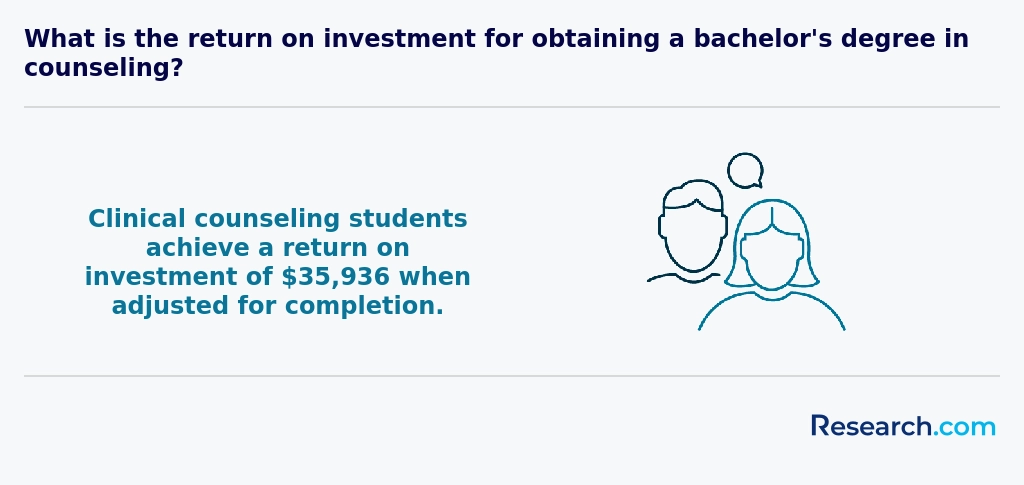
State Licensure Requirements and Alignment
When selecting an online counseling program in the South, it’s essential to ensure the curriculum meets your state’s licensure board requirements. Most states require: • A CACREP-accredited bachelor’s or master’s degree in counseling. • A specified number of supervised practicum and internship hours (typically 600–1,000). • Passage of a national counseling exam, such as the National Counselor Examination (NCE). • Additional state-specific coursework (e.g., professional ethics, addiction counseling, or pharmacology). For example, West Virginia’s Board of Examiners for Professional Counselors mandates 60 semester hours of graduate coursework in counseling, including at least three semester hours each in appraisal, research, and diagnosis. Prospective students can explore programs that align with these criteria in our Affordable Counseling Degree Programs Ranking in West Virginia, which highlights CACREP-accredited and cost-effective options tailored to state licensure standards. To verify alignment in other Southern states: 1. Visit your state licensure board website for detailed educational requirements and supervised practice hours. 2. Confirm that your chosen program’s practicum and internship placements can be completed locally. 3. Review sample licensure applications or handbooks to identify any additional coursework or exam prerequisites. 4. Contact program advisors to request a licensure alignment letter or curricular map demonstrating how each course fulfills state board criteria. By proactively matching online degree curricula with licensure requirements, you’ll streamline your path to licensure, avoid unexpected additional coursework, and ensure a smooth transition from student to licensed professional counselor.
What financial aid is available to online counseling degree students in the South?
When you're going after an online counseling degree in the South, financial aid is definitely your friend. Many students attending schools like the University of Georgia or UNC Chapel Hill find federal aid super helpful. Filling out the FAFSA opens doors to Pell Grants, which can cover thousands off your tuition-sometimes up to $7,395 a year. That kind of help can really take the pressure off.
On top of federal help, Southern states often have their own scholarships tailored for counseling students. For example, Georgia's HOPE Scholarship can make a big difference for residents studying online at local universities.
Graduates from Southern programs often mention how merit-based scholarships from their schools added extra support-some picked up a few thousand dollars simply for good grades or counseling experience. Plus, there are scholarships from groups like the Southern Association for Counselor Education and Supervision that really get counseling students.
Don't forget employer tuition reimbursement or veteran benefits either-lots of working students use these to keep costs down while juggling life.
Accreditation and Licensure Requirements
Graduates must choose a properly accredited program and follow state licensure steps to become certified counselors.
- CACREP accreditation confirms your degree meets national counseling standards.
- Enroll in a CACREP-accredited program, such as those listed among the cheapest cacrep-accredited programs online.
- Complete required supervised practicum and internship hours (typically 1,000–2,000).
- Pass national certification exams (NCE or NCMHCE) and meet additional state board criteria, which vary by location.
What are the prerequisites for enrolling in online counseling degree program in the South?
If you're thinking about enrolling in an online counseling degree program in the South, you'll want to know what basic steps you need to take before you even apply. Most schools in the region, whether it's a well-known college in Florida or a respected university in Texas, expect you to have a high school diploma or a GED. That's the starting point, kind of like the ticket to get your foot in the door.
Then, you'll probably need to send in your transcripts and maybe test scores like the SAT or ACT, though some Southern schools have made these optional lately. A few graduates I've heard from got through without stressing over scores, which was a relief.
Many programs also require background checks and letters of recommendation, which can feel a bit nerve-wracking but makes sense given how sensitive counseling work is. And it helps if you've already taken some relevant courses or volunteered in counseling or social work-students from Georgia and North Carolina often mention these experiences really helped them feel prepared and confident.
On top of all that, because licensure rules in states like Florida and Georgia are pretty strict, meeting those state-specific requirements early makes the path smoother down the road. The whole process might sound like a lot, but plenty of online learners in the South say once they got past these steps, they felt excited and ready to dive into their studies.
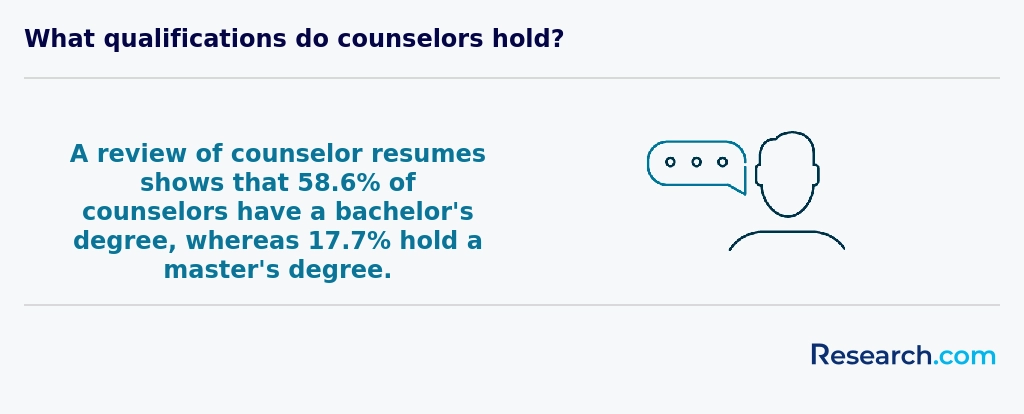
Accreditation and Licensure Requirements
Accreditation determines program quality and eligibility for state licensure in counseling. Understanding accreditation helps you choose a degree that meets professional standards and exam requirements.
- CACREP accreditation is the gold standard, ensuring curriculum aligns with national best practices and state board criteria.
- Regional accreditation verifies that an institution meets rigorous academic quality benchmarks and facilitates credit transfer.
- Most state licensing boards require graduation from a CACREP-accredited or regionally accredited program to sit for the counselor licensure exam.
- Compare costs and accreditation status by exploring the cheapest cacrep-accredited programs online.
What courses are typically in online counseling degree programs in the South?
When you dive into an online counseling degree in the South, you'll quickly find yourself exploring courses that really lay the groundwork for a rewarding career. Graduates from popular Southern schools often talk about how "Foundations of Counseling" helped them get a solid grip on the basics, making complicated theories feel manageable and relevant to everyday situations.
Courses like "Human Growth and Development" and "Counseling Theories and Techniques" are where things get exciting-they teach you to understand people's journeys and give you tools like cognitive-behavioral therapy or solution-focused methods that you can actually picture using with clients.
Ethics is another biggie, especially since you'll learn about rules unique to Southern states, which makes you feel ready and confident to practice locally. One grad mentioned how the hands-on practicum was a game-changer, letting them connect classroom lessons with real people in their own community, making the whole experience feel super personal and impactful.
What types of specializations are available in online counseling degree programs in the South?
If you're diving into an online counseling degree in the South, you'll find a ton of great specializations tailored just for the region's needs. Lots of graduates from popular Southern colleges mention how Clinical Mental Health Counseling stood out-this track prepares you to help people dealing with anxiety, depression, and trauma, which is increasingly important around here. Another favorite is School Counseling, perfect if you want to support kids and teens in local schools, especially since Southern states are boosting funds for school mental health programs.
Graduates also rave about the Marriage and Family Therapy specialization. It's great if you're drawn to helping couples and families navigate challenges, reflecting the strong community and family values so common in the South. And you can't overlook Addiction Counseling, which addresses sobering realities like the opioid crisis impacting so many Southern communities. Some even go for Rehabilitation Counseling to help people with disabilities thrive in their daily lives.
With so many options, it's no wonder students feel excited about their future careers. Plus, tuition stays pretty affordable compared to other places-you might want to check out the Affordable Counseling Degree Programs Ranking in West Virginia for some real deals. If you're looking into Southern region counseling degree focus areas, you'll find something that really clicks with your passion and goals.
How do you choose the best online counseling degree in the South?
If you're looking to pick the best online counseling degree in the South, start by making sure the program is accredited by CACREP or a similar trusted body. Graduates from schools like Florida State University often share how accreditation made their licensure process so much smoother, especially when planning to work in places like Georgia or Texas.
Affordability is a huge deal too-many students find that Southern public universities offer online counseling degrees that fit nicely within a $7,000 to $15,000 per year budget. These rates are way friendlier compared to pricier private schools, which can sometimes shoot over $30,000 annually. When I spoke with a graduate from the University of North Carolina system, they emphasized how the cost savings really helped them focus on their studies.
Don't forget to check if the program lines up with your home state's counseling licensure rules. This is where many find that Southern online programs shine by tailoring courses and supervised clinical hours to fit local requirements. Plus, strong student support services like academic advising and practicum placement can make all the difference when you're juggling work and life.
For a deep dive into top choices, you might want to explore options at top accredited non profit online colleges. This helps ensure you find the best online counseling degree programs in the South without guesswork.

What career paths are available for online counseling degree students in the South?
If you're thinking about an online counseling degree in the South, you'll find plenty of career paths waiting for you. Many grads from popular Southern schools jump straight into roles as licensed professional counselors (LPCs), providing therapy to individuals and families dealing with everything from anxiety to addiction. It's rewarding work, and in states like Texas or Georgia, it's a growing field thanks to strong demand and clear licensure routes.
Others find their calling as school counselors, blending their love for helping kids with essential certifications that vary by state. Graduates often talk about the joy they get from supporting students through tough times, a trend growing alongside the rise in mental health awareness in Southern schools. Plus, for a practical boost, some opt for short degrees that make good money, easing their path to the job they want.
Plus, there's a whole world beyond therapy rooms and schools - some grads move into rehab centers, social services, or career advising, helping people tackle life changes. With counseling degree careers in the South expanding, especially in cities like Atlanta and Dallas, the opportunities feel both exciting and within reach.
What is the job market for online counseling degree in the South?
The job market for online counseling degree graduates in the South is looking pretty bright right now. With states like Texas, Florida, and Georgia offering plenty of opportunities thanks to their growing healthcare systems and large populations, many find it encouraging to pursue counseling careers here. Graduates from Southern universities often share how flexible online programs let them balance work, family, and study without needing to relocate. A common success story comes from those attending well-known schools in the region, where they step into roles in public schools or community mental health centers right after finishing their degrees.
One reason why these counseling degree career opportunities Southern states are expanding is the rising need for Licensed Professional Counselors and Licensed Clinical Social Workers, especially with telehealth becoming more common. Plus, the demand for substance abuse counselors is growing as communities focus more on tackling opioid issues. If you're thinking about costs, many Southern public universities offer affordable tuition compared to national averages, and you can find great options at national accredited online schools.
Frequently Asked Questions About counseling
Students pursuing online counseling degrees in the South can enhance their learning by actively engaging with digital resources and peer networks. Accredited programs, such as those recognized by the Council for Accreditation of Counseling & Related Educational Programs (CACREP), offer robust curricula that prepare students for state licensure requirements prevalent in Southern states.
Utilizing virtual internships and local practicum opportunities allows students to gain hands-on experience while meeting regional counseling needs. According to the Southern Regional Education Board, states like Georgia and North Carolina report a growing demand for licensed counselors, emphasizing the importance of practical skills.
Consistently communicating with faculty and participating in online discussion forums helps deepen understanding and build professional connections critical for future employment in the Southern counseling market.
The counseling field is diversifying rapidly, creating new opportunities for students pursuing online degrees in the South. Emerging niches include telehealth counseling, which has grown significantly due to increased access and acceptance of remote mental health services. According to the National Board for Certified Counselors, telehealth use has expanded by over 50% in Southern states since 2020.
Other growing areas are substance abuse and addiction counseling, especially as opioid crises persist in rural Southern communities. School counseling also remains critical, adapting to address mental health challenges worsened by the pandemic.
Additionally, career counseling focused on diverse workforce needs is expanding in metropolitan Southern areas, supported by local economic development initiatives.
After completing an online counseling degree in the South, preparing for the job market requires strategic steps. Graduates should pursue state licensure, as every Southern state mandates specific credentials for counselors to practice legally. Familiarize yourself with the requirements from the state board where you intend to work. Networking is crucial-joining organizations like the Southern Association for Counselor Education and Supervision can help connect you with local professionals.
Gain practical experience through internships or supervised clinical hours, which are often necessary for licensure. According to the Bureau of Labor Statistics, the Southeast region is projected to see a 15% growth in counseling jobs by 2031, indicating strong demand. Additionally, tailor your resume to highlight skills such as cultural competency and telehealth experience, increasingly valued in Southern communities.
Employers in the Southern US prioritizing counseling degree graduates seek a blend of strong interpersonal and clinical skills. Effective communication is essential, as counselors must build trust and rapport with diverse clients. According to the National Board for Certified Counselors, empathy and active listening rank among the top qualities required to succeed.
Additionally, cultural competency is increasingly valued in Southern states, reflecting the region's diverse populations. Graduates proficient in evidence-based therapeutic techniques, such as cognitive-behavioral therapy (CBT), meet employer demand for effective treatment delivery.
Analytical skills supporting client assessment and individualized care are necessary, supported by licensure standards from Southern counseling boards emphasizing ethical practice and professionalism.
Finding internships in the South related to a counseling degree involves several strategies tailored to regional opportunities. Students should start by exploring partnerships between their online programs and local agencies; many Southern universities collaborate with community mental health centers and schools for practical placements.
State licensure boards, such as the Georgia Composite Board of Professional Counselors, offer valuable directories of approved internship sites. Additionally, professional organizations like the Southern Association for Counselor Education and Supervision (SACES) provide networking events and internship listings specifically for Southern counseling students.
Many Southern states require supervised internship hours for licensure, making it essential to secure internships that meet state guidelines. According to the U.S. Bureau of Labor Statistics, Southern states show growing demand for mental health counselors, which increases available internship opportunities.
Students should use online platforms, regional job fairs, and university career centers to locate internships that offer both experience and compliance with licensure requirements.
In the Southern United States, obtaining an online counseling degree can significantly enhance career mobility. Many employers increasingly recognize accredited online degrees, which can open doors to licensure and advanced certifications required for professional counseling roles. According to the National Board for Certified Counselors, Southern states like Texas and Florida have steadily growing demands for licensed counselors due to population growth and mental health awareness.
Online degrees also offer flexibility, allowing professionals to balance work while advancing education, which supports steady career progression. Graduates often qualify for diverse positions, from school counseling to clinical roles, broadening employment opportunities across the region.
Data from the Bureau of Labor Statistics highlights that counseling jobs in the South are expected to grow by over 15% through 2030, indicating strong potential for advancement after degree completion.
Studying for a counseling degree in the South equips students with skills to work across various disciplines such as social work, education, and healthcare. Southern universities often integrate courses in psychology, social justice, and community health, fostering a broad understanding essential for interdisciplinary collaboration.
Many programs emphasize cultural competence, addressing the diverse populations found in Southern states. According to the Southern Regional Education Board, over 40% of counseling programs include practical experiences with interdisciplinary teams, preparing graduates to navigate complex professional environments.
This approach ensures graduates can adapt to roles in schools, clinics, and social service agencies, meeting regional mental health needs effectively.
When choosing between a thesis and a non-thesis counseling degree program in the South, consider your career goals and learning preferences. Thesis programs often appeal to those interested in research or pursuing advanced graduate study, as they require a substantial research project. Non-thesis options generally focus more on practical skills and may allow faster completion, which suits professionals seeking licensure or immediate employment.
Data from the Southern Regional Education Board shows that about 60% of counseling graduates in Southern states prefer non-thesis tracks due to their flexibility. Additionally, many online programs from this region accommodate working adults by emphasizing applied learning over research.
Cost and time are also important: thesis programs may take longer and involve extra tuition for research resources. Finally, verify accreditation and licensure outcomes specific to Southern states like Texas, Florida, and Georgia to ensure your choice meets regional standards.
Students in the Southern United States seeking counseling degrees with a global perspective have several avenues for studying abroad. Many US universities offer online counseling programs with international partnerships, allowing students to engage in virtual exchange or short-term study tours overseas. These options provide exposure to diverse counseling practices while maintaining progress toward US-accredited degrees.
According to the Institute of International Education (2023), study abroad participation from Southern states has increased by 12%, reflecting growing interest in cross-cultural training for counseling professionals. While fully online degrees remain primarily US-based, hybrid models often include international fieldwork components.
Additionally, students can explore dual degree options or certificates through collaborations with global institutions, enriching their academic and practical counseling skills in culturally varied settings.
Part-time job opportunities in the South that complement counseling degree education often include roles such as mental health technician, case manager, or peer support specialist. These positions provide hands-on experience in counseling settings, helping students apply theoretical knowledge. According to the Bureau of Labor Statistics, the demand for mental health counselors in Southern states like Texas and Florida is projected to grow faster than the national average through 2030.
Many Southern universities also partner with local clinics and community centers, offering internships and part-time work facilitating real-world exposure. Additionally, roles in school counseling support or crisis hotline work can enhance interpersonal skills crucial for counseling careers.
Online counseling students in the South benefit from various networking opportunities despite the distance learning format. Many Southern universities with accredited counseling programs offer virtual student organizations and forums that connect peers and professionals. These platforms facilitate collaboration and mentorship, essential for career growth.
Regional counseling associations, such as the Southern Association for Counselor Education and Supervision (SACES), provide events, webinars, and conferences frequently attended by students and professionals. Participation fosters relationships and job leads within the Southern counseling field.
Internship placements, often required for degree completion, also serve as key networking channels. Southern states report strong partnerships between universities and local counseling agencies, enhancing real-world connections and employment prospects after graduation.
Alumni networks offer valuable support to online counseling degree students in the South by connecting them with experienced professionals. These networks provide access to mentorship, internship opportunities, and job leads, which is crucial in a competitive counseling job market. According to the Southern Association of Colleges and Schools, strong alumni engagement can increase graduate employment rates by up to 20% regionally.
For online students, these networks help bridge the gap between virtual learning and real-world practice. Alumni often share advice on licensure requirements across southern states, helping students navigate varied counseling regulations.
Many programs also host virtual networking events, fostering community and career growth even from a distance.
Customizing an online counseling degree program in the South involves selecting electives and specializations aligned with your career goals. Many Southern universities offer concentrations such as school counseling, mental health counseling, or substance abuse counseling. This allows students to tailor coursework to specific populations or settings.
Additionally, look for programs accredited by the Council for Accreditation of Counseling and Related Educational Programs (CACREP), ensuring quality and recognition in the field.
Internship placements are also customizable in many programs, helping students gain experience in their preferred Southern communities or agencies.
According to the Southern Regional Education Board, targeted specializations increase job prospects in regional counseling markets.
Online counseling students in the South commonly face connectivity challenges due to rural areas where internet access remains limited. According to the Federal Communications Commission, about 22% of individuals in Southern rural regions lack broadband access, impacting students' ability to participate in live classes and submit assignments on time.
Another challenge is finding accredited programs that meet Southern state licensing requirements. Counseling licensure varies by state, often requiring specific coursework and supervised clinical hours, which can complicate completion for online students if local placements are unavailable.
Finally, balancing work, family, and studies can be difficult for many Southern learners, especially given the region's higher rates of adult learners and nontraditional students.
With an online counseling degree, graduates in the South can pursue several professional certifications to enhance their career prospects. A common path is becoming a Licensed Professional Counselor (LPC), which requires passing a state exam and completing supervised clinical hours. Licensing requirements vary by state but typically include a master's degree and about 2,000 to 4,000 hours of supervised experience, as noted by the Southern Regional Education Board.
Other certifications include Certified Addiction Counselor (CAC) and National Certified Counselor (NCC) credentials. These certifications often require national exams and ongoing education. The demand for licensed counselors in the South is growing, with states like Texas and Florida showing increased job openings, according to the Bureau of Labor Statistics.
To write a winning application for an online counseling program in the South, start by thoroughly researching schools accredited by the Council for Accreditation of Counseling and Related Educational Programs (CACREP). Accreditation ensures quality and better job prospects. Highlight your passion for helping others and any related experience, such as volunteering or work in mental health settings. Admission committees value clear, concise personal statements that explain your career goals and motivation for counseling.
Be sure to submit all required documents, including official transcripts and letters of recommendation, often requested by Southern universities like the University of North Carolina system. According to the Southern Regional Education Board, the demand for counselors in Southern states is projected to grow by 17% through 2030, making your application's alignment with regional needs critical.
Globally, counseling is recognized as an essential profession addressing mental health and well-being. In the U.S., and particularly in the South, the demand for qualified counselors continues to rise. The Bureau of Labor Statistics projects a 22% growth in counseling jobs nationally from 2020 to 2030, with southern states contributing significantly to this trend due to expanding healthcare needs.
Many countries emphasize formal education and licensure for counselors, similar to U.S. standards. Southern universities increasingly offer accredited online counseling degrees, aligning with global expectations for professional training. This ensures graduates are prepared to meet ethical and clinical standards both locally and internationally.
Furthermore, counseling practices worldwide highlight the importance of cultural competence-a critical skill cultivated by many Southern programs to serve diverse populations effectively. This global perspective helps students understand counseling as a versatile, impactful career in a connected world.
Gaining practical experience during an online counseling degree in the South involves several key approaches. Many universities require supervised internships or practicum placements, often arranged at local clinics or community agencies near the student's residence. These hands-on experiences are essential for licensure and skill development.
Additionally, some programs offer virtual simulation labs to practice counseling techniques. According to the Council for Accreditation of Counseling & Related Educational Programs (CACREP), about 85% of accredited Southern programs incorporate these elements to ensure competency.
Networking through Southern regional counseling associations can also open volunteer or part-time opportunities, providing valuable client interaction before graduation.
Choosing the right concentration within an online counseling degree in the South depends on your career goals, interests, and local licensure requirements. Common concentrations include mental health counseling, school counseling, and marriage and family therapy. Each aligns with different job markets and state certification paths.
For instance, Southern states like Texas and Florida have strong demand for mental health counselors, with job growth projected at about 20% through 2030, according to the U.S. Bureau of Labor Statistics. School counseling concentrations are popular if you prefer working in educational settings and require specific state certification.
Research the requirements for counseling licensure in your state beforehand. Some Southern states have unique criteria regarding supervised hours and exams, which can influence the best concentration for timely certification. Many universities provide guidance on matching programs to state standards.
Finally, consider your personal interests and strengths, as counseling involves specialized skills depending on the population served. Reviewing program curricula and speaking with academic advisors can help clarify the best fit for your ambitions in the Southern counseling workforce.
Top Trending Counseling Rankings
See What Experts Have To Say About Studying Counseling
Read our interview with Counseling experts

Meredith A. Rausch
Counseling Expert
Associate Professor
University of Alabama

References
- TSU M.Ed. Counseling – Online & On-Campus Specializations https://tsu.edu/academics/colleges-and-schools/college-of-education/departments/counseling/med-counseling.php
- Master's Degree in Mental Health Counseling https://www.ccu.edu/ccu/counseling/mental-health-counseling/
- Why Pursue an Online Counseling Degree? | University of Bridgeport https://www.bridgeport.edu/news/pursue-an-online-counseling-degree-now/
- Interdisciplinary Training: Preparing Counselors for Collaborative Practice - The Professional Counselor https://tpcjournal.nbcc.org/interdisciplinary-training-preparing-counselors-for-collaborative-practice/
- Student Counselor Cover Letter Sample https://www.kickresume.com/en/help-center/student-counselor-1-cover-letter-sample/
- Home https://www.husson.edu/online/blog/2025/10/benefits-of-alumni-networks
- Networking: Are You Connected? https://www.apaservices.org/practice/business/marketing/building/networking
- Counseling Degree Programs Online with Financial Aid https://www.edumed.org/online-schools/counseling-degrees/financial-aid/
- Counselor Salary https://onlinecounselingprograms.com/become-a-counselor/salary/
- Study Counseling Abroad - Top Universities for Masters, MBA, PhD Degree Programs https://studee.com/degree/abroad/counseling