2027 Most Affordable Counseling Degree Programs Ranking in Tennessee

Co-Founder and Chief Data Scientist
Choosing the right counseling degree program in Tennessee can feel overwhelming, but it doesn't have to be. Our article presents the 2027 Most Affordable Counseling Degree Programs Ranking in Tennessee, carefully crafted by the Research.com team of data scientists. This ranking helps you discover quality programs that align with your budget and career goals.
Whether you're starting fresh or advancing your education, earning a counseling degree opens doors to a rewarding career focused on helping others. Exploring these affordable options is a smart step toward a fulfilling future.
Key benefits of getting counseling degree in Tennessee
- Counseling degree graduates in Tennessee can expect competitive salaries, with Addiction Counselors earning around $60,080 annually and Community Outreach Coordinators making about $54,020 per year, offering financial stability.
- Graduates often pursue diverse careers such as Rehabilitation Specialists or Family Support Workers, reflecting flexible opportunities that match personal passions and local community needs.
- Completing a counseling degree online, like through the University of Tennessee's program, provides flexibility for working students and those balancing family, making education more accessible and stress-free.
- Key benefits of getting counseling degree in Tennessee
- What can I expect from counseling degree in Tennessee?
- Where can I work with counseling degree in Tennessee?
- How much can I make with counseling degree in Tennessee?
- 2027 Most Affordable Counseling Degree Programs Ranking in Tennessee
- Key Findings
- How long does it take to complete counseling degree in Tennessee?
- Selecting the Right Counseling Program in Tennessee
- What's the difference between online and on-campus counseling degree?
- Licensing Requirements for Counselors in Tennessee
- What is the average cost of counseling degree in Tennessee?
- Licensure Requirements in Tennessee
- What financial aid is available to counseling degree students in Tennessee?
- Licensing and Accreditation Requirements in Tennessee
- What are the prerequisites for enrolling in counseling degree program in Tennessee?
- Accreditation and Licensure Requirements in Tennessee
- What courses are typically in counseling degree programs in Tennessee?
- What types of specializations are available in counseling degree programs in Tennessee?
- How do you choose the best counseling degree in Tennessee?
- What career paths are available for counseling degree students in Tennessee?
- What is the job market for counseling degree in Tennessee?
- Related Counseling Rankings for Nearby States
- Top Trending Counseling Rankings
- See What Experts Have To Say About Studying Counseling
What can I expect from counseling degree in Tennessee?
The average cost of pursuing a counseling degree in Tennessee often surprises many prospective students, given the state's combination of quality education and affordability. At popular institutions such as Middle Tennessee State University or the University of Tennessee, graduates typically spend between $15,000 and $30,000 to complete a master's program, which is the essential step for licensure. This investment covers comprehensive coursework, practical internships, and valuable exam preparation embedded in the curriculum.
One graduate recalls the challenge and excitement of balancing these costs with the opportunities presented, especially considering the rigorous 1,000 hours of supervised post-graduate experience required for licensure. This tangible blend of academic and hands-on learning makes each dollar feel purposeful and directly linked to career readiness.
Unlike degrees shrouded in uncertainty, Tennessee counseling programs offer a clear pathway where financial resources translate into extensive clinical training and a strong licensure foundation, fostering confidence and hope for a sustainable, impactful career in mental health.
Where can I work with counseling degree in Tennessee?
Graduates from counseling programs at institutions like Vanderbilt University or Middle Tennessee State University often find themselves in diverse roles across Tennessee. Imagine working in a busy hospital in Nashville, helping patients navigate mental health challenges or chronic illness-this is a reality for many who pursue healthcare counseling. Others gravitate toward school districts in Memphis or Knoxville, guiding students through academic stresses and emotional hurdles, reflecting how education systems actively seek qualified counselors.
Some graduates choose the independence of private practice, supported by Tennessee's licensure system that ensures professional standards. Picture setting your own therapy office in Chattanooga, directly impacting clients' lives with tailored support. There are also counselors embedded in community centers, working with at-risk youth or veterans-roles growing as nonprofits expand their mental health outreach.
Correctional facilities and government agencies provide further meaningful work, helping individuals rehabilitate and addressing workplace wellness programs in corporate Tennessee. With a state employment growth projected at 14% through 2032, counseling graduates are stepping into roles filled with purpose and genuine emotional connection.
How much can I make with counseling degree in Tennessee?
Graduates from counseling programs at institutions like the University of Tennessee or Belmont University often step into roles where salaries vary widely but offer promising potential. For example, becoming an Intervention Specialist can bring a mean annual wage of about $76,000 in Tennessee, which notably exceeds the standard counseling salary expectations and shines a light on specialized career paths. Similarly, Addiction Counselors, a common route for counseling grads, earn around $60,080 annually, illustrating a rewarding trajectory for those passionate about recovery work.
Other roles such as Rehabilitation Specialists and Community Outreach Coordinators, often filled by counseling degree holders, report solid mean wages of $48,430 and $54,020, respectively. These figures suggest that while the initial salaries might seem modest, the real earnings come with skill development and focused experience. Many graduates share how their practicum experiences in Tennessee's diverse communities, from Nashville's urban centers to smaller rural settings, boost their confidence and open doors to higher pay within just a few years.
It's easy to underestimate how licensure, ongoing training, and networking within Tennessee can transform a counseling degree into a gateway for both meaningful impact and financial growth. For students weighing their options, these salary realities offer a nuanced picture-success is often linked less to a fixed number and more to the paths chosen after graduation.
2027 Most Affordable Counseling Degree Programs Ranking in Tennessee
How do we rank schools?
Investing in your education is a significant decision that can shape your future, and the Research.com team understands the importance of making informed choices. To assist prospective students in Tennessee, we have meticulously crafted the "2027 Most Affordable Counseling Degree Programs Ranking in Tennessee." Our commitment to quality, credibility, and accuracy is reflected in the extensive research and analysis conducted to compile this ranking.
We utilized the following reputable data sources to ensure a comprehensive evaluation of counseling programs:
By exploring this ranking, readers will gain valuable insights into the most affordable and credible counseling degree programs available in Tennessee, enabling them to make well-informed decisions about their education and career paths. For more details on our methodology, please visit our Research.com methodology page.





# 14 position
Johnson University
M.A. in Counseling

# 15 position
Johnson University
Bachelor of Science in Counseling


Key Findings
- Counseling degrees in Tennessee range from associate to master's level, with most students pursuing a Master of Science (MS) or Master of Education (MEd) in Counseling.
- In-state tuition for master's programs at public universities typically costs between $9,000 and $15,000 per year, while private institutions charge around $20,000 to $30,000 annually.
- The Tennessee Department of Labor projects a 10% growth in counseling-related jobs over the next decade due to increasing mental health awareness.
- Starting salaries for counseling graduates in Tennessee average between $40,000 and $45,000 per year, rising to $55,000 to $65,000 or more with experience and licensure.
- To become a licensed counselor in Tennessee, graduates must complete 2,000 to 4,000 hours of supervised clinical experience and pass the National Counselor Examination or an equivalent exam.
How long does it take to complete counseling degree in Tennessee?
Completing a counseling degree in Tennessee is more than just counting years; it's a journey shaped by commitment and real-world experience. Graduates from institutions like Vanderbilt University and the University of Tennessee share how the typical timeline-about six to seven years-feels like a meaningful investment rather than a mere wait. Four years of undergraduate study lay a solid foundation, but the real growth happens during the master's program, which usually takes two to three years full-time.
One graduate recalls balancing practicum hours alongside coursework, a challenging yet rewarding process that deepened their passion for counseling. Tennessee's CACREP-accredited programs ensure you're not just clocking hours but gaining practical skills essential for licensure. After graduation, around 3,000 supervised clinical hours-typically two years full-time-help transform knowledge into confident practice.
Some students choose part-time study at places like Middle Tennessee State University, extending the timeline but allowing them to work and learn simultaneously, fostering a sense of accomplishment as each milestone is conquered.
Selecting the Right Counseling Program in Tennessee
To select the best counseling program in Tennessee, prospective students should consider several crucial factors, including accreditation, degree level, specialization options, program format, cost, and financial aid. When evaluating these aspects, it's essential to research and understand the specific requirements for each program, as well as the potential career outcomes. For instance, students interested in pursuing a best counseling program in Tennessee should look into programs that offer specializations such as clinical mental health counseling or school counseling, and consider the format of the program, whether traditional or online, to ensure it aligns with their lifestyle and career goals. By carefully considering these factors and doing thorough research, students can make informed decisions about their education and set themselves up for success in their future counseling careers.
What's the difference between online and on-campus counseling degree?
Choosing between online and on-campus counseling degrees in Tennessee often feels like weighing freedom against tradition. Graduates from Middle Tennessee State University recall the energizing buzz of campus life-the spontaneous study sessions, face-to-face mentorship, and immediate access to libraries and campus events. This hands-on environment fosters connections that many find deeply motivating and helps ground their clinical experiences.
In contrast, those who pursued online programs appreciated the flexibility to juggle family, work, and coursework without the stress of commuting across Tennessee's sprawling regions. One graduate from the University of Tennessee shared how recorded lectures let them absorb material on their own schedule, making professional advancement feel more attainable. Yet, these students also navigate the challenge of creating their own support network, relying on virtual discussion boards and local practicum placements.
Tennessee's counseling students know both pathways demand rigorous clinical hours, but the difference lies in the day-to-day reality: on-campus programs weave you into a tight-knit community, while online options offer independence and adaptability, aligning with varied life demands.
Licensing Requirements for Counselors in Tennessee
To practice as a Licensed Professional Counselor (LPC) or Marriage and Family Therapist (MFT) in Tennessee, you must meet specific education, exam, supervised experience, and application criteria:
- Education: Earn a CACREP-accredited master’s in counseling or an MFT degree. If you’re focusing on family therapy, explore marriage and family therapy masters programs online.
- Supervised Experience: Complete at least 3,000 hours of supervised clinical practice over a minimum of two years under a board-approved supervisor.
- Examination: Pass the National Counselor Examination (NCE) for LPC licensure or the AAMFT exam for MFT licensure.
- Application: Submit official transcripts, exam scores, supervisor endorsements, and a background check to the Tennessee Board of Licensed Professional Counselors.
- Fees and Renewal: Pay initial licensing fees (approximately $195–$300) and renew your license every two years with proof of 20 hours of continuing education.
What is the average cost of counseling degree in Tennessee?
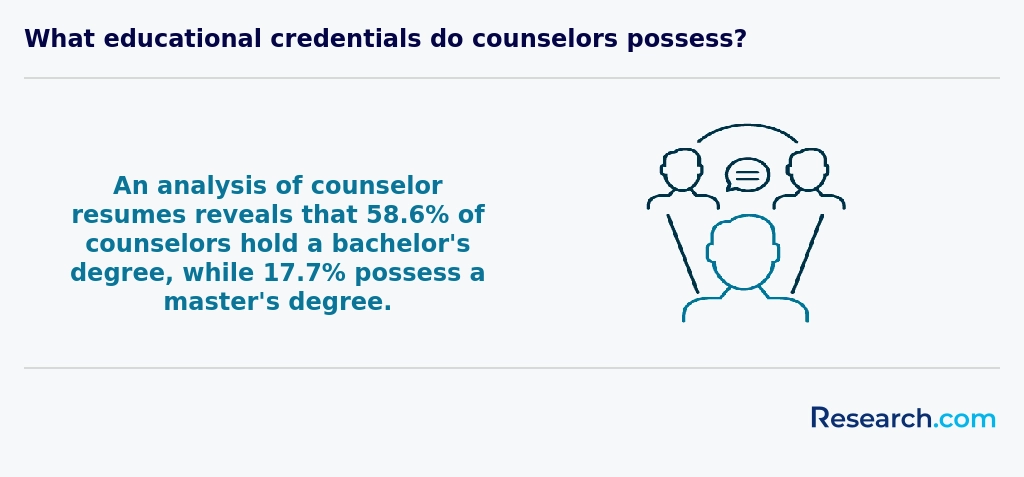
The average cost of a counseling degree in Tennessee typically centers around $23,790 for in-state students, reflecting a financial commitment that balances accessibility with quality education. Graduates from well-known institutions such as the University of Tennessee often share stories of a manageable investment that felt worth every dollar, given the hands-on clinical experience and strong professional networks they developed. However, out-of-state students can expect the total cost to rise significantly, often approaching $35,220, which challenges future counselors to carefully weigh where they study and the financial realities of their journey.
Exploring Tennessee counseling degree tuition and fees reveals how the state's public universities generally offer a moderate cost path compared to private alternatives. These programs, usually lasting two to three years, combine tuition with necessary practicum hours, which add valuable real-world experience but may increase educational expenses. Students often find that combining academic rigor with practical training in settings like Vanderbilt University or Middle Tennessee State University enriches their learning, despite the associated costs.
For those seeking the best counseling program in Tennessee, understanding the median total cost and its impact on future earning potential is crucial. Many graduates describe an underlying sense of fulfillment, knowing their investment supports both their career ambitions and their ability to help others navigate life's challenges, making the price tag more than just numbers but a stepping stone to meaningful work.
Licensure Requirements in Tennessee
To practice as a licensed counselor in Tennessee, graduates must meet specific post-degree criteria:
- Completing a CACREP-accredited master’s program (60+ credit hours)
- Logging 3,000 hours of supervised post-degree clinical experience, including at least 150 hours of direct supervision
- Passing the National Clinical Mental Health Counseling Examination (NCMHCE)
- Submitting an application and fee to the Tennessee Board of Licensed Professional Counselors
- For Marriage and Family Therapy, fulfilling 2,000 hours of relational practice and passing the AMFTRB exam; explore mft online programs for options
What financial aid is available to counseling degree students in Tennessee?
Financial aid for counseling students in Tennessee often feels like a lifeline, transforming dreams into realities at universities such as Middle Tennessee State University or East Tennessee State University. Graduates from these programs often recall how Pell Grants-offering up to $7,395 for need-based support-provided crucial breathing room during intense semesters. It's not just federal aid; the Tennessee Education Lottery Scholarship (TELS) can grant up to $7,000 annually, rewarding academic achievement and anchoring education costs in recognizably manageable territory.
Institutional scholarships at schools like Tennessee Technological University also spark pride and motivation, rewarding leadership and scholarly commitment in counseling studies. Imagine the relief of a student receiving departmental funds just as financial pressures mount.
Unique to Tennessee are employment-based options, such as the Health Professional Education Loan Repayment Program (HELP), which drives graduates towards underserved communities by offering loan forgiveness-making service feel both meaningful and attainable. These programs remind students that their investment pays off not only personally but profoundly socially.
Licensing and Accreditation Requirements in Tennessee
In Tennessee, becoming a licensed counselor requires careful adherence to both accreditation standards and state board regulations. First, ensure your degree program is accredited by the Council for Accreditation of Counseling and Related Educational Programs (CACREP), which is widely recognized by the Tennessee Board of Licensed Professional Counselors and Marriage & Family Therapists. Graduates from CACREP-accredited programs benefit from streamlined application processes and greater employer recognition. For those interested in specialized credentials, pursuing a substance abuse counseling certification can enhance your qualifications for roles in addiction treatment centers. After completing a master’s degree in counseling or a closely related field, candidates must accrue 3,000 hours of supervised clinical experience under a board-approved supervisor. This typically involves a mix of direct client contact, group counseling, and case management across at least two years. Following the supervised practicum, applicants are required to pass the National Counselor Examination (NCE) or the National Clinical Mental Health Counseling Examination (NCMHCE). The Tennessee board also mandates a jurisprudence exam covering state-specific laws and ethical guidelines. Maintaining licensure in Tennessee involves ongoing professional development. Counselors must complete 20 continuing education hours annually, including at least 6 hours in ethics or professional responsibility. Approved providers include state universities, professional associations like the Tennessee Counseling Association, and accredited online platforms. Staying current with licensure renewal deadlines and recording CE credits through the board’s online portal ensures uninterrupted practice and upholds the highest standards of care for clients statewide.
What are the prerequisites for enrolling in counseling degree program in Tennessee?
To step into counseling programs in Tennessee, you must first secure your foundational footing: a high school diploma or equivalent is non-negotiable for bachelor's entry. But the path becomes more nuanced for those aiming for a master's-a degree that not only elevates your expertise but is often required for licensure as an LPC.
Graduates from institutions like Middle Tennessee State University share how holding a bachelor's degree-preferably with coursework in psychology or sociology-became the springboard for their advanced studies. These programs expect more than just transcripts; they want to hear your story through essays and letters of recommendation, revealing your genuine passion and readiness for counseling work.
Many report that hands-on experience in volunteer roles or human services strengthened their applications, showcasing real-world dedication beyond academics. Tennessee universities are adapting: fewer insist on GRE scores, focusing instead on your GPA and practical experiences, reflecting a shift toward valuing what you bring emotionally and intellectually.
Accreditation and Licensure Requirements in Tennessee
Ensuring your counseling degree program is properly accredited is the first step toward a successful career as a licensed professional counselor (LPC) in Tennessee. The Council for Accreditation of Counseling and Related Educational Programs (CACREP) is widely recognized by the Tennessee Board of Licensed Professional Counselors as the gold standard for master’s-level counseling curricula. Graduating from a CACREP-accredited institution not only guarantees that your coursework meets rigorous national standards but also streamlines the licensure application process. To become an LPC in Tennessee, you must: 1. Earn a master’s degree in counseling from a CACREP-accredited program. 2. Complete at least 60 semester hours, including documented practicum and internship placements totaling a minimum of 700 hours under qualified supervision. 3. Accumulate 2,000 hours of post-graduate supervised work experience over a period of no fewer than 12 months. 4. Pass the National Counselor Examination for Licensure and Certification (NCE) or an equivalent exam approved by the Board. 5. Submit your licensure application, official transcripts, supervisor evaluations, and exam scores to the Tennessee Board of Licensed Professional Counselors, along with the required fees. Once licensed, counselors in Tennessee must complete 20 hours of continuing education every two years to maintain their LPC status. These hours can be fulfilled through workshops, conferences, online courses, or professional seminars that cover ethical practice, cultural competence, and the latest counseling techniques. While many students focus on affordability when selecting a program in Tennessee, it’s also helpful to see how other regions compare. For additional context on low-cost options, prospective students can explore the Low Cost Counseling Degree Programs Ranking in Connecticut, which highlights how neighboring states stack up in terms of tuition and fees.
What courses are typically in counseling degree programs in Tennessee?
Students pursuing counseling degrees in Tennessee often find themselves immersed in courses that challenge their perceptions about human behavior and communication. At institutions like the University of Tennessee or Middle Tennessee State University, graduates recall how studying Introduction to Counseling Theories opened their eyes to diverse approaches, shifting their understanding of what it means to truly support someone in crisis.
Core classes such as Human Growth and Development bring to life the complexities of psychological development, grounding theoretical knowledge in relatable life stages. Many alumni describe the impact of Multicultural Counseling as transformative, pushing them to confront their own biases and embrace cultural competence in ways that prepare them for Tennessee's diverse communities.
Courses on Ethics and Professional Issues are not just about rules; graduates emphasize how they cultivate a deep sense of responsibility and trust essential for client relationships. Practical modules like Group Counseling Techniques and Practicum and Internship provide hands-on experiences, often shared by peers who stress the excitement and challenge of facilitating real group sessions under expert supervision.
What types of specializations are available in counseling degree programs in Tennessee?
In Tennessee, counseling degree specializations provide diverse paths that challenge students to deeply connect with their chosen communities. Graduates from popular universities often describe their journey through Clinical Mental Health Counseling as transformative, equipping them to empathize in hospitals or community centers where every interaction feels vital. School Counseling captivates those inspired by the daily reality of K-12 students facing emotional and academic hurdles, making the work both urgent and rewarding. The rising field of Marriage and Family Therapy pushes graduates to navigate complex family dynamics with real impact, reflecting Tennessee's growing demand for these skills.
Beyond these, programs offer specializations like Addiction Counseling, which supports recovery journeys-students frequently explore substance abuse counseling certification-and Rehabilitation Counseling that empowers individuals toward independence. Child and Adolescent Counseling and Trauma Counseling further expand the emotional range students master, bridging academic theory and Tennessee's real-world mental health needs. These options mirror the evolving landscape of mental health counseling programs Tennessee offers, inviting deeper reflection on the roles counselors truly inhabit.
How do you choose the best counseling degree in Tennessee?
Choosing the best counseling degree in Tennessee means looking beyond just the program name or location. Graduates from well-known Tennessee colleges often share how CACREP accreditation made their licensure process smoother, an essential factor when pursuing a career as a Licensed Professional Counselor. Cost plays a vital role too; while some students thrive at universities with higher tuition that offer robust internship networks, others prefer affordable counseling degree programs Tennessee offers, balancing savings with strong practicum opportunities.
Consider a graduate's story from a university in the Nashville area who found that on-campus programs gave them vital hands-on experience through local partnerships, unlike some online degrees that felt disconnected. Yet, working professionals praised flexible online options, despite occasional in-person requirements for internships. Such real-life choices highlight how your day-to-day needs and career goals shape the best fit.
Exploring financial aid and scholarship availability at these schools can significantly impact your decision. For guidance on costs and value, see the Low Cost Counseling Degree Programs Ranking in Connecticut as a comparative resource for affordable counseling degree programs Tennessee students may consider.
What career paths are available for counseling degree students in Tennessee?
Graduates holding a counseling degree in Tennessee face diverse career paths that defy any one-size-fits-all expectation. Many find themselves pursuing licensure as a Licensed Professional Counselor (LPC), a path that requires passing the Tennessee exam and engaging in supervised clinical hours. Alumni from prominent Tennessee universities often share how rewarding it is to provide therapy in community mental health centers or private practices, turning their passions into impactful careers. Exploring school counseling is another route where graduates work closely with students, helping them navigate academic and emotional challenges. These roles highlight the best counseling jobs in Tennessee 2027, reflecting strong demand and meaningful community impact.
Others channel their focus towards substance abuse counseling, supported by statewide initiatives addressing addiction. The practical, hands-on experience graduates gain in Tennessee's programs makes them uniquely prepared for these challenges. Counseling degree career options in Tennessee also extend to marriage and family therapy or rehabilitation counseling, allowing graduates to specialize in ways that resonate with their interests and local needs. For those seeking flexible study options or accelerated timelines, exploring the best accelerated bachelor's degree online programs in Tennessee offers a tempting way to start or pivot careers swiftly.
What is the job market for counseling degree in Tennessee?
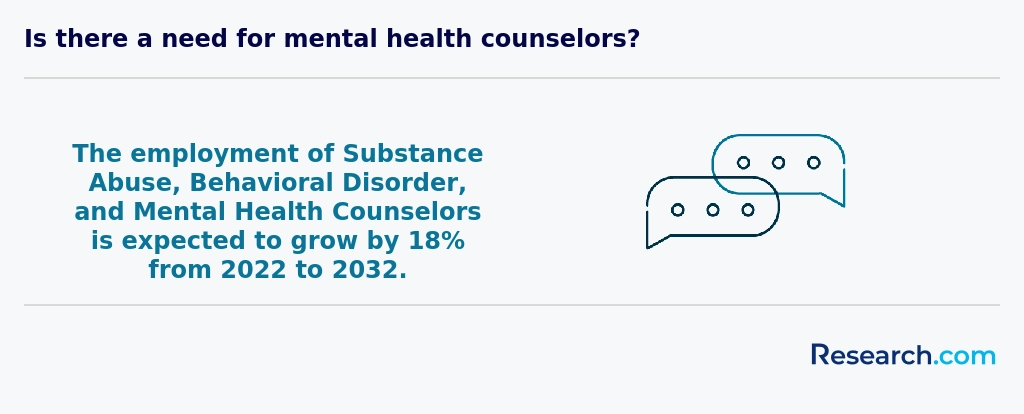
The counseling jobs outlook in Tennessee reveals a dynamic field rapidly expanding beyond traditional healthcare settings. Graduates from universities such as the University of Tennessee and Belmont report entering workplaces ranging from public schools to community mental health centers, where demand for licensed professional counselors continues to rise. This reflects a statewide trend influenced by the opioid crisis and increased funding toward mental wellness, making counseling roles both essential and fulfilling.
While the mean starting salary hovers near $48,000, graduates in Nashville or Memphis often find enhanced earning potential accompanied by vibrant professional networks. Many who began their studies locally emphasize how their programs' focus on supervised clinical hours directly prepared them for licensure and employment, a critical factor given Tennessee's specific licensure requirements.
The Tennessee counseling degree career opportunities attract students mindful of both cost and career trajectory. Public universities offer tuition between $8,000 and $12,000 annually-much more affordable than many out-of-state options-making it easier to commit to the path without overwhelming debt. For those exploring alternatives, institutions often guide students toward easy associate's degree programs to build foundational skills before advancing.
Frequently Asked Questions About counseling
Counseling degree students in Tennessee can maximize their learning by engaging in diverse practical experiences alongside their coursework. Tennessee requires at least 3,000 hours of supervised clinical work for licensure as a Licensed Professional Counselor (LPC), making internships and practicum placements essential.
Students should seek programs accredited by the Council for Accreditation of Counseling and Related Educational Programs (CACREP), as accredited degrees are often preferred by employers and state boards.
Participating in Tennessee's counseling associations, such as the Tennessee Mental Health Counselors Association, can provide networking and professional development opportunities.
Additionally, leveraging online resources and attending workshops offered by Tennessee universities can supplement classroom learning effectively.
The counseling field in Tennessee is evolving with several emerging niches attracting attention. One growing area is trauma-informed counseling, responding to increased awareness of mental health impacts from adverse experiences. This specialization helps clients recover from trauma, a need rising across the state.
Another niche is substance abuse counseling. Tennessee has higher-than-average rates of opioid use disorder, driving demand for counselors trained in addiction recovery support. According to the Tennessee Department of Mental Health, programs expanding in this field reflect the urgency of the epidemic.
Additionally, school counseling is growing as districts focus more on students' social-emotional needs. Counselors skilled in developmental and crisis intervention are becoming essential in Tennessee's public schools.
Finally, telehealth counseling is an emerging format, especially post-pandemic, offering remote access to mental health services statewide.
After completing a counseling degree in Tennessee, preparing for the job market involves several key steps. First, obtaining licensure is crucial; most counseling positions require the Licensed Professional Counselor (LPC) credential, which includes 2,000-3,000 supervised hours post-degree as outlined by the Tennessee Board of Licensed Professional Counselors.
Networking through internships and professional organizations such as the Tennessee Counseling Association can improve job prospects. Additionally, developing specialized skills in areas like substance abuse or mental health counseling can increase employability.
Staying informed about employer demands in Tennessee, where a 12% growth in counseling jobs is projected through 2030 according to the Bureau of Labor Statistics, is essential. Tailoring resumes to highlight relevant experience and continuing education will also strengthen candidacy.
Employers in Tennessee consistently seek counseling degree graduates who demonstrate strong communication and active listening skills. These abilities are crucial for building trust and effectively supporting diverse client populations. According to the Tennessee Department of Mental Health and Substance Abuse Services, cultural competence is also highly valued, reflecting the state's increasingly diverse communities.
Analytical thinking and problem-solving are essential for assessing client needs and developing treatment plans. Ethical judgment, including adherence to confidentiality protocols, is mandatory under both Tennessee law and national counseling standards.
Finally, familiarity with evidence-based interventions and proficiency in using digital record-keeping systems improve job readiness. These skills align with trends in Tennessee's behavioral health workforce demands, as reported by the Bureau of Labor Statistics.
Finding internships in Tennessee relevant to a counseling degree involves several strategic steps. Many universities offering counseling programs establish partnerships with local agencies, hospitals, and mental health centers where students can gain hands-on experience. For example, in Tennessee, internship sites often include community mental health organizations and school counseling programs.
The Tennessee Department of Mental Health and Substance Abuse Services frequently posts internship opportunities, which can be a valuable resource. Additionally, professional associations like the Tennessee Counseling Association provide listings and networking events that connect students with potential internships.
Students should also leverage career services at their institutions for guidance on placements that fulfill licensure requirements, as Tennessee requires a set number of supervised hours for counselors. On average, counseling internships in Tennessee involve 700 to 1,000 hours, helping students meet state credentialing standards.
Obtaining a counseling degree in Tennessee significantly enhances career mobility and advancement opportunities within the state's mental health and educational sectors. Licensed Professional Counselors (LPCs) with a master's degree, for example, can work in diverse settings such as schools, private practices, and community agencies. According to the Tennessee Department of Commerce and Insurance, LPCs earn a median annual wage of approximately $50,000, with experienced professionals seeing higher salaries and leadership roles.
The degree also fulfills state licensure requirements, which is essential for career growth. Earning a counseling degree opens doors to specialized fields like marriage and family therapy or school counseling, increasing job prospects.
Career advancement is supported by Tennessee's growing mental health services demand, driven by state initiatives to expand access to care.
Studying for a counseling degree in Tennessee equips students with skills valuable across various professional fields, including healthcare, education, and social services. Programs emphasize collaborative learning, teaching future counselors to work with professionals such as social workers, psychologists, and medical providers. This interdisciplinary focus aligns with standards set by the Council for Accreditation of Counseling and Related Educational Programs (CACREP), which most Tennessee programs follow.
Courses often cover topics like mental health, community resources, and crisis intervention, preparing students to address diverse client needs. Tennessee's increasing demand for mental health professionals, noted by the Department of Labor, stresses the importance of teamwork in providing holistic care.
When choosing between a thesis and a non-thesis counseling degree program in Tennessee, consider your career goals first. Thesis programs require original research and are ideal if you plan to pursue a doctoral degree or work in academia. Non-thesis options focus on practical experience and coursework, often preferred by those aiming for licensure and clinical practice.
In Tennessee, many counseling programs follow the Council for Accreditation of Counseling and Related Educational Programs (CACREP) standards, which influence program structure. According to the Tennessee Higher Education Commission, over 60% of counseling students enroll in non-thesis tracks to meet licensure requirements faster.
Evaluate your interest in research and time commitments, as thesis projects typically extend program length. Additionally, consider faculty expertise and available resources when deciding.
Students based in Tennessee interested in studying counseling abroad have several pathways to consider. While Tennessee itself is home to numerous accredited counseling programs, those seeking international experience often partner with universities offering study abroad or exchange programs. These typically allow students to complete some counseling coursework overseas while maintaining enrollment at their home institution.
Options include semester-long programs, summer intensives, or internships in countries with comparable counseling standards, such as Canada or the UK. It is crucial to ensure that foreign credits will transfer and align with Tennessee Board of Licensed Professional Counselors requirements for licensure. According to the Tennessee Higher Education Commission, collaboration programs are rising but remain selective.
Students should consult advisors to carefully plan their curricula and confirm accreditation status to maximize both educational value and career applicability.
Students pursuing counseling degrees in Tennessee can benefit from various part-time job opportunities that align with their academic goals. Positions such as behavioral health technician, case manager assistant, or mental health aide are common roles available in hospitals, community centers, or nonprofit organizations. These jobs allow students to gain hands-on experience working with diverse populations while developing critical communication and crisis intervention skills.
According to the Tennessee Department of Labor, employment in healthcare support roles is projected to grow by 14% between 2020 and 2030, reflecting strong demand for counseling-related skills. Additionally, working as a peer support specialist can provide practical exposure to counseling techniques and improve understanding of local community mental health needs.
Such part-time roles not only enhance a resume but also offer networking opportunities that prove valuable for counseling licensure and career advancement.
Counseling students in Tennessee have multiple networking opportunities to enhance their professional development. Many universities, such as the University of Tennessee and Middle Tennessee State University, offer access to student chapters of organizations like the American Counseling Association (ACA). These chapters provide events, workshops, and conferences tailored for counseling professionals.
The Tennessee Counseling Association (TCA) hosts annual conferences and regional meetings, attracting hundreds of counseling students and licensed counselors statewide. These events encourage relationship-building and knowledge sharing.
Additionally, Tennessee's licensing board requires supervised clinical hours, which promote connections with practicing counselors and mentors in community agencies, hospitals, and school systems. This hands-on experience is vital for career growth.
Alumni networks play a vital role for counseling degree students in Tennessee by offering strong professional connections. Graduates from state universities often stay engaged, providing mentorship and career guidance to current students. This can be especially valuable in Tennessee, where counseling licensure requires both supervised clinical hours and practical experience. According to the Tennessee Board of Licensed Professional Counselors, having access to an established network helps students find internships and job placements more efficiently.
These networks also promote access to job opportunities within Tennessee's healthcare and educational systems. Networking events and career fairs organized by alumni associations create a bridge between students and potential employers.
Moreover, alumni groups often share updated information about changes in licensure regulations and continuing education requirements, helping students stay compliant and competitive in the counseling field.
Students seeking counseling degrees in Tennessee can tailor their programs by choosing specializations aligned with their career goals. Many institutions offer tracks such as school counseling, clinical mental health, or marriage and family therapy. This allows learners to focus on areas with strong local demand, like substance abuse counseling or child and adolescent therapy.
Elective coursework helps refine skills relevant to various populations or counseling approaches. Additionally, Tennessee's licensing requirements encourage students to complete specific practicum hours and supervised experiences, which can be selected based on their target career path.
The Tennessee Higher Education Commission provides resources to help compare program options and align them with professional objectives.
Counseling students in Tennessee face several common challenges during their academic journey. One major issue is meeting the state's clinical hour requirements, which demand significant time commitments often requiring 1,500 to 3,000 supervised hours, depending on certification goals. Balancing these hours with coursework and personal responsibilities can be difficult.
Financial strain is also a concern, as the average graduate tuition for master's degrees in counseling ranges from $10,000 to $25,000 per year at Tennessee institutions (NCES, 2023). Many students juggle jobs alongside studies, creating stress.
Additionally, navigating licensure standards through the Tennessee Board of Licensed Professional Counselors requires careful planning. Understanding updated rules and exam processes is complex yet essential for career progression.
With a counseling degree in Tennessee, graduates can pursue several professional certifications to enhance their careers. The most common credential is the Licensed Professional Counselor (LPC), which requires a master's degree in counseling, supervised clinical experience, and passing the National Counselor Examination. According to the Tennessee Board of Licensed Professional Counselors, LPCs provide mental health therapy across various settings.
Other certifications include Licensed Clinical Professional Counselor (LCPC), which allows for advanced clinical practice after additional post-master's experience. Graduates may also consider certifications like Certified Rehabilitation Counselor (CRC) or National Certified Counselor (NCC), both recognized nationally. These certifications broaden job opportunities in rehabilitation, schools, and private practice.
To craft a winning application for a counseling program in Tennessee, begin by thoroughly researching accredited schools recognized by the Council for Accreditation of Counseling and Related Educational Programs (CACREP). Many top Tennessee programs require a minimum GPA of 3.0, so highlighting strong academic performance is essential. Admissions committees also value clear personal statements that reflect your motivation and commitment to counseling, addressing specific local community needs.
In addition, obtaining relevant experience-such as volunteering or working in mental health settings-can significantly strengthen your application. Letters of recommendation from professionals familiar with your skills are crucial.
Lastly, prepare for any required standardized tests like the GRE, as some programs in Tennessee still consider scores.
Counseling as a profession holds growing importance worldwide, with consistent demand in the US, including Tennessee. The U.S. Bureau of Labor Statistics projects a 22% growth in mental health counseling jobs nationally from 2020 to 2030, reflecting increased awareness of mental health needs. Globally, different countries emphasize varying counseling specialties, but the emphasis on licensed, well-trained counselors is common. Tennessee requires counselors to hold a Master's degree and a state license, aligning with U.S. standards that promote quality care.
Internationally, counseling careers often involve cultural sensitivity and adapting to diverse populations. Tennessee's evolving demographics require counselors who understand both local and global mental health trends. Students pursuing counseling degrees in Tennessee benefit from education grounded in evidence-based practices widely recognized across the world.
To gain practical experience while studying for a counseling degree in Tennessee, students typically engage in supervised internships or practicum placements. These experiences are often required components of accredited programs and provide hands-on training in clinical settings like community agencies, schools, or healthcare facilities.
The Tennessee Board of Licensed Professional Counselors mandates a minimum of 3,000 hours of supervised clinical experience post-degree for licensure, making early practical exposure critical. Many universities partner with local organizations to facilitate these placements.
Students are encouraged to seek opportunities that align with their career interests, such as mental health counseling, school counseling, or substance abuse treatment. Participation in related volunteer work or research projects can also enhance practical skills.
Choosing the right concentration within a counseling degree program in Tennessee involves evaluating your career goals and the needs of the local community. Common specializations include clinical mental health, school counseling, and marriage and family therapy. The Tennessee Board of Licensed Professional Counselors highlights clinical mental health counselors as the most in-demand, with a 15% job growth projected through 2029 according to the U.S. Bureau of Labor Statistics.
Consider programs accredited by the Council for Accreditation of Counseling & Related Educational Programs (CACREP) for better licensure prospects in Tennessee. Additionally, investigate practicum opportunities offered by schools to gain hands-on experience in your chosen field. Aligning your concentration with licensure requirements ensures smoother entry into Tennessee's counseling workforce.
Related Counseling Rankings for Nearby States
- 2027 Most Affordable Counseling Degree Programs Ranking in Alabama
- 2027 Most Affordable Counseling Degree Programs Ranking in Georgia
- 2027 Most Affordable Counseling Degree Programs Ranking in Missouri
- 2027 Most Affordable Counseling Degree Programs Ranking in Virginia
- 2027 Most Affordable Counseling Degree Programs Ranking in Indiana
- 2027 Most Affordable Counseling Degree Programs Ranking in Illinois
- 2027 Most Affordable Counseling Degree Programs Ranking in Ohio
- 2027 Most Affordable Counseling Degree Programs Ranking in Florida
- 2027 Most Affordable Counseling Degree Programs Ranking in Maryland
- 2027 Most Affordable Counseling Degree Programs Ranking in Pennsylvania
Top Trending Counseling Rankings
See What Experts Have To Say About Studying Counseling
Read our interview with Counseling experts

Charles Figley
Counseling Expert
Kurzweg Distinguished Chair in Disaster Mental Health
Tulane University

References
- Clinical Mental Health Counseling https://lipscomb.edu/academics/programs/clinical-mental-health-counseling
- Student Counselor Cover Letter Sample https://www.kickresume.com/en/help-center/student-counselor-1-cover-letter-sample/
- Internship Opportunities at Momentum https://momentumcac.com/internship/
- Becoming An International School Counselor https://iscainfo.com/becoming-an-international-school-counselor/
- Alternative Careers for Counselors Who Are Burnt Out [2025 Update] - The Bad Therapist https://www.thebadtherapist.coach/blog/alternative-careers-for-counselors
- How do I Gain Practical Experience as a Counselling Student? https://www.firstpsychologytraining.co.uk/blog-detail
- Where therapists work and what they do https://www.bacp.co.uk/careers/counselling-and-therapy-as-a-career/where-therapists-work-and-what-they-do/
- Master’s degree in clinical mental health counseling https://www.trevecca.edu/academics/program/counseling
- What Degree Do I Need to Be a Counselor? | University of Bridgeport https://www.bridgeport.edu/news/degree-needed-to-be-a-counselor/
- Bringing the benefits of career counselling/guidance to youth https://euroguidance.eu/to-bring-the-benefits-of-career-counseling-guidance-to-the-youth