
2027 Easiest Online Counseling Degree Programs Ranking in Wisconsin

Co-Founder and Chief Data Scientist
Choosing the right counseling degree program can feel overwhelming, especially with so many options available. That's why we're excited to share the 2027 Easiest Online Counseling Degree Programs Ranking in Wisconsin, developed by the Research.com team of data scientists. This ranking shines a light on the programs that offer accessible and effective pathways for students in Wisconsin.
Whether you're starting fresh or advancing your career, exploring these programs can help you find the best fit. Pursuing a counseling degree opens doors to meaningful work and personal growth, making the journey worthwhile.
Key benefits of getting online counseling degree in Wisconsin
- Counseling degree graduates in Wisconsin can expect competitive salaries, such as Addiction Counselors earning around $60,080 annually and Community Outreach Coordinators about $54,020, offering financial stability and rewarding careers.
- Graduates from popular Wisconsin universities often pursue diverse careers like Rehabilitation Specialists or Family Support Workers, allowing them to make a meaningful impact in communities and help those in need.
- Online counseling degrees provide flexibility and accessibility, enabling students from anywhere in Wisconsin to learn at their own pace while balancing work or family, a benefit praised by many online graduates.
- Key benefits of getting online counseling degree in Wisconsin
- What can I expect from online counseling degree in Wisconsin?
- Where can I work with online counseling degree in Wisconsin?
- How much can I make with online counseling degree in Wisconsin?
- 2027 Easiest Online Counseling Degree Programs Ranking in Wisconsin
- Key Findings
- How long does it take to complete online counseling degree in Wisconsin?
- What's the difference between online and on-campus counseling degree?
- What is the average cost of online counseling degree in Wisconsin?
- What financial aid is available to online counseling degree students in Wisconsin?
- What are the prerequisites for enrolling in online counseling degree program in Wisconsin?
- What courses are typically in online counseling degree programs in Wisconsin?
- What types of specializations are available in online counseling degree programs in Wisconsin?
- How do you choose the best online counseling degree in Wisconsin?
- What career paths are available for online counseling degree students in Wisconsin?
- What is the job market for online counseling degree in Wisconsin?
- Related Counseling Rankings for Nearby States
- Top Trending Counseling Rankings
- See What Experts Have To Say About Studying Counseling
What can I expect from online counseling degree in Wisconsin?
The average cost of an online counseling degree in Wisconsin varies widely but generally remains competitive compared to traditional programs. Graduates from institutions like the University of Wisconsin-System often report tuition ranging between $10,000 and $20,000 annually, with some benefiting from in-state tuition rates regardless of their physical location. This financial accessibility is a key factor that many students praise, allowing them to balance work, family, and education without overwhelming debt.
One graduate described feeling empowered to pursue licensure without sacrificing financial stability, emphasizing how flexible tuition policies at regional colleges lightened the load. Scholarships and federal loans tailored to counseling students in Wisconsin provide additional support, highlighting how the system encourages commitment to a demanding but fulfilling profession.
This affordability, combined with the rigorous curriculum aligned with Wisconsin's licensing requirements, shapes a realistic yet hopeful pathway. Students are not just investing in a degree; they are stepping confidently into a professional future where meaningful impact and economic viability coexist.
Where can I work with online counseling degree in Wisconsin?
Graduates with an online counseling degree in Wisconsin often find themselves at the intersection of community need and personal fulfillment. Many from respected institutions like the University of Wisconsin or Carroll University step into roles as licensed professional counselors (LPCs), meeting the Department of Safety and Professional Services' requirements to provide vital mental health support. Imagine working in a community mental health center, helping individuals grappling with trauma or addiction, where the impact of your work ripples through families and neighborhoods.
Others channel their passion into school counseling, supporting K-12 students academically and emotionally within public schools. Their day might involve guiding a teen through college readiness or providing crisis intervention, making every breakthrough deeply rewarding. Private practice attracts graduates seeking independence, especially in urban hubs like Milwaukee, offering therapy tailored to individuals, families, or groups, where the bond with clients grows over time.
Healthcare environments and nonprofits also beckon. Collaborating with medical teams or managing social service programs, counselors engage in holistic care that transcends traditional boundaries, affirming the value of their role throughout Wisconsin's diverse communities.
How much can I make with online counseling degree in Wisconsin?
Graduates with an online counseling degree from institutions like the University of Wisconsin or Concordia University often see a range of salary outcomes influenced by their chosen roles and experience. For example, working as an Addiction Counselor can bring an average annual wage of about $60,080 in Wisconsin, reflecting the specialized skills gained during advanced training. Similarly, Rehabilitation Specialists earn around $48,430 per year, demonstrating solid entry-to-mid-level earnings for many graduates.
Some graduates find rewarding careers as Community Outreach Coordinators or Family Support Workers, each with mean annual wages near $54,020. These roles allow them to leverage their counseling skills in impactful community environments, offering not only financial stability but personal fulfillment described by many alumni.
For those aiming higher, Intervention Specialists in Wisconsin average $76,000 annually, showing how advanced credentials and experience can significantly elevate earnings. This progression resonates strongly with graduates from online programs who appreciate the balance of flexible study combined with competitive compensation prospects in diverse settings throughout the state.
2027 Easiest Online Counseling Degree Programs Ranking in Wisconsin
How do we rank schools?
Investing in your education is a significant decision that can shape your future, and the Research.com team fully understands the importance of making well-informed choices. To assist prospective students in Wisconsin, we have meticulously developed the "2027 Easiest Online Counseling Degree Programs Ranking in Wisconsin." Our dedication to quality, credibility, and accuracy is demonstrated through comprehensive research and rigorous analysis conducted to compile this ranking.
We utilized the following reputable data sources to ensure a thorough and reliable evaluation of online counseling programs:
By exploring this ranking, readers will gain valuable insights into the most accessible and reputable online counseling degree programs in Wisconsin, empowering them to make confident and informed decisions about their educational futures. For more information on how this ranking was created, please visit our Research.com methodology page.


Key Findings
- The average cost for a master's degree in counseling in Wisconsin ranges from $15,000 to $30,000, with public universities offering lower tuition for in-state students.
- Starting salaries for counseling graduates average around $44,000 per year, increasing to $60,000-$70,000 with experience.
- The job market for counselors in Wisconsin is expected to grow by about 12% over the next decade due to rising demand for mental health services.
- Licensure in Wisconsin requires a master's degree, supervised clinical hours, and a licensing exam, with many online programs designed to meet these standards.
- Online counseling programs must include clinical practicum placements in Wisconsin or approved areas to satisfy state licensure requirements.
How long does it take to complete online counseling degree in Wisconsin?
Completing an online counseling degree in Wisconsin isn't a one-size-fits-all timeline. Graduates from the University of Wisconsin's counseling programs often share how their paths ranged from two to four years, depending largely on their pace and life commitments. Some full-time master's students breeze through in about two years, energized by the compact structure and focused coursework.
Yet, many find value in taking their time-balancing jobs, family, and coursework over three or more years-making the experience less stressful and more fulfilling. For those pursuing bachelor's degrees online, four years remains a common timeframe, but flexible programs allow acceleration for motivated students or more time for those who need it.
Doctoral candidates at places like Carthage College witness timelines stretching from three to six years, shaped by intense research and dissertation phases. Beyond mere classes, Wisconsin's licensure demands supervised clinical hours, extending the journey. Graduates often describe this blend of academics and hands-on practice as transforming-not just in duration but in depth and meaning.
What's the difference between online and on-campus counseling degree?
Choosing between online and on-campus counseling degrees in Wisconsin sparks more than just logistical debate-it challenges how you envision your learning journey. Graduates from programs at the University of Wisconsin-Madison often recall the energizing connection formed during in-person discussions, a dynamic that helps sharpen vital counseling communication skills. Yet, those who completed online degrees through institutions like Concordia University Wisconsin share how the flexibility to study asynchronously transformed their ability to juggle work, family, and education.
In Wisconsin, the average tuition bands between $10,000 and $20,000 annually, making online options attractive for reducing costs related to commuting and housing. But it's not just about money-online students describe a sense of empowerment from tailoring their study hours to fit personal rhythms, a freedom that fuels motivation.
Still, all students face the indispensable challenge of securing clinical placements. Graduates from both online and campus settings stress the importance of proactive planning to meet Wisconsin's licensing requirements, with online learners often relying heavily on school support to find suitable local internships.
What is the average cost of online counseling degree in Wisconsin?
The average cost of an online counseling degree in Wisconsin is often a balance between affordability and quality, with the median total cost around $21,456. For many students enrolling in counseling programs at well-regarded public universities such as the University of Wisconsin-Madison or private institutions like Concordia University Wisconsin, tuition and fees reflect this approximate range, aligning with their goals for a reputable education and eventual licensure.
Graduates frequently recall the positive impact of manageable financial planning in their journey, noting that while program costs are significant, the investment tends to pay off through career opportunities in healthcare and social services. Tuition and fees for counseling degrees in Wisconsin can vary notably depending on residency and institution type; public options generally offer more accessible pricing, but the expertise and networking opportunities at private colleges might justify the higher expense.
Additional expenses such as textbooks, technology fees, and exam preparation can add up, reminding prospective students to budget beyond the base tuition. Resources from state aid or scholarships often help light the path forward. Some find taking accelerated courses helpful-this is where students might consider pathways to get associate's degree online fast and build momentum when balancing education and life.
Ultimately, those seeking an online counseling degree in Wisconsin must weigh the financial commitment against their passion for counseling and serving others, understanding that typical costs hover in this median range yet still allow room for personal growth and professional fulfillment.
What financial aid is available to online counseling degree students in Wisconsin?
Students pursuing an online counseling degree in Wisconsin often discover financial aid as a critical lifeline, not just a bureaucratic hurdle. Graduates from popular institutions like the University of Wisconsin-Milwaukee and Marquette University recall how federal FAFSA-based aid, including Pell Grants and Federal Direct Loans, eased their paths-especially when juggling work and study.
Wisconsin's state-specific programs, such as the Wisconsin Grant and the Wisconsin Tuition Grant, profoundly reshape the economic reality for many. These opportunities, combined with resources like the Wisconsin Educational Opportunity Program (WEOP), extend a hand to those who might otherwise feel financially excluded from such advanced degrees.
Many counseling students also tap into scholarships from their universities or from organizations like the Wisconsin Counseling Association. These awards often speak directly to their commitment, lessening stress around tuition and exam fees and reinforcing their professional identity.
For those balancing jobs in healthcare or social services, employer tuition reimbursements and public service loan forgiveness programs become more than benefits-they embody tangible hope, transforming debt concerns into manageable challenges.
What are the prerequisites for enrolling in online counseling degree program in Wisconsin?
To embark on an online counseling degree in Wisconsin, students must first meet foundational academic requirements. For example, a graduate from the University of Wisconsin-Madison recalls the challenge of maintaining a competitive 3.0 GPA while completing a bachelor's degree, a prerequisite for enrolling in its master's counseling program. This GPA benchmark is not arbitrary; it ensures readiness for the rigorous coursework ahead and aligns with state expectations.
Many programs still request standardized tests like the GRE, though several students at institutions like Marquette University found relief when it was waived, reflecting evolving admissions trends favoring flexibility. Beyond academics, applicants must submit letters of recommendation and a personal statement, opportunities for them to share their passion for helping others and demonstrate commitment, similar to stories shared by recent graduates who found these documents key to telling their unique journeys.
Wisconsin's strict professional licensing rules also nudge candidates to prepare for background checks, especially for clinical internships, ensuring a trustworthy counseling future. These prerequisites form a holistic filter, balancing academic achievement with ethical readiness, vital for success in the state's counseling landscape.
What courses are typically in online counseling degree programs in Wisconsin?
Online counseling degrees in Wisconsin challenge students to engage deeply with courses that blend theory and real-world application. Graduates from popular institutions like the University of Wisconsin describe how mastering counseling theories-cognitive-behavioral, humanistic, psychodynamic-felt like unlocking tools to truly connect with clients facing complex life challenges. These aren't abstract lessons; they shape the way counselors respond to someone grappling with anxiety or trauma in their own communities.
Ethics courses feel especially vital in Wisconsin, where graduates recall navigating confidentiality dilemmas and informed consent with clarity and confidence. Understanding professional standards is more than policy memorization; it's a foundation that supports trust in every session.
Hands-on practicum experiences provide transformative moments. Students often share how supervising local internships helped them gain not only skills but also hope, seeing firsthand the impact of their work in schools or community centers around Wisconsin. This mix of skill-building courses and ethical training prepares students uniquely for licensing and real life.
What types of specializations are available in online counseling degree programs in Wisconsin?
Online counseling degree specializations Wisconsin students choose reveal much about the state's unique professional demands. Graduates frequently mention how Clinical Mental Health Counseling remains a cornerstone, enabling compassionate work with individuals and families while aligning perfectly with Wisconsin's LPC licensure requirements. Others find deep fulfillment in School Counseling, often inspired by personal experiences in local public schools, where online programs from well-known institutions help meet state educational standards.
Marriage and Family Therapy draws students eager to navigate complex relational dynamics, reflecting Wisconsin's growing emphasis on holistic mental health services. A standout for many is the Substance Abuse Counseling specialization, reflecting a dedicated response to Wisconsin's opioid crisis; graduates frequently share how this path feels like a meaningful way to serve their communities. Rehabilitation Counseling, aiming to empower those with disabilities, offers practical hope and impact, creating real change aligned with state vocational goals. These options underscore how counseling career options in Wisconsin offer diverse, emotionally resonant journeys.
Students exploring these paths should also consider the value of certifications that pay well, a critical factor in planning education and future careers.
How do you choose the best online counseling degree in Wisconsin?
Choosing the best online counseling degree in Wisconsin means looking beyond surface-level appeal and examining what truly prepares you for the profession. Graduates from well-known institutions in Wisconsin often highlight how accreditation by CACREP directly impacted their licensure success and confidence in clinical skills. Imagine balancing work and family while participating in asynchronous courses-several of these programs offer that flexibility, allowing students to absorb material on their own schedules without losing valuable interaction with expert faculty.
Affordability matters deeply, too, especially when faced with the range of costs in affordable counseling programs in Wisconsin. Some graduates recall carefully comparing tuition rates and total expenses, avoiding surprises by factoring in fees and textbooks, which made pursuing their degree feel like a smart financial decision rather than a burden. Aligning your program with Wisconsin's licensing requirements can transform uncertainty into assurance-just as many Wisconsin counselors have experienced.
Ultimately, asking deeper questions about program reputation and outcomes guides your choice. Graduates from popular colleges share how job placement rates and licensure pass rates made them feel empowered stepping into Wisconsin's growing job market. For those weighing options among college majors, this reflection can illuminate paths not just for today, but for a meaningful future in counseling.
What career paths are available for online counseling degree students in Wisconsin?
Graduates holding an online counseling degree in Wisconsin find themselves at a crossroads of meaningful career paths that challenge traditional job expectations. For instance, many earning their degrees from universities like the University of Wisconsin-Madison or Carroll University discover roles as Licensed Professional Counselors (LPCs), where they transform lives in private practices or healthcare facilities. These roles require rigorous licensure and supervised clinical hours, yet graduates often speak of the rewarding sense of connection with clients facing real struggles.
Career opportunities for counseling graduates in Wisconsin expand into school counseling, supporting student growth beyond academics at K-12 institutions under DPI certification. Others pursue addiction counseling, providing hope and healing in community rehabilitation centers. One graduate from a popular Wisconsin college recalled the fulfillment found in helping individuals recover from substance abuse, a testament to the diverse impact counselors have locally.
For many, the decision to pursue these paths is strengthened by understanding the practical blend of affordability and quality in online education options offered by respected programs in the state. Reflecting on personal journeys, students often choose these programs as fast track degree programs that balance life's demands with professional growth in mental health.
What is the job market for online counseling degree in Wisconsin?
The job market for graduates with online counseling degrees in Wisconsin offers promising opportunities that often surpass initial expectations. Many graduates from well-known institutions in Wisconsin find themselves quickly integrated into roles within Milwaukee's healthcare community or Madison's school counseling programs. Employment opportunities for counseling graduates Wisconsin-wide continue to expand, especially as telehealth services break down the traditional boundaries of workplace location. Those with online degrees discover that the state's increasing demand for mental health professionals opens doors in both urban and rural areas, where services were previously scarce.
Graduates frequently share that navigating Wisconsin's state licensure requirements, though rigorous, ultimately provides a competitive advantage in this evolving job market. Community mental health agencies and nonprofit groups regularly seek candidates prepared for diverse settings, helping counselors gain hands-on experience. Students weighing the cost and benefits of an online counseling degree often consider programs affiliated with Wisconsin universities, appreciating the balance of affordability and strong career support. For insights on accelerating your path, exploring 1 year master's programs online can be a practical step.
Frequently Asked Questions About counseling
Online counseling degree students in Wisconsin can maximize their learning by actively engaging with course materials and participating in virtual discussions. Since counseling programs require practical skills, students should seek out opportunities for supervised internships or practicum experiences within Wisconsin's licensed facilities. The Wisconsin Department of Safety and Professional Services (DSPS) requires specific clinical hours for licensure, so gaining relevant local experience is crucial.
Students should also utilize available online resources, such as webinars and counseling associations like the Wisconsin Counseling Association, to stay updated on state-specific regulations and best practices. Establishing strong communication with instructors and peers enhances understanding and networking.
Time management and self-discipline remain key, as research shows that successful online learners dedicate consistent weekly hours to study. Finally, verifying program accreditation through the Council for Accreditation of Counseling & Related Educational Programs (CACREP) ensures education meets Wisconsin's licensure standards.
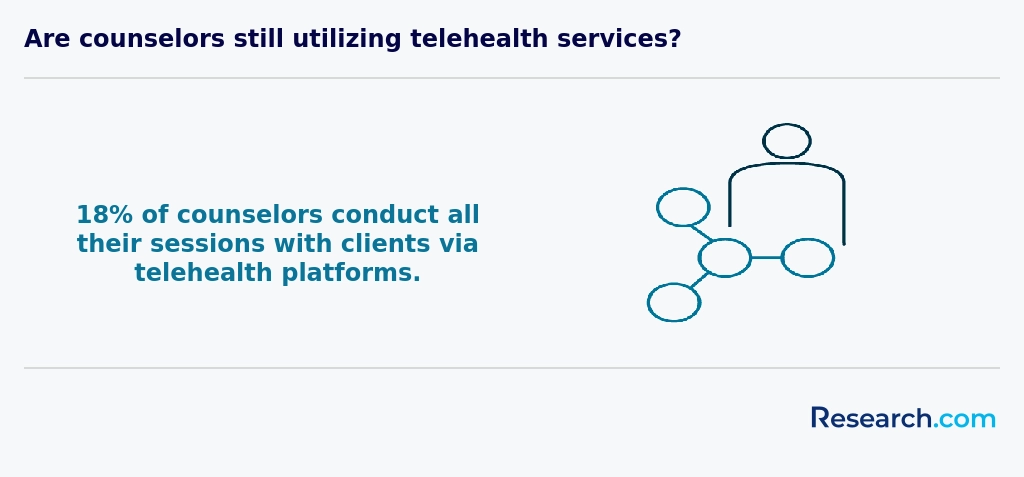
The counseling field in Wisconsin is expanding with several emerging niches that reflect changing societal needs. One growing area is telehealth counseling, which gained popularity during the COVID-19 pandemic and remains vital as remote mental health services continue to increase. According to the Wisconsin Department of Health Services, teletherapy usage has risen by over 40% since 2020.
Another niche is addiction counseling, driven by the ongoing opioid crisis impacting many Wisconsin communities. Specialized counselors in substance use disorders are in high demand, with job growth forecasted at 16% nationally by 2030 (Bureau of Labor Statistics).
Lastly, school counseling focusing on trauma-informed care is becoming critical as schools address mental health challenges among students. Wisconsin's Department of Public Instruction supports this trend through dedicated mental health resources for schools.
After completing an online counseling degree in Wisconsin, preparing for the job market requires understanding state licensure requirements. Wisconsin mandates that counselors obtain licenses through the Department of Safety and Professional Services, including supervised professional experience hours and passing relevant exams.
Networking with local counseling associations, such as the Wisconsin Counseling Association, can provide job leads and professional development opportunities. Additionally, graduates should consider gaining experience through internships or volunteer work to build a strong resume.
Job growth for mental health counselors in Wisconsin is expected to increase by approximately 16% from 2022 to 2032, according to the Bureau of Labor Statistics, indicating promising employment prospects.
Employers in Wisconsin seeking counseling degree graduates prioritize strong interpersonal and communication skills. Graduates must demonstrate empathy and active listening to effectively support diverse client populations. Wisconsin's Department of Safety and Professional Services highlights the importance of cultural competence, especially given the state's growing multicultural communities.
Critical thinking and problem-solving abilities are also essential. Counselors are expected to assess client needs accurately and design appropriate intervention strategies. According to the Bureau of Labor Statistics, mental health counselor roles in Wisconsin are projected to grow by 15% through 2030, emphasizing demand for these analytical skills.
Additionally, knowledge of ethical standards and confidentiality laws in Wisconsin is crucial for professional practice and licensure. Employers prefer graduates familiar with state-specific regulations and evidence-based approaches.
Finding internships in Wisconsin relevant to a counseling degree involves targeting organizations that offer practical experience in mental health settings. The Wisconsin Department of Safety and Professional Services regulates counseling licensure and often provides lists of approved internship sites. Universities with counseling programs typically have partnerships with local clinics, hospitals, schools, and community agencies, which can help students secure placements.
Students should also explore opportunities with organizations like the Wisconsin Mental Health Counselors Association. Networking through professional associations increases chances of finding quality internships. According to the Bureau of Labor Statistics, Wisconsin employs over 1,300 mental health counselors, reflecting internship demand in healthcare and social assistance sectors.
Online counseling students must ensure their internships meet state licensing board requirements, including supervised hours. Contacting academic advisors early is crucial to align internship choices with Wisconsin's credentialing rules set forth by DSPS.
Obtaining an online counseling degree in Wisconsin can significantly enhance career mobility and advancement opportunities. According to the Wisconsin Department of Safety and Professional Services, a master's degree in counseling is required for licensure as a professional counselor, which opens doors to various clinical and school counseling roles.
Online programs provide flexibility, allowing students to balance work and study while gaining credentials recognized statewide. Wisconsin's growing mental health sector, with a projected 15% job growth for counselors through 2030 (U.S. Bureau of Labor Statistics), underscores demand for qualified professionals.
Graduates with an online degree often qualify for senior positions, supervision roles, or specialized areas such as substance abuse or marriage counseling, leading to higher salaries and job security.
Studying for a counseling degree in Wisconsin equips students with skills essential for interdisciplinary collaboration. Wisconsin's online counseling programs emphasize integrating knowledge from psychology, social work, and education to address diverse client needs.
Courses often include training on teamwork with healthcare providers, educators, and community organizations. This prepares graduates to navigate complex systems and work collaboratively in settings like schools, hospitals, and social services.
The Wisconsin Department of Public Instruction highlights the importance of counselors understanding multiple disciplines to support student success. Additionally, data from the Wisconsin Department of Safety and Professional Services reports that interdisciplinary skills enhance employment opportunities across various counseling roles in the state.
When choosing between a thesis and a non-thesis counseling degree program in Wisconsin, consider your career goals carefully. Thesis programs typically require original research and benefit those interested in clinical practice or further academic study. Non-thesis programs often emphasize practical skills, preparing students for licensure and immediate work in counseling roles.
In Wisconsin, licensure as a Licensed Professional Counselor (LPC) requires supervised clinical experience but does not mandate a thesis. According to the Wisconsin Department of Safety and Professional Services, about 70% of counseling graduates pursue non-thesis paths for faster entry into the workforce.
Research-based thesis degrees may suit those targeting roles in research, teaching, or doctoral studies. Non-thesis options often include comprehensive exams or project work instead of a traditional thesis.
Students based in Wisconsin who wish to study counseling abroad often face challenges due to licensing and accreditation differences between countries and U.S. states. While there are no fully recognized foreign online counseling degrees specifically designed for Wisconsin licensure, some universities abroad offer programs that align with international standards and may transfer credits.
In Wisconsin, the Department of Safety and Professional Services requires counseling degrees to meet specific educational content and supervised experience criteria for licensure as a professional counselor. Students should verify if foreign coursework meets these criteria before enrolling.
Many Wisconsin students opt for U.S.-based online counseling programs that offer international study components or partnerships with foreign institutions to gain global perspectives while ensuring licensure eligibility.
According to the Wisconsin Educational Aids Board, international study can enhance cultural competence but must be balanced with in-state licensure requirements. Careful research and consultation with Wisconsin licensing boards are crucial for students exploring these options.
Part-time job opportunities in Wisconsin can effectively complement an online counseling degree by providing practical experience and enhancing relevant skills. Many students choose roles such as behavioral health technicians, where they assist clients under supervision while learning therapeutic techniques. According to the Wisconsin Department of Workforce Development, these positions often require a high school diploma but offer valuable exposure to mental health settings.
Additionally, peer support specialists roles are growing in Wisconsin, especially in community health agencies, allowing students to engage directly with clients facing mental health challenges. These jobs can help develop communication and crisis intervention skills.
Working as a case manager assistant or mental health aide in hospitals or social service agencies can also strengthen a student's understanding of client care coordination. Gaining such experience is advised as licensure in Wisconsin requires supervised clinical hours.
Online counseling students in Wisconsin have several valuable networking opportunities despite remote learning environments. Many accredited programs encourage virtual meetups, discussion boards, and group projects that connect students statewide. Professional organizations like the Wisconsin Counseling Association (WCA) offer student memberships, webinars, and annual conferences, providing chances to meet licensed counselors and peers. Additionally, the National Board for Certified Counselors (NBCC) and American Counseling Association (ACA) have local chapters active in Wisconsin, which host networking events open to students. These connections are important for internships, licensure guidance, and career development in Wisconsin's growing mental health field.
Alumni networks play a crucial role for students pursuing online counseling degrees in Wisconsin. These networks connect current students with graduates who have practical experience in the local counseling job market. Through alumni, students can access mentorship opportunities, career advice, and insider knowledge about Wisconsin's counseling licensure process supervised by the Wisconsin Department of Safety and Professional Services.
Additionally, alumni networks often share job leads and internship opportunities specific to Wisconsin settings, such as community mental health agencies and school counseling programs. The state's emphasis on continuing education means alumni can recommend relevant workshops or certifications. According to the Wisconsin Counseling Association, strong alumni ties increase job placement rates for new counselors significantly within the state.
Students pursuing an online counseling degree in Wisconsin have various ways to tailor their studies to align with career goals. Many programs offer specializations such as mental health counseling, school counseling, or substance abuse counseling. Selecting a specialization helps focus your skills on a particular population or setting.
Elective courses allow further customization by addressing topics relevant to your interests. Additionally, Wisconsin online programs often include practicum and internship options that can be completed in local agencies chosen by the student, enhancing real-world experience.
It is important to ensure that your chosen program meets Wisconsin's licensing requirements if you plan to become a Licensed Professional Counselor (LPC). The Wisconsin Department of Safety and Professional Services provides clear guidelines regarding coursework and supervised experience, which vary depending on the career path.
Customizing your degree by combining core counseling education with electives and fieldwork can maximize your readiness for Wisconsin's diverse counseling jobs.
Online counseling students in Wisconsin often face several challenges related to balancing rigorous coursework with personal and professional responsibilities. Many students report difficulties managing time effectively, especially since counseling programs frequently require practicum or internship hours in local settings. This can be challenging to coordinate alongside remote coursework.
Additionally, Wisconsin has specific state licensing requirements that may necessitate in-person clinical supervision, complicating purely online study. According to the Wisconsin Department of Safety and Professional Services, students must complete a set number of supervised hours before qualifying for licensure, which some find hard to arrange remotely.
Technical issues and limited access to high-quality broadband in rural areas also affect many online learners, restricting access to live lectures or interactive sessions.
With an online counseling degree in Wisconsin, graduates can pursue several professional certifications to advance their careers. One of the most common is the Licensed Professional Counselor (LPC), which requires completing supervised experience and passing the National Counselor Examination. According to the Wisconsin Department of Safety and Professional Services, LPC licensure is essential for many counseling roles in the state.
Other certifications include the National Certified Counselor (NCC) awarded by the National Board for Certified Counselors, which enhances national credibility. Graduates may also pursue Licensed Marriage and Family Therapist (LMFT) certification if their program covers the appropriate curriculum. Each certification typically demands specific educational credits and supervised hours.
To write a winning application for an online counseling program in Wisconsin, start by carefully reviewing the specific program requirements. Many Wisconsin programs emphasize relevant experience, so highlight any volunteer or work history in mental health settings. According to the Wisconsin Counseling Association, demonstrating a clear understanding of ethical standards and state licensure requirements can strengthen your application.
Craft a compelling personal statement that explains your motivation for entering counseling and how the program aligns with your career goals. Include specific examples showing your communication and empathy skills, essential for counseling roles.
Strong letters of recommendation from professionals familiar with your academic or counseling potential are crucial. Meeting or exceeding prerequisite coursework in psychology or related fields also improves your chances.
The counseling profession is recognized globally for its vital role in mental health and well-being. In the United States, including Wisconsin, counseling careers are growing due to increased awareness of mental health issues. According to the U.S. Bureau of Labor Statistics, employment of counselors is expected to grow 23% from 2021 to 2031, much faster than average.
Globally, counseling practices integrate diverse cultural perspectives, which enrich approaches in the U.S. Wisconsin's counseling programs often emphasize ethics and multicultural competence to prepare graduates for work in diverse communities.
Licensing requirements in Wisconsin align with national standards, ensuring counselors can meet global best practices. This international acceptance benefits graduates seeking opportunities both locally and abroad.
Gaining practical experience is essential when pursuing an online counseling degree in Wisconsin. Most accredited programs require students to complete supervised fieldwork or internships. These opportunities are typically arranged with local mental health agencies, schools, or healthcare providers within Wisconsin.
The Wisconsin Department of Safety and Professional Services mandates at least 2,000 hours of supervised counseling experience for licensure as a professional counselor. This can be fulfilled during or after earning your degree.
Online programs often support students by helping them identify approved local sites for hands-on practice. Additionally, some universities maintain partnerships to streamline placements, ensuring students meet both academic and state licensing requirements.
Choosing the right concentration within an online counseling degree program in Wisconsin begins with understanding your career goals. Wisconsin offers specializations such as clinical mental health, school counseling, and addiction counseling, each aligned with specific licensure requirements. For example, the Wisconsin Department of Safety and Professional Services outlines distinct experience hours for Licensed Professional Counselors (LPC) and School Counselors.
It is important to research the demand for counselors in your chosen concentration. According to the Wisconsin Department of Workforce Development, mental health counseling roles are projected to grow by 16% through 2030, above the national average. Evaluating state licensing requirements and job market trends can guide your decision.
Additionally, consider programs that offer accredited courses by CACREP, as these can simplify the licensure process in Wisconsin and ensure curriculum quality.
Related Counseling Rankings for Nearby States
- 2027 Easiest Online Counseling Degree Programs Ranking in Michigan
- 2027 Easiest Online Counseling Degree Programs Ranking in Indiana
- 2027 Easiest Online Counseling Degree Programs Ranking in Ohio
- 2027 Easiest Online Counseling Degree Programs Ranking in Kentucky
- 2027 Easiest Online Counseling Degree Programs Ranking in Kansas
- 2027 Easiest Online Counseling Degree Programs Ranking in Pennsylvania
- 2027 Easiest Online Counseling Degree Programs Ranking in Virginia
- 2027 Easiest Online Counseling Degree Programs Ranking in Alabama
- 2027 Easiest Online Counseling Degree Programs Ranking in Georgia
- 2027 Easiest Online Counseling Degree Programs Ranking in Florida
Top Trending Counseling Rankings
See What Experts Have To Say About Studying Counseling
Read our interview with Counseling experts

Charles Figley
Counseling Expert
Kurzweg Distinguished Chair in Disaster Mental Health
Tulane University

References
- How to Write a School Counselor Cover Letter | VocoVision https://www.vocovision.com/resources/uncategorized/how-to-write-a-strong-school-counselor-cover-letter/
- Financial Aid | Counseling https://www.spartan.org/schools/sparta-high-school/counseling/financial-aid
- Know more about thesis vs non- thesis: what is the difference? https://studyfans.com/en/blogs/816
- Homepage https://onlinecounselingprograms.com/
- How to Find Therapist Jobs https://agentsofchangeprep.com/blog/how-to-find-therapist-jobs/
- Best Online Master's In Mental Health Counseling 2025 https://www.psychology.org/rankings/best-mental-health-counseling-programs/
- College, career transition experts say some skills for success are timeless https://www.wpr.org/news/college-career-transition-experts-say-some-skills-for-success-are-timeless
- The 9 Top Additional Certifications for Mental Health Counselors in New York - Counseling Degrees New York https://counselingnewyork.org/certifications/
- Bringing the benefits of career counselling/guidance to youth https://euroguidance.eu/to-bring-the-benefits-of-career-counseling-guidance-to-the-youth
- How To Attract Ideal Therapy Clients - Owl Practice https://owlpractice.ca/blog/therapy-niche-how-to-attract-ideal-clients/


