
2027 Best Computer Science Degree Programs Ranking in San Francisco

Co-Founder and Chief Data Scientist
Choosing the right computer science degree program in San Francisco can shape your future career opportunities and personal growth. This article features the 2027 Best Computer Science Degree Programs Ranking in San Francisco, created by the Research.com team of data scientists.
Designed to help you make an informed decision, the ranking highlights programs worth considering based on thorough data analysis. Exploring these options can bring clarity and confidence as you plan your educational journey.
Getting a computer science degree opens doors to exciting challenges and rewarding success in a rapidly evolving field.
Key benefits of getting computer science degree in San Francisco
- Graduates with a computer science degree in San Francisco can expect strong salaries, such as $138,110 annually for software engineers and developers or $95,570 for web developers, reflecting the city's high-demand tech market.
- A computer science degree opens diverse career paths, from software engineering to data analysis, offering graduates from local universities exciting opportunities to innovate in various industries.
- Online computer science degrees provide flexibility and accessibility, allowing busy San Francisco students to earn valuable skills while balancing work or personal commitments, often matching traditional programs in quality.
- Key benefits of getting computer science degree in San Francisco
- What can I expect from computer science degree in San Francisco?
- Where can I work with computer science degree in San Francisco?
- How much can I make with computer science degree in San Francisco?
- 2027 Best Computer Science Degree Programs Ranking in San Francisco
- Key Findings
- How long does it take to complete computer science degree in San Francisco?
- Industry Partnerships & Internship Opportunities
- What's the difference between online and on-campus computer science degree?
- Return on Investment and Career Outcomes
- What is the average cost of computer science degree in San Francisco?
- What financial aid is available to computer science degree students in San Francisco?
- What are the prerequisites for enrolling in computer science degree program in San Francisco?
- Campus Life and Student Experience in San Francisco, CA
- What courses are typically in computer science degree programs in San Francisco?
- What types of specializations are available in computer science degree programs in San Francisco?
- How do you choose the best computer science degree in San Francisco?
- What career paths are available for computer science degree students in San Francisco?
- What is the job market for computer science degree in San Francisco?
- Top Trending Computer Science Rankings
- See What Experts Have To Say About Studying Computer Science
What can I expect from computer science degree in San Francisco?
Expect to pay a premium for a computer science degree in San Francisco because of the Bay Area's high living costs and the city's demand for tech talent. Public universities like San Francisco State University generally charge lower tuition for in-state students, often ranging from $7,000 to $10,000 annually. Graduates recall budgeting carefully for these expenses, balancing coursework with part-time jobs or internships. Private institutions such as the University of San Francisco have higher tuition fees, commonly exceeding $40,000 per year, but many students find the extensive career services and networking opportunities justify the investment.
Graduates emphasize planning for additional costs like housing, textbooks, and tech gear, which can add significantly to the overall expense. They share how securing internships at nearby giants like Google or Salesforce helped offset costs while providing invaluable experience. One practical approach is to leverage scholarships and local coding boot camps to supplement formal education and reduce financial strain.
Where can I work with computer science degree in San Francisco?
Graduates with a computer science degree from universities like San Francisco State or University of San Francisco find abundant opportunities within the city's bustling tech scene. Many secure roles at major companies such as Salesforce, Uber, and Twitter, gaining hands-on experience in software development, data engineering, or cybersecurity. These positions often come with competitive salaries, reflecting the city's high demand for skilled professionals.
Others join startups, where the pace is fast and projects span emerging fields like artificial intelligence or fintech. Graduates often share how working at these smaller firms sharpens their skills quickly, fostering creativity and flexibility. Internships arranged through local colleges regularly help students transition into these environments.
Beyond tech, many find fulfilling roles in finance, healthcare, or education sectors, applying their coding and data analysis skills to real-world challenges like improving trading algorithms or developing health-monitoring apps. Some graduates even contribute to research institutions, combining software expertise with innovation.
Choosing a San Francisco-based program means direct access to internships, networking events, and employers, making the city an ideal place to launch a computer science career.
How much can I make with computer science degree in San Francisco?
Graduates from San Francisco's top computer science programs, such as those at San Francisco State University or University of San Francisco, often start with salaries between $90,000 and $120,000. This aligns well with entry-level roles like software engineers and developers, whose mean annual wage is about $138,110 according to BLS data.
As these graduates gain experience, they can expect their earnings to increase significantly. By mid-career, many software engineers and data analysts report salaries from $130,000 to $170,000. For example, a data analyst in San Francisco sits around $119,040 annually while web developers earn about $95,570, reflecting strong regional demand for versatile tech skills.
Those reaching senior positions or specializing in areas like machine learning or cloud computing can surpass $200,000 in base salary, with total compensation including bonuses and equity often exceeding $300,000. Graduates from local colleges often share excitement about hitting these milestones within five to ten years, motivated by the vibrant tech ecosystem near Silicon Valley.
Budgeting is key given San Francisco's high living costs, but practical career planning keeps graduates well-positioned to thrive financially and professionally in this competitive market.
2027 Best Computer Science Degree Programs Ranking in San Francisco
How do we rank schools?
Investing in your education is a significant decision that can shape your future, and the Research.com team understands the importance of making informed choices. To assist prospective students in San Francisco, we have meticulously crafted the "2027 Best Computer Science Degree Programs Ranking." Our commitment to quality, credibility, and accuracy is reflected in the extensive research and analysis conducted to compile this ranking.
We utilized the following reputable data sources to ensure a comprehensive evaluation of computer science programs:
By exploring this ranking, readers will gain valuable insights into the best computer science degree programs available in San Francisco, helping them make informed decisions about their educational journeys. For more details on our methodology, please visit our Research.com methodology page.


Key Findings
- San Francisco offers strong internship opportunities due to its proximity to many tech companies and startups.
- Tuition at public universities ranges from $7,000 to $9,000 yearly for in-state students, while private universities can cost over $50,000 annually.
- Additional expenses like housing and living costs are high, significantly increasing the total cost of education.
- Starting salaries for computer science graduates typically range from $90,000 to $110,000 per year, with experienced professionals earning $150,000 or more.
- The local job market is robust, with many roles in software development, data science, and cybersecurity, and a low unemployment rate among graduates.
How long does it take to complete computer science degree in San Francisco?
Completing a computer science degree in San Francisco typically takes about four years for a full-time bachelor's program. Graduates from San Francisco State University or the University of San Francisco often share how this timeframe aligns with completing 120 to 130 credit hours focused on core subjects and electives.
Some students speed this up by transferring credits or enrolling in accelerated programs, finishing in as little as three years. Others balance work or internships with school, especially given the Bay Area's tech opportunities, which can extend their studies beyond four years but provide invaluable real-world experience.
Graduate degrees, like a master's, generally take one to two years full-time, but many local programs offer flexible part-time schedules for working professionals, sometimes extending duration to three years or more.
If cost or personal commitments slow your pace, taking fewer classes each term is common among students in San Francisco's competitive environment, adding time but maintaining steady progress. Planning your course load carefully while leveraging local internships can make the journey rewarding and practical.
Industry Partnerships & Internship Opportunities
San Francisco’s status as a global tech epicenter means that computer science programs in the city boast robust industry partnerships and structured internship pathways. Many universities collaborate directly with leading companies-such as Google, Salesforce, and Twitter-to integrate real-world projects into their curricula. These partnerships not only allow students to apply classroom theory to live development environments but also often lead to full-time job offers upon graduation.
- Structured Co-op Programs: Several institutions offer co-op placements spanning three to six months, during which students rotate through various departments at partner firms. For example, a co-op at a Bay Area fintech startup might involve securing APIs for mobile banking apps, while a stint at a cybersecurity software company could focus on penetration testing and threat analysis.
- Career Fairs & Networking Events: Universities host exclusive career expos, often featuring 50+ tech recruiters. Attendees receive resume reviews, mock technical interviews, and on-the-spot coding challenges. These events are pivotal for forging connections that translate into summer internships or part-on projects.
- Faculty-Industry Collaborations: Faculty members frequently lead joint research initiatives with Silicon Valley R&D labs. Such collaborations enable students to contribute to cutting-edge studies in machine learning, cloud computing, or network security, enhancing both their resumes and professional networks.
- Flexible Specialization Pathways: To tailor experiences to emerging fields, many programs encourage students to complement on-site internships with specialized coursework. For instance, those keen on AI can deepen their expertise through an artificial intelligence program online, gaining advanced knowledge in natural language processing and neural network design while completing industry placements. By leveraging these structured pathways, students graduate not only with academic credentials but also with a portfolio of impactful projects and established relationships within San Francisco’s tech community.
What's the difference between online and on-campus computer science degree?
Choosing between online and on-campus computer science degrees in San Francisco often comes down to lifestyle and learning preferences. On-campus students at places like San Francisco State University enjoy structured schedules, face-to-face lectures, and direct access to computer labs and networking events with tech firms in Silicon Valley. One recent graduate shared how these in-person experiences built their confidence in teamwork and provided immediate support from peers and professors.
Conversely, those opting for online programs, such as through UC Berkeley Extension, benefit from flexible timings ideal for full-time workers or parents. Graduates appreciate the ability to watch recorded lectures and engage in virtual labs on their own time, although they note this demands strong self-discipline. Online courses cover similar topics, including software engineering and data science, ensuring equivalence in content.
Ultimately, San Francisco students face a trade-off: on-campus programs offer rich interaction and access to campus resources, while online formats deliver convenience and cost savings. Understanding your daily commitments and learning style first makes this decision clearer.
Return on Investment and Career Outcomes
Investing in a Computer Science degree in San Francisco requires evaluating the balance between tuition expenses and post-graduation earnings to determine true return on investment (ROI). With average annual tuition ranging from $6,930 to $60,000, students often graduate with debt levels between $20,000 and $50,000. However, the mean starting salary for Software Engineers in the Bay Area reaches $132,930, yielding a payback period of approximately 2–3 years. Factoring in living costs, financial aid awards, and industry bonuses, graduates can expect an overall ROI of 150% or more within five years of entering the workforce. ROI can also vary by program format and specialization. Online degrees typically offer lower tuition-between $5,000 and $30,000 per year-while maintaining rigorous curricula and career support. For students seeking lower tuition rates without sacrificing quality, the Inexpensive Computer Science Degree Programs Ranking in Indiana demonstrates that affordable programs can deliver similar ROI benefits. Graduates specializing in high-demand fields like AI or cybersecurity often experience even faster payback, thanks to premium salaries and industry certifications. Ultimately, prospective students should calculate their net ROI by comparing total program costs, expected salary growth, and available scholarships. This analytical approach ensures a data-driven decision, maximizing both career outcomes and financial returns.
What is the average cost of computer science degree in San Francisco?
The average cost of a computer science degree in San Francisco reflects the city's diverse range of institutions and living expenses. On average, students pursuing a degree in this field can expect total expenses around $60,986, with in-state students typically spending about $34,221. Graduates from public universities like San Francisco State University note that while tuition is relatively affordable at approximately $7,500 per year for in-state undergraduates, the overall cost rises once living expenses and materials are included.
Private schools, such as the University of San Francisco, tend to have significantly higher tuition fees, often exceeding $56,000 annually. Many students find this investment worthwhile due to the access to advanced technology and networking opportunities these schools provide. It is common for students to factor in additional costs like software licenses and specialized equipment, which are crucial for hands-on learning experiences in computer science programs.
Those mindful of the total expenses for computer science degree programs San Francisco should also consider the city's high cost of living. Rent alone can add more than $3,000 per month, shaping budget plans accordingly. Several graduates recommend exploring financial aid options and community college transfer routes as practical ways to manage costs without compromising on education quality. You can explore affordable computer science schools in california to identify cost-effective pathways into this field.
What financial aid is available to computer science degree students in San Francisco?
When pursuing a computer science degree in San Francisco, financial aid typically starts with federal support like Pell Grants, which for the 2023-2024 year can provide up to $7,395 for undergraduates based on need. Many students at San Francisco State University find these grants helpful in offsetting high local tuition and living costs. Additionally, completing the FAFSA is crucial as it opens access to federal loans with better terms than private lenders. Graduate students often rely on Direct Unsubsidized Loans, capped at $20,500 annually, which ease upfront financial burdens.
California's Cal Grant program is another key resource, rewarding strong academic performance and financial need. Students attending colleges like the University of San Francisco regularly tap into Cal Grant A and B for extra support, provided they meet residency and income rules and submit the required applications.
Merit scholarships, offered by many San Francisco institutions, also play a vital role. Graduates often recall receiving departmental scholarships recognizing their computing skills or research promise, which lifted both spirits and financial strain. Some local tech companies sponsor these awards to boost diversity in the field.
Work-study programs provide practical financial and professional benefits. Students often earn wages working in campus IT departments or Bay Area startups, blending income with valuable experience directly related to their studies.
What are the prerequisites for enrolling in computer science degree program in San Francisco?
To enroll in a computer science degree program in San Francisco, you must first have a solid academic foundation. Graduates from well-known local institutions often recall how crucial it was to complete high school with strong math skills-courses like Algebra, Geometry, and Calculus are commonly expected. Many also emphasize taking introductory computer science classes beforehand to build confidence.
For those aiming at master's degrees at top San Francisco universities, holding a bachelor's in computer science or related fields like engineering or information technology is essential. If your background differs, be ready to complete prerequisite courses in programming, algorithms, and discrete math, either before or early in your program.
Common application components include submitting transcripts with a minimum GPA around 3.0, providing thoughtful letters of recommendation, and crafting a clear statement of purpose outlining your passion and career goals. International students remember the challenge and payoff of submitting English proficiency tests like TOEFL or IELTS. These steps not only meet requirements but also boost your confidence and readiness.
Many students found their relevant work or coding bootcamp experience invaluable during admission, demonstrating practical skills. Staying updated on emerging fields such as AI and cybersecurity is another practical way to stand out in San Francisco's competitive environment.
Campus Life and Student Experience in San Francisco, CA
San Francisco’s dynamic environment extends far beyond rigorous academics and lucrative career prospects-it also offers a vibrant campus life that enriches a student’s overall experience. Students rave about the endless opportunities to get involved in extracurricular activities, from tech clubs and hackathons to cultural events and community service projects. Many institutions host regular networking events with local tech giants, reinforcing the strong ties between education and industry. This balanced lifestyle is particularly appealing for those seeking a well-rounded education that nurtures both professional skills and personal growth. Moreover, the city’s diverse communities create an inclusive atmosphere on campus, where students can build lifelong friendships and join organizations that cater to their specific interests. Support services, such as career counseling, mentorship programs, and wellness resources, further enhance the collegiate experience and prepare students for success both during and after their studies. If affordability is also a key factor in your decision-making process, consider learning more about affordable computer science schools in california that combine quality education with engaging campus life.
What courses are typically in computer science degree programs in San Francisco?
Graduates from San Francisco State University and similar local colleges often recall that their computer science degrees began with fundamental courses like Introduction to Programming, where they learned languages such as Python or Java by building small, interactive projects. These practical assignments made concepts tangible and helped them gain confidence early on.
Next, core classes like Data Structures and Algorithms taught students how to efficiently organize and process information-skills they found essential when tackling real-world problems during internships in the city's bustling tech scene.
Courses in Computer Systems and Architecture and Operating Systems clarified how hardware and software work together, something graduates say proved invaluable when debugging complex issues on real machines.
Many experienced the challenge and reward of Database Management and Software Engineering classes, where they designed, tested, and maintained applications, simulating situations faced by San Francisco startups and firms such as Salesforce.
Emerging topics like Artificial Intelligence and Machine Learning also feature prominently, reflecting the city's advanced industry demands and preparing students for cutting-edge roles nearby.
What types of specializations are available in computer science degree programs in San Francisco?
Students pursuing a computer science degree in San Francisco can typically specialize in practical, industry-relevant areas that reflect the city's tech-driven environment. Graduates from local universities often highlight specializations such as Artificial Intelligence (AI) and Machine Learning, which align with tech companies' heavy investment in smart algorithms. Cybersecurity is another popular focus, addressing real-world concerns about data protection and privacy in tech hubs.
This region also offers strong options in Data Science and Big Data Analytics, where students learn to analyze large datasets-skills highly sought after by startups and established firms alike. Software Engineering remains a staple, with graduates frequently landing roles building and maintaining software systems tailored to fast-paced innovation. Human-Computer Interaction (HCI) lets students improve user experience, a key in San Francisco's consumer-focused market.
Cloud Computing is increasingly vital, covering tools and architectures that support scalable services. Many students customize their studies through electives or dedicated tracks, with some opting for an artificial intelligence program online to deepen expertise while staying flexible. These computer science degree specializations in San Francisco offer practical pathways shaped by the local industry's evolving needs.
How do you choose the best computer science degree in San Francisco?
Start by confirming the program's accreditation, as graduates from accredited schools in San Francisco, like San Francisco State University or the University of San Francisco, report easier credit transfers and better financial aid opportunities. This is foundational when comparing the best computer science degree programs San Francisco has to offer.
Next, assess the curriculum and faculty expertise. Graduates often recall how courses in AI, cybersecurity, and data science prepared them for Silicon Valley's tech demands. Programs connected to local tech companies offer hands-on projects, enhancing both skills and confidence for students eager to dive into internships or practical roles.
Cost plays a big role; while public universities average $7,000 yearly for in-state tuition, private institutions can reach $44,000. Graduates frequently emphasize investigating scholarships and aid early to manage San Francisco's high living expenses. For a systematic approach to budgeting, consider checking the Inexpensive Computer Science Degree Programs Ranking in Indiana for comparison ideas.
Location is more than convenience-graduates from schools near tech hubs benefit from networking and quick job placements. Popular campuses close to startups and giants alike offer invaluable real-world exposure, creating a momentum many students cherish as they launch their careers in this competitive landscape.
Finally, analyze outcomes data. Those who chose programs with strong career support often secure tech roles within six months of graduation, reflecting the importance of post-graduation planning in any affordable computer science schools in San Francisco you consider.
What career paths are available for computer science degree students in San Francisco?
Graduates from San Francisco's well-known institutions like San Francisco State University and University of California, San Francisco often pursue practical computer science careers in San Francisco by entering software engineering roles. These jobs provide hands-on experience designing and maintaining software products for tech giants or fast-growing startups. Many find that their degrees translate directly into lucrative positions with starting salaries often exceeding $90,000.
Other common routes include data science or machine learning engineering, where graduates apply skills to analyze big data or develop AI models. At local campuses, students work on projects aligned with companies focused on artificial intelligence, which makes these roles especially relevant. Additionally, cybersecurity is an expanding field, attractive to graduates aiming to protect digital infrastructures in a region urgently addressing cyber threats.
Some graduates choose technology-commercial roles such as product management or UX/UI design, blending tech know-how with business strategy. Those interested in innovation may also join research and development at universities or biotech companies nearby. For more information on related fields, see best college majors that align well with local market demands for technology job opportunities for CS graduates in San Francisco.
What is the job market for computer science degree in San Francisco?
Graduates with a computer science degree in San Francisco find themselves in a thriving job market rich with potential. The tech industry employment opportunities San Francisco offers include roles at major companies and startups focused on AI, cybersecurity, and cloud computing-fields experiencing rapid growth. For instance, graduates from well-known local universities like San Francisco State University often report starting salaries between $90,000 and $110,000, with many advancing quickly to higher-paying positions.
Choosing to study at a public institution here can be cost-effective, with tuition ranging from $10,000 to over $50,000 annually depending on your choice. Hands-on internships often open doors in this highly competitive market. Many graduates emphasize that gaining practical experience and networking locally made a crucial difference in securing desirable jobs.
Those weighing educational options should also explore open enrollment colleges to balance affordability and flexibility without sacrificing career prospects. The computer science job market San Francisco attracts motivated students eager to enter a high-demand environment where continual skill development pays off.
Frequently Asked Questions About computer science
Computer science students in San Francisco can maximize their learning by engaging deeply with the local tech ecosystem. The Bay Area hosts over 20,000 tech startups and established firms, offering numerous internship and networking opportunities. According to the San Francisco Office of Economic and Workforce Development, nearly 65% of tech jobs require practical experience alongside formal education.
Students should also participate in hackathons, coding bootcamps, and meetups to build real-world skills. Enrolling in courses with project-based learning components increases proficiency. Leveraging resources from top local universities like San Francisco State University and University of San Francisco can provide access to research labs and industry collaborations.
Additionally, staying updated on trends in artificial intelligence and cybersecurity, which are high-growth areas in San Francisco, will enhance career readiness.
Emerging niches within the computer science field reflect the growing demands of technology innovation, especially in San Francisco's dynamic tech ecosystem. Areas such as artificial intelligence (AI) and machine learning continue to expand rapidly, with AI-related jobs expected to grow by over 30% nationwide through 2030, according to the U.S. Bureau of Labor Statistics.
Another significant niche is cybersecurity, driven by the increasing need to protect digital information in tech companies clustered in San Francisco and Silicon Valley. The city hosts numerous startups focused on cloud security and data privacy solutions.
Additionally, fields like quantum computing and blockchain technology are gaining traction, supported by local research institutions and innovation hubs.
Preparing for the job market after completing a computer science degree in San Francisco involves a mix of technical skills, networking, and practical experience. The city hosts a thriving tech ecosystem, including major companies like Salesforce and Twitter, which actively recruit local graduates. Graduates should focus on gaining hands-on experience through internships or co-op programs, which 64% of Bay Area computer science students reported participating in, according to the National Association of Colleges and Employers.
Building a strong portfolio with coding projects and contributions to open source can greatly improve employment prospects. Additionally, attending local tech meetups and career fairs offers valuable networking opportunities.
Familiarity with in-demand programming languages such as Python, Java, and SQL is crucial, alongside soft skills like communication and teamwork. LinkedIn data shows that San Francisco employers increasingly value practical problem-solving abilities combined with collaboration expertise.
Employers in San Francisco highly value computer science graduates with strong programming skills, especially in languages such as Python, Java, and JavaScript. According to the Bureau of Labor Statistics and local tech reports, proficiency in cloud computing and data analysis tools is increasingly important due to the region's emphasis on AI and big data.
Soft skills like problem-solving, teamwork, and communication also rank highly, with over 70% of local tech employers citing these as critical for success. Knowledge of cybersecurity and machine learning frameworks further enhances a graduate's employability in this competitive market.
Finding internships in San Francisco for computer science students involves leveraging local industry connections and university resources. San Francisco hosts a large concentration of tech companies, including startups and major firms like Salesforce and Twitter, creating numerous internship opportunities. According to the National Association of Colleges and Employers, 65% of computer science internships convert to full-time jobs, highlighting their importance.
Students should utilize college career centers and online platforms like Handshake and LinkedIn, which frequently list local tech internships. Attending tech meetups, hackathons, and networking events can also help build relationships with potential employers. Additionally, many universities in the Bay Area offer programs connecting students to internships specifically in computer science.
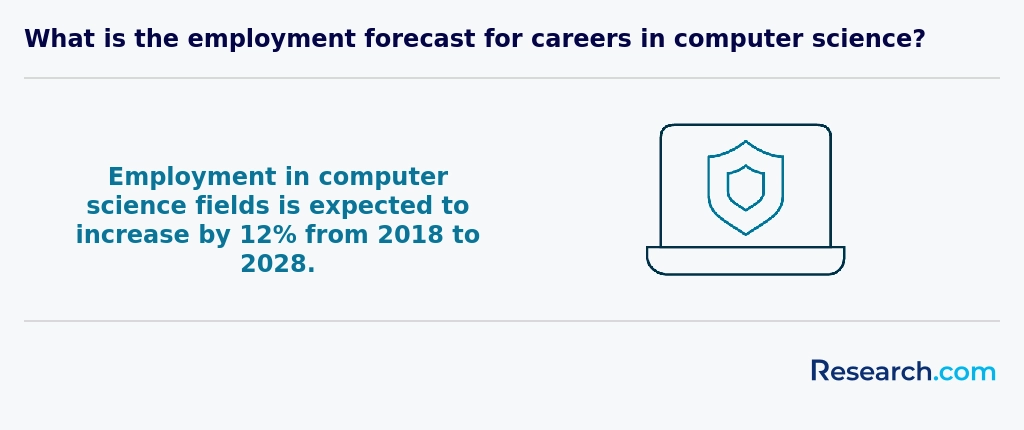
In San Francisco, a computer science degree significantly enhances career mobility and advancement opportunities. The region's strong tech industry, including leading firms like Google, Apple, and numerous startups, highly values formal education in computer science. According to the U.S. Bureau of Labor Statistics, computer and information technology occupations in the San Francisco metropolitan area are expected to grow by over 15% through 2031, which is faster than the national average.
A degree provides foundational knowledge and practical skills that employers seek, increasing eligibility for higher-level positions and specialized roles. Many companies prioritize candidates with degrees for promotions and leadership tracks.
Additionally, graduates benefit from extensive networking opportunities and access to on-campus recruiting events with local tech firms. The average salary for computer science graduates in San Francisco ranges from $90,000 to $130,000 annually, depending on experience and the specific technology sector, according to data from the National Association of Colleges and Employers (NACE).
Studying for a computer science degree in San Francisco offers unique preparation for interdisciplinary roles due to the city's diverse tech ecosystem. Many universities incorporate project-based learning that encourages collaboration across fields such as biology, design, and business. For example, partnerships with local startups allow students to apply skills in real-world settings, combining coding with product management or data analysis.
According to the Bureau of Labor Statistics, occupations requiring hybrid skills in technology and other domains are growing faster in the Bay Area than nationally. This reflects San Francisco's demand for professionals who can navigate complex challenges by integrating computer science with other disciplines.
The presence of major companies like Salesforce and opportunities for internships also promote cross-industry experience, preparing graduates for versatile career paths.
When deciding between a thesis and a non-thesis computer science degree program in San Francisco, consider your career goals. Thesis programs emphasize research and are ideal for students aiming for doctoral studies or roles requiring strong analytical skills. Non-thesis options focus more on coursework and practical skills, which suits those pursuing industry jobs.
In San Francisco, home to tech giants like Google and Salesforce, practical skills often have high demand. According to the National Center for Education Statistics, about 60% of local computer science graduates enter industry positions directly.
Also, thesis programs usually take longer to complete and may require faculty mentorship, while non-thesis degrees can be shorter and more flexible.
Students based in San Francisco who wish to study computer science abroad have several options facilitated by partnerships and exchange programs. Many local universities, including San Francisco State University and University of San Francisco, offer study abroad opportunities in countries known for tech innovation, such as Germany, Japan, and South Korea. These programs often allow students to earn credits transferable to their U.S. degree.
Additionally, U.S. accreditation standards permit participation in joint degree programs with foreign institutions, broadening educational opportunities. According to NAFSA, about 15% of U.S. computer science students engage in international study experiences, highlighting growing interest.
Financial aid and scholarships specifically for STEM students are widely available to support study abroad endeavors, making international education more accessible to San Francisco's tech-oriented learners.
San Francisco offers several part-time job opportunities that complement computer science degree education. Many students find internships or roles as software development assistants, allowing them to gain hands-on coding experience. According to the Bureau of Labor Statistics, the tech sector in San Francisco is one of the fastest-growing in the U.S., providing positions in data analysis, quality assurance testing, and IT support.
Freelancing is also popular, especially in web development and app design, helping students build portfolios while earning income. Additionally, tech companies often seek students for remote internships, flexible around academic schedules. These roles enhance practical skills and increase employability after graduation.
Computer science students in San Francisco benefit from unparalleled networking opportunities due to the city's status as a global tech hub. More than 450 technology companies, including giants like Salesforce and Twitter, have headquarters or major offices here, creating numerous chances for student engagement. Local universities often partner with these companies to offer internships, career fairs, and guest lectures.
Students can join tech meetups, hackathons, and coding bootcamps frequently hosted in San Francisco, which provide valuable face-to-face connections with professionals. The San Francisco Bay Area also hosts annual tech events attracting thousands of industry leaders and recruiters.
According to data from the National Center for Education Statistics, about 30% of recent computer science graduates in the Bay Area secure positions through local networking events within six months of graduation, highlighting the effectiveness of these opportunities.
Alumni networks play a crucial role for computer science students in San Francisco by offering valuable professional connections. Many local tech companies prefer hiring graduates with strong ties to reputable universities, making these networks critical for job placement.
Moreover, alumni often host mentorship programs and networking events that help current students navigate competitive markets. According to a 2023 survey by LinkedIn, 70% of tech professionals in the Bay Area found their job through alumni referrals or connections.
These networks also provide opportunities for internships and collaborative projects with industry leaders, fostering practical experience alongside academic learning. For students in San Francisco's vibrant tech ecosystem, this access enhances career readiness significantly.
In San Francisco, students pursuing a computer science degree can tailor their programs through electives, specializations, and project-based learning to match career goals. Many universities offer tracks in areas like artificial intelligence, cybersecurity, software engineering, and data science, allowing students to gain expertise in high-demand fields. Internships and cooperative education opportunities in the Bay Area's tech industry provide practical experience and networking advantages. According to the National Center for Education Statistics, nearly 30% of California's tech graduates engage in internships related to computer science. This flexibility helps students align their studies with specific job markets and innovation trends in San Francisco.
Computer science students in San Francisco often face high living costs, which can impact their ability to focus on studies. According to the Bureau of Labor Statistics, the cost of housing in the Bay Area is among the highest in the nation, creating financial strain for many.
Another challenge is the competitive job market. While San Francisco offers numerous tech opportunities, students must acquire advanced skills and practical experience to stand out, as noted by the National Center for Education Statistics.
Additionally, many students encounter balancing intense coursework with internships and part-time jobs, demanding strong time management. Mental health concerns are also significant due to academic pressures and the fast-paced environment.
Graduates with a computer science degree in San Francisco can pursue various professional certifications to enhance their career prospects. Popular certifications include the Certified Information Systems Security Professional (CISSP), valued in cybersecurity roles, and the Certified ScrumMaster (CSM), which focuses on agile project management. Additionally, certifications like Amazon Web Services (AWS) Certified Solutions Architect are in high demand due to San Francisco's strong cloud computing industry.
According to the U.S. Bureau of Labor Statistics and local job market data, certified professionals often see salary increases of 10-20%. Many San Francisco tech employers favor candidates with certifications that complement their computer science background.
Writing a winning application for a computer science program in San Francisco requires careful preparation and attention to detail. Start by showcasing strong academic performance, especially in mathematics and science courses, as schools like San Francisco State University emphasize these areas. Highlight relevant experience, such as internships or projects involving coding languages popular in the Bay Area, including Python and JavaScript.
San Francisco's tech ecosystem values innovation, so demonstrate your problem-solving skills and any collaborative work. According to the National Center for Education Statistics, local programs receive thousands of competitive applications, making a clear, well-organized personal statement crucial.
Lastly, secure strong recommendation letters from instructors or industry professionals familiar with your technical ability and work ethic.
Computer science careers have strong global demand, reflecting the digital economy's growth. In the United States, particularly San Francisco, the tech industry is a major employer, with over 46,000 software development jobs in the Bay Area as of 2023, according to the U.S. Bureau of Labor Statistics. This demand is echoed worldwide, where technology hubs in Europe and Asia also seek skilled professionals.
San Francisco's proximity to Silicon Valley offers students access to leading tech firms and startups, making it a prime location for internships and employment. The city's diverse tech ecosystem fosters innovation and attracts talent from around the globe.
Graduates with computer science degrees from San Francisco-based institutions often find opportunities not only locally but also internationally, as coding skills and tech knowledge are universal assets in today's job market.
Gaining practical experience while studying computer science in San Francisco is essential due to the city's vibrant tech ecosystem. Many universities and colleges encourage internships and cooperative education programs, which allow students to work part-time with local tech companies. According to the National Association of Colleges and Employers (NACE), nearly 60% of computer science students nationwide had internship experience before graduation, a trend strongly reflected in San Francisco's competitive job market.
Students often leverage networking events, hackathons, and student clubs hosted by institutions to build skills and connections. Additionally, participating in open-source projects and freelancing can provide valuable real-world experience. San Francisco's proximity to Silicon Valley startups and established tech giants creates abundant opportunities for hands-on learning during study.
Choosing the right concentration within a computer science degree in San Francisco depends on your career goals and interests. Popular concentrations include artificial intelligence, cybersecurity, software engineering, and data science. San Francisco's tech ecosystem demands skills in machine learning and cloud computing, which can enhance employment prospects.
Reviewing local industry trends and job postings reveals growth in AI and cybersecurity roles, reflecting continuous innovation and high demand. According to the Bay Area Economic Institute, technology jobs in San Francisco grew by 6% annually between 2018 and 2023.
Consider program offerings at local universities and their industry connections. Aligning coursework with employer needs increases internship and job placement chances.
Related Computer Science Rankings for Nearby Cities
- 2027 Best Computer Science Degree Programs Ranking in Berkeley
- 2027 Best Computer Science Degree Programs Ranking in Santa Cruz
- 2027 Best Computer Science Degree Programs Ranking in Davis
- 2027 Best Computer Science Degree Programs Ranking in Santa Barbara
- 2027 Best Computer Science Degree Programs Ranking in Los Angeles
- 2027 Best Computer Science Degree Programs Ranking in Claremont
- 2027 Best Computer Science Degree Programs Ranking in Irvine
- 2027 Best Computer Science Degree Programs Ranking in La Jolla
- 2027 Best Computer Science Degree Programs Ranking in Riverside
- 2027 Best Computer Science Degree Programs Ranking in San Diego
Top Trending Computer Science Rankings
See What Experts Have To Say About Studying Computer Science
Read our interview with Computer Science experts

Kathleen M. Carley
Computer Science Expert
Professor of Computer Science
Carnegie Mellon University

Imed Bouchrika, Phd
Computer Science Expert
Professor of Computer Science
National Higher School of Artificial Intelligence

Derek Riley
Computer Science Expert
Professor, Program Director
Milwaukee School of Engineering

Martin Kang
Computer Science Expert
Assistant Professor
Loyola Marymount University

References
- Surviving the AI era as a CS Student https://www.richinfante.com/2025/08/30/surviving-the-ai-era-as-a-cs-student
- Best Computer Certifications for Tech Professionals https://www.computerscience.org/degrees/certifications/
- Computer Science - SWPS University https://english.swps.pl/academics/warsaw/ba-programs/computer-science
- Top 12 Global Careers For Computer Science Degree Graduates https://womeninstemnetwork.com/careers-for-computer-science-degree/
- Computer Engineering Master's Program (without Thesis) | Eastern Mediterranean University Cyprus https://www.emu.edu.tr/en/programs/computer-engineering-masters-program-without-thesis/942
- 555 Computer Science Internships https://internshala.com/internships/computer-science-internship/
- Challenges That Frustrate Computer Science Teachers https://codeeasy.io/blog/challenges-that-frustrate-computer-science-teachers
- Bachelor of Science in Computer Science https://www.sfbu.edu/programs/bachelor-science-computer-science
- UK Computer Science Degree Requirements Explained https://accesscoursesonline.com/blogs/news/computer-science-degree-requirements
- 5 Challenges Faced by Computer Science Students and How to Overcome Them https://informatika.almaata.ac.id/5-challenges-faced-by-computer-science-students/


