2027 Fastest Online Master's in Computer Science Degree Programs Ranking in Virginia

Co-Founder and Chief Data Scientist
Choosing the right online master's in computer science program can feel overwhelming, especially with so many options available in Virginia. This article presents the 2027 Fastest Online Master's in Computer Science Degree Programs Ranking in Virginia, created by the Research.com team of data scientists to guide you toward well-informed decisions.
By exploring this ranking, you'll discover programs that balance speed and quality, helping you advance your career efficiently. Earning a computer science degree opens doors to exciting opportunities, and this guide aims to support your journey with clear, reliable information.
Key benefits of getting online computer science degree in Virginia
- A computer science degree in Virginia can lead to high-paying roles like Software Architect, earning about $138,110 annually, or IT Manager, with a mean wage of $180,720, showcasing strong financial benefits.
- Graduates from Virginia universities often explore diverse career paths such as Data Science Manager or Research Scientist, offering exciting opportunities to specialize in growing tech fields.
- Completing a computer science degree online provides flexibility and convenience, allowing students to balance work and study effectively while gaining skills from reputable Virginia institutions.
- Key benefits of getting online computer science degree in Virginia
- What can I expect from online computer science degree in Virginia?
- Where can I work with online computer science degree in Virginia?
- How much can I make with online computer science degree in Virginia?
- 2027 Fastest Online Master's in Computer Science Degree Programs Ranking in Virginia
- Key Findings
- How long does it take to complete online computer science degree in Virginia?
- Top 5 Fastest Online Master’s in Computer Science Programs in Virginia
- What's the difference between online and on-campus computer science degree?
- What is the average cost of online computer science degree in Virginia?
- Tips for Success in an Online Computer Science Program
- What financial aid is available to online computer science degree students in Virginia?
- What are the prerequisites for enrolling in online computer science degree program in Virginia?
- What courses are typically in online computer science degree programs in Virginia?
- What types of specializations are available in online computer science degree programs in Virginia?
- How do you choose the best online computer science degree in Virginia?
- What career paths are available for online computer science degree students in Virginia?
- What is the job market for online computer science degree in Virginia?
- Related Computer Science Rankings for Nearby States
- Top Trending Computer Science Rankings
- See What Experts Have To Say About Studying Computer Science
What can I expect from online computer science degree in Virginia?
The average cost of an online computer science degree in Virginia often surprises students in the best way: it's generally quite affordable, especially when you compare it to national standards. Many learners at schools like Virginia Tech or George Mason University share how in-state tuition rates make pursuing their tech dreams accessible without breaking the bank. Imagine balancing your coursework from a cozy nook at home, all while knowing the tuition aligns closely with public university fees rather than expensive private alternatives.
Graduates often reflect on how these manageable costs paired with scholarship options or employer tuition assistance lightened their financial load, allowing them to focus on mastering skills like Python programming and cybersecurity. It's that blend of reasonable pricing and top-tier education that gives students the freedom to dive deep into emerging technologies without the shadow of overwhelming debt looming over their journey.
For many, paying a tuition fee similar to on-campus programs feels like unlocking a gateway to exciting career opportunities right from their living rooms.
Where can I work with online computer science degree in Virginia?
Graduates with an online computer science degree in Virginia often find themselves stepping into vibrant tech ecosystems, eager to apply their skills in exciting, real-world settings. Many have landed positions in Northern Virginia's bustling tech hub, working for companies like Amazon or emerging cyber security startups, where they tackle projects that secure sensitive data or develop innovative software.
Others explore opportunities in Richmond, diving into health IT or fintech roles that challenge them to create solutions improving everyday lives. Hampton Roads attracts graduates fascinated by defense tech, where they contribute to logistics software supporting maritime operations. Picture a recent grad from Virginia Tech collaborating remotely with a government agency, blending flexibility with meaningful impact.
Those interested in research and innovation often engage with academic institutions such as the University of Virginia or the Jefferson Lab, joining teams that push the boundaries of applied computer science. The high median wage and diverse job market highlight the adventurous spirit of computer science students eager to shape Virginia's thriving digital future.
How much can I make with online computer science degree in Virginia?
Graduates from online computer science programs at popular Virginia universities often find themselves stepping into a vibrant job market with impressive salary prospects. Imagine starting your career as a Machine Learning Engineer earning around $119,000 a year, or exploring creative architectures as a Software Architect where the average annual pay climbs to approximately $138,000.
For those who thrive in research and innovation, becoming a Research Scientist in Virginia can reward you with salaries nearing $157,000, reflecting the value of cutting-edge expertise. Meanwhile, IT Managers, often responsible for leading teams and overseeing complex systems, can expect even higher earnings, with mean salaries around $180,000, illustrating the lucrative rewards of experience and leadership.
Many online graduates from institutions in Northern Virginia or Richmond experience these exciting financial opportunities firsthand, appreciating how their flexible programs open doors to competitive positions without relocating. It's a thrilling journey where knowledge meets opportunity, and hard work truly pays off in Virginia's tech landscape.
2027 Fastest Online Master's in Computer Science Degree Programs Ranking in Virginia
How do we rank schools?
Investing in your education is a significant decision that can shape your future, and the Research.com team understands the importance of making informed choices. To assist prospective students in Virginia, we have meticulously crafted the "2027 Fastest Online Master's in Computer Science Degree Programs Ranking in Virginia." Our commitment to quality, credibility, and accuracy is reflected in the extensive research and analysis conducted to compile this ranking.
We utilized the following reputable data sources to ensure a comprehensive evaluation of programs:
By exploring this ranking, readers will gain valuable insights into the fastest online computer science Master's degree options in Virginia, enabling them to make well-informed decisions about their educational investment. For more details on our methodology, please visit our Research.com methodology page.


# 3 position
University of Management and Technology
Master of Computer Science

Key Findings
- Annual tuition for an online bachelor's degree in computer science at Virginia public institutions ranges from $12,000 to $16,000 for in-state students.
- Many online programs from Virginia's public universities are accredited and offer curricula similar to their in-person counterparts.
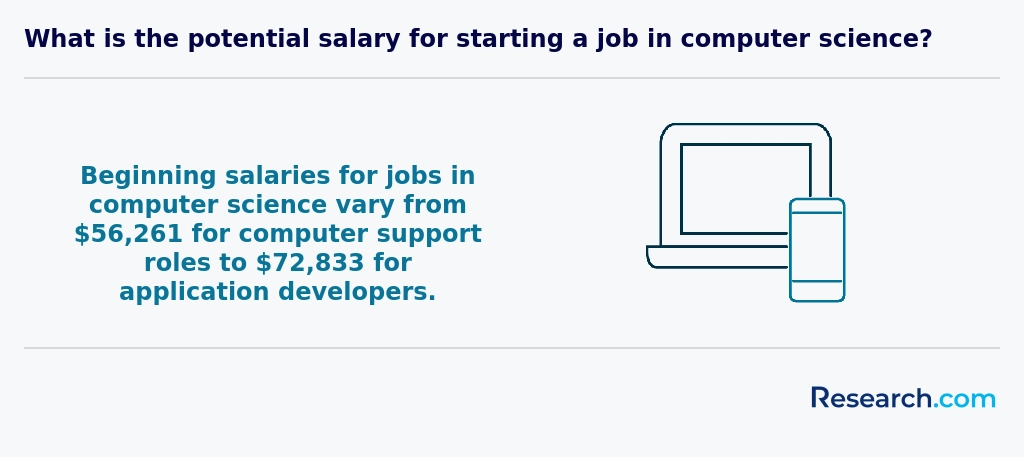
- The average starting salary for computer science graduates in Virginia is around $72,000, rising to about $110,000 within 5 to 10 years.
- Northern Virginia hosts a large technology sector with jobs in cybersecurity, software development, and data analysis, boosted by federal agencies and defense contractors.
- The employment outlook for computer science roles in Virginia is strong, with expected job growth near 15% over the next decade.
How long does it take to complete online computer science degree in Virginia?
Diving into an online computer science degree in Virginia opens a world of flexible and exciting possibilities. Typically, full-time students at popular institutions like Virginia Tech or George Mason University wrap up a bachelor's degree in about four years, mirroring traditional campus timelines. Imagine juggling work, family, or hobbies while progressively earning credits toward your dream career-that's the reality for many part-time learners who may take five to six years but enjoy a balanced lifestyle.
Graduate students chasing a master's degree find even faster paths-often finishing in 1.5 to 2 years if they go full-time. Some embrace the adventure of pacing themselves slower, stretching studies over three years or more, making room for life's unpredictable moments without pressure.
These degrees aren't just about clocking hours; they're tailored journeys. Graduates from Virginia's online programs often share the thrill of customizing their course load and leveraging accelerated classes or transfer credits to speed up success. It's a dynamic blend of challenge and flexibility that turns ambition into accomplishment.
Top 5 Fastest Online Master’s in Computer Science Programs in Virginia
Prospective students seeking to complete their degree in the shortest possible time can consider these top-ranked programs for 2024, each optimized for accelerated learning without sacrificing quality or accreditation:
- Virginia Tech (Blacksburg, VA) • Credits: 30 • Typical Completion: 1.5–2 years full-time • Delivery: 100% online with asynchronous lectures and bi-weekly live discussions
- George Mason University (Fairfax, VA) • Credits: 33 • Typical Completion: 1.5 years part-time • Delivery: Flexible evening and weekend sessions, with optional virtual labs
- Old Dominion University (Norfolk, VA) • Credits: 30 • Typical Completion: 1.5 years full-time • Delivery: Self-paced modules, culminating in a real-world capstone project
- University of Virginia (Charlottesville, VA) • Credits: 30 • Typical Completion: 1.5–2 years full-time • Delivery: Cohort-based model with collaborative research seminars
- James Madison University (Harrisonburg, VA) • Credits: 30 • Typical Completion: 1.5 years full-time • Delivery: Blended synchronous and asynchronous coursework, plus optional on-campus workshops While program length is a key factor, affordability often guides final decisions. For a comparative look at cost-effective options, explore our Most Affordable Online Computer Science Degree Programs Ranking in Georgia.
What's the difference between online and on-campus computer science degree?
Picture yourself diving into computer science at Virginia Commonwealth University, but from the cozy corner of your home instead of a lecture hall. Online programs here and at Old Dominion University let you juggle work, family, and studies with ease, embracing flexibility that fuels motivation and balance. Graduates often share how the freedom to study part-time helped them conquer challenges without losing momentum.
Contrast that with the buzz of University of Virginia's campus, where in-person labs and spontaneous hallway chats with peers spark instant collaboration and creative problem-solving. This hands-on energy, experienced also at Virginia Tech, immerses you in a vibrant tech community that's harder to capture online.
Students appreciate the budget-friendly nature of online paths, saving on housing and transport, although tuition remains comparable. Meanwhile, on-campus learners thrive on face-to-face career services and real-time support, which online platforms are steadily improving to match.
Both routes are regionally accredited and aligned with ABET standards, assuring you that wherever you study in Virginia, your degree opens doors in the computing world.
What is the average cost of online computer science degree in Virginia?
The average cost of an online computer science degree in Virginia offers a surprising blend of accessibility and quality, especially if you dive into the numbers from local universities known for their strong programs. For many students tackling their degree online, the median total cost hovers around $17,135, making Virginia a competitive choice compared to national rates. Graduates from popular institutions often share how this investment feels manageable alongside work and family, allowing a smooth blend of life and learning.
In-state students typically enjoy even better value, with median total costs near $18,734, thanks to public university tuition rates that keep education affordable without sacrificing quality. Those coming from outside Virginia, however, should prepare for slightly higher expenses, with median out-of-state costs around $20,230. Yet, the excitement of earning an online degree from renowned places like George Mason University or Virginia Tech often outweighs the financial commitment, especially as these universities emphasize practical skills and career readiness.
Many students navigating affordable online master's computer science programs Virginia-wide find creative ways to manage expenses, from leveraging employer tuition reimbursements to applying for scholarships. Additionally, wise budgeting for books, software, and technology can make all the difference. Those eager to explore options should also consider checking out financial aid for engineering that can sometimes extend to computer science fields.

Tips for Success in an Online Computer Science Program
Online learning in computer science demands a proactive approach to ensure academic success and career readiness. Students can benefit from establishing a structured routine, actively participating in virtual discussions, and setting clear goals for each course module. With the flexibility of online programs comes the responsibility of self-motivation, so it is essential to create a dedicated study space and use digital tools, like calendars and task managers, to stay organized. Additionally, engaging with peers through online forums and study groups can enhance understanding of complex topics and foster a supportive virtual community. Be sure to make use of institution-provided resources such as tutoring, career counseling, and technical support to overcome any challenges you may encounter. Exploring programs at an affordable computer science school in virginia can further expand your opportunities by aligning quality education with cost-effective options, ensuring you’re well-equipped for both academic success and long-term professional growth.
What financial aid is available to online computer science degree students in Virginia?
Exploring financial aid for an online computer science degree in Virginia feels like embarking on a rewarding treasure hunt. Graduates from institutions such as Virginia Tech and George Mason University often share how federal loans like Direct Unsubsidized and Grad PLUS became their lifeline, making advanced study manageable without drowning in debt. Imagine completing your FAFSA each year, unlocking these essential federal resources tailored to graduate students-an empowering step that opens doors.
Many find additional gems at the state level, with Virginia's Tuition Assistance Grant and resident-specific scholarships easing the burden. Picture a student at Old Dominion University, who paired these aids with university-based scholarships and teaching assistantships, allowing them to cover tuition while gaining hands-on experience.
Employers also jump into the adventure, especially in Virginia's vibrant tech hubs, by offering tuition reimbursement programs-turning your work into a partnership for growth.
Plus, professional organizations like the Computing Research Association provide unexpected scholarships, offering support from the broader computer science community.
What are the prerequisites for enrolling in online computer science degree program in Virginia?
Diving into an online computer science degree in Virginia means gearing up with certain prerequisites that set you on a clear path toward success. Many universities, including Virginia Tech, welcome applicants with a variety of academic backgrounds but often expect a bachelor's degree, ideally in areas like computer science or engineering. Imagine feeling confident knowing your solid foundation in programming or math aligns perfectly with what they seek.
Transcripts are your story-your academic achievements showcased to admissions teams eager to find curious and capable minds. Some graduates have shared how maintaining around a 3.0 GPA helped them stand out, especially when balancing work and study. While the GRE is becoming less common, some competitive programs still ask for it, so checking specific requirements is key.
Practical experience also plays a starring role. Picture yourself coding in Python or Java, ready to tackle algorithms, which can make the journey smoother and more exciting. At schools around Virginia, students appreciate programs that recognize real-world skills, sometimes offering placement exams that let you shine before diving deeper.
What courses are typically in online computer science degree programs in Virginia?
Virginia's online computer science degrees whisk you into a world where coding languages like Python, Java, and C++ become your toolkit for creating real software solutions. Imagine tackling projects at a leading Virginia university where a graduate found joy in mastering data structures and algorithms-skills that felt like unlocking puzzles on the path to becoming a savvy software engineer.
Courses in computer architecture reveal the magic behind how hardware and software dance together, sparking a sense of wonder shared by many online learners in the state. Software engineering classes offer practical insights; graduates often describe the thrill of designing and testing programs, mirroring real industry challenges.
Cybersecurity classes dive deep into network defense and cryptography, something that feels especially relevant in Virginia's tech and defense landscape. Picture working through ethical hacking exercises that sharpen your instincts to protect vital information.
Plus, you explore databases, artificial intelligence, and cloud computing-cutting-edge fields that keep Virginia students excited about tomorrow's tech. Many programs include capstone projects or internships, letting you apply your skills while connecting with local industries that drive innovation.

What types of specializations are available in online computer science degree programs in Virginia?
Diving into online computer science specializations Virginia offers, students often find themselves captivated by diverse paths that spark curiosity and growth. Picture exploring cybersecurity at a university well-known in the state, where graduates describe the thrill of defending vital information systems, especially given Virginia's role as a hub for defense contractors and government agencies. Others share excitement about the dynamic world of data science and big data analytics, applying their skills in analyzing massive data sets-perfect for those curious about the data scientist job outlook in the region.
Meanwhile, hands-on learners at popular colleges embrace specializations like software engineering and development, mastering programming that powers local tech firms. Exploring artificial intelligence and machine learning excites those who enjoy creating smart systems with real-world impact. For practical problem-solvers, the networking and systems administration track invites you to build and manage networks essential to businesses and government offices, enriching Virginia online computer science degree options with relevant, on-the-ground experiences.
How do you choose the best online computer science degree in Virginia?
Choosing the best online computer science degrees in Virginia means diving into programs that blend cutting-edge technology with flexibility. Graduates from Virginia Tech and George Mason University often describe a thrilling balance of rigorous coursework and real-world application, appreciating how machine learning and cybersecurity topics empower them to tackle emerging tech challenges.
Many students find that affordable online computer science programs Virginia offers include public university options with in-state tuition, making it easier to manage costs while accessing quality education. One graduate noted the advantage of asynchronous classes that fit their busy work-life rhythm, making learning an exciting adventure rather than a chore.
Explore programs where faculty have rich industry experience and connections to thriving tech hubs like Northern Virginia. Such networks unfold internship and mentorship opportunities essential for stepping confidently into your future career. Don't forget to check out scholarships for computer science to make your study journey even brighter.

What career paths are available for online computer science degree students in Virginia?
Graduates with an online computer science degree in Virginia find themselves at the edge of exciting possibilities, especially with Virginia tech jobs with computer science degree rapidly expanding. From software development roles in bustling Northern Virginia, where top schools like George Mason University nurture talented coders, to hands-on cybersecurity positions protecting federal agencies, the paths are as diverse as they are rewarding. Many graduates delight in becoming software developers, crafting elegant code and innovative apps that power industries like aerospace and finance.
Others dive into roles like data scientist or machine learning engineer, turning complex data into life-changing insights or advancing artificial intelligence, often inspired by challenging projects tackled during their time at the University of Virginia or Virginia Tech. There's also a thrilling route into roles such as cybersecurity analyst-a field growing in importance-especially for those exploring cyber security degree certifications. For online computer science careers in Virginia, the options truly invite exploration and the chance to shape the future.
What is the job market for online computer science degree in Virginia?
Virginia's online computer science job market offers an exciting landscape for graduates eager to dive into tech careers. Imagine finishing your degree from a university like Virginia Tech or George Mason University, then stepping into a role at a government agency or a buzzing startup near D.C. Graduates often share how the skills they gained through their online programs perfectly align with jobs in cybersecurity, software development, and cloud computing. The proximity to federal contractors creates unique opportunities, blending innovation with real-world impact.
With Virginia's growing demand spanning health care technology, fintech, and telecommunications sectors, graduates feel energized by the variety of paths available. Salaries are competitive, often surpassing national averages, which makes pursuing an online computer science degree in Virginia a rewarding journey. Many students find that balancing work and study is smoother thanks to flexible schedules in online programs. If you're curious about affordable options, consider checking out the affordable computer science school in virginia to start planning your future.
Frequently Asked Questions About computer science
Online computer science degree students in Virginia can maximize their learning experience by actively engaging with virtual resources and networking opportunities. Utilizing the state's strong tech community, such as Richmond's and Northern Virginia's growing cybersecurity hubs, helps students apply skills in real-world contexts. Participation in online coding labs, virtual hackathons, and collaboration platforms enhances practical knowledge. According to the Virginia Economic Development Partnership, demand for computer science professionals in the state is expected to grow by over 10% through 2030, emphasizing the value of hands-on experience. Additionally, students should regularly communicate with faculty and join study groups to deepen understanding and maintain motivation.
The field of computer science is evolving rapidly, with several emerging niches gaining prominence. In Virginia, areas like artificial intelligence (AI), cybersecurity, and data science are particularly growing. According to the Virginia Employment Commission, jobs in cybersecurity are projected to increase by over 20% through 2028, reflecting strong demand for professionals skilled in protecting digital infrastructure.
AI and machine learning are also key focus areas in Virginia's tech sector, supported by numerous research initiatives and firms based in the region. Additionally, cloud computing and edge computing are becoming important as businesses shift to scalable, remote technology solutions. These specializations are often integrated into online computer science degree programs, enabling students to enter high-demand markets.
After completing an online computer science degree in Virginia, preparing for the job market involves multiple strategic steps. Graduates should leverage Virginia's growing tech sector, which saw a 15% increase in computer science-related jobs from 2018 to 2023, according to the Virginia Employment Commission. Building a strong resume with relevant internships or project experience is crucial, as employers in the state value practical skills.
Networking through local tech meetups or virtual events can open doors to job opportunities. Additionally, many Virginia employers prioritize certifications in cloud computing, cybersecurity, or data analysis, so pursuing these can boost employability.
Finally, utilizing university career services and online platforms tailored to Virginia's tech industry can enhance job search effectiveness.
Employers in Virginia increasingly value technical and soft skills in computer science graduates. Proficiency in programming languages such as Python, Java, and C++ remains essential, alongside knowledge of data structures and algorithms. According to the Virginia Economic Development Partnership, employers also emphasize skills in cloud computing and cybersecurity, reflecting regional industry demands.
Beyond technical abilities, strong problem-solving and critical thinking skills are crucial. Communication skills rank highly, as graduates often collaborate across teams and must explain complex concepts clearly.
Familiarity with tools like Git for version control and experience in software development life cycles are also frequently sought by Virginia employers in technology hubs like Northern Virginia.
Finding internships in Virginia for computer science students involves leveraging both local resources and university connections. Virginia hosts numerous tech companies, government contractors, and startups, especially in Northern Virginia, Richmond, and the Hampton Roads area. Websites like Virginia's Workforce Connection and Handshake provide access to internship listings targeted to students enrolled in accredited programs.
Many Virginia universities with online computer science degrees maintain partnerships with regional employers, facilitating internship placements. According to the Virginia Economic Development Partnership, tech employment in Virginia grew by 7.3% from 2020 to 2023, increasing internship opportunities. Students should also explore the Virginia Information Technologies Agency (VITA) for government-related internships in CS fields.
Networking through professional organizations such as the Association for Computing Machinery (ACM) Virginia chapters and attending virtual career fairs can further increase internship prospects.
Online computer science degrees in Virginia significantly enhance career mobility by providing access to a growing tech job market. According to the Virginia Employment Commission, computer and mathematical occupations are projected to grow by 18% from 2020 to 2030, reflecting a strong demand for skilled professionals.
Graduates with an online computer science degree can pursue roles in software development, cybersecurity, and data analysis, all of which are expanding fields in Virginia's technology hubs like Northern Virginia and Richmond. Employers increasingly recognize accredited online degrees, valuing the demonstrated discipline and current technical skills.
Additionally, an online degree allows working professionals to upskill without interrupting their careers, boosting prospects for advancement and higher salaries. The U.S. Bureau of Labor Statistics notes that the median annual wage for computer and IT occupations in Virginia was $98,060 in 2022, above the national median, supporting strong financial incentives for these degrees.
Studying for a computer science degree in Virginia offers strong preparation for interdisciplinary roles through a curriculum that integrates technical skills with practical applications. Many Virginia universities emphasize combining computer science with fields like healthcare, business, and engineering.
According to the Virginia Economic Development Partnership, sectors such as cybersecurity and data analytics are rapidly expanding, demanding versatile professionals with cross-disciplinary knowledge. Online programs often include project-based learning that encourages collaboration with other specialties, enhancing problem-solving skills across domains.
This approach aligns with industry needs, as nearly 70% of job postings in Virginia's tech sector request hybrid skills involving computer science and other fields, per Burning Glass Technologies data. Thus, students gain both deep technical expertise and adaptable skills needed for interdisciplinary careers.
Choosing between a thesis and a non-thesis online computer science degree in Virginia depends on your career goals and learning preferences. Thesis programs emphasize original research and are ideal if you plan to pursue a PhD or work in R&D roles. These typically require 6 to 12 months of research and a written dissertation.
Non-thesis options focus more on coursework and practical skills, often appealing to professionals aiming for leadership or technical roles in industry. According to the Virginia Education Wizard, nearly 40% of in-state graduate computer science students opt for non-thesis tracks due to their flexibility and quicker completion rates.
Consider the research intensity, time commitment, and future plans when making your choice.
Students based in Virginia who want to study computer science abroad face distinct challenges because most online computer science degrees are offered by U.S.-based institutions. Currently, Virginia does not have widespread partnerships with foreign universities specifically for online computer science master's programs. However, some Virginia universities offer global exchange opportunities or collaborative courses that allow virtual interaction with international peers.
For fully online degrees, students often rely on U.S. programs accredited by agencies recognized by the Council for Higher Education Accreditation (CHEA), which assures quality comparable to many international programs.
According to the Virginia Department of Education, over 20% of local computer science graduates pursue international careers, showing strong interest in global perspectives despite limited formal study abroad options online.
Students pursuing online computer science degrees in Virginia can enhance their education by seeking part-time roles in tech-related fields. Common opportunities include software development internships, IT support positions, and web development roles, which are often available in cities like Richmond, Arlington, and Fairfax. According to the Virginia Employment Commission, the state's technology sector has grown by over 10% in recent years, fostering demand for skilled workers.
These part-time jobs provide practical experience with programming languages and project management, complementing theoretical coursework. Positions in cybersecurity firms and local government IT departments are also notable options. Engaging in such roles allows students to build professional networks that may lead to full-time employment after graduation.
Online computer science students in Virginia benefit from diverse networking opportunities despite their remote status. Many Virginia universities offering online programs provide virtual career fairs, connecting students with regional tech employers from the state's growing IT sector. For example, Northern Virginia alone employs over 250,000 technology workers, creating robust demand for skilled graduates, according to the Virginia Chamber of Commerce.
Students can also join professional organizations such as the Virginia Technology Alliance or local ACM chapters, which offer webinars, workshops, and networking events accessible remotely. Additionally, some schools encourage participation in research projects and internships with Virginia-based companies, enhancing real-world connections.
These structured opportunities help online learners build important professional relationships within Virginia's strong computer science community.
Alumni networks offer significant benefits to online computer science degree students in Virginia. These networks connect students with graduates who often work in key tech industries throughout the state, including Northern Virginia's growing cybersecurity sector. Through alumni events and online platforms, students can access mentorship opportunities that help bridge academic knowledge with real-world skills.
Many Virginia universities maintain active alumni groups that facilitate job placements and internships, which is crucial in a field where practical experience is highly valued. According to the Virginia Economic Development Partnership, technology jobs grew by 7.5% from 2020 to 2023, highlighting the importance of network connections.
Additionally, alumni can provide guidance on emerging trends, certifications, and employer expectations, keeping students well-prepared for a competitive job market.
In Virginia, many universities offering online computer science degrees allow students to tailor their programs through elective courses and specialization tracks. Customizing your degree often includes selecting areas like cybersecurity, data science, or software engineering, which align with in-demand job markets in the state. For example, cybersecurity roles are growing rapidly in Northern Virginia, a major tech hub noted by the Virginia Economic Development Partnership.
Students can also pursue certificates or dual degrees to enhance their skill set. Some programs provide flexible internship opportunities with Virginia tech companies, allowing real-world experience. This adaptability ensures your learning matches your career objectives effectively.
Online computer science students in Virginia often face challenges related to hands-on experience. Many programs require practical labs or group projects that can be difficult to replicate virtually, which may impact skill development. Additionally, balancing coursework with work or family responsibilities is a common issue for adult learners pursuing degrees online.
Networking opportunities are more limited compared to on-campus settings. Students might find it harder to connect with peers and faculty, which are important for mentorship and career growth.
According to the National Center for Education Statistics, about 35% of online students nationwide report feeling isolated, a challenge likely reflected in Virginia's online computer science population.
Access to reliable high-speed internet is also crucial, especially since Virginia has rural areas with connectivity gaps, potentially affecting students' ability to participate fully in synchronous learning.
An online computer science degree from Virginia prepares graduates to pursue a range of professional certifications highly valued in the tech industry. Popular options include the Certified Information Systems Security Professional (CISSP), ideal for cybersecurity roles, and the Project Management Professional (PMP) certification, which enhances leadership credentials. Graduates can also consider vendor-specific certifications such as Microsoft Certified: Azure Developer Associate or AWS Certified Solutions Architect, reflecting the demand for cloud computing expertise.
According to the Computing Technology Industry Association (CompTIA), Virginia ranks among the top states for tech employment, making these certifications particularly relevant. Earning these credentials can significantly increase job prospects and salary potential across Virginia's growing technology sector.
To write a winning application for an online computer science program in Virginia, start by thoroughly researching the specific program's requirements and focus areas. Highlight your technical skills, such as programming languages and relevant projects, clearly in your resume and personal statement.
Showcase your academic background and any professional experience, emphasizing problem-solving and teamwork abilities valued in computer science roles. Virginia hosts top-ranked schools like Virginia Tech, known for strong computer science curricula, so tailor your application to demonstrate alignment with their educational goals.
Lastly, request strong letters of recommendation from professors or supervisors familiar with your work ethic and skills. According to the National Center for Education Statistics, acceptance rates for computer science master's programs often range between 30-50%, so a well-prepared application is essential.
The global demand for computer science professionals continues to grow rapidly, driven by advances in technology and digital transformation. In the United States, and specifically in Virginia, the Bureau of Labor Statistics projects a 15% growth in computer and information technology jobs from 2021 to 2031, much faster than the average for all occupations.
International companies often seek skilled graduates with strong technical knowledge and problem-solving abilities. Virginia's growing tech hub around Northern Virginia boosts local opportunities while connecting students to global markets.
Online computer science degrees allow learners from Virginia to gain skills recognized worldwide, preparing them for careers in software development, cybersecurity, and data science, fields critical to global innovation and economic growth.
Students pursuing an online computer science degree in Virginia can gain practical experience through internships offered by technology companies in the state's growing tech hubs like Richmond and Northern Virginia. Many universities collaborate with local businesses to provide virtual internships that fit remote study schedules. Additionally, participating in coding competitions and hackathons organized by Virginia's universities or tech community can strengthen real-world skills.
Virginia also supports experiential learning through cooperative education (co-op) programs, blending online coursework with paid work experience. According to the Virginia Economic Development Partnership, the state's tech sector employs over 200,000 professionals, creating ample opportunities for applied learning.
Choosing the right concentration in an online computer science degree in Virginia requires understanding your career goals and local job market demands. Virginia's technology sector is rapidly growing, with a 12% increase in computing jobs expected by 2028 according to the U.S. Bureau of Labor Statistics. Areas like cybersecurity, data science, and software development are particularly in demand. Many Virginia universities offering online programs provide concentrations aligned with these fields.
Consider your previous experience and interests, such as networking or artificial intelligence, when selecting a focus. Research each program's curriculum and faculty expertise to ensure it matches industry standards and local needs. Additionally, check if the program includes practical projects or internships, as hands-on experience is highly valued by Virginia employers.
Related Computer Science Rankings for Nearby States
- 2027 Fastest Online Master's in Computer Science Degree Programs Ranking in New Jersey
- 2027 Fastest Online Master's in Computer Science Degree Programs Ranking in New York
- 2027 Fastest Online Master's in Computer Science Degree Programs Ranking in Illinois
- 2027 Fastest Online Master's in Computer Science Degree Programs Ranking in Arizona
Top Trending Computer Science Rankings
See What Experts Have To Say About Studying Computer Science
Read our interview with Computer Science experts

Elan Barenholtz
Computer Science Expert
Associate Professor
Florida Atlantic University

Kathleen M. Carley
Computer Science Expert
Professor of Computer Science
Carnegie Mellon University

Martin Kang
Computer Science Expert
Assistant Professor
Loyola Marymount University

Imed Bouchrika, Phd
Computer Science Expert
Professor of Computer Science
National Higher School of Artificial Intelligence

References
- What certifications should I get for computer science? | edX https://www.edx.org/resources/certifications-computer-science
- Best Computer Certifications for Tech Professionals https://www.computerscience.org/degrees/certifications/
- Alumni computer science dual https://www.fbi.h-da.de/en/informieren/ueber-uns/alumni/alumni-computer-science-dual
- Guide to writing your cover letter (Computer Science) https://itustudent.itu.dk/~/~/media/17D17B259E9341869A1E3272BA071731.ashx
- Computer Science Cover Letter: How to Show You're a Top Tech Candidate https://arc.dev/talent-blog/computer-science-cover-letter/
- Master of Science (M.S.) Major in Computer Science (Thesis Option) https://mycatalog.txstate.edu/graduate/science-engineering/computer/computerscience-thesis-nominor-ms/
- Ada Computer Science https://adacomputerscience.org/student_challenges
- Essential Skills Every Computer Science Graduate Needs | LSBF https://lsbf.edu.my/blog/11-essential-skills-every-computer-science-graduate-needs/
- A Holistic Approach to Studying Interdisciplinary Collaboration: Computer Science https://sciety.org/articles/activity/10.21203/rs.3.rs-8694985/v1
- Top 12 Global Careers For Computer Science Degree Graduates https://womeninstemnetwork.com/careers-for-computer-science-degree/