2027 Best Computer Science Degree Programs Ranking in Kansas

Co-Founder and Chief Data Scientist
Choosing the right computer science degree program can shape your future career and open exciting opportunities. For students in Kansas, finding a program that fits your goals and interests is essential.
This article features the 2027 Best Computer Science Degree Programs Ranking in Kansas, developed by the Research.com team of data scientists. It's designed to help you make an informed decision by highlighting programs worth considering.
Exploring this ranking can guide you toward a rewarding education and a bright professional path in technology.
Key benefits of getting computer science degree in Kansas
- Salary benefits: Graduates with a computer science degree in Kansas can expect strong earnings, with average salaries like $138,110 for software engineers and developers, and $95,570 for web developers, offering excellent financial stability.
- Career paths: Computer science graduates from universities in Kansas find diverse opportunities, including roles in software development, data analysis, and IT support, allowing for personal growth and career flexibility.
- Online degree advantages: Earning a computer science degree online in Kansas provides the flexibility to balance work, life, and study while gaining the same valuable skills as traditional students, making career advancement more accessible.
- Key benefits of getting computer science degree in Kansas
- What can I expect from computer science degree in Kansas?
- Where can I work with computer science degree in Kansas?
- How much can I make with computer science degree in Kansas?
- 2027 Best Computer Science Degree Programs Ranking in Kansas
- Key Findings
- How long does it take to complete computer science degree in Kansas?
- What's the difference between online and on-campus computer science degree?
- Research Opportunities and Industry Partnerships in Kansas
- What is the average cost of computer science degree in Kansas?
- What financial aid is available to computer science degree students in Kansas?
- Campus Life and Student Support Services
- What are the prerequisites for enrolling in computer science degree program in Kansas?
- Faculty Expertise and Research Opportunities
- What courses are typically in computer science degree programs in Kansas?
- What types of specializations are available in computer science degree programs in Kansas?
- How do you choose the best computer science degree in Kansas?
- What career paths are available for computer science degree students in Kansas?
- What is the job market for computer science degree in Kansas?
- Related Computer Science Rankings for Nearby States
- Top Trending Computer Science Rankings
- See What Experts Have To Say About Studying Computer Science
What can I expect from computer science degree in Kansas?
Paying for a computer science degree in Kansas often feels like unlocking the door to a splendid tech universe without storming the treasury. On average, public universities like the University of Kansas charge around $10,000 to $12,000 per year for in-state tuition, a figure that graduates fondly recall as a wise investment rather than a burden. Private institutions may push that number higher, sometimes nearing $25,000 annually, but students often find scholarships and campus jobs that ease the financial load.
Many students from Kansas State University remember budgeting carefully yet enjoying opportunities that far outweigh costs: internships in Overland Park's growing tech scene, hackathons fueling caffeine-fueled camaraderie, and projects that sparked their first dreams of startups. The real "price" is the hands-on experience-like debugging code till dawn or presenting AI models-where classroom theory morphs into career-ready skills. Kansas graduates frequently express a joyful surprise at how their tuition transformed into a thriving career pathway within the state's blossoming tech ecosystem.
Where can I work with computer science degree in Kansas?
Graduates with a computer science degree from Kansas State University or the University of Kansas often find themselves thrust into dynamic roles within the state's bustling tech hubs. Imagine crafting cutting-edge software that powers healthcare innovations at a Cerner campus in Kansas City or solving aerospace puzzles alongside engineers at Wichita's Spirit AeroSystems-real places where your degree transforms into impact.
Many alumni describe starting as eager software developers or network administrators before climbing into leadership roles like project managers or CTOs, blending creativity with strategic thinking. State agencies also beckon those passionate about cybersecurity or data analysis, managing systems that protect Kansans every day.
The surge in AI and data science startups means graduates don't just follow paths-they create new ones, innovating in ways that ripple through local economies and communities. Whether it's coding late-night apps in Lawrence or improving smart systems in Topeka, your computer science degree roots you in exciting, real-world opportunities that mirror the state's vibrant, tech-driven spirit.
How much can I make with computer science degree in Kansas?
Graduates from computer science programs at places like the University of Kansas or Kansas State University often find their paychecks reflecting the buzzing tech pulse of the state. Picture this: a fresh graduate stepping into a software developer role in Overland Park, pocketing a mean annual wage of about $138,110, already riding above the national average. If web development is your game, expect somewhere near $95,570 a year, where creativity meets code and design.
Entry-level IT support specialists, often the unsung heroes in the tech world, see around $63,640 annually, easing into the field with steady growth. Data analysts from Kansas universities dive into numbers with a salary hovering close to $119,040, unlocking insights that companies crave. It's one thing to chase dreams in abstract algorithms, but here in Kansas, those dreams convert into hard cash, supported by industries hungry for tech talent. Graduates often say that the mix of salary and cost of living fuels not just a job, but a thriving lifestyle in cities like Wichita and Topeka.
2027 Best Computer Science Degree Programs Ranking in Kansas
How do we rank schools?
Investing in your education is a significant decision that can profoundly impact your career and life. The Research.com team recognizes the weight of this choice and has dedicated itself to producing a ranking that is both trustworthy and precise. To develop the "2027 Best Computer Science Degree Programs Ranking in Kansas," we undertook rigorous efforts to ensure quality, credibility, and accuracy through comprehensive data analysis.
We utilized the following reputable data sources to create a well-rounded evaluation of computer science programs:
By consulting this ranking, readers will gain valuable insights into the best computer science degree options in Kansas, enabling informed and confident educational decisions. For more information about how this ranking was compiled, please visit our Research.com methodology page.


# 5 position
Southwestern College
Bachelor of Computer Science

Key Findings
- In-state tuition and fees for a computer science degree at a public university in Kansas range from $20,000 to $35,000, while private schools often exceed $40,000.
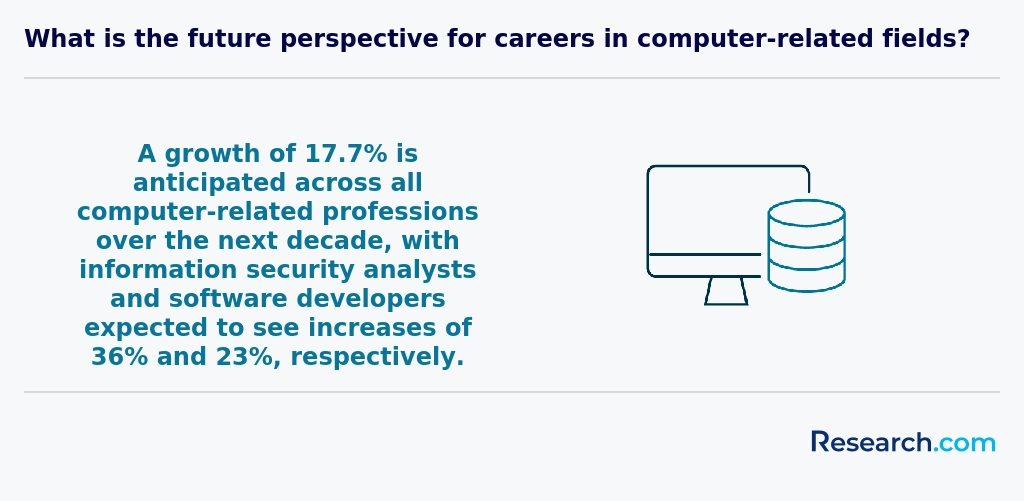
- Kansas's tech job market is growing steadily, with computing jobs projected to increase by about 15% over the next decade.
- Entry-level computer science positions in Kansas pay an average salary of around $65,000 annually.
- Experienced professionals can earn between $90,000 and $110,000 or more depending on skills and location.
- Kansas offers cooperative education programs and internships to help students gain practical experience during their studies.
How long does it take to complete computer science degree in Kansas?
In Kansas, earning a computer science degree unfolds like a carefully coded program, typically running on a four-year loop for full-time students at universities like the University of Kansas or Kansas State University. Imagine a graduate tracing their journey through bustling campus halls and late-night coding sessions, all jamming to that steady beat of 120 credit hours. It's a rhythm that syncs with the national standard but also leaves room for your own tempo.
Some brave souls rewrite their timelines by diving into accelerated summer classes, speeding through semesters like agile developers sprinting to deploy. Others, balancing part-time study with life's glitches, stretch their degree over more seasons, proving persistence is also part of the code. Graduate students, meanwhile, often debug their studies in 1.5 to 2 years, juggling thesis options or streamlined paths at places like Kansas State.
Community college attendees tap into a shorter, two-year hackathon, building certificates or associate degrees that can unlock bigger quests in tech. Completing on time here is not just about curriculum-it's about feeling the pulse of Kansas' tech community and building your next great algorithm.
What's the difference between online and on-campus computer science degree?
Stepping into a computer science degree at the University of Kansas or Kansas State University often means trading the glow of your laptop screen for the buzz of campus life. Graduates recall morning lectures in lively halls where questions fly fast, and late evenings in labs sharpening coding skills alongside peers. The cost hovers around $10,000 per year for in-state students, but what you pay for is more than tuition-it's the electric energy of face-to-face collaboration, surprise meetups at the career center, and hands-on experiments that bring algorithms to life.
Conversely, choose the online pathway, and your classroom might be the cozy corner of your home, fitting seamlessly into a busy workday or family schedule. Graduates appreciate the freedom to pause a lesson between meetings or dive into assignments at midnight. Kansas's accredited programs understand these rhythms, sometimes offsetting in-state tuition with tech fees but cutting out costly commutes and housing. While virtual labs may replace sweaty teamwork sessions, the flexible format molds to your life's code, not the other way around.
Research Opportunities and Industry Partnerships in Kansas
Kansas universities foster a vibrant research ecosystem where Computer Science students engage in groundbreaking projects and collaborate with leading tech companies. At the University of Kansas, undergraduates can join the InfoScience Lab to work on artificial intelligence, big data analytics, and human–computer interaction studies alongside experienced faculty. Kansas State University’s Secure Software and Systems (SSS) Lab focuses on cybersecurity research, offering hands-on experience in vulnerability analysis and ethical hacking. Wichita State University’s Applied Computing Research Group partners with regional industries to develop robotics solutions for manufacturing, providing internships that often translate into full-time roles. Beyond campus labs, strong industry partnerships amplify students’ practical learning. The KU Center for Research Incubation & Energy offers joint projects with startups in Overland Park, while KSU collaborates with Sprint and Garmin on IoT initiatives. These alliances enable students to apply theoretical knowledge to real-world problems, build professional networks, and secure competitive internships. Moreover, cross-institutional consortia like the Midwestern Higher Education Compact host annual hackathons and symposiums, showcasing student innovations to recruiters from Amazon, Cerner, and Boeing. For those looking to specialize in cutting-edge fields, many programs now integrate remote research and collaboration tools. For example, students can enhance their AI skills by enrolling in an online artificial intelligence program, which complements on-campus research with advanced machine learning modules and virtual lab access. Whether you aim to publish your first conference paper or develop a prototype for industry partners, Kansas’s robust research landscape and corporate ties provide the resources and mentorship necessary to launch a successful career in Computer Science.
What is the average cost of computer science degree in Kansas?
Imagine you're a computer science student at a bustling campus like the University of Kansas, where the brainwaves of innovation mix with the hum of late-night coding sessions and coffee-fueled debugging marathons. Yet, amid the excitement, there's a practical figure shaping your journey: about $9,684 for the total average cost of a computer science degree in Kansas if you're a resident. This number represents the typical sticker price for in-state students, blending tuition with fees, and feels surprisingly attainable considering the depth of knowledge and career possibilities unlocked by this degree.
Graduates from Kansas State University often recall the balance they struck-affordable tuition paired with dorm room camaraderie and a handful of textbooks-where the median total cost illuminated their path without overshadowing their ambitions. The total cost of getting a computer science degree Kansas residents face is both a challenge and a motivator, fueling determination to seek scholarships and financial aid while basking in a supportive campus environment.
Contrasting this, non-residents encounter steep tuition numbers that can soar to about $34,149 total, transforming the experience into a calculated investment merging passion with financial strategy. Many who journey from out-of-state discover creative ways to thrive, leveraging the education's value to launch careers in industries far beyond Kansas borders.
For those looking to explore affordable computer science schools in kansas, it's wise to research financial aid opportunities and institutional support-dreams don't have to be limited by number crunching. Each Kansas campus offers a unique ecosystem blending cost, community, and opportunity, shaping future innovators one byte at a time. affordable computer science schools in kansas

What financial aid is available to computer science degree students in Kansas?
Imagine landing a computer science degree in Kansas with the financial weight lifted-thanks to a mix of smart aid options tailored just for you. Graduates from the University of Kansas recall how federal Pell Grants felt like winning a golden ticket, offering up to $7,395 annually, a game-changing boost that didn't require repayment. When loans enter the picture, Direct Subsidized and Unsubsidized Loans keep interest in check, making repayment less daunting after walking the K-State campus for four years.
State pride kicks in through the Kansas Comprehensive Grant Program, a lifeline for residents juggling credit hours and tuition at local schools. Add in the Kansas Ethnic Minority Scholarship, seen by many as a bridge welcoming diverse voices to computing labs across the state.
On the ground, departmental scholarships from these universities-sometimes awarding from $1,000 to over $5,000-feel like personalized handshakes from the STEM community, energizing students to push boundaries. Plus, private scholarships from groups like CRA and SWE spark hope beyond Kansas borders, empowering those coding futures. Many students also fund their journey through flexible work-study gigs, blending paycheck and experience within campus walls.
Campus Life and Student Support Services
Kansas’ top computer science programs not only excel academically but also offer exceptional campus life and student support services that enrich the overall educational experience. Prospective students can benefit from robust career centers, active student organizations, and state-of-the-art research facilities that foster innovation and collaboration. Many universities in Kansas provide mentorship programs, tutoring, and networking events designed to help students transition smoothly into the tech industry. For example, students can take advantage of partnerships with local tech firms and events hosted by career and counseling centers that prepare them for job searches and professional development. Additionally, universities emphasize a balanced lifestyle by offering recreational activities, wellness programs, and leadership workshops, ensuring that students grow both personally and professionally. To explore institutions that combine academic excellence with cost-effective living and support, visit affordable computer science schools in kansas for comprehensive insights into programs that prioritize student success on and off campus.
What are the prerequisites for enrolling in computer science degree program in Kansas?
To step into a computer science program in Kansas, imagine unlocking a door guarded by math wizards and science sages-you'll need a solid high school diploma, armed with battle-tested skills in algebra, geometry, trigonometry, and preferably a taste of calculus. Graduates from universities like the University of Kansas often recall how mastering these subjects wasn't just about exams; it was their secret weapon during coding marathons and hackathons. Mathematics is the language that computers understand, and your familiarity with it sets the stage for success.
English proficiency also plays a starring role. Think of technical writing as the magic wand that transforms complex algorithms into clear, elegant solutions. Universities in Kansas encourage showcasing your communication skills, whether through essays or interviews, to prove you can explain your digital creations to any audience.
Transcripts matter too-community college graduates highlight how having coursework in physics or chemistry, and even introductory programming courses, made their transition into Kansas State University's computer science classes feel like an exciting adventure rather than a leap into the unknown.
Some schools may toss in placement tests or interviews as final trials, gauging your quantitative reasoning and problem-solving prowess. But, with passion and preparation, entering the Kansas computer science world feels less like a challenge and more like joining a vibrant tribe of innovators.
Faculty Expertise and Research Opportunities
Kansas universities boast distinguished computer science faculty whose collective expertise drives innovation across multiple domains. At the University of Kansas, professors have secured National Science Foundation grants to advance AI-driven healthcare analytics, while Kansas State University researchers lead pioneering work in cybersecurity protocols and distributed systems. These faculty members bring real-world experience-having consulted for Fortune 500 companies and published in top-tier journals-into the classroom, ensuring that students learn the latest methodologies and tools. Prospective students benefit from small seminar groups, where direct mentorship fosters critical thinking and problem-solving skills essential for today’s fast-evolving tech landscape. Undergraduate and graduate students in Kansas can engage with dedicated research centers such as the KU Center for Data Science and the K-State Cybersecurity Institute. Through collaborative projects, students contribute to cutting-edge initiatives, including machine learning applications for smart agriculture and resilience testing for cloud infrastructures. Participation in annual hackathons and faculty-led workshops further cements hands-on learning, often culminating in co-authored publications or conference presentations. These experiences not only enhance technical proficiency but also elevate student resumes, making graduates highly competitive in the job market. For those evaluating affordability alongside research opportunities, it’s valuable to compare options beyond Kansas. Our neighbors in Louisiana offer compelling programs that balance cost and quality-see the Affordable Computer Science Degree Programs Ranking in Louisiana for an in-depth look. By choosing a Kansas program with robust faculty support and dynamic research environments, students position themselves at the forefront of innovation while laying a strong foundation for their future careers.
What courses are typically in computer science degree programs in Kansas?
Imagine diving into programming languages like Java, Python, or C++ at a Kansas university, where each line of code feels like unlocking a new skill in a virtual quest. Graduates from popular schools such as the University of Kansas often reminisce about those early projects-building simple apps that soon transformed into sophisticated problem solvers as they mastered algorithmic thinking and data structures.
Courses here don't just teach theory; they weave it into tangible experiences. Picture a lab where you construct software architectures or design secure networks, mirroring real-world challenges in cybersecurity, a field Kansas students eagerly explore given evolving digital threats.
Core classes on operating systems become a backstage pass to understanding how your devices really talk to their hardware. Electives let you experiment with cutting-edge AI, machine learning, or even big data analytics, fueling excitement about future tech revolutions.
Students often describe capstone projects as their moment to shine-applying everything learned in hands-on scenarios that feel less like schoolwork and more like launching their dream careers.
What types of specializations are available in computer science degree programs in Kansas?
In Kansas, diving into computer science is like embarking on a quest through dynamic realms of innovation. The computer science specializations in Kansas open doors to thrilling territories such as Artificial Intelligence and Machine Learning, where graduates envision algorithms teaching machines to think and adapt like a trusted companion. At the University of Kansas, students revel in projects that decode the future of intelligent systems, fostering a blend of creativity and logic. Meanwhile, Data Science and Big Data Analytics draw those who love decoding massive puzzles, perfect for future data analysts eager to turn raw numbers into impactful stories.
Imagine specializing in Cybersecurity, defending digital fortresses amid rising threats, a path many students at Kansas State University embrace with enthusiasm and purpose. The software engineering focus morphs learners into coding architects crafting robust applications, employing Agile and DevOps-skills thriving in Kansas's growing tech scene. For those intrigued by infrastructure, Computer Networks and Systems offer hands-on adventures in cloud computing and network design, firmly rooted in local industries.
Many discover additional joy customizing studies through interdisciplinary lenses like robotics or bioinformatics, enriching their degree journey. Students excited by these options often seek the online artificial intelligence program, combining flexibility with cutting-edge content, perfectly suited for Kansas learners hungry for innovation and real-world impact within the various Kansas computer science degree focus areas.
How do you choose the best computer science degree in Kansas?
Imagine walking the bustling halls of the University of Kansas, where graduates reminisce about late-night coding marathons fueled by endless coffee and the thrill of cracking complex algorithms. Choosing the best computer science degree programs Kansas has means tapping into that vibrant energy and matching it to your own career dreams-whether it's cybersecurity or data science. The secret is finding a program with ABET accreditation, ensuring your hard work is recognized by employers nationwide and that your degree packs a punch.
Think about the affordability factor, too. Many affordable computer science colleges in Kansas balance tuition with rich opportunities, like internships in Kansas City's tech hotspots, where real-world experience meets classroom theory. Graduates often praise how flexible programs at Kansas State University helped them juggle work and study, blending online and in-person classes.
Curious about where to start? Dive into the Affordable Computer Science Degree Programs Ranking in Louisiana for a fresh look at what's possible beyond borders, sparking ideas for your own journey.
What career paths are available for computer science degree students in Kansas?
Exploring computer science career opportunities in Kansas feels like stepping into a landscape where innovation blooms amid rolling plains. Graduates from the University of Kansas or Kansas State University often find themselves swept into dynamic roles like software development, where crafting digital tools mirrors sculpting with code. These professionals revel in translating ideas into powerful applications, earning between $80,000 and $110,000 locally-a solid reward for their creativity and grit.
Jobs for computer science graduates in Kansas also leap into cybersecurity, a realm where defending vital data becomes a thrilling daily challenge. Imagine securing networks for finance or healthcare giants across Kansas City and Overland Park, armed with skills sharpened on campus and ready to meet a 15% job growth forecast. Other graduates dive into data science, turning mountains of raw numbers into strategic gold, starting at around $75,000 per year.
Many also navigate paths in system administration, network engineering, and web development, each journey unique but grounded in the hands-on experience fostered by Kansas's tech ecosystem. For those aiming to fast-track their future, exploring certificate careers that pay well offers a quick step into thriving roles shaped by an evolving digital world.
What is the job market for computer science degree in Kansas?
The computer science job outlook in Kansas sparkles with promise as cities like Kansas City and Overland Park transform into vibrant tech ecosystems. Graduates from local universities often share stories of landing roles at Garmin or Oracle-backed Cerner shortly after walking the stage, feeling the thrill of diving into software development, data science, or cybersecurity roles that are swelling across the state. This growing demand doesn't just stop in the big cities; smaller Kansas towns are buzzing with hybrid work opportunities, inviting grads to sculpt careers without leaving home.
Kansas computer science degree employment opportunities come with competitive salaries that stretch further here compared to coastal metros, thanks to a lower cost of living. Many students attending popular institutions find that pairing their coursework with internships creates a bridge to employers eager for fresh talent. For those weighing college options, exploring programs at open admission universities can be a strategic move to balance quality and affordability in this flourishing job market.
Frequently Asked Questions About computer science
Students pursuing computer science degrees in Kansas can maximize their learning experience by actively engaging in internships and cooperative education programs. Kansas hosts several tech companies and startups, particularly in cities like Kansas City and Wichita, offering valuable real-world experience. Participating in internships can enhance practical skills and improve job prospects. According to the Kansas Department of Labor, technology jobs in Kansas are expected to grow by 15% through 2030, highlighting the importance of relevant work experience.
Additionally, students should take advantage of research opportunities at universities such as the University of Kansas and Kansas State University, which have active computer science departments with funded projects.
Joining student organizations and coding clubs also fosters collaboration and networking, which are vital to professional growth. Online platforms and certification courses can supplement classroom learning, keeping students updated with the latest industry trends and technologies.
The field of computer science is rapidly evolving, and several emerging niches are gaining significant attention among students in Kansas and across the U.S. One notable area is artificial intelligence (AI) and machine learning, which are crucial in industries from healthcare to finance. Kansas universities increasingly offer specialized courses reflecting this trend.
Another growing niche is cybersecurity, driven by the rising need for data protection in government and private sectors. According to the Bureau of Labor Statistics, Kansas is experiencing steady job growth in this sector, with a 10% increase expected by 2030.
Additionally, data science and big data analytics are critical as organizations analyze vast datasets to make informed decisions. Kansas institutions emphasize hands-on experience in these areas to prepare students for local job markets.
Lastly, cloud computing is expanding due to remote work trends and digital transformation efforts. The University of Kansas and Kansas State University provide relevant certifications. These niches reflect the future focus of computer science degrees in Kansas.
Graduates with a computer science degree in Kansas should begin preparing early for the job market by gaining practical experience. Internships and cooperative education programs, available at many Kansas universities, provide valuable industry connections and real-world skills.
Networking is also essential. Attending local tech meetups and joining organizations such as the Kansas Technology Association can connect students with regional employers. According to the Kansas Department of Labor, demand for software developers in the state is expected to grow by around 17% through 2030.
Additionally, acquiring certifications in programming languages and cloud platforms can improve employability. Staying updated on emerging technologies ensures competitiveness in the evolving job market.
Employers in Kansas highly value computer science graduates who demonstrate strong programming skills, particularly in languages like Java, Python, and C++. According to the Kansas Department of Labor, proficiency in software development and problem-solving ranks among the top requirements for entry-level positions across the state.
Alongside technical expertise, employers seek candidates with practical experience in data structures, algorithms, and database management. Skills in cloud computing and cybersecurity are increasingly important due to Kansas's growing tech sector.
Effective communication and teamwork also play a critical role, as many projects require collaboration across departments. Analytical thinking and adaptability remain essential as technology evolves rapidly in the region.
Finding internships in Kansas relevant to computer science degrees involves a mix of university resources, local companies, and networking opportunities. Many Kansas universities, such as the University of Kansas and Kansas State University, offer strong career services that connect students with technology firms and startup companies. These schools often host job fairs and recruitment events specifically for STEM fields.
Large employers like Garmin, Cerner, and Sprint have headquarters or offices in Kansas, frequently offering paid internships in software development and IT. Additionally, using platforms like Handshake, which many Kansas colleges participate in, helps students access internship listings tailored to their degree.
The Kansas Department of Commerce reports growing tech job openings, which increases internship availability. Students should also consider local meetups and tech organizations, such as the Kansas City Java User Group, to network and find hidden internship opportunities.
A computer science degree significantly enhances career mobility and advancement opportunities in Kansas. Graduates are in high demand across industries such as technology, healthcare, and finance. According to the Kansas Department of Labor, employment for software developers and related roles is projected to grow by 15% through 2030, faster than the average for all occupations.
Holding a degree often leads to higher starting salaries and quicker promotions. For example, median annual wages for computer and information technology jobs in Kansas exceed $90,000, reflecting strong earning potential.
In addition, many employers in Kansas prefer or require a bachelor's degree for technical roles, making formal education a key factor in career progression.
Studying for a computer science degree in Kansas offers strong preparation for interdisciplinary roles by blending technical skills with knowledge from fields like engineering, business, and healthcare. Kansas universities often incorporate collaborative projects, allowing students to work with peers from diverse majors. This exposure builds skills in communication, problem-solving, and teamwork, essential for interdisciplinary work.
Kansas is home to research initiatives connecting computer science with agriculture technology and bioinformatics, providing practical experience in applying computing to real-world challenges. According to the Bureau of Labor Statistics, demand for roles combining computing with other sectors in Kansas is growing by 15% annually, reflecting industry needs.
When choosing between a thesis and a non-thesis computer science degree program in Kansas, consider your career goals and learning preferences. Thesis programs require original research and writing, ideal for those interested in pursuing a PhD or research-focused roles. Non-thesis programs often emphasize practical skills and coursework, which suit students aiming for industry positions.
In Kansas, universities like the University of Kansas offer both options, with thesis students typically completing 6-9 credit hours of research. The Bureau of Labor Statistics reports that computer science jobs in Kansas are growing at about 15% annually, favoring applied skills.
Evaluate program requirements, faculty expertise, and whether you prefer hands-on projects or research to decide which path fits your ambitions best.
Students based in Kansas who wish to study computer science abroad have several pathways through established exchange programs and partnerships offered by Kansas universities. Institutions like the University of Kansas and Kansas State University participate in study abroad programs that allow students to spend one or two semesters at partner schools globally, including locations in Europe and Asia.
These programs often include courses that fully transfer back into the computer science degree, maintaining progress toward graduation. According to NAFSA: Association of International Educators, over 40% of U.S. students studying abroad choose STEM fields, which includes computer science.
Financial aid and scholarships specific to study abroad can support these international experiences, while advising offices at Kansas universities assist students with credit transfer and program selection.
Part-time job opportunities in Kansas for students pursuing computer science degrees can significantly enhance both learning and practical experience. Positions such as software development interns, IT support assistants, and data entry specialists are common options. These roles allow students to apply coding, troubleshooting, and system management skills gained in the classroom.
Kansas has a growing tech sector, particularly in cities like Kansas City and Wichita, where startups and established companies frequently seek part-time help. According to the Kansas Department of Labor, the information technology sector saw a 5% growth in employment from 2020 to 2023, indicating increasing opportunities.
Part-time roles in university research labs also offer valuable exposure to current technologies and methodologies, often allowing students to work with faculty on funded projects. This practical experience can improve job prospects after graduation, aligning academic knowledge with real-world application.
Computer science students in Kansas have several valuable networking opportunities that can significantly enhance their educational and career prospects. Major universities such as the University of Kansas and Kansas State University host technology-focused events, hackathons, and career fairs that attract local and national tech companies. These events provide chances to connect with industry professionals and recruiters.
Additionally, Kansas has active chapters of national organizations like the Association for Computing Machinery (ACM) and Women in Technology, which offer networking meetings and workshops. According to the Kansas Department of Commerce, the state's tech sector grew by 3.5% annually, increasing local demand for skilled computer science graduates.
Internships and cooperative education programs offered through university partnerships with tech firms also facilitate hands-on experience and professional networking in Kansas's growing tech hubs such as Overland Park and Wichita.
Alumni networks play a critical role in supporting computer science degree students in Kansas by providing access to professional connections and career opportunities. Graduates from Kansas universities, like the University of Kansas and Kansas State University, often remain active in these networks, fostering mentorships and job referrals within the local tech industry.
According to the Kansas Board of Regents, the state's tech sector has grown steadily, increasing demand for skilled professionals. Alumni networks help students navigate this job market by sharing industry insights and internship leads. This is especially valuable in a field like computer science, where practical experience can be as important as academic achievements.
Participation in alumni events or online groups also enhances students' soft skills and professional visibility. Networking through alumni boosts the likelihood of landing positions at leading Kansas-based companies like Garmin or Cerner, which frequently recruit from in-state programs.
In Kansas, many universities offer flexible computer science degree programs that allow customization to match your career goals. Students can choose from various elective courses, such as cybersecurity, artificial intelligence, and software engineering, to specialize in areas with high demand. For example, the Kansas Board of Regents reports that tech jobs in Kansas are projected to grow by 19% through 2030, highlighting the value of tailored skills.
Additionally, internships and cooperative education options with local tech companies provide practical experience. Graduate certificates and minors in related fields like data science or business can complement your degree, enhancing job prospects. Advising centers at Kansas universities assist students in creating personalized study plans aligned with industry trends and employer needs.
Computer science students in Kansas often face challenges related to the rapidly evolving technology landscape. Keeping up with new programming languages and software tools requires continuous learning outside the classroom. Additionally, many students report difficulty balancing demanding coursework with internships or part-time jobs, which are important for gaining practical experience.
Another common challenge is limited access to specialized faculty or advanced research opportunities at smaller institutions in the state. According to the Kansas Board of Regents, only a few universities offer extensive graduate-level courses or cutting-edge labs.
Networking and career services also vary, impacting students' ability to connect with local tech employers in cities like Wichita and Overland Park.
With a computer science degree in Kansas, graduates can pursue various professional certifications to enhance their career prospects. Popular certifications include the Certified Information Systems Security Professional (CISSP), which is highly regarded in cybersecurity, a growing field in Kansas' tech sector.
Other valuable certifications are the Certified Ethical Hacker (CEH) and CompTIA Security+, both helpful for roles in information security. Additionally, certifications like the Microsoft Certified: Azure Developer Associate and AWS Certified Solutions Architect are sought after due to the increasing demand for cloud computing experts.
According to the Kansas Department of Labor, IT employment grew by 8% from 2018 to 2023, which underlines the value of these credentials for job seekers statewide.
To write a winning application for a computer science program in Kansas, start with a strong personal statement. Emphasize your passion for technology and specific interests within computer science. Highlight relevant coursework, projects, or work experience to demonstrate your preparedness.
Kansas universities often look for a solid academic record in math and science; maintain a GPA of at least 3.0 to be competitive. Including standardized test scores, like the SAT or ACT, can strengthen your application, though some schools have test-optional policies.
Letters of recommendation from teachers or professionals who know your technical skills add credibility. Also, tailor your application to each school's program strengths, such as cybersecurity at the University of Kansas, as noted by U.S. News & World Report.
Computer science careers are increasingly important worldwide due to technology's rapid growth. In the United States, and specifically Kansas, demand for computer science professionals continues to rise, reflecting global trends. According to the U.S. Bureau of Labor Statistics, employment in computer and information technology occupations is projected to grow 15% from 2021 to 2031, much faster than the average for all occupations.
Kansas has seen growth in tech hubs like Kansas City, which drives job opportunities. Graduates with computer science degrees can work in software development, cybersecurity, or data analysis, fields highly valued internationally. Employers prioritize skills in programming, problem-solving, and adaptability across global markets.
Studying computer science in Kansas allows students to compete globally while benefiting from affordable education and growing regional tech sectors. National and international companies in Kansas offer internships and employment, preparing graduates for worldwide careers.
Students pursuing a computer science degree in Kansas can gain practical experience through several effective methods. Many universities encourage participation in cooperative education (co-op) programs or internships, which allow students to work with local tech companies while earning academic credit. The Kansas Department of Labor reports a growing demand for IT internships within the state, particularly in cities like Wichita and Overland Park.
Additionally, students can engage in research projects led by faculty members, often supported by grants from agencies such as the National Science Foundation. These projects expose students to real-world problem solving. Joining student organizations or coding clubs also provides hands-on opportunities to develop software and collaborate on team-based initiatives.
Volunteering for community IT projects and attending meetups in Kansas' tech hubs can further enhance student skills and build professional networks essential for future employment.
Choosing the right concentration in a computer science degree program in Kansas depends on your career goals and interests. Many universities in Kansas offer specializations such as software engineering, cybersecurity, data science, and artificial intelligence. According to the Kansas Board of Regents, cybersecurity is a rapidly growing field in the state, with job openings expected to increase by over 20% by 2030.
Evaluate local industry demand by reviewing job market data from the Kansas Department of Labor. Consider whether you prefer theoretical work, practical application, or research. Visiting campus advisors or attending virtual info sessions can clarify program options and help match concentrations to your strengths.
Related Computer Science Rankings for Nearby States
- 2027 Best Computer Science Degree Programs Ranking in Missouri
- 2027 Best Computer Science Degree Programs Ranking in Colorado
- 2027 Best Computer Science Degree Programs Ranking in Iowa
- 2027 Best Computer Science Degree Programs Ranking in Illinois
- 2027 Best Computer Science Degree Programs Ranking in Louisiana
- 2027 Best Computer Science Degree Programs Ranking in Wisconsin
- 2027 Best Computer Science Degree Programs Ranking in Alabama
- 2027 Best Computer Science Degree Programs Ranking in Georgia
- 2027 Best Computer Science Degree Programs Ranking in Ohio
- 2027 Best Computer Science Degree Programs Ranking in South Carolina
Top Trending Computer Science Rankings
See What Experts Have To Say About Studying Computer Science
Read our interview with Computer Science experts

Derek Riley
Computer Science Expert
Professor, Program Director
Milwaukee School of Engineering

Imed Bouchrika, Phd
Computer Science Expert
Professor of Computer Science
National Higher School of Artificial Intelligence

Kathleen M. Carley
Computer Science Expert
Professor of Computer Science
Carnegie Mellon University

Elan Barenholtz
Computer Science Expert
Associate Professor
Florida Atlantic University

References
- Computer Science students create live network in simulated scenario https://www.stmartin.edu/news-and-stories/stories/computer-science-students-create-live-network-simulated-scenario
- Paying for a Computer Science Degree | Scholarships, Grants, Loans https://www.computerscience.org/resources/how-to-pay-for-a-degree/
- Computer Science transfer pathway at Cowley College https://cowley.edu/programs-and-degrees/science-computer-technology-engineering-and-math/computer-science-transfer.html
- Getting the Most Out of a Computer Science Degree https://robkokochak.com/blog/getting-the-most-out-of-a-cs-degree/
- How AI Is Transforming Computer Science Careers | Role of AI https://www.gisma.com/blog/how-ai-is-transforming-computer-science-careers
- How to choose a bachelor's in computer science | edX https://www.edx.org/resources/how-to-choose-a-bachelors-in-computer-science
- Alumni computer science dual https://www.fbi.h-da.de/en/informieren/ueber-uns/alumni/alumni-computer-science-dual
- Top 12 Global Careers For Computer Science Degree Graduates https://womeninstemnetwork.com/careers-for-computer-science-degree/
- The Crucial Role of Networking for Computer Science Students https://dev.to/thisisaayush/the-crucial-role-of-networking-for-computer-science-students-4k2i
- Essential Skills Every Computer Science Graduate Needs | LSBF https://lsbf.edu.my/blog/11-essential-skills-every-computer-science-graduate-needs/