2027 Easiest Online Master's in Communication Degree Programs Ranking in the USA

Co-Founder and Chief Data Scientist
Choosing the right master's degree program can feel overwhelming, especially with so many online options available. This article presents the 2027 Easiest Online Master's in Communication Degree Programs Ranking in the USA, carefully created by Research.com's team of data scientists. It's designed to guide you toward communication programs that offer both quality and accessibility.
Reading this guide can empower you to make an informed decision, helping you find a program that fits your lifestyle and career goals. A communication degree opens doors to meaningful work in diverse fields and helps you grow your skills for the future.
Key benefits of getting online communication degree in America
- Communication degree graduates often pursue roles like public relations specialists or social media managers, where salaries generally range from $50,000 to $70,000 annually, offering a stable income with growth potential.
- Graduates from universities like the University of Southern California explore diverse career paths including marketing, journalism, and corporate communications, providing exciting opportunities to find their passion.
- Online communication degrees from schools such as Arizona State University offer flexible learning schedules, allowing students to balance work and study while gaining the same valuable skills as traditional programs.
- Key benefits of getting online communication degree in America
- What can I expect from online communication degree in America?
- Where can I work with online communication degree in America?
- How much can I make with online communication degree in America?
- 2027 Easiest Online Master's in Communication Degree Programs Ranking in the USA
- Key Findings
- How long does it take to complete online communication degree in America?
- What's the difference between online and on-campus communication degree?
- What is the average cost of online communication degree in America?
- What financial aid is available to online communication degree students in America?
- What are the prerequisites for enrolling in online communication degree program in America?
- What courses are typically in online communication degree programs in America?
- What types of specializations are available in online communication degree programs in America?
- How do you choose the best online communication degree in America?
- What career paths are available for online communication degree students in America?
- What is the job market for online communication degree in America?
- Top Trending Communication Rankings
What can I expect from online communication degree in America?
The average cost of an online communication degree in America varies significantly depending on the institution, but most graduates report tuition expenses ranging from $15,000 to $30,000 for a complete bachelor's program. For example, students attending well-known public universities offering online communication degrees often pay lower in-state tuition rates, typically around $200 to $400 per credit hour. This translates to a total of approximately $12,000 to $24,000 for a 30 to 60 credit-hour program.
Graduates from private colleges tend to face higher tuition, sometimes exceeding $40,000, but many find value in personalized faculty access and expansive digital resources that enhance their learning experience. Many students appreciate the flexibility of asynchronous classes, which allow balancing work and study, reducing indirect costs like lost wages. Testimonials from graduates highlight that, despite cost variations, the investment often pays off through strong career outcomes in public relations, social media, and corporate communication fields.
Financial aid and scholarship opportunities at institutions like Arizona State University and Penn State World Campus further reduce net costs, making online communication degrees more accessible and financially attractive for prospective students nationwide.
Where can I work with online communication degree in America?
Graduates with an online communication degree in America often find promising opportunities in public relations and corporate communications. According to the U.S. Bureau of Labor Statistics, public relations specialist roles are projected to grow by 9% from 2022 to 2032. Many graduates from renowned programs at universities such as the University of Southern California report positive experiences managing organizational images and media relations, directly impacting brand reputation.
Media and journalism careers are also accessible, with graduates working as reporters, editors, and social media managers. The rise of digital platforms creates ample roles in content creation and digital marketing, especially in institutions like the University of Florida, where students develop skills tailored to evolving digital audiences. This sector suits those who enjoy storytelling and audience engagement.
Marketing and advertising fields offer another viable path. Positions like marketing coordinator or brand strategist require strategic message crafting and audience analysis. The BLS projects an 11% growth in advertising and marketing management employment by 2032, highlighting strong demand for these roles. Graduates from American University emphasize the fulfillment found in driving successful campaigns.
Nonprofits, government agencies, and human resources departments also employ communication graduates for outreach and internal communications. Here, skills gained online translate into creating effective campaigns that strengthen community and employee relations. Graduates often highlight the rewarding nature of contributing to public service and organizational development.
How much can I make with online communication degree in America?
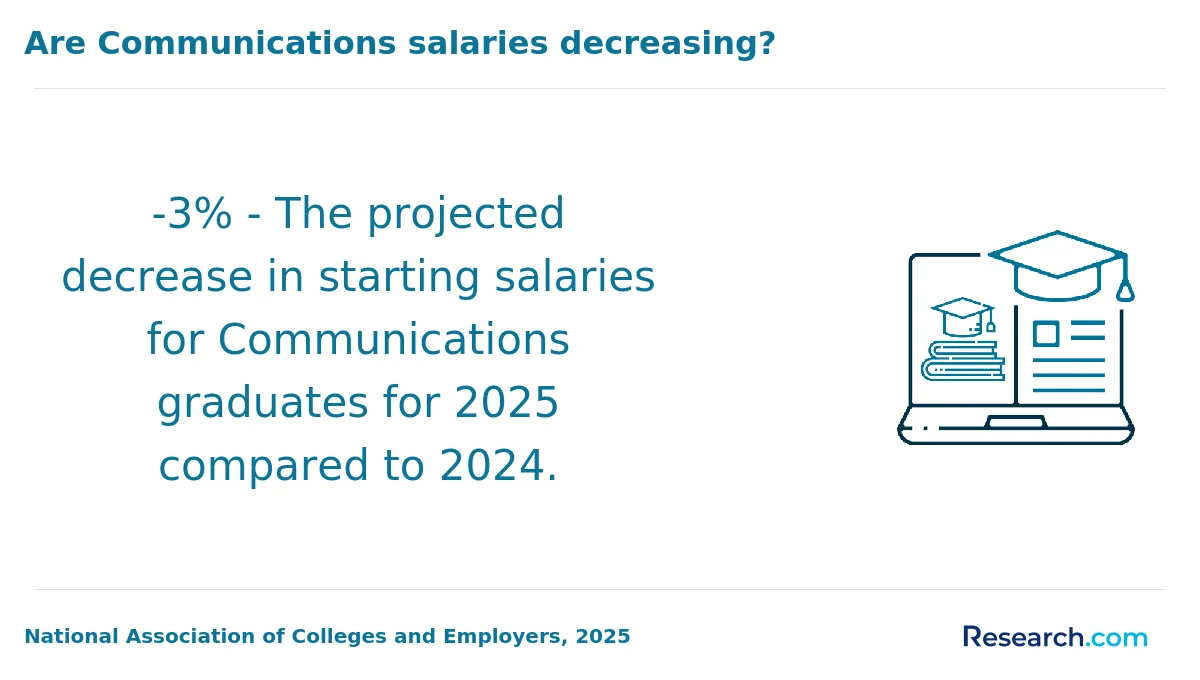
Graduates with an online communication degree in America typically start their careers earning between $40,000 and $55,000 annually. Entry-level roles such as communication assistants or social media coordinators reflect these figures, with many graduates from well-regarded institutions like Arizona State University or the University of Florida sharing positive experiences about landing such positions soon after graduation.
Those pursuing advanced degrees often see higher starting salaries, ranging from $55,000 to $65,000, as employers value the added expertise. With experience, professionals transition into managerial roles in public relations, marketing, or corporate communications, earning between $85,000 and $110,000 annually, reflecting the leadership and strategic skills developed through programs at universities like the University of Southern California.
Industry and location also influence earnings; for instance, graduates working in finance or technology sectors in metropolitan areas such as New York City or San Francisco report significantly higher salaries due to demand and living costs. Freelance communicators often exceed median salaries by leveraging specialized skills and project-based work, showing the versatility and financial potential of an online communication degree.
2027 Easiest Online Master's in Communication Degree Programs Ranking in the USA
How do we rank schools?
Investing in your education is a significant decision that can shape your future, and the Research.com team understands the importance of making informed choices. To assist prospective students, we have meticulously crafted the "2027 Easiest Online Master's in Communication Degree Programs Ranking in the USA." Our commitment to quality, credibility, and accuracy is reflected in the extensive research and analysis conducted to compile this ranking.
We utilized the following reputable data sources to ensure a comprehensive evaluation of communication programs:
By exploring this ranking, readers will gain valuable insights into the easiest and most accessible online Master's in Communication programs, helping them make informed decisions about their educational journeys. For more details on our methodology, please visit our Research.com methodology page.


# 16 position
Eastern Illinois University
Master of Communication Studies: Communication & Leadership


Key Findings
- Online communication degrees are offered at bachelor's and master's levels with tuition ranging from $15,000 to $40,000 for bachelor's programs and $20,000 to $50,000 for master's programs.
- Many programs provide flexible scheduling and remote learning options to accommodate students balancing work or personal commitments.
- Jobs in communication fields are projected to grow about 8% from 2022 to 2032, faster than the average for all occupations.
- Entry-level salaries for graduates typically range from $45,000 to $55,000 annually, with experienced professionals earning over $80,000 per year.
- Graduates can work in areas like social media management, strategic communication, journalism, and content creation.
How long does it take to complete online communication degree in America?
Completing an online communication degree in America generally requires four years of full-time study for a bachelor's program, although many students experience flexibility depending on their pace. Graduates from institutions like Arizona State University or the University of Florida report that balancing coursework with jobs or family life often extends their time to five or six years when studying part-time.
Master's degrees in communication typically range from 18 to 24 months full-time, with some students at schools such as Syracuse University or the University of Southern California finishing in just 12 months through accelerated tracks. Part-time learners may take three years or more, finding value in spreading out coursework to maintain personal and professional commitments.
For many online learners, the option to take summer classes or increase their course load can shorten time to graduation, ultimately reducing tuition costs. This flexibility helps students adapt their education to real-life demands, making the pursuit of a communication degree both practical and rewarding.
What's the difference between online and on-campus communication degree?
Online and on-campus communication degrees in America differ primarily in delivery and interaction. On-campus programs, common at universities like the University of Southern California or the University of Florida, emphasize face-to-face lectures, group projects, and immediate networking opportunities. Graduates often recall the value of in-person discussions and connections formed during class, crucial for careers in media or corporate communication.
Conversely, online communication degrees offer flexible schedules ideal for working professionals or those with family responsibilities, such as students at Arizona State University's online program. These programs use video lectures and digital collaboration tools to simulate classroom interaction. The National Center for Education Statistics (NCES) notes over 30% of communication students now enroll online, reflecting this growing trend.
Cost differences also influence choice. Public universities generally charge about $9,500 annually for in-state tuition on-campus, with out-of-state students paying over $22,000. Online degrees often match tuition rates but reduce expenses related to housing and transportation, making them financially appealing without sacrificing curriculum quality.
What is the average cost of online communication degree in America?
The average cost of an online communication degree in America varies depending on residency and institution type, with the median total cost around $23,247. In-state students attending public universities typically experience lower tuition fees, averaging about $18,177 for the full program. Many graduates from these schools reflect positively on how manageable their expenses were, especially when balancing work and study. Out-of-state students, however, can expect to pay closer to $22,308, reflecting higher tuition rates that still often fit within a practical budget for many.
Private institutions generally charge more, but their online communication programs are known for enhanced networking opportunities and smaller class sizes, factors that many students say enrich their educational experience. Those researching the average cost of online communication degree in USA will find that public universities commonly bill between $400 and $700 per credit hour, while private colleges can charge between $900 and $1,200 per credit. Since most master's programs require 30 to 36 credit hours, total tuition and fees for online communication master's USA programs tend to fall within this range.
Graduates frequently mention additional costs such as technology fees and textbooks, which can increase the overall financial commitment. Still, affordability is often improved by federal financial aid and scholarships. Prospective students interested in programs with reasonable costs and flexible study options might explore the easiest degree in communication online options available at various universities, helping them balance cost and academic success effectively.
What financial aid is available to online communication degree students in America?
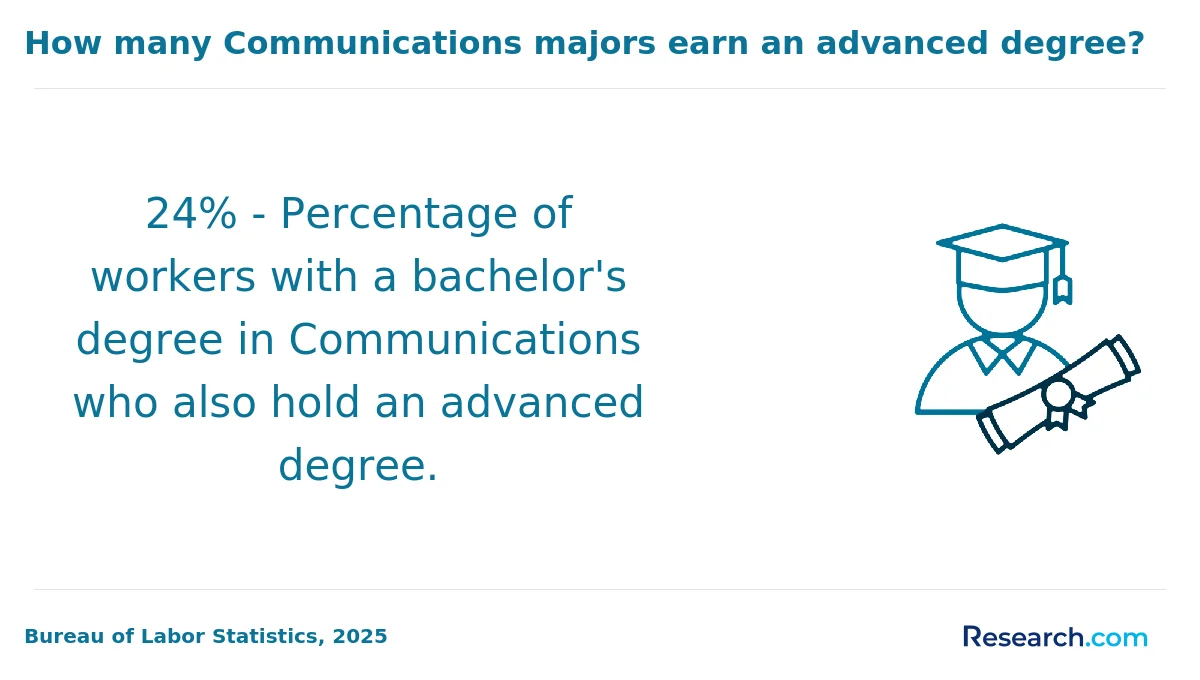
Federal student aid, accessed via the FAFSA, is a key financial resource for many pursuing online communication degrees in America. Graduates from programs at universities like the University of Southern California report relying on Pell Grants and federal loans that offer low interest rates and flexible repayment. These forms of aid significantly ease the tuition burden, which can range from $20,000 to $50,000 for a master's program.
Scholarships tailored to communication students are another crucial source. Institutions such as the University of Texas at Austin and professional groups like the National Communication Association award scholarships based on academic merit and dedication to the field, helping to reduce costs substantially.
Graduate assistantships and fellowships, while more common on-campus, are gaining traction at universities like Northwestern through remote roles in research or teaching, providing stipends or tuition relief. Additionally, working professionals often benefit from employer tuition assistance programs, a popular option among graduates juggling careers and studies.
Private loans remain available but come with higher interest rates and less favorable terms, so they are generally a less desirable choice for students.
What are the prerequisites for enrolling in online communication degree program in America?
Enrollment in online communication degree programs in America typically requires applicants to hold a bachelor's degree from an accredited U.S. institution. While the undergraduate major need not be communication specifically, programs such as those offered by the University of Southern California or the University of Florida often prefer candidates with some coursework or professional experience in media, journalism, or public relations. Graduates commonly reflect on how meeting this criterion helped them transition smoothly into advanced studies.
Applicants must provide official transcripts, with many programs expecting a minimum GPA around 3.0 on a 4.0 scale. Some universities may consider professional experience or strong recommendations to offset slightly lower GPAs, which aligns with reports from graduates who successfully leveraged their industry background.
Standardized test requirements vary; although the GRE is sometimes waived, applicants should confirm policies with individual institutions. Additional prerequisites frequently include letters of recommendation, a statement of purpose articulating career goals, and relevant work experience, especially for those targeting communication specializations like corporate or digital media.
International students need proof of English proficiency through TOEFL or IELTS scores, reflecting the common admissions standards at colleges known for their diverse online cohorts. Graduates often emphasize how meeting these prerequisites boosted their confidence and preparedness for rigorous academic challenges.
What courses are typically in online communication degree programs in America?
Online communication degree programs in America typically include a comprehensive curriculum designed to build both theory and practical skills. Graduates from schools like the University of Southern California or the University of Florida report strong foundations gained through courses such as Introduction to Communication Theory, which helps them understand messaging dynamics in real-world scenarios like corporate presentations or media campaigns.
Students often highlight Interpersonal Communication classes that enhance their confidence in one-on-one and group interactions, valuable in professional settings such as client meetings or team projects. Media Writing or Professional Writing courses equip learners to craft clear, engaging content for digital platforms, a crucial skill for roles in marketing or public relations.
Other core areas include Public Relations and Strategic Communication, where students learn to manage organizational messaging, and Digital Media and Communication Technologies, preparing them to navigate social media trends and digital storytelling. These programs also often cover Communication Research Methods and Organizational Communication, which graduates say are essential when analyzing audience data or fostering workplace collaboration.
Real-life examples from students emphasize how Speech Communication or Presentation Skills classes increase their persuasive power and poise, boosting career opportunities. Elective offerings in crisis communication or intercultural communication further allow students to tailor studies to evolving professional environments.
What types of specializations are available in online communication degree programs in America?
Online communication degree specializations USA commonly include Corporate Communication, Digital and Social Media Communication, Health Communication, Interpersonal and Organizational Communication, and Media Studies and Journalism. Graduates from popular colleges report that Corporate Communication effectively equips them with skills for roles such as public relations specialists or crisis managers within business environments. Digital and Social Media Communication is highly relevant as students master content creation and analytics used by modern organizations to engage online audiences, reflecting the fast-evolving digital landscape.
Many students focusing on Health Communication appreciate learning methods that improve healthcare provider-patient interactions and public health campaigns, a vital area especially amid recent global health challenges. Interpersonal and Organizational Communication prepares students for leadership and teamwork within companies, while Media Studies and Journalism help those interested in storytelling and ethical reporting. These communication degree concentration options in America enable students to align education with career goals at institutions known for flexible, online learning experiences.
Those weighing their options may also explore specialized tracks like political or strategic communication, enhancing niche expertise. More insights on careers with a communications degree can be found at careers with a communications degree, helping prospective students make informed decisions based on the latest industry trends and academic offerings.
How do you choose the best online communication degree in America?
Choosing the best online communication degree in America requires evaluating multiple factors critically. Graduates from prominent universities appreciate programs that align curriculum with industry demands such as media production or corporate communication, ensuring practical skills match career goals. Accreditation by recognized US agencies like CHEA guarantees the value of your degree to employers and supports long-term career growth.
Cost varies significantly; tuition for affordable online communication master's degrees America ranges from $15,000 to $45,000 depending on the university type. Public universities often provide cheaper in-state rates, but some programs maintain flat fees regardless of residency. Students who prioritized affordability found benefit in exploring courses with comprehensive fees and access to resources. For undergraduate options, consider consulting resources such as affordable journalism bachelor degree online to identify budget-friendly pathways.
Flexibility is another key aspect valued by working professionals pursuing the best online communication degree programs in the USA. Asynchronous classes and part-time enrollment enable balance with work and family commitments. Graduates remember how faculty expertise combined with real-world internships enhanced their readiness for the expanding communication field, projected by the Bureau of Labor Statistics to grow 10% in the next decade.
What career paths are available for online communication degree students in America?
Graduates of an online communication degree in America have diverse career opportunities across multiple industries. Public relations remains a prominent choice, with PR specialists earning a median annual salary of $62,800 in 2022, according to the U.S. Bureau of Labor Statistics. Employment in this field is expected to grow 11% through 2032, driven by the increasing need for organizations to maintain positive audience relationships. Marketing and digital communication roles, including social media managers and content strategists, also attract many graduates. These positions often involve creating tailored digital content, with advertising and marketing managers earning a median of $133,380 annually.
Corporate communication roles are sought after for supporting internal and external messaging in businesses, where graduates from popular colleges in America report fulfilling experiences managing brand and crisis communication. Other practical paths include journalism, technical writing, and media production, with average starting salaries ranging from $45,000 to $55,000. Prospective students curious about the timeline can explore how long does it take to get a journalism degree to better understand this specialization. These options highlight why many view an online communication degree career opportunities USA as both versatile and rewarding.
What is the job market for online communication degree in America?
The job market for graduates with an online communication degree in America remains robust, with growth projected at around 8% from 2022 to 2032, according to the U.S. Bureau of Labor Statistics. Graduates from well-known universities often secure roles in advertising, public relations, social media management, and digital marketing, reflecting the broad scope of opportunities. This positive outlook is further supported by evolving media landscapes that demand skilled communicators adept at brand messaging across digital platforms.
Many graduates from leading colleges experience swift entry into fields like corporate communications and content strategy, enjoying starting salaries between $45,000 and $55,000 annually. As professionals advance, salaries can exceed $70,000, especially in metropolitan areas where demand intensifies. Students pursuing an online communication degree jobs USA find that programs emphasize practical skills like digital literacy and adaptability, which employers value highly.
Networking opportunities and internships through popular programs enhance career prospects. For those interested in the most lucrative positions, exploring the highest paying pr jobs can guide career decisions in public relations and beyond.
Job prospects for communication graduates America benefit from ongoing digital transformation and demand for content creation, making these degrees a valuable investment for future professionals.
Frequently Asked Questions About communication
Students pursuing online communication degrees in America can enhance their learning experience by actively engaging with coursework and utilizing available resources. According to the National Center for Education Statistics, nearly 40% of communication master's students choose online programs, emphasizing flexibility.
Participating in virtual discussions and group projects helps build practical skills, mirroring real-world communication environments. Additionally, using university libraries and digital databases allows students to access up-to-date communication research and case studies. Time management is crucial; setting a consistent study schedule supports deeper understanding.
Seeking internships and joining professional associations such as the National Communication Association can provide networking opportunities and industry insights vital to career growth.
The communication field is rapidly evolving with several emerging niches gaining prominence in the United States. One key area is digital and social media strategy, where professionals focus on managing online presence and content for brands. According to the National Communication Association, digital communication roles have grown by over 15% in the past five years.
Another expanding niche is data analytics within communication, combining statistical tools with messaging to help organizations better understand audience behavior. Health communication is also critical, especially after the COVID-19 pandemic highlighted the need for effective public health campaigns.
Additionally, crisis and risk communication specialists are in demand to help companies navigate unpredictable challenges, reflecting the complexity of today's media landscape.
After earning an online communication degree in America, preparing for the job market requires strategic steps. Graduates should build a professional portfolio showcasing writing, digital media, and public speaking skills. Internships and volunteer experiences can enhance practical knowledge and improve employability.
Networking plays a crucial role. Joining organizations like the National Communication Association offers access to job boards and industry events. According to the U.S. Bureau of Labor Statistics, communication-related jobs are projected to grow by 4% from 2022 to 2032, highlighting steady demand in fields like public relations and corporate communication.
Graduates should also develop technical skills such as social media management and data analytics, which are increasingly valued by employers. Continuous learning through certifications complements formal education and improves job prospects in America's competitive communication job market.
Employers in America highly value communication degree graduates who demonstrate strong verbal and written skills. According to the National Association of Colleges and Employers (NACE), 89% of employers seek candidates with effective written communication abilities. Additionally, critical thinking and problem-solving are key, with 83% of employers emphasizing these skills.
Digital literacy is increasingly important, as many communication roles require social media and content management expertise. The Bureau of Labor Statistics highlights that adaptability and teamwork are vital within fast-changing media environments. Students pursuing online communication degrees should focus on developing presentation skills and intercultural communication to meet employer expectations in the US job market.
Finding internships in America relevant to a communication degree involves strategic research and networking. Many universities offer dedicated career centers that connect students with internship opportunities tailored to communication fields, including public relations, digital media, and corporate communications.
Online platforms such as Handshake and LinkedIn have become essential tools, where over 70% of US employers actively post internship listings (National Association of Colleges and Employers, 2023). Joining professional organizations like the National Communication Association can also provide access to exclusive internships.
Additionally, reaching out directly to companies and media outlets, especially those near your location, can lead to valuable hands-on experience. Building relationships through informational interviews often opens doors not advertised publicly.
Obtaining an online communication degree in America can significantly enhance career mobility and advancement. According to the U.S. Bureau of Labor Statistics, jobs related to communication, such as public relations specialists and media managers, are expected to grow by 10% from 2022 to 2032, faster than the average for all occupations. An online degree offers flexibility, allowing professionals to upskill without interrupting their careers. This convenience supports career shifts or promotions, especially in sectors like marketing, corporate communication, and digital media.
Employers often value the practical skills learned in communication programs, including digital storytelling, strategic messaging, and media analysis. These skills can open doors to leadership roles and higher salaries.
Graduates report increased opportunities in diverse industries, reflecting the broad applicability of communication expertise in the American job market.
Studying for a communication degree in America equips students with versatile skills that are highly valued across multiple industries. According to the National Communication Association, communication majors gain expertise in areas like media, public relations, and digital communication, which naturally intersect with fields such as marketing, business, and healthcare.
Courses often emphasize critical thinking, writing, and interpersonal skills, preparing graduates to work effectively on interdisciplinary teams. For example, students might collaborate on projects that integrate technology, psychology, or organizational management.
The Bureau of Labor Statistics projects a 14% growth in communication-related jobs from 2021 to 2031, highlighting the broad demand for these adaptable skills across sectors.
When choosing between a thesis and a non-thesis online communication degree program in America, consider your career goals and learning style. Thesis programs usually focus on research and require a substantial written project, ideal for students aiming at academic or research careers. Non-thesis options emphasize practical skills and coursework, suitable for professionals looking to advance in media, corporate communication, or public relations.
According to the National Communication Association, nearly 60% of communication master's students enroll in non-thesis programs for their flexible and career-oriented curriculum. Cost, time commitment, and faculty mentorship also influence this decision.
Students based in America interested in studying communication abroad have several pathways available, particularly through partnerships between US institutions and foreign universities. Many American universities offer study-abroad programs focused on communication, allowing students to earn credits toward their degree while gaining international experience.
According to the Institute of International Education, approximately 60% of US study abroad participants in recent years have engaged in fields related to social sciences and communication. These programs often include semester-long exchanges or short-term summer programs designed to enhance global communication skills.
Additionally, some online communication degree programs based in the US integrate virtual international components, giving students a chance to collaborate with peers worldwide without leaving home. This hybrid model is increasingly popular as it combines academic flexibility with global engagement.
Part-time jobs can significantly enhance the learning experience for students pursuing online communication degrees in America. Common roles include social media management, content writing, and public relations assistant positions. According to the U.S. Bureau of Labor Statistics, the demand for communication professionals is projected to grow 7% from 2021 to 2031, making such experience valuable.
Internships and freelance work in digital marketing also offer practical skills in audience engagement and media strategy. Many institutions encourage students to seek on-campus media jobs or remote opportunities to develop industry-relevant competencies while studying.
These roles not only improve résumés but also provide networking possibilities within the communications field.
Online communication students in America have growing networking opportunities through virtual events and campus-affiliated platforms. Many accredited programs offer access to alumni networks, industry webinars, and professional development workshops tailored for communication fields. The National Communication Association (NCA) hosts annual online conferences attracting thousands of communication professionals and students nationwide, providing valuable connections.
Additionally, students can engage with regional communication societies and LinkedIn groups focused on media, public relations, and digital communication careers. According to the U.S. Bureau of Labor Statistics, strong professional networks increase job placement rates in communication fields by 15-20%, highlighting the importance of these opportunities during study.
Alumni networks play a crucial role for students pursuing online communication degrees in America. These networks connect current students with graduates working across diverse media, public relations, and corporate communication fields. According to the National Communication Association, 85% of communication graduates find job opportunities through networking. Alumni can offer mentorship, advice, and inside knowledge on industry trends and hiring practices specific to the U.S. market.
Students often access exclusive workshops, internships, and job listings through alumni events and online platforms. This support helps bridge the gap between academic theory and practical experience, enhancing career readiness. Engaging with alumni also fosters professional relationships that can open doors in a competitive job market.
Customizing an online communication degree in America allows students to align their education with their specific career goals. Many universities offer electives and concentrations such as public relations, media studies, corporate communication, or digital media. These options enable students to develop specialized skills relevant to industries like marketing, journalism, or healthcare communication.
Some programs also provide opportunities for internships or project-based learning, which help build practical experience. According to the National Center for Education Statistics, over 60% of communication graduates pursue careers requiring tailored skills, emphasizing the value of focused coursework.
Choosing a program with flexible course delivery and advising can further support personalized learning paths.
Online communication students in America often face challenges related to technology access and digital literacy. According to the National Center for Education Statistics, nearly 15% of students report difficulties with reliable internet connections, which can disrupt learning and participation. Additionally, students must adapt to virtual collaboration tools and online discussion formats, which differ significantly from traditional classroom interactions.
Another challenge is balancing work, family, and study responsibilities. Many online students are working professionals or have caregiving duties, making time management crucial. Research from the Online Learning Consortium notes that 40% of online learners cite balancing commitments as a major obstacle.
Lastly, some students experience a sense of isolation due to limited face-to-face interaction, which can affect motivation and networking opportunities-important factors in communication fields.
An online communication degree in the United States opens doors to various professional certifications that enhance career prospects. Graduates commonly pursue certifications such as the Accreditation in Public Relations (APR), which is recognized by the Public Relations Society of America (PRSA). This credential validates expertise in strategic communication and ethics.
Another valuable certification is the Certified Communication Professional (CCP), offered by the Global Communication Certification Council. It emphasizes skills in corporate communication and leadership, relevant for many communication roles.
Additionally, graduates may seek digital marketing certifications such as those from the American Marketing Association or Google's certificates, supporting skills in online engagement and analytics.
According to the Bureau of Labor Statistics (2023), demand for communication specialists is projected to grow by 10% over the next decade, highlighting the importance of these credentials.
To write a winning application for an online communication program in America, start by researching accredited universities recognized by the Council for Higher Education Accreditation (CHEA). Highlight your relevant experience, skills, and career goals clearly in your personal statement. According to the National Communication Association, applicants who demonstrate understanding of communication theories and practical applications stand out.
Include strong letters of recommendation from academic or professional sources familiar with your communication abilities. Maintain a competitive GPA-most top online programs prefer a minimum of 3.0. Additionally, tailor your resume to emphasize communication projects and digital media skills, as the job market increasingly values these.
Global perspectives on communication careers emphasize increasing opportunities due to digital media growth and cross-cultural exchange. In the United States, the Bureau of Labor Statistics projects a 13% growth rate for communication-related jobs from 2022 to 2032, faster than the average for all occupations. This demand is driven by the need for skilled communicators in public relations, marketing, and digital content creation, industries that operate globally.
American online communication degrees equip students with skills relevant worldwide, such as intercultural communication and media literacy. Graduates often work in multinational firms or NGOs, reflecting the global scope of the field. According to the National Communication Association, effective communication skills remain essential in a diverse, interconnected world.
Gaining practical experience while studying for an online communication degree in America is essential for career readiness. Many programs incorporate virtual internships, allowing students to work remotely with media companies, nonprofits, or corporations. According to the National Association of Colleges and Employers, 62% of employers value internship experience when hiring graduates.
Students can also participate in capstone projects or client-based assignments offered by their schools. These opportunities simulate real-world communication challenges and build portfolios.
Additionally, joining professional organizations such as the Public Relations Society of America (PRSA) provides networking, mentorship, and project involvement options.
Online degree platforms often integrate collaborative tools to facilitate teamwork across states, mirroring professional environments.
Choosing the right concentration within an online communication degree program in America depends on your career goals and interests. Popular concentrations include public relations, media studies, organizational communication, and digital communication. The U.S. Bureau of Labor Statistics notes that roles in public relations and media grow steadily, with a 9% job increase forecasted through 2031.
Consider programs accredited by the Accrediting Council on Education in Journalism and Mass Communications (ACEJMC) for quality assurance. Research each concentration's coursework and career outcomes. For example, digital communication focuses on social media and online marketing, which are in high demand.
Your choice should align with industry trends and personal strengths.
Top Trending Communication Rankings
References
- Top 10 Effective Networking Tips for Students https://www.unfc.ca/blog/networking-tips-for-students
- Finding Networking Opportunities as a Student | National Society of High School Scholars https://www.nshss.org/resources/blog/blog-posts/how-to-find-networking-opportunities-as-a-student/
- Communication Skills that will advance your career https://dcmlearning.ie/blog/communication-skills-that-will-advance-your-career.html
- The Impact of Communication & Why You Should Choose Communication as Your Degree https://sureexpo.com.my/post/the-impact-of-communication-why-you-should-choose-communication-as-your-degree
- Online Degree vs. Traditional | University of Arkansas Grantham https://www.uagrantham.edu/blog/pros-cons-online-degree-vs-traditional-university/
- Top 6 Communication Skills for Career Growth and Organizational Impact https://www.callutheran.edu/programs/articles/top-communication-skills-career-growth-organizational-impact/
- How to Network with Alumni | Student Guide to Alumni Networking 2026 https://digitalrecordboard.com/blog/how-to-network-with-alumni/
- CAREERS AND COMMUNICATION ALUMNI https://www.villanova.edu/university/liberal-arts-sciences/programs/communication/careers.html
- Top Communication Skills Employers Seek From College Grads https://www.manpower.com.sg/en/insights/blogs/2021/03/top-communication-skills-employers-seek-from-college-grads
- Online Graduate Certificate Programs in Communication: Strategic, Business https://www.mastersincommunications.com/faqs/graduate-certificate-programs-in-communication