2027 Most Affordable Online Bachelor's in Communication Degree Programs Ranking in Missouri

Co-Founder and Chief Data Scientist
Choosing the right online communication degree can be overwhelming, especially with so many options available. This article introduces the 2027 Most Affordable Online Bachelor's in Communication Degree Programs Ranking in Missouri, created by the Research.com team of data scientists.
It helps students like you make informed choices by highlighting affordable and quality programs worth considering. A communication degree opens doors to diverse career paths, improving your skills and confidence.
Explore this guide to discover opportunities that fit your goals and budget, making your educational journey both smart and rewarding.
Key benefits of getting online communication degree in Missouri
- Communication degree graduates in Missouri can expect competitive salaries in roles like public relations specialists, with median annual wages around $62,800 nationwide, offering financial stability and growth opportunities.
- Graduates often pursue diverse career paths such as media planning, corporate communication, or marketing, as seen with alumni from the University of Missouri who benefit from strong industry connections.
- Completing a communication degree online provides flexibility and accessibility, allowing working adults, as experienced by graduates from Missouri State University, to balance studies with personal and professional life effectively.
- Key benefits of getting online communication degree in Missouri
- What can I expect from online communication degree in Missouri?
- Where can I work with online communication degree in Missouri?
- How much can I make with online communication degree in Missouri?
- 2027 Most Affordable Online Bachelor's in Communication Degree Programs Ranking in Missouri
- Key Findings
- How long does it take to complete online communication degree in Missouri?
- What's the difference between online and on-campus communication degree?
- What is the average cost of online communication degree in Missouri?
- What financial aid is available to online communication degree students in Missouri?
- What are the prerequisites for enrolling in online communication degree program in Missouri?
- What courses are typically in online communication degree programs in Missouri?
- What types of specializations are available in online communication degree programs in Missouri?
- How do you choose the best online communication degree in Missouri?
- What career paths are available for online communication degree students in Missouri?
- What is the job market for online communication degree in Missouri?
- Related Communication Rankings for Nearby States
- Top Trending Communication Rankings
What can I expect from online communication degree in Missouri?
The average cost of an online communication degree in Missouri typically reflects the state's commitment to affordable education, especially at public institutions. Many in-state students find tuition rates manageable, often ranging around $8,000 to $12,000 per year, depending on the university. For instance, graduates from the University of Missouri highlight how the balance between cost and quality gave them peace of mind, allowing focus on mastering digital storytelling and strategic communication without financial stress.
Beyond tuition, flexible payment plans and financial aid options further ease the burden, making the degree accessible to working adults balancing jobs and family life. Students often share how this affordability combined with asynchronous learning helped them stay motivated and engaged, whether they were crafting media projects late at night or collaborating virtually on research.
Such cost-effectiveness challenges the usual assumption that quality online education demands a premium price. Instead, Missouri's universities turn financial accessibility into an advantage, empowering students to build meaningful careers in communication without the weight of excessive debt.
Where can I work with online communication degree in Missouri?
Graduates from online communication programs at Missouri institutions often find themselves stepping into dynamic roles far beyond traditional expectations. For instance, those completing degrees at schools like the University of Missouri or Webster University discover opportunities in thriving PR agencies or marketing firms where strategic storytelling shapes brand success.
In cities such as St. Louis and Kansas City, alumni frequently become media coordinators or digital content producers for local TV and radio stations, applying skills gained online to real-world broadcasting challenges. Imagine managing a breaking news segment one day and crafting compelling social media campaigns the next-this versatility excites many graduates.
Corporate communication careers also beckon, especially within Missouri's robust healthcare and manufacturing sectors. Graduates tell of rewarding experiences working at companies like Express Scripts, where they help align internal messaging and foster employee engagement, turning abstract communication theories into tangible impact.
Many also share the fulfillment found in education and government roles, guiding community outreach efforts for state agencies or mentoring future communicators as advisors at their alma maters. These varied paths prove that an online communication degree in Missouri unlocks more than just a job-it opens doors to meaningful, evolving careers.
How much can I make with online communication degree in Missouri?
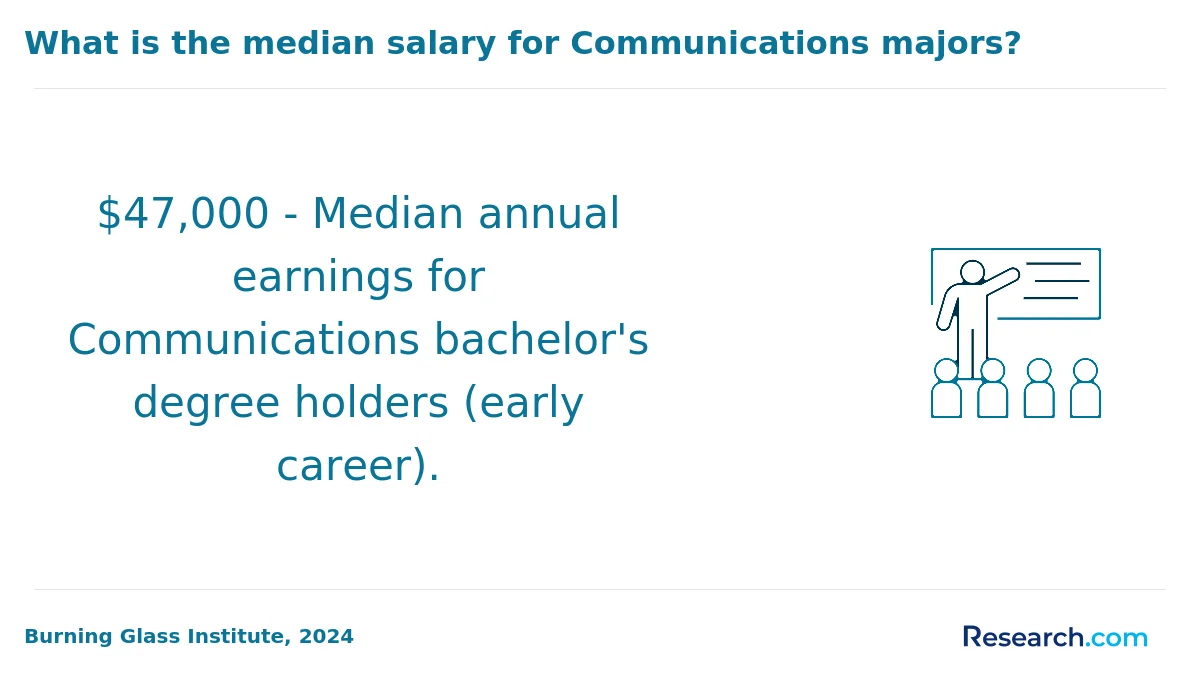
Graduates with an online communication degree in Missouri often encounter a salary range that reflects both their starting point and potential growth. While specific BLS salary data is unavailable, typical entry-level roles-such as social media coordinators or public relations assistants-often start between $35,000 and $45,000 annually. Those who sharpen their skills at institutions like the University of Missouri or Webster University often see their earnings climb as they gain experience.
Imagine a recent graduate from a Missouri college landing a digital marketing role in St. Louis. Their salary could quickly ramp up to $60,000 or more, fueled by the city's vibrant business scene. Graduates who evolve into strategic communicators or content managers frequently cross the $75,000 threshold, reaping rewards for specialized abilities. The emotional payoff here is significant-feeling valued and motivated as their income reflects their growing expertise.
Missouri's job market encourages communication graduates to push beyond conventional roles. Remote work possibilities expand horizons, letting graduates tap into incomes beyond local averages. This flexibility and upward potential transforms an online degree from a simple credential into a lever for meaningful career advancement.
2027 Most Affordable Online Bachelor's in Communication Degree Programs Ranking in Missouri
How do we rank schools?
Investing in your education is a significant decision that can shape your future, and the Research.com team understands the importance of making informed choices. To assist prospective students in Missouri, we have meticulously crafted the "2027 Most Affordable Online Bachelor's in Communication Degree Programs Ranking in Missouri." Our commitment to quality, credibility, and accuracy is reflected in the extensive research and analysis conducted to compile this ranking.
We utilized the following reputable data sources to ensure a comprehensive evaluation of communication programs:
By exploring this ranking, readers will gain valuable insights into the most affordable and high-quality online communication degree programs in Missouri, empowering them to make well-informed decisions about their educational journey. For more details on our methodology, please visit our Research.com methodology page.


Key Findings
- Tuition for online communication degrees in Missouri public universities ranges from $7,000 to $10,000 per year for in-state students.
- Private schools in Missouri may charge over $20,000 annually for similar online communication programs.
- Entry-level salaries for communication graduates in Missouri average between $45,000 and $50,000 annually.
- Mid-career salaries for communication professionals in Missouri typically reach around $65,000 or higher.
- Jobs related to communication in Missouri are expected to grow by about 8% over the next decade, matching the national average.
- Many online programs in Missouri offer flexible study options and may include virtual internships and certification preparation like the Accreditation in Public Relations (APR).
How long does it take to complete online communication degree in Missouri?
Completing an online communication degree in Missouri often takes around four years for full-time students at institutions like the University of Missouri or Missouri State University. This mirrors the expected timeline for most traditional undergraduate programs, but many graduates recall balancing work, family, and coursework, making this timeframe feel both challenging and rewarding. The flexibility of these programs allows students to adjust their pace, with some opting to extend their studies to six years or more, much like many part-time learners juggling professional commitments.
Graduates frequently emphasize the value of transfer credits, which can slash the required coursework by up to half, especially for those entering with an associate degree from community colleges. This practical route hastens completion and keeps motivation high. Online degree programs in Missouri maintain rigorous credit requirements akin to on-campus versions, ensuring quality without sacrificing convenience.
The journey feels personal-whether attending evening classes from Missouri State or progressing asynchronously through the University of Missouri's offerings, students experience a blend of freedom and structure that shapes their educational success.
What's the difference between online and on-campus communication degree?
Choosing between online and on-campus communication degrees in Missouri goes beyond convenience-it shapes your entire educational experience. Graduates from the University of Missouri often recall the energizing buzz of live classroom debates, spontaneous hallway chats, and immediate professor feedback that only an on-campus program can offer. This face-to-face interaction builds strong networks, especially useful in fields like media or public relations where relationships matter.
Meanwhile, communication students who opt for Missouri State University's online program frequently express relief at the flexibility. Balancing work or family, they value accessing lectures anytime, from home or a favorite café, which turns education into a personalized journey rather than a rigid schedule. Such asynchronous learning honors their busy lives and distances from campus, transforming challenges into opportunities.
Cost factors into this decision as well: while in-state tuition hovers around $8,000 to $12,000, online learners often save hundreds or thousands annually by skipping commuting and housing expenses. They cherish the freedom to invest those savings back into life and career ambitions.
What is the average cost of online communication degree in Missouri?
The average cost of earning an online communication degree in Missouri generally centers around $35,340 for in-state students, a figure that reveals much about both opportunity and challenge within the state's education system. Graduates from public universities like the University of Missouri or Missouri State University often reflect on a mix of financial pressure and satisfaction-balancing tuition costs that, while more affordable than many private institutions, still require thoughtful planning. Missouri's affordable online bachelor's communication programs allow these students to pursue their goals without the crushing debt often associated with out-of-state or private college tuition, which can exceed $60,000 or more in total.
These figures align with what many in-state students experience: a tangible investment that leads to rewarding careers in media, public relations, and corporate communication. Some Missouri students cite how transferring credits reduces costs and accelerates graduation, embracing flexibility that makes the path less daunting.
But cost is only part of the story. Those exploring online communication degrees in Missouri often tap into scholarships or financial aid, transforming what might be an intimidating expense into an accessible, even exciting endeavor. It's clear that the average cost of online communication degree in Missouri stands as a gateway rather than a barrier for many determined learners.
For students seeking alternatives, researching options like easy online degree communications programs can illuminate ways to manage expenses while maintaining quality education. This approach reflects a growing trend to challenge traditional expectations around affordability and quality.
What financial aid is available to online communication degree students in Missouri?
Many Missouri students pursuing an online communication degree find financial aid to be a lifeline rather than just an option. Graduates from the University of Missouri system often recount how Pell Grants, which can offer up to $7,395 in need-based assistance, helped ease the burden without the looming stress of repayment. Completing the FAFSA is the first concrete step that unlocks these federal opportunities.
Federal Direct Loans also play a significant role, providing subsidized loans that don't accumulate interest while enrolled half-time. This subtle benefit often surprises students juggling family and work commitments, making their financial planning feel less overwhelming.
State programs like the Missouri Access Program (MAP) layer on additional support, making in-state tuition costs easier to manage at schools such as Missouri State University. Many recall the relief of seeing combined federal and state grants substantially lower the typical $9,000 to $15,000 annual tuition bills.
Institutional scholarships offered by these universities target merit or leadership, often felt as affirmations of students' dedication. Others tap into private scholarships tied to Missouri-based foundations, transforming daunting college bills into achievable goals. For some, work-study-a traditionally campus-based aid-has adapted to online realities, offering remote roles that build both experience and income, turning education into a multifaceted journey rather than a financial struggle.
What are the prerequisites for enrolling in online communication degree program in Missouri?
Enrolling in an online communication degree in Missouri often begins with a foundational step: holding a high school diploma or GED. Graduates from popular institutions like the University of Missouri and Missouri State University recall how this basic requirement felt like opening a door to new possibilities rather than a mere formality. Many recall the initial anxiety surrounding GPA thresholds-usually around 2.0 to 2.5-but found satisfaction in meeting these, knowing it signified readiness for college-level challenges.
Transfer students cherish Missouri's community college articulation agreements, which turned their prior credits into tangible progress toward their communication degrees. These students highlight how official transcripts became a bridge, easing their academic transition and fueling their motivation. In addition, foundational courses such as English composition and introductory communication studies aren't just hoops to jump through; graduates describe them as building blocks that sharpen critical thinking and boost confidence early on.
For online learners, balancing personal statement submissions and proof of Missouri residency often sparks a deeper connection to their educational journey, emphasizing commitment and purpose. These prerequisites may seem rigid, but for many, they represent milestones filled with hope and determination to excel in the vibrant communication field.
What courses are typically in online communication degree programs in Missouri?
Online communication degree programs in Missouri routinely immerse students in foundational courses like Introduction to Communication Studies and Public Speaking and Presentation Skills, fostering confidence and clarity in everyday conversations and professional settings. Graduates from popular institutions, such as those attending universities in St. Louis or Columbia, often recall how these early courses transformed their ability to engage audiences effectively, whether in virtual meetings or community events.
As students advance, they dive into specialized offerings like Social Media Strategies and Media Writing and Editing, equipping them with contemporary tools to navigate the fast-paced digital world. Missouri's online programs emphasize practical projects-graduates frequently share stories of collaborating with local businesses through internships, gaining firsthand experience that bridges theory with real-world impact.
This blend of theory and action cultivates adaptable communicators ready for diverse roles, from corporate communication to media relations, grounded in Missouri's unique regional context yet competitive nationwide.
What types of specializations are available in online communication degree programs in Missouri?
Online communication degree specializations in Missouri challenge students to rethink the breadth of what communication encompasses. Graduates from Missouri's well-known universities often recount their journeys through diverse tracks like Public Relations, where they mastered crisis communication and media relations-skills that directly impact organizations and communities in tangible ways. Others embraced Media Studies, diving into the fast-evolving world of digital media and social platforms, leaving them equipped not just to consume content, but to critically shape it in settings ranging from local newsrooms to corporate campaigns.
Students pursuing the best communication majors available online Missouri offer focus on Organizational Communication, exploring leadership and conflict resolution through case studies from Missouri's expanding business sectors. The rise of e-commerce and remote work has also made Digital Communication a favorite, with graduates describing hands-on experiences managing real-world digital marketing projects. These examples reveal how studying specializations here can translate into meaningful careers.
For those curious about tangible opportunities, it helps to look at jobs in the communications field particularly vibrant across Missouri, connecting classroom theory to evolving industry demands.
How do you choose the best online communication degree in Missouri?
Choosing the best online communication degree in Missouri means looking beyond reputation or tuition alone. Graduates from popular universities often share how accreditation-especially from the Higher Learning Commission-proved critical in ensuring their credits transferred smoothly and qualified for federal aid. Such details shaped their academic confidence and financial peace of mind. Consider programs that offer a curriculum matching your passion, whether it's digital media storytelling or strategic public relations, as these tailored skills transform education into engaging career journeys. Missouri's affordable online communication degree programs in Missouri highlight the delicate balance between cost and quality. For example, students attending reputable state schools often delight in how flexible pacing fits around their busy lives, while harnessing strong career support services. Reflect on the true value of programs by exploring resources like the Missouri Department of Higher Education and checking out online masters in communications programs nationwide to see how Missouri options stack up.
What career paths are available for online communication degree students in Missouri?
Graduates holding an online communication degree in Missouri find their skills catapulting them into diverse, impactful careers, far beyond typical expectations. Many who studied at well-known institutions like the University of Missouri or Missouri State University recount how their education prepared them for roles in public relations, marketing, and corporate communication, fields thriving within Missouri's expanding media and business landscape.
Popular career paths include positions such as Public Relations Specialist or Social Media Manager, where graduates actively shape brand narratives and community engagement. Thanks to Missouri's blend of industries, including healthcare and government, communication professionals enjoy steady opportunities-evident in the rising demand reflected in the Missouri communication degree job opportunities market.
Some alumni emphasize the pivotal role of internships available through local companies in St. Louis and Kansas City, which embed real-world skills that complement their online coursework. For those curious about similar routes, exploring public relations programs online might offer a practical pathway to career success.
What is the job market for online communication degree in Missouri?
Graduates with an online communication degree in Missouri often discover a dynamic job market that rewards adaptability and digital savvy. From the University of Missouri to Missouri State University, online communication degree jobs Missouri graduates reflect a broader demand across media, healthcare, and corporate sectors. Those who mastered video production or social media marketing share stories of securing roles in St. Louis's bustling media landscape, where culturally diverse audiences crave tailored messaging.
While average salaries hover near $60,000, slightly below national figures, the steady growth and expanding digital roles offer optimistic prospects. Graduates emphasize how Missouri's relatively affordable tuition eases financial pressures, allowing them to pursue entry-level positions confidently without overwhelming debt. The Missouri job outlook for communication graduates is increasingly shaped by remote work opportunities, enabling students from schools like Webster University to engage with companies nationwide.
For those considering further specialization, exploring fastest online masters in public relations programs can elevate career trajectories by deepening strategic communication expertise in this evolving field.
Frequently Asked Questions About communication
Students pursuing online communication degrees in Missouri can enhance their learning by actively engaging with course materials and participating in virtual discussions. Research shows that interactive learning methods improve retention, making involvement in forums and group projects essential. Missouri's universities often offer access to digital libraries and communication labs, which provide valuable resources for skill development.
Building connections with professors and peers through online office hours or video meetings can also enrich the experience. According to the Missouri Department of Higher Education, students who utilize academic support services have higher graduation rates.
Additionally, seeking internships or volunteer opportunities in Missouri's media and public relations sectors offers practical experience that complements academic knowledge.
The communication field is evolving rapidly, with several emerging niches gaining prominence. In Missouri, online communication degrees increasingly emphasize areas like digital storytelling, social media strategy, and data analytics. These specialties reflect the growing demand for professionals skilled in crafting online content and interpreting audience behavior.
Another rising niche is health communication, especially relevant given Missouri's expanding healthcare sector. Graduates trained in this area help improve public health messaging and patient engagement through digital platforms. Additionally, corporate communication with a focus on crisis management and internal communications is gaining importance in Missouri's diverse economy.
According to the National Communication Association, these niches offer strong career growth prospects, making them attractive options for students pursuing online degrees.
After completing an online communication degree in Missouri, preparing for the job market involves several strategic steps. Graduates should focus on building a strong portfolio showcasing their writing, digital media, and public speaking skills, as Missouri employers highly value practical experience.
Internships play a crucial role; securing positions with local media outlets, nonprofits, or corporations can enhance employability. According to the Missouri Department of Economic Development, communication-related jobs in Missouri are projected to grow by around 7% through 2030, emphasizing the importance of relevant work experience.
Additionally, networking through Missouri-based professional organizations like the Missouri Public Relations Alliance can provide valuable industry connections. Graduates should also refine their digital skills, including social media analytics and content creation, to meet current market demands.
Employers in Missouri highly value communication degree graduates who demonstrate strong interpersonal skills and the ability to convey ideas clearly across various platforms. According to the Missouri Department of Higher Education, key skills include public speaking, digital literacy, and strategic messaging tailored for diverse audiences.
Data from the National Association of Colleges and Employers highlights that 85% of employers seek candidates with proficiency in both written and oral communication. In Missouri's growing media and corporate sectors, skills in social media management and multimedia production are increasingly important.
Additionally, analytical thinking and teamwork capabilities help graduates succeed in roles requiring collaboration and problem-solving. Prospective students should focus on developing both technical and soft skills to meet Missouri employers' evolving needs.
Finding internships in Missouri relevant to a communication degree involves a combination of research, networking, and utilizing university resources. Start by exploring local media outlets, public relations firms, and nonprofit organizations in cities like St. Louis and Kansas City, which are hubs for communication roles. According to the Missouri Department of Higher Education, about 20% of communication graduates secure internships through campus career centers.
Many Missouri colleges offer online students access to career services that list internships tailored to communication majors. Platforms such as Handshake and LinkedIn also feature Missouri-based internship opportunities. Professional associations like the Missouri Public Relations Society provide networking events where students can connect with potential employers. Early application and tailored resumes improve chances of securing relevant placements.
An online communication degree in Missouri can significantly enhance career mobility and advancement opportunities. The state's growing media, public relations, and corporate sectors often seek graduates with strong communication skills combined with digital proficiency. According to the Missouri Economic Research and Information Center, communication-related roles are expected to grow 7% through 2030, reflecting a steady demand.
Completing an accredited online program allows students to gain contemporary expertise while maintaining flexibility, which is valued by local employers. Skills learned, such as digital content creation, strategic communication, and media relations, align closely with job requirements in Missouri's urban centers like St. Louis and Kansas City.
Moreover, Missouri's online degrees provide access to professional networks and internships, crucial for career development. This accessibility improves chances for promotions and transitions into leadership roles within communication fields.
Studying for a communication degree in Missouri equips students with versatile skills applicable across various fields. Programs emphasize collaboration, critical thinking, and effective messaging, all essential for interdisciplinary roles. According to the Missouri Department of Higher Education, communication graduates frequently enter industries like marketing, healthcare, education, and public relations, highlighting the degree's adaptability.
Students engage with courses covering media studies, organizational communication, and digital literacy, providing a broad knowledge base. Online programs also offer flexibility, enabling learners to balance studies with professional experiences, which enrich interdisciplinary understanding.
This robust preparation aligns with industry demands in Missouri, where effective communication supports teamwork and innovation across sectors.
Choosing between a thesis and a non-thesis communication degree program in Missouri depends largely on your career goals and learning preferences. Thesis programs typically involve conducting original research, which is ideal if you plan to pursue graduate studies or a research-based profession. Missouri universities like the University of Missouri offer thesis options that prepare students for advanced academic work.
Non-thesis programs focus more on practical skills and coursework, emphasizing professional communication competencies. These are suitable for students aiming to enter the workforce immediately in roles such as public relations or corporate communication.
According to Missouri Department of Higher Education data, approximately 40% of communication graduates pursue roles requiring strong research skills, while 60% enter applied communication fields, supporting diverse program offerings.
Students in Missouri seeking to study communication abroad through online degrees have limited direct options within the state's public higher education system. Most Missouri institutions offering communication programs focus on in-state or online formats without embedded international study components.
However, students may explore exchange programs or partnerships through their home universities for study abroad experiences. For example, the University of Missouri system facilitates various global connections, allowing students to gain international exposure related to communication theory and practice while completing credits that count toward their degree.
Online students should check if their programs include virtual international collaborations or internships, which can provide global perspectives without physical travel. According to the Institute of International Education, only a small portion of Missouri students in communication fields pursue study abroad, highlighting a growth opportunity in virtual global learning.
Students pursuing online communication degrees in Missouri can benefit from various part-time job opportunities that enhance their academic learning. Positions such as social media assistants, content writers, or public relations interns allow students to apply communication theories in real-world settings. Missouri's growing digital and media sectors provide a fertile ground for these roles, especially in cities like St. Louis and Kansas City.
According to the Missouri Economic Research and Information Center, the demand for skilled communication professionals is expected to rise by 7% through 2028. Working in roles involving digital content creation, event coordination, or customer relations helps build relevant skills and networks valuable for future careers.
Part-time jobs in educational institutions or nonprofit organizations also offer practical experience in communication strategy and outreach, complementing academic pursuits effectively.
Online communication students in Missouri benefit from several networking opportunities despite studying remotely. Many universities offer virtual events, webinars, and career fairs specifically designed to connect online learners with professionals and alumni in communication fields.
Missouri has an active communication industry with hubs in cities like St. Louis and Kansas City, providing internships and volunteer positions that online students can pursue locally. Professional organizations such as the Missouri Association of Communication Arts and Sciences support networking through conferences and online forums.
Additionally, students can tap into national groups like the National Communication Association, which often feature regional events accessible virtually or in Missouri. These connections help build professional contacts and enhance career prospects.
Alumni networks provide valuable benefits to students pursuing online communication degrees in Missouri by offering access to professional connections and local industry insights. Graduates often remain in Missouri's media, public relations, and corporate communication sectors, creating a robust network for current students.
These networks facilitate mentorship opportunities, helping students navigate job searches and career planning. According to the Missouri Department of Higher Education, nearly 70% of employed communication graduates find work through contacts made during or shortly after their studies.
Moreover, alumni often share job postings and internship openings in regional markets like St. Louis and Kansas City. This insider access enhances employment prospects and practical learning experiences, which are crucial for competitive fields such as digital media and organizational communication.
Students pursuing an online communication degree in Missouri can often tailor their studies to match career ambitions by selecting various electives or concentrations. Many universities offer options such as public relations, digital media, or corporate communication, which help develop specific skill sets.
Advisors typically guide students in choosing courses aligned with local job market demands. For example, Missouri's growing media and marketing sectors increasingly seek specialists in social media strategy and content creation, skills students can emphasize through their coursework. According to Missouri Economic Research and Information Center (MERIC), communication jobs in Missouri are projected to grow by 5% over the next decade.
Internships and practical projects are also common features, providing hands-on experience invaluable for adapting degrees to individual career paths. This flexibility supports ambitious professionals aiming for roles in broadcasting, marketing, or corporate communications.
Online communication students in Missouri often face challenges related to balancing coursework with personal and professional responsibilities. Many students juggle jobs and family life while attending virtual classes, which can lead to time management issues. Additionally, limited access to high-speed internet in rural areas of Missouri affects the ability to participate fully in interactive online sessions, according to the Missouri Broadband Advisory Council.
Another common hurdle is the lack of face-to-face interaction, which can hinder networking opportunities and collaborative learning, both vital in communication fields. Missouri students may also encounter difficulties accessing campus resources remotely, such as advising and career services, impacting their academic support.
With an online communication degree in Missouri, students can pursue several professional certifications to enhance their career prospects. Popular options include the Certified Communication Professional (CCP) credential, offered by the Global Communication Certification Council, which validates expertise in corporate communication.
Another notable certification is the Accredited Public Relations (APR) designation, widely recognized in the communication industry for public relations professionals. Missouri residents may also consider digital marketing certifications, such as those from the Digital Marketing Institute, aligning well with communication skills.
According to Missouri's Department of Higher Education, obtaining such certifications can increase employability in media, public relations, and corporate communication sectors.
Writing a winning application for an online communication program in Missouri begins with understanding the unique strengths of the state's higher education system. Missouri offers several accredited universities with reputable communication degrees, including the University of Missouri and Missouri State University. Applicants should highlight their digital literacy, critical thinking, and relevant experience in media or public relations. According to the Missouri Department of Higher Education, showcasing alignment with online learning skills improves acceptance rates.
Strong letters of recommendation from professional or academic contacts in communication fields can bolster your application. Additionally, a well-crafted personal statement explaining your career goals and why you chose online study in Missouri adds value. Meeting all technical and academic requirements on time is crucial since Missouri institutions often have strict deadlines for online applicants.
Globally, communication careers are increasingly valued as businesses and organizations expand their reach beyond local markets. For students in Missouri pursuing online communication degrees, understanding these global trends is essential. According to the Bureau of Labor Statistics, the demand for communication professionals in the U.S. is projected to grow 11% from 2020 to 2030, indicating strong career prospects.
Missouri's strategic location and diverse economy offer unique opportunities for communication graduates in areas such as media, public relations, and corporate communication. Moreover, obtaining a degree online allows students to adapt to international standards and digital communication tools widely used worldwide.
As global companies prioritize effective communication to connect cultures and markets, proficiency in cross-cultural communication and digital media becomes critical. This trend aligns with Missouri's emphasis on practical skills that prepare graduates for diverse communication roles on a global stage.
Gaining practical experience while pursuing an online communication degree in Missouri is essential for building job-ready skills. Many online programs encourage internships with local media outlets, public relations firms, or nonprofit organizations. These opportunities allow students to apply communication theories in real-world settings and build professional networks.
Additionally, Missouri public universities often support virtual internships, enabling remote work with companies statewide. According to the Missouri Department of Higher Education, approximately 65% of communication students engage in internships before graduation.
Students can also participate in online student media groups or create digital portfolios showcasing writing, video, and social media projects, which are highly valued by employers.
Choosing the right concentration within an online communication degree program in Missouri involves evaluating your career goals and interests. Common concentrations include public relations, journalism, digital media, and organizational communication. Each offers distinct skills applicable to specific fields.
Missouri's job market for communication professionals is diverse, with the St. Louis and Kansas City metro areas hosting many media and corporate communication roles. According to the U.S. Bureau of Labor Statistics, Missouri had about 9,200 communication specialists in 2022, highlighting steady demand.
Researching program curricula helps identify courses aligning with your strengths. For example, if you enjoy crafting messages and managing media, public relations may suit you. If storytelling and reporting appeal more, journalism could be the right fit.
Consider also the program's faculty expertise and internship opportunities available through Missouri-based companies, as hands-on experience improves employment prospects.
Related Communication Rankings for Nearby States
- 2027 Most Affordable Online Bachelor's in Communication Degree Programs Ranking in Arkansas
- 2027 Most Affordable Online Bachelor's in Communication Degree Programs Ranking in Illinois
- 2027 Most Affordable Online Bachelor's in Communication Degree Programs Ranking in Kentucky
- 2027 Most Affordable Online Bachelor's in Communication Degree Programs Ranking in Colorado
- 2027 Most Affordable Online Bachelor's in Communication Degree Programs Ranking in Texas
- 2027 Most Affordable Online Bachelor's in Communication Degree Programs Ranking in Florida
- 2027 Most Affordable Online Bachelor's in Communication Degree Programs Ranking in Pennsylvania
- 2027 Most Affordable Online Bachelor's in Communication Degree Programs Ranking in New York
- 2027 Most Affordable Online Bachelor's in Communication Degree Programs Ranking in Arizona
Top Trending Communication Rankings
References
- Communication Studies BS https://www.ucmo.edu/academics/programs/majors/cahss/communication-and-digital-media-production/communication-studies-bs/
- Missouri Fast Track https://www.evangel.edu/future-students/office-of-admissions/financial-aid-and-scholarships/mofasttrack/
- Top 10 Effective Networking Tips for Students https://www.unfc.ca/blog/networking-tips-for-students
- The Online Bachelor of Arts Degree in Communication https://www.wiu.edu/cofac/communication/online_BA.php
- Online Communication Degree - Bachelor's (BA) https://online.maryville.edu/online-bachelors-degrees/communications/
- Communication Frequently Asked Questions https://centralmethodist.edu/academics/undergraduate/communication/communication-faq.html
- Finding Networking Opportunities as a Student https://www.nshss.org/resources/blog/blog-posts/how-to-find-networking-opportunities-as-a-student/
- 2026 Master's in Communication Programs in Missouri https://www.mastersincommunications.com/states/missouri
- Importance of Networking https://www.universitylabpartners.org/student-voices/importance-of-networking
- Why You Should Start Networking as a Student https://amplifyme.com/blog/why-you-should-start-networking-as-a-student