2027 Most Valuable Online Master's in Communication Degree Programs Ranking in the West

Co-Founder and Chief Data Scientist
Choosing the right online master's in communication program can shape your future career and personal growth. Our article offers the 2027 Most Valuable Online Master's in Communication Degree Programs Ranking in the West, thoughtfully created by the Research.com team of data scientists. This ranking helps you explore programs that truly deliver value and align with your goals.
Getting a communication degree opens doors to diverse opportunities and meaningful connections. Reading this guide empowers you to make an informed choice with confidence, setting you on a rewarding path.
Key benefits of getting online communication degree in the West
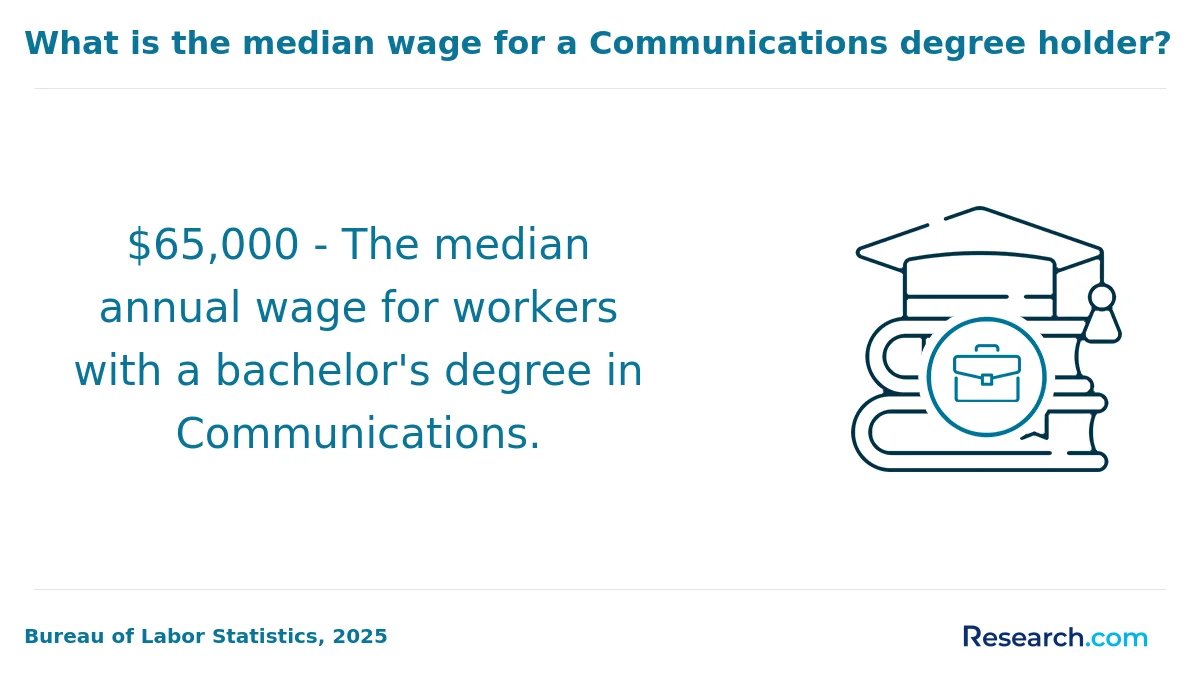
- While specific salary data for communication graduates in the West is unavailable, typical communication-related roles in the US often offer competitive wages, with many professionals earning between $50,000 and $75,000 annually.
- Communication graduates from well-known Western universities often pursue careers in public relations, marketing, media, and corporate communications, providing diverse and exciting job opportunities.
- Online communication degrees from reputable Western institutions offer flexibility and convenience, allowing students to balance work and study effectively, which many graduates find empowering and motivating.
- 2027 Most Valuable Online Master's in Communication Degree Programs Ranking in the West
- What can I expect from online communication degree in the West?
- Where can I work with online communication degree in the West?
What can I expect from online communication degree in the West?
The average cost of an online communication degree in the Western United States varies significantly depending on the type of institution. Public universities, like Oregon State University, typically offer master's programs in communication priced between $8,000 and $25,000 for the full degree, especially for in-state residents. Graduates from these programs often emphasize how the affordability allowed them to balance work and study without excessive financial stress.
Private institutions, such as the University of Southern California, tend to charge higher tuition fees, reflecting their extensive resources and networking opportunities. Despite the increased cost, graduates report that the hands-on practical experience and research focus justified the investment, contributing to confidence in entering competitive fields like digital media and strategic communication.
These tuition ranges mirror the flexible, hybrid delivery models prevalent in Western online programs, which accommodate professionals seeking career advancement. The ability to engage in synchronous and asynchronous coursework enhances value, enabling students to apply learned skills in real time to diverse sectors such as advertising, corporate communication, and public relations.
Where can I work with online communication degree in the West?
Graduates with an online communication degree from reputable Western institutions often find strong career prospects in fields like public relations, corporate communications, marketing, and media. For example, alumni from well-known universities in California and Oregon report securing roles in Silicon Valley firms managing digital marketing campaigns or developing social media strategies that resonate with diverse audiences. This is supported by U.S. Bureau of Labor Statistics data predicting a 10% growth in communication jobs across Western states between 2022 and 2032, outpacing national averages.
Many graduates thrive in government positions focused on public information and crisis communication, such as roles within Washington state agencies that demand clear, impactful messaging in health or environmental sectors. Others find rewarding careers in nonprofit organizations, where managing advocacy and fundraising campaigns online is crucial.
Higher education institutions also offer opportunities - university marketing and alumni relations offices value communication professionals skilled in digital engagement. Students often describe these roles as dynamic and fulfilling, combining strategic thinking with real-world impact across the West's vibrant economic landscape.
Graduates with an online communication degree in the Western United States can typically expect starting salaries ranging from $50,000 to $60,000 annually in major cities like Los Angeles, Seattle, and San Francisco. Many recent graduates from well-known institutions such as the University of Southern California and the University of Washington have reported entering roles like public relations specialists or digital content managers within this salary bracket.
Mid-career professionals often see their earnings rise to between $75,000 and $90,000, particularly when transitioning into managerial positions or specialized communication roles. Senior managers and directors working in tech hubs such as Silicon Valley frequently surpass $100,000 per year, reflecting the high demand for strategic communication expertise in branding and digital marketing.
Freelance communication graduates supplement income through consulting and content creation, experiencing varied but potentially lucrative earnings. Continual skill development in areas like social media analytics and crisis communication plays a crucial role in increasing salary potential, with some able to command 10-20% higher pay than generalists.
- Online communication degrees in the Western US offer flexible programs with concentrations such as media studies, corporate communication, digital marketing, and public relations.
- Tuition for these degrees typically ranges from $10,000 to $30,000 per year at public universities, with private institutions generally charging more.
- Recent graduates earn an average annual salary between $45,000 and $55,000, with experienced professionals making $70,000 or more in major Western metropolitan areas.
- The communication field in the West is expected to grow about 6% over the next decade, matching average growth in professional sectors.
- Degrees from regionally accredited institutions are recommended to ensure quality and employer recognition, often including internships or practical experience components.
Online communication degrees in the Western United States generally require three to six years for bachelor's programs, depending on whether students study full or part-time. Graduates from institutions like California State University often share how flexible pacing helped them balance work and study, enabling completion in as few as three years through accelerated tracks or extending to five or six years when managing job commitments simultaneously.
Master's degrees in the region typically take one to two years for full-time enrollees with 30 to 36 credit hours needed, while part-time students may extend their studies to three or more years. For example, University of Washington graduates frequently highlight part-time options that accommodate professional schedules. About 67% of online master's students nationwide in communication-related fields choose part-time study, reflecting the need for flexibility.
The adaptability of Western online programs allows students to tailor timelines based on personal and financial needs, thus making the academic journey manageable and rewarding without compromising life goals.
In the Western US, communication students often face a clear choice between online and on-campus degree programs, each with distinct advantages. Online degrees, such as those offered by Arizona State University or the University of Washington, provide flexibility with asynchronous classes, allowing students to balance family or work while progressing on their own schedules. Graduates frequently highlight the freedom to study evenings or weekends as a major benefit.
On-campus programs at institutions like University of California, Los Angeles (UCLA) or University of Oregon demand regular attendance, fostering spontaneous, face-to-face interactions with professors and peers. This environment supports hands-on learning using campus resources such as media labs, which graduates credit for developing practical skills in journalism and public relations.
Tuition in Western public universities averages $300-$400 per credit for in-state students, with online options sometimes offering discounted rates or fewer campus fees. However, online students might incur additional costs for technology or materials. Both delivery methods maintain regional accreditation, ensuring degree recognition among employers.
The average cost of online communication degree programs in the West typically centers around $29,742, reflecting a median total expense for completing these programs. Graduates from popular public universities such as those within the California State University system often share how manageable tuition rates combined with flexible online formats made pursuing their degrees feasible alongside full-time work. For example, residents at these institutions benefit from per-credit costs near $400, resulting in total program costs ranging between $15,000 and $20,000, making these options appealing for budget-conscious students.
In comparison, private universities in the West report higher total expenses for online master's in communication Western US students pursue, with tuition sometimes reaching $45,000 or more. However, many students describe their investment as worthwhile, highlighting strong faculty engagement and extensive networking opportunities that ultimately boosted their career prospects. The length of these programs, usually involving 30 to 36 credit hours, influences total costs significantly.
Financial aid and scholarships further ease the burden, with many students leveraging employer tuition reimbursement plans that can reduce net expenses by up to 40%. Prospective students looking for the cheapest online master's in communication often find that combining these resources with in-state tuition rates greatly improves affordability without compromising education quality.
Students pursuing online communication degrees in the West benefit from a range of financial aid sources that significantly ease tuition expenses, which vary between $15,000 and $35,000 annually. Graduates from institutions like the University of Southern California or the University of Washington often maximize federal aid by completing the FAFSA, securing Pell Grants that cover up to $7,395 per year or utilizing Direct Unsubsidized Loans with limits up to $20,500 for graduate study.
State-specific programs such as California's Cal Grant further reduce costs for eligible communication students by rewarding both financial need and academic merit. This aligns with reports from graduates who successfully leveraged these grants to maintain full-time work schedules while studying remotely. Institutional scholarships also play a crucial role; many Western universities allocate funds specifically for communication majors, recognizing the increasing demand for flexible online learning.
Employer tuition assistance programs add another layer of support, with nearly 30% of graduate students receiving financial backing from their workplaces, especially those enrolled in master's programs. Additionally, private scholarships from organizations like the National Communication Association bolster students' ability to manage expenses, enabling a more focused and confident academic journey.
Applicants aiming to enroll in online communication degree programs in the Western United States typically need a bachelor's degree from an accredited university, often in communication, journalism, or a related field. Graduates from institutions such as the University of Southern California or the University of Washington report that having a foundational academic background with at least a 3.0 GPA significantly eases admission chances. Many universities also value professional or practical experience, especially when the undergraduate degree differs from communication.
Standardized test requirements like the GRE have become less common, as many Western universities have adopted test-optional policies post-2020. This change has made programs more accessible and aligned with student feedback expressing relief and optimism about the reduced barriers.
- Letters of recommendation from academic or professional sources are critical to demonstrate readiness and motivation for graduate-level work.
- Well-written statements of purpose allow applicants to articulate career ambitions and passion for communication.
- Relevant work or internship experience can strengthen applications, particularly if the applicant's degree is outside communication.
Students often find that meeting these prerequisites, combined with technological readiness for online learning, prepares them well to thrive in their programs and advance their careers through institutions renowned in the West.
Online communication degree programs in the Western United States typically include foundational courses such as principles of communication, where students explore the history and various models of human interaction. Graduates from well-known institutions report that mastering verbal and nonverbal communication in courses like public speaking and interpersonal communication significantly boosted their confidence in professional settings.
Core curricula often feature media writing and digital communication, enabling students to develop practical skills for drafting content suitable for social media, websites, and press releases. According to the National Center for Education Statistics, around 65% of communication graduates in the West noted improved writing abilities after completing these courses.
Mass communication and media studies classes teach analytical approaches to media influence, preparing students for careers in journalism or broadcasting. Public relations coursework is another staple, focusing on organizational image management and crisis communication strategies, which graduates have found immediately applicable in real-world roles.
Hands-on digital media production courses are common, helping students produce audio, video, and multimedia content-a vital skill given the Bureau of Labor Statistics' projection of a 10% job growth in media and communication sectors through 2032 in the West.
Online communication degree specializations in the West commonly include Public Relations and Strategic Communication, focusing on managing corporate messaging and media relations. Graduates from universities known for strong communication programs, such as those in California and Washington, report feeling well-prepared to navigate brand development and crisis communication roles, with median salaries around $62,810 annually. Digital Media and Communication is another key specialization, emphasizing social media management and digital marketing. Given that 79% of U.S. adults use social media, these skills are highly valued by employers.
Health Communication is rapidly growing, especially in Western states with robust healthcare sectors. Students learning to create health campaigns and enhance patient-provider communication find meaningful career paths. Organizational Communication prepares students for internal company roles, focusing on leadership and workplace culture-skills critical in the region's expanding tech and startup scene. Journalism and Media Studies remain relevant for those aiming at digital news production and multimedia storytelling.
Those interested in exploring more options can review online bachelors degree communications to understand foundational pathways supporting these master's specializations in the West.
Choosing the best online communication degree programs West requires evaluating accreditation, cost, curriculum, and flexibility. Graduates from universities like the University of Southern California praise regional accreditation by WASC for ensuring recognized, rigorous education. Tuition varies widely; public institutions often charge between $10,000 and $20,000 for a master's degree, while private schools can exceed $30,000. Understanding these figures helps students plan financially. For example, one graduate found affordable options aligned with strong digital communication curricula at a state university, enabling skill growth without excessive debt.
Curriculum specialization is critical. Programs focusing on public relations or media studies reflect real job markets and student goals. Flexibility matters too: asynchronous coursework at many Western schools allows professionals to balance work and study efficiently. A recent graduate shared the relief of flexible scheduling, highlighting how it eased their transition back into education.
For those prioritizing affordability without sacrificing quality, exploring options like the cheapest online bachelor's in journalism can provide guidance. This data-driven approach empowers students searching for affordable online communication master's degrees West while aligning with personal and professional ambitions.
Graduates with an online communication degree in the West access diverse communication graduate jobs in the Western US, including roles as Public Relations Specialists managing media relations, Corporate Communications Managers directing organizational messaging, and Marketing and Social Media Coordinators driving digital brand campaigns. For example, students from prominent institutions like the University of Washington or California State University often secure positions in Seattle or San Francisco's tech and entertainment sectors, where communication expertise is highly valued.
Many graduates find career opportunities in emerging areas such as digital content strategy and social media analytics, fueled by the West's dynamic remote work environment. This versatility aligns with needs across healthcare, government agencies, nonprofits, and tech firms. Moreover, pursuing certifications in niche topics like crisis communication amplifies job prospects.
Those concerned with career placement can explore relevant journalism jobs that share overlapping skills with communication degrees, further broadening their employment landscape. The data-driven outlook confirms the practical benefits of earning an online communication degree career opportunities West.
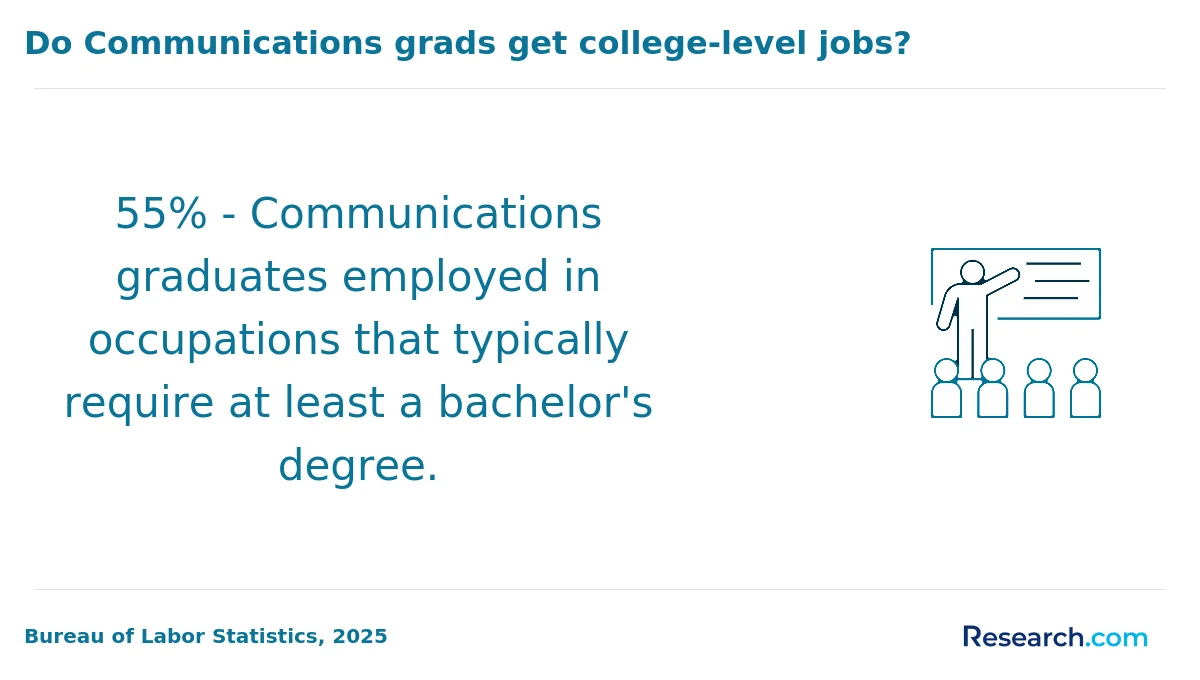
The job market for graduates with an online communication degree in the West remains vibrant and growing, supported by a roughly 11% employment increase in communication-related roles from 2022 to 2032 as reported by the U.S. Bureau of Labor Statistics. Areas such as California, Washington, and Oregon particularly benefit from this trend due to their density of tech companies, media firms, and startups. Graduates from institutions like California State University and the University of Washington find themselves in demand for positions ranging from corporate communications to media and journalism.
Students pursuing an online communication degree job prospects West can expect competitive starting salaries, with median early-career earnings between $50,000 and $65,000. Emphasizing experiential learning, many programs incorporate internships and real-world projects, enhancing graduates' readiness for the workforce. These practical opportunities often translate into roles in corporate communications, digital marketing, or nonprofit sectors. For those interested in specific roles, exploring public relations job titles and salaries offers valuable insights into the career landscape.
The West region communication degree employment opportunities reflect a strong preference for skilled communicators able to navigate digital media, investor relations, and content strategy, particularly within Silicon Valley. Graduates frequently report satisfaction with the flexibility and affordability of accredited online programs, reinforcing positive outcomes in this dynamic market.
2027 Most Valuable Online Master's in Communication Degree Programs Ranking in the West
Investing in your education is a significant decision that can shape your future, and the Research.com team understands the importance of making informed choices. To assist prospective students interested in communication, we have meticulously crafted the "2027 Most Valuable Online Master's in Communication Degree Programs Ranking in the West." Our commitment to quality, credibility, and accuracy is reflected in the extensive research and analysis conducted to compile this ranking. We utilized the following reputable data sources to ensure a comprehensive evaluation of online communication programs:
By exploring this ranking, readers will gain valuable insights into the most valuable online master's in communication programs available in the West, helping them make well-informed decisions about their educational paths. For more details on our methodology, please visit our Research.com methodology page.




Frequently Asked Questions About communication
Students pursuing online communication degrees in the West can maximize their learning by actively engaging with course materials and peers. Studies from the Western Interstate Commission for Higher Education highlight that students who participate regularly in discussion forums improve comprehension and retention. Utilizing campus resources remotely, such as virtual libraries and career services, also supports academic success. Scheduling consistent study times helps students balance coursework with professional obligations, which is crucial given many learners are working adults. Additionally, seeking internships or virtual networking opportunities within the Western states can provide practical experience aligned with program goals and regional communication trends.
Emerging niches within the communication field reflect rapid changes in technology and media consumption, especially in the Western U.S. One key area gaining traction is digital and social media management. Graduates with skills in these fields can expect strong demand, as 72% of organizations in the U.S. now increase investments in digital marketing, according to the 2023 Pew Research Center report.
Another growing niche is health communication, which focuses on effectively transmitting medical information to diverse audiences. The CDC highlights this as crucial during public health crises.
Additionally, data analytics in communication is expanding, as professionals analyze audience metrics to tailor messaging strategies. Universities such as the University of Southern California have integrated these trends into their online master's programs.
Preparing for the job market after earning an online communication degree in the West requires targeted strategies. Graduates should build a strong portfolio showcasing skills such as digital media, public relations, and strategic communication. According to the Bureau of Labor Statistics, jobs in media and communication-related fields are expected to grow 8% from 2022 to 2032, indicating steady demand.
Internships remain crucial, offering hands-on experience and networking opportunities. Many Western universities connect students with regional media firms and nonprofits. Additionally, proficiency in data analytics and social media tools can set candidates apart, as employers increasingly seek these skills.
Joining professional organizations like the Public Relations Society of America (PRSA) helps graduates access job listings and industry insights, improving career prospects.
Employers in the Western United States prioritize several key skills when hiring graduates with communication degrees. According to a 2023 report from the National Association of Colleges and Employers (NACE), strong verbal and written communication skills top the list, with 92% of surveyed employers emphasizing their importance.
In addition to communication proficiency, critical thinking and problem-solving are highly valued. The Western region's dynamic job market expects graduates to adapt messages for diverse audiences across various digital platforms. Skills in social media management and multimedia content creation are increasingly demanded.
Furthermore, teamwork and interpersonal abilities remain essential, supporting collaboration in hybrid and remote work environments common in the West's tech and media industries.
Finding internships relevant to a communication degree in the Western US often begins with university career centers, which typically maintain partnerships with local media, public relations, and marketing firms. These centers provide exclusive listings and networking events that connect students to employers.
Online platforms like Handshake and LinkedIn are also essential tools, frequently showcasing paid and unpaid internships in communication fields. According to the National Association of Colleges and Employers (NACE), approximately 60% of US internships are secured through online job boards or career services.
Additionally, joining professional groups such as the Public Relations Society of America's Western chapter can offer mentorship and exclusive internship opportunities. Local chambers of commerce or nonprofit organizations in the West also regularly offer internships for communication students seeking practical experience.
An online communication degree significantly enhances career mobility and advancement opportunities in the Western United States. According to the National Center for Education Statistics (NCES), communication-related fields are among the fastest-growing sectors, with a projected 10% job growth between 2020 and 2030. Earning a master's degree online allows professionals to gain advanced skills in digital communication, media strategy, and public relations, which are highly valued by employers in metropolitan markets like Los Angeles, San Francisco, and Seattle.
Employers increasingly prefer candidates with formal education in communication, as reported by the Bureau of Labor Statistics. Graduates often experience promotion potential and salary increases, with median wages for communication specialists in the West exceeding the national average by approximately 8%. This degree helps build versatile skills suited for diverse roles, from corporate communications to marketing management, supporting upward career trajectories.
Studying for a communication degree in the Western US equips students with versatile skills applicable across multiple fields. Programs emphasize interdisciplinary learning, combining communication theory with insights from psychology, business, and technology.
This approach enables graduates to navigate diverse professional environments, from marketing to public relations and digital media. According to the National Center for Education Statistics, over 30% of communication graduates in the West pursue interdisciplinary careers within five years of graduation.
Many online programs in the region incorporate project-based learning and collaborations, allowing students to apply communication strategies in various contexts. This prepares students for roles that require adaptability and broad knowledge.
Furthermore, Western universities often partner with industries to ensure curricula reflect evolving workplace demands, enhancing graduates' employability.
When choosing between a thesis and a non-thesis online communication degree program in the West, consider your career goals and learning preferences. Thesis programs focus on original research, ideal for students aiming at academic or research roles. They usually require 6-12 months for thesis completion and involve close faculty mentorship. Non-thesis options emphasize practical skills, with coursework and projects, suited for professionals targeting management or applied communication positions.
A 2023 survey by the National Communication Association reports that 60% of Western US communication graduates preferred non-thesis paths due to faster completion and job readiness. Cost and program flexibility also influence the decision, as non-thesis tracks often allow more elective choices.
Students based in the Western United States who want to study communication abroad have several online options from accredited U.S. institutions. Many universities offer fully online master's programs designed to accommodate working professionals and remote learners. For example, California State University and the University of Washington provide flexible communication degrees with specializations like digital media and organizational communication.
According to the National Center for Education Statistics, online enrollment in communication programs increased by over 20% between 2018 and 2022. These programs often include global case studies and collaborative projects with international peers, enriching students' understanding of communication in diverse environments. Moreover, tuition rates for these online degrees in the West vary widely but tend to be more affordable than traditional study abroad costs.
Some programs offer international internships or virtual exchange opportunities to gain cross-cultural experience without leaving the country. Students should research accreditation and faculty expertise to ensure quality. Resources such as the Western Association of Schools and Colleges provide valuable guidance when choosing programs in the West.
Part-time jobs that complement an online communication degree in the Western United States often include roles in social media management, content creation, and public relations support. These positions provide practical skills aligned with academic learning, helping students build portfolios and professional networks.
According to the U.S. Bureau of Labor Statistics, communication-related jobs like public relations specialists and market research analysts are expected to grow by 11% through 2032 in the Western region, creating valuable opportunities for students to gain experience.
Internships and freelance writing for local businesses or media outlets also enhance understanding of messaging strategies in real-world contexts, offering flexible work schedules suitable for students.
Online communication students in the Western United States benefit from diverse networking opportunities tailored to the digital education format. Many universities partner with local media outlets, tech firms, and public relations agencies, facilitating virtual internships and professional mentorships. The region's focus on technology and innovation allows students to connect through online workshops and regional conferences.
Professional organizations like the Public Relations Society of America (PRSA) and the National Communication Association (NCA) host virtual events accessible to students statewide. According to NCA, over 70% of communication students in the West engage in such organizations, increasing their employment prospects.
Additionally, schools often provide alumni networking platforms, linking current students with industry professionals across California, Oregon, and Washington.
Alumni networks play a crucial role in the success of online communication degree students in the Western United States. These networks provide valuable opportunities for mentorship, helping recent graduates navigate the competitive job market.
Many Western universities with communication programs boast extensive alumni communities, offering access to industry professionals and exclusive job postings. According to a 2023 report by the National Communication Association, nearly 65% of communication graduates found jobs through alumni referrals.
Such networks also facilitate professional development through workshops and networking events, often hosted virtually to accommodate online students. This support helps students build lasting connections that enhance career growth.
Customizing an online communication degree in the Western U.S. allows students to align their education with specific career paths. Many Western universities offer concentrations such as digital media, corporate communication, or public relations. According to the Western Interstate Commission for Higher Education (WICHE), tailoring coursework by selecting electives related to emerging technologies or strategic communication enhances job readiness.
Students can also pursue practical experiences through virtual internships or capstone projects, which some schools in California and Washington emphasize. Flexibility in course pacing and access to diverse faculty expertise makes these programs adaptable. Exploring school-specific options helps maximize potential and fit individual professional goals.
Online communication students in the Western US face several notable challenges. First, maintaining engagement can be difficult, as 42% of distance learners report feeling isolated during their studies, according to the National Center for Education Statistics. This issue is prevalent in communication fields that rely heavily on interaction and feedback.
Secondly, balancing coursework with work and personal responsibilities remains a major hurdle for many adult learners. Time management skills are crucial, especially since online programs typically require self-discipline without the structure of traditional classrooms.
Technical issues also impact student success. Reliable internet access and familiarity with digital platforms are essential, yet some students struggle with both. Institutions continue to work on improving virtual resources to better support learners in real time.
Graduates with an online communication degree in the Western United States can enhance their careers by pursuing several professional certifications. One popular option is the Certified Communication Professional (CMP), offered by the Global Communication Certification Council, which validates skills in strategic communication and leadership.
Another relevant certification is the Accredited Business Communicator (ABC), recognized nationally and respected by employers for expertise in corporate communications, public relations, and digital media. According to the National Communication Association, holders of ABC often see improved job prospects and salary growth.
Additionally, certifications like Project Management Professional (PMP) and Digital Marketing Certifications from institutions such as the American Marketing Association complement communication degrees by broadening skill sets applicable in diverse industries in the West.
Writing a winning application for an online communication program in the Western US begins with clear articulation of your career goals. Admissions committees in institutions like the University of Southern California and University of Washington value candidates who demonstrate focused interest in communication fields. According to the National Center for Education Statistics, programs often seek applicants with relevant experience or academic background in media, public relations, or digital communications.
Highlight your practical skills by including specific examples of work, such as internships or freelance projects. Strong letters of recommendation from communication professionals can enhance your profile. Additionally, tailor your personal statement to explain why you chose an online format and how it fits your career path, showing awareness of program flexibility and technology use.
Global perspectives on a communication career show growing demand for professionals skilled in media, public relations, and digital communication. In the United States, the Bureau of Labor Statistics projects a 9% growth in communication-related jobs from 2022 to 2032, faster than the average for all occupations.
Western universities emphasize online communication degrees that integrate multimedia skills with strategic messaging to meet global market needs. Graduates often find opportunities in international organizations and multinational corporations seeking expertise in cross-cultural communication.
According to the National Communication Association, skills in digital media and intercultural interaction remain critical as communication careers increasingly involve global audiences. This trend encourages students to pursue degrees that prepare them for diverse communication challenges worldwide.
Gaining practical experience while pursuing an online communication degree in the Western US is essential for career readiness. Many programs incorporate internships, allowing students to work remotely with media outlets, nonprofits, or corporations. According to the National Association of Colleges and Employers, 60% of employers prefer candidates with internship experience.
Students can also participate in virtual student media, managing digital content or social media campaigns for campus organizations. Furthermore, project-based courses often simulate real-world communication challenges, offering hands-on practice.
Networking through online alumni groups and local professional chapters like the Public Relations Society of America helps build industry connections crucial for internships and job placements.
Choosing the right concentration within an online communication degree in the Western US depends on your career goals and interests. Popular concentrations include digital media, public relations, corporate communication, and health communication. According to the National Communication Association, areas like digital media are growing rapidly due to increased demand for online content expertise.
Research regional job markets; for instance, California and Washington show strong growth in tech and digital content roles, while states like Colorado emphasize organizational communication. Many programs offer flexibility, so consider concentrations aligning with industries prominent in your state.
Also, evaluate program curriculum and faculty expertise. Accredited programs often provide detailed course descriptions to help you decide. Take advantage of virtual open houses and advisor consultations to clarify how each concentration matches your professional goals.
- How Long is an Online Master’s in Communication Program? https://www.onlineeducation.com/communication/faqs/how-long-to-earn-a-communications-masters-degree-online
- Targeted communication strategy for alumni community https://www.alumnforce.com/en/targeted-communication-strategy-for-alumni-networks-how-to-create-lasting-commitment/
- CONCENTRATIONS IN COMMUNICATION https://www.villanova.edu/university/liberal-arts-sciences/programs/communication/undergraduate-program/major/specializations.html
- Study Media Abroad: 2026 Global Guide to Courses & Careers https://www.hotcoursesabroad.com/subject/media/
- Industry-Driven Certifications for Communication Professionals https://online.maryville.edu/communication-degrees/communication-certifications/
- 2025 Most Affordable Online Communications Degrees https://www.onlineu.com/most-affordable-colleges/communications-degrees
- Gaining practical experience with PR and Digital Communications - Made in Salford https://blogs.salford.ac.uk/made-in-salford/2021/05/06/studying-pr-digital-communications-university-of-salford/
- 10 Essential Networking Tips for Students to Help Build Strong Connections - Luxury Student Homes https://www.luxurystudenthomes.co.uk/networking-tips-for-students/
- Master's in Communication Salaries by Career and Position (2025 Update) https://www.mastersincommunications.com/faqs/masters-in-communication-salary
- What You Can Do with a Communications Degree https://www.cune.edu/news/what-you-can-do-communications-degree