2027 Easiest Online Communication Degree Programs Ranking in Arizona

Co-Founder and Chief Data Scientist
Choosing the right communication degree program can feel overwhelming, especially with so many options available. This article introduces the 2027 Easiest Online Communication Degree Programs Ranking in Arizona, created by the Research.com team of data scientists to guide you toward programs that fit your goals.
By exploring this ranking, you'll gain valuable insights that make your decision easier and more informed. Earning a communication degree can open doors to exciting career opportunities and personal growth.
Take the first step toward a brighter future with confidence and clarity.
Key benefits of getting online communication degree in Arizona
- Communication degree graduates in the US typically earn mean annual wages around $60,000, reflecting strong earning potential and financial stability after graduation.
- Career paths for communication graduates in Arizona include roles in public relations, marketing, media, and corporate communication, offering diverse opportunities to apply skills creatively in dynamic industries.
- Completing an online communication degree from a reputable Arizona university allows flexible scheduling and the ability to balance work or family, making education more accessible and convenient without compromising quality.
- 2027 Easiest Online Communication Degree Programs Ranking in Arizona
- What can I expect from online communication degree in Arizona?
- Where can I work with online communication degree in Arizona?
What can I expect from online communication degree in Arizona?
The average cost of an online communication degree in Arizona varies but often remains within reach for many students, especially when considering in-state tuition rates at public universities. Graduates from programs such as Arizona State University frequently share how accessible tuition, combined with financial aid and scholarships earmarked for communication majors, made pursuing their degree feel like a genuine investment rather than a burden.
These students recount balancing coursework with jobs or family, appreciating the affordability that Arizona's public universities offer without sacrificing educational quality. The practicality of cost aligns well with the program's strong focus on real-world skills like media production and communication strategies.
Imagine a working professional choosing ASU's online Bachelor of Arts in Communication, relieved to find tuition competitive enough to afford while gaining access to experienced faculty and hands-on opportunities such as virtual internships. This financial balance often empowers learners to focus more fully on developing competencies that matter in sectors ranging from healthcare to journalism within Arizona's dynamic job market.
Where can I work with online communication degree in Arizona?
Graduates from Arizona State University's online communication program often find themselves immersed in thriving industries across the state, from Phoenix's bustling media firms to Scottsdale's healthcare organizations. Many recall landing roles in public relations where crafting precise, engaging messages made a tangible difference in community outreach efforts. This hands-on experience in local settings challenges the notion that communication degrees are too broad or vague for direct career impact.
Graduates report entering diverse roles like social media management for tech companies in Tempe or corporate communication coordination in Chandler, where the demand for digital storytelling is booming. These positions leverage skills honed through local case studies and regional projects, making graduates feel uniquely prepared for Arizona's evolving business landscapes.
Universities such as the University of Arizona and Northern Arizona University highlight how online students transition smoothly into education sectors, serving as advisors or instructors who connect with growing student populations. Their stories reveal a common thread: opportunities in Arizona's communication fields are not only plentiful but filled with rewarding challenges that push graduates beyond traditional expectations.
Graduates with an online communication degree in Arizona often find themselves navigating a dynamic salary landscape shaped by city, experience, and industry shifts. For instance, those who studied at major institutions like Arizona State University or the University of Arizona frequently start with salaries between $40,000 and $50,000 annually in entry-level roles, especially within Phoenix or Tucson's vibrant media markets.
With time and strategic skill-building-such as mastering digital analytics or social media management-many climb toward earnings in the $70,000 to $100,000 range. Imagine a graduate leveraging freelance work alongside a corporate communications role, pushing their income beyond traditional boundaries and embracing the flexibility that online degrees offer.
These salary ranges reflect a compelling reality: Arizona's communication sector is not static but growing, fueled by tech and marketing innovations that reward adaptability and creativity. Graduates who actively engage with local networks and professional certifications often unlock stronger financial returns, turning their degree into both opportunity and lasting professional satisfaction.
- Online communication degrees in Arizona cost between $20,000 and $40,000, depending on the school and residency status.
- Graduates typically start with an average salary of about $45,000 per year, which can increase to $70,000 or more with experience.
- Employment in communication fields in Arizona is expected to grow by roughly 10% over the next decade, matching the national average.
- Major job opportunities are concentrated in Phoenix and Tucson due to their business and media presence.
- Programs focus on skills like digital media, interpersonal communication, and strategic messaging, including internships and networking chances.
Completing an online communication degree in Arizona is rarely a one-size-fits-all journey. Graduates from institutions like Arizona State University often share how full-time study lets them finish their bachelor's in about four years, matching national expectations. Yet many working adults at community colleges, balancing jobs and family, find themselves spreading their studies over five to six years-and they view this flexibility as empowering rather than limiting.
Associate degrees, typically taking two years, offer a quick yet solid foundation in public speaking and media, especially popular at institutions like Maricopa Community Colleges. Meanwhile, master's candidates experience durations from 18 months to three years, with some accelerated programs inviting motivated students to finish sooner.
Arizona's robust transfer credit system and year-round course options often surprise students, shortening timelines unexpectedly. Imagine transferring credits from a local college and being on track to graduate faster than peers nationwide; this personalized pacing fuels pride and motivation. It demonstrates how online degrees here are uniquely adaptable, matching a student's life rhythm while delivering valued communication skills.
Choosing between online and on-campus communication degrees in Arizona reveals more than just location differences-it challenges how students engage with their education. Online learners, often balancing work or family, find freedom in asynchronous courses offered by programs like those at Arizona State University. They experience the thrill of managing their own schedules while diving into digital communication strategies from any corner of the state or beyond. This flexibility sparks a strong sense of independence and adaptability that graduates cherish.
Conversely, on-campus students at institutions such as the University of Arizona relish face-to-face interactions-powerful moments in lively seminars or networking events that feel irreplaceable. These students describe the energy of real-time debates and peer collaborations as key to sharpening their public speaking and interpersonal skills.
Financially, online paths often reduce commuting and housing costs, which is a relief for many Arizona residents. Yet, it's not merely savings; it's about cultivating self-discipline in virtual forums versus the dynamic atmosphere of campus life. The choice invites reflection on what kind of engagement makes communication skills truly "stick" in your own journey.
The average cost of an online communication degree in Arizona hovers around $60,780, reflecting a balance between affordability and quality. Many graduates from Arizona State University, renowned for its communication programs, recall managing tuition that averaged roughly $550 per credit hour for in-state students. The total tuition often nears $66,000 for a bachelor's degree, a significant investment but one that aligns with the value they received through flexible learning and comprehensive course offerings.
For those seeking more economical pathways, local community colleges and state universities offer online associate degrees at a fraction of that cost-between $9,000 and $18,000-using tuition rates from $150 to $300 per credit hour. These options provide meaningful stepping stones for students focusing on practical communication skills without the pressure of a large financial burden.
Private universities in Arizona, however, can make the total tuition soar up to $144,000 for a bachelor's degree in communication, often leaving students reflecting on the true cost of prestige versus practical value. Yet, many students find encouragement through available financial aid and scholarship options, which help to ease the weight of tuition expenses.
Understanding the total tuition and fees for online communication degrees Arizona offers encourages future students to consider not only the price but the broader investment in their career. For those curious about alternative paths, exploring easy online communication degree programs may also provide valuable insight into affordable and accessible options.
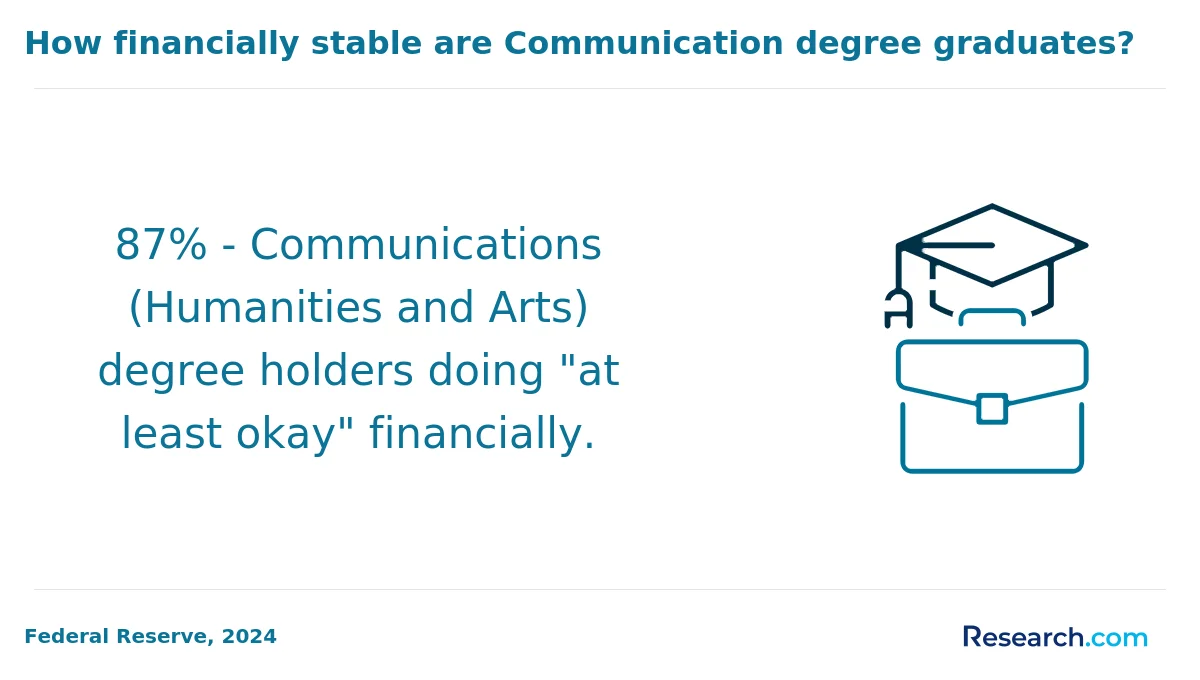
Many students pursuing an online communication degree in Arizona find financial aid to be more accessible than expected, especially through federal options like Pell Grants and federal student loans obtained via FAFSA. These supports relieve significant financial pressure, allowing students to focus on mastering communication strategies instead of stressing over tuition. For example, graduates from Arizona State University often mention how Pell Grants combined with university scholarships helped them stay enrolled without piling up overwhelming debt.
Arizona's state-specific programs, such as AzLEAP grants, offer another vital layer of relief for residents. A typical scenario involves students balancing work and classes, relying on these need-based grants to ease costs while maintaining half-time enrollment, which is key to eligibility.
Additionally, institutional scholarships from popular Arizona institutions frequently reward merit and leadership. Graduates recall receiving grants that felt like recognition of their unique journeys-whether they switched careers or juggled family responsibilities-fueling motivation rather than just checking financial boxes.
Private scholarships from organizations like the National Communication Association often supplement this mix, turning small financial boosts into meaningful progress toward a degree. The flexible schedules of Arizona's online programs make this financial patchwork possible, allowing students to thrive despite constraints.
Prospective students eyeing an online communication degree in Arizona quickly realize the foundational role of a high school diploma or GED. Graduates from universities like Arizona State often recall the reassurance of meeting this basic step, which opens doors to broader academic exploration. The GPA thresholds-typically around 2.0 to 2.5 for undergraduates-may seem modest, yet they challenge students to reflect on their persistence and academic habits before embarking on rigorous communication studies.
Many find it encouraging that standardized tests such as the SAT or ACT are increasingly test-optional, especially for online learners, making the path less daunting. Applicants sometimes share how submitting personal statements and letters of recommendation surfaces their passion for effective storytelling-a core of communication itself.
Beyond paperwork, practical readiness like computer literacy and reliable internet access becomes essential, echoing the experiences of Arizona universities' online graduates who emphasize staying connected and engaged in virtual classrooms. For non-native English speakers, demonstrating proficiency through TOEFL or IELTS exams reinforces a commitment to mastering language nuances pivotal in communication careers.
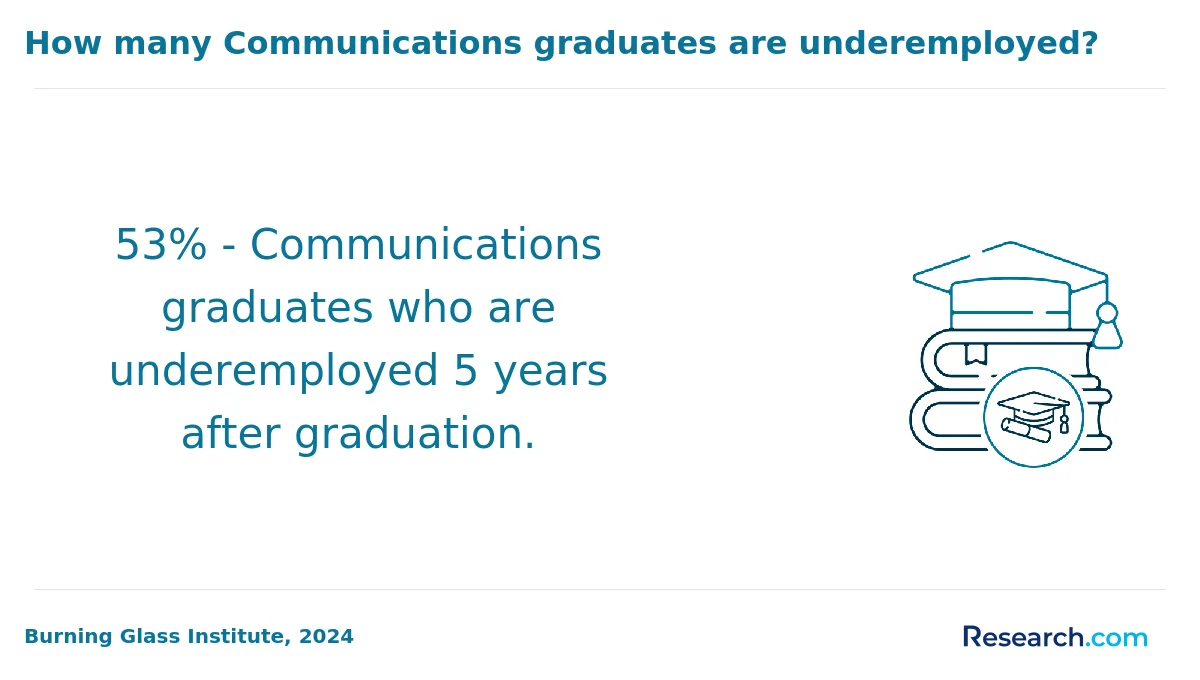
Online communication degree programs in Arizona typically immerse students in courses that go beyond basic theory, encouraging them to navigate real-world challenges. Graduates from well-known Arizona universities often recall how Introduction to Communication laid the foundation for understanding not just human interaction but also the cultural nuances unique to Arizona's diverse population.
Practical courses like Media Writing and Production put students in the driver's seat, simulating the fast-paced nature of creating compelling content for today's digital platforms, a skill highly praised by graduates entering Phoenix's competitive media market.
Empathy and clarity take center stage in Interpersonal Communication, where students reflect on their own experiences resolving conflicts or building relationships, preparing them to thrive both personally and professionally.
Arizona students studying Public Speaking often describe a transformative boost in confidence, vital for engaging Arizona's varied communities.
Courses like Communication Research Methods and Mass Media and Society challenge students to critically analyze local and national media influences, cultivating a more informed and thoughtful approach to communication.
Finally, Organizational Communication equips students with the strategies needed to lead effectively within Arizona's dynamic workplaces, from tech startups to healthcare organizations.
Online communication degree specializations Arizona students select reveal a keen awareness of the evolving media landscape. Graduates from institutions like Arizona State University speak highly of the Public Relations and Strategic Communication concentration, where mastering crisis communication felt like preparing for real-world high-stakes scenarios. Another popular route is Digital and Social Media Communication, which resonates deeply with those who thrive on crafting compelling campaigns that cut through the noise of endless online content. The Arizona communication degree concentration options also include Interpersonal and Organizational Communication, which graduates describe as eye-opening, enhancing their ability to navigate complex team dynamics and leadership challenges.
Health Communication, an emerging specialization at universities like the University of Arizona, draws students motivated by a sense of purpose in improving public health messaging during critical times. Meanwhile, Media Studies and Journalism continue to attract those passionate about storytelling and ethical reporting. These specializations align with Arizona's unique workforce needs and invite students to tap into a rich variety of opportunities reflected in the job outlook for communications majors.
Choosing the best online communication degree Arizona demands more than just scanning course catalogs; it requires tuning into the nuances of each program. Graduates from well-known universities in the state often highlight how accreditation by agencies like ACEJMC shaped their credibility in the job market. Imagine balancing a full-time job with a flexible schedule offered by evening or asynchronous classes popular among Arizona public universities-that's a game-changer for working students aiming to advance without compromise.
Look beyond tuition fees and consider how programs incorporate modern communication trends-digital media, ethics, strategic messaging-critical for today's fast-evolving industry. Graduates recall how hands-on faculty expertise, combined with strong student support, made all the difference during tough assignments or career planning. For those focusing on affordability, exploring resources on the cheapest online bachelor's in journalism can illuminate paths to affordable communication programs Arizona that don't sacrifice quality.
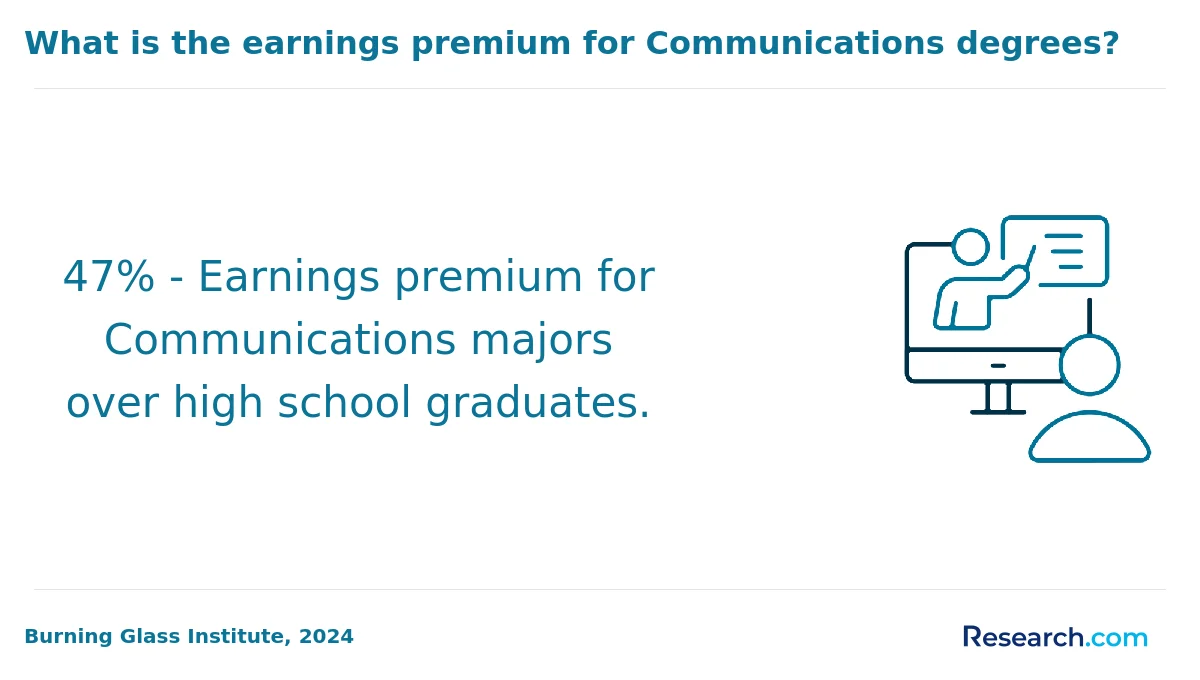
Graduates with an online communication degree in Arizona find themselves stepping into a vibrant job market that defies traditional career expectations. Far beyond basic roles, pathways span from public relations specialists enhancing brand visibility in Phoenix's bustling corporate scene to social media managers driving engagement for local businesses. Many Arizona State University graduates recall how their hands-on training prepared them not just for jobs, but for impactful roles as corporate communications coordinators, weaving internal messaging that shapes company culture.
Exploring career options with communication degree Arizona offers reveals a spectrum that includes journalists and broadcast reporters thriving at dynamic local news outlets or digital platforms, fueled by the state's growing media ecosystem. Similarly, marketing communications specialists play pivotal roles in thriving sectors like healthcare and technology, sectors that welcome versatile communicators who can navigate complex narratives. Some graduates find their passion through networking and internships, understanding how communication expertise translates into tangible influence.
For those inspired by storytelling and reporting, there's a wealth of opportunity in journalism jobs across Arizona's diverse media outlets, proving that online communication degrees open doors in unexpected, ever-evolving fields.
The job market for those with an online communication degree in Arizona is both dynamic and promising, defying assumptions that digital learning might limit opportunities. Graduates from well-known institutions like Arizona State University often find themselves immersed in the state's vibrant economic sectors-technology, healthcare, and education-where communication skills are highly sought after. These graduates frequently share how their online studies prepared them to manage digital content and stakeholder engagement fluently, skills essential in Phoenix's competitive job environment.
Arizona's communication degree employment outlook reflects steady growth, with roles such as public relations specialists and market research analysts earning median salaries around $62,000 to $70,000. This aligns with broader national trends, but what surprises many is how local employers increasingly value the online communication competencies these graduates bring. In fact, exploring public relations job titles and salaries reveals a strong demand for adaptable professionals who can navigate evolving media landscapes.
One graduate's story from a popular Arizona college captures this well-moving seamlessly from online studies to a hybrid role in corporate communications, blending remote work with on-site collaboration. Such experiences illustrate the inherent flexibility an online communication degree offers, making it a compelling option for those balancing life and education. These real-life scenarios underscore the upward trajectory that Arizona's job market provides for online communication degree jobs Arizona candidates.
2027 Easiest Online Communication Degree Programs Ranking in Arizona
Investing in your education is a significant decision that can shape your future, and the Research.com team understands the importance of making informed choices. To assist prospective students, we have meticulously crafted the "2027 Easiest Online Communication Degree Programs Ranking in Arizona." Our commitment to quality, credibility, and accuracy is reflected in the extensive research and analysis conducted to compile this ranking.
We utilized the following reputable data sources to ensure a comprehensive evaluation of communication degree programs:
By exploring this ranking, readers will gain valuable insights into the easiest online communication degree programs in Arizona, helping them make informed decisions about their educational paths. For more details on our methodology, please visit our Research.com methodology page.


Frequently Asked Questions About communication
Online communication degree students in Arizona can maximize their learning by actively engaging with course materials and leveraging available technology. Participating in discussion boards and virtual group projects enhances collaboration skills critical in communication careers. Arizona schools often provide access to digital libraries and media labs, resources students should utilize fully. Networking with peers and faculty through online events can also broaden professional connections.
Students should maintain consistent study schedules, balancing flexibility with discipline. According to the Arizona Board of Regents, communication degrees grow by 8% statewide, reflecting strong local demand, so internships and practical experiences via online platforms can be especially beneficial. Taking advantage of career services and virtual workshops further prepares students for the evolving communication field.
The field of communication is rapidly evolving, creating new and specialized areas of study. Emerging niches include digital and social media communication, which focuses on managing online platforms and crafting strategies for social engagement. Arizona schools are increasingly offering online programs that emphasize this skill set, responding to a growing local job market in tech and media. Another niche is health communication, where professionals develop messaging strategies to improve public health outcomes, a sector showing steady growth in Arizona according to the Bureau of Labor Statistics.
Data analytics for communication strategies is also rising in importance, combining statistical analysis with communication theory. This niche is critical for companies wanting to measure campaign success and audience behaviors. Additionally, crisis communication has gained relevance, especially for organizations responding to global challenges and local emergencies.
Preparing for the job market after completing an online communication degree in Arizona involves strategic planning and practical experience. Graduates should focus on building a strong portfolio showcasing skills in digital media, public relations, and interpersonal communication, which align with employer demands in the state. According to the Arizona Office of Economic Opportunity, communication roles are projected to grow by 7% between 2022 and 2032, indicating healthy job prospects.
Networking is essential; students should join local professional groups like the Arizona Communication Association. Internships or remote work opportunities provide valuable industry exposure and increase employability. Additionally, acquiring proficiency with communication tools and analytics software frequently used by Arizona employers can give candidates a competitive edge.
Employers in Arizona seeking graduates with communication degrees prioritize strong interpersonal and digital communication skills. According to the Arizona Commerce Authority, effective verbal and written communication ranks among the top abilities expected in roles from public relations to corporate communications. Additionally, critical thinking and problem-solving skills are essential, allowing graduates to adapt messages for diverse audiences.
Proficiency in media literacy and content creation is increasingly important, reflecting the growth of digital marketing jobs in Phoenix and Tucson. Data from the Bureau of Labor Statistics also highlights teamwork and collaboration as key attributes that enhance workplace success in Arizona's communication fields.
Finding internships in Arizona relevant to a communication degree involves leveraging multiple local resources. Many universities in Arizona partner with businesses and media outlets to provide internship placements for communication students. For example, Arizona State University's Walter Cronkite School of Journalism connects students with internships in Phoenix's growing media industry. Additionally, students should explore listings on platforms like Handshake and LinkedIn, filtering for internships in communication fields within Arizona.
Networking through local professional groups such as the Arizona Public Relations Society of America (PRSA) chapter can also open doors. The state's expanding technology and marketing sectors provide diverse opportunities, reflecting a 7% growth in communications jobs projected by the U.S. Bureau of Labor Statistics through 2028 in the Southwestern region.
An online communication degree in Arizona significantly enhances career mobility and advancement opportunities. The state's growing industries, including media, public relations, and corporate communications, increasingly value professionals with strong communication skills. According to the U.S. Bureau of Labor Statistics, Arizona's employment in communication-related fields is expected to grow by 6% from 2022 to 2032, slightly faster than the national average.
Graduates with an online communication degree gain practical skills in digital media, public speaking, and strategic communication that employers seek. This versatility allows professionals to transition across various sectors such as healthcare, education, and government.
Furthermore, online degrees offer flexibility, enabling students to continue working while studying, which helps maintain and expand professional networks essential for career growth in Arizona.
Studying for a communication degree in Arizona equips students with versatile skills suitable for interdisciplinary roles across various industries. Programs often emphasize critical thinking, media literacy, and strategic communication, which are highly valued in fields like marketing, healthcare, education, and public relations. Arizona's universities tailor their curricula to address regional economic needs, with over 60% of communication graduates finding roles outside traditional media within two years, according to the Arizona Board of Regents.
Online communication degrees specifically offer flexible learning that integrates technology, cultural studies, and business principles. This multidisciplinary approach prepares students to adapt in dynamic work environments. Students also gain experience in digital communication platforms, essential for roles in today's interconnected economy.
When choosing between a thesis and a non-thesis online communication degree in Arizona, consider your career goals. Thesis programs require conducting original research and writing a detailed paper, ideal for students aiming for research, academic, or advanced study roles. Non-thesis options focus more on practical skills and coursework, suitable for professionals targeting immediate employment in industries like public relations or media.
According to the National Center for Education Statistics, Arizona awards over 500 communication-related degrees annually, with many programs offering both options. Thesis paths often take longer but provide strong analytical training. Non-thesis programs typically finish faster, allowing quicker entry into the workforce.
Evaluate faculty expertise, program reputation, and potential networking opportunities when deciding. Also, consider that some Arizona employers in communications value hands-on experience, which non-thesis programs emphasize.
Students in Arizona seeking to study communication abroad through online degree programs have several pathways. Many Arizona universities with communication programs offer international study options, including virtual exchange programs and partnerships with overseas institutions. These programs allow students to gain global communication perspectives without leaving the state.
For example, Arizona State University, a leading institution in online education, provides global learning experiences integrated within its communication curriculum. Additionally, consortiums like the Study Abroad Office at the University of Arizona facilitate international collaboration opportunities for remote learners.
While studying abroad traditionally involves travel, online communication degrees increasingly emphasize intercultural competence through technology, supporting Arizona students in gaining essential global skills from home.
Part-time job opportunities in Arizona can effectively complement an online communication degree by providing practical experience. Common roles include social media coordinator, public relations assistant, and content writer. These positions help students apply theoretical communication concepts in real-world settings.
Arizona's growing digital marketing sector offers internships and part-time roles, especially in cities like Phoenix and Tucson. According to the Arizona Office of Economic Opportunity, the state's media and communication industry is expected to grow by 6% from 2022 to 2032, creating opportunities for students to build relevant skills.
Working part-time in nonprofit organizations, local government, or marketing agencies allows students to enhance skills like interpersonal communication, media relations, and digital content creation. These experiences align well with the competencies sought by employers in communication careers across Arizona.
Online communication students in Arizona benefit from several networking opportunities connected to the state's vibrant media and public relations industries. Many Arizona universities offering online degrees organize virtual events, workshops, and guest speaker sessions featuring industry professionals. The Arizona Communication Association regularly hosts conferences and seminars, providing a platform for students to connect with peers and experts.
Additionally, students can engage in internships with Phoenix-based media outlets, such as Arizona PBS and local radio stations, which often partner with universities for remote internships. According to the U.S. Bureau of Labor Statistics, Arizona's employment in media and communications roles has grown by over 10% in recent years, emphasizing expanding local networks.
Alumni networks provide valuable support to online communication degree students in Arizona by fostering connections within a professional community. Graduates often share job leads, internship opportunities, and industry insights that can enhance career prospects.
Many Arizona universities with communication programs maintain active alumni associations, offering mentorship programs and networking events tailored to communication fields. Such resources are crucial for students balancing online studies with personal commitments.
According to the Arizona Board of Regents, strong alumni networks have improved employment rates for communication graduates by up to 15% in recent years. This demonstrates the practical benefits of these connections in a competitive job market.
Students engaged with alumni can access guidance on local media markets and communication trends specific to Arizona, which helps them align their skills with state industry demands.
Customizing an online communication degree program in Arizona allows students to align their education with specific career goals. Many Arizona universities offer options to choose electives such as media relations, public speaking, or digital communication. This flexibility helps students gain skills relevant to fields like marketing, journalism, or corporate communication.
Students can also select internship opportunities or capstone projects focused on Arizona-based industries, enhancing practical experience. According to the Arizona Board of Regents, tailoring coursework to local market demands improves job placement rates by up to 15% in communication careers.
Additionally, some programs provide certificate tracks or minors, allowing further specialization within communication studies.
Online communication students in Arizona often face challenges related to engagement and access. Many find it difficult to fully participate in interactive discussions, which are crucial for developing communication skills. According to a 2023 report by the Arizona Board of Regents, approximately 35% of online learners in the state report feelings of isolation during their studies.
Time management is another common hurdle. Balancing coursework with work and personal commitments can be challenging, especially since online programs require more self-discipline. Additionally, limited access to reliable high-speed internet in some rural Arizona areas impacts students' ability to attend live sessions and submit assignments promptly.
Technical issues and adapting to digital platforms also add to the complexity, as not all students are equally tech-savvy. These challenges emphasize the need for robust student support and flexible learning options within Arizona's online communication programs.
With an online communication degree, Arizona students can pursue several professional certifications to enhance their careers. Popular options include the Accredited in Public Relations (APR) certification, which validates expertise in strategic communication and ethical practices.
Another common certification is the Certified Professional in Learning and Performance (CPLP) from the Association for Talent Development. This is valuable for those focusing on organizational communication and training.
Arizona's growing media and corporate sectors often seek professionals with the Digital Marketing Certified Associate (DMCA) credential to show proficiency in online communication strategies.
These certifications demonstrate skills that can lead to higher salaries and better job opportunities in the state.
Writing a winning application for an online communication program in Arizona requires careful attention to detail and clear demonstration of your passion for the field. Start by researching the specific programs offered by Arizona universities, focusing on their unique features such as specialization areas or faculty expertise.
Highlight your relevant academic background and any experience in media, public relations, or digital communication. Arizona's growing communication industry benefits from graduates skilled in digital storytelling and social media management, so emphasize skills in these areas when possible.
Strong personal statements that align your career goals with the program's offerings can improve your chances significantly. Make sure to proofread carefully and seek feedback before submission.
Communication careers hold significant value worldwide, reflecting diverse global markets and cultures. In the United States, and specifically in Arizona, the demand for skilled communication professionals continues to rise. According to the U.S. Bureau of Labor Statistics, job growth for roles such as public relations specialists and communication managers is projected at 11% nationally through 2031, which aligns with trends observed in Arizona's growing media, technology, and business sectors.
Globally, communication skills are essential for navigating multicultural environments and digital platforms. Employers increasingly seek graduates who can adapt messaging for international audiences, making online communication degrees particularly versatile for students in Arizona looking to work beyond local markets.
Arizona's universities have responded by incorporating global communication concepts in their curricula, preparing students for careers that span borders and industries, reflecting the interconnected nature of today's workforce.
Gaining practical experience while studying for an online communication degree in Arizona is essential for career readiness. Many accredited Arizona universities offer internship opportunities that can be completed remotely, allowing students to apply classroom concepts in real-world settings. Internships often involve working with local businesses, media outlets, or nonprofit organizations.
Students can also participate in project-based courses, which simulate professional communication tasks, such as public relations campaigns or digital content creation. Additionally, joining online student media groups or communication clubs provides hands-on experience and networking within Arizona's communication industry.
According to the Arizona Board of Regents, approximately 60% of communication students secure internships before graduation, improving their employability.
Choosing the right concentration within an online communication degree in Arizona involves considering your career goals and interests. Popular concentrations include digital media, public relations, and organizational communication, each aligned with different industries. Arizona's growing media and tech sectors offer expanding opportunities, especially in digital content and corporate communications.
Researching job market trends in Arizona can help guide your choice. For instance, the Arizona Office of Employment and Population Statistics highlights steady growth in media-related fields, indicating strong demand for graduates with skills in digital communication and marketing.
Additionally, review course offerings and seek programs that provide practical skills such as social media management or crisis communication to enhance employability. Consulting academic advisors or industry professionals can also offer valuable insights tailored to your ambitions.
- 2027 Easiest Online Communication Degree Programs Ranking in Colorado
- 2027 Easiest Online Communication Degree Programs Ranking in Kansas
- 2027 Easiest Online Communication Degree Programs Ranking in Missouri
- 2027 Easiest Online Communication Degree Programs Ranking in Arkansas
- 2027 Easiest Online Communication Degree Programs Ranking in Illinois
- 2027 Easiest Online Communication Degree Programs Ranking in Kentucky
- 2027 Easiest Online Communication Degree Programs Ranking in Florida
- 2027 Easiest Online Communication Degree Programs Ranking in Georgia
- 2027 Easiest Online Communication Degree Programs Ranking in North Carolina
- 2027 Easiest Online Communication Degree Programs Ranking in Ohio
- Why is networking important for students? | St. Michael's College School https://stmichaelscollegeschool.com/blog/the-importance-of-networking-for-students/
- The Power of Effective Communication in Career Advancement https://www.nationalcollege.edu.au/The-Power-of-Effective-Communication-in-Career-Advancement.php
- What are the benefits of online learning compared to traditional learning? https://www.onlinecu.in/blog/cu/benefits-of-online-learning-compared-to-traditional-learning.php
- Global Perspectives on Intercultural Communication https://www.routledge.com/Global-Perspectives-on-Intercultural-Communication/Croucher/p/book/9781138860780
- The 10 Best Online Bachelor's in Communication Degree Programs - Best Marketing Degrees https://www.bestmarketingdegrees.org/best-online-bachelors-communication-degree-programs/
- Why You Should Start Networking as a Student – and How to Do It https://amplifyme.com/blog/why-you-should-start-networking-as-a-student
- Alumni - Eudonet https://www.eudonet.com/en/sectors/alumni/
- Networking Strategies for International Students Seeking Global Careers - MIUniversity https://miuniversity.edu/en/orientation/networking-strategies-for-international-students-seeking-global-careers/
- How Long is an Online Master’s in Communication Program? https://www.onlineeducation.com/communication/faqs/how-long-to-earn-a-communications-masters-degree-online
- What Can You do With a Communication Degree? | University of Phoenix https://www.phoenix.edu/articles/business/what-to-do-with-a-communication-degree.html