2027 Easiest Online Communication Degree Programs Ranking in Georgia

Co-Founder and Chief Data Scientist
Are you considering pursuing a communication degree online in Georgia? Choosing the right program can be overwhelming, but this article makes it easier for you.
We present the 2027 Easiest Online Communication Degree Programs Ranking in Georgia created by the Research.com team of data scientists. This ranking is designed to help you find programs that fit your needs and goals.
Getting a communication degree opens doors to many exciting careers, and reading this guide will empower you to make an informed choice. Your future starts here, with clarity and confidence.
Key benefits of getting online communication degree in Georgia
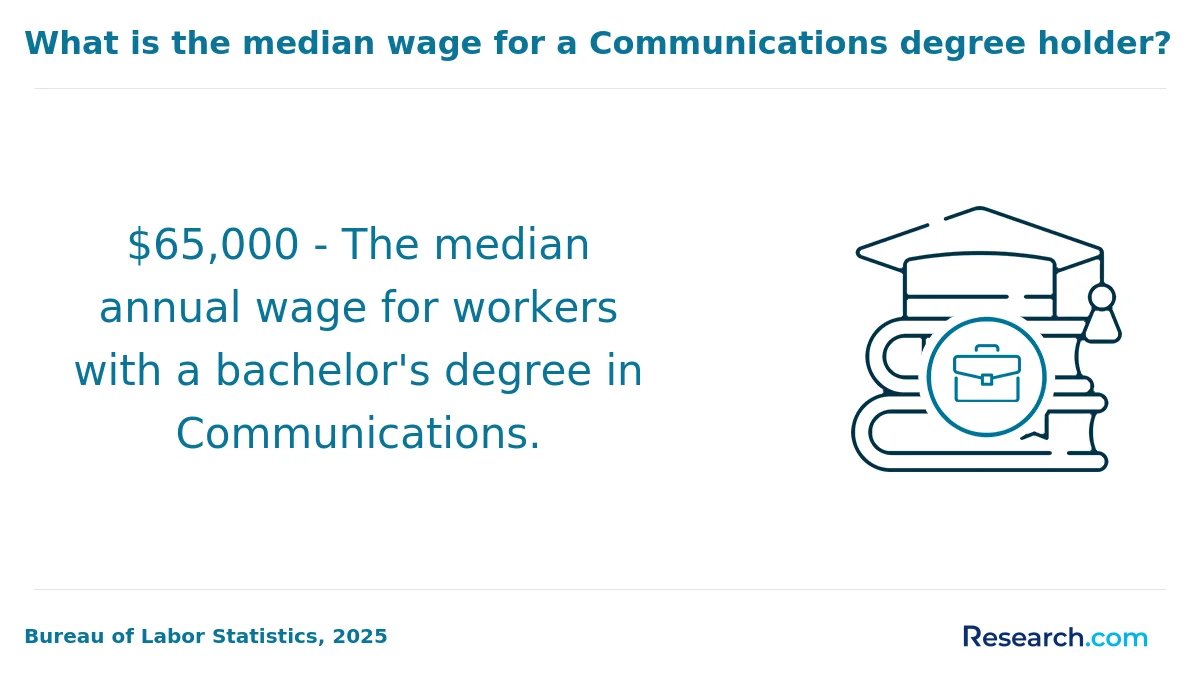
- Communication degree graduates in Georgia can expect varied salary outcomes with median annual wages around the US average for related fields, often ranging from $45,000 to $75,000 depending on the specific career path.
- Career options include roles like public relations specialists, media planners, and corporate communicators, as demonstrated by graduates from the University of Georgia who thrive in diverse communication industries.
- Online communication degrees from institutions like Kennesaw State University offer flexibility and convenience, allowing students to balance work and study while gaining the same respected credentials as traditional degrees.
- Key benefits of getting online communication degree in Georgia
- What can I expect from online communication degree in Georgia?
- Where can I work with online communication degree in Georgia?
- How much can I make with online communication degree in Georgia?
- 2027 Easiest Online Communication Degree Programs Ranking in Georgia
- Key Findings
- How long does it take to complete online communication degree in Georgia?
- What's the difference between online and on-campus communication degree?
- What is the average cost of online communication degree in Georgia?
- What financial aid is available to online communication degree students in Georgia?
- What are the prerequisites for enrolling in online communication degree program in Georgia?
- What courses are typically in online communication degree programs in Georgia?
- What types of specializations are available in online communication degree programs in Georgia?
- How do you choose the best online communication degree in Georgia?
- What career paths are available for online communication degree students in Georgia?
- What is the job market for online communication degree in Georgia?
- Related Communication Rankings for Nearby States
- Top Trending Communication Rankings
What can I expect from online communication degree in Georgia?
When it comes to the cost of an online communication degree in Georgia, students usually find it pretty reasonable, especially if they choose public schools like Georgia Southern University or Kennesaw State University. Graduates often share how manageable their tuition was compared to out-of-state options, which definitely helped them keep stress low while focusing on their studies.
On average, tuition for these programs can range from about $5,000 to $8,000 per year, depending on the exact school and degree level. Many students appreciate that these costs include access to valuable resources, like career services and virtual internships with local businesses, making the investment feel worthwhile when landing their first job.
One common experience is how the flexible online format paired with a fairly affordable price tag lets students balance work, family, and school without breaking the bank. This approach is a huge relief for lots of folks starting their communication journey in Georgia's growing job market.
Where can I work with online communication degree in Georgia?
If you're studying communication online in Georgia, you're looking at some pretty cool job options once you graduate. Many grads from schools like Georgia State University and Kennesaw State find themselves in public relations gigs around Atlanta, managing social media, writing press releases, or helping big companies keep a great reputation. It's a lively scene, and with PR jobs growing faster here than the national average, it feels like there's room to grow.
Others dive into Georgia's booming media and broadcasting world. Thanks to the state's booming film industry, grads from the University of Georgia and Savannah State often land jobs producing digital content, working for local TV stations, or getting their hands dirty with journalism.
Plus, communication students love roles in marketing and advertising, especially with Georgia's tech and healthcare sectors needing pros to craft messages that click with audiences. And don't forget nonprofits and colleges where grads contribute big time by engaging communities and managing outreach.
How much can I make with online communication degree in Georgia?
Wondering how much you can make with an online communication degree in Georgia? Graduates from schools like the University of Georgia or Georgia State University often start out in roles like social media specialists or media coordinators, pulling in around $35,000 to $45,000 a year. It's a solid start when you're fresh out of school, especially if you're passionate about crafting messages that really connect with people.
As you gain experience, jobs like corporate communications manager or marketing coordinator in Georgia typically pay between $55,000 and $75,000 annually. Many grads share how they climbed the ladder by focusing on digital media skills, which are super hot right now in Atlanta's bustling business scene.
And if you stick with it for a while, moving up to senior roles such as communications director can earn you anywhere from $90,000 to over $120,000 a year. A few years of experience coupled with maybe an online master's degree really opens doors here in Georgia's growing communication landscape.
2027 Easiest Online Communication Degree Programs Ranking in Georgia
How do we rank schools?
Investing in your education is a significant decision that can shape your future, and the Research.com team understands the importance of making informed choices. To assist prospective students, we have meticulously crafted the "2027 Easiest Online Communication Degree Programs Ranking in Georgia." Our commitment to quality, credibility, and accuracy is reflected in the extensive research and analysis conducted to compile this ranking.
We utilized the following reputable data sources to ensure a comprehensive evaluation of communication programs:
By exploring this ranking, readers will gain valuable insights into the easiest online communication degree programs in Georgia, enabling them to make well-informed decisions that align with their educational and career goals. For more details on our methodology, please visit our Research.com methodology page.


Key Findings
- The average total cost for an online bachelor's degree in communication from public universities in Georgia ranges from $20,000 to $35,000 for in-state students.
- Private institutions usually charge higher tuition, often more than $40,000 for the full program.
- Entry-level communication jobs in Georgia have an average salary of around $45,000 per year, varying by role and location.
- Experienced communication graduates can earn $70,000 or more annually within five to ten years after graduation.
- Employment in communication fields in Georgia is expected to grow by approximately 8% over the next decade.
- Accreditation by agencies like SACSCOC is important and many public universities in Georgia meet these standards for online programs.
How long does it take to complete online communication degree in Georgia?
If you're diving into an online communication degree in Georgia, expect to spend about two to four years finishing up, depending on your pace and program level. For example, graduates from popular schools like Georgia State University or Kennesaw State often wrap up their associate degrees in around two years when studying full time. Bachelor's degrees usually take closer to four years, especially if you're balancing work or family and go part time.
A few grads share how taking courses part time stretched their programs up to six years, but the flexibility meant they didn't have to sacrifice their jobs or personal lives. On the flip side, some motivated folks completed accelerated bachelor's tracks in just three years by packing their schedules, a route offered by certain colleges for speedy finishers.
For master's students, it's pretty common to spend about 1.5 to 2 years full time online, but plenty of options allow stretching that to four years if you need a lighter load. So, whether you're chilling at home or juggling a busy life, Georgia's online programs offer real flexibility to make it work for you.
What's the difference between online and on-campus communication degree?
Choosing between online and on-campus communication degrees in Georgia really comes down to what fits your lifestyle and learning style. Online programs, like many offered by Georgia Southern or Kennesaw State, give you the freedom to study whenever it suits you-perfect if you're juggling work or family. Many graduates share how they loved being able to hit lectures late at night or on weekends without the hassle of driving to Atlanta or Savannah.
On the flip side, students at places like the University of Georgia enjoy the buzz of campus life, where face-to-face chats with professors and group projects bring communication concepts to life. Imagine collaborating in a media lab at Georgia State, working on real campaigns or internships, which can really boost your confidence.
Both paths require some serious self-motivation, but online learners often appreciate learning cutting-edge digital communication tools right from their homes in different parts of Georgia. Meanwhile, on-campus students get to soak in hands-on experiences that can feel super rewarding and social.
What is the average cost of online communication degree in Georgia?
The average cost of an online communication degree in Georgia varies depending on the type of school you choose. For example, public universities like the University of Georgia and Georgia State University typically offer in-state tuition around $4,500 to $5,500 per year. Many graduates from these schools mention how affordable the tuition makes it easier to focus on the coursework without stressing too much about finances. Plus, some students find that online courses have slightly lower tuition rates compared to on-campus classes, which adds to the appeal.
On the flip side, if you're looking at private universities, tuition can run significantly higher, often between $20,000 and $30,000 annually. That might sound steep, but some private schools offer competitive pricing or financial aid that helps keep costs manageable. A lot of communication grads say that the networking opportunities and personalized attention at private institutions make the extra cost worth it.
When budgeting, keep in mind additional expenses like technology fees, textbooks, and internet service, which can add $500 to $1,000 a year. Still, many online learners appreciate the savings on commuting or housing. If you're looking for a solid place to start, many students recommend pursuing an easy online communications degree option to balance affordability and quality.
In general, knowing the Georgia online communication degree tuition and fees upfront really helps you plan better and avoid surprises down the line.
What financial aid is available to online communication degree students in Georgia?
If you're thinking about getting your online communication degree in Georgia, you'll be glad to know there's quite a bit of financial help out there. Many students attending schools like the University of Georgia or Georgia State University find federal aid to be a real game-changer. Filling out the FAFSA is the first step, unlocking access to federal grants and loans. For example, the Pell Grant can cover up to $7,395 a year, which means less stress about tuition.
State aid is another big help here. The HOPE Scholarship is popular among Georgia students-it's for those with a solid GPA, around 3.0 or higher, and covers a good chunk of tuition. Technical college students often lean on the HOPE Grant for certificates or diplomas, which eases the financial load.
Plus, many schools offer their own scholarships based on grades or community work. Some grads from Kennesaw State share how employer tuition reimbursements really helped stretch their dollars, especially when their job related to communication.
What are the prerequisites for enrolling in online communication degree program in Georgia?
If you're aiming for an online communication degree in Georgia, the basics are pretty straightforward but still important to keep in mind. Most programs want you to have a high school diploma or a GED if you're jumping into an undergrad degree. For example, students from popular schools like Georgia State or Kennesaw State mention how meeting a decent GPA-usually around 2.5-makes the application process a lot smoother. It's like having that solid foundation that shows schools you're ready to handle college-level work.
Standardized tests like the SAT or ACT used to be a big deal, but many Georgia colleges have relaxed those rules lately, especially after the pandemic. So, if you're not a fan of testing, you'll be glad to hear some places now say "test-optional," which feels like a huge relief to a lot of grads.
Beyond grades and tests, schools here often want to see official transcripts and sometimes a letter or two of recommendation. A personal statement can really help, too-imagine sharing stories about how you've tackled communication challenges at work or in clubs. Graduates often shared how that personal touch made their applications stand out at universities statewide.
For anyone aiming higher and thinking grad school-say, a master's in communication-expect to need a bachelor's degree first, usually with around a 3.0 GPA. Sometimes, having relevant work experience or a project portfolio helps you shine. It's pretty cool hearing grads talk about how their past jobs or creative projects gave them an edge when applying to places like the University of Georgia.
What courses are typically in online communication degree programs in Georgia?
If you're diving into an online communication degree in Georgia, expect to get hands-on with courses like Introduction to Communication Theory, which breaks down how people connect using different communication models. Graduates from schools like the University of Georgia often mention how the Interpersonal Communication class really helped them nail conversations in both casual chats and group projects.
Media Writing and Reporting courses are a favorite, too. You learn how to craft messages that actually grab attention-perfect if you're thinking about working in Atlanta's buzzing media scene. Public Relations Principles is another big one, teaching strategies to manage how companies come across to the public, which graduates say felt super relevant during internships at local PR firms.
Then there's Communication Ethics and Digital and Social Media Communication, which are must-haves in today's fast-paced digital world. Many students love how Organizational Communication courses show the ropes of talking within businesses, making you ready for real-world office dynamics seen all over Georgia's corporate hubs.
What types of specializations are available in online communication degree programs in Georgia?
If you're diving into an online communication degree in Georgia, you'll find some cool specializations that really let you tailor your studies. Many students from popular Georgia colleges choose paths like Public Relations and Strategic Communication, which is perfect if you love the idea of managing how companies talk to the world-think handling crisis messaging or planning big events. Then there's Digital and Social Media Communication, a favorite for those who enjoy creating content and running campaigns on platforms like Instagram or TikTok.
Others lean toward Interpersonal and Organizational Communication, sharpening skills to boost teamwork and leadership inside companies. Some grads tell me their programs emphasized Journalism and Media Studies, which prepped them well for digital news or broadcasting gigs in Atlanta's buzzing media scene. Health Communication is another option if you want to combine public health with messaging-great for careers in healthcare organizations.
Studying these online communication degree specializations Georgia offers means you're set up with focused skills to enter fields that are really growing here. For a deeper look at jobs for communication majors, check out jobs for communication majors.
How do you choose the best online communication degree in Georgia?
When you're hunting for the best online communication degree in Georgia, the first thing to check is that the school is regionally accredited, preferably by SACSCOC. Graduates from Georgia Southern University often share how this boost in credibility helped them land jobs right after finishing their programs. Next, look at the course options-some programs let you focus on areas like public relations, media, or corporate communication. If you're aiming for certain career paths, understanding the difference makes a big impact. You can even explore various types of public relations jobs to see which path excites you the most.
Cost is a major factor too. Many students find affordable online communication degrees Georgia offers at public universities a great way to save money without sacrificing quality. Studying online also means skipping the commute, which adds convenience and more time for work or family. Schools like Kennesaw State University get that balance just right, offering flexible, asynchronous classes that fit your busy life.
What career paths are available for online communication degree students in Georgia?
If you're considering an online communication degree in Georgia, there are plenty of exciting career paths waiting for you. Graduates from schools like the University of Georgia or Georgia State often find themselves stepping into roles like public relations specialists, managing how companies and brands connect with people every day. Imagine working in Atlanta, helping a big company handle their image during a major product launch or crisis-that's the kind of hands-on experience many grads rave about.
Others take on jobs as corporate communication managers or marketing coordinators, crafting messages and digital campaigns that really catch attention. Social media management is also huge here, especially with Georgia's growing tech scene, where using smart strategies to engage online audiences can make a big difference.
What's great is the variety of job opportunities with Georgia communication degree programs, from local nonprofits to government agencies. And if you're curious about how your earning potential stacks up, check out this salary with a master's in public relations to get a better idea of what's possible.
What is the job market for online communication degree in Georgia?
The job market for online communication degree jobs in Georgia is pretty solid, especially if you're studying at well-known schools like the University of Georgia or Georgia State University. Graduates often find themselves landing roles in bustling Atlanta, working with media companies, marketing firms, or big corporations needing sharp communication skills. Many grads talk about how their practical coursework helped them easily step into jobs focused on social media strategy, content creation, or public relations.
One great thing about studying communication online in Georgia is the competitive starting salaries-you might expect something around $40,000 to $50,000 depending on your experience and role. Plus, the state's diverse economy means a variety of places from tech startups to healthcare providers are on the lookout for communication specialists. If you want to specialize further, looking into a public relations master's degree can really boost your prospects.
The job outlook for communication graduates Georgia-wide looks bright with ample chance to grow and develop your skills in real-world environments. Many grads appreciate how affordable online tuition in Georgia makes this career path accessible and worthwhile.
Frequently Asked Questions About communication
Online communication degree students in Georgia can maximize their learning by actively engaging with their coursework and peers. Participating in discussion boards and virtual group projects helps develop critical communication skills. Georgia houses several accredited institutions offering online communication programs, including Georgia State University and Kennesaw State University, known for their robust online platforms.
Students should also take advantage of internship opportunities available through local media outlets and businesses, which provide practical experience and networking connections. According to the Georgia Department of Economic Development, communication-related jobs are expected to grow by 7% through 2030, making hands-on experience important.
Finally, students are encouraged to access university resources such as virtual tutoring, academic advising, and career services to support their success throughout their studies.
The communication field is rapidly evolving, with several emerging niches gaining importance, especially for students pursuing online degrees in Georgia. Digital communication strategy, including social media management and content creation, has become crucial as businesses expand their online presence. According to the Georgia Department of Economic Development, the state's digital marketing sector has grown by over 15% in recent years, reflecting job market trends.
Another growing area is health communication, where professionals design campaigns to promote public health and wellness. Georgia's increasing healthcare industry demands skilled communicators in this niche.
Additionally, data analytics in communication is rising, enabling professionals to measure audience engagement and effectiveness. Technical communication, focusing on simplifying complex information, also offers strong career prospects in Georgia's robust tech industry.
Preparing for the job market after earning an online communication degree in Georgia involves several key steps. First, gaining practical experience through internships or part-time roles is essential. Georgia offers many opportunities in Atlanta's growing media and corporate sectors. According to the Georgia Department of Labor, communication professionals in the state earn an average annual wage of about $59,000, with demand expected to grow by 12% over the next decade.
Building a strong professional network via LinkedIn and local organizations like the Public Relations Society of America (PRSA) Georgia Chapter can provide valuable connections. Additionally, creating a digital portfolio showcasing writing, media, or public speaking projects helps demonstrate skills to employers. Continuing education and certification in areas like digital marketing or social media management can also improve job prospects.
Employers in Georgia highly value strong interpersonal and written communication skills in graduates with online communication degrees. According to the Georgia Department of Economic Development, the ability to craft clear, concise messages tailored to diverse audiences is essential in today's job market.
Critical thinking and problem-solving abilities are also top priorities. Communication professionals must analyze information quickly and adapt messages for digital platforms. Additionally, proficiency in digital media tools, such as content management systems and social media analytics, is increasingly demanded by companies statewide.
Leadership and teamwork skills often distinguish candidates. Many employers in Georgia seek graduates skilled in coordinating projects and collaborating across departments. These competencies align with the state's growing media and corporate communication sectors, as noted by the Georgia Workforce Report 2023.
Finding internships in Georgia relevant to a communication degree often begins with exploring opportunities through local universities and colleges. Many institutions maintain partnerships with media outlets, public relations firms, and corporate communication departments, offering students practical experience. According to the Georgia Department of Economic Development, Atlanta hosts over 1,500 companies in the media and communication sectors, increasing internship availability.
Students should also utilize job platforms like Handshake or internships.com, filtering by location and communication fields. Networking via professional organizations such as the Public Relations Society of America (PRSA) Atlanta chapter can further connect candidates to internships.
Local government agencies and nonprofits frequently offer communication roles, providing diverse experience suited to different career paths.
Obtaining an online communication degree in Georgia can significantly enhance career mobility and advancement opportunities. According to the Georgia Department of Labor, fields related to communication, such as public relations and media, are expected to grow by 8% through 2030, faster than average for all occupations.
An online degree allows flexibility for working professionals to upskill without disrupting their careers. Employers in Georgia increasingly value candidates with strong communication skills combined with digital literacy, as many organizations adapt to remote and hybrid work models.
Graduates with communication degrees often qualify for roles in corporate communication, marketing, and media management. These positions offer clear pathways for promotion into leadership roles, especially in Georgia's expanding tech and media sectors, as reported by the University System of Georgia.
Networking opportunities through online programs also connect students with industry professionals statewide, supporting career growth beyond local job markets.
Studying for a communication degree in Georgia equips students with versatile skills that meet the needs of interdisciplinary roles. Communication programs emphasize critical thinking, media literacy, and strategic messaging, preparing graduates to collaborate across fields such as marketing, healthcare, technology, and public relations. According to the Georgia Department of Economic Development, jobs requiring strong communication skills are projected to grow by 10% in the state from 2020 to 2030.
Georgia's universities often integrate coursework in digital media, organizational communication, and cultural studies. This approach helps students adapt their knowledge to various industries. Additionally, internships and online learning opportunities provide practical experience essential for cross-disciplinary teamwork.
Choosing between a thesis and a non-thesis communication degree program in Georgia depends on your career goals and learning preferences. Thesis programs require conducting original research and produce a formal paper, ideal for students aiming at academic or research roles.
Non-thesis options often focus on coursework and practical skills, suitable for professionals seeking career advancement without committing to extensive research. According to the Georgia Board of Regents, about 40% of communication master's students opt for thesis tracks, reflecting a strong interest in research careers.
Consider program flexibility, faculty expertise, and graduation timelines when making your decision.
Students based in Georgia seeking to study communication abroad through online degree programs have a variety of options. Many accredited universities in the US offer fully online communication degrees with international study components or partnerships. These programs often include virtual internships and exchange opportunities that allow students to gain global experience without leaving Georgia.
Additionally, some Georgia institutions collaborate with foreign universities to provide dual degrees or study-abroad semesters that complement online coursework. According to the Georgia Office of Student Achievement, nearly 15% of undergraduates in communication-related fields participate in some form of international study, aided by such partnerships.
These options make it feasible for Georgia students to gain a worldwide perspective in communication while benefiting from online learning flexibility.
Part-time job opportunities in Georgia that complement a communication degree focus on roles enhancing practical skills in media, public relations, and digital content creation. Students often pursue positions such as social media coordinators, marketing assistants, or communication interns. According to the Georgia Department of Labor, demand for communication-related roles in Atlanta grew by 5% between 2021 and 2023, highlighting local industry growth.
Working in these roles allows students to apply classroom knowledge in real settings, improving writing, editing, and interpersonal communication skills. Many companies in Georgia's growing tech and media sectors offer flexible part-time work suited for online learners.
Additionally, opportunities in nonprofit organizations and local government communication offices provide valuable experience and professional networking.
Online communication students in Georgia have access to numerous networking opportunities that can enhance their careers. The state's universities often provide virtual career fairs and online alumni networks, helping students connect with professionals in media, public relations, and corporate communication. For example, the University System of Georgia supports platforms that link students with industry leaders and internships.
Additionally, professional organizations like the Georgia Communication Association hold annual conferences and workshops that students can attend online to build connections. According to the Georgia Department of Economic Development, communication-related sectors in Georgia are growing by 7% annually, increasing demand for networking and job placement.
Local chapters of national groups such as the Public Relations Society of America (PRSA) offer mentorship programs accessible remotely, giving online students further industry insight. These opportunities complement the coursework by facilitating real-world professional relationships.
Alumni networks offer valuable support to students pursuing online communication degrees in Georgia. These networks provide opportunities to connect with professionals who have graduated from the same programs, fostering mentorship and career guidance. According to Georgia College & State University, active alumni associations increase job placement rates by up to 25% for communication graduates.
Networking events and online platforms maintained by alumni help students gain industry insights and internship opportunities. In Georgia's competitive communication sector, such connections can lead to roles in public relations, media, and digital marketing. Furthermore, alumni often share resources like resume tips and interview strategies tailored to Georgia's local market.
Strong alumni networks also facilitate collaborations and ongoing professional development, which is vital in the fast-evolving communication field. They create a sense of community, helping students transition more smoothly from education to employment within Georgia's media landscape.
Customizing an online communication degree in Georgia allows students to align their education with specific career goals. Many programs offer concentrations such as public relations, digital media, or organizational communication. Selecting electives within these areas helps develop targeted skills. Furthermore, students can often choose internships or capstone projects that provide practical experience in Georgia's growing media and business sectors.
According to the Georgia Department of Labor, communication-related jobs are expected to grow by 8% through 2030, highlighting opportunities in marketing, broadcasting, and corporate communication. Exploring partnerships with local companies can also enhance professional networking and employment prospects.
Online communication students in Georgia face several common challenges that can impact their academic success. One significant issue is maintaining consistent engagement in virtual environments, which often leads to feelings of isolation. According to a 2023 report by the Georgia Department of Education, nearly 35% of online learners reported difficulties staying motivated without in-person interaction.
Access to reliable technology and high-speed internet also poses a barrier, especially in rural areas where broadband connectivity remains limited. The Federal Communications Commission noted that about 25% of Georgians lack adequate internet service.
Furthermore, balancing coursework with work or family responsibilities is a frequent challenge. Many students enroll in online programs while supporting households, making time management crucial but difficult without structured schedules.
An online communication degree from a Georgia institution can open doors to several professional certifications. Many graduates pursue the Accredited Business Communicator (ABC) credential, offered by the Association for Business Communication, which is recognized nationwide. This certification validates skills in strategic communication, a key asset in Georgia's growing business hubs like Atlanta.
Another popular option is the Certified Professional in Learning and Performance (CPLP), useful for those interested in corporate training and development. This aligns with Georgia's expanding industries requiring expert communicators to support workforce education.
Additionally, aspiring public relations specialists may seek certification through the Public Relations Society of America (PRSA), which offers the Accreditation in Public Relations (APR). Georgia's diverse media landscape makes this particularly relevant.
Applying for an online communication degree program in Georgia requires a clear, focused approach. Start by carefully reviewing each school's admission criteria, as universities like Georgia State or Kennesaw State have specific requirements such as a minimum GPA or standardized test scores. Highlight your communication skills and any relevant experience in your personal statement, showcasing how you can contribute to the program. Include examples of teamwork, digital media, or public speaking to demonstrate your strengths. Finally, ensure all documents-transcripts, letters of recommendation, and résumés-are complete and submitted before deadlines, typically between December and March per U.S. News data.
The field of communication offers broad opportunities, reflecting global trends in how information is exchanged. Careers in communication emphasize skills in media, public relations, and digital platforms, which are increasingly important worldwide. In the U.S., including Georgia, the Bureau of Labor Statistics forecasts that jobs in communication-related fields will grow about 8% from 2022 to 2032, faster than the average for all occupations.
Globally, organizations value communication professionals who understand cultural differences and can manage international messaging. This adds a valuable dimension to degrees pursued online in Georgia, preparing students for worldwide careers. The demand for skilled communicators extends across industries such as healthcare, business, and technology, highlighting diverse career paths.
According to Georgetown University's Center on Education and the Workforce, communication skills rank highly among employers seeking adaptable, clear, and persuasive professionals. For Georgia students, an online communication degree equips them to meet this demand by emphasizing both foundational and digital communication techniques.
Students pursuing an online communication degree in Georgia can gain practical experience through several key avenues. Many accredited programs encourage internships with local media outlets, public relations firms, or corporate communications departments. According to the Georgia Department of Economic Development, Atlanta hosts over 1,000 companies with communication roles, offering rich internship opportunities. Additionally, students can participate in virtual internships, which have grown by 35% nationwide since 2020.
Another approach involves engaging in campus-affiliated media organizations or online projects that simulate real-world communication tasks. Some Georgia universities also offer service-learning courses allowing students to work with nonprofit groups to develop communication strategies.
Choosing the right concentration within an online communication degree program in Georgia depends largely on your career goals and interests. Popular concentrations include public relations, digital media, corporate communication, and journalism. Each area focuses on distinct skills; for example, digital media emphasizes social media strategy and content creation, while corporate communication centers on internal and external business messaging.
Research from the Georgia Department of Labor shows strong demand in marketing and public relations roles, with projected job growth of 9% through 2030. Additionally, consider schools accredited by the Southern Association of Colleges and Schools Commission on Colleges (SACSCOC), ensuring quality education.
Review course offerings and internships closely to see which concentration aligns best with your professional ambitions.
Related Communication Rankings for Nearby States
- 2027 Easiest Online Communication Degree Programs Ranking in Florida
- 2027 Easiest Online Communication Degree Programs Ranking in North Carolina
- 2027 Easiest Online Communication Degree Programs Ranking in Kentucky
- 2027 Easiest Online Communication Degree Programs Ranking in Virginia
- 2027 Easiest Online Communication Degree Programs Ranking in Arkansas
- 2027 Easiest Online Communication Degree Programs Ranking in Missouri
- 2027 Easiest Online Communication Degree Programs Ranking in Ohio
- 2027 Easiest Online Communication Degree Programs Ranking in Illinois
- 2027 Easiest Online Communication Degree Programs Ranking in Pennsylvania
- 2027 Easiest Online Communication Degree Programs Ranking in Kansas
Top Trending Communication Rankings
References
- Best Master's in Communication Programs in Georgia (2026) https://www.mastersincommunications.org/state/georgia/
- Master's in Communication Salaries by Career and Position ... https://www.mastersincommunications.com/faqs/masters-in-communication-salary
- Strategic Communication Major | Online or In-Person | Mercer https://professionaladvancement.mercer.edu/academic-programs/undergraduate/strategic-communication/
- Communication Pathway https://www.highlands.edu/academic-programs/communication-pathway/
- What You Can Do with a Communications Degree https://www.cune.edu/news/what-you-can-do-communications-degree
- How Long is an Online Master's in Communication Program? https://www.onlineeducation.com/communication/faqs/how-long-to-earn-a-communications-masters-degree-online
- Mass Communication B.A. https://www.gcsu.edu/artsandsciences/communication/mass-communication-ba
- Communication and Emerging Media https://www.gsw.edu/arts-and-sciences/music-communication-emerging-media/communication-emerging-media
- The Online Bachelor of Arts Degree in Communication https://www.wiu.edu/cofac/communication/online_BA.php
- Communications Degree Salary Guide | Maryville Online https://online.maryville.edu/online-bachelors-degrees/communications/careers/communications-degree-salary-guide/