2027 Most Valuable Online Communication Degree Programs Ranking in Little Rock, AR

Co-Founder and Chief Data Scientist
Exploring communication degree programs can feel overwhelming, especially when trying to find what truly fits your goals. This article introduces the 2027 Most Valuable Online Communication Degree Programs Ranking in Little Rock, AR.
Created by the Research.com team of data scientists, this ranking helps you identify quality programs worth your time and investment. Whether you're starting fresh or advancing your career, a communication degree opens doors to exciting opportunities and personal growth.
Discover valuable insights and make an informed choice for your future today.
Key benefits of getting online communication degree in Little Rock
- Communication degree graduates in Little Rock often pursue careers like public relations specialists or marketing coordinators, where the typical annual salary in the US ranges around $60,000 to $70,000, offering a stable income.
- Graduates from the University of Arkansas at Little Rock have found opportunities in media, corporate communication, and social media management, showcasing diverse career paths that fit various interests and strengths.
- Online communication degrees provide flexibility for busy students, allowing them to balance work or family while gaining skills; many online graduates report feeling confident and well-prepared for the evolving job market without the constraints of traditional schedules.
- 2027 Most Valuable Online Communication Degree Programs Ranking in Little Rock, AR
- What can I expect from online communication degree in Little Rock?
- Where can I work with online communication degree in Little Rock?
What can I expect from online communication degree in Little Rock?
The average cost of an online communication degree in Little Rock typically ranges between $10,000 and $25,000 for the entire program, depending on the institution and credit load. Graduates from well-known universities in the area often highlight the value of affordable tuition paired with flexible payment plans and financial aid opportunities, which make budgeting manageable for working adults.
For example, students pursuing communication degrees online at local colleges frequently balance jobs while accessing lectures and assignments anytime, reducing additional costs like commuting or relocating. These graduates appreciate that the tuition is competitive compared to national averages, helping them invest in practical skills without overwhelming debt.
Many programs include real-world projects and virtual internships with Little Rock companies, offering valuable experience that justifies the expense. Those who completed their degrees share how accreditation from recognized bodies ensures they receive quality education worth the price. Thinking of cost alongside these benefits helps prospective students confidently plan their educational investment in communication studies locally.
Where can I work with online communication degree in Little Rock?
Graduates with an online communication degree in Little Rock find many practical career options, especially if they connect with local employers. Many who studied at institutions like the University of Arkansas at Little Rock or Pulaski Technical College have stepped into roles with companies such as Dillard's, handling corporate communication and media relations. These positions often involve managing internal newsletters or creating marketing content, giving students hands-on experience implementation.
For those interested in government work, the city's status as Arkansas's capital means steady openings in state agencies like the Arkansas Department of Human Services. Graduates often help craft community outreach programs or write policy communications, developing essential skills for public sector careers.
Healthcare communication also offers expanding opportunities. Graduates working at places like UAMS often find themselves designing patient education materials or coordinating health campaigns, directly impacting community wellness. Similarly, media outlets such as the Arkansas Democrat-Gazette give grads a launchpad into reporting and digital content creation, providing dynamic work environments.
Finally, the booming digital marketing sector in Little Rock welcomes communication grads to build social media strategies and online brand presence, helping startups and established companies grow. Many find this path rewarding as they see clear results from their campaigns.
Graduates with an online communication degree in Little Rock typically start with salaries ranging from $48,000 to $55,000 annually, especially in roles like communication specialist or public relations entry positions. Many recent graduates from the University of Arkansas at Little Rock report entering the job market near these figures, which align reasonably well with local opportunities.
As experience grows, those moving into corporate communications or media management roles can expect their earnings to increase, sometimes reaching $65,000 to $90,000 per year. Skills in digital media strategy and social networking are often key to unlocking these higher pay brackets in Little Rock's competitive but affordable market.
Graduates often share how internships or freelance projects completed during their studies significantly boost their chances of securing these better-paying roles. Thanks to strong university networks and the presence of headquarters and nonprofits in Little Rock, students find promising pathways to apply their communication degree to real-world careers while enjoying a lower cost of living compared to larger metro areas.
- Annual tuition for online communication degrees in Little Rock ranges from approximately $8,000 to $15,000, varying by school type and degree level.
- Entry-level jobs for graduates typically pay around $40,000 per year, with mid-career salaries reaching about $65,000 annually.
- Jobs in public relations, advertising, and corporate communications are projected to grow by around 7% over the next decade in Little Rock.
- Programs often focus on digital communication tools, media strategy, and audience analysis to prepare students for the evolving job market.
- Regional accreditation and communication-specific recognition are important for program quality and can affect financial aid and credit transfer.
- Support services like career counseling and networking with local media firms are commonly available to online students.
Completing an online communication degree in Little Rock generally takes around two to four years, depending on the path you choose. For instance, students pursuing a bachelor's degree at the University of Arkansas at Little Rock often finish in about four years by taking a full course load. Many graduates mention that staying organized and following the school's academic calendar helped them stick to this timeline.
If you prefer a faster route, an associate degree at a community college can typically be completed in about two years. Graduates appreciate this option for its manageable time frame and the ability to transfer credits later to a bachelor's program. Flexibility is key for many students balancing work and family, and part-time enrollment might extend completion to five or six years but offers the benefit of steady progress without overwhelming schedules.
Graduate programs, such as a master's in communication, usually take about two years online. Students share that these programs' structured credit requirements and career-focused content provide motivation and clarity in completing the degree efficiently while advancing professionally.
Online communication degrees in Little Rock offer the flexibility to study from home while managing work or family, making them ideal for busy adults. Graduates from online programs appreciate being able to access courses anytime, which helps maintain a steady pace without sacrificing personal commitments. For example, a student enrolled through the University of Arkansas at Little Rock can complete assignments late at night after work, avoiding a daily commute.
On the other hand, on-campus programs provide direct interaction with professors and peers, enhancing skills through spontaneous discussions and collaborative projects. Those attending campus classes enjoy hands-on experiences like internships and media lab access, which local graduates say built their confidence and professional network quickly.
While tuition costs are similar-around $9,400 yearly for in-state students-on-campus learners gain easier access to Little Rock's job market connections. Online students need discipline to seek virtual internships, but both paths open doors to careers in marketing, journalism, or corporate communications.
The average cost of an online communication degree in Little Rock centers around $23,119 in total tuition, making it a reasonably affordable option compared to national averages. Graduates from well-regarded local universities often share how this pricing allowed them to balance work and study without overwhelming debt, making their educational journey both manageable and motivating.
Public universities in the area typically charge lower in-state tuition, which keeps costs within reach for many residents. Since Little Rock hosts several respected institutions with strong online communication programs, students find a variety of pricing structures that fit different budgets, which is key for planning. For example, students enrolling at a popular university known for communication courses find the per-credit tuition manageable, helping them plan finances semester by semester.
For those researching affordable online communication degree programs Little Rock Arkansas offers, it's important to factor in additional expenses such as technology fees and textbooks. Many graduates mention they saved money by seeking out scholarships and financial aid offered by their schools. Keeping an eye on these opportunities can considerably reduce the overall cost.
Additionally, prospective students might explore options and compare programs on resources like affordable online communications masters to identify cost-saving pathways and ensure their investment delivers both quality and value.
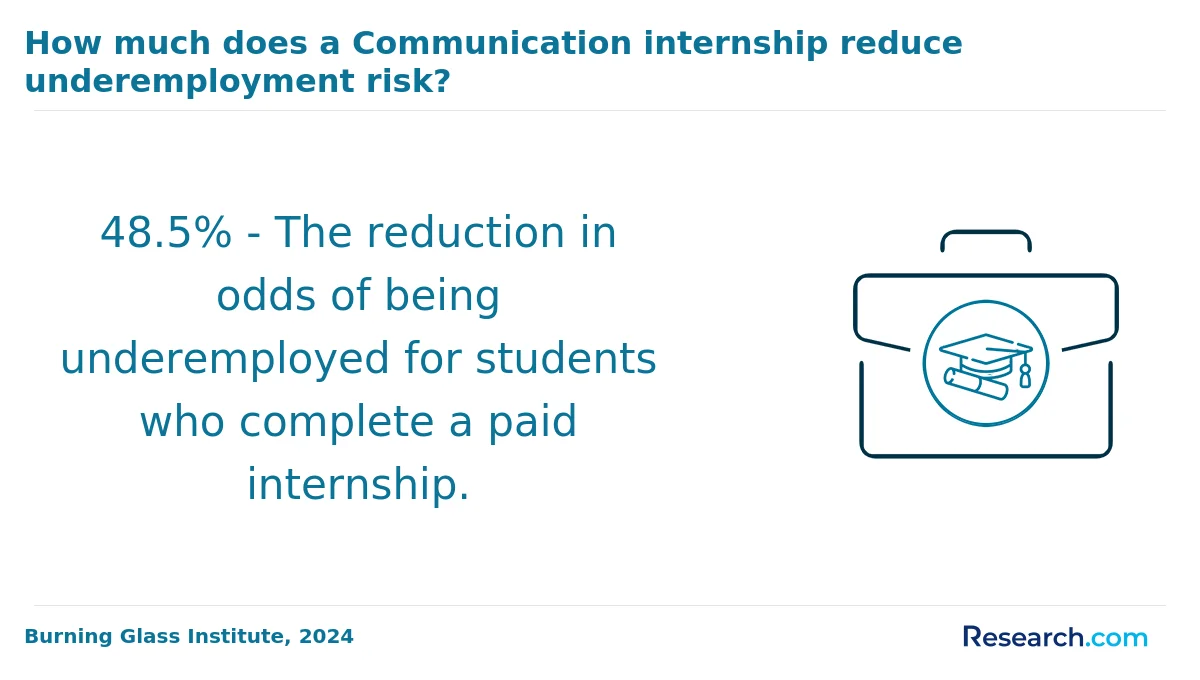
Students pursuing an online communication degree in Little Rock typically start by applying for federal aid through the FAFSA, unlocking options like Pell Grants and low-interest federal loans. One graduate from the University of Arkansas at Little Rock recalls how receiving a Pell Grant made a huge difference, covering much of their tuition that ranged between $8,000 and $15,000 annually. These funds require no repayment and are based on financial need, offering peace of mind.
Many also tap into scholarships from Arkansas-based organizations, such as the Arkansas Governor's Distinguished Scholarship, which rewarded another graduate for academic excellence. Local universities frequently offer merit scholarships and reduced tuition rates especially crafted for online learners to ease financial stress.
Work-study programs and employer tuition assistance provide practical income and reimbursement opportunities, ideal for working students balancing education with jobs. For example, graduates attending Pulaski Technical College mention how employer-sponsored reimbursement helped them finish their communication degrees without significant debt.
To enroll in an online communication degree in Little Rock, start by ensuring you have a high school diploma or GED-this is the baseline for most programs. Graduates from well-known local colleges often recall how this simple step opened the door to their online courses. Next, gather your transcripts showing at least a 2.0 GPA; aiming higher can make your application stand out, especially in competitive programs offered by universities like the University of Arkansas at Little Rock.
Many students found writing a personal statement crucial-it's your chance to explain your passion for communication, whether you're interested in media or public relations. Some programs might ask for letters of recommendation, but these are often optional for online formats, which was a relief for those balancing work and study.
For graduate degrees, having a bachelor's degree is mandatory, and some programs request GRE scores or relevant work experience, though flexibility varies. Planning these steps carefully mirrors the proactive approach successful Little Rock graduates took to secure their spots.
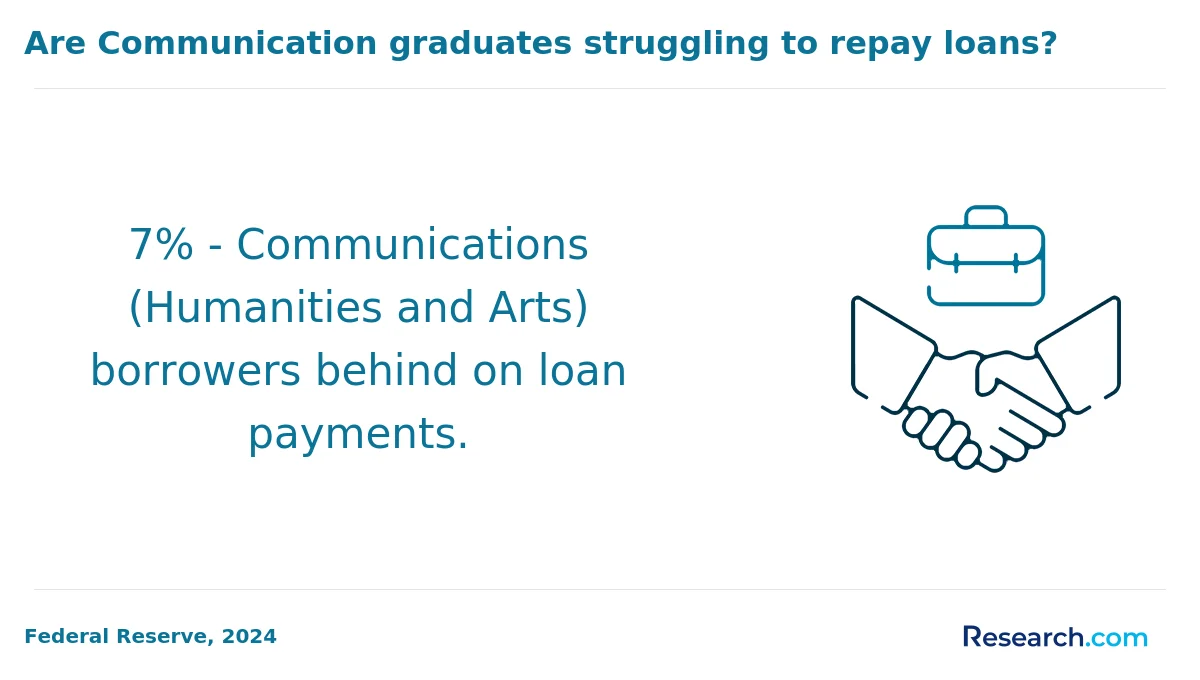
Students pursuing an online communication degree in Little Rock typically begin with foundational courses like Introduction to Communication, which provides a clear understanding of how communication operates both personally and professionally. Graduates often recall how mastering this helped them confidently handle workplace conversations and presentations.
Courses such as Interpersonal Communication sharpen practical skills needed for effective one-on-one and group interactions, essential in sectors like public relations or corporate communication found in Little Rock's thriving business community. Many report that real-world projects in these courses built their confidence for client meetings and team leadership.
Content creation skills come next with Media Writing and Production, a course that students at popular Little Rock colleges appreciate for teaching how to produce compelling digital and traditional media content. This hands-on experience often translates directly into internships and freelance opportunities.
To stay competitive, students also enroll in Social Media Strategies and Digital Media Design classes. Graduates highlight how these courses opened doors to roles focusing on analytics and creative content in local marketing firms.
Practical courses in Corporate Communication and Organizational Communication prepare learners for the dynamics of internal communication in Little Rock companies, giving graduates a strong edge when applying for regional positions.
Students pursuing an online communication degree in Little Rock typically choose from several practical specializations tailored to local industry needs. Graduates from popular institutions like the University of Arkansas at Little Rock report that Public Relations and Strategic Communication is a strong pick, preparing them to manage crisis communication and develop campaigns for local businesses and nonprofits. Another favored focus is Digital and Social Media Communication, which equips students with hands-on skills in content creation and analytics-vital in Little Rock's growing digital economy.
Corporate Communication is also common, teaching leadership communication and employee relations, essential for roles in local government agencies and corporations. Media Studies and Journalism focus on news reporting and multimedia production, useful for those aiming at regional media outlets. Health Communication, though less frequent, is gaining traction due to demand from healthcare employers in the area. For a comprehensive view of these areas, consider exploring institutions offering a bachelor of communications degree online tailored to Little Rock students' needs.
Start by verifying regional accreditation for any program you consider, as this guarantees your online degree holds value locally and beyond. Graduates from the University of Arkansas at Little Rock often emphasize how important accreditation was when choosing their path, ensuring their credits transferred smoothly and their resumes impressed employers. For affordable communication programs Little Rock offers, compare tuition rates carefully. Many find that online degrees here come in well below the $15,000 national average, making it a practical choice to study without excessive debt.
Consider the curriculum closely. Successful graduates pick programs that align with their career goals, whether that's digital media, public relations, or organizational communication. For example, programs offering internships and project-based courses closely mimic real-world scenarios, adding confidence and skills that employers highly value. If public relations interests you, exploring a degree for public relations through local online options can be a strategic move toward a thriving career.
Finally, schedule flexibility and support services are vital. Many online students in Little Rock credit their positive experience to asynchronous classes, career counseling, and responsive technical help. Balancing work and study becomes manageable, keeping motivation high as you advance toward your communication degree.
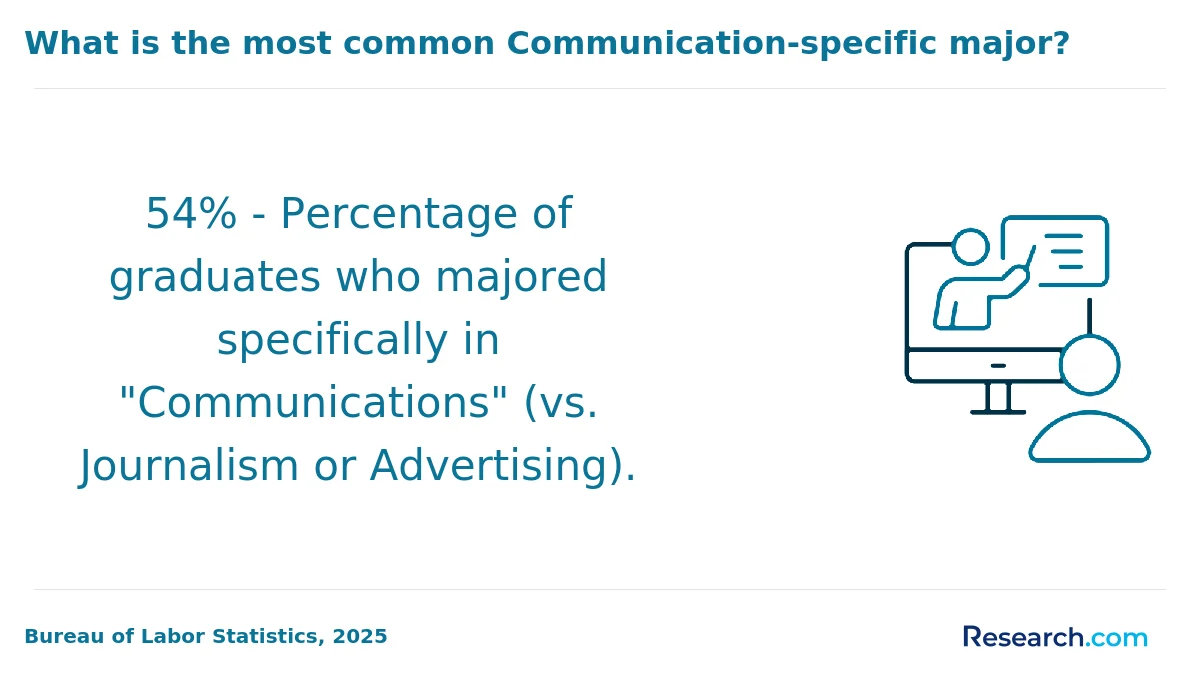
Graduates of an online communication degree in Little Rock often find rewarding career paths tailored to local industry needs. Many have secured roles as Public Relations Specialists or Marketing Coordinators at regional firms, leveraging skills gained through programs offered by popular institutions like the University of Arkansas at Little Rock. These roles involve crafting messages that resonate with diverse audiences and managing brand reputation effectively.
Others take on positions as Corporate Communications Managers or Social Media Managers, vital for companies aiming to strengthen internal communication and digital presence. Real-life examples include graduates creating impactful social media campaigns for healthcare organizations and nonprofit groups, sectors prominent in Little Rock's economy. This practical experience positions them well for steady employment given the region's demand for strong communicators.
Additionally, some graduates pursue careers as Content Writers or Editors, developing engaging materials for various media platforms. For those curious about further advancement, exploring careers with a master's degree in public relations offers insight into specialized roles. Overall, the spectrum of online communication degree jobs in Little Rock ensures pathways suited to different interests and skills.
The job market for online communication degree jobs in Little Rock AR is favorable, with local employers in healthcare, education, and government valuing strong communication skills. Graduates from institutions like the University of Arkansas at Little Rock often find roles as Public Relations Coordinators or Social Media Managers, which match the city's demand for professionals skilled in digital communication tools.
Students report that gaining real-world experience through virtual internships or remote projects helped them secure positions quickly. With the median salary around $55,000 and the cost of living in Little Rock relatively low, many graduates feel financially comfortable starting careers locally. Working adults appreciate the flexibility of online programs, which makes it easier to balance study and job search.
For those considering further specialization, exploring the best public relations graduate program online can open higher-level opportunities and increase earning potential. With steady city growth and expanding digital media needs, the job outlook for communication graduates Little Rock is steadily improving, making it a practical choice for students focused on career-ready skills.
2027 Most Valuable Online Communication Degree Programs Ranking in Little Rock, AR
Investing in your education is a significant decision that can shape your future, and the Research.com team recognizes the importance of making well-informed choices. To help prospective students in Little Rock, AR, we have carefully developed the "2027 Most Valuable Online Communication Degree Programs Ranking." Our dedication to quality, credibility, and accuracy is demonstrated through rigorous research and analysis underlying this ranking.
We utilized the following reputable data sources to ensure a comprehensive evaluation of online communication degree programs:
By consulting this ranking, readers will gain valuable insights into the most beneficial online communication programs in Little Rock, empowering them to make informed decisions about their educational journeys. For more information on how this ranking was created, please visit our Research.com methodology page.

Frequently Asked Questions About communication
Students pursuing online communication degrees in Little Rock can enhance their learning by actively engaging with local and virtual communities. Participating in online forums and networking groups related to Arkansas media and public relations broadens practical understanding. According to the Arkansas Department of Workforce Services, communication-related jobs in Little Rock are projected to grow by 8% through 2030, highlighting regional opportunities.
Building relationships with local communication professionals through internships or webinars adds real-world insights. Utilizing resources from nearby universities known for communication studies, such as the University of Arkansas at Little Rock, provides access to research and industry connections.
Finally, consistent time management, self-discipline, and setting clear goals improve online learning outcomes, aligning with best practices supported by the National Center for Education Statistics.
The communication field is evolving rapidly, creating new opportunities for online degree students in Little Rock. One emerging niche is digital content strategy, where professionals design and manage content across social media, websites, and apps. This area is growing as businesses prioritize online presence.
Another promising niche is health communication, which has gained importance due to increased public health campaigns and crisis communication. Online programs in Arkansas often highlight this specialty to meet local healthcare industry needs.
Additionally, corporate communication focusing on internal messaging and public relations is expanding, especially as remote work trends rise. According to the U.S. Bureau of Labor Statistics, related jobs in Arkansas are expected to grow by 10% through 2030.
Graduates with an online communication degree in Little Rock should focus on building practical skills to enhance their job prospects. According to the U.S. Bureau of Labor Statistics, the demand for communication specialists is expected to grow by 11% through 2032, indicating strong opportunities. Developing proficiency in digital media tools, social media management, and public relations software is essential. Networking locally through Little Rock's business chambers or communication groups can open doors to internships and job offers. Additionally, crafting a professional online portfolio showcasing writing samples and multimedia projects helps employers assess candidates' capabilities more easily.
Internships and volunteer work in local media outlets or nonprofits also provide real-world experience. Little Rock's media industry, including outlets like KARK-TV and the Arkansas Democrat-Gazette, offers valuable entry points for graduates. Combining practical experience with a solid understanding of communication theories learned online offers a competitive edge in the regional job market.
Employers in Little Rock consistently seek communication degree graduates with strong verbal and written communication skills. According to the U.S. Bureau of Labor Statistics, effective messaging tailored to diverse audiences ranks at the core of successful career outcomes in media, public relations, and corporate communication roles.
Analytical thinking and problem-solving are also highly valued, enabling graduates to interpret data and craft strategic communication plans. Additionally, digital literacy, including proficiency in social media platforms and content management systems, is critical given the increasing emphasis on online engagement.
Teamwork and interpersonal skills remain essential, as communication professionals often collaborate across departments. Local industry feedback, such as from the Little Rock Chamber of Commerce, emphasizes adaptability and cultural awareness to navigate the city's evolving business environment.
Finding internships in Little Rock for communication degree students involves tapping into local media, public relations firms, and government agencies. The Bureau of Labor Statistics highlights Arkansas's growing need for communication professionals in marketing and public relations. Start by contacting Little Rock-based companies such as Arkansas Times or local TV stations like KATV, which often offer internship opportunities.
Universities in Arkansas, including the University of Arkansas at Little Rock, provide career centers with internship listings and employer connections. Networking events and LinkedIn groups focusing on Little Rock's communication sector can also be valuable. Tailoring your resume and applying early are crucial steps in securing positions.
An online communication degree can significantly enhance career mobility and advancement opportunities in Little Rock. The city's diverse economy, including sectors like healthcare, government, and media, values strong communication skills. According to the U.S. Bureau of Labor Statistics, communication-related jobs in Arkansas are projected to grow by 12% from 2021 to 2031, higher than the national average. Graduates with online degrees often benefit from flexible learning, allowing them to upskill while working. Employers in Little Rock increasingly recognize accredited online programs, which can lead to promotions or transitions into higher roles such as public relations managers or corporate communicators.
Studying for an online communication degree in Little Rock equips students with versatile skills applicable across various professional fields. Programs emphasize critical thinking, media literacy, and effective messaging, which are essential in interdisciplinary roles that combine business, technology, and public relations. According to the Arkansas Department of Higher Education, graduates from local communication programs often find careers in diverse sectors such as healthcare, marketing, and government.
Many Little Rock institutions integrate hands-on projects and internships with local organizations, enhancing real-world experience. This practical approach helps students adapt to evolving workplace demands, especially in cross-functional teams.
Students also gain proficiency in digital communication tools and data analysis, preparing them to collaborate with specialists from IT, management, and creative industries.
Choosing between a thesis and a non-thesis online communication degree program in Little Rock depends on your career goals and learning preferences. Thesis programs require original research and typically suit students interested in academic or research careers. Non-thesis options emphasize practical skills through coursework and internships, ideal for those pursuing immediate employment in media, marketing, or corporate communication.
In Little Rock, institutions offering online communication degrees follow U.S. Department of Education accreditation standards, ensuring quality whether students choose thesis or non-thesis paths. According to the National Center for Education Statistics, about 40% of communication graduates in Arkansas pursue graduate research roles, highlighting the demand for thesis degrees.
Consider your readiness for extended research and writing, as thesis programs often extend completion time. Non-thesis programs usually offer more flexibility, benefiting working professionals in Little Rock's growing communication industry. Consulting academic advisors in local universities can also clarify which option suits your ambition best.
Students based in Little Rock seeking to study communication abroad have several pathways through US higher education institutions offering international partnerships or study abroad programs. While Little Rock itself has no direct international campuses for communication degrees, universities with strong online programs provide access to global learning experiences.
For example, the University of Arkansas system offers exchange opportunities and virtual collaboration projects with European and Asian universities, which enrich an online communication degree. According to NAFSA (Association of International Educators), over 60% of US institutions facilitate such programs, helping students gain international perspectives remotely or through short-term travel.
Importantly, these options allow students to remain based in Little Rock while benefiting from global communication curricula and networking.
Students pursuing online communication degrees in Little Rock can benefit from various part-time job opportunities that enhance their academic knowledge and professional skills. Roles such as social media coordinator, content writer, and public relations assistant are common and closely aligned with communication studies.
Local businesses and nonprofits frequently hire part-time interns for managing their digital presence, providing hands-on experience in communication strategies. According to the Arkansas Department of Workforce Services, the demand for communication-related roles in Little Rock is expected to grow by approximately 8% over the next five years.
Additionally, campus media outlets and local radio stations offer opportunities for students to develop broadcasting and journalism skills relevant to their course work.
Online communication students in Little Rock benefit from various networking opportunities connected to the city's vibrant media and business scenes. Institutions such as the University of Arkansas at Little Rock provide access to industry events, internships, and alumni networks, which are crucial for building professional connections.
The city hosts conferences like the Arkansas Press Association events and local chapters of the Public Relations Society of America (PRSA), offering students chances to meet communication professionals.
Additionally, Little Rock's growing tech sector offers virtual and in-person meetups for digital communication and social media specialists. These platforms help students gain insights and foster relationships that support career development.
Alumni networks provide valuable support for online communication degree students in Little Rock by connecting them with experienced professionals in the field. These networks often offer mentorship opportunities, which help students navigate career paths and develop industry-specific skills.
In Little Rock, several universities support active alumni groups that host networking events, both virtual and in-person, enhancing professional connections. According to the National Association of Colleges and Employers (NACE), strong alumni engagement can improve job placement rates by up to 20%, a significant advantage for communication students.
Additionally, alumni can share insights about local media, public relations firms, and digital marketing agencies, which are key employers in Little Rock's communication sector. This insider knowledge helps graduates make informed decisions post-graduation.
To customize your online communication degree program in Little Rock, start by exploring schools that offer flexible course selections and concentrations. Many programs allow you to specialize in areas like digital media, public relations, or organizational communication. Tailoring your electives to align with local industry demands can enhance career prospects.
In Little Rock, sectors such as government, healthcare, and media often seek skilled communicators. According to the Arkansas Economic Development Commission, communication roles in these fields are growing by approximately 5% annually. Choosing internships or projects related to these areas can provide practical experience.
Additionally, consider programs with strong advisory support to help map coursework to your goals. Some universities partner with local businesses, offering networking opportunities that can be valuable post-graduation.
Online communication students in Little Rock often face challenges with maintaining consistent internet access, as rural and suburban areas can experience connectivity issues. According to the Federal Communications Commission, about 14% of Arkansas residents lack reliable broadband, which may affect their ability to participate in live discussions and submit assignments on time.
Another common difficulty is balancing coursework with professional and family responsibilities. Many students in this region are working adults, making time management critical.
Additionally, some students struggle with limited access to local networking and career opportunities specific to communication fields, which can impact practical experience.
Finally, online learners may face feelings of isolation, lacking the face-to-face interaction found in traditional programs.
With an online communication degree, graduates in Little Rock can pursue various professional certifications to enhance their credentials. Popular options include the Accredited Business Communicator (ABC) credential, offered by the Association for Business Communication, which validates skills in professional communication.
Another widely recognized certification is the Certified Professional Communicator (CPC) from the International Association of Business Communicators. This credential demonstrates expertise in strategic communication practices.
Local industry demand in Little Rock shows a growing need for skilled communicators in business and public relations, making certifications valuable for career advancement. The U.S. Bureau of Labor Statistics notes a positive job outlook for communication specialists, reinforcing the benefit of certification.
Additionally, some graduates pursue digital marketing certificates to complement communication skills, improving job prospects in today's digital environment.
Writing a successful application for an online communication degree in Little Rock begins with a clear presentation of your academic background and career goals. Admissions committees often look for candidates who demonstrate strong writing skills and a genuine interest in media, public relations, or digital communication.
Highlight any relevant experience, such as internships or volunteer work in communication fields. According to the National Center for Education Statistics, Arkansas awards over 500 communication-related degrees annually, reflecting a competitive but growing market.
Be sure to tailor your personal statement to emphasize how the online format suits your professional and personal needs, especially given Little Rock's thriving media environment. Proofread carefully to avoid errors, as communication programs prioritize clarity and precision.
The field of communication offers a diverse range of career opportunities globally, reflecting the growing importance of media, technology, and interpersonal skills. In the United States, communication professionals play key roles in public relations, marketing, broadcasting, and corporate communications. According to the U.S. Bureau of Labor Statistics, employment in communication occupations is expected to grow by 8% from 2021 to 2031, faster than the average for all occupations.
For students in Little Rock, online communication degrees provide access to this expanding market without relocating. Arkansas remains invested in digital communication sectors, enhancing regional job prospects. The global perspective emphasizes cross-cultural communication and digital literacy, vital skills in today's connected world. Understanding these trends is essential for anyone pursuing a communication career in Little Rock or beyond.
Gaining practical experience during an online communication degree in Little Rock is essential for career readiness. Many programs encourage internships with local media outlets, advertising agencies, and nonprofit organizations. The city's growing digital marketing sector offers internship possibilities to develop skills in social media management, public relations, and content creation.
Students can also participate in virtual projects, such as online campaigns or multimedia presentations, often coordinated by their university. According to the Arkansas Department of Workforce Services, communication roles are increasing by 7% statewide, highlighting the value of hands-on experience.
Networking through local professional groups, like the Arkansas Chapter of the Public Relations Society of America, further supports career growth.
Choosing the right concentration within an online communication degree in Little Rock involves evaluating your career goals and interests. Popular focal areas include public relations, digital media, and organizational communication. Research local job markets to see which skills are most in demand; for example, marketing and social media roles have grown by over 10% in Arkansas according to the U.S. Bureau of Labor Statistics (2023).
Consider programs that offer hands-on projects or internships with Little Rock media companies or nonprofits. This practical experience can be crucial in building a strong portfolio. Also, review curriculum details to ensure courses align with emerging trends like digital storytelling or crisis communication.
Finally, accreditation and faculty expertise are key indicators of program quality. Look for schools recognized by the Accrediting Council on Education in Journalism and Mass Communications (ACEJMC), which ensures up-to-date training in communication fields.
- The University of Arkansas at Little Rock - Best Communications Degrees https://www.bestcommunicationsdegrees.com/colleges/the-university-of-arkansas-at-little-rock/
- Targeted communication strategy for alumni community https://www.alumnforce.com/en/targeted-communication-strategy-for-alumni-networks-how-to-create-lasting-commitment/
- Global Perspectives: Media, Communication, Culture | STUDY in BRNO https://www.study-in-brno.cz/s/global-perspectives-media-communication-culture
- What do you study in communication studies? - INSEEC https://www.inseec.com/en/guides/orientation-guide/what-do-you-study-in-communication-studies/
- Communications Degree | Communications Major https://www.collegeadvisor.com/resources/communications-degree/
- Online BA in Communication https://www.wiu.edu/cofac/communication/online_BA.php
- Know more about thesis vs non- thesis: what is the difference? https://studyfans.com/en/blogs/816
- Communications Degree Salary Guide https://online.maryville.edu/online-bachelors-degrees/communications/careers/communications-degree-salary-guide/
- Study Media Abroad: 2026 Global Guide to Courses & Careers https://www.hotcoursesabroad.com/subject/media/
- 2023 Most Popular Online Communication & Media Studies Bachelor's Degree Schools in Arkansas - Course Advisor https://courseadvisor.com/majors/communication-and-journalism/communication-and-media-studies/rankings/most-popular-online/bachelors-degrees/southeast/arkansas/