2027 Most Affordable Online Master's in Communication Degree Programs Ranking in the USA

Co-Founder and Chief Data Scientist
Are you considering advancing your career with a communication degree but concerned about cost? This article introduces the 2027 Most Affordable Online Master's in Communication Degree Programs Ranking in the USA, thoughtfully created by the Research.com team of data scientists.
Designed to help you make well-informed choices, this ranking highlights programs that offer quality education without breaking the bank. Pursuing a communication degree opens doors to exciting opportunities in various fields, from media to corporate relations.
Explore these affordable options and take a confident step toward your future success.
Key benefits of getting online communication degree in America
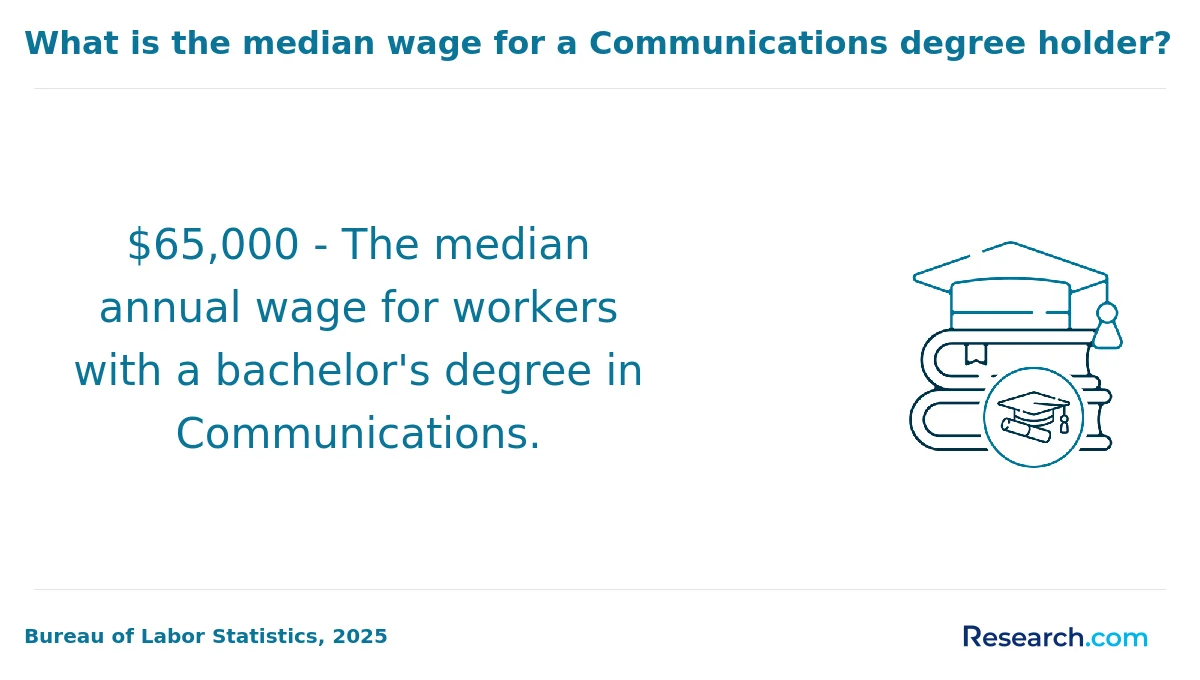
- Communication degree graduates can expect competitive salaries, with many professionals earning approximately $60,000 to $70,000 annually in roles like public relations specialists and media coordinators, reflecting steady income potential.
- A graduate from a well-known university, such as the University of Southern California, can pursue diverse careers including marketing, corporate communications, and social media management, offering exciting opportunities to match varied interests.
- Completing a communication degree online, like through Arizona State University, offers flexibility to balance work or family, access to updated digital tools, and the chance to engage with a broad network, making education convenient and empowering.
- Key benefits of getting online communication degree in America
- What can I expect from online communication degree in America?
- Where can I work with online communication degree in America?
- How much can I make with online communication degree in America?
- 2027 Most Affordable Online Master's in Communication Degree Programs Ranking in the USA
- Key Findings
- How long does it take to complete online communication degree in America?
- What's the difference between online and on-campus communication degree?
- What is the average cost of online communication degree in America?
- What financial aid is available to online communication degree students in America?
- What are the prerequisites for enrolling in online communication degree program in America?
- What courses are typically in online communication degree programs in America?
- What types of specializations are available in online communication degree programs in America?
- How do you choose the best online communication degree in America?
- What career paths are available for online communication degree students in America?
- What is the job market for online communication degree in America?
- Top Trending Communication Rankings
What can I expect from online communication degree in America?
Online communication degrees in America generally cost between $15,000 and $40,000 total, depending on the university and whether you qualify for in-state tuition. Graduates from well-known schools often share how they budgeted for tuition that reflected a mix of affordable public options and more flexible private programs. For example, a student attending a prominent state university might pay closer to $20,000 in tuition, appreciating the value while balancing work and studies.
Many describe the experience as an exciting investment, especially when they recognize how this education opens doors to dynamic careers in media, corporate communication, or digital marketing. The chance to learn from diverse professors and connect virtually with classmates across the country adds a unique energy to their academic journey.
Financial aid and scholarships also lighten the costs, making these programs accessible to a wide range of eager learners. It's common to hear how students felt empowered when their schools offered clear guidance on funding options, allowing them to focus on mastering skills rather than stressing about bills.
Where can I work with online communication degree in America?
Graduates with online communication degrees from schools like the University of Southern California or Michigan State University find themselves stepping into vibrant roles where their voices truly matter. Imagine working as a PR specialist, crafting messages that shape how a company is seen, or coordinating media campaigns that capture public attention-all while thriving in a dynamic, fast-growing industry that the U.S. Bureau of Labor Statistics expects to expand by 11% over the next decade.
Others dive into marketing and advertising, becoming social media managers or content strategists energized by the ever-changing digital landscape. Picture crafting digital campaigns that ignite brand excitement, inspired by the billions poured into U.S. digital ads annually.
Corporate communication jobs offer the thrill of connecting people within organizations like government agencies, ensuring clear and engaging messaging flows effortlessly. Meanwhile, media-savvy graduates chase opportunities in broadcasting, video production, or online journalism as digital news surges nationwide.
Nonprofit sectors call on communication experts to lead fundraising and community outreach efforts, creating meaningful impact every day. For many grads, these roles are more than jobs-they're adventures in shaping stories that resonate across America.
How much can I make with online communication degree in America?
Graduates with an online communication degree in America often find themselves stepping into rewarding careers with promising salary prospects. Imagine a graduate from a popular university like the University of Southern California diving into the world of Public Relations Specialists, where the median annual wage hovers around $62,800 according to the latest reports. With some extra experience and a knack for networking, it's possible to climb beyond $100,000, especially in bustling hubs like New York or Los Angeles.
Others, inspired by their coursework and internships at schools like Boston University, venture into technical writing. Here, the median salary approaches $79,850, driven upward by technical knowledge and clear communication skills essential in industries like technology and engineering.
Media and communication roles-think editors and broadcasters who studied at institutions such as Syracuse University-often start around $52,000 annually. The vibrant broadcast studios and newsroom settings they encounter reflect the dynamic nature of these roles, colored by the exhilarating pace of news and storytelling.
In all, completing an online communication degree from a recognized American college opens doors to diverse and financially rewarding paths, inviting graduates to explore and shape their futures with energy and confidence.
2027 Most Affordable Online Master's in Communication Degree Programs Ranking in the USA
How do we rank schools?
Investing in your education is a significant decision that can shape your future, and the Research.com team understands the importance of making informed choices. To assist prospective students, we have meticulously created the "2027 Most Affordable Online Master's in Communication Degree Programs Ranking in the USA." Our commitment to quality, credibility, and accuracy is reflected in the rigorous research and analysis conducted to compile this ranking.
We utilized the following reputable data sources to ensure a comprehensive evaluation of communication programs:
By exploring this ranking, readers will gain valuable insights into the most affordable and credible online Master's in Communication programs available nationwide, helping them make well-informed educational choices. For more information about our ranking process, please visit our Research.com methodology page.


# 3 position
University of Florida
Master of Mass Communication with a specialization in Digital Strategy


# 5 position
The University of Alabama
Master of Communication Studies with a Specialization in Organizational Leadership




# 15 position
Eastern Illinois University
Master of Communication Studies: Communication & Leadership


Key Findings
- Online bachelor's degrees in communication cost between $15,000 and $40,000 in total tuition, while master's programs range from $10,000 to $30,000.
- Bachelor's programs typically require about 120 credits, and master's degrees require 30 to 40 credits, usually completed in two to four years.
- Employment for media and communication professionals is expected to grow 8% from 2022 to 2032, matching the average growth for all jobs.
- Starting salaries average around $48,000 for bachelor's graduates and about $60,000 for master's graduates in communication fields.
- Median salaries can increase to $75,000 or more, especially in corporate communication and public relations roles.
How long does it take to complete online communication degree in America?
Meanwhile, part-time learners juggling jobs or family often stretch their studies beyond four years. Some embrace the journey over six or more years, balancing life's demands with their academic ambitions in places like Penn State World Campus.
For master's seekers, schools such as the University of Southern California offer flexible programs that range from an intense 12 to 18 months to a leisurely three or four years. Picture working professionals finding joy in pacing their learning around work, savoring every step of this transformative experience.
These varied timelines highlight the adventurous path each student crafts-whether charging ahead or savoring each moment, an online communication degree in the US adapts to your life.
What's the difference between online and on-campus communication degree?
Imagine diving into a communication degree at the University of Southern California, but choosing between bustling campus vibes or logging in from your favorite coffee spot. Online programs let you tap into lectures and assignments whenever your schedule allows-perfect for juggling work or family. Graduates often share how this flexibility opened doors they never expected.
On-campus learners at places like Northwestern University experience that electric energy of hallway chats and spontaneous study groups, fueling connections beyond lectures. The face-to-face exchanges help sharpen skills in real time, a thrill many treasure.
Cost-wise, online programs can be friendlier on the wallet. Students at the University of Florida, for example, appreciate saving on housing and commuting, with some programs even honoring in-state tuition rates online.
While online networking sometimes feels more structured, virtual group projects create new opportunities for collaboration, echoing the dynamic learning of traditional classrooms. Either path immerses you in the same core communication theories and practical expertise, readying you for a vibrant career.
What is the average cost of online communication degree in America?
The average cost of an online communication degree in America hovers around $23,247, reflecting a balance between various institutional types and residency statuses. For many graduates from well-known public universities, especially those residing in-state, the journey feels rewarding not only intellectually but economically, with tuition often closer to $18,177. This affordable online communication master's program tuition allows students to dive into captivating coursework without overwhelming debt, opening doors to dynamic careers in media, PR, and digital communication.
Out-of-state students attending popular colleges offer insightful examples of how prices can rise, typically reaching about $22,308 in total tuition costs. Although this might seem like a greater investment, many find the specialized offerings and network opportunities worth the price. Private universities tend to hover near the median total cost - a figure that feels like an adventurous step for students eager to access unique program features or cutting-edge courses.
Imagine someone exploring accelerated online communication degree programs from a university nationally recognized for its digital communication strengths. They often report feeling energized by the immersive experience despite the varied costs, proving that thoughtful budgeting paired with scholarships and financial aid can make this educational adventure accessible and exciting.
What financial aid is available to online communication degree students in America?
Diving into the world of online communication degrees in America, financial aid feels like discovering hidden treasure. Many graduates from top institutions like the University of Florida or Arizona State University found that federal aid through FAFSA unlocked new possibilities. For them, federal Direct Unsubsidized Loans and Grad PLUS Loans offered manageable rates and flexible repayment, making the journey less daunting.
State scholarships can feel like a supportive hand, especially for those attending public universities in their home states. Graduates recall how these grants eased their tuition load, opening doors once thought closed. Universities themselves often provide tempting scholarships and assistantships-early applicants with strong records often emerge victorious, with some even enjoying discounted tuition rates designed specifically for online learners.
Imagine an employer proudly backing your ambitions, sharing in tuition costs because your education fuels your career. Many communication professionals tap into such employer tuition assistance, turning dreams into reality while working. Plus, private scholarships from organizations like the National Communication Association add that extra spark of encouragement. These combined opportunities make chasing an online communication degree vibrant and achievable.
What are the prerequisites for enrolling in online communication degree program in America?
Many found the absence of rigid standardized test requirements refreshing, as numerous schools now embrace test-optional policies-something that eased anxiety and fueled their enthusiasm for learning. Graduate hopefuls shared their experiences of demonstrating a solid bachelor's degree and maintaining a respectable GPA, usually above 2.5, alongside crafting compelling statements of purpose that reflected their passion for communication.
Equally important are vivid skills like strong written and oral communication-some even submitted writing samples or previous coursework to prove their readiness. Picture yourself logging in with reliable internet from your cozy study nook, armed with basic tech skills that let you dive into engaging videos, lively discussions, and collaborative projects.
International students, too, felt welcomed by the chance to showcase English proficiency through TOEFL or IELTS, adding another layer of adventure to their academic goals.
Many graduates cherish the flexibility of online learning while appreciating recommendations to gain practical experience via internships, something that truly brought their studies to life and sharpened interpersonal skills highlighted in their favorite courses.
What courses are typically in online communication degree programs in America?
Diving into an online communication degree in America feels like stepping into a vibrant world where every course opens a new door. Graduates from well-known institutions like Arizona State University often recall tackling core classes like Interpersonal Communication, which sharpens skills for confident, meaningful conversations in both personal and professional moments. Imagine preparing for a big presentation or navigating tricky workplace dynamics with ease.
Other courses such as Mass Communication reveal how media shapes culture and public opinion across the U.S., giving students the tools to decode news cycles and viral trends. Hands-on classes like Media Writing allow future content creators to craft compelling stories for digital platforms, echoing the real challenges faced by communicators at universities like the University of Florida.
Students also explore Communication Research Methods to design studies and analyze how messages influence behavior, while Organizational Communication prepares them to thrive within companies and nonprofits. Many find these courses exciting adventures in understanding human connection on a deeper level.
What types of specializations are available in online communication degree programs in America?
Diving into online communication degree specializations in the USA reveals exciting paths that match various passions and career goals. Imagine a graduate from a top public university sharing how their Strategic Communication focus helped them master campaign planning, eventually landing a vibrant role in corporate PR. Or think of another alum who embraced Media Studies, delving into digital media trends and content creation, making waves in journalism and media analysis circles.
Health Communication draws those eager to make a real difference in public health, designing impactful messages that resonate with patients and medical pros alike. Meanwhile, Digital Communication and Social Media Management cater to tech-savvy students exploring the latest platforms to engage and inspire audiences both locally and globally. Organizational Communication resonates with those wanting to transform company culture through stronger internal dialogue and leadership savvy.
These types of communication master's programs in America offer flexibility and innovation, attracting adventurers eager to explore their future. For those considering cost, many public schools provide affordable online options. Learning more about affordable online communication degree programs can open doors to fantastic opportunities in this dynamic field.
How do you choose the best online communication degree in America?
Diving into the world of online communication degrees in America, it's thrilling to explore programs that truly resonate with your passions. Graduates from renowned colleges often highlight how choosing a degree with varied specializations-like digital media strategies or intercultural communication-amplifies their confidence and career clarity. Imagine studying communication ethics one day and then mastering social media management the next, preparing you for dynamic roles ahead.
Many students from popular universities recall the empowering feeling of connecting with experienced faculty who bring real-world insights straight into virtual classrooms. These encounters help transform theories into actionable skills, making learning both exciting and practical. When seeking the best online communication degrees USA offers, accreditation, such as from the Higher Learning Commission, anchors your journey in credibility that employers recognize nationwide.
Considering cost? It pays to look into financial aid options and compare tuition with potential career return on investment. Resources like this affordable online bachelor's in journalism guide many students through budget-friendly paths, allowing their dreams to take flight without breaking the bank.
Support services also tip the scale-imagine having access to internships or career advising that paves your way into communication roles across industries. By chasing programs that tick these boxes, your educational adventure becomes a purposeful, exhilarating quest toward professional success.
What career paths are available for online communication degree students in America?
Exploring career paths with an online communication degree in America reveals exciting possibilities that inspire confidence and creativity. Graduates from renowned universities like the University of Southern California and Northwestern often find themselves thriving as public relations specialists, shaping how organizations connect with their communities. Others dive into marketing and advertising roles, mastering social media strategies or crafting compelling digital campaigns that engage millions. The communication job opportunities in America also extend to corporate communication managers who skillfully handle internal messaging and crisis management, ensuring companies stay agile and transparent.
Some graduates pursue journalism, embracing fast-paced newsrooms or content creation for digital outlets, where storytelling meets innovation. Thanks to evolving technology, these careers offer fresh challenges and the thrill of constant learning. If you're curious about how many years does it take to become a journalist, this path blends passion and purpose seamlessly.
Successful graduates highlight that an online communication degree opens doors to vibrant fields like social media strategy and digital media production-each a canvas to paint your unique voice.
What is the job market for online communication degree in America?
The job market for graduates with an online communication degree in America is buzzing with opportunity, especially for those eager to dive into dynamic roles across industries. Graduates from popular universities like the University of Southern California or New York University often share stories of landing roles as social media strategists or corporate communications managers, leveraging the skills gained through flexible online programs. The demand for professionals in sectors such as marketing, digital content creation, and public relations continues to rise.
Many students are energized by the promise of a rewarding career, knowing the job outlook for communication graduates America-wide shows an 11% growth for positions like public relations specialists between 2022 and 2032, according to the U.S. Bureau of Labor Statistics. This growth reflects the expanding digital economy and companies' increasing need for savvy online communicators.
Those pursuing an online communication degree jobs USA find themselves well-prepared to enter fields including public relations, corporate communications, and media development. If you want to explore a detailed list of careers in public relations, you'll see the diverse possibilities available to graduates ready to embrace change and innovation.
Frequently Asked Questions About communication
Students pursuing online communication degrees in America can maximize their learning by actively engaging with course materials and participating in virtual discussions. According to the National Center for Education Statistics, interaction with instructors and peers improves retention and critical thinking. Setting a consistent study schedule helps balance coursework with personal and professional commitments. Utilizing university resources such as writing centers, career services, and digital libraries supports academic success. Networking through online forums or LinkedIn groups related to communication fields can enhance professional opportunities. Additionally, seeking internships or practical projects aligned with coursework deepens real-world skills essential in America's competitive communication job market.
Emerging niches within the communication field reflect the rapid changes in technology and society. One growing area is digital and social media communication, focusing on managing online presence and strategies for platforms like Instagram and TikTok. According to the Bureau of Labor Statistics, jobs in this sector are expected to grow by 13% from 2022 to 2032.
Another niche is health communication, which combines public health knowledge with communication skills to improve patient education and campaign effectiveness. This area has expanded significantly due to increased health awareness in the U.S.
Data analytics and strategic communication is also gaining importance, helping organizations interpret audience metrics to craft targeted messages. These specializations highlight the diverse opportunities for communication graduates in America today.
After completing an online communication degree in America, preparing for the job market involves developing practical skills alongside theoretical knowledge. Employers value experience in digital media, public relations, and content creation. Internships and freelance projects are vital for building a strong portfolio, which can significantly improve job prospects.
Networking is also crucial; joining professional organizations like the National Communication Association or local chapters can provide access to job leads and mentorship. According to the U.S. Bureau of Labor Statistics, communication-related jobs are projected to grow 6% from 2022 to 2032, emphasizing the importance of staying current with industry trends.
Additionally, proficiency in communication technologies and data analytics can differentiate candidates in a competitive market.
Employers in America highly value communication degree graduates who possess strong interpersonal and digital communication skills. According to the National Association of Colleges and Employers (NACE), 87% of employers prioritize candidates with effective verbal and written communication abilities. Graduates who can clearly convey ideas across diverse platforms are in demand.
Additionally, critical thinking and problem-solving are essential. The ability to analyze information and adapt messaging in fast-changing environments, especially digital media, sets candidates apart. Knowledge of social media management and content creation tools is increasingly important, as 76% of communication roles now require digital proficiency (Bureau of Labor Statistics, 2023).
Teamwork and leadership also rank as key skills. Employers look for graduates who collaborate well and lead projects effectively in varied settings. Overall, a combination of strong communication fundamentals, digital literacy, and soft skills prepares graduates for success.
Finding internships relevant to a communication degree in America involves strategic research and networking. Many universities offer career services that list internship opportunities specifically for communication students. The National Association of Colleges and Employers (NACE) reports that nearly 60% of internships lead to full-time employment, underlining their importance.
Online platforms like Handshake and LinkedIn are popular for discovering internships in media, public relations, and corporate communications. Additionally, engaging with professional organizations, such as the Public Relations Society of America (PRSA), provides access to exclusive internships and mentorship programs.
It is also key to tailor your application to highlight communication skills like writing, social media proficiency, and public speaking to improve your chances.
An online communication degree in America equips students with versatile skills that enhance career mobility across various industries such as media, public relations, marketing, and corporate communications. According to the U.S. Bureau of Labor Statistics, communication-related fields are projected to grow 10% from 2021 to 2031, faster than the average for all occupations. This growth supports advancement opportunities for degree holders who demonstrate expertise in digital media, strategic messaging, and interpersonal communication.
Employers in the U.S. increasingly value online degrees as valid credentials, especially when accredited institutions deliver them. Many graduates find opportunities to move into managerial roles, with median wages for communication specialists around $62,000 annually as reported by the National Communication Association. This degree provides foundational knowledge to adapt to evolving technologies and workplace demands, positioning graduates for upward mobility.
Studying for a communication degree in America equips students with versatile skills applicable across many fields. Programs emphasize critical thinking, media literacy, and strategic messaging, which are valuable in industries such as marketing, public relations, and healthcare. According to the National Center for Education Statistics, communication is among the top five fields with interdisciplinary applications in job growth. Many online degrees also incorporate courses in digital media, psychology, and business to broaden students' expertise. This interdisciplinary focus helps graduates adapt to evolving workplace demands, making them effective collaborators in diverse professional environments, including technology, education, and government sectors.
Choosing between a thesis and a non-thesis online communication degree program in America depends on your career goals and learning style. A thesis option involves conducting original research and writing a detailed paper, which is ideal if you plan to pursue a Ph.D. or a research-focused career. According to the National Center for Education Statistics, about 30% of communication master's students in the US choose thesis tracks.
Non-thesis programs focus more on practical skills and coursework, often including capstone projects or internships. This format suits professionals aiming for leadership or applied roles in corporate, media, or public relations sectors. Cost and time commitment can also differ, as thesis programs may take longer to complete. Selecting the right path requires assessing your academic interests, career plans, and available resources.
American students seeking to study communication abroad have several flexible options, especially through online programs. Many U.S. universities offer fully accredited online communication degrees that allow students to enroll while residing outside the country. According to the National Center for Education Statistics (NCES), over 3 million U.S. students took some form of distance education in 2022, reflecting a growing trend. Additionally, study abroad partnerships enable students to combine coursework with international experiences, often through exchange programs or international campuses. Institutions like Arizona State University and University of Florida provide pathways for global learners to earn U.S.-based credentials from anywhere in the world.
Part-time job opportunities in America that complement communication degree education often focus on building practical skills and industry experience. Roles such as social media assistant, public relations intern, content writer, and event coordinator allow students to apply theoretical knowledge in real-world settings. According to the U.S. Bureau of Labor Statistics, communication-related fields like public relations are expected to grow 11% from 2022 to 2032, faster than average for all occupations.
Many students find part-time work in digital marketing agencies or nonprofit organizations, where strong communication skills are essential. Additionally, freelance writing or editing can provide flexibility while reinforcing writing and critical thinking abilities.
Online communication students in America have diverse networking opportunities that enhance their academic and professional growth. Many accredited programs partner with organizations like the National Communication Association (NCA), providing students access to conferences, webinars, and career fairs. According to the NCA, over 12,000 professionals attend annual events, creating valuable connections.
Virtual networking platforms and university alumni groups also play a significant role. Schools often host online meetups, discussion boards, and collaborative projects, which help students build relationships across states. Additionally, internships arranged through online programs connect students with industry leaders, increasing employment prospects post-graduation.
Alumni networks play a crucial role for students pursuing online communication degrees in America. They provide access to a broad community of professionals already working in fields like public relations, media, and corporate communication. According to the National Communication Association, nearly 80% of communication graduates find jobs through networking connections. These networks often offer mentorship opportunities, internships, and job leads that are difficult to find otherwise. For online students, who may lack on-campus interaction, alumni groups foster valuable professional relationships across states. Participation in alumni events or online platforms can significantly enhance career prospects by connecting graduates to experienced industry insiders.
Customizing an online communication degree in America allows students to align their education with specific career goals. Many accredited programs offer electives or concentrations such as media studies, public relations, digital communication, or organizational communication. According to the National Center for Education Statistics, nearly 75% of communication programs in the US provide flexible course options that can be tailored.
Students can also pursue practical experience through internships, capstone projects, or research opportunities relevant to their desired field. Additionally, some universities offer certificates or dual-degree options to deepen expertise. This flexibility helps graduates meet the evolving demands of industries like marketing, journalism, and corporate communications.
Online communication students in America often face challenges related to balancing their studies with work and personal responsibilities. According to a 2022 report from the National Center for Education Statistics, over 40% of online students juggle full-time jobs, increasing stress and time-management difficulties. Additionally, maintaining engagement in a virtual environment can be difficult without face-to-face interaction, which is essential for communication skill development. Technical issues and limited access to reliable internet also pose barriers, especially in rural areas where nearly 22% of households lack broadband access, per the Federal Communications Commission. Finally, some students struggle with fewer opportunities for networking and practical internships compared to traditional programs.
With an online communication degree in America, graduates can enhance their career prospects by pursuing several professional certifications. Popular options include the Accredited in Public Relations (APR) credential, recognized by the Public Relations Society of America (PRSA), which demonstrates proficiency in strategic communication and ethics.
Another notable certification is the Communication Management Professional (CMP) offered by the International Association of Business Communicators (IABC). This certification targets mid-career professionals and highlights skills in communication planning and execution.
Certifications in digital marketing and social media, such as those from the Digital Marketing Institute or Hootsuite, are also relevant and often sought after by employers in communication fields.
According to the U.S. Bureau of Labor Statistics, communication-related roles are projected to grow about 10% from 2020 to 2030, making these certifications valuable for career advancement.
To write a winning application for an online communication program in America, start by researching the specific requirements of each institution. Many programs value clear, concise personal statements that highlight your professional goals and relevant experiences. According to the National Communication Association, effective communication skills are crucial, so demonstrate these in your writing.
Include details on your academic background, any relevant work experience, and explain why online learning suits your needs. Be sure to request strong recommendation letters from professionals familiar with your communication abilities. Adhering to application deadlines and formatting guidelines is essential for consideration.
Finally, tailor each application to reflect understanding of current trends in communication fields, such as digital media and strategic messaging, supported by data from recent industry reports.
Global perspectives on a communication career highlight the growing demand for skilled professionals who can navigate diverse cultural and technological landscapes. In the United States, the Bureau of Labor Statistics projects a 12% growth in communication-related jobs from 2022 to 2032, faster than the average for all occupations. This reflects an expanding market for expertise in digital media, public relations, and corporate communication. American online communication degrees prepare students to engage with audiences worldwide, emphasizing intercultural competence and multimedia skills. Such programs align with global trends where effective communication drives business success and social connectivity across borders.
Gaining practical experience while studying for an online communication degree in America is vital for career readiness. Many programs encourage internships, allowing students to apply theories in real workplaces. According to the National Association of Colleges and Employers, 60% of communication graduates secured jobs through internships.
Virtual internships and project-based courses are common in online programs, providing hands-on skills in media writing, public relations, and digital communication. Students can also join professional organizations like the American Communication Association for networking and workshops.
Some online degrees collaborate with local businesses or offer capstone projects, helping students build portfolios relevant to the US communication industry.
Choosing the right concentration within an online communication degree in America starts with understanding your career goals. Popular concentrations include public relations, corporate communication, digital media, and health communication. Each focuses on different skills and industries, so consider where you want to work after graduation.
The U.S. Bureau of Labor Statistics projects a 10% growth in communication-related jobs between 2021 and 2031, highlighting strong demand. Accredited programs often provide specialization options that align with industry needs, boosting employment prospects.
Researching job market trends and consulting academic advisors can help match your interests with a concentration that fits both your passion and the evolving communication landscape.
Top Trending Communication Rankings
References
- Why You Should Start Networking as a Student – and How to Do It https://amplifyme.com/blog/why-you-should-start-networking-as-a-student
- Communications Officer Cover Letter Example https://www.kickresume.com/en/help-center/communications-officer-1-cover-letter-sample/
- Communications Degree Salary Guide https://online.maryville.edu/online-bachelors-degrees/communications/careers/communications-degree-salary-guide/
- What studies are needed to work in communications? - Sup de Pub https://www.supdepub.com/en/guide/what-studies-are-needed-to-work-in-communications/
- Communications Degree | Communications Major https://www.collegeadvisor.com/resources/communications-degree/
- What do you study in communication studies? - INSEEC https://www.inseec.com/en/guides/orientation-guide/what-do-you-study-in-communication-studies/
- Master's in Communication Salaries by Career and Position (2025 Update) https://www.mastersincommunications.com/faqs/masters-in-communication-salary
- 6+ Communications Cover Letter Examples (with In-Depth Guidance) https://www.tealhq.com/cover-letter-examples/communications
- Media and Communication Degree Careers and Salary in Europe - StudyinEurope.eu https://www.studyineurope.eu/media-communication/media-communication-degree-careers-salary-europe/
- How job seekers can use their college & alumni networks - Journalism Institute https://www.pressclubinstitute.org/how-job-seekers-can-use-their-college-alumni-networks/