2027 Most Affordable Online Communication Degree Programs Ranking in the West

Co-Founder and Chief Data Scientist
Choosing the right online communication degree program can feel overwhelming, especially with so many options available in the West. This article presents the 2027 Most Affordable Online Communication Degree Programs Ranking in the West, created by the Research.com team of data scientists to help you make an informed decision.
By exploring this ranking, you'll discover affordable programs that balance quality education with budget-friendly tuition. Earning a communication degree opens doors to exciting career paths, enhancing your skills and confidence in today's connected world.
Key benefits of getting online communication degree in the West
- Communication degree graduates in the West can expect competitive salaries, with many positions in public relations and media offering median annual wages around $60,000 to $70,000, reflecting strong demand for skilled communicators.
- Graduates from universities like the University of Southern California often find diverse career options, including roles in marketing, corporate communication, and digital media, allowing for flexible and rewarding professional paths.
- Online communication degrees from institutions such as Arizona State University provide the flexibility to balance work and study, often resulting in faster degree completion and valuable real-world experience, enhancing career readiness.
- Key benefits of getting online communication degree in the West
- What can I expect from online communication degree in the West?
- Where can I work with online communication degree in the West?
- How much can I make with online communication degree in the West?
- 2027 Most Affordable Online Communication Degree Programs Ranking in the West
- Key Findings
- How long does it take to complete online communication degree in the West?
- What's the difference between online and on-campus communication degree?
- What is the average cost of online communication degree in the West?
- What financial aid is available to online communication degree students in the West?
- What are the prerequisites for enrolling in online communication degree program in the West?
- What courses are typically in online communication degree programs in the West?
- What types of specializations are available in online communication degree programs in the West?
- How do you choose the best online communication degree in the West?
- What career paths are available for online communication degree students in the West?
- What is the job market for online communication degree in the West?
- Top Trending Communication Rankings
What can I expect from online communication degree in the West?
The average cost of an online communication degree in the Western U.S. is notably accessible compared to national rates, largely because public universities such as the University of California and Oregon State offer in-state tuition to online students. Graduates often recall feeling relieved by these affordable rates, which allowed them to focus on their studies without overwhelming financial stress. One graduate from a Washington State university shared how paying a fraction of typical out-of-state fees made pursuing a career in digital communication feel attainable and realistic.
Looking ahead, the cost of these programs may continue to evolve with increased competition among institutions striving to attract online learners. Partnerships with local media and businesses not only enrich coursework but also add value without extra expenses. Students envision immersive projects simulating crisis communication or social media campaigns that prepare them for the rapidly changing digital landscape-all while keeping tuition manageable. This blend of practical experience and affordability makes Western online communication programs especially appealing to future professionals.
Where can I work with online communication degree in the West?
Graduates with an online communication degree from universities in the Western U.S., such as the University of Southern California or the University of Washington, often find themselves thriving in dynamic media environments. One graduate described landing a role at a digital marketing firm in Seattle, where their skills in SEO and content strategy directly boosted client engagement. This kind of hands-on work reflects the practical training students receive, perfectly aligning with the West's tech-driven economy.
Many find rewarding careers in California's bustling entertainment sector, working for digital media companies or news outlets that value storytelling and audience engagement. Others have joined corporate communication teams in cities like San Francisco or Denver, crafting internal narratives and managing brand reputation in fast-growing industries such as healthcare and technology.
There's growing excitement among new graduates about opportunities in social media management and public relations, especially as businesses pivot toward online outreach. Universities in the region foster internships that connect students to these emerging fields, empowering them with real-world experience and confidence.
Some graduates pursue roles in government or non-profits, using communication skills to lead community initiatives and advocacy campaigns. The ability to adapt across sectors gives Western communication graduates a unique edge in an evolving job market.
How much can I make with online communication degree in the West?
Graduates from online communication programs in the Western United States often navigate entry-level roles with starting salaries around $45,000 to $50,000. For example, alumni from universities such as the University of Southern California and University of Washington share experiences of beginning careers as social media coordinators or communications associates, roles that provide a solid foundation and room for growth.
Mid-career professionals typically see earnings rise to ranges between $70,000 and $90,000 annually. These positions include public relations managers and corporate communication specialists, especially in urban hubs like Los Angeles or Seattle, where media and tech industries fuel demand. Graduates often emphasize how skills gained online in digital platforms and data analysis boosted their confidence and marketability in these competitive environments.
Advanced degree holders pursuing a master's in communication often aim for salaries exceeding $100,000. Graduates note opportunities in strategic communication or consultancy roles within thriving sectors such as healthcare and technology. The vibrant professional networks accessible through West Coast institutions help foster high-paying, forward-thinking career paths that reflect the evolving communication landscape.
2027 Most Affordable Online Communication Degree Programs Ranking in the West
How do we rank schools?
Investing in your education is a significant decision that can shape your future, and the Research.com team understands the importance of making informed choices. To assist prospective students in the Western United States, we have meticulously developed the "2027 Most Affordable Online Communication Degree Programs Ranking in the West." Our commitment to quality, credibility, and accuracy is reflected in the extensive research and careful analysis undertaken to compile this ranking.
We utilized the following reputable data sources to ensure a comprehensive evaluation of online communication degree programs:
By exploring this ranking, readers will gain valuable insights into affordable and quality online communication programs in the West, empowering them to make well-informed decisions about their educational investments. For further details on our approach and criteria, please visit our Research.com methodology page.


# 6 position
Colorado Christian University
Bachelor of Communication Studies


# 14 position
University of Massachusetts Global
Bachelor of Communications and Media


# 18 position
Maestro University
Bachelor of Communication
# 19 position
Montana State University Billings
Master of Public Relations

# 20 position
Montana State University Billings
Bachelor of Communication: Organizational Communication
Key Findings
- Online communication degrees in the Western US typically take two to four years to complete, depending on whether it is an associate's or bachelor's degree.
- Annual tuition ranges from $8,000 to $15,000 for in-state students at public universities, while private and out-of-state institutions may charge between $20,000 and $35,000.
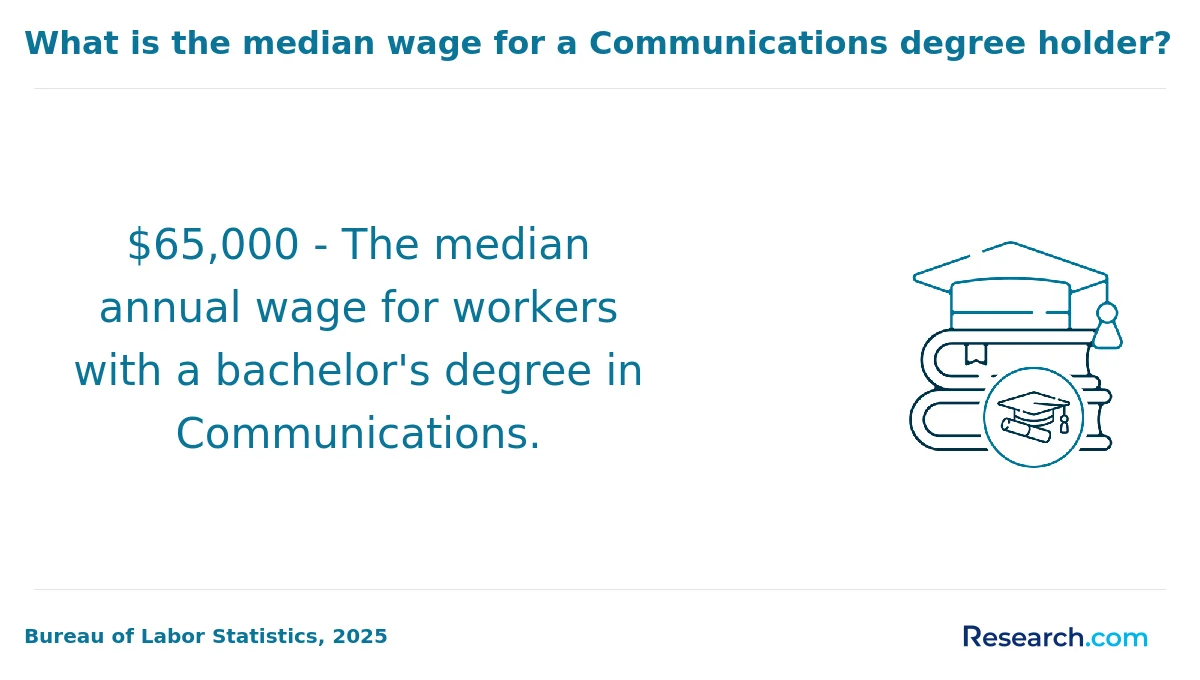
- Graduates can expect starting salaries between $45,000 and $55,000, with median salaries rising to around $70,000 or more with experience.
- Employment for communication specialists is projected to grow by 8% from 2022 to 2032, outpacing many other occupations.
- Many programs focus on practical skills such as digital content production and social media management to meet employer needs.
- Choosing regionally accredited programs is important for degree recognition and access to federal financial aid.
How long does it take to complete online communication degree in the West?
Completing an online communication degree in the Western United States typically takes around four years, but for many students, the journey is more personalized. Graduates from institutions like the University of Washington or Arizona State University often share how flexible schedules allowed them to balance work and family, finishing in anywhere from three to six years. Many embrace part-time study to maintain their careers while making steady progress.
Emerging trends show accelerated options gaining popularity, with programs offering year-round courses so motivated students can graduate faster. For example, some graduates from California State University campuses report completing their degrees in just three years by leveraging transfer credits and heavy course loads during summer terms. Meanwhile, others enjoy the freedom to extend their studies, gaining deeper insight without pressure.
Looking ahead, these adaptable timelines will likely expand, with more Western schools enhancing online platforms and support, making it easier to tailor pacing. This evolving flexibility inspires confidence among prospective students aiming to thrive both academically and personally.
What's the difference between online and on-campus communication degree?
Graduates from communication programs at universities like the University of Southern California and the University of Washington often describe their experiences as distinctly shaped by the format they chose. Online communication degrees in the West offer unparalleled flexibility, allowing students to juggle jobs or family while engaging with video lectures and digital discussions at their own pace. A recent graduate from an online program found this balance liberating, enabling her to complete courses between shifts with minimal stress.
Meanwhile, on-campus students rave about the vibrant energy on campuses such as UCLA, where face-to-face interactions foster spontaneous debates and rich networking opportunities. Attending in person offers a structured routine and direct access to professors, which some graduates say promotes deeper connections and collaborative creativity.
Looking ahead, hybrid models blending online convenience with on-campus engagement may redefine communication education in the West, enhancing both personalized learning and social connectivity. As technology evolves, students could soon enjoy immersive virtual environments that replicate campus camaraderie without geographic limits, merging the best of both worlds.
What is the average cost of online communication degree in the West?
The average total cost of an online communication degree in the West typically hovers around $60,000, but this number can vary widely depending on factors like residency status and the type of institution. For example, graduates from public universities in states such as California or Washington often benefit from median in-state total costs near $46,668, while out-of-state students might see expenses closer to $99,691. These figures highlight the significant financial advantage of qualifying for in-state tuition rates, which many students strive for when considering affordable online communication degree programs western states offer.
Recent graduates share how managing costs influenced their educational journey. One graduate from a well-known public university in Oregon emphasized the relief of accessing in-state tuition and scholarship opportunities, allowing them to maintain a strong work-life balance while earning their degree. Others enrolled in private institutions saw higher expenses but appreciated flexible payment plans and financial aid that made the investment feasible
Looking ahead, the landscape may shift toward more tailored pricing models and greater availability of scholarships for online programs. Some programs even charge by credit hour, ranging from $300 to $700, enabling students to pace their studies according to personal budgets. Exploring accelerated online communication degree programs could also offer a way to reduce overall costs and enter the workforce sooner, which many communication students find motivating.
What financial aid is available to online communication degree students in the West?
Online communication students in the West often find financial aid that transforms daunting tuition costs into achievable goals. Graduates from California State University share how Cal Grants helped them relieve financial pressure, making quality education accessible without overwhelming debt. At University of Washington, another graduate recalls leveraging federal Pell Grants combined with Federal Direct Loans, which offered flexible repayment and low interest, enabling focus on studies rather than finances.
Looking ahead, these aid sources may evolve with expanding state programs and increased institutional scholarships aimed at online learners. Many Western universities already prioritize merit-based scholarships tailored to communication skills, recognizing diverse talents beyond academics. Imagine future employers in media sectors amplifying tuition reimbursement programs, creating a supportive ecosystem for continuous learning.
Private scholarships from industry groups also encourage students to pursue specialized areas, sparking optimism and motivation. These combined pathways paint a promising picture for communication students seeking affordable education in the dynamic Western region.
What are the prerequisites for enrolling in online communication degree program in the West?
Envision enrolling in an online communication program in the West, where institutions typically expect you to hold a high school diploma or equivalent and submit transcripts showcasing strong academic performance. Many graduates recall balancing their readiness with test-optional policies, which eased pressure around SAT or ACT scores, allowing them to focus on sharpening writing and analytical skills firsthand.
At universities renowned for communication studies, such as those in California or Washington, aspiring students often find that highlighting experience with digital media tools or social platforms gives them an edge. Imagine preparing a personal portfolio featuring internships or freelance projects; this practical touch has been a game changer for many applicants.
Graduate-level hopefuls understand that a bachelor's degree with a solid GPA is foundational. They often share how essays and letters of recommendation narrate their passion and future goals vividly, resonating deeply with admission committees.
Looking ahead, the blend of academic credentials with tech-savvy and real-world communication practice is shaping a welcoming admissions landscape across Western online programs, promising an exciting journey for future students.
What courses are typically in online communication degree programs in the West?
Students pursuing online communication degrees in the Western United States often engage in courses like Introduction to Communication Theory and Interpersonal Communication, which ground them in essential concepts and real-life dialogue skills. Graduates from popular institutions such as the University of Southern California describe how these foundational classes helped them confidently navigate both corporate meetings and social networking with ease.
Innovative courses like Digital Communication and Media Writing prepare learners to craft compelling online content and manage social media channels, skills that are increasingly in demand. For instance, some graduates recall applying strategies learned in Public Relations Principles during internships at tech startups in Silicon Valley, resulting in successful media campaigns.
Electives such as Strategic Communication Campaigns and Data Analysis for Communicators allow students to tailor studies toward emerging trends. Imagine analyzing real-time audience feedback or designing a multimedia campaign to promote sustainability efforts-a common project in Western colleges.
This blend of theory and technology helps students from the West feel empowered and ready to lead in an ever-evolving communication landscape.
What types of specializations are available in online communication degree programs in the West?
Students pursuing online communication degree specializations in the West often find themselves drawn to dynamic fields like digital media communication, where graduates from popular universities appreciate honing skills in social media strategy and content creation. These specializations prepare them for future roles in rapidly evolving digital marketing landscapes connected to tech hubs such as Silicon Valley.
Others explore organizational communication, learning how to foster better internal messaging within businesses and nonprofits. Graduates recall real-life projects with West Coast companies, where mastering conflict resolution and leadership communication made their work feel impactful and rewarding. This specialization suits those aiming to thrive in the region's innovative corporate culture.
The best communication majors available online Western US also include media studies and journalism, which engage students with digital storytelling and ethical reporting, reflecting local media trends. Public relations and strategic communication prepare learners for startup environments, teaching crisis management and persuasive messaging that feels relevant to fast-paced markets.
Many prospective students compare costs and outcomes by reviewing affordable online communication degree programs to find accessible options tailored to future communication careers.
How do you choose the best online communication degree in the West?
Choosing the best online communication degree programs West involves prioritizing accreditation, affordability, and curriculum relevance. Graduates from prominent Western universities often recall how accreditation from bodies like the WSCUC gave them confidence that their degree held real value and facilitated credit transfers when switching schools or pursuing advanced studies. Affordability remains crucial; many found programs offering flat tuition rates for online students appealing, especially those looking for affordable communication degrees Western US options that don't penalize out-of-state learners. One graduate highlights how exploring financial aid targeted at communication fields lightened their economic burden.
Curriculum variety also stands out as a game-changer, with students appreciating programs that allow exploration across media studies, public relations, and digital communication tracks. This spectrum prepares learners for a dynamic industry landscape, where storytelling meets technology. Employers value versatility, and graduates frequently attribute their quick job placements to comprehensive, future-oriented courses. Employment data from well-known Western colleges reinforces the idea that selecting programs with strong internship networks and career support boosts prospects dramatically.
Finally, seamless online platforms create engaging learning environments where students collaborate creatively. By choosing programs recognized for their technological readiness, students enjoy interactive classes that mirror in-person experiences. For those searching for an affordable online bachelor's in journalism or related communication degrees, researching these features is key to finding a program that fits evolving digital demands.
What career paths are available for online communication degree students in the West?
Graduates with an online communication degree in the West are increasingly finding diverse career paths that reflect the dynamic industries of this region. From media hubs in Los Angeles and Seattle to tech-driven corporate centers in Silicon Valley, opportunities abound in roles such as public relations specialists, marketing communications experts, and digital content creators. Many graduates from well-known universities embrace careers as social media managers or content strategists, thriving in environments rich with innovation and networking possibilities. Exploring West region communication degree job opportunities, students often share how their programs helped them adapt to emerging digital trends and develop strategic messaging skills tailored to evolving platforms.
Looking ahead, professionals in this field may engage more with AI-driven marketing tools and immersive media technologies, expanding traditional career definitions. Online learners at popular Western colleges also report positive experiences gaining hands-on skills that translate into immediate job prospects. Those curious about practical timelines for entering the field can find valuable insights about how many years does it take to become a journalist, a closely related communication path, which aids in planning an educational journey aligned with future demands.
What is the job market for online communication degree in the West?
The job market for online communication degree jobs in the West is evolving rapidly, with growing demand fueled by the tech-driven economies of California, Washington, and Oregon. Graduates from well-known institutions like the University of Washington and California State University report securing positions as social media coordinators and corporate communications officers, often balancing flexible online study with internships that sharpen practical skills. These emerging professionals thrive on crafting compelling digital narratives and analyzing audience engagement, making them valuable assets to companies in Silicon Valley or Seattle's tech hubs.
Students studying communication online in these states often appreciate the affordability and accessibility of their programs, which help them stay competitive without heavy debt. The West region communication degree career outlook suggests expanding opportunities in sectors such as healthcare and entertainment, alongside nonprofit organizations. Graduates frequently share how hands-on projects and real-world problem solving prepare them well for the variety of roles they encounter.
For those curious about specific paths, a list of careers in public relations offers insight into potential job titles and growth areas, underscoring the broad professional horizons available with an online communication degree in the West.
Frequently Asked Questions About communication
Students pursuing online communication degrees in the Western U.S. can enhance their learning by actively engaging in virtual discussions and group projects. According to the National Center for Education Statistics, interactive activities improve retention by up to 60%. Utilizing campus resources like online tutoring and library databases helps in-depth research and understanding.
Building a professional network through LinkedIn and regional communication associations is also vital. Many Western universities offer access to local internship opportunities in media, public relations, and digital marketing. Staying organized with time management tools ensures meeting deadlines and balancing coursework effectively.
The communication field in the Western United States is expanding with several emerging niches, especially within online degree programs. Digital media communication is a key growth area, focusing on content creation, social media strategy, and virtual engagement. According to the National Communication Association, jobs related to digital communication are expected to grow by 13% through 2030.
Another rising niche is health communication, which integrates communication principles with public health initiatives. This is increasingly important in the West due to a focus on diverse populations and telehealth services.
Corporate communication and crisis management also offer new specialized career paths as organizations prioritize reputation management and transparency in a digital age.
After completing an online communication degree in the Western US, graduates should focus on building a strong professional network. According to the National Association of Colleges and Employers, over 80% of jobs are found through networking and referrals. Joining local communication associations, such as the Western States Communication Association, can provide valuable connections and job leads.
Practical experience is crucial. Internships and freelance projects help students apply theoretical knowledge and develop a portfolio, which is important since the US Bureau of Labor Statistics highlights practical skills as a key hiring factor in communication roles.
Additionally, enhancing digital literacy by mastering tools like social media analytics and content management systems increases employability within the West's competitive media market.
Employers in the Western United States prioritize several key skills when hiring communication degree graduates. Strong written and verbal communication remain essential, as 89% of employers emphasize clear messaging capabilities, according to the National Association of Colleges and Employers (NACE) 2023 report.
Additionally, digital literacy, including social media management and content creation, is increasingly important due to the rise of online platforms.
Critical thinking and problem-solving skills rank highly, enabling graduates to analyze information and adapt messages effectively across diverse audiences.
Interpersonal skills are also vital, supporting teamwork and leadership in professional settings. Data from the Bureau of Labor Statistics highlights that communication roles in the West grow by 6% annually, reinforcing these competencies' value.
Finding internships in the Western United States relevant to a communication degree often begins with leveraging university career centers. Many institutions partner with local media outlets, PR firms, and tech companies to offer placement opportunities. According to the National Association of Colleges and Employers (NACE), 60% of internships in communication fields are sourced through college programs.
Online platforms like Handshake and LinkedIn also list region-specific internships tailored to communication students. Additionally, professional organizations, such as the Public Relations Society of America (PRSA) Western District, provide networking events and job boards valuable for securing internships.
Early application and a strong resume highlighting communication skills improve chances significantly.
An online communication degree significantly enhances career mobility and advancement opportunities in the Western United States. According to the National Center for Education Statistics, communication graduates see a 15% higher likelihood of promotion within five years compared to those without a degree. The flexibility of online programs enables professionals to continue working while studying, helping them gain relevant skills swiftly.
Employers in sectors like media, marketing, and public relations prioritize candidates with strong communication skills, making degree holders more competitive. Data from the Bureau of Labor Statistics shows communication-related jobs in the West grow by 10% annually, reflecting strong demand for qualified individuals.
Studying for a communication degree in the West equips students with skills applicable across many fields. Programs typically integrate courses in media, technology, business, and psychology, reflecting the interdisciplinary nature of communication careers. According to the Western Interstate Commission for Higher Education (WICHE), graduates often find roles in marketing, public relations, healthcare, and education, demonstrating the broad applicability of their training.
Online communication degrees emphasize collaboration, critical thinking, and digital literacy-all essential for interdisciplinary teamwork. Additionally, hands-on projects and internships foster real-world experience, enhancing students' adaptability in diverse professional settings.
Data from the National Center for Education Statistics (NCES) shows a 10% growth in communication-related jobs in the Western states between 2020 and 2030, highlighting increasing demand for interdisciplinary expertise in this region.
Choosing between a thesis and a non-thesis communication degree program in the West depends largely on your career goals and learning preferences. Thesis programs require original research, ideal for students aiming for academic or research-based careers. Non-thesis programs focus more on practical skills, appealing to professionals seeking advancement without the commitment of a research project.
Data from the Western Association of Schools and Colleges shows that about 60% of communication master's programs in this region offer both options. Additionally, non-thesis tracks often have a faster completion time, averaging two years versus up to three for thesis tracks.
Understanding your long-term objectives and available time helps make this choice clear.
Students based in the Western United States have several options for studying communication through online programs offered by universities located across the country. Many accredited Western institutions provide fully online bachelor's and master's degrees in communication fields such as media studies, public relations, and digital communication.
For example, universities in California, Oregon, and Washington all offer flexible online communication degrees designed to accommodate working professionals and remote learners. According to the National Center for Education Statistics, over 30% of communication degrees awarded in the West are completed through online or hybrid formats.
These programs typically include coursework in interpersonal communication, media theory, and strategic communication, ensuring students gain relevant skills for diverse careers.
Part-time jobs that complement communication degrees in the Western US often involve roles in media, marketing, and public relations. For example, student positions in social media management provide practical experience in audience engagement and content creation. According to the Bureau of Labor Statistics (BLS), communication-related fields in the West have seen a 5% growth from 2020 to 2023, reflecting increased demand for skilled communicators.
Internships or assistant roles in local news outlets or nonprofit organizations are common, offering hands-on skills in writing, editing, and event coordination. These jobs reinforce theoretical knowledge from online courses.
Online communication students in the Western US have access to a variety of networking opportunities essential for career development. Many universities offer virtual career fairs and alumni networking events that connect students with industry professionals. For example, institutions like Arizona State University and the University of California system regularly host webinars and online workshops tailored for communication majors.
Professional organizations such as the Public Relations Society of America (PRSA) and the National Communication Association (NCA) have regional chapters in the West, providing online forums, mentorship programs, and virtual conferences. According to a 2023 report by the Western Association of Schools and Colleges, nearly 70% of online students engage in these networks to build industry connections.
Additionally, social media groups on LinkedIn and specialized platforms like Handshake extend networking beyond campuses, facilitating internships and job placements in media, advertising, and corporate communications across the region.
Alumni networks provide significant advantages for students pursuing online communication degrees in the Western United States. These networks connect current students with graduates working in various communication fields, offering mentorship and career advice. According to the National Association of Colleges and Employers (NACE), 85% of jobs are filled through networking, highlighting the importance of these connections. Institutional alumni groups also often organize workshops, career fairs, and exclusive internships that help students gain practical experience and professional contacts.
The presence of large alumni bases at universities in California, Washington, and Oregon strengthens these benefits. Students can leverage these networks to stay informed about industry trends, job openings, and graduate school opportunities, boosting their professional growth in a competitive market.
Customizing your online communication degree program in the Western US allows you to align your education with specific career ambitions. Many Western universities offer flexible curriculums with concentrations such as digital media, public relations, or corporate communication. Institutions like Arizona State University and University of Washington provide electives tailored to emerging industry trends.
Students can often choose internships or capstone projects that focus on their target profession. According to the Western Interstate Commission for Higher Education (WICHE), nearly 70% of online communication graduates in the West highlight internships as vital for job readiness.
Additionally, certificate programs integrated within degrees help enhance skills in areas like social media analytics or crisis communication, further personalizing outcomes.
Online communication students in the Western U.S. often face challenges related to technology access and digital literacy. According to the Pew Research Center (2023), about 15% of Western households still have limited or unreliable internet connectivity, which can hinder participation in courses.
Another common issue is limited opportunities for direct interaction with peers and instructors. This can affect skill development, especially in areas requiring real-time feedback, such as public speaking or media production.
Additionally, balancing coursework with professional and personal responsibilities remains difficult for many adult learners pursuing these degrees online.
Finally, students may encounter varying quality in program offerings, making it essential to verify accreditation and faculty expertise.
Graduates with an online communication degree in the Western United States have several professional certification options to enhance their careers. One popular certification is the Accredited in Public Relations (APR), which is highly regarded among communication professionals. This certification emphasizes strategic communication and ethics.
Additionally, the Certified Communication Professional (CCP) program offers credentials focusing on organizational communication skills. Many graduates pursue Digital Marketing Certifications from recognized bodies like the American Marketing Association, which align well with media and communication roles.
Obtaining these certifications can improve job prospects in a competitive regional market where communication industries are projected to grow steadily.
To write a winning application for an online communication program in the West, start by clearly articulating your career goals and how the degree supports them. Admissions committees value applicants who demonstrate a strong understanding of communication principles and their practical impact. According to the National Center for Education Statistics, programs in Western states often emphasize digital media and strategic communication.
Highlight relevant experiences such as internships, volunteer work, or related jobs that showcase your skills. Tailor your personal statement to reflect knowledge of current trends, like social media analytics or crisis communication. Finally, ensure all application materials are error-free and submitted before deadlines, as punctuality signals professionalism in the competitive US higher education system.
The global outlook on communication careers reflects the increasing importance of digital literacy and cross-cultural skills. In the United States, where many online communication degrees are offered, the Bureau of Labor Statistics projects a 10% growth in media and communication jobs from 2022 to 2032, much faster than the average for all occupations.
Communication professionals in the West are valued for their ability to manage information flow and engage diverse audiences, a trend echoed worldwide. According to the National Communication Association, strong communication skills enhance employability across sectors like public relations, marketing, and digital content creation.
While cultural nuances matter globally, US-based programs emphasize multimedia proficiency and strategic communication to prepare graduates for roles in international markets. This alignment with global trends supports versatile career options for online communication degree holders.
Gaining practical experience while studying for an online communication degree in the West is crucial for career readiness. Many programs incorporate virtual internships, allowing students to work with companies remotely. According to the National Association of Colleges and Employers (NACE), 56% of employers value internship experience highly when hiring communication graduates.
Students can also engage in project-based courses, collaborating on campaigns or producing digital content. Additionally, participation in online student media, such as virtual newspapers or radio, offers hands-on skills.
Networking through online workshops and webinars hosted by professional organizations in communication can create valuable connections. These opportunities make practical learning accessible despite distance.
Choosing the right concentration within an online communication degree in the Western US requires understanding your career goals and industry demands. Popular concentrations include digital media, public relations, journalism, and corporate communication. According to the Bureau of Labor Statistics, many communication-related jobs in the West focus on digital skills and media production.
Evaluate programs that offer specialized courses aligned with these skills. Look for concentrations that provide internships or practical projects, as hands-on experience is crucial for employment.
Research regional industry needs; for instance, California's tech and entertainment sectors often favor digital media expertise.
Consult academic advisors and review labor market trends to choose a concentration that fits your ambitions and regional demand.
Top Trending Communication Rankings
References
- Communication Difficulties: The Silent Barrier - Connect https://stageslearning.com/connect/articles/communication-difficulties-the-silent-barrier/
- Communications Specialist Certifications: Best Credentials to Advance Your Career | Teal https://www.tealhq.com/career-paths/communications-specialist-certifications
- Communications Degree Job Outlook 2026: Career Tips & Data https://www.mastersincommunications.org/communications-degree-job-outlook/
- What do you study in communication studies? - INSEEC https://www.inseec.com/en/guides/orientation-guide/what-do-you-study-in-communication-studies/
- How can we improve communication with international students? https://www.emundus.fr/en/resources/blog/how-to-improve-communication-with-international-students
- Careers in Communication: What Can You Do With a Degree in Communications? https://www.mastersincommunications.com/features/careers-in-communication
- Gaining practical experience with PR and Digital Communications - Made in Salford https://blogs.salford.ac.uk/made-in-salford/2021/05/06/studying-pr-digital-communications-university-of-salford/
- CONCENTRATIONS IN COMMUNICATION https://www.villanova.edu/university/liberal-arts-sciences/programs/communication/undergraduate-program/major/specializations.html
- How job seekers can use their college & alumni networks - Journalism Institute https://www.pressclubinstitute.org/how-job-seekers-can-use-their-college-alumni-networks/
- Communications Officer Cover Letter Example https://www.kickresume.com/en/help-center/communications-officer-1-cover-letter-sample/