2027 Most Affordable Online Communication Degree Programs Ranking in Arizona

Co-Founder and Chief Data Scientist
Exploring affordable options for earning an online communication degree in Arizona can be challenging. This article presents the 2027 Most Affordable Online Communication Degree Programs Ranking in Arizona, developed by the Research.com team of data scientists. It aims to guide you in making well-informed decisions about which programs offer the best value and quality.
Getting a communication degree opens doors to diverse career opportunities, enhancing your skills in a rapidly evolving field. By reading this, you'll discover accessible paths that fit your budget and goals, helping you take confident steps toward a rewarding future.
Key benefits of getting online communication degree in Arizona
- Salary for communication degree graduates: Graduates in communication-related fields in Arizona typically earn competitive salaries, with entry-level positions averaging around $45,000 annually and opportunities for growth into six-figure roles. While specific state data is limited, U.S. national averages show promising earning potential in marketing, public relations, and media roles.
- Career paths overview: Communication graduates from Arizona State University often enter diverse fields such as corporate communications, digital marketing, and media production, offering vibrant career options tailored to their interests and strengths. These roles provide creative and strategic opportunities that align well with current job market trends.
- Benefits of an online degree: Completing a communication degree online from the University of Arizona allows flexible scheduling and learning at your own pace, ideal for balancing work and study. Online programs also provide access to experienced faculty and networking opportunities without the need to relocate.
- 2027 Most Affordable Online Communication Degree Programs Ranking in Arizona
- What can I expect from online communication degree in Arizona?
- Where can I work with online communication degree in Arizona?
What can I expect from online communication degree in Arizona?
Paying for an online communication degree in Arizona is often more manageable than many expect. Graduates from institutions like Arizona State University or the University of Arizona frequently share how the state's in-state tuition rates, typically ranging from $6,500 to $11,000 per year, made pursuing their studies feel within reach without compromising quality. This affordability is a crucial factor for those balancing jobs or family responsibilities, allowing them to invest in their education without overwhelming financial stress.
One graduate described how the reasonable tuition combined with career counseling services helped them confidently navigate their way toward internships and job placements. The cost savings in Arizona meant they could focus more on gaining practical experience-like managing real social media campaigns in coursework-rather than worrying about debt.
Such financial accessibility encourages students to embrace the full online experience, engaging in dynamic group projects and strategic communication courses offered by leading Arizona universities, all without the pressure of skyrocketing expenses typical elsewhere.
Where can I work with online communication degree in Arizona?
Graduates with an online communication degree in Arizona often find themselves breaking into dynamic career paths that stretch far beyond the usual stereotypes. For instance, alumni from institutions like Arizona State University report landing roles in public relations, where they craft compelling narratives for companies across Phoenix's vibrant media scene. These positions aren't just about managing images-they involve shaping community perception in ways that spark genuine engagement and trust.
Others from universities such as the University of Arizona embrace digital marketing roles tied to Tucson's growing tech and startup ecosystem, turning creativity into measurable brand success. Imagine managing social campaigns that connect local businesses to wider audiences, fueling both innovation and cultural vitality.
Meanwhile, some graduates dive into healthcare communication within Arizona's vast medical industry, translating complex information into life-changing messages for diverse populations. These roles showcase communication as a powerful tool for social impact, far removed from simple office chatter.
Corporate communications in thriving sectors like finance and technology also beckon, where recent grads become key players in internal dialogue and employee engagement-roles that deeply influence company culture and growth.
Graduates with an online communication degree from institutions like Arizona State University or the University of Arizona often find their starting salaries in the range of $45,000 to $55,000 annually. This aligns closely with what many communication specialists in Arizona earn early in their careers, reflecting regional market realities.
As these graduates gain practical experience, especially in roles such as mid-level communication managers or public relations specialists, their earnings can climb to between $65,000 and $85,000. Those who specialize in thriving sectors like digital marketing or corporate communications often surpass $90,000, with senior professionals in Phoenix or Tucson sometimes earning upward of $110,000. Graduates have shared how leveraging internships and networking opportunities on campus helped unlock these higher salary tiers.
Though salaries vary by industry, government roles typically offer around $60,000 plus benefits, providing financial stability, while freelance work can range broadly from $40,000 to $80,000 based on individual client portfolios. This spectrum highlights not only monetary growth but the diverse career paths available to Arizona communication graduates.
- Online communication degrees in Arizona are available from associate to master's level, offered mainly by public universities and community colleges.
- The total cost for an online bachelor's degree ranges from $20,000 to $35,000, with per-credit-hour tuition typically between $300 and $400 for undergraduates.
- Entry-level communication graduates in Arizona earn about $40,000 to $50,000 annually, with salaries increasing to $65,000 to $80,000 for experienced professionals.
- Job growth for communication careers in Arizona is projected at 8% to 12% over the next decade, driven by digital media and corporate communication needs.
- Programs include hands-on learning like virtual internships and multimedia projects, supported by academic advising and career counseling focused on the local job market.
Completing an online communication degree in Arizona typically takes about four years for full-time bachelor's students, a timeline that mirrors traditional expectations but is often navigated with more personal nuance. Many graduates from Arizona State University share how balancing coursework with jobs or family life stretched their journey, yet the flexibility of summer sessions allowed an occasional acceleration, making the process feel empowering rather than restrictive.
Master's degree seekers at institutions like the University of Arizona often experience a more condensed timeline of 18 months to two years full-time, immersed in advanced communication theories paired with practical projects. However, part-time students often appreciate stretching the experience over three to four years, savoring each lesson at their own pace while managing real-world responsibilities.
This variability highlights a key insight: time to degree isn't solely dictated by credit hours but by how you integrate education with your life. Embracing this flexibility has made many Arizona online communication graduates feel accomplished and resilient, turning potential delays into milestones of personal growth.
Choosing between an online and on-campus communication degree in Arizona often boils down to how you want to experience your education. Graduates from Arizona State University reflect on the freedom online courses offer, allowing them to juggle family life and part-time jobs without losing momentum. The asynchronous format means lectures fit into their unique rhythms, whether it's after kids' bedtime or during quiet mornings in rural Arizona towns where commuting is a barrier.
On the flip side, University of Arizona graduates often highlight the energizing atmosphere of being on campus-joining lively public speaking workshops, collaborating in person on media projects, and soaking up networking events where connections spark face-to-face. These immersive experiences create a palpable buzz that fuels motivation in ways a digital screen can't fully replicate.
Yet, cost differences also play a role. Some online students discover savings not just on tuition but on travel and campus fees, making higher education feel more attainable. The choice isn't simple; it's about aligning education with lifestyle, learning style, and professional aspirations in the unique context of Arizona's diverse communities.
When considering the average cost of an online communication degree in Arizona, prices reflect a balance between opportunity and investment. Public universities in Arizona typically offer in-state students tuition ranging from approximately $7,000 to $12,000 per year. Graduates from these programs often recall juggling budget concerns with their passion for communication, finding reassurance in the affordability that allows them to focus more on learning and less on financial stress. Arizona State University, a preferred choice for many, charges about $561 per credit hour, which can sum to roughly $16,000 for a full 120-credit program. This figure underscores the variation within public institutions depending on course loads and additional fees.
Conversely, private universities in Arizona command a higher price, with tuition often between $25,000 and $35,000 annually. Graduates from these institutions emphasize the personalized attention and specialized tracks that come at a premium cost, creating an educational environment tailored to individual aspirations. Yet, these numbers prompt reflection on how much value students place on smaller classes and exclusive resources versus overall debt burden.
Exploring affordable online communication programs Arizona tuition fees reveals a landscape where additional costs-such as technology and proctoring fees-should be considered but many schools counterbalance these with scholarships and financial aid targeted specifically at communication students. For those navigating tuition choices, examining accelerated online communication degree programs can also broaden options and impact total investment, offering pathways that align well with personal and financial goals.
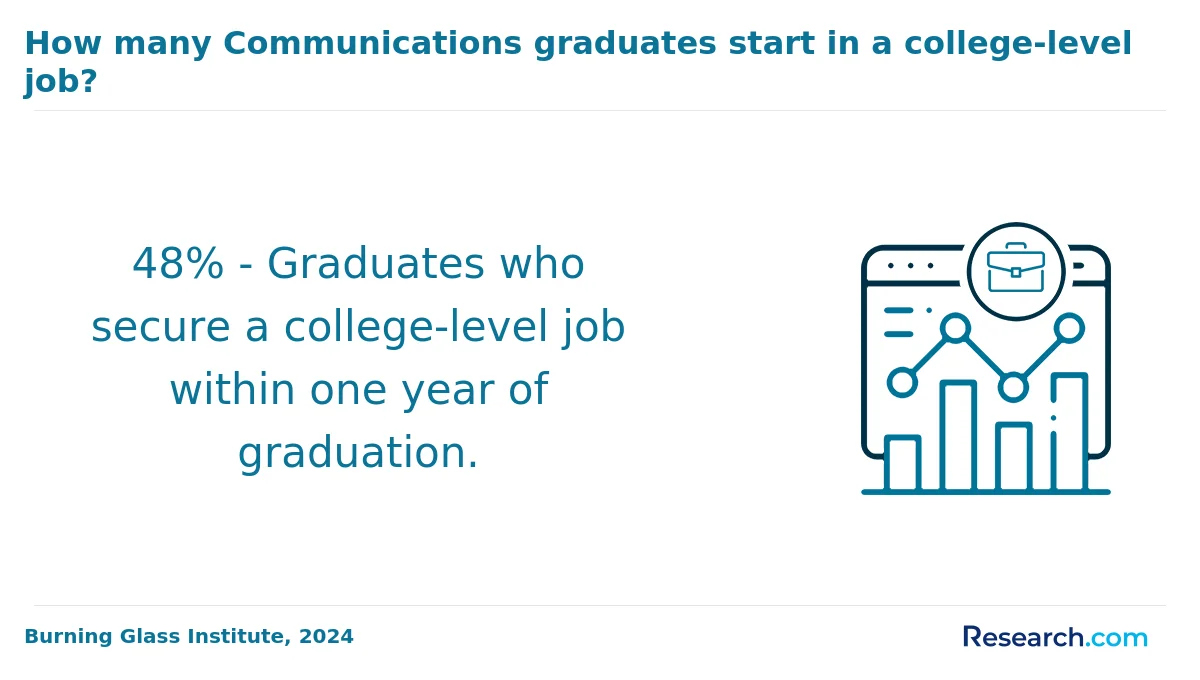
Students pursuing an online communication degree in Arizona often discover that federal aid programs like the Pell Grant can dramatically ease the financial burden. Graduates from Arizona State University recall how the Pell Grant's up to $7,395 yearly support made balancing tuition and living expenses less daunting, especially when paired with work-study opportunities.
State-level aid, such as the Arizona LEAP program, adds another layer of support, providing direct funds or savings plans that many University of Arizona communication students have leveraged. This aid transforms the typical $10,000 to $15,000 annual public tuition into a much more manageable expense.
Many find unexpected relief through scholarships offered by professional associations in media and communication, which reward merit and financial need. Graduates appreciate uncovering these opportunities from organizations like the Arizona Communication Association, which recognize the unique challenges of online learners.
Lastly, employer tuition assistance emerges as a powerful ally for working students, enabling them to pursue degrees relevant to their careers without sacrificing income. These layered financial options show how persistence and awareness can turn the dream of an affordable, quality communication education in Arizona into reality.
Enrolling in an online communication degree in Arizona often starts with meeting clear academic benchmarks, yet it's much more than just numbers. Many students at universities like Arizona State University found that having a high school diploma or GED is merely the threshold; the real challenge lies in demonstrating a genuine passion through essays and personal statements. These documents give applicants a chance to showcase their voice and vision-qualities crucial in fields like public relations and media studies.
For instance, graduates often recall how maintaining at least a 2.0 GPA was essential for undergraduates, while those pursuing graduate degrees had to prove stronger academic stamina with a 3.0 GPA or higher. Although test scores such as the SAT or ACT are becoming less emphasized, presenting compelling recommendations can be a decisive factor in standing out.
Technology readiness also plays a silent but vital role-students at popular Arizona schools must have reliable internet and compatible devices to fully engage with the dynamic online curriculum. These prerequisites ensure that learners not only qualify but are equipped and motivated to thrive in the unique digital learning environment Arizona offers.
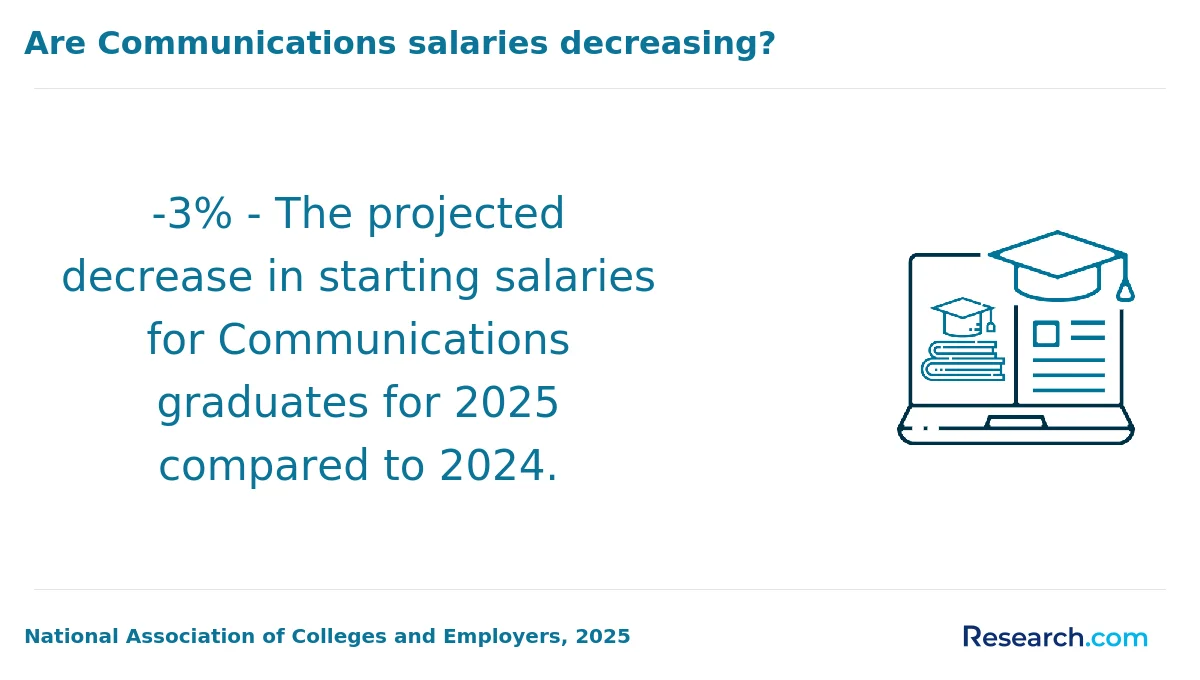
Graduates from Arizona State University and other well-known institutions frequently share how foundational courses like Introduction to Communication Studies and Interpersonal Communication transformed their understanding of everyday interactions. These classes don't just teach theory-they reveal how subtle shifts in tone or body language can change the outcome of a conversation, whether in a virtual team meeting or a local community event.
Many students find Public Speaking and Professional Presentation courses particularly empowering, giving them the confidence to speak clearly and persuasively in both online webinars and face-to-face environments. At community colleges across Arizona, courses like Media Writing and Editing sharpen skills crucial for crafting compelling stories that resonate on social media or broadcast platforms.
The emphasis on Digital Communication and Social Media Strategies reflects Arizona's vibrant, tech-savvy atmosphere, preparing students to navigate and influence our hyperconnected world. Specialized classes such as Crisis Communication and Communication Law deepen practical knowledge, helping future professionals handle real-life challenges with ethical clarity and strategic insight.
When exploring online communication degree specializations Arizona offers, students often find themselves drawn into areas that surpass mere theory. Graduates from popular institutions like Arizona State University note how Media Studies shaped their ability to craft compelling stories through both traditional broadcasts and dynamic digital platforms. Others recall how Public Relations and Strategic Communication opened doors to practical roles in brand management within the state's bustling nonprofit and corporate sectors, fueling a genuine sense of empowerment.
Those who focused on Organizational Communication describe real shifts in workplace culture at Arizona's healthcare facilities, where their skills in leadership communication and conflict resolution made tangible impacts. Meanwhile, Digital Communication and Social Media specialization prepares students to not only understand but actively drive online engagement, reflecting Arizona's growing digital landscape.
Prospective students considering Arizona affordable communication degree options find programs that genuinely adapt to modern realities. If you seek flexible pathways without compromising depth, explore affordable online communication degree programs that align with your ambitions and lifestyle.
Choosing the best online communication degree in Arizona requires more than just scanning tuition costs or program lengths. Graduates from Arizona State University often reflect on how accreditation and faculty expertise shaped their careers, emphasizing the value of studying at regionally accredited schools known for strong media and public relations programs. It's easy to overlook how real-world experience and asynchronous course flexibility impact learning, yet these elements can change your student life, especially if you balance work or family commitments.
Imagine diving into digital content creation while accessing robust internships through universities in Arizona's dynamic media landscape-graduates frequently recall how those experiences built confidence and job readiness. Don't underestimate the importance of transfer policies if you've attended community colleges locally; these can save precious time and reduce costs. For those focused on the financial aspect, exploring affordable communication programs Arizona-wide is vital. Check out options like this affordable online bachelor's in journalism to ensure your investment aligns with your future.
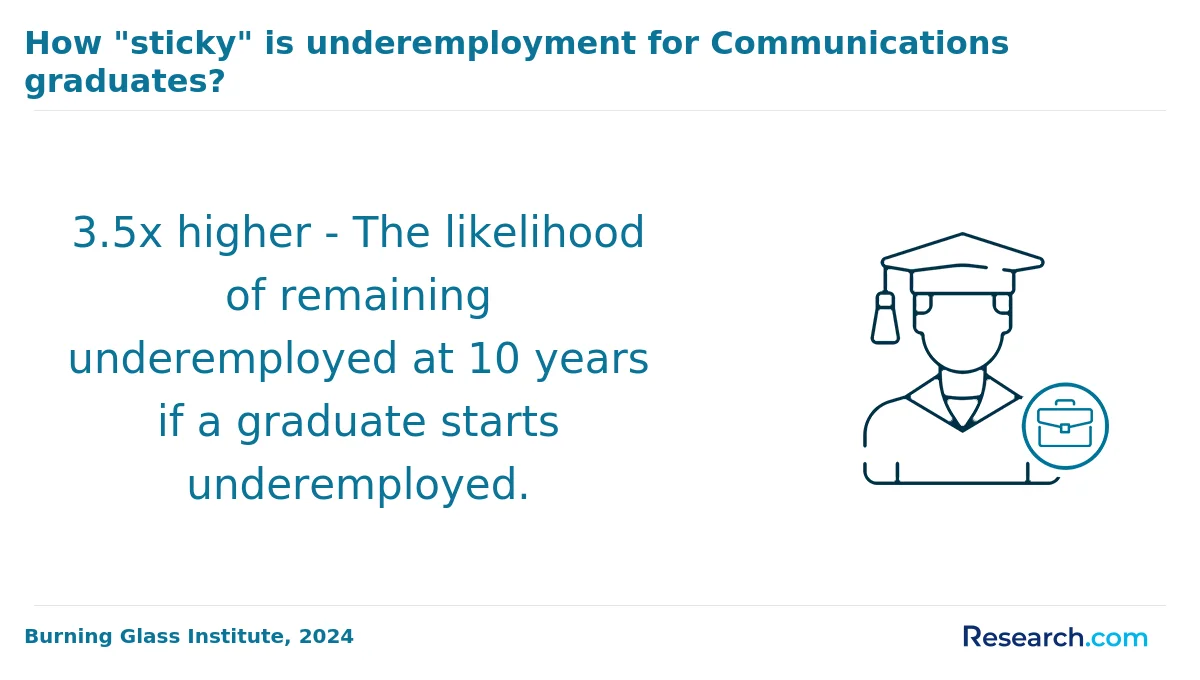
Graduates of online communication degree programs in Arizona discover career opportunities that defy simple stereotypes, shaping dynamic professional lives in cities like Phoenix and Tucson. Far beyond traditional roles, many find themselves thriving as social media managers crafting viral campaigns, or as corporate communications managers who influence internal cultures at major Arizona firms. The hands-on experiences shared by recent graduates from popular Arizona colleges reveal a growing demand for versatile communicators skilled in digital storytelling, event coordination, and strategic marketing-jobs integral to thriving local industries.
Facing the vibrant challenges of the Arizona market, communication degree jobs Arizona graduates pursue include public relations specialists who navigate complex media landscapes and journalists or digital content creators who bring stories to life. These roles often require adaptability and creativity, qualities honed through state-specific coursework and real-world projects. For those wondering about the commitment required, it's useful to explore how many years does it take to become a journalist to see one path in action.
Career opportunities for communication graduates Arizona illustrate that earning a degree here opens doors across sectors such as government, healthcare, and nonprofit organizations, each looking for graduates who combine technical savvy with strategic insight.
The job market for graduates with an online communication degree in Arizona defies simple expectations. Rather than facing limited local opportunities, many graduates from prominent institutions such as Arizona State University and the University of Arizona find themselves thriving in a vibrant economy fueled by rapid population growth and digital innovation. These graduates often land roles in social media strategy or corporate communications that demand agility and tech-savviness, skills sharpened during their studies.
Arizona's Greater Phoenix area offers unique prospects where communication professionals engage directly with healthcare, tech firms, and media outfits, crafting messages that resonate across diverse audiences. Graduates frequently share how their degrees open doors to impactful careers managing public perception or digital campaigns. Considering online communication degree jobs Arizona offers, the practical application of what is learned turns theoretical knowledge into real-world success.
Beyond direct employment, many find inspiration in pursuing a list of careers in public relations, highlighting the versatility of their degrees. These evolving paths challenge the traditional notion that communication roles are stagnant, revealing a dynamic professional landscape waiting for motivated graduates.
2027 Most Affordable Online Communication Degree Programs Ranking in Arizona
Investing in your education is a significant decision that can shape your future, and the Research.com team understands the importance of making informed choices. To assist prospective students in Arizona, we have meticulously crafted the "2027 Most Affordable Online Communication Degree Programs Ranking in Arizona." Our commitment to quality, credibility, and accuracy is reflected in the extensive research and analysis conducted to compile this ranking.
We utilized the following reputable data sources to ensure a comprehensive evaluation of communication degree programs:
By exploring this ranking, readers will gain valuable insights into the most affordable online communication degree programs in Arizona, helping them make confident and informed decisions about their educational investments. For more information on our methodology, please visit our Research.com methodology page.


Frequently Asked Questions About communication
Students pursuing online communication degrees in Arizona can enhance their learning by actively engaging with interactive course materials and participating in virtual discussions. Research from the Arizona Board of Regents highlights that students who regularly communicate with instructors and peers tend to achieve higher grades.
Utilizing resources from local libraries and media centers, including Arizona State University's digital offerings, provides additional support outside of coursework. Seeking internships or volunteer opportunities within Arizona's expanding media and public relations sectors can apply theoretical knowledge practically.
Moreover, staying updated on communication trends through state-specific data from the Arizona Office of Economic Opportunity helps students align their skills with job market demands.
The communication field is rapidly evolving, with several emerging niches gaining importance, especially for students pursuing online communication degrees in Arizona. Digital communication and social media management are key areas due to the growing influence of platforms like Instagram and TikTok on business and public relations. Another notable niche is health communication, where professionals help bridge gaps between healthcare providers and patients through clear messaging-a field that has expanded significantly in Arizona's growing medical sector.
Additionally, crisis communication and reputation management have become vital, especially for organizations navigating the fast-paced news cycle. Data analytics in communication is also emerging, as companies increasingly rely on metrics to shape their strategies. According to the U.S. Bureau of Labor Statistics, Arizona is expected to see a 7% growth in jobs related to communication roles by 2030, underscoring the demand in these specialized areas.
After completing an online communication degree in Arizona, preparing for the job market involves strategic steps to stand out. Building a strong portfolio showcasing writing, digital media, or public relations projects is essential. Arizona graduates benefit from networking with local businesses and media outlets, including Phoenix and Tucson, where communication roles are growing.
Internships or volunteer roles during or after studies provide valuable experience. According to the U.S. Bureau of Labor Statistics, Arizona's communication-related occupations are projected to grow by about 7% through 2031, reflecting steady demand. Leveraging university career services and attending industry events in Arizona can open opportunities.
Finally, staying updated on digital communication tools and social media trends is vital for the evolving job market.
Employers in Arizona highly value communication degree graduates who demonstrate strong verbal and written communication skills. These abilities are essential for roles in public relations, marketing, and corporate communication. According to the Arizona Department of Economic Security, professionals with these skills often see job growth exceeding 10% over the next decade.
Critical thinking and problem-solving are also top priorities, as organizations seek graduates who can analyze information and adapt messages for diverse audiences. Additionally, digital literacy-including social media management and multimedia content creation-is increasingly important due to the rise of online platforms.
Teamwork and interpersonal skills remain crucial, reflecting employers' needs for collaboration in multidisciplinary environments. Familiarity with communication theories and ethical standards further strengthens candidates' appeal in Arizona's competitive job market.
Finding internships in Arizona relevant to a communication degree involves several practical steps. Start by exploring resources at local universities offering online communication programs, such as Arizona State University, which often have partnerships with media companies and nonprofits.
Many internships in Arizona are available in cities like Phoenix and Tucson, where over 60% of the state's communication and media jobs are located, according to the Arizona Office of Economic Opportunity.
Use statewide internship platforms like the Arizona Board of Regents' internship portal and national sites focused on communication roles. Networking through local chapters of professional organizations, such as the Public Relations Society of America (PRSA) Arizona Chapter, can also open doors.
Additionally, check with local chambers of commerce and media outlets for seasonal opportunities. Applying early and tailoring your resume to highlight communication skills can improve your chances of securing a relevant internship.
An online communication degree can significantly boost career mobility and advancement opportunities for Arizona residents. Employers in fields like public relations, marketing, and media increasingly value candidates with strong communication skills backed by formal education. According to the U.S. Bureau of Labor Statistics, Arizona's employment in communication-related jobs is projected to grow by 7% from 2022 to 2032, faster than the national average. Earning a degree online allows flexibility, enabling working professionals to upskill without interrupting their careers. This flexibility often leads to promotions, role changes, or entry into management positions within Arizona's competitive job market.
Arizona's online communication degree programs equip students with versatile skills applicable across various fields. These programs often integrate coursework in media studies, public relations, marketing, and digital communication, fostering interdisciplinary expertise. According to the Arizona Board of Regents, many universities emphasize critical thinking, cultural competency, and technological proficiency, preparing graduates to collaborate with professionals in business, healthcare, education, and government.
Students learn to design communication strategies tailored to diverse audiences, a valuable asset in interdisciplinary roles. The state's growing sectors, such as technology and healthcare, increasingly demand communicators who understand multiple disciplines, highlighting the practical relevance of these programs.
When choosing between a thesis and a non-thesis online communication degree in Arizona, consider your career goals and learning preferences. A thesis program involves conducting original research and writing a substantial paper, which suits students aiming for research roles or future doctoral studies. Non-thesis programs focus on coursework and practical skills, appealing to professionals seeking faster completion or applied careers.
Arizona universities typically offer both options, with tuition varying slightly. According to the National Center for Education Statistics, Arizona State University enrolls many communication students online, providing these flexible formats. Review program curricula carefully and consult advisors to match your choice with career plans and time commitments.
Students based in Arizona interested in studying communication abroad have several options through partnerships and exchange programs offered by Arizona universities. Institutions such as Arizona State University provide online communication degrees with opportunities to engage in study abroad experiences, often in collaboration with international universities.
Many programs integrate virtual exchange initiatives allowing Arizona students to participate in global discussions and joint projects without leaving home. According to the Institute of International Education, about 15% of Arizona State University students engage in some form of study abroad, including communication majors.
Additionally, community colleges in Arizona often have articulation agreements with foreign institutions, enabling transfer students to start their communication studies locally before completing coursework abroad.
Arizona offers several part-time job opportunities that complement an online communication degree by providing practical experience and skill development. Common roles include social media coordinator, public relations assistant, and content writer, which align well with communication studies.
According to Arizona's workforce data, demand in marketing, public relations, and media-related jobs is projected to grow by over 10% from 2022 to 2030. Many employers in cities like Phoenix and Tucson offer flexible part-time roles suited for students.
Internships or assistant positions at local news outlets and nonprofit organizations also provide valuable communication experience. These roles help students apply theoretical knowledge in real-world contexts, improving career readiness.
Additionally, freelance opportunities in copywriting and digital marketing are popular with Arizona students balancing coursework and work. These options build both portfolios and professional networks essential for future success.
Online communication students in Arizona have access to a variety of networking opportunities tailored to the state's dynamic media and communication industries. Many Arizona universities offering online programs encourage participation in virtual career fairs and alumni networking events, which connect students to local employers in Phoenix, Tucson, and beyond.
Additionally, students can engage with professional organizations such as the Arizona Chapter of the Public Relations Society of America (PRSA) and the Arizona Communication Association. These groups offer webinars, mentorship programs, and local meetups that foster connections in marketing, journalism, and corporate communication sectors.
The state's growing tech and media markets also provide internships and freelance opportunities, giving online students practical experience and professional contacts. According to the Bureau of Labor Statistics, communication jobs in Arizona are projected to grow by 8% through 2030, emphasizing the value of strong networking during studies.
Alumni networks provide significant benefits to online communication degree students in Arizona. These networks connect students and graduates, creating opportunities for mentorship, internships, and job placements within the state's growing media and public relations industries. For example, Arizona ranks in the top 20 states for employment in communications roles, according to the U.S. Bureau of Labor Statistics (2023).
Through alumni events and online platforms, students gain access to valuable career advice and networking opportunities. Institutions like Arizona State University highlight their alumni participation rates, which exceed 40%, showing strong community engagement.
Moreover, alumni networks often share exclusive job postings tailored to communication fields in Arizona, assisting students with local market trends and salary information.
Students pursuing an online communication degree in Arizona can tailor their programs by selecting electives aligned with specific career goals. Many Arizona institutions offer concentrations such as public relations, digital media, or organizational communication, allowing students to develop specialized skills. For example, incorporating courses in social media strategy or corporate communication can better prepare graduates for roles in marketing or business sectors, which are growing statewide.
Additionally, some programs provide opportunities for internships or project work with local companies, enhancing practical experience. According to the Arizona Board of Regents, schools often update curricula to reflect trends in communication technologies, supporting relevant career preparation.
Online communication students in Arizona often face challenges related to technology access and digital literacy. Despite improvements, about 13% of Arizona households still lack broadband internet, which can limit students' ability to participate fully in online courses (Pew Research Center, 2023).
Another common difficulty is time management. Balancing coursework with work or family commitments can be demanding, especially since many students in Arizona's online programs are working adults. Effective self-discipline and organizational skills are essential but often take time to develop.
Additionally, students report feeling isolated due to limited face-to-face interaction, impacting networking and collaboration opportunities vital in communication fields.
With an online communication degree in Arizona, students can pursue several professional certifications to enhance their career prospects. Common certifications include the Accredited Business Communicator (ABC) offered by the Association for Business Communication, which validates skills in professional communication practices.
Another valuable certification is the Certified Professional Communicator (CPC) from the National Communication Association, emphasizing advanced communication competence. Additionally, public relations specialists often seek the Accreditation in Public Relations (APR) credential to demonstrate expertise.
These certifications can improve job opportunities in Arizona's expanding communication fields, such as media, corporate communication, and marketing. According to the U.S. Bureau of Labor Statistics, the Phoenix metropolitan area is expected to see a 9% employment growth for communication professionals through 2031, underscoring the value of specialized credentials.
To write a winning application for an online communication program in Arizona, start by clearly demonstrating your motivation and relevant experience. Arizona schools typically value applicants who show a strong interest in media, public relations, or digital communication. Highlight any work, volunteer experience, or coursework related to these fields.
Include well-written essays that reflect your communication skills, as these programs prioritize clear and effective writing. According to the National Center for Education Statistics, Arizona saw a 12% increase in communication program enrollments in recent years, emphasizing competitiveness.
Also, meet all application deadlines and submit transcripts from accredited institutions. Some universities in Arizona may request letters of recommendation that specifically address your interpersonal and teamwork abilities.
The global perspective on a communication career highlights its increasing importance across many industries. Communication professionals today must navigate diverse cultural contexts, digital platforms, and international markets. According to the U.S. Bureau of Labor Statistics, employment in communication-related fields is projected to grow 11% from 2022 to 2032, faster than average.
In Arizona, this growth reflects a broader national trend. The Office of Economic Opportunity of Arizona reports a steady rise in demand for communication specialists in sectors such as marketing, public relations, and media.
Strong intercultural skills and adaptability are essential, as professionals often work with global teams or audiences. Understanding global communication trends can help Arizona students prepare for wide-ranging career opportunities in multinational and local companies alike.
Students pursuing an online communication degree in Arizona can gain practical experience through internships and virtual cooperative education programs offered by many state universities. These opportunities enable learners to apply theory in real-world settings such as media companies, public relations firms, and nonprofit organizations.
Arizona's universities often collaborate with local businesses and media outlets, providing remote internships tailored to online learners. According to the Arizona Board of Regents, nearly 60% of communication studies students engage in internship experiences before graduation, enhancing their job readiness.
Additionally, participation in virtual simulations, student media, and communication clubs offered online can develop practical skills. These experiential learning options help students build portfolios and professional networks within Arizona's growing communication sector.
When choosing a concentration within an online communication degree in Arizona, consider your career goals and interests first. Popular concentrations include public relations, media production, and organizational communication, each aligning with different job markets.
The Arizona Department of Labor reports growth in digital media and corporate communication roles, suggesting these fields may offer strong job prospects.
Research program curricula carefully to ensure they emphasize skills valued in Arizona's local industries, such as marketing and strategic communication.
Also, evaluate online program flexibility, faculty expertise, and internship opportunities to match your learning style and professional growth.
Understanding these factors helps tailor your education to Arizona's expanding communication sector.
- 2027 Most Affordable Online Communication Degree Programs Ranking in Colorado
- 2027 Most Affordable Online Communication Degree Programs Ranking in Kansas
- 2027 Most Affordable Online Communication Degree Programs Ranking in Missouri
- 2027 Most Affordable Online Communication Degree Programs Ranking in Arkansas
- 2027 Most Affordable Online Communication Degree Programs Ranking in Illinois
- 2027 Most Affordable Online Communication Degree Programs Ranking in Kentucky
- 2027 Most Affordable Online Communication Degree Programs Ranking in Florida
- 2027 Most Affordable Online Communication Degree Programs Ranking in Georgia
- 2027 Most Affordable Online Communication Degree Programs Ranking in North Carolina
- 2027 Most Affordable Online Communication Degree Programs Ranking in Ohio
- Online Communication Degree | University of Phoenix https://www.phoenix.edu/online-liberal-arts-degrees/communication-bachelors-degree.html
- The 10 Best Online Bachelor's in Communication Degree Programs - Best Marketing Degrees https://www.bestmarketingdegrees.org/best-online-bachelors-communication-degree-programs/
- Online Degree vs. Traditional | University of Arkansas Grantham https://www.uagrantham.edu/blog/pros-cons-online-degree-vs-traditional-university/
- CONCENTRATIONS IN COMMUNICATION https://www.villanova.edu/university/liberal-arts-sciences/programs/communication/undergraduate-program/major/specializations.html
- What Kind of Jobs Can You Get With a Communications Degree? https://www.belmont.edu/stories/articles/2025/what-kind-of-jobs-can-you-get-with-a-communications-degree.html
- Communication Difficulties: The Silent Barrier - Connect https://stageslearning.com/connect/articles/communication-difficulties-the-silent-barrier/
- Finding Networking Opportunities as a Student | National Society of High School Scholars https://www.nshss.org/resources/blog/blog-posts/how-to-find-networking-opportunities-as-a-student/
- How to Network with Alumni | Student Guide to Alumni Networking 2026 https://digitalrecordboard.com/blog/how-to-network-with-alumni/
- Top Communication Skills Employers Seek From College Grads https://www.manpower.com.sg/en/insights/blogs/2021/03/top-communication-skills-employers-seek-from-college-grads
- Online Graduate Certificate Programs in Communication: Strategic, Business https://www.mastersincommunications.com/faqs/graduate-certificate-programs-in-communication