2027 Fastest Online Communication Degree Programs Ranking in the West

Co-Founder and Chief Data Scientist
Choosing the right communication degree program can feel overwhelming, especially with so many options available online. That's why our team of data scientists at Research.com created the 2027 Fastest Online Communication Degree Programs Ranking in the West.
This ranking helps you quickly identify top programs that balance speed and quality, making your journey toward a rewarding career easier.
By exploring this article, you'll gain valuable insights to confidently select a program that fits your goals and lifestyle, opening doors to exciting opportunities in communication.
Key benefits of getting online communication degree in the West
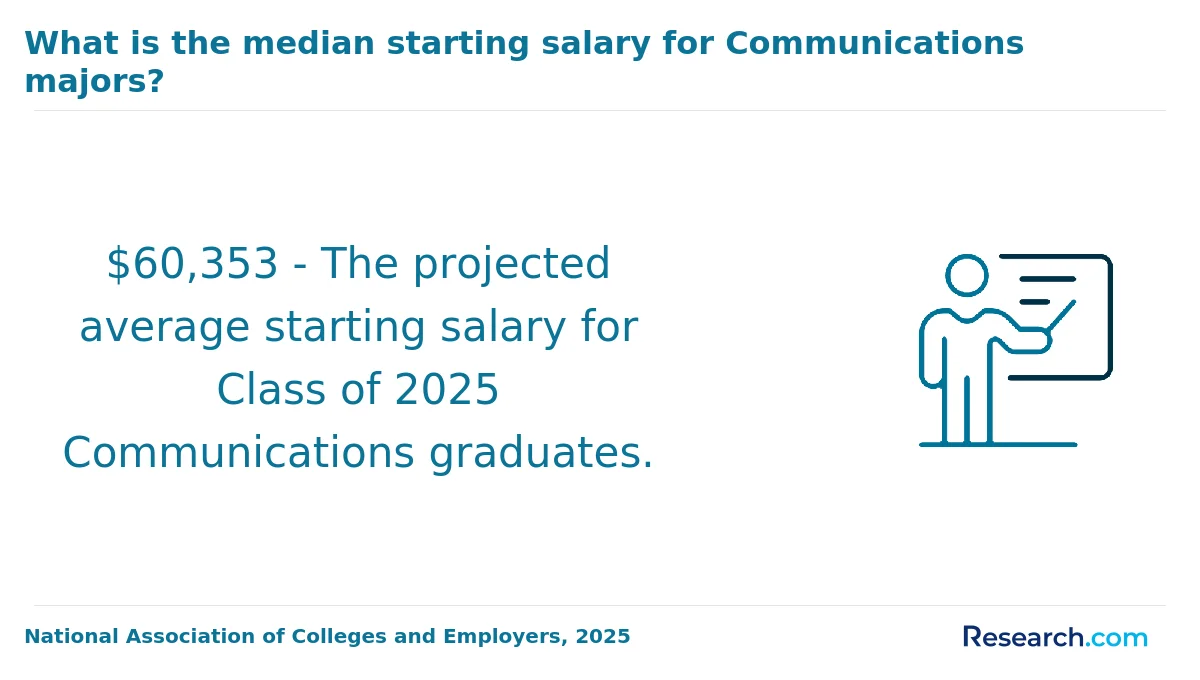
- The salary for communication degree graduates varies widely, but many in related fields in the US earn between $50,000 and $70,000 annually, offering a reliable income to start a rewarding career.
- Graduates from universities like the University of Southern California often pursue careers in public relations, marketing, media, or corporate communications, showcasing diverse and exciting opportunities for growth.
- Online communication degrees from institutions such as Arizona State University provide flexible schedules and lower costs, allowing students to balance work and study while gaining valuable skills in a dynamic learning environment.
- Key benefits of getting online communication degree in the West
- What can I expect from online communication degree in the West?
- Where can I work with online communication degree in the West?
- How much can I make with online communication degree in the West?
- 2027 Fastest Online Communication Degree Programs Ranking in the West
- Key Findings
- How long does it take to complete online communication degree in the West?
- What's the difference between online and on-campus communication degree?
- What is the average cost of online communication degree in the West?
- What financial aid is available to online communication degree students in the West?
- What are the prerequisites for enrolling in online communication degree program in the West?
- What courses are typically in online communication degree programs in the West?
- What types of specializations are available in online communication degree programs in the West?
- How do you choose the best online communication degree in the West?
- What career paths are available for online communication degree students in the West?
- What is the job market for online communication degree in the West?
- Top Trending Communication Rankings
What can I expect from online communication degree in the West?
Estimating the average cost of an online communication degree in the Western United States requires examining both tuition rates and additional expenses. Graduates from programs at universities like the University of Southern California or California State University recall tuition ranging broadly, often between $7,000 and $20,000 annually. However, these figures can vary significantly based on whether the program is public or private, in-state or out-of-state, and the degree level. For example, a bachelor's degree at a public university tends to be more affordable than a private institution's master's program.
Many students appreciate that online formats eliminate relocation and commuting costs, making education more accessible. Nevertheless, some mention the hidden expenses of technology upgrades or increased internet bandwidth as factors to consider. Financial aid specifically designed for online learners in the West helps ease the burden, allowing students to pursue degrees without overwhelming debt.
This balancing act of cost versus value reflects real choices faced by students aiming to build careers in communication fields-from managing digital campaigns to corporate messaging-within a dynamic and growing industry.
Where can I work with online communication degree in the West?
Graduates with an online communication degree in the West often find diverse job opportunities across industries that value strong storytelling and digital expertise. Many alumni from institutions like the University of Washington and California State University report landing roles in marketing firms, public relations agencies, or corporate communications, especially in tech hubs such as Seattle and the San Francisco Bay Area.
For example, some graduates thrive as social media managers or content strategists, crafting campaigns for regional businesses eager to engage digitally savvy audiences. Others work in broadcasting or media production companies, leveraging skills gained from their studies to create compelling multimedia content tailored to urban markets like Los Angeles.
It's important, however, to note that while many roles emphasize creativity and digital fluency, competition can be strong, and salaries vary widely based on location and experience. Graduates in rural states such as Idaho or Montana might encounter fewer traditional roles but often benefit from the flexibility remote work offers, enabling them to serve companies beyond their immediate geographic area.
Additionally, careers in government and nonprofit sectors remain viable paths, with graduates managing public information or community outreach, training often provided through partnerships at colleges like Oregon State University. This breadth of options illustrates how an online communication degree can support meaningful work, though success often depends on adaptability and networking within regional markets.
How much can I make with online communication degree in the West?
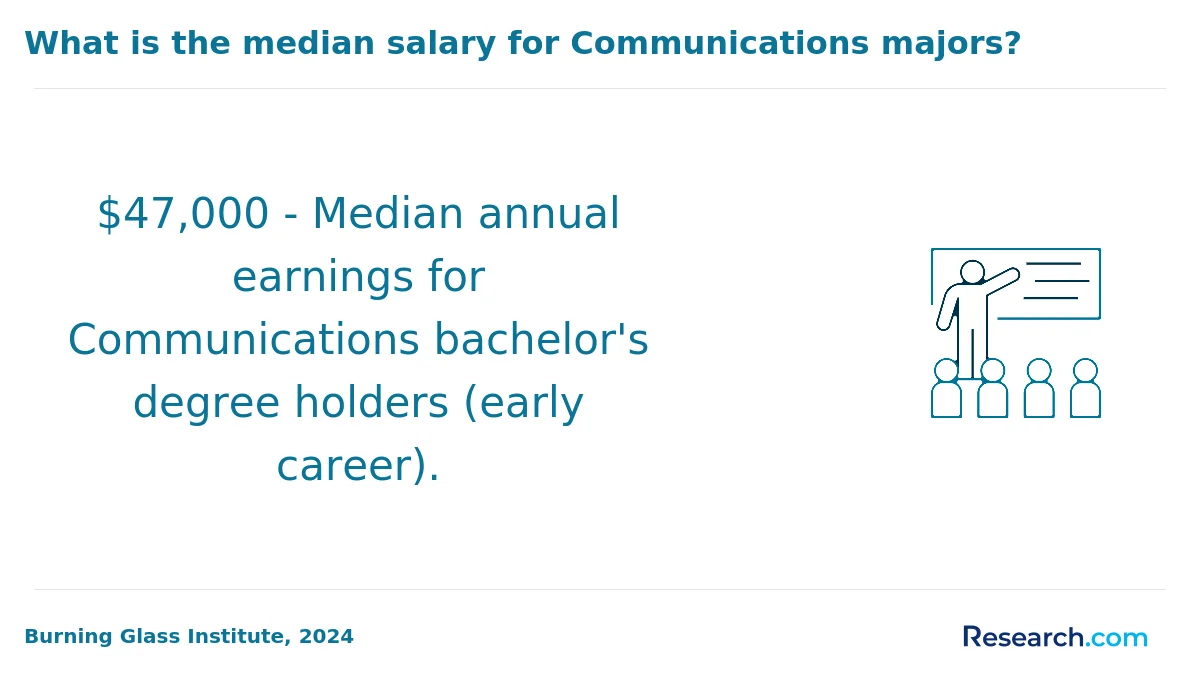
Graduates with an online communication degree in the Western United States can generally expect salaries ranging from $50,000 to $85,000 annually depending on their role and experience. Many find entry-level positions starting near $45,000, with opportunities to earn over $100,000 in management or specialized roles. For instance, graduates from schools like the University of Southern California or the University of Washington often report securing jobs in public relations or marketing with starting salaries around $50,000 to $60,000, which align with the broader regional data.
In cities such as Los Angeles and Seattle, where industries like media and tech dominate, salaries tend to be higher, reflecting the increased cost of living. A communication specialist in San Francisco might earn about $75,000-comfortably above the national average-which helps graduates feel optimistic about financial growth after completing their degree.
Graduates focusing on digital media or corporate communication often tap into even stronger earning potential, with salaries from $60,000 to $95,000. Many online programs emphasize social media and analytics skills, which graduates mention as key to landing well-paying roles in these competitive fields.
While salary varies widely, those who pursue certifications or advanced skills often find their earnings boosted, illustrating the value of continuous professional development in the communication landscape of the West.
2027 Fastest Online Communication Degree Programs Ranking in the West
How do we rank schools?
Investing in your education is a significant decision that can shape your career, and the Research.com team recognizes the importance of providing trustworthy guidance. To support prospective students interested in communication degrees, we have carefully developed the "2027 Fastest Online Communication Degree Programs Ranking in the West." Our dedication to quality, credibility, and accuracy is reflected in the thorough research and rigorous analysis behind this ranking.
We utilized the following reputable data sources to ensure a comprehensive and reliable evaluation of online communication degree programs:
By reviewing this ranking, readers will gain valuable insights and practical information to help them identify the fastest and most reputable online programs, enabling better education investment decisions. For a detailed explanation of our ranking process, please visit our Research.com methodology page.




# 12 position
Colorado Christian University
Bachelor of Communication Studies


# 17 position
Maestro University
Bachelor of Communication
# 18 position
University of Massachusetts Global
Bachelor of Communications and Media

# 19 position
Montana State University Billings
Master of Public Relations

# 20 position
Montana State University Billings
Bachelor of Communication: Organizational Communication
Key Findings
- Online communication degrees in the Western US cover media studies, public relations, digital communication, and interpersonal communication in fully online formats.
- Tuition for in-state online students at public universities ranges from $8,000 to $15,000 annually, while out-of-state or private universities can cost over $20,000 per year.
- Graduates typically start with salaries between $45,000 and $55,000, increasing to $65,000 to $80,000 with experience in fields like corporate communications and social media management.
- Employment in communication-related jobs in this region is projected to grow by about 7% over the next decade.
- Programs emphasize digital skills such as social media strategy, media analytics, and online branding, which are highly valued by employers.
How long does it take to complete online communication degree in the West?
Completing an online communication degree in the Western US varies significantly, with many students appreciating the flexibility this region offers. For example, graduates from universities in California often report finishing their bachelor's degrees in about four years through full-time study. However, others attending institutions in Washington have taken advantage of accelerated courses and year-round scheduling to finish in as little as two and a half years, balancing work and study effectively.
Associate degrees typically require around two years, focusing on foundational skills in media and public relations. Graduate students pursuing a master's communication degree online usually take one to two years, with some opting for intensive programs enabling completion in just 12 months.
These variations largely depend on factors such as whether students study full-time or part-time, the transferability of prior credits, and how well programs accommodate working adults. Many graduates express satisfaction with the ability to tailor their pace, allowing them to manage personal commitments while advancing their careers in competitive Western markets.
What's the difference between online and on-campus communication degree?
Graduates from Western universities recall that on-campus communication degrees offer a dynamic environment with face-to-face discussions and immediate feedback, often seen in schools like the University of Washington or California State University. This setting supports networking and hands-on experiences in media labs or campus events, which many students find inspiring and socially engaging.
Conversely, online communication students appreciate the flexibility to juggle work and family commitments, especially those enrolled in programs from institutions like Oregon State University. Studying remotely allows for self-paced learning, reducing commute stress and housing costs. However, these students emphasize the challenge of staying motivated without daily in-person interaction.
Both formats in the West follow similar curricula and meet ACEJMC accreditation standards, ensuring quality education. Technology plays a larger role online, requiring digital literacy and reliable internet, while on-campus students benefit from immediate access to physical resources like libraries and career centers.
Ultimately, choosing between formats depends on personal learning style, lifestyle, and priorities rather than clear-cut superiority.
What is the average cost of online communication degree in the West?
The average cost of an online communication degree in the Western United States varies broadly, reflecting differences in institution type and residency status. For many students pursuing this path, the median total cost hovers around $60,000, with in-state students paying significantly less-around $46,668 on average-while out-of-state tuition can nearly double, approaching $99,691. Graduates from well-known public universities in the West often share how these costs feel manageable, especially when paired with financial aid or scholarships, but they also emphasize the importance of budgeting beyond just tuition.
Considering total expenses for online communication degree Western US students face, it's essential to factor in fees not immediately obvious, such as for technology tools, textbooks, or supplemental course materials. These additional costs can add $1,200 to $1,500 annually. Such reality is echoed by communication graduates from prominent Western colleges who note that the convenience of studying remotely often balances out these extra fees, saving money on housing and commuting.
Some students choose programs designed to shorten the time needed to graduate, such as accelerated tracks. These options can reduce overall tuition expenses while maintaining quality, as reported by many individuals who have succeeded through accelerated online communication degree pathways. Despite the higher sticker prices at some institutions, especially private ones, students find value in flexibility and reputational benefits that support career advancement.
What financial aid is available to online communication degree students in the West?
Students pursuing online communication degrees in the Western United States often rely on a mix of financial aid sources tailored to their regional and academic needs. For example, graduates from public universities like the University of Washington frequently emphasize how Pell Grants, which can provide up to $7,395 annually, dramatically eased their tuition burden. These grants are crucial for low- and middle-income students, offering non-repayable funds that make education accessible without overwhelming debt.
Federal loans, such as Direct Subsidized and Unsubsidized Loans, present an alternative for those who need additional financing. Many students appreciate the flexible income-driven repayment plans, as shared by recent graduates from California State University, Long Beach, who describe this option as a practical safety net after completing their degrees.
State-specific programs can further reduce costs. Washington's State Need Grant and California's Cal Grant, which provide between $1,500 and over $12,000 annually, exemplify regionally focused support helping residents afford their education. Institutional scholarships, often merit-based or awarded for community involvement, also play vital roles at schools like the University of Southern California, where communication majors frequently secure these awards.
External scholarships from professional associations and local foundations offer additional financial relief, though navigating these sources requires proactive effort. Ultimately, the combined use of federal aid, state grants, institutional awards, and external scholarships shapes a realistic financial pathway for Western students committed to online communication studies.
What are the prerequisites for enrolling in online communication degree program in the West?
Enrolling in an online communication degree in the Western United States typically requires foundational academic preparation, such as holding a high school diploma or equivalent for undergraduate programs. Graduates from institutions like the University of California or Washington State report that meeting GPA thresholds-usually between 2.5 and 3.0-was crucial in their acceptance, highlighting the importance of consistent academic effort. While standardized tests like the SAT or ACT were once standard, many Western schools have adopted test-optional policies, allowing applicants to emphasize their personal statements and high school transcripts, which some students find empowering as it highlights their communication skills more directly.
For graduate programs, the demands increase, requiring a bachelor's degree in communication or related fields such as journalism or media studies, with a typical minimum GPA around 3.0. Letters of recommendation and compelling statements of purpose often tip the scales; graduates recall how these documents enabled them to demonstrate their passion and readiness effectively.
Technical competence, including reliable internet access and digital literacy, is another prerequisite. Students engaging in video presentations and group discussions at prominent Western colleges often emphasize how mastering these tools boosted their confidence and enriched their learning experience online.
What courses are typically in online communication degree programs in the West?
Online communication degrees in Western institutions often combine foundational theory with practical skill-building across diverse courses. Graduates from universities like the University of Southern California or Arizona State report that courses such as Introduction to Communication Studies clarify key concepts by examining everyday interactions and media influence, helping students make sense of how messages shape public opinion.
Other typical courses - including Media Writing and Reporting and Public Relations and Strategic Communication - equip learners to craft compelling narratives and manage organizational images effectively, skills frequently applied in internships or real-world projects. Digital media-focused classes, for example, Digital Media and Social Networking, immerse students in current technologies, preparing them to confidently navigate platforms like Twitter or Instagram in professional roles.
Many also find Communication Research Methods invaluable, as it teaches how to evaluate data critically-an essential ability for marketing and journalism fields. Meanwhile, coursework on Ethics in Communication prompts reflection on challenging dilemmas students might face, reinforcing responsible decision-making.
These courses, together with electives such as Crisis Communication or Media Law, allow students in the West to tailor their education while benefiting from flexible online formats that suit various lifestyles.
What types of specializations are available in online communication degree programs in the West?
Students pursuing an online communication degree in the West commonly encounter specializations that reflect the dynamic and diverse professional environments of the region. Graduates from well-known Western universities note that areas such as Corporate Communication equip them with skills to navigate complex organizational messaging, often citing cases where managing crisis communication proved vital.
Other popular focus areas include Digital and Social Media, which appeals especially to those interested in tech hubs like Silicon Valley. These specializations emphasize strategies for online engagement and content creation, helping students adapt to evolving digital landscapes. Health Communication is another essential field, where graduates describe real-world impacts like crafting public health campaigns during challenging times.
Interpersonal and Organizational Communication offers insight into team dynamics and leadership, frequently praised by students balancing work in human resources or nonprofit sectors. Media Production and Journalism rounds out the typical options, with many Western colleges leveraging their proximity to large media industries to provide practical multimedia storytelling experience.
This range of options illustrates the broad scope of Western online communication program focus areas, though some students suggest these might overshadow emerging tech-related fields, despite their rising importance. Those seeking affordable options can explore choices detailed in this affordable online communication degree resource.
How do you choose the best online communication degree in the West?
Choosing the best online communication degree in the West requires scrutinizing accreditation first, as regional accreditation signals quality and broader recognition. Graduates from top accredited communication programs Western region often share that this factor impacted their ability to transfer credits or pursue advanced study smoothly. Additionally, cost is a sensitive issue; many students appreciate programs offering transparency about total expenses, including fees for technology and materials. Those who opted for best affordable online communication degrees in the West reported feeling relieved when their program balanced quality with reasonable pricing.
Curriculum relevance is essential. Successful graduates often highlight programs that provide specialized tracks-like digital communication or social media analytics-allowing them to enter job markets confidently. For example, learners from Western public universities frequently mention how tailoring electives to personal goals enriched their internships and networking opportunities. Student support services also shape experiences uniquely, as many found that access to advising and career counseling was crucial to persist and thrive online.
Faculty expertise and industry connections matter deeply. Programs that link students to regional media or corporate internships generate practical insights often absent from purely theoretical courses. Exploring options carefully and comparing these factors can lead to better outcomes. Prospective students may benefit from visiting masters in communication online listings to find programs aligning with their ambitions and circumstances.
What career paths are available for online communication degree students in the West?
Graduates from online communication degree programs in the West often find diverse career opportunities spanning public relations, digital marketing, and corporate communication. For example, many alumni from reputable West Coast universities appreciate how their training prepared them for roles as public relations specialists, particularly in cities like Los Angeles and Seattle where tech and entertainment industries flourish. These positions demand managing complex communication strategies, a challenge that sparks enthusiasm for those who enjoy dynamic work environments.
Another rewarding path is digital marketing and social media management. Graduates often recall applying their skills to real-world campaigns during internships, experiencing firsthand the impact of digital communication in expanding brand presence. This hands-on experience reflects the growing popularity of the fastest online communication degree programs in the West, where blending creativity with analytics is key.
Other career options include broadcasting, corporate communication, and human resources, where communication graduates support remote and hybrid workforces. Some also explore technical communication or event management, adapting to various industries.
Those interested can learn public relations online through specialized programs designed for West Coast students seeking practical and flexible education.
What is the job market for online communication degree in the West?
The job market for online communication degree graduates in the West is notably dynamic, driven by the tech and media hubs of California, Washington, and Oregon. Graduates from well-known institutions like the University of Southern California or the University of Washington report strong demand for roles such as social media managers and content creators. These positions align with the expanding digital landscape, reflecting the job outlook for online communication degrees in the West. Many find that the integration of remote work opportunities enhances their ability to secure positions quickly, though competition remains high in metropolitan areas.
For online graduates, varied pricing models can influence their educational choices, making programs attractive when paired with flexible schedules. Those who emphasize practical digital skills, such as analytics and multimedia content production, often stand out to employers. Some students have also explored accelerated options like the accelerated masters in public relations online to enter the workforce sooner and capitalize on current market needs.
Employment opportunities for online communication graduates Western US reveal that salaries typically range between $50,000 and $75,000 annually, especially within large metropolitan areas where media and marketing demand persistently grow. However, entry-level roles may start lower, requiring persistence and continuous skill development to advance. The fast-evolving job market encourages candidates to remain adaptable and proactive.
Frequently Asked Questions About communication
Online communication degree students in the West can maximize their learning by actively engaging with course materials and participating in virtual discussions. According to the National Center for Education Statistics (NCES), students who regularly interact with peers and instructors tend to achieve higher grades and retention rates.
Utilizing university resources like online writing centers, tutoring, and career services also supports academic success. Many Western US institutions offer these services remotely to accommodate online learners.
Networking through professional organizations, such as the National Communication Association, helps build industry connections important for future employment.
Finally, balancing time management with consistent study schedules improves learning outcomes for busy adult learners.
The communication field is rapidly evolving with new niches emerging due to technological advances and shifting media landscapes. In the Western US, specialties like digital media strategy, social media management, and data analytics for communication are gaining traction. According to the National Communication Association, jobs in digital content creation grew by over 15% between 2020 and 2023.
Another emerging area is health communication, which combines public health knowledge with media skills to promote wellness campaigns effectively. Environmental communication focused on sustainability issues is also growing, reflecting heightened public and corporate interest in climate change.
These niches reflect a broader trend toward integrating communication expertise with technology and specialized knowledge areas.
Graduates with online communication degrees in the Western US can improve job prospects by gaining practical experience. Internships or freelance projects in media, public relations, or digital marketing are highly valuable. According to the Bureau of Labor Statistics, employment in communication-related fields is expected to grow by 8% from 2021 to 2031, faster than average.
Networking is also essential. Joining professional associations such as the Public Relations Society of America (PRSA) or attending local communication conferences can increase job opportunities. Building a strong portfolio showcasing writing, social media, and multimedia skills helps demonstrate readiness to employers. Continuing education on emerging digital tools is advised.
Employers in the Western US prioritize several key skills when hiring communication degree graduates. Strong written and verbal communication abilities rank highest, as reported by the National Association of Colleges and Employers (NACE) 2023 survey, which highlights these as top qualities in 70% of job listings. Critical thinking and adaptability are also crucial, reflecting a rapidly changing media and technology landscape.
Technical proficiency, including digital content creation and social media management, is increasingly valued. According to a 2022 report from the Western Communication Association, nearly 65% of employers seek graduates skilled in digital tools.
Finally, teamwork and interpersonal skills are essential to navigate diverse workplace environments effectively.
Finding internships related to a communication degree in the Western United States often starts with utilizing university career centers. Many schools offer tailored resources and connections to local media outlets, public relations firms, and nonprofit organizations. According to the National Association of Colleges and Employers (NACE), about 65% of communication students secure internships before graduation.
Online platforms like Handshake and LinkedIn also list numerous internship opportunities specifically in marketing, journalism, and digital communication within the West. Networking through local professional groups such as the Public Relations Society of America (PRSA) chapters in California or Washington can enhance prospects significantly.
Students should apply early in the academic year as many internships are competitive and time-sensitive, with peak hiring during fall and spring. Considering remote internships can broaden access, particularly for those pursuing online degrees while staying in the West.
An online communication degree significantly enhances career mobility and advancement opportunities in the Western United States. According to the U.S. Bureau of Labor Statistics, communication-related roles are expected to grow by 12% from 2022 to 2032, faster than the average for all occupations. Graduates gain skills in digital media, public relations, and interpersonal communication, which are highly sought after across industries from tech to healthcare.
The flexibility of online programs allows working professionals to upskill without interrupting their careers, often leading to promotions or transitions into managerial roles. Data from the National Center for Education Statistics show that bachelor's degrees in communication correlate with higher median earnings and lower unemployment rates in the Western states.
Institutions in the West emphasize practical projects and internships, which further boost employability and professional growth after graduation.
Studying for an online communication degree in the Western US equips students with skills that cross traditional academic boundaries. Programs often integrate coursework from fields like psychology, business, technology, and media studies. This approach prepares graduates to handle complex communication challenges in various industries.
Many Western universities emphasize project-based learning, encouraging collaboration across different disciplines. According to the National Communication Association, over 70% of communication programs in the West include interdisciplinary elements, reflecting workforce demands.
Additionally, graduates develop critical thinking, digital literacy, and leadership skills valuable in roles from marketing to public relations, enhancing their versatility in the job market.
Choosing between a thesis and a non-thesis online communication degree program in the West depends largely on your career goals and learning preferences. Thesis programs typically require conducting original research and writing a substantial paper, which is ideal if you aim for a research-focused role or plan to pursue a PhD. According to the Western Interstate Commission for Higher Education (WICHE), these programs develop strong analytical and critical thinking skills valued in academia and strategic communication fields.
Non-thesis programs focus more on coursework and practical applications, offering flexibility for working professionals. They often include additional classes or projects instead of a thesis, suitable for students targeting managerial positions or industry roles.
Consider your time availability, professional experience, and whether your career path prioritizes practical skills or research expertise when deciding.
Students based in the Western United States seeking online communication degrees have a variety of options. Many public universities in this region offer fully online bachelor's and master's programs in communication fields such as media studies, public relations, and digital communication. For example, institutions in California and Washington provide accredited programs recognized nationwide.
According to the National Center for Education Statistics, online enrollment in communication-related degrees has grown by over 15% in the West between 2020 and 2023. This trend reflects increasing flexibility and accessibility for students balancing work and study.
Additionally, some Western schools partner with international universities, allowing students to gain cross-cultural experience while completing their degrees online. Such collaborations often include virtual exchange programs or dual-degree options, broadening students' global perspectives without relocating.
Part-time jobs within the Western U.S. that complement online communication degrees often focus on practical skill-building. Roles such as social media coordinators, content creators, and public relations assistants are common options. According to the U.S. Bureau of Labor Statistics, these roles are expected to grow by 10% from 2022 to 2032, highlighting strong regional demand.
Internships at local media outlets or marketing agencies provide valuable experience. Many universities in the West also offer work-study programs tied to communication departments, enabling students to apply theoretical knowledge in realistic settings.
Freelance opportunities in digital marketing and copywriting allow flexibility and portfolio development, critical for future employment. These paths enhance communication skills crucial for West Coast industries focused on tech and entertainment.
Online communication students in the Western United States benefit from various networking opportunities despite the remote format. Many accredited universities offer virtual career fairs and webinars connecting students with regional media companies and communication professionals. According to the National Communication Association, 65% of Western students reported participating in online networking events in 2023.
Additionally, professional organizations like the Public Relations Society of America (PRSA) California chapter provide free or low-cost virtual events and mentorship programs. These platforms enable students to build relationships and explore internships across industries such as public relations, digital marketing, and journalism in states like California and Washington.
Some programs also include collaborative projects with Western-based businesses, encouraging practical experience and contacts that can lead to job opportunities post-graduation.
Alumni networks provide significant benefits for students pursuing online communication degrees in the Western United States. These networks offer access to experienced professionals who can provide mentorship, career advice, and job leads. According to the National Association of Colleges and Employers, 85% of jobs are filled through networking, making alumni connections invaluable for graduates.
In regions like California and Washington, where the communication industry is rapidly growing, alumni networks help bridge students to internships and employment opportunities. These connections often lead to collaborations on projects, internships, or freelance work. Universities including the University of Southern California and University of Washington maintain active alumni groups that organize events and online forums to support students.
Participation in alumni communities also enhances professional development by offering workshops and resources tailored to communication fields. Such engagement improves students' understanding of regional industry trends and equips them with skills critical for success in media, public relations, and digital communication sectors in the West.
Customizing an online communication degree program in the Western US allows students to align their studies with specific career goals. Many universities offer concentrations such as digital media, public relations, corporate communication, and journalism, enabling focused skill development.
Elective options often include courses in social media strategy, multimedia production, and intercultural communication, providing practical expertise. According to the National Center for Education Statistics, communication degrees grew by 12% in the West from 2018 to 2022, reflecting diverse industry needs.
Additionally, some programs offer capstone projects or internships with local media outlets or companies, enhancing real-world experience. Flexible schedules and asynchronous coursework in these programs support working professionals seeking advancement in fields like marketing or nonprofit communication.
Online communication students in the Western US often face challenges related to technology and engagement. Reliable internet access is crucial; however, rural areas in states like Montana and Idaho report connectivity issues affecting 15% of students, according to the Pew Research Center. Many students also struggle with time management, balancing studies with work or family responsibilities. Additionally, online formats can limit direct interaction, making it harder to develop practical communication skills that are typically honed through face-to-face collaboration.
Academic support is another concern. Students frequently report difficulties accessing timely feedback and networking opportunities, which are essential for career development in communication fields. These challenges underscore the need for robust online program design and student support services.
Graduates with an online communication degree in the Western US can enhance their career prospects by pursuing several professional certifications. Popular options include the Accredited Business Communicator (ABC) credential offered by the Business Marketing Association, which validates marketing communication skills.
Another valuable certification is the Certified Professional Communicator (CPC) from the National Communication Association. It recognizes proficiency in strategic communication and public relations, which are core to many communication careers.
For those interested in digital media, certifications from organizations like the Digital Marketing Institute can complement an online communication degree. According to the Bureau of Labor Statistics, communication specialists in the West earn a median wage about 10% higher than the national average, highlighting the value of advanced credentials.
When applying for an online communication degree program in the Western US, a strong application highlights both academic achievements and practical experience. Admissions committees value clear, concise personal statements that explain your interest in communication and your career goals. According to the National Center for Education Statistics, communication programs in the West tend to emphasize digital media skills, so mention relevant technology expertise.
Provide updated transcripts showing a solid GPA, particularly in writing and communication courses. Letters of recommendation from professionals or professors who can attest to your skills boost your profile. Many programs also require a resume outlining internships or jobs in media, marketing, or public relations.
Finally, follow application instructions carefully, and proofread all materials to ensure they are error-free. This attention to detail shows professionalism and a strong commitment to your studies.
Communication careers in the West, particularly the United States, are increasingly valued worldwide due to globalization and digital connectivity. According to the Bureau of Labor Statistics, employment of communication specialists is expected to grow 14% from 2022 to 2032, faster than average for all occupations. This reflects a rising demand for professionals skilled in media, public relations, and digital communication across various sectors.
Globally, communication roles emphasize cultural sensitivity and technological proficiency. Western communication programs often focus on these areas, preparing graduates for international challenges. Research from the National Communication Association highlights that effective communicators contribute significantly to organizational success and cross-cultural understanding.
In the US, online communication degrees offer flexible pathways to enter this evolving field. These programs integrate practical skills with theoretical knowledge, helping students stay competitive in a global job market centered on digital media and corporate communication strategies.
Gaining practical experience while pursuing an online communication degree in the West is essential for career readiness. Many programs integrate virtual internships, allowing students to collaborate with media companies, nonprofits, or marketing firms remotely. According to the National Association of Colleges and Employers (NACE), 60% of communication graduates secure jobs through internship experiences.
Students can also participate in online student media, creating podcasts, videos, or social campaigns to build portfolios. Western universities often offer project-based courses where learners work on real-world digital communication challenges. Additionally, joining professional organizations like the Public Relations Society of America (PRSA) provides networking and mentorship opportunities valuable to future communicators.
Choosing the right concentration within an online communication degree program in the West starts with evaluating your career goals. Common concentrations include digital media, public relations, and organizational communication, each catering to different industries. According to the Western Interstate Commission for Higher Education (WICHE), programs in California and Washington often emphasize digital media, reflecting the tech-driven job market in these states.
Review course offerings carefully to ensure they align with your interests and skills. Many programs also provide flexibility to tailor electives, which can enhance your specialization.
Lastly, consider job market trends; the U.S. Bureau of Labor Statistics reports communication-related jobs in the West are growing faster than the national average, particularly in media and corporate sectors.
Top Trending Communication Rankings
References
- Careers in Communication: What Can You Do With a Degree in Communications? https://www.mastersincommunications.com/features/careers-in-communication
- How can we improve communication with international students? https://www.emundus.fr/en/resources/blog/how-to-improve-communication-with-international-students
- Online Communication Degree | University of Phoenix https://www.phoenix.edu/online-liberal-arts-degrees/communication-bachelors-degree.html
- PR strategies for niche markets: Gaining visibility through targeted communication - HBI Communication https://www.hbi.de/en/blog/pr-strategies-for-niche-markets-gaining-visibility-through-targeted-communication/
- Targeted communication strategy for alumni community https://www.alumnforce.com/en/targeted-communication-strategy-for-alumni-networks-how-to-create-lasting-commitment/
- Online Degree vs. Traditional | University of Arkansas Grantham https://www.uagrantham.edu/blog/pros-cons-online-degree-vs-traditional-university/
- Top 6 Communication Skills for Career Growth and Organizational Impact https://www.callutheran.edu/programs/articles/top-communication-skills-career-growth-organizational-impact/
- Types of Communication Degree Programs & Specializations https://www.onlineeducation.com/communication/faqs/types-of-communication-degree-programs
- Online Degree vs. Traditional: Choosing the Right Path https://beal.edu/online-degree-vs-traditional/
- 10 Essential Networking Tips for Students to Help Build Strong Connections - Luxury Student Homes https://www.luxurystudenthomes.co.uk/networking-tips-for-students/