2027 Fastest Online Communication Degree Programs Ranking in Missouri

Co-Founder and Chief Data Scientist
Exploring online communication degree programs can feel overwhelming, especially with so many options available. That's why this article presents the 2027 Fastest Online Communication Degree Programs Ranking in Missouri, developed by the Research.com team of data scientists.
It's designed to help you quickly find programs that match your goals and lifestyle. Earning a communication degree opens doors to exciting career paths and builds valuable skills for personal and professional growth.
Read on to make an informed choice that suits your future ambitions.
Key benefits of getting online communication degree in Missouri
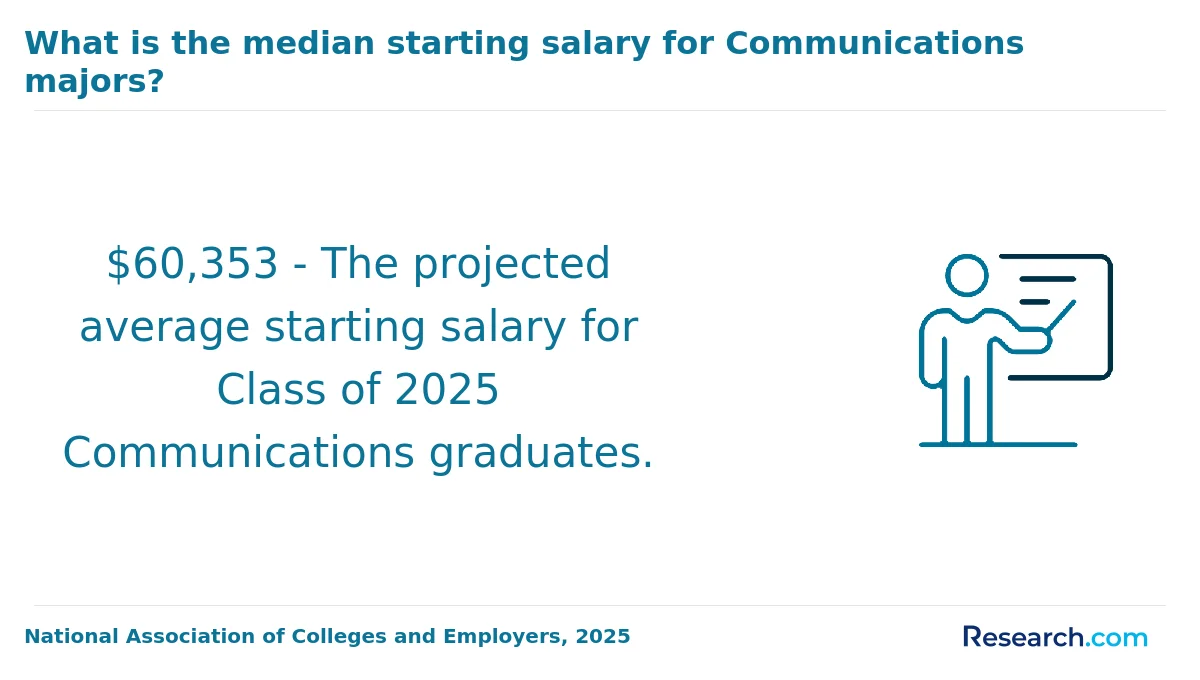
- Communication degree graduates in Missouri can expect competitive salaries, with media and public relations specialists earning around $60,000 annually nationwide, offering a promising financial future.
- Graduates from Missouri universities like the University of Missouri often pursue diverse career paths, including public relations, marketing, journalism, and corporate communications, providing many exciting job options.
- Online communication degrees offer flexibility and convenience, letting students balance work and study effectively, as seen with graduates from popular Missouri online programs who enjoy learning at their own pace without sacrificing quality.
- Key benefits of getting online communication degree in Missouri
- What can I expect from online communication degree in Missouri?
- Where can I work with online communication degree in Missouri?
- How much can I make with online communication degree in Missouri?
- 2027 Fastest Online Communication Degree Programs Ranking in Missouri
- Key Findings
- How long does it take to complete online communication degree in Missouri?
- What's the difference between online and on-campus communication degree?
- What is the average cost of online communication degree in Missouri?
- What financial aid is available to online communication degree students in Missouri?
- What are the prerequisites for enrolling in online communication degree program in Missouri?
- What courses are typically in online communication degree programs in Missouri?
- What types of specializations are available in online communication degree programs in Missouri?
- How do you choose the best online communication degree in Missouri?
- What career paths are available for online communication degree students in Missouri?
- What is the job market for online communication degree in Missouri?
- Related Communication Rankings for Nearby States
- Top Trending Communication Rankings
What can I expect from online communication degree in Missouri?
The average cost for an online communication degree in Missouri typically ranges between $25,000 and $40,000 for a full bachelor's program, depending on the institution and specific program chosen. Graduates from schools like Missouri State University often recall the value of flexible tuition combined with comprehensive support, which made managing finances alongside work and family responsibilities feel achievable and rewarding.
Many students appreciate the asynchronous class formats, which allow them to balance studies without sacrificing income. At the University of Missouri system, for instance, online learners frequently share how accessible digital resources and career services enhanced their confidence and readiness for dynamic fields like digital marketing and public relations.
Looking ahead, the costs could become even more competitive as online education technologies evolve, creating smarter, more cost-efficient delivery methods. For Missouri residents, this means growing opportunities to invest in a degree that not only fits budgets but also equips them to thrive in a rapidly changing communication landscape.
Where can I work with online communication degree in Missouri?
Graduates with an online communication degree in Missouri often find themselves stepping into dynamic roles across public relations, marketing, corporate communication, media, and nonprofit sectors. For example, those graduating from the University of Missouri or Webster University frequently share how their internships in St. Louis and Kansas City agencies helped them secure positions in vibrant PR firms, where they craft messages that shape public perception and influence community engagement.
Recent graduates talk about the excitement of working within Missouri's growing marketing and advertising landscape, using social media strategies and data analytics to boost brand visibility. The steady growth projected by the Missouri Economic Research and Information Center reassures many about long-term career stability in these fields.
Students from Missouri State University often highlight the advantages of corporate communication roles at major local employers like Emerson Electric, where they engage in crafting internal announcements and handling crisis messaging. At the same time, media production opportunities in urban hubs allow graduates to thrive creatively, supported by a strong network of radio and television stations statewide.
Many find fulfillment in nonprofit communications, driven by Missouri's vast nonprofit community, where they apply their skills to meaningful fundraising and outreach campaigns, enriching both their professional and personal lives.
How much can I make with online communication degree in Missouri?
Graduates with an online communication degree in Missouri can typically expect starting salaries between $40,000 and $50,000, especially those entering fields like public relations or corporate communication. For example, alumni from well-regarded Missouri institutions often share how their initial roles in vibrant cities like Kansas City or St. Louis provided solid entry-level pay while building valuable experience.
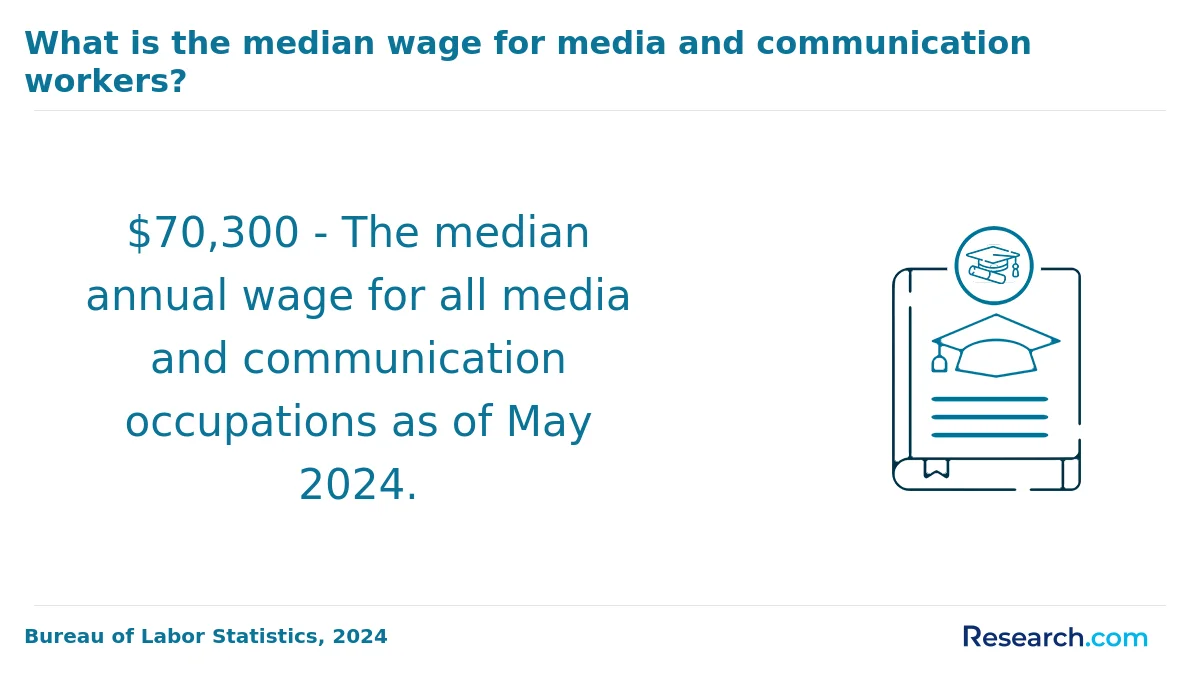
As these graduates deepen their skills and gain professional experience, many move into managerial positions, increasing their earnings to between $60,000 and $85,000 annually. Those focusing on marketing management or media director roles in larger corporations or healthcare sectors in Missouri often see salaries exceeding $90,000, reflecting the state's growing industries and demand for communication expertise.
The rising importance of digital media also offers exciting freelance opportunities, allowing graduates from Missouri colleges to leverage their creativity and tech skills for flexible income streams. Steady roles in education or government remain reliable paths with predictable salary growth in this evolving communication landscape.
2027 Fastest Online Communication Degree Programs Ranking in Missouri
How do we rank schools?
Investing in your education is a significant decision that can influence your career and personal growth, and the Research.com team is committed to helping you make well-informed choices. To support prospective students interested in communication degrees in Missouri, we have carefully developed the "2027 Fastest Online Communication Degree Programs Ranking in Missouri." Our dedication to quality, credibility, and accuracy is demonstrated through thorough research and analysis underpinning this ranking.
We utilized the following reputable data sources to ensure a comprehensive assessment of online communication programs:
By reviewing this ranking, readers will gain valuable insights into the fastest online communication degrees in Missouri, enabling them to identify programs that match their goals and timelines. For a detailed explanation of our approach, please visit our Research.com methodology page.


Key Findings
- Online communication degrees in Missouri are offered by accredited institutions with fully online or hybrid options, allowing flexible study without relocating.
- The cost for a bachelor's degree from public universities ranges between $25,000 and $40,000 for in-state students, while private schools may charge over $50,000.
- Entry-level communication professionals earn around $45,000 to $50,000 annually, with experienced specialists and managers making between $65,000 and $80,000.
- Job growth in communication fields in Missouri is moderate through 2030, with key opportunities in urban areas like St. Louis and Kansas City.
- Students benefit from academic advising, career services, and internship connections, and should ensure programs are regionally accredited for quality education.
- Financial aid and scholarships tailored for communication majors are available, and many programs support working adults through part-time and asynchronous study options.
How long does it take to complete online communication degree in Missouri?
Completing an online communication degree in Missouri typically ranges from two to four years, depending on the program and personal pace. Graduates from popular institutions like the University of Missouri or Missouri State University often share how flexible scheduling made it possible to balance work and study without stress. Many found accelerated tracks especially rewarding, finishing their bachelor's degree in as little as three years by taking extra courses during summer terms.
Imagine a student juggling a full-time job while pursuing a degree online, feeling motivated as each completed course brings them closer to a career breakthrough. Associate degrees usually take around two years and offer a solid foundation, with some students later transferring credits toward a bachelor's. Master's students embraced programs allowing part-time study over two to three years, appreciating the freedom to learn at their own rhythm without compromising quality.
With Missouri schools increasingly adopting competency-based models, future students might complete degrees even faster by demonstrating mastery, making education more personalized and efficient.
What's the difference between online and on-campus communication degree?
Online communication degrees in Missouri bring a flexibility that resonates deeply with many students balancing work and family. Graduates from Missouri State's online program often share how they appreciated the ability to study late at night or between shifts without sacrificing quality. This contrasts with on-campus programs at University of Missouri System schools, where students thrive on face-to-face collaboration, engaging directly with professors and classmates during dynamic discussions or campus media projects.
Cost is another pivotal difference. Online learners frequently find savings on commuting, housing, and campus fees, making programs at Missouri public universities more accessible without compromising academic rigor. One graduate recalled how avoiding daily travel freed up time for internship opportunities that enriched their resume.
Technology plays a key role: Missouri's online students master digital platforms and utilize virtual libraries, while on-campus peers enjoy immediate access to networking events and live workshops, vital in communication careers. Such diverse experiences highlight emerging trends that blend remote flexibility with personalized support.
What is the average cost of online communication degree in Missouri?
The average cost of an online communication degree in Missouri typically falls around $35,340 for in-state students, making it one of the more affordable online education options in the region. Graduates from popular institutions such as the University of Missouri or Missouri State University often share positive stories about managing their expenses effectively while taking advantage of in-state tuition rates. This affordable online communication degree Missouri offers encourages students to pursue their career goals without the heavy burden of debt.
Out-of-state students interested in online communication programs should anticipate somewhat higher costs, with median expenses near $60,204. However, many students highlight the value of accessibility and flexibility these programs provide, especially those balancing work and family commitments. Additionally, programs in Missouri often integrate pathways with community colleges, lowering upfront costs and offering a more budget-friendly route.
Personal accounts from recent graduates emphasize how scholarships and financial aid have been critical in offsetting prices, especially at private institutions where total costs can exceed $45,000. As more institutions embrace digital learning platforms, there is a growing trend toward hybrid and lowered-cost online models, which may influence future affordability. Prospective students might also find it helpful to explore easy online communications degree options tailored to their needs and budgets.
What financial aid is available to online communication degree students in Missouri?
Online communication students in Missouri increasingly benefit from a range of financial aid options that make their education both attainable and rewarding. Graduates from popular institutions like the University of Missouri often share how federal aid, especially Pell Grants and low-interest federal loans obtained through FAFSA, relieved their financial stress, enabling full focus on coursework and career goals.
State programs like Access Missouri grants and the Bright Flight Scholarship further brighten prospects, rewarding academic excellence and economic need. Imagine a student leveraging these funds to pursue a flexible online communication degree from Missouri State University while balancing work and family life, feeling empowered rather than overwhelmed.
Institutional scholarships from Missouri colleges frequently reward leadership and professional experience, with some dedicated to adult learners or veterans-helping transform the traditional student journey into a more personalized path. Many graduates express gratitude for employer tuition reimbursements, a growing trend that supports career advancement without incurring debt.
Looking ahead, digital platforms may expand private scholarship access, connecting students with communication-specific awards nationwide, fostering hope and resilience among future Missouri communication professionals.
What are the prerequisites for enrolling in online communication degree program in Missouri?
Enrolling in an online communication degree in Missouri typically means meeting a few straightforward prerequisites that set students up for success. Many graduates from well-known schools like Missouri State University recall submitting their high school transcripts with a GPA around 2.5 or higher, which helped ease their admission process. Some programs may ask for SAT or ACT scores, but there is a growing trend-especially for adult learners-to waive these tests, making it more accessible. Imagine starting your journey with just a reliable computer and internet, as technology access has become a crucial part of readiness.
Applicants might also face placement tests or need to show competence in foundational areas such as English and basic math, ensuring smoother progress once coursework begins. For example, some former students from regional community colleges found that completing a basic communication course ahead of time boosted their confidence and performance in online classes.
Letters of recommendation or personal statements sometimes add a personal touch to applications, offering schools a glimpse of applicants' passion for communication fields. These elements reflect evolving admissions practices tailored to individual strengths, especially at selective Missouri universities.
What courses are typically in online communication degree programs in Missouri?
Students enrolled in online communication degrees in Missouri often engage deeply with courses like Media Writing and Public Relations Strategies, designed to enhance real-world skills. Graduates from well-known Missouri colleges describe feeling empowered when applying classroom lessons to create effective social media campaigns or manage crisis communication scenarios for local businesses.
Courses such as Interpersonal Communication and Organizational Communication introduce students to dynamics they encounter daily, whether resolving conflicts in virtual teams or leading group projects in a remote setting. These classes help Missouri students build confidence and adaptability for future workplaces.
Communication Theory and Digital Media and Communication are also staple courses where students explore emerging trends like AI-driven content creation and virtual reality storytelling. Many online learners appreciate how these forward-looking topics prepare them for evolving career landscapes in Missouri's marketing and journalism sectors.
By combining foundational knowledge with practical exercises inspired by experiences of recent Missouri graduates, these programs consistently foster enthusiasm and readiness for professional communication roles.
What types of specializations are available in online communication degree programs in Missouri?
Students pursuing an online communication degree in Missouri commonly explore specializations like public relations, digital media, organizational communication, and journalism. Graduates from popular Missouri colleges often share how focusing on public relations helped them navigate real-world challenges in nonprofit and business settings, where strategic communication and crisis management are crucial. These firsthand experiences highlight how such specializations prepare students for dynamic career paths.
Digital media is gaining momentum as a specialization, especially with the growing role of social media and multimedia storytelling in today's job market. Missouri learners find that this focus equips them with valuable skills for marketing firms and media companies, reflecting the evolving demands of online communication degree specializations Missouri offer.
Organizational communication studies in Missouri emphasize leadership and conflict resolution, enabling students to enhance workplace efficiency-a benefit praised by graduates entering mid-sized and large corporations. Some also explore journalism-related courses integrated into broader programs, keeping pace with industry changes.
Additional niche specializations such as health and political communication provide diverse options tailored to Missouri's unique industries. For students eager to align their degrees with current market trends, exploring jobs for communication majors helps clarify exciting future possibilities.
How do you choose the best online communication degree in Missouri?
When choosing the best online communication degree programs in Missouri, focus on institutions that combine strong accreditation with curriculum flexibility. Graduates from Missouri's popular communication programs often praise how adaptable schedules helped them balance work and study, making the experience less stressful and more motivating. Imagine completing coursework that aligns closely with real-world media environments found in cities like St. Louis or Kansas City, where students frequently gain practical insights during virtual internships connected to local media outlets.
Affordability is crucial, especially since in-state tuition rates can vary widely. Many students have had success selecting programs that emphasize transparent costs and reduced online fees. These programs often feature innovative course designs that incorporate emerging communication technologies and future trends in digital media, creating exciting opportunities to explore areas linked to types of public relations jobs connected to Missouri's business landscape.
Reflecting on what alumni say, programs with supportive faculty and strong online communities foster confidence and career readiness. Such environments not only teach theory but also prepare students to adapt to shifting communication demands, making them feel empowered and ready to thrive in evolving industries.
What career paths are available for online communication degree students in Missouri?
Graduates from online communication degree programs in Missouri find their paths opening in dynamic fields such as public relations, marketing, media, and corporate communications. Many alumni from well-known Missouri colleges share exciting stories of landing roles as Public Relations Specialists, leveraging Missouri's expanding corporate and nonprofit hubs to shape public narratives. Others find fulfilling work as Marketing Coordinators, crafting digital campaigns reflecting the state's growing investment in online marketing strategies.
Emerging trends show that communication graduates are increasingly becoming vital in tech-forward sectors, taking on roles like Technical Writers or Content Developers for industries like healthcare and manufacturing prevalent in Missouri's economy. Those with degrees from leading institutions feel confident navigating this evolving landscape, thanks to practical skills gained from accredited programs.
Missouri's diverse job environment consistently supports the best jobs with communication degree Missouri students seek, reflecting a promising future for professionals. Graduates often explore salary growth opportunities, and many consider advancing education to boost earnings, as highlighted in studies on salary with a master's in public relations.
What is the job market for online communication degree in Missouri?
Missouri's job market for graduates with an online communication degree is evolving rapidly, especially in metropolitan areas like St. Louis and Kansas City. Employment opportunities with communication degree in Missouri are bolstered by the growth of digital media platforms and expanding healthcare and education sectors needing skilled communicators. Graduates from popular institutions often find themselves thriving in roles such as public relations, social media management, and corporate communications, where their digital proficiency and strategic content skills are highly valued.
Many students pursuing communication degrees in Missouri public universities benefit from affordable tuition, making their education a smart investment toward entering this dynamic job market. For those aiming to specialize, earning a public relations master's degree offers a pathway to higher earning potential and diverse career options.
Recent graduates describe positive experiences transitioning into the workforce, with multiple entry points in media firms and marketing agencies concentrated in urban centers. These real-life scenarios highlight a promising job outlook for online communication degree Missouri, fueled by the increasing demand for effective internal and external communication across various industries.
Frequently Asked Questions About communication
Students pursuing online communication degrees in Missouri can enhance their learning by actively engaging in virtual class discussions and networking opportunities. Participating in group projects and using digital collaboration tools helps develop practical skills relevant to today's communication fields.
Missouri hosts several top-ranked communication programs, many of which offer internships connected to local media and corporate sectors. Taking advantage of these internships provides real-world experience and professional connections. According to the Missouri Department of Higher Education, over 70% of communication graduates find employment within six months, emphasizing the value of applied learning.
Additionally, students should utilize university resources like online libraries, writing centers, and career services. Staying organized with dedicated study schedules and seeking faculty support when needed also improves academic success. Combining these approaches can maximize the benefits of an online communication degree in Missouri.
The communication field is evolving rapidly, and Missouri students pursuing online degrees can benefit from understanding emerging niches. One key area is digital communication, focusing on social media strategy, content creation, and online branding. This reflects growing demand as more businesses shift to digital platforms.
Another rising niche is health communication, where professionals help design effective campaigns to improve public health outcomes. Missouri's Department of Health frequently collaborates with communicators in this area.
Additionally, crisis communication is gaining importance, especially with increased awareness of managing public relations during emergencies. The Bureau of Labor Statistics highlights strong growth projected in these specialized roles nationwide, including Missouri.
Graduates with an online communication degree in Missouri should focus on building practical skills that employers value. Developing strong writing, public speaking, and digital communication abilities is essential. According to the Missouri Economic Research and Information Center (MERIC), communication-related jobs in the state are projected to grow by 5% by 2030, highlighting demand for qualified candidates.
Internships and networking can significantly boost job prospects. Missouri offers numerous opportunities through local media outlets and organizations. Joining professional associations like the Missouri School Public Relations Association (MOSPRA) helps graduates connect with industry professionals.
Additionally, acquiring proficiency in current software tools and social media platforms can set candidates apart in the competitive job market.
Employers in Missouri highly value communication degree graduates who demonstrate strong verbal and written communication skills. According to the Missouri Department of Higher Education & Workforce Development, effective storytelling and public speaking abilities are critical in roles ranging from corporate communication to media.
Additionally, proficiency in digital communication platforms, including social media management and content creation, is increasingly sought after as businesses expand their online presence. Analytical skills, such as interpreting communication data and crafting targeted messages, also improve employability.
Missouri employers favor graduates with teamwork and interpersonal skills, essential for collaborating across diverse organizations and communities in the state's growing job market.
Adaptability and cultural awareness rank high, especially given Missouri's mix of urban and rural populations requiring tailored communication strategies.
Finding internships in Missouri relevant to a communication degree involves leveraging local resources and networks. Start by exploring career services at Missouri universities offering online communication programs, such as the University of Missouri or Missouri State University. These offices often provide exclusive internship listings and connections to alumni.
Many Missouri organizations seek interns with communication skills, including media outlets in Kansas City and St. Louis, marketing firms, and nonprofit agencies. Check Missouri's Department of Higher Education and Workforce Development website for statewide internship programs.
Online platforms like Handshake and internships.com also list Missouri-specific opportunities, helping students tailor searches by location and field.
According to the Missouri Economic Research and Information Center, communication-related jobs in Missouri are projected to grow by 7% through 2030, increasing internship availability.
An online communication degree in Missouri significantly enhances career mobility by providing students with versatile skills applicable in multiple industries such as marketing, public relations, media, and corporate communications. According to the U.S. Bureau of Labor Statistics (BLS), communication-related jobs in Missouri, including public relations specialists and marketing managers, are expected to grow by 7% through 2031, slightly faster than the national average.
Graduates gain advanced digital communication competencies, critical for remote and hybrid work environments increasingly adopted across Missouri businesses. This flexibility allows professionals to pursue diverse roles without geographic limitations.
Employers in Missouri value the strategic thinking and media literacy developed through these programs, which can lead to faster promotions and leadership opportunities within organizations.
Studying for a communication degree in Missouri equips students with versatile skills applicable across various fields. Online programs emphasize critical thinking, media literacy, and effective messaging, preparing graduates to collaborate in interdisciplinary teams.
Many Missouri schools integrate courses covering business, technology, and health communication, reflecting the region's diverse economic sectors. According to the Missouri Department of Higher Education, nearly 40% of communication graduates work in roles bridging multiple disciplines, such as marketing, public relations, and healthcare communication.
This interdisciplinary training enhances adaptability, making graduates valuable in fields requiring clear information exchange and strategic communication.
Choosing between a thesis and a non-thesis online communication degree in Missouri depends on your career goals and academic interests. A thesis option typically suits students aiming for research roles or doctoral studies, as it involves writing a substantial research paper under faculty guidance. Missouri universities offering communication degrees often align thesis programs with deeper academic exploration.
Non-thesis programs focus more on coursework and practical skills, ideal for professionals seeking advancement in fields like public relations or corporate communication. According to the Missouri Department of Higher Education, enrollment in online communication programs increased by 15% in recent years, showing growing demand for flexible learning paths.
Consider your future plans: thesis programs emphasize research, while non-thesis paths prioritize applied knowledge and career readiness. Check specific Missouri schools for detailed curriculum and available options.
Students based in Missouri seeking to study communication abroad have various options through partnerships between Missouri universities and international institutions. Many Missouri colleges offer study abroad programs or exchange opportunities that allow students to earn credits toward their communication degrees while immersed in a different cultural setting.
For example, the University of Missouri supports global learning by facilitating communication-focused semesters in countries across Europe, Asia, and Latin America. These programs often include internships, language learning, and networking with global media organizations.
Additionally, some online communication degree programs in Missouri incorporate virtual international collaboration projects. This approach enables students to engage with peers worldwide without leaving home, broadening their global perspective effectively.
According to data from the Institute of International Education, nearly 10% of undergraduates from Missouri participate in study abroad annually, indicating growing interest in international academic experiences related to communication studies.
Part-time job opportunities in Missouri can significantly enhance the educational experience of students pursuing an online communication degree. Roles such as social media coordinator, public relations assistant, or content writer allow students to apply theoretical knowledge in practical settings. According to the Missouri Department of Labor, communication-related jobs are projected to grow by 8% through 2028, especially in digital marketing and media sectors.
Internships with local media outlets, nonprofits, or corporate communication departments provide valuable networking and skill-building opportunities. Freelance work in copywriting or event promotion also complements academic study, helping students develop versatile communication skills.
Online communication students in Missouri benefit from various networking opportunities designed to connect them with professionals and peers. Universities such as the University of Missouri and Webster University host virtual career fairs and alumni networking events tailored for communication majors. These platforms enable online students to build relationships despite geographical distances.
Missouri's communication field is supported by active chapters of professional organizations like the Public Relations Society of America (PRSA) and the National Communication Association (NCA). Membership often provides access to workshops, mentorship programs, and local networking events, which are sometimes available online.
Furthermore, LinkedIn groups focused on Missouri communication professionals offer additional virtual networking spaces. According to data from the Missouri Department of Economic Development, the state expects a 7% growth in communication-related jobs by 2030, increasing opportunities for students who actively network during their studies.
Alumni networks provide significant advantages for students pursuing online communication degrees in Missouri. These networks connect current students with graduates working in various communication fields, offering valuable mentorship opportunities. According to the Missouri Department of Higher Education, networking through alumni can increase job placement rates by up to 20% for recent graduates in communications-related roles.
In addition, alumni often share job leads, internships, and professional advice tailored to Missouri's media and corporate sectors. This is particularly helpful for online students who may lack local campus resources. Active alumni associations also host virtual events, workshops, and panels that enhance students' skills and industry knowledge.
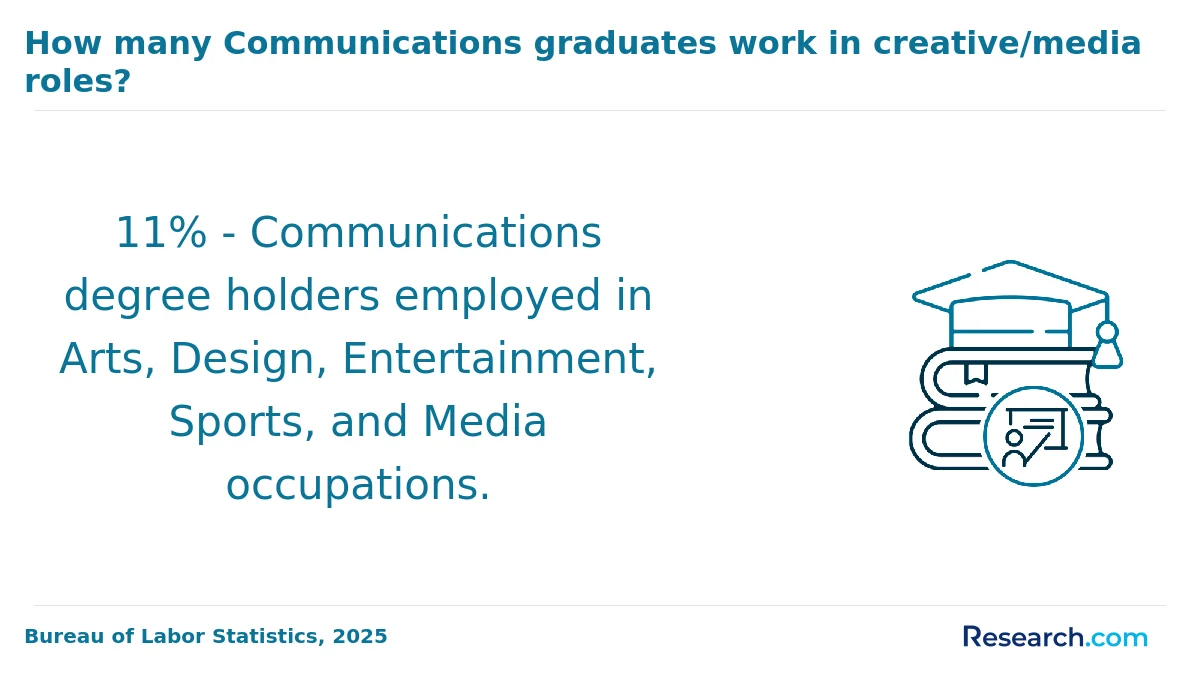
Many online communication degree programs in Missouri offer flexible curriculum options, allowing students to tailor their studies according to specific career goals. For example, students can often choose electives focused on public relations, digital media, corporate communication, or journalism. This customization helps align coursework with industries that are prominent in Missouri, such as healthcare communication in St. Louis or media production in Kansas City. Additionally, some programs provide internship opportunities or project-based learning, enabling practical experience in local settings. According to the Missouri Department of Higher Education, more than 50% of communication graduates find roles in marketing and public relations, making specialization valuable for career readiness.
Online communication students in Missouri face several challenges unique to digital learning environments. One major issue is maintaining consistent access to reliable internet, as rural areas in Missouri often experience connectivity problems, which can hinder participation in live discussions and timely assignment submissions. According to the Missouri Department of Elementary and Secondary Education, nearly 10% of households in some rural counties lack adequate broadband access.
Another common challenge is staying motivated and managing time effectively. Without regular in-person interaction, students often find it difficult to stay engaged with coursework. This is particularly important in communication programs that emphasize group projects and presentations. Missouri State University reports that about 35% of online students cite time management as a primary obstacle.
Finally, some students struggle with limited networking opportunities compared to traditional campuses. Networking is crucial in communication fields for internships and job placements. Missouri's regional employers often look for graduates with strong, in-person interpersonal skills, which can be harder to develop fully through online formats alone.
Graduates with an online communication degree in Missouri can pursue several professional certifications that enhance their careers. One prominent option is the Certified Professional in Learning and Performance (CPLP), which covers communication skills widely used in corporate training and development.
Another valuable certification is the Accredited Business Communicator (ABC) offered by the International Association of Business Communicators (IABC). This credential is recognized nationally and applies well within Missouri's job market, especially in St. Louis and Kansas City.
Additionally, the Project Management Professional (PMP) certification is relevant for communication professionals managing projects or teams. According to the Missouri Economic Research and Information Center, roles requiring strong communication and project skills are growing steadily.
To write a winning application for an online communication program in Missouri, start by tailoring your personal statement to highlight your interest in communication and its impact within the state's industries, such as media, healthcare, and public relations. Missouri colleges often look for applicants who demonstrate clear career goals and relevant experience.
Include any volunteer or work experience that showcases your communication skills. Missouri's labor market for communication-related jobs is growing by about 5% annually, according to the U.S. Bureau of Labor Statistics, so emphasizing adaptability and digital literacy is key.
Finally, ensure all transcripts and test scores are submitted promptly and proofread your application carefully to avoid errors.
The career outlook for communication graduates is growing both nationally and globally, reflecting the increasing importance of effective messaging in diverse fields. In Missouri, the demand for communication professionals rises alongside sectors like healthcare, technology, and public relations. According to the U.S. Bureau of Labor Statistics, employment in communication-related occupations is projected to grow about 10% from 2022 to 2032, faster than the average for all jobs.
Globally, communication skills are valued for navigating multicultural environments and digital media landscapes. Employers seek individuals with strong media literacy and cross-cultural competence. Missouri's universities increasingly incorporate global communication themes in their online programs to prepare students for this international demand.
Gaining practical experience while pursuing an online communication degree in Missouri is essential for career readiness. Many programs incorporate virtual internships, allowing students to collaborate with Missouri-based media outlets, nonprofits, and businesses. For example, institutions often partner with Kansas City or St. Louis organizations to provide remote opportunities.
Additionally, students can engage in project-based coursework simulating real-world communication tasks like campaign planning and digital content creation. According to the Missouri Department of Higher Education, nearly 40% of communication graduates complete internships, which significantly enhance employability.
Joining professional associations such as the Missouri Communication Association offers networking, workshops, and local events-valuable for skill-building even online.
Choosing the right concentration within an online communication degree program in Missouri starts with identifying your career goals. Missouri offers various concentrations such as public relations, digital media, and corporate communication. According to the Missouri Department of Higher Education, programs often align with local industry demands, including healthcare, education, and media sectors.
Review course descriptions carefully to find concentrations that emphasize skills you want, like social media strategy or interpersonal communication. Missouri's growing digital marketing sector values adaptability, so consider concentrations offering hands-on projects.
Lastly, check if the program provides networking opportunities with Missouri businesses, helping you connect with potential employers in the state.
Related Communication Rankings for Nearby States
- 2027 Fastest Online Communication Degree Programs Ranking in Kansas
- 2027 Fastest Online Communication Degree Programs Ranking in Arkansas
- 2027 Fastest Online Communication Degree Programs Ranking in Illinois
- 2027 Fastest Online Communication Degree Programs Ranking in Kentucky
- 2027 Fastest Online Communication Degree Programs Ranking in Colorado
- 2027 Fastest Online Communication Degree Programs Ranking in Ohio
- 2027 Fastest Online Communication Degree Programs Ranking in Georgia
- 2027 Fastest Online Communication Degree Programs Ranking in Florida
- 2027 Fastest Online Communication Degree Programs Ranking in Virginia
- 2027 Fastest Online Communication Degree Programs Ranking in North Carolina
Top Trending Communication Rankings
References
- Finding Networking Opportunities as a Student https://www.nshss.org/resources/blog/blog-posts/how-to-find-networking-opportunities-as-a-student/
- 10 Essential Networking Tips for Students to Help Build ... https://www.luxurystudenthomes.co.uk/networking-tips-for-students/
- The Online Bachelor of Arts Degree in Communication https://www.wiu.edu/cofac/communication/online_BA.php
- Importance of Networking https://www.universitylabpartners.org/student-voices/importance-of-networking
- How Long is an Online Master's in Communication Program? https://www.onlineeducation.com/communication/faqs/how-long-to-earn-a-communications-masters-degree-online
- Top 10 Effective Networking Tips for Students https://www.unfc.ca/blog/networking-tips-for-students
- Master's in Communication Salaries by Career and Position ... https://www.mastersincommunications.com/faqs/masters-in-communication-salary
- Communication Frequently Asked Questions https://centralmethodist.edu/academics/undergraduate/communication/communication-faq.html
- Communication Studies BS https://www.ucmo.edu/academics/programs/majors/cahss/communication-and-digital-media-production/communication-studies-bs/
- Best Bachelor's in Communication Degrees in Missouri 2026 https://www.mastersincommunications.org/bachelors/missouri/