2027 Easiest Online Communication Degree Programs Ranking in Maryland

Co-Founder and Chief Data Scientist
Choosing the right communication degree program can be a challenge, especially when balancing busy lives and future goals. This article introduces the 2027 Easiest Online Communication Degree Programs Ranking in Maryland, developed by the Research.com team of data scientists to help students make informed decisions.
Discover programs that fit your pace and lifestyle while building essential skills for a successful career. Whether you're starting fresh or advancing your education, a communication degree opens doors to exciting opportunities. Dive in and explore options that make learning both accessible and rewarding.
Key benefits of getting online communication degree in Maryland
- While specific salary data for communication graduates in Maryland is not available, communication-related careers in the US typically offer competitive salaries, often ranging from $45,000 to $75,000 annually depending on the role and experience.
- Graduates from the University of Maryland with communication degrees often pursue careers in public relations, marketing, and digital media, offering a variety of exciting and dynamic job opportunities.
- Completing a communication degree online through institutions like Towson University provides flexibility and convenience, allowing students to balance work and study while gaining valuable skills from anywhere in Maryland.
- Key benefits of getting online communication degree in Maryland
- What can I expect from online communication degree in Maryland?
- Where can I work with online communication degree in Maryland?
- How much can I make with online communication degree in Maryland?
- 2027 Easiest Online Communication Degree Programs Ranking in Maryland
- Key Findings
- How long does it take to complete online communication degree in Maryland?
- What's the difference between online and on-campus communication degree?
- What is the average cost of online communication degree in Maryland?
- What financial aid is available to online communication degree students in Maryland?
- What are the prerequisites for enrolling in online communication degree program in Maryland?
- What courses are typically in online communication degree programs in Maryland?
- What types of specializations are available in online communication degree programs in Maryland?
- How do you choose the best online communication degree in Maryland?
- What career paths are available for online communication degree students in Maryland?
- What is the job market for online communication degree in Maryland?
- Related Communication Rankings for Nearby States
- Top Trending Communication Rankings
What can I expect from online communication degree in Maryland?
When diving into an online communication degree in Maryland, one exciting discovery many students make is the affordability of their education. Graduates from schools like Towson University and University of Maryland Global Campus often reflect on how manageable the costs were, especially with in-state tuition ranging typically from $6,000 to $12,000 per year. This price point opens doors for many who balance studies with work or family commitments.
Imagine logging into your virtual classroom after a day at your job, knowing that your tuition is within reach thanks to Maryland's state financial aid and scholarships tailored for distance learners. The money saved compared to private institutions can relieve stress and allow you to focus more on honing essential skills in multimedia production or strategic communication, rather than worrying about debt.
For many, the online format combined with these affordable rates turns degree completion into an achievable, rewarding adventure, offering quality education without breaking the bank.
Where can I work with online communication degree in Maryland?
Graduates with an online communication degree in Maryland step into a world brimming with vibrant career paths. Imagine working for a bustling public relations firm in Baltimore, crafting compelling campaigns that shape community stories, or joining a nonprofit in College Park, where your words bring causes to life through newsletters and grant proposals. Many alumni from the University of Maryland have found themselves thriving in these dynamic roles.
Picture career opportunities unfolding at federal agencies around the Baltimore-Washington area, where communication specialists handle public outreach and digital engagement. Others venture into Maryland's booming tech and healthcare sectors, translating complex ideas into clear messages that connect experts to broader audiences.
Remote work also opens doors, allowing Maryland communication graduates to collaborate with companies nationwide while enjoying local quality of life. Whether managing social media for a startup or steering corporate communication at a university, graduates feel empowered by the diverse and exciting possibilities their degree unlocks.
How much can I make with online communication degree in Maryland?
Stepping into the job market with an online communication degree in Maryland opens exciting earning possibilities that reflect the vibrant media landscape around you. Graduates from institutions like the University of Maryland or Towson University often find themselves starting with salaries between $40,000 and $50,000, especially in cities buzzing with opportunities such as Bethesda or Silver Spring. Imagine launching your career near Washington D.C., where local government agencies and nonprofit organizations value sharp communicators.
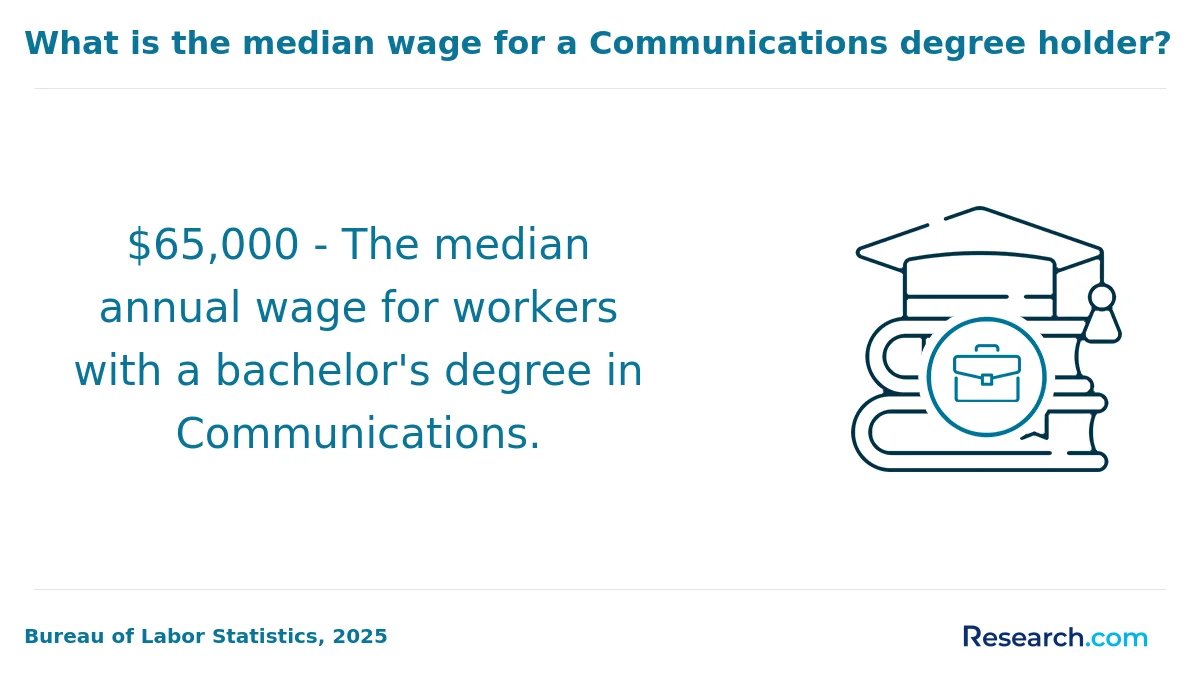
With experience, these roles blossom into rewarding careers. Public relations specialists, for example, earn around $70,000 annually within Maryland, a figure that many alumni proudly reach as they gain confidence and build networks. Picture yourself crafting compelling campaigns or managing digital content for a budding company and watching your paycheck grow alongside your skills.
For those with a flair for leadership, marketing and communication managers typically enjoy salaries nearing $110,000. Graduates who combine their degrees with certifications or hands-on projects often experience this growth firsthand, illustrating just how dynamic and promising a communication career in Maryland can be.
2027 Easiest Online Communication Degree Programs Ranking in Maryland
How do we rank schools?
Investing in your education is a significant decision that can shape your future, and the Research.com team is committed to helping you make informed choices. To support prospective students in Maryland, we have carefully developed the "2027 Easiest Online Communication Degree Programs Ranking." Our dedication to quality, credibility, and accuracy is demonstrated through thorough research and detailed analysis.
We utilized the following reputable data sources to ensure a comprehensive evaluation of communication programs:
By reviewing this ranking, readers will gain valuable insights into the most accessible online communication degree programs in Maryland, enabling them to select the best fit for their educational goals. For more information on how this ranking was created, please visit our Research.com methodology page.
# 1 position
University of Maryland Global Campus
Master of Strategic Communication


Key Findings
- Online communication degrees in Maryland are available at associate, bachelor's, and sometimes master's levels with fully online or hybrid formats.
- In-state tuition for bachelor's degrees at public universities ranges from $8,000 to $15,000 per year, while private institutions may charge $20,000 to $35,000 annually.
- Entry-level salaries for communication graduates in Maryland start around $45,000 to $50,000, increasing to $70,000 or more with experience in specialized or managerial roles.
- Maryland's job market favors communication professionals skilled in digital media, crisis communication, and strategic messaging, especially near Baltimore and Washington, D.C.
- Many programs are accredited by the Accrediting Council on Education in Journalism and Mass Communications (ACEJMC), which supports eligibility for certifications and graduate studies.
How long does it take to complete online communication degree in Maryland?
For those choosing an associate degree at community colleges like Montgomery College, the adventure typically lasts around two years. Graduates often recall the flexibility of balancing life and learning, with the ability to start courses multiple times a year keeping motivation high and momentum flowing.
Picture a student juggling work and family, spreading courses part-time - their timeline might extend to six years, but the feeling of progress at every step makes the journey rewarding. Maryland's credit transfer policies and varying program structures create a personalized roadmap where every student's story is uniquely theirs.
What's the difference between online and on-campus communication degree?
Choosing between online and on-campus communication degrees in Maryland feels like setting off on two unique adventures. Graduates from the University of Maryland at College Park often cherish the vibrant campus life, where lively discussions in media studies or public relations ignite in-person connections. Imagine grabbing coffee after class and brainstorming a marketing campaign face-to-face - it's a burst of energy many find inspiring.
Meanwhile, those who took the online path appreciate the freedom to study at their own rhythm-balancing Maryland's busy city life or family obligations without missing a beat. Picture logging in from Baltimore or even a cozy spot in Annapolis, diving into assignments when creativity strikes, and skipping the commute that can drain your day.
Interestingly, tuition rates across Maryland's colleges sometimes blur these lines, making the choice less about cost and more about style. Online learners celebrate saving time and money on travel, while on-campus students soak in real-time feedback and local internship opportunities, connecting directly with Maryland's communication industry hubs.
What is the average cost of online communication degree in Maryland?
The average cost of an online communication degree in Maryland offers a fascinating glimpse into the balance between quality education and affordability. For many students eyeing popular schools like the University of Maryland or Towson University, the median total cost hovers around $23,922, with in-state students typically paying closer to $18,504. This difference highlights the advantage for Maryland residents who seize the opportunity to study online while keeping expenses manageable.
Graduates from these programs often recall their excitement as they navigated coursework from their living rooms or favorite local cafés, appreciating how their tuition covered not only classes but access to dedicated online resources. However, the median out-of-state total cost, about $23,724, reminds prospective learners to consider residency status carefully when estimating tuition and fees. By exploring Maryland online communication degree tuition and fees early, students can plan their budgets with a clearer vision of what lies ahead.
In vivid scenarios, one might imagine a student finishing a group project via video call while sipping coffee, feeling empowered by affordable access to premier communication studies. Additionally, many find that financial aid options and scholarship programs targeting communication majors lighten the financial load. Those curious about turning their passion into a rewarding career in communications appreciate the transparent insight into these costs as a stepping stone toward success.
What financial aid is available to online communication degree students in Maryland?
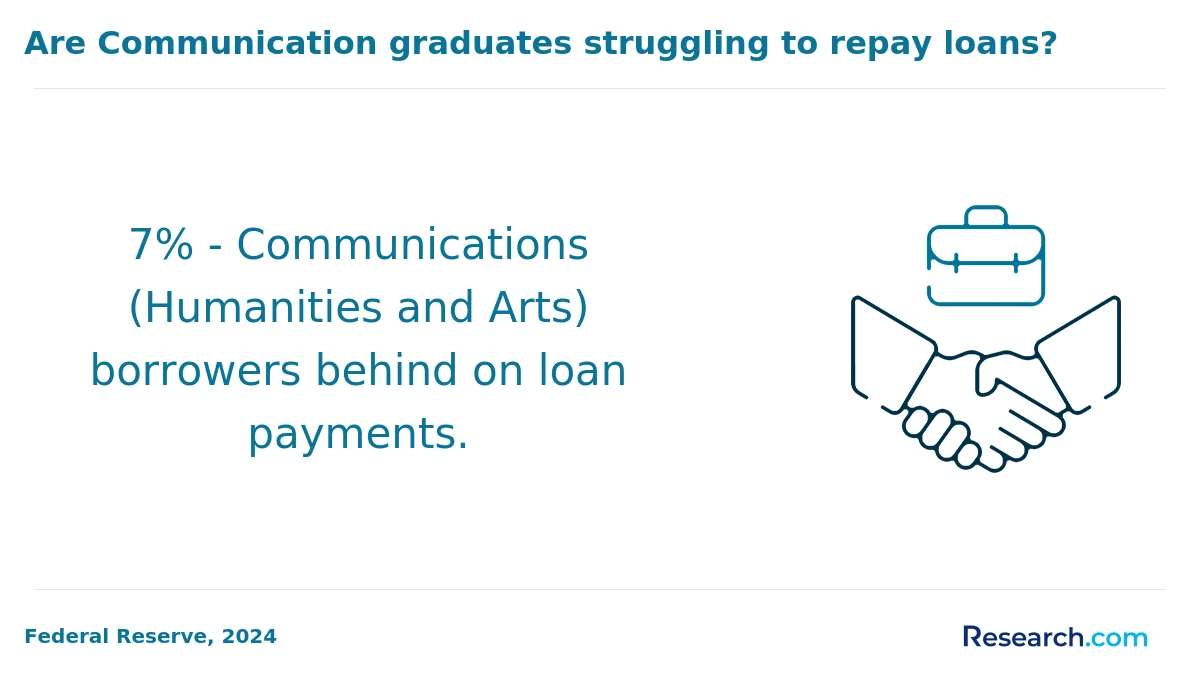
Embarking on an online communication degree journey in Maryland opens doors to diverse financial aid opportunities that make education feel within reach. Many graduates from institutions like Towson University and University of Maryland Global Campus share how Pell Grants, offering up to $7,395 annually, lifted a heavy weight by covering major tuition expenses without the burden of repayment.
Federal student loans also come into play, with Direct Subsidized Loans allowing students facing financial challenges to borrow up to $5,500 each year while the government pays the interest during enrollment. Unsubsidized loans extend options further, though repayment with interest is required later. For those rooted in Maryland, state programs like the Delegate's and Senator's Special Scholarships have been game-changers, rewarding academic dedication with vital support.
Imagine balancing studies at Frostburg State University while benefitting from work-study jobs that ease everyday costs, or discovering a school-based merit scholarship tailored for communication students navigating online classes. These layered resources transform the financial maze into a manageable adventure fueled by determination and support.
What are the prerequisites for enrolling in online communication degree program in Maryland?
To embark on the journey of an online communication degree in Maryland, the first exciting step is meeting a few key prerequisites that open doors to dynamic learning. Most programs, like those at the University of Maryland or Towson University, expect you to have a high school diploma or GED, grounding you in essential knowledge before diving into college-level coursework.
Picture a recent Towson graduate who recalls submitting transcripts showcasing their strength in English and social studies-core pillars for communication success. While many Maryland schools have moved toward test-optional admissions, adding SAT or ACT scores can still give you a competitive edge if you have them.
Personal statements are where your unique voice shines, revealing your passion for communication. Graduates often share how crafting these essays not only helped admissions appreciate their drive but also sparked self-discovery. Some programs may ask for letters of recommendation, gently nudging you to gather support from mentors who know your story.
For those aiming higher, Maryland's graduate programs usually want a bachelor's degree and strong transcripts, with some valuing professional experience too. Reliable internet and basic tech skills are your backstage pass to thriving in an online environment, turning your home into a vibrant classroom full of opportunity.
What courses are typically in online communication degree programs in Maryland?
Diving into an online communication degree in Maryland unlocks a rich journey through courses that shape how you understand and influence the world around you. Graduates from well-known Maryland institutions often recall starting with Introduction to Communication Studies, where the foundation is laid by exploring key theories and models that suddenly make everyday conversations feel like intriguing puzzles.
Imagine yourself mastering Public Speaking right from your living room, gaining confidence delivering presentations that captivate audiences, or exploring Media Literacy to decode how news and social media shape public opinion. Courses like Interpersonal Communication bring lessons alive through relatable group interactions that mirror real work or social settings.
Many students thrilled by practical skills dive into Communication Research Methods and Organizational Communication, enabling them to analyze data or understand how major Maryland companies keep their teams connected. Across Maryland's campuses, whether near Baltimore or the D.C. border, these courses blend the theoretical with hands-on projects, making each class an adventure in discovery.
What types of specializations are available in online communication degree programs in Maryland?
Public Relations, where graduates craft compelling narratives for brands and manage crisis communication, to the insightful realm of Media Studies, delving into media theory and ethics. Imagine students at the University of Maryland Global Campus exploring corporate communication, mastering how to shape internal culture and external branding-skills that bring real-world leadership communication to life.
Those drawn to healthcare find their voice through Health Communication, creating impactful public health campaigns that resonate emotionally and effectively. Meanwhile, the creative sparks fly in Advertising, where learners design strategic campaigns reflecting consumer behavior and media planning. The adventure continues with options like digital media and political communication, enriching studies with diverse perspectives.
Many Maryland graduates proudly reflect on how their programs' tailored focus fueled career growth in industries buzzing with opportunity. For students curious about careers in media communication, many Maryland colleges offer flexible paths that feel personalized and purposeful.
Online communication majors options Maryland afford a playground of possibilities, letting students boldly shape their futures while balancing life and work with ease.
How do you choose the best online communication degree in Maryland?
Choosing the best online communication degree Maryland calls for exploring programs that truly match your ambitions and lifestyle. Imagine a graduate from a well-known Maryland university who found their passion in digital communication because the curriculum offered tailored courses in social media strategy and corporate messaging, all accessible online. This practical approach not only sparked their creativity but connected them with mentors actively working in the field.
Affordability matters too, and Maryland's public universities are often the go-to for students chasing an affordable bachelor's degree in journalism online or communication. These programs balance cost with accreditation rigor, ensuring your future credits and career prospects stay strong.
Picture accessing real-time career support and tech assistance as you study remotely, just like other successful graduates who navigated their online degrees thanks to dedicated advising teams and industry-experienced faculty. Their journey underlines how choosing a program with robust student support transforms online learning from a challenge into an exciting adventure.
Ultimately, exploring graduation rates and job outcomes at popular Maryland colleges can give you confidence that the path you select leads to success. These insights make the quest for the best online communication degree Maryland an inspiring process filled with discovery.
What career paths are available for online communication degree students in Maryland?
Exploring online communication degree jobs Maryland opens a world of exciting career paths for graduates ready to dive into vibrant industries. Imagine starting as a Public Relations Specialist in Baltimore, crafting compelling press releases that shape public perception for a local nonprofit. Or picture yourself at a Maryland university, energized by hands-on projects preparing you for a role as a Social Media Manager, where you bring brands to life across Instagram and Twitter with creative campaigns.
Many graduates from popular schools like the University of Maryland or Towson University describe thrilling journeys as Corporate Communications Managers, balancing internal messaging and external outreach with precision. Others find rewarding work as Broadcast Journalists, capturing Maryland's bustling news scene or becoming Technical Writers for fast-growing businesses. These career opportunities with communication degree Maryland provide a dynamic, hands-on launch for anyone eager to shape messages and stories.
Those curious about related paths might explore degrees in journalism, blending storytelling with investigative skills to expand their professional horizons.
What is the job market for online communication degree in Maryland?
Graduates with an online communication degree in Maryland find themselves stepping into a vibrant job market fueled by the state's diverse economy and proximity to federal hubs. Imagine starting your career in bustling Baltimore or near the Washington, D.C. metropolitan area, where opportunities in public relations and corporate communication flourish. Many graduates from popular Maryland colleges share their excitement about landing roles that blend creativity and strategy, especially in media and marketing at local news outlets or digital platforms.
For those exploring Maryland career opportunities for communication graduates, nonprofit organizations and internal communications firms often seek dynamic professionals who thrive on community outreach and employee engagement. The demand for communication specialists skilled in crisis communication or digital content is especially strong given the state's connection to government agencies and biotech industries.
Financially, the outlook is encouraging with salaries typically ranging from $50,000 to $75,000 annually, supporting a comfortable lifestyle while advancing professionally. Many alumni recommend checking out careers in pr for deeper insights to navigate this adventurous path.
Frequently Asked Questions About communication
Online communication degree students in Maryland can maximize their learning by actively engaging with digital resources and participating in virtual discussions. Utilizing platforms like Zoom and Canvas effectively enhances interaction with professors and peers. Maryland hosts several accredited institutions offering online communication programs, ensuring curriculum quality aligned with industry standards.
Students should take advantage of Maryland's professional networks and internships, especially since the state ranks high in media and public relations job growth, according to the Maryland Department of Labor. Joining student organizations and attending virtual events helps build connections essential for future careers. Additionally, time management and setting clear study goals contribute significantly to academic success in online formats.
The communication field is evolving rapidly, especially in Maryland, where online degree programs align with new industry demands. Emerging niches include digital media strategy, focusing on content creation for social platforms and targeted audiences. Another growing area is health communication, reflecting Maryland's strong healthcare sector and research institutions.
Experts highlight data analytics in communication as a promising niche. Graduates learn to interpret audience metrics to optimize messaging, a skill highly valued by Maryland's marketing and public relations firms. Crisis communication also shows increased importance due to social and political developments affecting organizations statewide.
According to the Maryland Department of Labor, employment in communication-related jobs emphasizing digital skills is expected to grow by over 10% through 2028, indicating strong demand for professionals trained in these emerging specialties.
After completing an online communication degree in Maryland, preparing for the job market requires a strategic approach. Building a professional portfolio showcasing your writing, digital media, and public relations projects can demonstrate practical skills to employers.
Networking is crucial in Maryland's competitive communication field. Joining local chapters of professional groups like the Public Relations Society of America (PRSA) Maryland chapter can provide valuable connections and job leads.
Internships or part-time roles in Maryland-based media outlets or corporate communications offices offer hands-on experience. According to the Maryland Department of Labor, communication roles in the state are projected to grow by about 7% through 2030, highlighting steady demand.
Consider enhancing digital literacy skills such as SEO, social media analytics, and multimedia editing to increase employability. Maryland's growing tech sector offers expanding opportunities for communicators with digital expertise.
Employers in Maryland prioritize strong communication skills for graduates with online communication degrees. According to the Maryland Department of Labor, proficiency in digital media and social media management ranks highly due to the state's growing tech and marketing sectors. Graduates who demonstrate excellent writing and public speaking abilities are also in demand, reflecting the need for clear messaging in diverse industries.
Critical thinking and problem-solving skills are essential as well, enabling graduates to analyze complex information and develop effective communication strategies. Additionally, familiarity with multimedia tools and data-driven decision-making enhances a candidate's value in Maryland's competitive job market.
Finding internships in Maryland related to communication degrees requires strategic planning and resourcefulness. Start by exploring university career centers and online portals, which often list relevant internships in media, public relations, and corporate communications.
Maryland hosts many communication-driven organizations, including the Maryland State Department of Education and local news outlets, which frequently offer internships tailored to communication students.
Additionally, platforms like Internships.com and the Maryland Workforce Exchange can help identify opportunities specifically in the state. Networking through professional groups such as the Public Relations Society of America's Maryland chapter is also valuable.
According to the U.S. Bureau of Labor Statistics, communication-related roles in Maryland grew by 6% from 2018 to 2023, increasing internship availability.
An online communication degree significantly enhances career mobility and advancement in Maryland's competitive job market. According to the U.S. Bureau of Labor Statistics, communication-related occupations in Maryland are expected to grow by 7% from 2022 to 2032, faster than the national average. This growth creates new opportunities for graduates with strong communication skills.
Employers in Maryland's media, public relations, and corporate sectors value online degrees that provide practical skills such as digital media literacy, strategic communication, and public speaking. Graduates often find it easier to transition between roles and advance into management positions.
Moreover, many Maryland employers recognize accredited online programs from local universities, making distance learning a flexible yet credible option. Overall, an online communication degree supports professional growth through skill development and regional market alignment.
Studying for a communication degree in Maryland equips students with versatile skills applicable across various fields. Maryland's programs often emphasize interdisciplinary learning, integrating courses in business, technology, and media studies. This approach fosters adaptability, a key asset for roles in public relations, marketing, healthcare communication, or government.
Maryland benefits from proximity to Washington D.C., offering students access to internships and collaborations with federal agencies and nonprofits, enriching practical experience. According to the Maryland Higher Education Commission, communication graduates see steady employment in diverse sectors, highlighting the degree's broad applicability.
Additionally, online programs provide flexible options that blend theory with real-world projects, preparing students for dynamic, cross-functional careers.
Choosing between a thesis and a non-thesis online communication degree in Maryland depends largely on your career goals and learning preferences. Thesis programs emphasize research skills and critical analysis, which can be beneficial if you plan to pursue doctoral studies or a research-oriented career. Non-thesis options focus more on practical skills and may include internships or project-based coursework, ideal for students targeting immediate employment in communication fields.
The Maryland Higher Education Commission notes that over 60% of communication graduates enter the workforce directly, highlighting the appeal of non-thesis programs. Conversely, those interested in contributions to academic knowledge may prefer thesis tracks, often requiring 6 to 12 credit hours of research.
Consider also faculty expertise and available online resources when selecting a program, as these factors can impact the quality of your educational experience.
Students based in Maryland pursuing online communication degrees have several options for studying abroad through university partnerships and exchange programs. Many Maryland institutions with accredited communication programs, such as Towson University and the University of Maryland, offer virtual study abroad opportunities. These programs allow students to engage with international faculty and peers while completing coursework remotely.
The Maryland Higher Education Commission supports collaborations that expand global access, enhancing skills in intercultural communication. According to Open Doors 2023 data, U.S. study abroad participation has rebounded to pre-pandemic levels, with communication majors increasingly taking advantage of virtual formats. Such options help Maryland students gain global perspectives without interrupting their studies or careers.
Part-time job opportunities in Maryland that complement a communication degree are diverse and practical for gaining relevant experience. Roles such as social media coordinator, public relations assistant, and content creator allow students to apply communication theories in real-world settings. Maryland's growing digital marketing and media sectors, especially in Baltimore and the D.C. metro area, offer various internships and entry-level positions that support career growth.
According to the Maryland Department of Labor, the state has seen a steady 8% increase in marketing and communication jobs over the past five years. These part-time positions not only enhance a resume but also provide networking opportunities within local industries.
Online communication students in Maryland have several valuable networking opportunities. Many Maryland institutions offering online communication degrees provide virtual career fairs and alumni networking events. These events connect students with local media, public relations, and marketing professionals. Additionally, Maryland is home to organizations like the Maryland Communication Association, which hosts conferences and workshops fostering direct contact with industry experts.
Students can also benefit from Maryland's proximity to Washington, D.C., a hub for communication professionals and numerous agencies. According to the Bureau of Labor Statistics, Maryland's communication sector employed over 15,000 people in 2023, highlighting ample networking potential.
Alumni networks offer significant benefits to online communication degree students in Maryland. These networks provide opportunities for mentorship, allowing students to connect with graduates who have navigated similar academic and career paths. This support system helps students gain industry insights and advice tailored to Maryland's communication landscape.
Furthermore, alumni networks enhance job placement prospects. According to the Maryland Higher Education Commission, over 60% of graduates find employment through connections made within their alumni communities. This is important in competitive fields like communication, where networking often leads to internships and job offers.
Events and workshops organized by alumni groups also help students develop practical skills and stay updated on industry trends. Such engagement boosts professional growth and increases career readiness for Maryland-based communication graduates.
Students pursuing an online communication degree in Maryland can tailor their education to match career aspirations by selecting specific concentrations or electives. Many Maryland institutions offer options such as digital media, public relations, or interpersonal communication, allowing learners to focus on areas aligned with industry demands. For example, the Maryland Higher Education Commission highlights growing job opportunities in digital marketing and corporate communication sectors within the state.
Choosing internships or practicum experiences related to Maryland's prominent industries can further enhance practical skills. Additionally, online programs often provide flexibility in course sequencing, enabling students to balance foundational theory with hands-on projects. This customization equips graduates to meet local employer expectations more effectively.
Online communication students in Maryland often face challenges related to technology access and digital literacy. Despite the state's strong internet infrastructure, some students experience unreliable connections or outdated devices, which can hinder participation in virtual classes. Time management is another common issue; balancing coursework with work and family responsibilities remains difficult for many adult learners.
Moreover, networking opportunities are limited compared to on-campus programs. According to the Maryland Department of Labor, fewer than 40% of online learners report feeling well-connected with peers or faculty. Additionally, some students struggle with understanding how Maryland's specific communication job market dynamics impact their career prospects.
With an online communication degree in Maryland, you can pursue various professional certifications to enhance your career opportunities. Popular certifications include the Certified Professional Communicator (CPC) from the National Communication Association, which validates skills in public speaking, digital media, and strategic communication.
The Accredited Business Communicator (ABC) offered by the Business Marketing Association is another respected certification, focusing on marketing communications and corporate communication strategies.
Maryland's growing media and tech sectors increase demand for certified professionals skilled in digital content, social media strategies, and public relations.
According to the Bureau of Labor Statistics, communication specialists in Maryland earn a median wage of around $70,000, improving with recognized certifications.
To write a winning application for an online communication program in Maryland, start by clearly demonstrating your motivation and goals related to communication studies. Maryland offers several accredited institutions with online options, so tailoring your application to the specific program's focus is essential. Highlight relevant experience, such as internships or work in media, public relations, or digital communication.
Use a well-structured personal statement to explain why you chose this field and how it aligns with your career plans. According to the Maryland Higher Education Commission, competitive programs often look for strong writing skills and clarity of purpose.
Providing official transcripts with a solid academic record will strengthen your candidacy, particularly in courses related to communications or humanities.
Lastly, professional recommendations that attest to your communication skills or academic potential can improve acceptance chances. Maryland employers increasingly seek graduates with practical communication skills, reinforcing the value of practical experience in your application.
Global perspectives on a communication career reflect its growing importance in the interconnected world. In the United States, and specifically Maryland, communication graduates benefit from a dynamic job market shaped by media, public relations, and corporate sectors. According to the U.S. Bureau of Labor Statistics, the demand for communication specialists is expected to grow 10% nationwide through 2032, a rate faster than the average for all occupations.
Maryland's proximity to Washington D.C. enhances opportunities in government communications and international organizations. The state's diverse population also prepares students for roles involving cross-cultural communication. Online programs in Maryland emphasize skills applicable globally, such as digital media proficiency and strategic messaging, reflecting trends seen in major U.S. education and labor reports.
Students pursuing an online communication degree in Maryland can gain practical experience through internships, a highly recommended component in communications education. Many Maryland institutions, including the University of Maryland Global Campus, facilitate placements with local media outlets, nonprofit organizations, and corporate marketing departments.
Maryland's proximity to Washington D.C. offers abundant opportunities in government communications and public relations, crucial areas in the field. According to the Maryland Department of Labor, internships in these sectors often lead to paid positions after graduation.
Additionally, students can engage in project-based coursework or virtual internships offered by their schools to develop real-world skills in digital media and strategic communication.
Choosing the right concentration within an online communication degree in Maryland depends on your career goals and interests. Common concentrations include digital media, public relations, and organizational communication. Maryland's job market, especially around Baltimore and the D.C. metro area, shows strong demand for professionals skilled in digital marketing and corporate communications, according to the U.S. Bureau of Labor Statistics.
Research specific programs to see which concentrations they offer and their curriculum focus. Consider whether you want to work in media, government, or business, as each concentration prepares you differently.
Online programs accredited by recognized bodies like the Council for Higher Education Accreditation (CHEA) ensure quality education relevant to Maryland's evolving communication industry.
Related Communication Rankings for Nearby States
- 2027 Easiest Online Communication Degree Programs Ranking in Virginia
- 2027 Easiest Online Communication Degree Programs Ranking in Pennsylvania
- 2027 Easiest Online Communication Degree Programs Ranking in New York
- 2027 Easiest Online Communication Degree Programs Ranking in Ohio
- 2027 Easiest Online Communication Degree Programs Ranking in North Carolina
- 2027 Easiest Online Communication Degree Programs Ranking in Kentucky
- 2027 Easiest Online Communication Degree Programs Ranking in Tennessee
- 2027 Easiest Online Communication Degree Programs Ranking in Massachusetts
- 2027 Easiest Online Communication Degree Programs Ranking in Indiana
- 2027 Easiest Online Communication Degree Programs Ranking in Georgia
Top Trending Communication Rankings
References
- Top 6 Career Paths to Pursue with a Strategic Communication Degree https://www.callutheran.edu/programs/articles/careers-with-a-strategic-communication-degree/
- Degree in Communication Studies, North East, MD | Cecil College https://www.cecil.edu/programs-courses/academics/degrees-certificates/communication-studies
- Top 10 Effective Networking Tips for Students https://www.unfc.ca/blog/networking-tips-for-students
- What studies are needed to work in communications? - Sup de Pub https://www.supdepub.com/en/guide/what-studies-are-needed-to-work-in-communications/
- Best Bachelor's in Communication Degrees in Maryland 2026 https://www.mastersincommunications.org/bachelors/maryland/
- Communication Frequently Asked Questions | Central Methodist University https://centralmethodist.edu/academics/undergraduate/communication/communication-faq.html
- Online Graduate Certificate Programs in Communication: Strategic, Business https://www.mastersincommunications.com/faqs/graduate-certificate-programs-in-communication
- PR strategies for niche markets: Gaining visibility through targeted communication - HBI Communication https://www.hbi.de/en/blog/pr-strategies-for-niche-markets-gaining-visibility-through-targeted-communication/
- The Power of Effective Communication in Career Advancement https://www.nationalcollege.edu.au/The-Power-of-Effective-Communication-in-Career-Advancement.php
- CONCENTRATIONS IN COMMUNICATION https://www.villanova.edu/university/liberal-arts-sciences/programs/communication/undergraduate-program/major/specializations.html