2027 Most Affordable Online Communication Degree Programs Ranking in Kansas

Co-Founder and Chief Data Scientist
Choosing the right communication degree program can feel overwhelming, especially when you're looking for affordable options in Kansas. This article presents the 2027 Most Affordable Online Communication Degree Programs Ranking in Kansas, created by the Research.com team of data scientists to guide you toward smart decisions.
By exploring this ranking, you'll discover programs that balance quality and cost, helping you invest in your future with confidence. Earning a communication degree opens doors to meaningful careers and personal growth, making it a valuable step for your goals.
Key benefits of getting online communication degree in Kansas
- While specific mean wage data for communication jobs in Kansas is unavailable, nationally, communication graduates often earn between $40,000 and $70,000 annually, reflecting strong earning potential in fields like public relations and marketing.
- A communication graduate from the University of Kansas can pursue varied careers such as media specialist, corporate communicator, or social media manager, showcasing the degree's flexibility and relevance in today's job market.
- Completing a communication degree online at Kansas State University offers valuable flexibility, allowing students to balance work and study while gaining skills that boost confidence and career readiness in a convenient, supportive environment.
- Key benefits of getting online communication degree in Kansas
- What can I expect from online communication degree in Kansas?
- Where can I work with online communication degree in Kansas?
- How much can I make with online communication degree in Kansas?
- 2027 Most Affordable Online Communication Degree Programs Ranking in Kansas
- Key Findings
- How long does it take to complete online communication degree in Kansas?
- What's the difference between online and on-campus communication degree?
- What is the average cost of online communication degree in Kansas?
- What financial aid is available to online communication degree students in Kansas?
- What are the prerequisites for enrolling in online communication degree program in Kansas?
- What courses are typically in online communication degree programs in Kansas?
- What types of specializations are available in online communication degree programs in Kansas?
- How do you choose the best online communication degree in Kansas?
- What career paths are available for online communication degree students in Kansas?
- What is the job market for online communication degree in Kansas?
- Related Communication Rankings for Nearby States
- Top Trending Communication Rankings
What can I expect from online communication degree in Kansas?
If you're wondering about the cost of getting an online communication degree in Kansas, here's the good news: it's pretty affordable compared to many other states. For example, graduates from Fort Hays State University often mention how the in-state tuition, which averages around $8,000 a year, made it way easier to manage their budgets while studying. That price tag really fits the needs of working adults or busy folks who want to juggle school with life.
Many students also share how public universities in Kansas generally offer lower tuition rates than the national average, which means you get solid education without breaking the bank. Graduates from places like Wichita State University often highlight that this affordability lets them focus more on gaining hands-on skills-like creating multimedia projects or diving into social media analytics-instead of stressing over piles of student debt.
Where can I work with online communication degree in Kansas?
If you're studying an online communication degree in Kansas, you've got some cool doors wide open. Graduates from schools like Kansas State University and the University of Kansas often jump right into roles at companies in Wichita or Kansas City, working in public relations or corporate communications. Imagine managing social media for a local business or crafting messages that really boost a company's image-pretty rewarding, right?
Others find themselves behind the scenes at TV stations or digital media firms, creating content or coordinating communication strategies. With Kansas pitching a growing need for digital media skills, graduates feel confident stepping into those roles and getting creative every day.
Some grads even head towards universities or schools, helping develop educational programs or handling public affairs-basically, making sure communication flows smoothly on campus. And don't forget about local governments and nonprofits where communication pros spread important info and rally community support. It's exciting stuff that keeps you connected and actively shaping the way people interact all over Kansas.
How much can I make with online communication degree in Kansas?
So, you're wondering how much cash you can pull in with an online communication degree in Kansas? Graduates from schools like the University of Kansas or Wichita State often find themselves starting out with salaries around $35,000 to $45,000 a year in entry-level jobs like social media coordinators or public relations assistants. Not too shabby, especially considering Kansas has a lower cost of living, which means your paycheck can stretch further here than in many other states.
As you gain experience, things get pretty exciting. Communication pros in roles such as public relations managers can bring in about $85,000 yearly, which is a nice bump from the starting pay. Some grads who specialize in digital communication or marketing analytics have told me they've seen even better offers, especially in booming sectors like healthcare and education around Kansas City.
Keeping skills fresh with certifications, like the Accredited in Public Relations (APR), can really tip the scales in your favor. Plenty of grads from Kansas colleges mention how boosting their skill set helped open doors to higher-paying gigs and fun projects.
2027 Most Affordable Online Communication Degree Programs Ranking in Kansas
How do we rank schools?
Investing in your education is a significant decision that can shape your future, and the Research.com team understands the importance of making informed choices. To assist prospective students in Kansas, we have meticulously crafted the "2027 Most Affordable Online Communication Degree Programs Ranking." Our commitment to quality, credibility, and accuracy is reflected in the extensive research and analysis conducted to compile this ranking.
We utilized the following reputable data sources to ensure a comprehensive evaluation of communication degree programs:
By exploring this ranking, readers will gain valuable insights into the most affordable and high-quality online communication degree programs in Kansas, empowering them to make well-informed decisions about their educational investment. For more details on our methodology, please visit our Research.com methodology page.


Key Findings
- Tuition for in-state online undergraduate communication programs in Kansas ranges from $8,000 to $15,000 annually.
- Programs typically cover media studies, public relations, journalism, and corporate communication.
- Starting salaries for communication graduates in Kansas usually range from $40,000 to $50,000 per year.
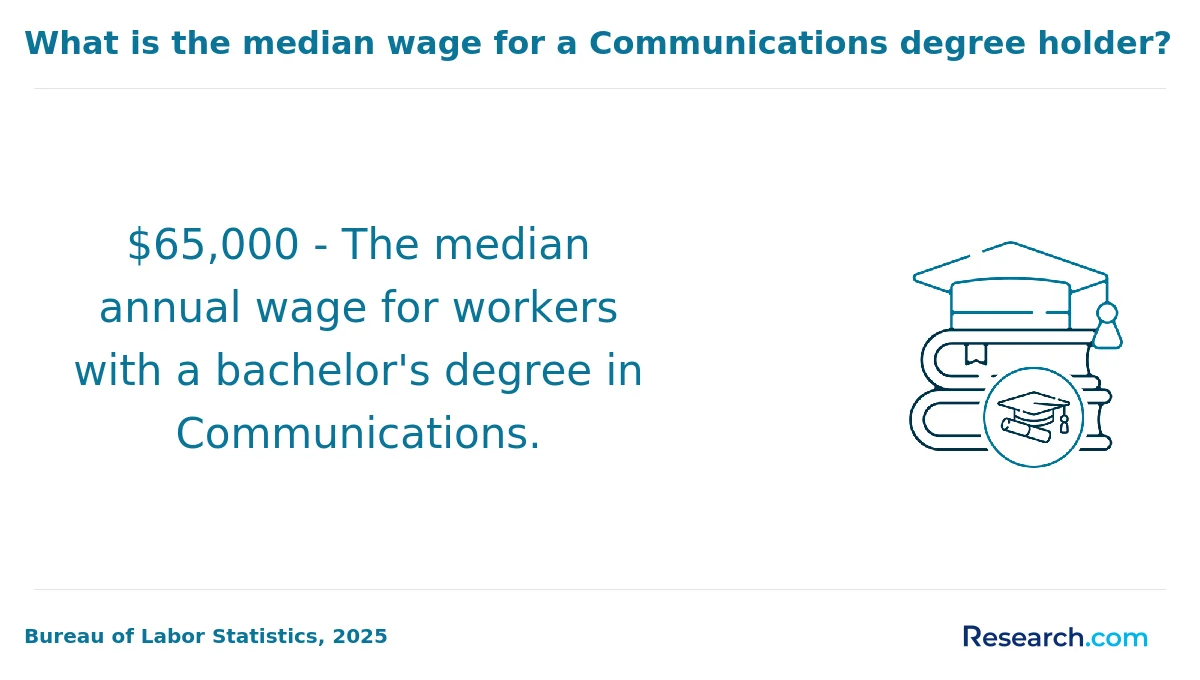
- Mid-career communication professionals can expect salaries between $65,000 and $75,000 annually.
- The Kansas job market for communication roles is projected to grow about 5% over the next decade.
- Most online communication programs in Kansas hold regional accreditation recognized by the U.S. Department of Education.
How long does it take to complete online communication degree in Kansas?
If you're thinking about an online communication degree in Kansas, you're probably wondering how long it'll really take. Most folks finishing a bachelor's degree online at schools like the University of Kansas or Wichita State find themselves wrapping things up in about four years if they're studying full-time. It's flexible though-some graduates working full-time jobs spread their courses out a bit more and take closer to five or six years.
Community colleges offering associate degrees online, such as Johnson County Community College, usually see students finish in around two years when going full-time. A lot of students love this path because they can transfer those credits later toward a bachelor's and cut some time off their total journey.
Online programs here are pretty student-friendly, with many offering asynchronous classes so you can study when it fits your schedule. Graduates often say this flexibility made all the difference, letting them balance work, family, and school without stress.
Plus, if you come in with transfer credits from previous schooling, you might finish faster than you expect. It's like having a head start-something many Kansas communication students really appreciate!
What's the difference between online and on-campus communication degree?
If you're looking at communication degrees in Kansas, the main difference between online and on-campus programs comes down to how you experience college life. Online degrees, like those offered by Wichita State University or Kansas State University, let you study at your own pace and from anywhere. This setup is perfect if you're juggling work, family, or just prefer learning from your couch. Graduates from these programs often mention how the flexibility helped them stay motivated and focused without missing important life moments.
On-campus programs, such as those at the University of Kansas, give you that classic college vibe. You get to interact face-to-face with professors and classmates, dive into group projects, and join campus media or internships. Many grads say this hands-on experience really boosts confidence and builds strong networks for future jobs.
Regarding cost, both formats in Kansas usually have similar tuition, around $9,400 a year for in-state students, but online learners should watch out for tech fees. Either way, make sure your program is fully accredited to get a degree that holds real value.
What is the average cost of online communication degree in Kansas?
If you're wondering about the average cost of an online communication degree in Kansas, it's generally pretty reasonable compared to many other states. Graduates from popular schools like the University of Kansas or Wichita State often speak about paying around $18,000 to complete their online bachelor's degree in communication. It helps that many public universities in Kansas offer in-state tuition rates that keep the costs affordable, especially for local students looking for online programs.
Many students appreciate that these programs balance cost and quality well. For example, grads share how paying a more manageable tuition allows them to focus on building real connections and skills instead of stressing over huge debt. Plus, the flexibility of online courses means they can fit their studies around work or family, making the investment even more worthwhile.
Of course, private colleges in Kansas might charge more-sometimes over $15,000 a year-but public options tend to be the sweet spot for cost-conscious learners. Financial aid and scholarships specifically for online students can make a big difference, so it's worth checking what's available.
When considering affordable online communication degree programs Kansas residents often find these public universities to be a great stepping stone for a thriving communications career without breaking the bank.
What financial aid is available to online communication degree students in Kansas?
If you're studying communication online in Kansas, there are plenty of ways to get financial help that many students don't always think about. For starters, filling out the FAFSA is a no-brainer - it opens doors to federal Pell Grants that can cover thousands, sometimes up to $7,395 a year. That's money you don't have to pay back, which made a big difference for grads from universities like the University of Kansas, who often mention how it eased their budget stress.
On top of that, Kansas state programs like the Kansas Comprehensive Grant can really lighten the load, especially for folks attending in-state schools or private colleges offering online communication degrees. It's designed to help students with moderate incomes, so you don't have to tackle huge tuition bills alone.
Many online programs at Kansas colleges also come with institutional scholarships that reward either merit or specific interests in communication, something grads frequently highlight as a total game-changer. Plus, local groups and organizations sometimes hand out extra scholarships - perfect for students who have a knack for writing strong essays or showing community involvement.
What are the prerequisites for enrolling in online communication degree program in Kansas?
If you're thinking about starting an online communication degree in Kansas, the first thing you'll need is a high school diploma or something similar like a GED. Most programs at well-known schools like the University of Kansas or Kansas State University want to see that basic proof before diving in. Graduates often mention that having official transcripts ready made the process way smoother when they applied.
While test scores like the SAT or ACT used to be a big deal, many Kansas colleges have gone test-optional, which is great news if your scores aren't perfect. Still, it's smart to check each school's rules because some might want them or at least recommend submitting them.
Applicants usually need a decent GPA-think around 2.0 to 2.5 for undergrad programs. A bunch of online students from popular Kansas colleges say aiming for that made their applications stand out without stressing too much.
A lot of students find that submitting a personal statement or letter sharing why they're passionate about communication really helps. It shows the admissions team you're serious and ready to communicate well, which these programs prize.
Lastly, don't forget the tech side-reliable internet and a good computer are a must. Many past students share how being prepared with these basics helped them stay connected and engaged during classes. Overall, if you check these boxes, you're off to a great start!
What courses are typically in online communication degree programs in Kansas?
When you dive into an online communication degree in Kansas, you'll quickly notice the courses are super practical and totally relevant to real-world situations. Graduates from big-name schools like the University of Kansas often say that courses like Introduction to Communication Theory really helped them understand how people actually connect, whether it's in a group project or during an internship.
Other favorites include classes like Media Writing and Digital Content Creation, where students get hands-on experience crafting posts for social media and blogs - stuff you can immediately relate to your daily scrolling. Then there's Public Relations Principles, which teaches you how to build and protect a company's image, something graduates used when they landed roles in PR firms right out of school.
Hands-on classes are key at popular Kansas colleges, too. You might work on creating a full communication campaign, just like real pros do. Plus, electives like crisis communication or advertising let you explore exactly what clicks with your style. It's learning that feels alive, not just textbooks.
What types of specializations are available in online communication degree programs in Kansas?
If you're looking into an online communication degree in Kansas, you'll find several cool specializations to pick from. Many students from popular colleges around Kansas appreciate how they can dive into Organizational Communication, learning how companies keep their teams in sync and handle change. It's pretty exciting hearing alumni talk about how those skills landed them roles as communication pros in business settings.
Another favorite is Public Relations and Strategic Communication. It's perfect for folks who love crafting stories and managing how brands are seen by the public. Some grads from well-known universities felt confident stepping right into PR roles after focusing here. Digital and Social Media Communication is also huge now, especially in Kansas, where businesses thrive on online engagement. Students really enjoy creating content and analyzing data to boost brands online.
Specializing in Interpersonal and Intercultural Communication helps you navigate diverse workplaces and global markets, something many Kansas graduates find rewarding in healthcare or counseling jobs. Media Studies and Journalism rounds out options for those passionate about reporting and media ethics. If you want to explore detailed course options and career paths, check out media communications career options that many Kansas students have leveraged to perfect their focus.
These kinds of online communication degree specializations Kansas schools offer do a great job matching what the local job market needs, making your degree not just interesting but genuinely useful and tailored to your future.
How do you choose the best online communication degree in Kansas?
Picking the best online communication degree programs Kansas has to offer means thinking about a few key things. Graduates from schools like Fort Hays State often mention how important accreditation was for them, since it made transferring credits easy and helped secure jobs after graduating. Cost is another biggie-many Kansas universities keep tuition affordable, especially for in-state students, so you won't break the bank while studying.
Flexibility is a lifesaver if you're balancing work or family. Schools like Pittsburg State offer asynchronous courses, letting students study whenever it fits their schedule. That kind of freedom really helped some grads get through tough semesters without stress.
Curriculum relevance also matters; programs covering practical skills like media writing and digital strategies prepare you for real-world jobs. Some even include internships connected to Kansas media markets, a total game changer. If you want to see more options, check out this online master's degree communications resource for ideas on affordable communication degrees Kansas online offers.
What career paths are available for online communication degree students in Kansas?
If you're looking into online communication degree jobs in Kansas, you'll find plenty of paths to explore. Graduates from popular universities around Kansas, like the University of Kansas or Wichita State, often find themselves thriving in roles such as public relations specialists or corporate communications managers. Imagine using what you learned in your classes to help a local Kansas business shape its brand or manage its message in a real-world setting-it's pretty rewarding.
Other grads jump into marketing coordinator or social media manager gigs, crafting campaigns that connect with audiences across platforms like Facebook and Instagram-something that's booming especially in cities like Overland Park. Some even become journalists or media planners, delivering news and stories that keep communities informed. And if you're into technical writing, there's a solid niche in producing clear manuals and guides for complex tech products used by Kansas companies.
Many students have shared they appreciated how hands-on projects prepared them for these diverse opportunities, boosting their confidence. If you want to learn more about advancing your career in this field, consider checking out this online public relations program that's been a game-changer for many.
Career opportunities for Kansas communication graduates really open up once you earn that degree, especially because employers here value strong, adaptable communication skills across industries.
What is the job market for online communication degree in Kansas?
The job market for an online communication degree in Kansas is pretty solid, especially if you're aiming to work in corporate communication, media, or nonprofit sectors. Graduates from popular schools in Wichita or Topeka often find themselves stepping into roles that involve public relations, social media strategy, or community outreach. Many enjoy the flexibility of online programs that Kansas colleges offer, letting them build skills for real-world jobs while balancing their daily lives.
Employers here look for folks who not only understand traditional communication but also digital marketing and strategic messaging. Graduates report feeling confident entering local companies or media outlets because their programs emphasize practical skills. Salaries typically range from $50,000 to $70,000, making it an appealing career path without needing to move far from home.
If you're eyeing quick advancement, some graduates suggest considering the fastest online master's degree public relations to boost opportunities. Networking through Kansas professional groups also helps connect grads with mentors and jobs, making the career outlook for communication degree career opportunities Kansas hopeful and exciting.
Frequently Asked Questions About communication
Students pursuing an online communication degree in Kansas can enhance their learning by actively engaging with their course materials and participating in virtual discussions. Research from the Kansas Board of Regents highlights that interaction with professors and peers significantly improves comprehension and retention. Utilizing university resources such as online libraries and academic advising can provide tailored support throughout their studies.
Additionally, networking with local media organizations or communication professionals in Kansas can offer practical experience and job opportunities. Balancing coursework with internships related to Kansas's growing communication sector helps apply theoretical knowledge in real-world settings, fostering skill development.
The communication field is evolving rapidly, with several emerging niches gaining attention among students pursuing online degrees in Kansas. Digital media strategy is one growing area, focusing on managing online content and brand presence across platforms. Analytics and data-driven communication also represent a key niche, where professionals learn to interpret audience data to craft effective messages.
Health communication is another expanding specialization, especially relevant in Kansas due to ongoing public health initiatives. This niche involves creating clear messaging to improve healthcare outcomes. Additionally, crisis communication has grown in importance, reflecting increased demand for experts who handle organizational reputation during emergencies.
According to the Bureau of Labor Statistics, Kansas saw a 7% growth in communication-related roles over recent years, highlighting these trends.
After completing an online communication degree in Kansas, preparing for the job market involves several key steps. Start by gaining relevant experience through internships or freelance opportunities, which are highly valued by Kansas employers. According to the Kansas Department of Labor, communication-related jobs in the state are projected to grow by 7% through 2030, emphasizing the need for practical skills.
Building a professional network is essential. Join local chapters of organizations like the Public Relations Society of America (PRSA) or Kansas Communication Association to connect with industry professionals.
Develop a strong portfolio showcasing your writing, media production, and digital communication projects. Additionally, enhance your technical skills by mastering social media platforms and analytics tools used widely in Kansas business sectors.
Employers in Kansas highly value communication degree graduates who demonstrate strong written and verbal communication skills. These abilities are crucial for roles in public relations, marketing, and corporate communication. According to the Kansas Department of Labor, teamwork and interpersonal skills also rank among the top traits sought after, reflecting the collaborative nature of many communication-related jobs.
Critical thinking and problem-solving abilities are essential, enabling graduates to craft effective messages in diverse settings. Additionally, proficiency in digital media tools and social media platforms is increasingly important, given the rise of online engagement.
Overall, mastering these skills enhances employability within Kansas's competitive communication job market.
Finding internships in Kansas relevant to a communication degree involves several strategic steps. Start by exploring resources at Kansas universities offering online communication programs, such as the University of Kansas or Wichita State University, which often have dedicated career services and internship databases. Networking through local professional organizations like the Kansas Communication Association can connect students with internship opportunities in media, public relations, and corporate communications.
Additionally, online job platforms like Handshake, widely used by Kansas colleges, list internships specifically tailored for communication majors. Kansas employers in industries such as agriculture, healthcare, and government frequently seek communication interns, offering practical experience.
Utilizing these channels enhances internship prospects and helps students gain valuable real-world skills in communication fields.
An online communication degree offers valuable career mobility and advancement opportunities for professionals in Kansas. Many industries in the state, including healthcare, education, and public relations, increasingly seek communication specialists to improve internal and external messaging. According to the U.S. Bureau of Labor Statistics, communication-related jobs in Kansas are expected to grow by 6% from 2022 to 2032, slightly faster than the national average.
Graduates with online communication degrees benefit from skills in digital media, public speaking, and strategic communication, which are critical for leadership roles. Local employers often prioritize candidates with relevant degrees for promotions and higher salaries. Additionally, the flexibility of earning a degree online allows working professionals in Kansas to enhance their qualifications without interrupting their current careers.
Studying for an online communication degree in Kansas equips students with skills that are valuable across multiple fields. Kansas universities emphasize practical learning in areas like public relations, media studies, and interpersonal communication, which are vital in fields such as business, healthcare, and education. According to the Kansas Board of Regents, many programs integrate coursework with technology and critical thinking, preparing graduates to work effectively in diverse teams and complex environments.
Students also develop strong writing and analytical skills, enabling them to adapt messages for different audiences. These competencies support careers in marketing, corporate communication, and nonprofit sectors, emphasizing the interdisciplinary nature of the degree. This broad skill set reflects industry demands as reported by the U.S. Bureau of Labor Statistics for communication-related jobs in Kansas.
When choosing between a thesis and a non-thesis communication degree program in Kansas, students should consider their career goals and learning preferences. A thesis option, which involves conducting original research and writing a detailed paper, suits those aiming for academic careers or advanced graduate studies.
Non-thesis programs typically focus on practical skills through coursework and capstone projects, ideal for students targeting professional communication roles in business, media, or public relations.
According to the Kansas Board of Regents, about 40% of communication graduates pursue non-thesis tracks, reflecting the state's strong job market demand for applied communication skills.
Additionally, thesis programs often require more time and commitment, so work-life balance is another factor to weigh.
Students based in Kansas seeking to study communication abroad have several options to consider through online degree programs with international components. Many Kansas universities with online communication degrees encourage participation in study abroad experiences, exchange programs, or virtual international collaborations.
For example, Kansas State University offers online communication students opportunities to engage in global projects and internships, expanding practical skills for a global job market. According to the Institute of International Education's 2022 Open Doors report, nearly 20% of U.S. students in communication-related fields pursue international study experiences, which help enhance cultural competence.
Because online communication degrees often allow flexible pacing, Kansas students can combine coursework with short-term international study or virtual global networking events. These options help students gain international perspectives without relocating permanently, aligning well with career goals in public relations, media, and intercultural communication.
Students pursuing online communication degrees in Kansas can benefit from various part-time job opportunities that enhance their academic experience. Common roles include social media assistant, marketing intern, public relations aide, and content writer. These jobs provide practical skills aligned with coursework in media studies, strategic communication, and digital marketing.
Kansas employers, including local media outlets and nonprofit organizations, often seek part-time candidates with communication proficiency. According to the Kansas Department of Labor, jobs in media and communication fields are expected to grow 5% by 2030, highlighting future demand.
Additionally, campus-based roles like student ambassador or peer tutor also help develop public speaking and interpersonal skills. These experiences can strengthen a resume while attending school online.
Online communication students in Kansas have numerous networking opportunities through both virtual and local events. Many Kansas universities with online programs offer access to student organizations related to communication, where members connect through webinars and discussion boards.
The Kansas Communication Association hosts an annual conference that welcomes students statewide, providing a chance to engage with professionals in public relations, media, and communication fields. This event is valuable for building professional contacts.
Additionally, local chapters of national groups like the Public Relations Society of America (PRSA) in Kansas City and Wichita arrange networking mixers and workshops. These gatherings are often accessible to online students, expanding their regional and national professional networks.
Alumni networks provide essential support for online communication degree students in Kansas by connecting them with professionals already working in the field. These networks offer mentorship opportunities, helping students navigate the job market and gain industry insights.
Many Kansas universities, including Wichita State University and the University of Kansas, maintain active alumni groups. According to the Kansas Board of Regents, alumni programs in the state often host networking events, both virtual and in person, increasing students' chances to build valuable contacts.
Strong alumni connections can lead to internships and job placements, boosting career prospects in the competitive communication sector. This relational advantage is particularly useful for those studying online, as it supplements the lack of on-campus interaction.
Many universities in Kansas offer online communication degrees with customizable options to align your studies with career goals. Typically, students can select concentrations like public relations, digital media, or organizational communication. According to the Kansas Board of Regents, tailoring your coursework through electives and specialized tracks helps build skills directly applicable to jobs in Kansas's growing media and corporate sectors.
Additionally, students often engage in practical projects or internships via partner companies, enhancing real-world experience. Flexible scheduling and transfer credit policies further support adjustments based on your professional background and aspirations. These options make it easier to design a program that fits your individual career path.
Online communication students in Kansas often face challenges related to balancing coursework with personal and professional responsibilities. Many learners juggle full-time jobs alongside their studies, which can lead to time management difficulties. According to the Kansas Board of Regents, adult learners represent a significant portion of distance education enrollment, highlighting the need for flexible scheduling.
Another issue is limited access to reliable high-speed internet, especially in rural areas. The Federal Communications Commission reports that nearly 15% of Kansans lack broadband access, affecting their ability to participate fully in interactive coursework.
Students also mention feeling isolated without face-to-face interaction, which can impact networking opportunities and collaborative projects essential in communication programs. Lastly, navigating technology platforms and online resources remains a hurdle for some, requiring additional technical support.
With an online communication degree in Kansas, you can pursue various professional certifications to enhance your career prospects. Popular options include the Accredited Business Communicator (ABC) credential, offered by the Association for Business Communication, which validates skills in strategic communication.
Another valuable certification is the Certified Professional Communicator (CPC) from the Global Communication Certification Council. This is recognized across the US and can boost your credibility in corporate and media roles.
Kansas professionals often seek certifications in digital marketing and social media management, such as the HubSpot Content Marketing Certification, to meet local business demands. According to the Kansas Department of Labor, communication-related jobs are projected to grow by 8% through 2030, emphasizing the value of these credentials.
Applying for an online communication degree in Kansas requires clear and focused preparation. Start by thoroughly researching programs offered by Kansas institutions like Wichita State University and the University of Kansas, which have well-established communication departments.
Emphasize your motivation for studying communication online, tailoring your personal statement to highlight how this degree aligns with your career goals. Admissions committees often look for applicants with strong writing skills and relevant experience, so include examples such as internships or volunteer work in media or public relations.
Official transcripts, letters of recommendation, and a polished resume are essential. Kansas schools typically require a minimum 2.5 GPA, but aiming higher strengthens your application.
Review scholarship and financial aid options specific to Kansas residents, as this may enhance your overall profile. According to the Kansas Board of Regents, effective communication skills are increasingly valuable in local job markets, emphasizing the program's relevance.
Careers in communication offer significant opportunities both domestically and globally. According to the U.S. Bureau of Labor Statistics, the communication field is expected to grow 8% from 2022 to 2032, faster than average for all occupations. This growth reflects increasing demand for skilled communicators in diverse sectors such as media, public relations, and corporate communications.
Global perspectives emphasize adaptability and cultural awareness as key skills. Employers seek professionals who can navigate digital platforms and multicultural environments effectively. Kansas, with its increasing focus on digital innovation and business development, aligns well with these global trends.
The Kansas Department of Labor reports that roles like public relations specialists and market researchers are growing locally, with median annual wages around $61,000. This suggests strong regional opportunities for communication graduates interested in a globalized career landscape.
Gaining practical experience during an online communication degree in Kansas is essential for career readiness. Many programs encourage virtual internships, allowing students to work with local media outlets, businesses, or nonprofits across the state. According to the Kansas Board of Regents, partnerships between universities and Kansas-based organizations facilitate these opportunities, often credited towards degree requirements.
Students can also engage in remote group projects and online simulations that mimic real-world communication challenges. Kansas universities often provide access to digital media labs and student-run communications platforms. These experiences help develop skills in public relations, digital marketing, and media production, making graduates competitive in Kansas's growing communications job market, which the Bureau of Labor Statistics projects to grow by 7% through 2030.
Choosing the right concentration within an online communication degree in Kansas involves evaluating your career goals and interests. Popular focuses include public relations, digital media, and organizational communication, each offering distinct skills relevant to various industries.
According to the Kansas Board of Regents, public relations roles in Kansas are expected to grow by 9% through 2030, indicating strong demand for professionals skilled in media relations and messaging.
For those interested in technology and content creation, a digital media concentration equips students with skills in social media strategy and multimedia production, key areas as Kansas businesses increase their online presence.
Consider the program's curriculum alignment with your desired career path and available internships or partnerships in Kansas. Exploring faculty expertise and alumni outcomes can also provide insight into which concentration best fits your professional aspirations.
Related Communication Rankings for Nearby States
- 2027 Most Affordable Online Communication Degree Programs Ranking in Missouri
- 2027 Most Affordable Online Communication Degree Programs Ranking in Colorado
- 2027 Most Affordable Online Communication Degree Programs Ranking in Arkansas
- 2027 Most Affordable Online Communication Degree Programs Ranking in Illinois
- 2027 Most Affordable Online Communication Degree Programs Ranking in Kentucky
- 2027 Most Affordable Online Communication Degree Programs Ranking in Georgia
- 2027 Most Affordable Online Communication Degree Programs Ranking in Florida
- 2027 Most Affordable Online Communication Degree Programs Ranking in Ohio
- 2027 Most Affordable Online Communication Degree Programs Ranking in North Carolina
- 2027 Most Affordable Online Communication Degree Programs Ranking in Virginia
Top Trending Communication Rankings
References
- Communications Specialist Certifications: Best Credentials to Advance Your Career | Teal https://www.tealhq.com/career-paths/communications-specialist-certifications
- Communication & Journalism Study Abroad Programs - Media, PR https://www.ceastudyabroad.com/academic-discipline/communication-journalism
- B.A. in Communication https://shss.umkc.edu/areas-of-study/communication-and-journalism/ba-communication-studies.html
- 2025 Master's in Communication Programs in Kansas (Campus, Online) https://www.mastersincommunications.com/states/kansas
- Online BA in Communication https://www.wiu.edu/cofac/communication/online_BA.php
- CAREERS AND COMMUNICATION ALUMNI https://www.villanova.edu/university/liberal-arts-sciences/programs/communication/careers.html
- Importance of Networking https://www.universitylabpartners.org/student-voices/importance-of-networking
- Online Communication Degree | University of Phoenix https://www.phoenix.edu/online-liberal-arts-degrees/communication-bachelors-degree.html
- Best Bachelor's in Communication Degrees in Kansas (2026) https://www.mastersincommunications.org/bachelors/kansas/
- 2026 Best Online Communications Degrees https://www.onlineu.com/degrees/communications