2027 Most Affordable Online Master's in Communication Degree Programs Ranking in Missouri

Co-Founder and Chief Data Scientist
If you're in Missouri and considering advancing your education, a master's degree in communication can open doors to exciting career opportunities. This article introduces the 2027 Most Affordable Online Master's in Communication Degree Programs Ranking in Missouri, created by the Research.com team of data scientists to guide you in choosing programs that balance quality and cost.
Reading this ranking will help you make an informed decision, ensuring you find a program that fits both your goals and budget. Earning a communication degree can enhance your skills and confidence, setting you up for future success.
Key benefits of getting online communication degree in Missouri
- The average salary for communication degree graduates in the US ranges around $60,000 annually, offering a solid foundation for a rewarding career.
- Graduates from the University of Missouri often find diverse career opportunities in public relations, marketing, media, and corporate communications, showcasing the degree's versatility.
- Online communication degrees from Missouri State University provide flexibility and allow students to balance work and study, making education more accessible without sacrificing quality.
- Key benefits of getting online communication degree in Missouri
- What can I expect from online communication degree in Missouri?
- Where can I work with online communication degree in Missouri?
- How much can I make with online communication degree in Missouri?
- 2027 Most Affordable Online Master's in Communication Degree Programs Ranking in Missouri
- Key Findings
- How long does it take to complete online communication degree in Missouri?
- What's the difference between online and on-campus communication degree?
- What is the average cost of online communication degree in Missouri?
- What financial aid is available to online communication degree students in Missouri?
- What are the prerequisites for enrolling in online communication degree program in Missouri?
- What courses are typically in online communication degree programs in Missouri?
- What types of specializations are available in online communication degree programs in Missouri?
- How do you choose the best online communication degree in Missouri?
- What career paths are available for online communication degree students in Missouri?
- What is the job market for online communication degree in Missouri?
- Related Communication Rankings for Nearby States
- Top Trending Communication Rankings
What can I expect from online communication degree in Missouri?
The average cost of an online communication degree in Missouri varies by institution but generally ranges from $8,000 to $15,000 per year for undergraduate programs. Graduates from Missouri State University and the University of Missouri system report manageable tuition fees paired with flexible payment plans, making education accessible for working professionals. Many students appreciate how the tuition cost relates to the quality of education, noting the blend of theory and practical experience enhances their career readiness.
For example, communication graduates often reflect on the value received from courses in media ethics and digital storytelling, which are integral parts of Missouri's curriculum. The affordability combined with resources like virtual libraries and internship support helps them transition smoothly into roles in corporate communication or media management. Students consistently highlight positive experiences with career services that make the financial investment feel worthwhile, especially given Missouri's projected 10% job growth in communication fields over the next decade.
Where can I work with online communication degree in Missouri?
Graduates with an online communication degree from institutions like the University of Missouri or Missouri State University find strong demand in media roles throughout the state. For example, many start careers as journalists or content creators at major St. Louis TV stations or local newspapers, where over 3,000 media professionals are employed. This firsthand experience helps them build valuable portfolios and real-world skills.
Public relations positions are also prominent, with nonprofits and government agencies in Kansas City and beyond seeking communication coordinators and PR specialists. Graduates often share how managing community outreach or media campaigns fuels a sense of meaningful impact in their hometowns.
Corporate communication jobs are growing steadily, especially in manufacturing and healthcare hubs. Alumni frequently describe their roles in employee engagement or crisis messaging as rewarding challenges that contribute directly to company success.
Education and government sectors hire communicators as trainers, consultants, or public information officers, offering varied environments where graduates can leverage their degree to influence public messaging and educational initiatives effectively.
How much can I make with online communication degree in Missouri?
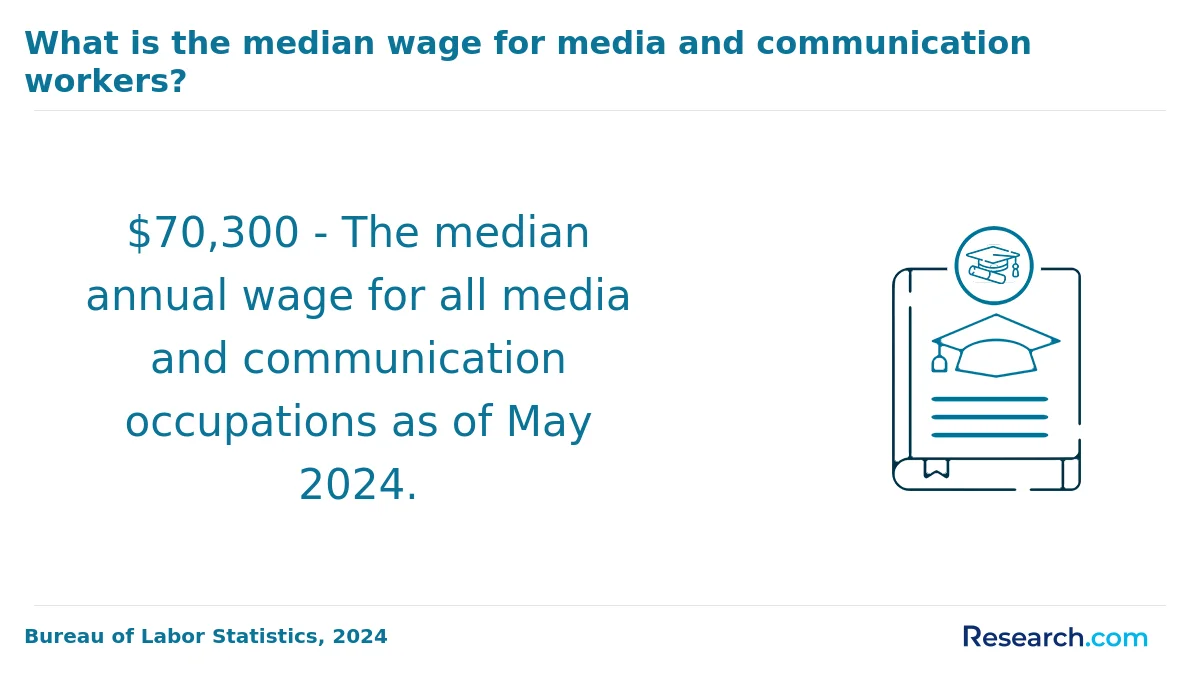
Graduates with an online communication degree in Missouri typically earn between $48,000 and $60,000 annually, according to May 2022 data from the U.S. Bureau of Labor Statistics (BLS). Entry-level roles commonly start near $40,000, but with experience, salaries can exceed $70,000, especially in metropolitan areas like St. Louis and Kansas City where wage premiums of up to 15% are common.
For instance, communication graduates from renowned institutions such as the University of Missouri or Missouri State University often find rewarding opportunities in public relations, corporate communication, and media management. Many report securing positions with salaries around $50,000 to $60,000 soon after graduation, reflecting the state's median range.
Graduates who specialize in digital media or strategic communication note faster salary growth, particularly when working in healthcare or large corporations. Those aiming for managerial roles, such as public relations managers, can expect earnings closer to $90,000 annually, a testament to the degree's versatility and strong return on investment in Missouri's job market.
2027 Most Affordable Online Master's in Communication Degree Programs Ranking in Missouri
How do we rank schools?
Investing in your education is a significant decision that can shape your future, and the Research.com team understands the importance of making informed choices. To assist prospective students in Missouri, we have meticulously crafted the "2027 Most Affordable Online Master's in Communication Degree Programs Ranking in Missouri." Our commitment to quality, credibility, and accuracy is reflected in the extensive research and analysis conducted to compile this ranking.
We utilized the following reputable data sources to ensure a comprehensive evaluation of communication programs:
By exploring this ranking, readers will gain valuable insights into the most affordable and high-quality online master's programs in communication available in Missouri, empowering them to make well-informed educational decisions. For more details on our methodology, please visit our Research.com methodology page.


Key Findings
- Tuition for online master's communication programs in Missouri ranges from $8,000 to $15,000 per year at public universities, while private schools may charge over $20,000.
- Job demand for communication professionals in Missouri is expected to grow by about 6% over the next decade, matching the national average.
- Entry-level salaries start around $40,000 to $45,000 annually, with mid-career professionals earning between $60,000 and $75,000.
- Many programs focus on strategic communication, media studies, interpersonal communication, and digital communication technologies.
- Financial aid options like scholarships, grants, and federal aid are available to help reduce program costs.
How long does it take to complete online communication degree in Missouri?
Completing an online communication degree in Missouri typically takes about four years for full-time bachelor's students, consistent with standard undergraduate program lengths nationwide. For example, graduates from popular institutions such as the University of Missouri or Missouri State University often report finishing within this timeframe when attending full-time, balancing coursework with manageable outside commitments.
Graduate students pursuing a master's degree in communication generally experience flexible completion periods ranging from 18 months to three years. Many Missouri-based programs, including those at Webster University and University of Central Missouri, offer accelerated courses or cohort models that help students progress faster, especially if they enroll in summer or winter terms.
Factors like part-time enrollment due to work or family obligations and credit transfers from previous studies influence these timelines. Missouri students benefit from program structures designed to accommodate their busy lives, making the experience positive and achievable. Many graduates highlight how these flexible options helped them maintain motivation while advancing professionally.
What's the difference between online and on-campus communication degree?
Online communication degrees in Missouri offer significant flexibility, allowing students to attend classes whenever and wherever they choose, which benefits working professionals and parents. For example, graduates from Missouri State University praise the ability to balance busy schedules while completing their master's programs remotely. In contrast, on-campus programs at institutions like Southeast Missouri State University provide a more structured environment with in-person interaction, fostering networking and hands-on experiences such as internships and group projects.
Tuition costs differ moderately; on-campus programs range from $8,000 to $14,000 annually, while online options tend to be slightly cheaper due to lower campus fees and elimination of commuting expenses, which can add an extra $1,200 to $2,500 per year. Students enrolled online often highlight the financial relief from reduced living and transportation costs.
Retention and learning styles vary as well-online students must be self-disciplined and technologically savvy, traits appreciated by digital learners. On-campus students benefit from immediate support and scheduled classes, enhancing motivation. Both formats meet Missouri's accreditation standards, ensuring quality education regardless of delivery method.
What is the average cost of online communication degree in Missouri?
In Missouri, the average cost of an online communication degree typically centers around a median total cost of approximately $31,413. This figure aligns with real experiences from graduates of popular institutions like Missouri State University and the University of Central Missouri, where tuition per credit hour for public universities ranges from $250 to $450. Many students pursuing an affordable online master's in communication Missouri find that their programs require 30 to 36 credit hours, placing them within this median cost bracket. These graduates often report satisfaction with the balance between quality education and financial investment.
Private universities in Missouri typically charge higher tuition rates, often exceeding $600 per credit hour, resulting in total costs that can surpass $18,000 to $22,000. Despite this, students frequently mention that available scholarships and financial aid packages can help ease the burden considerably. When factoring in additional expenses such as technology fees and materials, total costs may increase by $500 to $1,200, which is consistent across many Missouri online communication programs.
Compared nationally, Missouri's tuition rates remain competitive, falling within a mid-tier range for online communication degrees. Prospective students benefit from in-state tuition advantages and sometimes employer tuition assistance programs, enhancing affordability. For those seeking the cheapest online masters in communication, these combined factors make Missouri a practical choice for advancing education and career goals within communications.
What financial aid is available to online communication degree students in Missouri?
Students pursuing online communication degrees in Missouri benefit from multiple financial aid sources aimed at easing tuition costs, which typically range between $10,000 and $25,000 annually for a master's degree. Federal aid, initiated through FAFSA, remains the primary funding route. Graduate students often qualify for Direct Unsubsidized Loans with interest rates near 7%, providing predictable financing to support their studies.
Many Missouri residents tap into state-specific programs like the Access Missouri Financial Assistance Program, which offers need-based grants to eligible students attending institutions such as the University of Missouri system. Graduates often recall how university scholarships and tuition waivers, awarded for academic merit or financial need, significantly alleviated their expenses. Some were even surprised by consortium agreements that made tuition much more affordable.
Employer tuition reimbursement is frequently cited by working professionals as a vital resource, especially when their communication degree directly enhances their current roles. For those balancing work and study, these reimbursements offer tangible hope and motivation. Financial aid offices at Missouri colleges remain an essential contact point, providing tailored guidance and access to unique scholarships from communication associations that can make graduate education more accessible and rewarding.
What are the prerequisites for enrolling in online communication degree program in Missouri?
To enroll in an online communication degree program in Missouri, applicants typically need a bachelor's degree from an accredited institution, which can be in any discipline. However, graduates of popular Missouri universities often find that having a background related to communication or media strengthens their applications and better prepares them for advanced study.
Official transcripts proving prior academic achievement with a minimum GPA-usually around 2.5 on a 4.0 scale-are standard requirements. Graduates recall the importance of submitting strong academic records when applying to competitive online programs at institutions like the University of Missouri or Missouri State University.
Additional prerequisites often include evidence of English proficiency for non-native speakers through TOEFL or IELTS scores, a clear statement of purpose explaining career goals, and letters of recommendation from professors or supervisors. Many successful applicants note that providing a resume highlighting relevant communication internships or work experience boosts their chances of acceptance.
Some Missouri programs may require GRE scores, so checking specific university policies is essential for applicants aiming to maximize their prospects.
What courses are typically in online communication degree programs in Missouri?
Online communication degree programs in Missouri typically include courses that build strong foundational and practical skills needed for varied communication careers. Graduates from top institutions like the University of Missouri and Missouri State University report that core classes such as Introduction to Communication Theory help them grasp essential models of human interaction, enabling clearer and more effective messaging in real-life situations like workplace collaborations.
Courses like Interpersonal Communication prepare students to navigate both personal and professional conversations, a skill many graduates mention as crucial during job interviews and team projects. The Media and Society class offers insight into how digital platforms influence public opinion, which graduates find valuable when working in public relations or media roles.
In addition, subjects such as Public Relations Principles and Organizational Communication equip students with practical strategies to manage brand reputation and leadership communication within organizations. Missouri students appreciate hands-on elements in these courses that mirror real-world challenges, making their learning both relevant and motivating.
What types of specializations are available in online communication degree programs in Missouri?
Online communication degree specializations in Missouri cover a variety of focused areas aligned with workforce demands. Students at institutions like the University of Missouri often choose Organizational Communication, honing skills in leadership messaging and conflict resolution within business settings. Graduates describe feeling well-prepared to navigate complex workplace dynamics due to this training.
Others pursue Public Relations, learning media relations, crisis management, and social media strategies-skills vital in Missouri's diverse industries. Health Communication is also prominent, reflecting the state's growing healthcare market; graduates report satisfaction in translating medical jargon into patient-friendly language effectively.
Specializations in Media Studies and Digital Communication and Interpersonal and Intercultural Communication address evolving technology use and cross-cultural communication needs. Missouri State University students note these tracks sharpen their ability to engage online audiences and diverse communities.
Reports show that Missouri's affordable programs encourage exploration of these areas through flexible, fully online models. Those seeking detailed insights might benefit from exploring an online communications bachelor's degree tailored to Missouri's specific specialization options.
Missouri master's in communication focus areas similarly reflect these trends, positioning graduates strongly for local job markets in healthcare, education, and corporate sectors.
How do you choose the best online communication degree in Missouri?
Choosing the best online communication degree Missouri offers requires evaluating program curriculum, affordability, and flexibility. Graduates from well-known Missouri universities often emphasize how programs with practical experience, such as internships or applied projects, helped them confidently enter the workforce. A broad curriculum covering public relations, digital communication, and media studies allows students to tailor their education to specific career goals.
Affordability is a key factor; studies show annual tuition at Missouri public institutions for communication degrees ranges between $7,000 and $12,000 for in-state students. Several graduates highlight the benefit of affordable online master's communication Missouri programs that also offer financial aid or scholarships. Online formats frequently provide flexible schedules, ideal for working professionals balancing jobs and studies.
Accreditation by bodies like the Higher Learning Commission ensures quality and credit transferability, which many successful graduates rely on to continue education or find employers. For those seeking data-driven insights into program quality and outcomes, Missouri's Department of Higher Education reports on employment statistics, helping prospective students choose wisely. More details on options can be found at online masters in communications programs.
What career paths are available for online communication degree students in Missouri?
Graduates with an online communication degree in Missouri access diverse career paths tailored to various industries. Popular roles include Public Relations Specialist, where graduates leverage skills learned at institutions like the University of Missouri to craft organizational messaging and manage media relations. Marketing Coordinators, trained at colleges such as Missouri State University, analyze consumer data to drive campaigns. Corporate Communications Managers ensure consistent brand narratives in companies across St. Louis and Kansas City.
Real-world success stories from graduates highlight roles like Social Media Manager, bolstered by Missouri's growing digital economy, and Broadcast Journalist positions within the state's major media hubs. The average salary range, often between $50,000 and $75,000, underscores the value of these positions. For students exploring job opportunities with communication master's Missouri programs offer comprehensive training, enhancing strategic and verbal skills.
For those interested in advancing their career, various universities provide affordable options with competitive pricing. Missouri's educational environment supports flexibility, making it a prime choice for students considering public relations programs online.
What is the job market for online communication degree in Missouri?
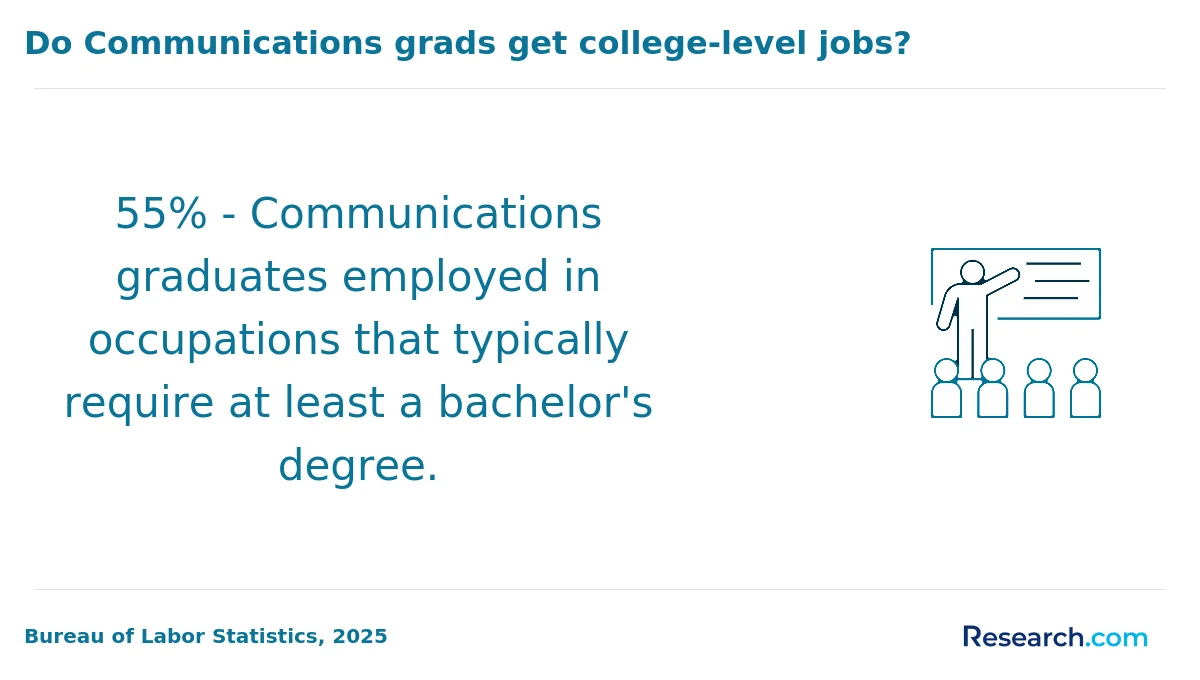
The job outlook for online communication degrees in Missouri remains strong, supported by the state's diverse economy and media hubs like St. Louis and Kansas City. Graduates from well-regarded programs at universities such as the University of Missouri and Missouri State University often find roles in sectors including marketing firms, healthcare systems, and nonprofit organizations, where communication expertise is highly valued. Many report securing positions quickly due to their digital literacy and practical experience gained through internships.
Career opportunities with online communication degree Missouri include roles as public relations specialists, social media managers, and corporate communications coordinators. Salaries typically range from $45,000 to $70,000 annually, with senior positions in larger companies surpassing $80,000. The cost-efficiency of in-state tuition, often between $9,000 and $15,000 per year, enables students to pursue advanced degrees without excessive debt. Graduates leveraging resources like the fastest online masters in public relations programs enhance their prospects by aligning credentials with market demand.
Frequently Asked Questions About communication
Online communication degree students in Missouri can enhance their learning by actively engaging with course materials and participating in virtual discussions. Research shows that students who interact regularly with peers and instructors tend to achieve better outcomes.
Utilizing Missouri's public university libraries and digital archives can provide valuable resources not always included in course packs. For instance, the University of Missouri system offers extensive online databases related to media and communication studies.
Students should also seek internships or volunteer opportunities within Missouri's growing media market, particularly in cities like St. Louis and Kansas City, to gain practical experience.
Finally, staying current with industry trends through professional Missouri-based organizations improves networking and job opportunities after graduation.
The communication field is evolving rapidly, with several emerging niches offering new career opportunities for graduates. In Missouri, growing areas include digital communication strategies, social media management, and data analytics applied to audience engagement. These specialized skills are increasingly valued as businesses focus on targeted marketing and online presence.
Another expanding niche is health communication, especially important due to public health needs highlighted by recent events. Missouri's healthcare institutions often seek experts who can effectively communicate complex information to diverse populations.
Additionally, crisis communication and corporate social responsibility are gaining traction, driven by organizations' needs to manage public perception carefully. According to the Missouri Economic Research and Information Center, the communication sector in Missouri is expected to see steady growth through 2030, reflecting demand in these innovative areas.
After completing an online communication degree in Missouri, preparing for the job market involves strategic steps focused on skill development and networking. Graduates should build a professional portfolio showcasing projects, presentations, or campaigns developed during their studies. This demonstrates practical expertise to potential employers.
Internships or freelance opportunities in Missouri's media and corporate sectors are valuable for gaining real-world experience. According to the Missouri Economic Research and Information Center, communication-related jobs in the state are projected to grow moderately, highlighting the advantage of hands-on experience.
Networking through local chapters of organizations like the Public Relations Society of America can connect graduates with industry professionals.
Enhancing digital skills, such as social media analytics and multimedia editing, also increases employability in this dynamic field.
Employers in Missouri highly value communication degree graduates who possess strong written and verbal communication skills. According to the Missouri Department of Higher Education, effective message crafting and public speaking remain essential for careers in public relations, marketing, and corporate communications.
Critical thinking and problem-solving abilities are also frequently sought after, enabling graduates to analyze audience needs and adapt strategies accordingly. Digital literacy, including social media management and familiarity with analytics tools, is increasingly important given the rise of online platforms.
Additionally, teamwork and interpersonal skills are vital, as collaboration is common in communication roles. Employers emphasize adaptability and cultural awareness to navigate Missouri's diverse business environment.
Finding internships in Missouri relevant to a communication degree involves strategic research and networking. Start by exploring resources offered by Missouri universities with communication programs, such as the University of Missouri's School of Journalism, which often posts internship opportunities and provides career services. Websites like Missouri Job Center also list local internships, including those in public relations, media, and corporate communication.
Engaging with Missouri-based organizations, media outlets, and nonprofits can open doors. The Missouri Broadcasters Association and local chambers of commerce frequently have internship postings. LinkedIn and Handshake are useful platforms for online communication students to connect with Missouri employers seeking interns.
Internships typically range from unpaid experiential roles to paid positions, with competitive opportunities in cities like St. Louis and Kansas City. According to the U.S. Bureau of Labor Statistics, internships improve job placement rates by 15% for communication graduates nationwide, highlighting their importance in career development.
An online communication degree in Missouri can significantly enhance career mobility and advancement. The degree equips graduates with essential skills like media literacy, public relations, and digital communication, which are in demand across industries. According to the Missouri Economic Research and Information Center, fields related to communications are projected to grow steadily, supporting new career opportunities.
Many Missouri employers value candidates with a master's in communication for leadership roles, especially in corporate, nonprofit, and government sectors. Online programs offer flexibility, allowing professionals to upskill without interrupting their careers.
Statistics from the U.S. Bureau of Labor Statistics show that communication specialists in Missouri earn a median annual wage around $58,000, with higher earnings linked to advanced degrees. This demonstrates that an online communication degree can be a catalyst for promotions and salary growth within the state's competitive job market.
Studying for an online communication degree in Missouri equips students with skills valuable across various fields. Communication programs emphasize critical thinking, media literacy, and interpersonal skills, which are essential in healthcare, business, education, and public relations. Missouri universities often integrate coursework from psychology, sociology, and business to provide a multidisciplinary foundation.
According to the Missouri Department of Higher Education & Workforce Development, graduates with communication skills are in demand in diverse industries, reflecting the state's growing sectors like healthcare and corporate services. This interdisciplinary approach prepares students for roles requiring collaboration across departments and industries.
Students learn to adapt messages to different audiences and use digital tools, making them effective communicators in team environments. The education also fosters leadership and problem-solving abilities, which employers highly value across multiple domains.
When choosing between a thesis and a non-thesis online communication degree program in Missouri, consider your career goals and learning preferences. A thesis option typically requires original research and a formal written document, which suits students aiming for doctoral studies or research-intensive roles. Non-thesis programs often focus on practical skills through comprehensive exams or projects, ideal for those seeking direct entry into communication careers.
Missouri universities offering online communication degrees reflect this distinction in their curricula. According to the Missouri Department of Higher Education, about 40% of communication master's students opt for thesis tracks, indicating strong academic interest but also highlighting that non-thesis paths remain popular.
Evaluate the program's structure, faculty expertise, and potential networking opportunities. A thesis can enhance critical thinking and research abilities, while a non-thesis path provides flexibility and may take less time to complete.
Students based in Missouri who wish to study communication abroad have several pathways. Many Missouri institutions offering online communication degrees participate in exchange programs or partnerships with foreign universities, allowing students to earn credits internationally. While fully online programs provide flexibility, some schools encourage short-term study abroad opportunities to enhance cultural competence and global communication skills.
According to the Missouri Department of Higher Education, around 15% of Missouri undergraduates participate in study abroad programs annually, with communication majors showing growing interest. Popular destinations include the United Kingdom, Canada, and Australia, known for strong communication curricula.
Additionally, some universities in Missouri offer dual degree options or international internships to complement online learning, giving students practical experience. Prospective students should consult their institution's study abroad office for tailored information.
Part-time job opportunities in Missouri that complement an online communication degree include roles in public relations, social media management, and content creation. Many local businesses and nonprofits seek skilled communicators to handle marketing communications or assist in campaign development. According to the Missouri Department of Labor, communication-related jobs like public relations specialists are expected to grow by 8% from 2020 to 2030 in the state, aligning well with student schedules.
Internships or assistant positions at media outlets such as news stations or digital publishers in cities like St. Louis and Kansas City offer practical experience. These roles enhance skills in writing, editing, and strategic communication while balancing coursework. Networking through these jobs can also open future employment pathways.
Online communication students in Missouri benefit from diverse networking opportunities both virtually and locally. Many universities offering online communication degrees encourage students to join professional groups such as the Missouri Communication Association (MCA) and National Communication Association (NCA). These associations provide access to conferences, webinars, and workshops designed to build professional connections.
Additionally, students can participate in virtual career fairs and alumni networking platforms hosted by their institutions. Missouri's growing media and corporate sectors, especially in cities like St. Louis and Kansas City, offer internship and job shadowing possibilities that online students can leverage.
Research from the Missouri Economic Research and Information Center highlights steady job growth in communication-related fields, making networking vital for career advancement in the state.
Alumni networks offer significant advantages to students pursuing online communication degrees in Missouri. These networks connect current students with graduates who have firsthand experience navigating the local job market and communication industries. According to the Missouri Department of Higher Education, strong alumni relationships can increase job placement rates by up to 20% in communication fields.
Networking through alumni helps students access internships, mentorships, and job openings that might not be publicly advertised. In a state where communication roles span from media to corporate sectors, these connections provide critical insights and opportunities. For Missouri students studying online, alumni networks help bridge the gap created by distance, fostering community and professional growth.
Additionally, many Missouri universities maintain active alumni groups hosting workshops and events tailored to communication careers. Such engagement supports career advancement and lifelong learning by providing up-to-date industry trends and skill-building resources.
In Missouri, customizing an online communication degree to fit your career goals is possible by selecting specific concentrations or electives aligned with your interests. Many programs offer specializations such as public relations, digital media, organizational communication, or strategic communication. This flexibility allows you to develop skills relevant to industries like healthcare, business, or government.
Missouri institutions often incorporate internships or project work into online curricula, giving practical experience tailored to your career path. According to the Missouri Department of Higher Education, these options enhance employability by focusing on local and regional industry demands. Additionally, some programs provide opportunities to work with Missouri-based companies, enriching your professional network.
Online communication students in Missouri often face challenges related to balancing coursework with personal and professional responsibilities. Many students juggle full-time jobs or family care, which can make meeting deadlines and engaging in synchronous activities difficult. According to the Missouri Department of Higher Education, time management is a leading issue reported by online learners statewide.
Connectivity and technical issues also present obstacles. Rural areas in Missouri may experience limited broadband access, impacting students' ability to participate in video lectures or submit assignments on time. The Federal Communications Commission notes that approximately 15% of Missouri households lack reliable high-speed internet.
Additionally, some students struggle with reduced direct interaction. Communication degrees depend heavily on collaboration and practice, and the online format sometimes limits opportunities for networking and live feedback, which are critical skills in the field.
Graduates with an online communication degree in Missouri can pursue several professional certifications to enhance their career prospects. Popular credentials include the Certified Communication Professional (CCP) offered by the Universal Accreditation Board. This certification validates skills in public relations, corporate communication, and media relations.
Another valuable certification is the Accredited Business Communicator (ABC), sponsored by the Association of Business Communicators. It focuses on practical knowledge for internal and external communication roles.
For those interested in digital media, the Digital Marketing Certification by organizations such as the Digital Marketing Institute can complement a communication degree. Missouri's Department of Higher Education notes growing demand for professionals with these skills in local businesses and nonprofits.
Writing a winning application for an online communication program in Missouri requires clear focus and preparation. Start by researching the specific program's admission requirements, as Missouri schools often ask for a statement of purpose, letters of recommendation, and transcripts. Highlight your relevant experience in communication fields like media, public relations, or digital marketing. Missouri's labor market shows growing demand for communication specialists, increasing the importance of demonstrating career goals tied to local industry needs, according to the Missouri Economic Research and Information Center.
Explain why you want to study online and how it fits your professional schedule. Proofread carefully to avoid errors and show strong writing skills. Tailoring your application to Missouri's unique communication landscape enhances your chances of success.
Communication careers are increasingly valued worldwide due to global connectivity and digital media growth. In the United States, including Missouri, the Bureau of Labor Statistics projects a 13% growth in communication-related jobs from 2022 to 2032, faster than the average for all occupations.
Globally, communication professionals play vital roles in organizations by managing public relations, marketing, and digital content. Missouri's communication programs emphasize practical skills that meet these international standards, preparing graduates for diverse workplaces.
Understanding cross-cultural communication is critical, as Missouri companies often engage with international markets. Many online master's programs in communication integrate global perspectives to equip students to navigate this complexity.
Gaining practical experience while studying for an online communication degree in Missouri is essential for building skills and enhancing employability. Many Missouri universities encourage students to engage in internships with local businesses, media outlets, or nonprofit organizations. According to the Missouri Department of Higher Education, internships completed during study can significantly improve job prospects in communication fields.
Students can also participate in virtual projects, workshops, and networking events offered by their institutions. Missouri's strong communication job market-projected to grow by 9% through 2030 by the U.S. Bureau of Labor Statistics-makes hands-on experience important.
Online programs often include capstone projects simulating real-world scenarios to develop practical skills.
Choosing the right concentration within an online communication degree in Missouri depends on your career goals and interests. Common concentrations include public relations, digital media, health communication, and organizational communication. Each focuses on different skills: public relations emphasizes media relations and reputation management, while digital media centers on content creation and analytics.
Consider Missouri's job market trends; for instance, the state's Department of Economic Development notes strong demand in digital marketing and corporate communication roles. Look for programs that offer coursework aligned with these industries.
Additionally, evaluate faculty expertise and internship opportunities tied to Missouri businesses or media outlets to enhance practical experience.
Related Communication Rankings for Nearby States
- 2027 Most Affordable Online Master's in Communication Degree Programs Ranking in Ohio
- 2027 Most Affordable Online Master's in Communication Degree Programs Ranking in Florida
- 2027 Most Affordable Online Master's in Communication Degree Programs Ranking in Virginia
- 2027 Most Affordable Online Master's in Communication Degree Programs Ranking in Maryland
- 2027 Most Affordable Online Master's in Communication Degree Programs Ranking in New York
Top Trending Communication Rankings
References
- Missouri Fast Track - Evangel University https://www.evangel.edu/future-students/office-of-admissions/financial-aid-and-scholarships/mofasttrack/
- 6+ Communications Cover Letter Examples (with In-Depth Guidance) https://www.tealhq.com/cover-letter-examples/communications
- 2026 Master's in Communication Programs in Missouri - St. Louis, Online & Campus https://www.mastersincommunications.com/states/missouri
- Online Communication Degree | University of Phoenix https://www.phoenix.edu/online-liberal-arts-degrees/communication-bachelors-degree.html
- Top 6 Communication Skills for Career Growth and Organizational Impact https://www.callutheran.edu/programs/articles/top-communication-skills-career-growth-organizational-impact/
- Study Media Abroad: 2026 Global Guide to Courses & Careers https://www.hotcoursesabroad.com/subject/media/
- Media and Communication Degree Careers and Salary in Europe - StudyinEurope.eu https://www.studyineurope.eu/media-communication/media-communication-degree-careers-salary-europe/
- Importance of Networking https://www.universitylabpartners.org/student-voices/importance-of-networking
- Communications Officer Cover Letter Example https://www.kickresume.com/en/help-center/communications-officer-1-cover-letter-sample/
- Online Communication Degree - Bachelor's https://online.maryville.edu/online-bachelors-degrees/communications/