2027 Most Affordable Online Master's in Communication Degree Programs Ranking in Virginia

Co-Founder and Chief Data Scientist
Are you a Virginia resident looking to advance your career with a communication degree? This article introduces the 2027 Most Affordable Online Master's in Communication Degree Programs Ranking in Virginia, created by the Research.com team of data scientists. It offers reliable insights to help you identify quality programs that fit your budget and goals.
Earning a communication degree opens doors to diverse opportunities and personal growth. Exploring affordable options means you can focus on learning without financial stress. Dive in to discover programs that align with your aspirations and make an informed decision for your future.
Key benefits of getting online communication degree in Virginia
- Salary for communication degree graduates: While specific Virginia data is unavailable, communication graduates in the US typically earn between $40,000 and $70,000 annually, depending on the role and experience, providing a solid foundation for a rewarding career.
- Career paths: Graduates from Virginia Commonwealth University often pursue roles in public relations, marketing, media, and corporate communication, showcasing the diverse and vibrant opportunities in the communication field within the state.
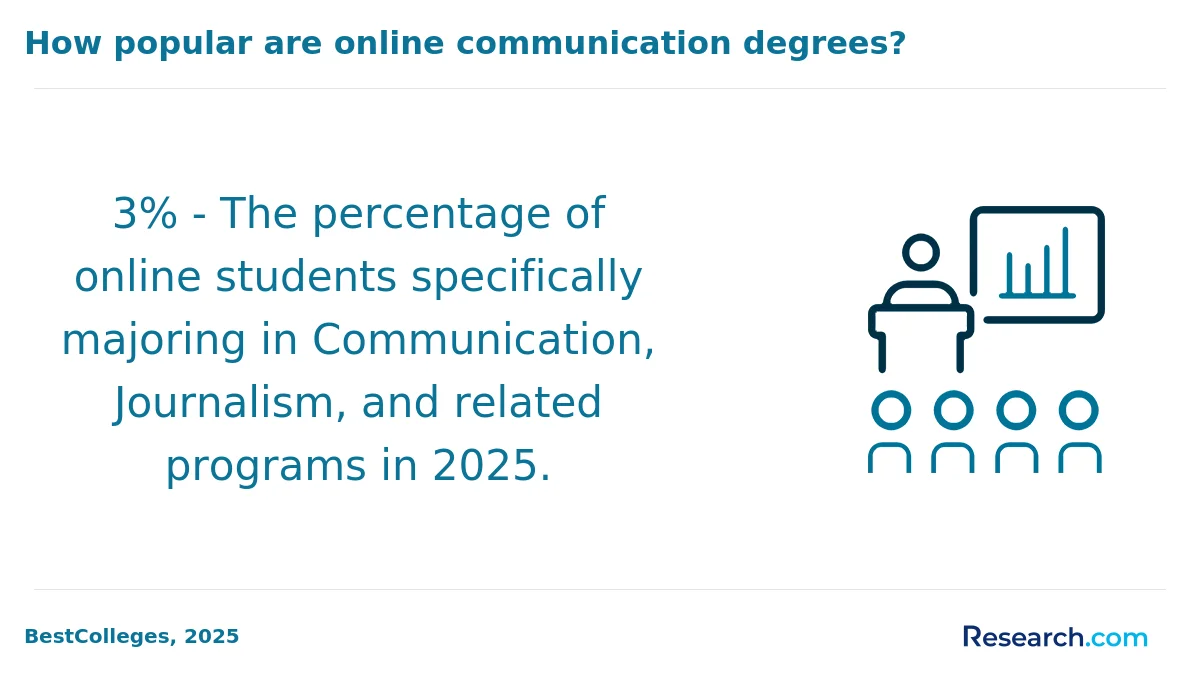
- Benefits of online degrees: Earning a communication degree online from schools like George Mason University allows flexibility, letting students balance work and study while gaining real-world skills efficiently and comfortably from home.
- Key benefits of getting online communication degree in Virginia
- What can I expect from online communication degree in Virginia?
- Where can I work with online communication degree in Virginia?
- How much can I make with online communication degree in Virginia?
- 2027 Most Affordable Online Master's in Communication Degree Programs Ranking in Virginia
- Key Findings
- How long does it take to complete online communication degree in Virginia?
- What's the difference between online and on-campus communication degree?
- What is the average cost of online communication degree in Virginia?
- What financial aid is available to online communication degree students in Virginia?
- What are the prerequisites for enrolling in online communication degree program in Virginia?
- What courses are typically in online communication degree programs in Virginia?
- What types of specializations are available in online communication degree programs in Virginia?
- How do you choose the best online communication degree in Virginia?
- What career paths are available for online communication degree students in Virginia?
- What is the job market for online communication degree in Virginia?
- Related Communication Rankings for Nearby States
- Top Trending Communication Rankings
What can I expect from online communication degree in Virginia?
Imagine unlocking an online communication degree in Virginia where your wallet breathes easier-many graduates from respected institutions like Virginia Commonwealth University or George Mason University often cherish the balance of quality and affordability. Typically, in-state tuition rates hover in ranges that keep dreams within reach, often making these programs financially accessible without sacrificing academic rigor.
Graduates recall juggling coursework on communication theories, digital storytelling, and crisis strategies-all while keeping costs manageable thanks to scholarships or financial aid tailored for Virginians. Picture a working professional crafting a social media campaign in the morning and checking emails for grant opportunities in the afternoon, all supported by tuition rates that don't demand selling a kidney.
The joy of earning a master's without breaking the bank echoes through testimonials-students embracing creativity, mastering media fluency, and stepping into vibrant careers feeling empowered, not crushed by debt. This affordability, paired with Southern Association of Colleges and Schools Commission on Colleges (SACSCOC) accreditation, turns online communication degrees in Virginia into an enticing gateway to future success.
Where can I work with online communication degree in Virginia?
With an online communication degree in Virginia, your career map unfolds like a vibrant mosaic, connecting you to dynamic hubs like government agencies buzzing around Northern Virginia. Imagine graduates from Virginia Tech landing roles weaving stories in public affairs or sparking engagement within media relations teams, directly influencing narratives near Washington, D.C.
Some UVA alumni thrive crafting compelling messages for universities' marketing or corporate relations departments, their day-to-day a dance of digital content magic and community connection. Meanwhile, the healthcare realm beckons with roles shining a spotlight on patient education and public health campaigns-perfect for communicators eager to make an impact on wellness.
Richmond's media scene and Virginia Beach's vibrant outlets employ narrative architects as reporters, editors, and social media maestros, turning facts into captivating dialogue. Plus, the tech corridors along I-95 hum with companies craving communicators fluent in translating complex innovations into relatable stories, making every message a bridge between minds and markets.
How much can I make with online communication degree in Virginia?
Graduates holding an online communication degree from Virginia's respected institutions like George Mason University or James Madison University often find themselves stepping into a dynamic job market energized by evolving industries. Picture a recent graduate landing a role as a public relations specialist, earning around $65,000 a year-a salary that reflects the vibrant connections between education and Virginia's economic landscape.
Those who rise to command roles such as communications directors or marketing managers see their wages jump to $100,000 or more, fueled by experience and the bustling Northern Virginia market where demand and cost of living nudge salaries 10-20% higher. Imagine the thrill of crafting strategic campaigns for tech firms or government contractors, where your skills spark both engagement and a six-figure paycheck.
Online graduates with master's degrees often start near $45,000-$60,000 but watch quickly as their expertise propels them to $70,000-$85,000 within a few years. The trajectory here isn't just about numbers-it's a story of creativity turned into tangible rewards, shaped by Virginia's rich media and communication sectors.
2027 Most Affordable Online Master's in Communication Degree Programs Ranking in Virginia
How do we rank schools?
Investing in your education is a significant decision that can shape your future, and the Research.com team understands the importance of making informed choices. To assist prospective students in Virginia, we have meticulously crafted the "2027 Most Affordable Online Master's in Communication Degree Programs Ranking in Virginia." Our commitment to quality, credibility, and accuracy is reflected in the extensive research and analysis conducted to compile this ranking.
We utilized the following reputable data sources to ensure a comprehensive evaluation of communication programs:
By exploring this ranking, readers will gain valuable insights into the most affordable and high-quality online communication master's programs available in Virginia, helping them make well-informed decisions about their educational paths. For more information on how this ranking was created, please visit our Research.com methodology page.


Key Findings
- Annual tuition for online communication programs in Virginia ranges from $7,000 to $15,000, with public universities offering lower rates for in-state students.
- Employment in communication fields in Virginia is expected to grow by about 10% over the next decade, faster than the national average.
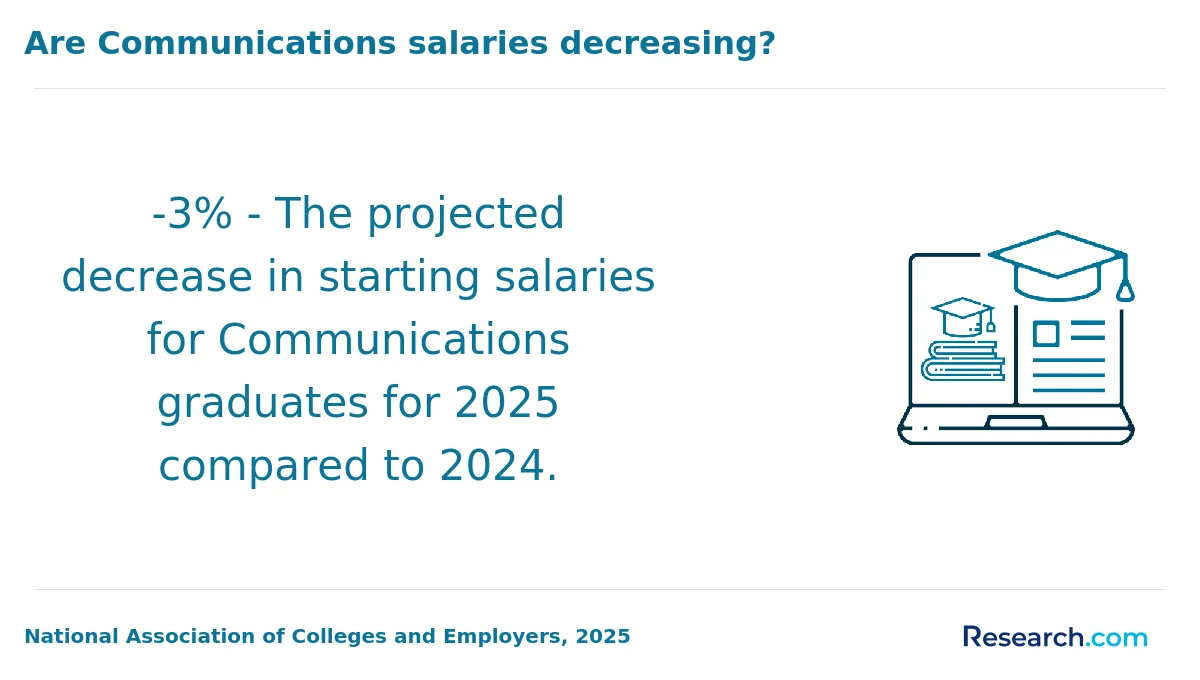
- Starting salaries for graduates typically range between $40,000 and $50,000 annually, rising to around $70,000 with experience.
- Accredited programs, such as those recognized by SACSCOC, ensure quality education and access to federal financial aid.
- Online programs often include studies in digital media, strategic communication, and interpersonal skills, matching employer needs in Virginia's economy.
- State initiatives offer in-state tuition benefits and career services for online learners, aiding smooth job market entry.
How long does it take to complete online communication degree in Virginia?
But what if you're the type who likes to move faster? Some eager learners, riding the wave of transferred credits or relentless summer terms, have sprinted through their programs in as few as two-and-a-half years. Picture finishing just as your friends are halfway through their third year, feeling that surge of pride and possibility.
For those stepping into a master's, expect about 1.5 to 2 years of deep diving into organizational communication or digital strategy. Many savor the freedom of asynchronous classes, fitting study sessions between late-night brainstorming and daily responsibilities, creating a learning experience as unique as their own stories.
The real magic lies in flexibility-whether you fly full-time or hover part-time, Virginia's online programs shape themselves to your beat, letting you craft your future conversation piece with confidence.
What's the difference between online and on-campus communication degree?
Picture a communication student at George Mason University juggling a full-time job and family life. With the online program, they tap into lectures from their living room, savoring the freedom to pause, rewind, or sprint through content on their own terms. No campus bus schedules to worry about-just a flexible rhythm tuned to their busy Virginia lifestyle.
Now, envision a counterpart at the University of Richmond, walking through brick halls and grabbing coffee with peers after a lively debate in class. The buzz of in-person workshops and spontaneous networking pulses through their days, sharpening those vital interpersonal skills in real time.
Online learners often embrace digital tools-virtual group chats, video presentations, and cloud-based collaboration-mimicking media-focused trends shaping modern communication industries.
Meanwhile, on-campus students benefit from face-to-face dynamics and immediate feedback in classrooms, fostering connections through study groups and campus events. For Virginia residents, the cost dance also plays a role: in-state online tuition often lightens the financial load versus on-campus fees that climb higher with housing and other expenses.
What is the average cost of online communication degree in Virginia?
The average cost of an online communication degree in Virginia hovers around $19,836 for in-state students, making it a notably affordable choice compared to many other states. Imagine a graduate juggling coursework at Old Dominion University, paying roughly $300 to $450 per credit hour, steadily advancing toward their master's without breaking the bank. For those attending George Mason University, similar rates ease the financial pressures, creating a welcoming atmosphere where the focus stays on mastering communication skills rather than stress over tuition alone.
Virginia affordable master's in communication tuition isn't just a number on a page - it's the sum of late-night study sessions, virtual group projects, and mentors who understand the pulse of media and messaging today. Graduates from Regent University or Liberty University often describe their investment as higher but balanced by flexible schedules and ample scholarships that soften the overall expense, typically between $15,000 and $25,000 depending on program length.
Beyond tuition, additional fees like technology and enrollment costs add a bit more, yet countless students find these manageable with the help of financial aid. Remember, choosing an online communication degree here is not just about the price tag. It's about career transformation - a boost that leads many to exciting careers with a communications degree, doors opening wide because their education combined affordability with quality and real-world relevance.
What financial aid is available to online communication degree students in Virginia?
Imagine logging into your online class at a well-known Virginia university, feeling the excitement bubble up-not just because you're diving into communication theories, but because your financial worries have eased. That relief often comes from smart use of federal aid like Pell Grants or Direct Unsubsidized Loans, which graduates from Virginia Commonwealth University often praise for lowering their tuition burdens. These grants and loans, accessed through FAFSA, turn what could be a daunting price tag into a manageable journey.
Then there's the Virginia-specific magic: the Virginia Tuition Assistance Grant (VTAG) cushions private institution grads, while the Commonwealth Award sweetens the deal for public school enrollees. Picture a George Mason University student balancing work and study, using employer tuition assistance to transform job experience into educational growth without financial strain.
Beyond these, institutional scholarships tailored for veterans or working professionals foster community and opportunity, turning communication dreams into vivid, achievable realities.
What are the prerequisites for enrolling in online communication degree program in Virginia?
Diving into an online communication degree in Virginia is like opening a door that demands more than just curiosity-it asks for proof of your academic voyage so far. Most programs, from bustling campuses at George Mason University to the historic halls of the University of Virginia, want you to have a bachelor's degree in hand, ideally with a GPA soaring above 2.5. Imagine a graduate who balanced late-night study marathons and weekend group projects; their transcripts stand as a beacon of readiness for this next step.
Beyond grades, you'll need to craft a statement of purpose that's not just words but a vivid narrative of your passion and career dreams. Think of it like storytelling-only this time, you're the hero setting out on a new quest.
Letters of recommendation bring your story to life-mentors and former professors vouching for your potential. Some students find submitting a resume or CV helps sketch the real-world brushstrokes behind their academic achievements, spotlighting media internships or research gigs at colleges like James Madison University.
For international scholars, proving English proficiency via TOEFL or IELTS scores is a must, creating a bridge to join the vibrant Virginia academic community smoothly. Lastly, a tech-savvy mindset with solid internet and collaboration tools ensures you won't miss a beat in this dynamic, digital classroom.
What courses are typically in online communication degree programs in Virginia?
Imagine diving into courses that don't just teach you communication but immerse you in it-Virginia's online communication degrees make that real. Graduates from well-known universities often describe courses like Introduction to Communication Theory as a revelation, where abstract ideas become clear tools for crafting powerful messages in their daily lives.
Picture yourself mastering Interpersonal and Group Communication, sharpening the skills you need for leadership roles or those tricky team projects, all while balancing life at home. Ethical quandaries become thrilling debates in Media Ethics and Law, preparing you to navigate real-world dilemmas faced by journalists and PR pros in Virginia's vibrant media landscape.
Now, add Digital and Social Media Strategies into your toolkit-online students share excitement about creating campaigns that engage Virginia audiences digitally, a skill aligned with the state's booming digital marketing sectors.
Courses in Public Relations and Strategic Communication become living case studies as you learn to spin stories that matter, while Research Methods in Communication equips you to analyze and elevate your strategies with data-driven insights.
Finally, hands-on experience in Communication Technology and Media Production lets you craft compelling video or audio content from your own space, mirroring the growing demand for media creators across Virginia.
What types of specializations are available in online communication degree programs in Virginia?
In Virginia, online communication degree specializations unfold like a vibrant tapestry of career pathways. Graduates from renowned institutions often revel in mastering corporate communication, where they dive into the art of weaving organizational narratives and crisis storytelling that pulse through businesses' lifeblood. Digital media enthusiasts, inspired by real-world successes at popular Virginia colleges, hone skills in social media management and multimedia creation, positioning themselves perfectly for the fast-paced digital landscape. One graduate's excitement in launching impactful campaigns illustrates the energy behind these studies.
Public relations specializations educate students on reputation alchemy-balancing media relations and event planning to craft impeccable brand images across sectors from nonprofits to government. Meanwhile, strategic communication experts, trained through immersive programs in Virginia, channel marketing insight and analytics to craft messages that grip audiences and shape public opinion with surgical precision. For those craving something more distinctive, options like health communication and intercultural messaging await, though less common, offering a rich palette to personalize your journey and align with Virginia's market needs.
Affordable communication master's programs Virginia-wide enable these dreamers to scale their ambitions without breaking the bank. For students curious about the broad landscape of communication media jobs, understanding these specializations turns abstract aspirations into attainable futures.
How do you choose the best online communication degree in Virginia?
Choosing the best online communication degree in Virginia feels like crafting your own story-one shaped by accreditation, flexibility, and real-world impact. Graduates from well-known Virginia institutions often rave about programs accredited by SACSCOC, where quality isn't just claimed, it's proven. Picture yourself diving into a curriculum that aligns perfectly with your passion, whether that's digital media or organizational storytelling, set against the backdrop of Richmond or Fairfax's vibrant academic scenes.
Virginia's affordable online master's programs in communication aren't just budget-friendly; they open doors. Former students share how financial aid and employer tuition reimbursement programs made their dreams achievable without halting their careers. You'll want to consider programs where internships and alumni networks boost your job prospects, turning abstract learning into real connections in media or PR fields that thrive locally.
For personalized advice and a great overview, explore options for a masters in communication online, blending Virginia's unique offerings with your professional goals.
What career paths are available for online communication degree students in Virginia?
Graduates with an online communication degree career options Virginia are as diverse as the skyline of Richmond itself. Imagine a graduate crafting punchy press releases for a bustling tech startup in Northern Virginia, while another sharp mind strategizes digital campaigns for nonprofit changemakers near the state capital. Those from esteemed institutions like Virginia Commonwealth University or George Mason University often find themselves wearing many hats-as Public Relations Specialists, Social Media Coordinators, or Corporate Communication Officers-blending creativity with critical thinking in fast-paced environments.
Jobs with online communication degree Virginia stretch beyond traditional roles; some graduates dive into specialized niches like crisis communication for government contractors or digital content creation for burgeoning media companies. A few find unique joy translating complex tech jargon into accessible narratives, helping shape public understanding. These opportunities make the degree feel less like a pathway and more like an open door. Students often report how accessible tuition rates compared to the national average make Virginia an inviting place to learn public relations online and pivot towards a flourishing career.
What is the job market for online communication degree in Virginia?
The job market for those holding an online communication degree in Virginia buzzes with opportunity, especially for graduates from well-known institutions like James Madison University or George Mason University. These schools foster a tight connection with the vibrant communication landscape that sprawls through Northern Virginia's government agencies and thriving tech firms. Picture a recent graduate stepping confidently into a role at a leading nonprofit or a digital media company downtown, their skills sharpened by curriculum and real-world projects that mirror today's communication demands. For anyone curious about online communication degree jobs Virginia offers, the mix of local private sectors and public administration creates a dynamic environment ripe for career growth.
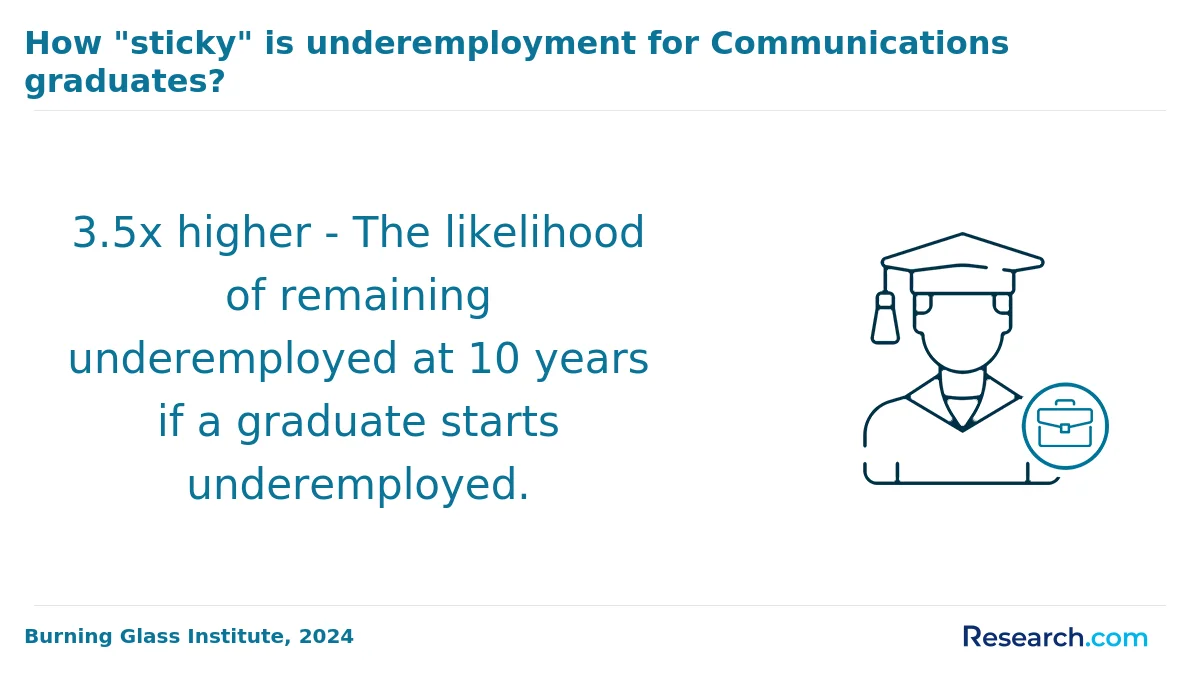
Graduates often share stories of how pursuing an online degree allowed them to deepen expertise while maintaining jobs, exemplifying the perfect balance of flexibility and ambition. Salaries reflect these positive trends, with entry-level pay comfortably hovering near $50,000, climbing higher with experience. For those considering advanced education paths, options like the accelerated masters in public relations online can speed the path to leadership roles.
In today's interconnected Virginia economy, exploring communication degree career opportunities Virginia-wide ensures you're not just learning theory but crafting a tangible future in media, marketing, and public relations fields that value your unique digital communication prowess.
Frequently Asked Questions About communication
Students pursuing online communication degrees in Virginia can enhance their learning by actively engaging with course materials and participating in virtual discussions. Research shows that students who contribute to online forums tend to retain information better and develop critical thinking skills.
Utilizing Virginia's extensive network of libraries and digital resources, such as those provided by the Library of Virginia, offers valuable access to relevant academic journals and media databases, enriching study content.
Additionally, connecting with local professional organizations like the Virginia Association of Communication Arts and Sciences can provide networking and internship opportunities, which are crucial for career growth.
Setting a disciplined study routine and seeking faculty feedback regularly can further improve academic success in these programs.
Emerging niches within the communication field reflect rapid changes in technology and society. In Virginia, areas such as digital communication strategy, social media management, and data analytics are becoming increasingly important. According to the Bureau of Labor Statistics, jobs in digital marketing and analytics are expected to grow by over 13% nationwide through 2032, showing strong relevance for communication graduates.
Other growing specialties include health communication and crisis communication, both essential in public and private sectors. Virginia's public health agencies emphasize these skills to improve community outreach and manage emergency messaging effectively.
Additionally, corporate communication roles focused on remote workforce engagement are expanding, driven by hybrid work trends in Virginia's major business hubs like Richmond and Arlington.
Graduates with an online communication degree in Virginia can strengthen their job prospects by gaining practical experience through internships or volunteer opportunities. Virginia hosts numerous media outlets and corporate headquarters where real-world communication skills are highly valued. Networking is also essential; joining organizations like the Public Relations Society of America's Virginia chapter can connect graduates with industry professionals. According to the U.S. Bureau of Labor Statistics, employment in communication-related fields in Virginia is expected to grow by 5% through 2030. Developing a strong digital portfolio showcasing writing, social media, and multimedia projects can further enhance employability in this competitive market.
Employers in Virginia highly value communication degree graduates who possess strong interpersonal skills, critical thinking, and digital literacy. According to the Virginia Employment Commission, effective written and verbal communication remains a top priority as organizations seek professionals who can articulate ideas clearly across various platforms.
Many Virginia employers also emphasize adaptability and proficiency in social media management, with the rapid expansion of digital communication channels. Graduates skilled in multimedia content creation are increasingly sought after, reflecting industry trends highlighted by the National Communication Association.
Additionally, leadership and teamwork capabilities are frequently requested, as communication roles often involve collaboration and strategic planning. These competencies enhance graduates' employability in Virginia's diverse job market.
Finding internships in Virginia relevant to a communication degree involves several strategic steps. Start by exploring opportunities through Virginia's public and private universities, many of which maintain partnerships with local media companies, nonprofits, and government agencies. According to the Virginia Department of Labor, communications internships in the state often focus on public relations, digital marketing, and media production, providing practical experience critical for career development.
Additionally, platforms like Handshake and LinkedIn allow students to filter Virginia-based internships specifically in communication fields. Networking with alumni and communication professionals across organizations in Richmond, Arlington, and Charlottesville can increase access to hidden opportunities. Local chapters of professional groups such as the Public Relations Society of America (PRSA) Virginia Chapter also post targeted internship listings.
Virginia's communication graduates frequently secure internships in industries expanding at a 3.5% annual growth rate, including tech, healthcare, and government communications, making it a fertile ground for career starters. Research from the National Association of Colleges and Employers (NACE) shows internships improve employment odds by 20%, highlighting their importance for online degree students who may lack on-campus connections.
An online communication degree in Virginia can significantly enhance career mobility and advancement. With the Commonwealth's growing emphasis on technology and media, professionals with strong communication skills are in increasing demand across sectors like government, healthcare, and education.
Data from the Virginia Employment Commission indicates that communication-related roles grew by 6.5% between 2018 and 2023, outpacing some other fields. Employers in Virginia value online degrees, especially those accredited and from reputable institutions, as proof of relevant skills and adaptability.
Graduates often qualify for leadership and specialist positions faster due to their advanced knowledge in digital communication strategies, media ethics, and audience engagement. This can lead to higher salaries and expanded responsibilities statewide.
Studying for a communication degree in Virginia equips students with versatile skills essential for interdisciplinary roles. Programs emphasize critical thinking, digital literacy, and cultural competence, which are valuable across fields like marketing, healthcare, and public relations. Virginia's universities often encourage collaboration with departments such as business and technology, reflecting real-world professional environments.
According to the National Center for Education Statistics, Virginia awarded over 1,600 communication-related degrees at the bachelor's and master's levels in recent years. This demonstrates a growing interest in adaptable skill sets suited for diverse industries.
Additionally, online communication degrees in Virginia incorporate applied research methods and ethical considerations, fostering the ability to analyze complex information from multiple perspectives. This holistic approach prepares graduates for dynamic workplaces demanding interdisciplinary collaboration.
Choosing between a thesis and a non-thesis online communication degree program in Virginia depends on your career goals and learning preferences. A thesis program requires original research and is ideal if you plan to pursue a PhD or a research-focused position. According to the Virginia Department of Education, about 30% of communication master's students opt for thesis tracks to prepare for academia.
Non-thesis programs usually emphasize practical skills and coursework, appealing to professionals aiming for leadership or administrative roles in media, corporate communication, or public relations. These programs often require a capstone project or internship instead.
Consider your time commitment, as thesis paths typically take longer. Accredited institutions in Virginia, such as Virginia Tech and George Mason University, offer both options online, allowing flexibility.
Students in Virginia seeking to study communication abroad while pursuing an online degree have several options through their home institutions. Many Virginia universities with communication programs partner with international universities to offer study abroad opportunities, including virtual exchanges or short-term residencies.
For example, Virginia Commonwealth University and George Mason University provide global learning experiences tied to their communication curricula. These programs often combine online coursework with international case studies or remote collaborations, helping students gain global perspectives without leaving Virginia.
Additionally, federal data shows that about 6% of graduate students in communication disciplines participate in study-abroad programs, highlighting growing interest. Students should consult their university's international office to explore available partnerships and funding options for overseas study related to communication.
Part-time job opportunities in Virginia that complement an online communication degree are diverse and aligned with industry demands. Positions such as social media coordinator, public relations assistant, and content writer offer practical experience while studying. According to the U.S. Bureau of Labor Statistics, Virginia's metropolitan areas, including Richmond and Arlington, show steady growth in communication-related roles, with a 5% projected increase through 2030.
Internships in local media outlets and marketing firms provide valuable networking opportunities and skill development. Additionally, virtual assistant roles focused on communication and client management fit well with a flexible online education schedule. These roles enhance digital literacy and strategic communication skills essential for modern careers.
Online communication students in Virginia benefit from diverse networking opportunities through local university programs and statewide associations. Virginia hosts several communication-focused organizations, such as the Virginia Communication Association, which frequently offers webinars, virtual conferences, and regional meetups tailored to communication professionals and students. These events foster connections and knowledge sharing among peers, faculty, and industry leaders.
Furthermore, many Virginia universities with online communication degrees actively encourage student participation in internships and virtual workshops with local media outlets, non-profits, and businesses. This practical engagement supports skill-building and expands professional networks.
According to the U.S. Bureau of Labor Statistics, Richmond and Northern Virginia are growing hubs for communication-related jobs, creating valuable opportunities for students to connect with employers in these regions.
Alumni networks play a vital role in enhancing the experience of online communication degree students in Virginia. These networks offer valuable connections to professionals working in media, public relations, and digital marketing across the state. According to the Virginia Council of Higher Education, active alumni engagement increases employment opportunities for recent graduates by up to 30% through referrals and mentorship.
Students benefit by accessing local job listings, internships, and workshops that are often shared exclusively within alumni platforms. Networking events hosted by Virginia universities also promote collaboration and career growth within the communication field. Overall, alumni networks contribute to stronger community ties and practical support for students throughout their studies and beyond.
Customizing an online communication degree in Virginia often involves selecting electives and concentrations that align with your career ambitions. Many Virginia institutions offer options in areas like public relations, digital media, organizational communication, and strategic communication. This flexibility ensures students can develop skills tailored to industries such as marketing, healthcare, or government.
Students should also consider programs that provide internship opportunities or project-based courses, helping to build practical experience in Virginia's growing communication sectors. According to the Bureau of Labor Statistics, the communication field in Virginia is expected to grow by 7% through 2030, especially in urban hubs like Richmond and Virginia Beach.
Additionally, some universities allow for customized capstone projects or thesis topics to focus on specific professional goals. Prospective students should carefully review course catalogs and speak with academic advisors to create a personalized study plan that maximizes both learning outcomes and career relevance.
Online communication students in Virginia often face challenges related to balancing coursework with personal and professional responsibilities. Many learners are working adults who must manage their time effectively to meet assignment deadlines and participate in virtual discussions. Connectivity issues can also disrupt learning, especially in rural areas where reliable high-speed internet is less accessible. According to the Virginia Department of Education, approximately 15% of households in rural regions lack broadband service, affecting students' ability to engage fully.
Another hurdle is limited networking opportunities compared to on-campus programs. Building professional connections remotely can be difficult, impacting career advancement in communication fields. Students must also adapt to diverse digital platforms used for classes, which can sometimes create a steep learning curve. These factors collectively shape the typical experience of online communication students in the state.
With an online communication degree in Virginia, you can pursue several professional certifications that enhance your career prospects. Common certifications include the Accredited Business Communicator (ABC) offered by the Business Marketing Association, which validates skills in strategic communication and marketing.
Another valuable credential is the Certified Professional in Learning and Performance (CPLP) from the Association for Talent Development, ideal for those focusing on corporate training and development within Virginia's growing business sectors.
The Project Management Professional (PMP) is also relevant since many communication roles require project coordination skills. These certifications align well with Virginia's expanding communications and public relations job market, supporting career advancement.
When applying for an online communication program in Virginia, start by thoroughly researching each school's requirements. Many institutions value a clear personal statement that explains your interest in communication and your career goals. Virginia's universities often look for candidates with strong writing skills, so ensure your application is free of errors and clearly organized.
Include relevant work or volunteer experiences related to communication; these demonstrate practical knowledge. According to the Virginia Department of Education, employers seek graduates with skills in digital media and public relations, so highlight any such expertise. Additionally, letters of recommendation from professionals familiar with your communication abilities can strengthen your application.
Finally, meet all deadlines and follow submission instructions carefully as Virginia schools reported higher chances of acceptance when applicants strictly adhered to guidelines.
The field of communication is increasingly global, with professionals needing to understand diverse cultures and media landscapes. In the U.S., including Virginia, communication careers often involve skills in digital media, public relations, and intercultural communication. According to the Bureau of Labor Statistics, jobs in communication are expected to grow by 10% nationally through 2032, reflecting demand in multinational companies and global markets.
Virginia's proximity to international hubs like Washington, D.C., enhances opportunities for communication graduates in government and global organizations. Leading Virginia universities report that graduates often work in settings requiring global awareness, emphasizing skills such as multilingual communication and cross-cultural management.
Understanding global perspectives helps communication professionals adapt messages for varied audiences, a skill vital for success in today's interconnected world.
Students pursuing an online communication degree in Virginia can gain practical experience through various avenues. Many Virginia universities with online programs encourage internships at local media outlets, public relations firms, or corporate communications departments. For example, the Virginia Department of Labor and Industry reports that paid internships in Virginia's communications sector grew by 12% in recent years, reflecting increased opportunities.
Additionally, students often engage in virtual projects, such as managing social media campaigns or producing digital content, which build real-world skills. Participating in online student-run organizations or collaborating on community outreach initiatives also provides hands-on experience.
Virginia's strong network of communication professionals and organizations supports remote mentorship programs, further enhancing practical learning.
Choosing the right concentration within an online communication degree program in Virginia depends on your career goals and interests. Popular concentrations include public relations, digital media, and organizational communication. According to the National Communication Association, enrolling in a concentration aligned with Virginia's growing industries, such as government relations or healthcare communication, can increase job prospects.
Research workforce data from the Virginia Employment Commission to identify sectors with rising demand for communication skills. Consider programs accredited by recognized bodies like the Accrediting Council on Education in Journalism and Mass Communication for quality assurance.
Evaluating course content and internship opportunities offered online will also help match your professional ambitions with your academic path.
Related Communication Rankings for Nearby States
- 2027 Most Affordable Online Master's in Communication Degree Programs Ranking in Maryland
- 2027 Most Affordable Online Master's in Communication Degree Programs Ranking in Ohio
- 2027 Most Affordable Online Master's in Communication Degree Programs Ranking in New York
- 2027 Most Affordable Online Master's in Communication Degree Programs Ranking in Florida
- 2027 Most Affordable Online Master's in Communication Degree Programs Ranking in Missouri
Top Trending Communication Rankings
References
- Targeted communication strategy for alumni community https://www.alumnforce.com/en/targeted-communication-strategy-for-alumni-networks-how-to-create-lasting-commitment/
- Study Media Abroad: 2026 Global Guide to Courses & Careers https://www.hotcoursesabroad.com/subject/media/
- Communications Officer Cover Letter Example https://www.kickresume.com/en/help-center/communications-officer-1-cover-letter-sample/
- The Power of Effective Communication in Career Advancement https://www.nationalcollege.edu.au/The-Power-of-Effective-Communication-in-Career-Advancement.php
- Online Communication Degree | University of Phoenix https://www.phoenix.edu/online-liberal-arts-degrees/communication-bachelors-degree.html
- 5 Common Barriers To Communication In Schools | Skool Loop https://skoolloop.com/news-items/5-common-barriers-to-communication-in-schools/
- PR strategies for niche markets: Gaining visibility through targeted communication - HBI Communication https://www.hbi.de/en/blog/pr-strategies-for-niche-markets-gaining-visibility-through-targeted-communication/
- What studies are needed to work in communications? - Sup de Pub https://www.supdepub.com/en/guide/what-studies-are-needed-to-work-in-communications/
- What Kind of Jobs Can You Get With a Communications Degree? https://www.belmont.edu/stories/articles/2025/what-kind-of-jobs-can-you-get-with-a-communications-degree.html
- Know more about thesis vs non- thesis: what is the difference? https://studyfans.com/en/blogs/816