2027 Fastest Online Master's in Communication Degree Programs Ranking in Missouri

Co-Founder and Chief Data Scientist
Choosing the right online master's program in communication can feel overwhelming, especially with so many options available. This article shares the 2027 Fastest Online Master's in Communication Degree Programs Ranking in Missouri, created by the Research.com team of data scientists to help you make a clear, informed decision.
Discover programs that combine speed and quality, so you can advance your career efficiently. Earning a communication degree opens doors to diverse opportunities, enhancing your skills and confidence. Dive in to find the best fit for your goals and take the next step toward a rewarding future.
Key benefits of getting online communication degree in Missouri
- Communication degree graduates in Missouri can expect competitive salaries, with related roles like Public Relations Specialists earning a mean annual wage around $62,810 nationwide, offering financial stability and growth potential.
- A communication degree opens doors to diverse careers such as media, corporate communications, marketing, and public relations, with graduates from Missouri State University often landing rewarding jobs in local businesses and organizations.
- Obtaining a communication degree online in Missouri provides flexible scheduling and the ability to balance work or family commitments, making education more accessible and tailored to your lifestyle compared to traditional on-campus programs.
- Key benefits of getting online communication degree in Missouri
- What can I expect from online communication degree in Missouri?
- Where can I work with online communication degree in Missouri?
- How much can I make with online communication degree in Missouri?
- 2027 Fastest Online Master's in Communication Degree Programs Ranking in Missouri
- Key Findings
- How long does it take to complete online communication degree in Missouri?
- What's the difference between online and on-campus communication degree?
- What is the average cost of online communication degree in Missouri?
- What financial aid is available to online communication degree students in Missouri?
- What are the prerequisites for enrolling in online communication degree program in Missouri?
- What courses are typically in online communication degree programs in Missouri?
- What types of specializations are available in online communication degree programs in Missouri?
- How do you choose the best online communication degree in Missouri?
- What career paths are available for online communication degree students in Missouri?
- What is the job market for online communication degree in Missouri?
- Related Communication Rankings for Nearby States
- Top Trending Communication Rankings
What can I expect from online communication degree in Missouri?
The average cost of pursuing an online communication degree in Missouri is impressively affordable, typically ranging from $300 to $500 per credit hour. Graduates from schools like the University of Missouri or Webster University often share how this cost-efficiency allowed them to balance work, family, and education without feeling overwhelmed by financial strain. Imagine being able to learn the essential skills of media strategy or crisis communication while saving on commuting and housing expenses-this is a common experience for many local students.
Such affordability opens doors, making advanced communication education accessible across the state. Many students find practical value in virtual internships and networking opportunities embedded within these programs, connecting them with industry professionals without extra cost. The investment you make in your tuition often feels rewarding as you gain skills to navigate real-world communication challenges and seize growing job opportunities right here in Missouri's vibrant media landscape.
Where can I work with online communication degree in Missouri?
Graduates with an online communication degree from institutions like the University of Missouri or Webster University often find themselves thriving in Missouri's dynamic job markets. Many begin careers in media hubs such as Kansas City or St. Louis, stepping into roles as reporters, editors, or digital content creators for local TV stations, radio, and newspapers. This hands-on experience builds confidence and expands professional networks.
Others launch careers in corporate communication with companies like Emerson Electric or Monsanto, where they manage social media, craft compelling press releases, and shape brand messages. Alumni frequently share how these roles allow them to blend creativity with strategic thinking, making their work feel both impactful and rewarding.
Non-profits and public relations agencies across cities like Springfield and Columbia also actively seek graduates who can boost community outreach and handle public campaigns. Many recent graduates express pride in using their skills to strengthen local causes and foster meaningful connections.
Beyond the private sector, government offices and educational institutions open doors for graduates to engage in public information and promotional strategies. This range of opportunities shows that with a communication degree in Missouri, you're not just launching a job-you're starting a career filled with purpose and growth.
How much can I make with online communication degree in Missouri?
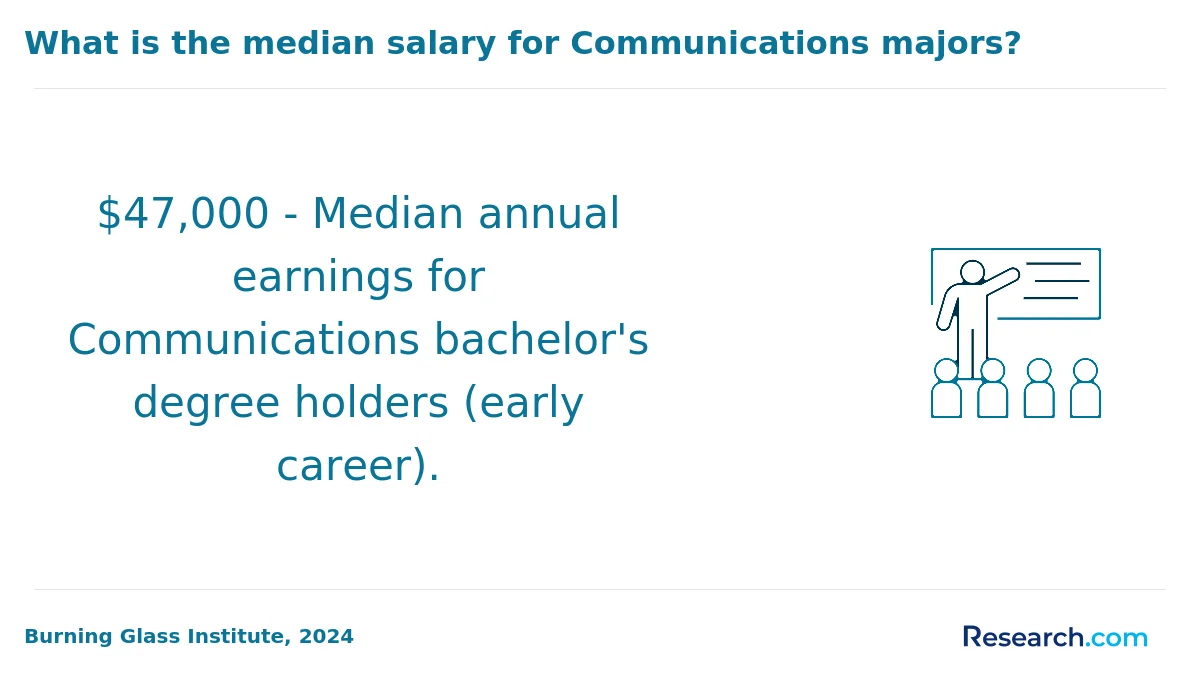
Graduates with an online communication degree in Missouri often start their careers earning between $45,000 and $50,000 annually, especially in entry-level roles like social media coordinators or digital content creators. These figures align closely with stories from students at Missouri State University and the University of Missouri, who found their early positions in vibrant cities like St. Louis and Kansas City offer competitive starting salaries thanks to the thriving local media and corporate sectors.
With experience, many graduates move into public relations or communications specialist roles. Here, salaries typically average around $56,000 per year in Missouri, reflecting the state's growing demand for skilled communicators. Graduates who sharpen their skills through certifications and practical digital tool expertise often see offers on the higher end of this range.
For those advancing to managerial jobs, such as communications or marketing managers, Missouri salaries approach $90,000 annually, just below the national average but enhanced by the region's lower cost of living. This progression reflects the rewarding career path that perseverance and continuous learning can create for communication professionals from Missouri institutions.
2027 Fastest Online Master's in Communication Degree Programs Ranking in Missouri
How do we rank schools?
Investing in your education is a significant decision that can shape your future, and the Research.com team understands the importance of making informed choices. To assist prospective students in Missouri, we have meticulously crafted the "2027 Fastest Online Master's in Communication Degree Programs Ranking in Missouri." Our commitment to quality, credibility, and accuracy is reflected in the extensive research and analysis conducted to compile this ranking.
We utilized the following reputable data sources to ensure a comprehensive evaluation of communication programs:
By exploring this ranking, readers will gain valuable insights into the fastest online communication master's programs in Missouri, helping them make confident and well-informed decisions about their educational paths. For more details on our methodology, please visit our Research.com methodology page.


Key Findings
- Tuition for online undergraduate communication degrees in Missouri ranges from $9,000 to $15,000 per year, while graduate programs cost between $10,000 and $20,000 annually.
- Starting salaries for communication graduates in Missouri are about $40,000, with median salaries increasing to $55,000-$65,000 after some experience.
- Job opportunities exist mainly in cities like St. Louis, Kansas City, and Springfield, including sectors such as marketing, media, healthcare, and government.
- Employment for communication roles in Missouri is expected to grow by 5% to 10% over the next decade.
- Most online communication programs in Missouri are regionally accredited and often offer flexible schedules, virtual internships, and career services for students.
How long does it take to complete online communication degree in Missouri?
Completing an online communication degree in Missouri typically takes about four years for a bachelor's and one to two years for a master's when studying full-time. Many graduates from the University of Missouri and Missouri State University share how their flexible online programs allowed them to balance work, family, and school efficiently. Imagine starting your day with an early morning class, then attending to your job or family commitments, all while steadily progressing toward your degree.
Part-time enrollment is common, extending the timeline but providing vital balance for busy lives. Transfer credits can shorten your path, just as some graduates have successfully done by applying previous college work. Accelerated master's programs at Missouri schools let motivated professionals finish in as few as 12 months, turning passion and discipline into a quick, rewarding achievement.
Choosing a program with accelerated terms or competency-based options can feel like unlocking a secret door, giving you more control over your time and energy while keeping your goals within sight.
What's the difference between online and on-campus communication degree?
Choosing between an online and an on-campus communication degree in Missouri means weighing how you want to engage with your studies and community. Graduates from the University of Missouri-Columbia often recall the energizing atmosphere of face-to-face discussions and easy access to campus resources, which foster spontaneous networking and collaborative projects. This in-person connection builds strong relationships that can open doors after graduation.
On the other hand, many communication students from Missouri State University find online programs perfectly fit their busy lives. They appreciate the flexibility to study on their own schedule-whether late at night or during breaks at work-without the need to commute. This freedom helps balance family, jobs, and education, while still gaining a respected degree.
Both paths share similar tuition rates-roughly $250 to $400 per credit hour at public Missouri institutions-but going online often lowers extra costs like housing and transportation. With dedication, online learners can tap into video discussions and virtual collaborations that, while different, still build valuable connections. Whichever route you take, Missouri's accredited programs ensure your degree holds strong value in the job market.
What is the average cost of online communication degree in Missouri?
For students exploring the average online communication degree cost Missouri offers, it's important to understand that tuition can vary widely depending on where you study. Public universities in Missouri provide a more affordable path for in-state learners, with total tuition costs for an online Master's in Communication typically falling between $10,500 and $21,600. Graduates from these programs often share how accessible pricing made it easier to balance education with work and family commitments.
Private institutions, while potentially offering more specialized curricula or smaller class sizes, usually demand higher tuition-often ranging from $21,000 to $43,200 for the same credit requirements. Many students find scholarships or employer tuition reimbursement essential in managing these costs, allowing them to pursue their passion for communication without overwhelming financial stress.
Besides tuition, keep in mind additional expenses like technology fees and course materials, which can add $1,000 to $2,000 to your overall investment. Universities such as the University of Missouri system and Missouri State University are well-regarded for their competitive online tuition rates and supportive learning environments. These factors contribute to both the quality of education and the positive experiences of online learners.
If you need to accelerate your career in communication, exploring options for the fastest communication degrees online may also be a practical way to reduce your total time and financial commitments while advancing your skills efficiently.
What financial aid is available to online communication degree students in Missouri?
Many online communication students in Missouri discover that financial aid is more within reach than they initially imagined. Graduates from Missouri State University and the University of Missouri often share how completing the FAFSA unlocked vital federal aid, including Pell Grants and loans that made their degrees attainable without overwhelming debt.
The Missouri Department of Higher Education & Workforce Development offers programs like the Access Missouri Financial Assistance Program, which grants non-repayable funds to eligible online learners, easing financial stress significantly. Students have found that reaching out to their university's financial aid office-such as at the University of Missouri-Kansas City-often reveals school-specific scholarships tailored for communication majors, creating extra pathways for support.
Private scholarships from organizations like the National Communication Association provide students a hopeful boost, rewarding merit and diversity. Additionally, working professionals benefit from employer tuition assistance programs that encourage ongoing education, while veterans tap into GI Bill benefits that cover their online communication degrees. These resources together build a strong foundation for success without letting finances hold you back.
What are the prerequisites for enrolling in online communication degree program in Missouri?
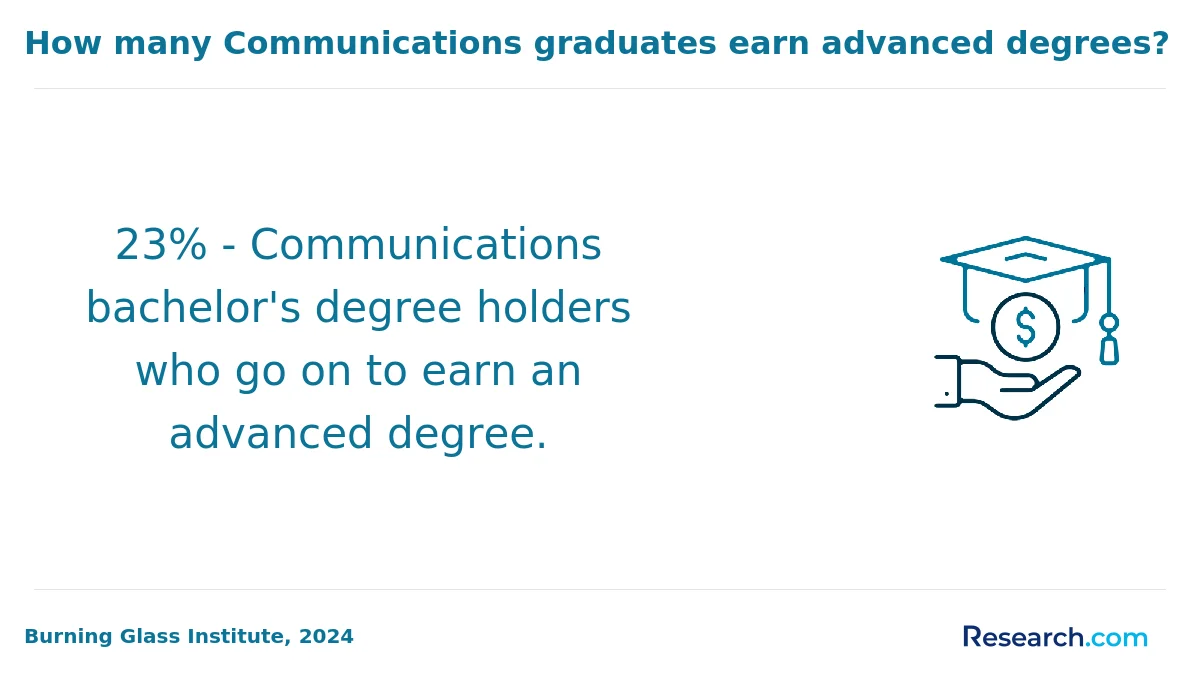
To enroll in an online communication degree program in Missouri, you'll typically need a completed bachelor's degree from an accredited institution. Many graduates from universities like the University of Missouri-Columbia found that having a background in communication or related fields such as journalism or media studies really helped them hit the ground running. However, don't be discouraged if your degree is in another discipline; schools like Missouri State University welcome applicants who can demonstrate strong writing, research, or professional skills.
Official transcripts are essential to verify your academic standing, with many programs expecting a minimum GPA around 3.0. These details can make a big difference during admission reviews, where your consistent performance shines through.
Standardized tests such as the GRE are often optional, but some programs might still require them. Applicants who focused on their professional experience and presented compelling resumes and statements of purpose usually stood out in the selection process.
Additional application materials, including letters of recommendation and a personal statement that clearly outlines your career goals, are equally important. Graduates often mention that crafting these thoughtfully helped them tell their unique story and feel confident about their future.
What courses are typically in online communication degree programs in Missouri?
When you dive into an online communication degree in Missouri, you'll encounter courses that truly prepare you for real-world challenges. Imagine mastering Interpersonal Communication, where you learn to navigate conversations that build trust and understanding-skills that Missouri graduates often say transformed how they connect in both work and life.
Courses like Communication Theory break down how messages travel and are interpreted, giving you a toolkit to analyze any interaction. At institutions like the University of Missouri, students appreciate how this foundation supports advanced study.
Media-focused classes such as Mass Communication and Digital Media Strategies teach you to skillfully shape public opinion and harness digital platforms, a must-have in today's rapidly evolving media landscape.
Strategic communication courses, like Public Relations Writing, equip you to craft messages that inspire and influence-a skill praised by Missouri graduates working in diverse fields. Add in Organizational Communication to understand office dynamics, and you're well-prepared to step into leadership roles.
Electives in Health Communication and Intercultural Communication reflect Missouri's unique cultural fabric, helping students feel confident addressing diverse audiences with empathy and insight.
What types of specializations are available in online communication degree programs in Missouri?
If you're exploring online communication degree specializations Missouri offers, you'll find options tailored to various career paths. Graduates from universities like the University of Missouri often share how specializing in Strategic Communication empowered them to craft powerful messages for public relations and marketing, making real-world impact for organizations they joined. Others who pursued Digital Media and Communication at institutions such as Missouri State University thrive by mastering social media management and multimedia storytelling, skills that are highly sought after in today's digital economy.
Some students embrace Mass Communication or Media Studies, learning to analyze and work within news media or film production, frequently at schools with strong journalism programs. Health Communication is another exciting path, especially important in Missouri's diverse communities, where graduates feel proud contributing to public health awareness. Organizational Communication prepares learners to enhance team success through leadership messaging, a favorite among those employed by local businesses and nonprofits. If cost is a concern, researching the cheapest communication degrees online can help guide your decision.
How do you choose the best online communication degree in Missouri?
Start by checking if the program is regionally accredited, like those in Missouri accredited by the Higher Learning Commission. Graduates from the University of Missouri or Webster University often praise how accreditation boosted their confidence in the quality of their degree and improved their job prospects.
Next, explore the curriculum carefully. Does the program offer courses that match your passion? Missouri students frequently choose specialties such as strategic communication or digital media, ensuring their online education aligns with professional goals. For example, some graduates discovered a real passion for a public relations degree through online programs that emphasized hands-on projects and case studies.
Affordability plays a vital role; many find affordable online communication programs Missouri offer between $8,000 to $15,000 yearly tuition, which can ease financial stress. Pairing this with scholarships or assistantships can make a huge difference while studying.
Remember, faculty expertise and support services are game changers. Numerous students from Missouri institutions share how advisors and tech support made their experience smoother and more engaging. Finally, consider flexible schedules that accommodate your life, just like many graduates balancing work with studies in part-time or accelerated programs.
What career paths are available for online communication degree students in Missouri?
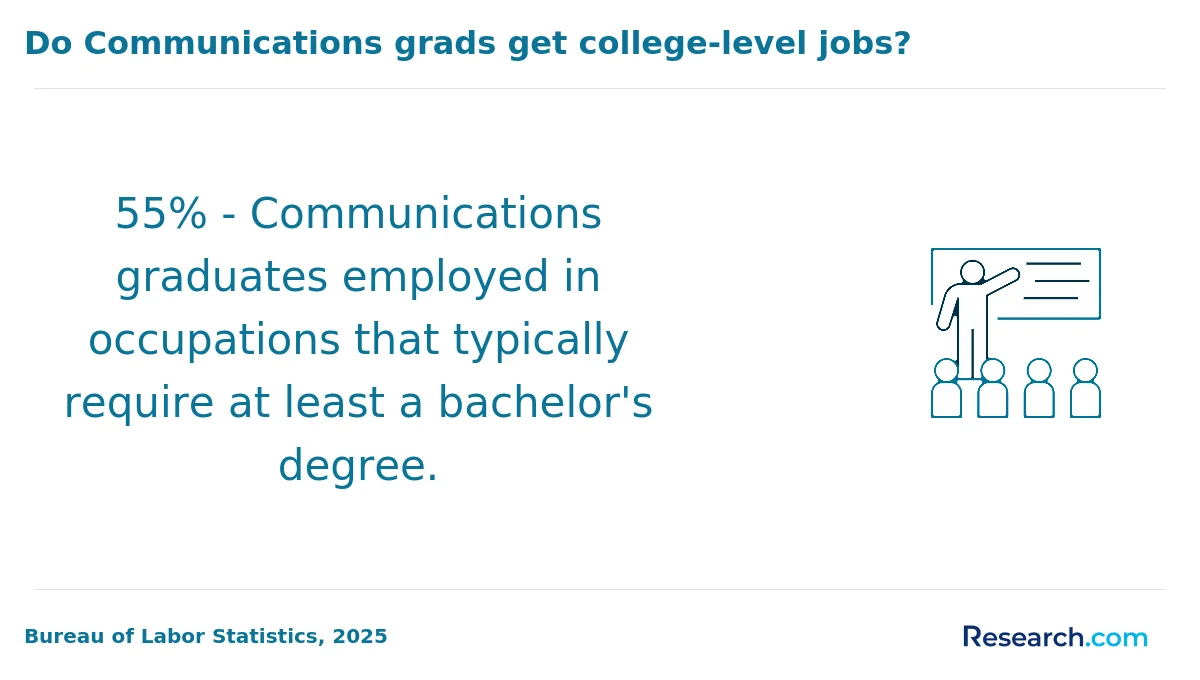
Graduates with an online communication degree in Missouri discover a variety of fulfilling career paths that align with their passions and talents. Many find success as public relations specialists, crafting compelling press releases and managing media relations to shape public perception. Corporate communications managers are also in high demand, especially in vibrant business hubs like St. Louis and Kansas City, where companies such as Centene Corporation create fertile ground for strategic communicators. Graduates from well-known Missouri universities often share their excitement about landing roles in digital media, working as social media managers or content strategists, turning their creativity into measurable results. If you're curious about salary expectations, consider exploring the online masters in public relations degree salary to get a realistic snapshot of earning potential in this field.
Vibrant opportunities also await those interested in journalism, advertising, and nonprofit communication. Graduates have enthusiastically embraced roles that involve storytelling, community engagement, and brand management, all crucial in Missouri's dynamic media and nonprofit sectors. For students pursuing online communication degree jobs in Missouri, these paths reflect not only strong regional demand but also a chance to impact communities and organizations positively. Evidence from alumni highlights how understanding local markets combined with digital skills opens doors wide.
Communication careers in Missouri for graduates are diverse and rewarding, especially when supported by education from institutions known for robust programs. The mix of urban and corporate environments fuels a steady desire for skilled communicators capable of adapting to evolving media landscapes. Whether you envision yourself coordinating advertising campaigns or leading nonprofit outreach, Missouri's unique ecosystem offers a platform to cultivate your career while making a difference.
What is the job market for online communication degree in Missouri?
The job market for graduates with an online communication degree in Missouri is strong and diverse, offering many paths to build a fulfilling career. Graduates from well-known universities in Missouri often find roles in thriving urban hubs like St. Louis or Kansas City, where businesses and organizations value communication experts for marketing, public relations, and digital outreach. For example, graduates have moved into roles managing social media campaigns for healthcare organizations or crafting compelling messaging for nonprofit groups.
Missouri's job outlook for communication graduates includes opportunities beyond traditional media, with positions in education, government, and corporate sectors steadily available. Many students taking an online masters degree in pr enjoy flexible learning while connecting with local companies to launch their careers. The ability to work remotely adds to the appeal, especially for working professionals balancing studies and employment.
This positive momentum makes an online communication degree an excellent investment. By focusing on specialized skills like digital media and corporate communication, graduates position themselves for steady demand and career advancement in Missouri's vibrant job market.
Frequently Asked Questions About communication
Students pursuing online communication degrees in Missouri can enhance their learning by actively engaging with course materials and participating in virtual discussions. Missouri ranks high for digital connectivity, which supports smooth access to online resources and collaborative platforms, according to the Missouri Department of Higher Education.
Utilizing the state's available academic support services, such as virtual tutoring and writing centers offered by many Missouri institutions, is essential. Networking with peers and professors through online forums also broadens professional contacts and deepens understanding.
Additionally, students should seek internships with Missouri businesses or media outlets to gain real-world communication experience, as internships improve employment prospects significantly in the region.
Emerging niches within the communication field reflect changes driven by technology and culture, offering new career pathways for Missouri students pursuing online degrees. Digital communication and social media management have become especially vital as organizations increasingly rely on online presence.
Another growing area is data analytics in communication, where skills in interpreting audience metrics support targeted messaging. Missouri's economy benefits from industries like healthcare and agriculture adopting specialized communication roles, including health communication and crisis communication experts.
Moreover, corporate communication now often includes employee engagement and diversity-focused messaging, responding to evolving workplace dynamics.
According to the Missouri Economic Research and Information Center (MERIC), jobs in media and communication are expected to grow 6% through 2030, highlighting demand in these expanding niches.
Graduates with an online communication degree in Missouri should focus on building both practical skills and professional networks to succeed in the job market. Missouri's diverse industries, such as healthcare, media, and education, demand strong communication expertise. Gaining experience through internships or freelance projects helps develop a portfolio that stands out.
The Missouri Economic Research and Information Center (MERIC) reports steady growth in communication-related jobs, highlighting the importance of digital literacy and social media proficiency. Joining local professional organizations like the Missouri Speech Communication Association can offer valuable networking opportunities and industry insights.
Additionally, enhancing skills in public relations, corporate communication, and digital marketing through certification programs can improve employability and salary prospects.
Employers in Missouri highly value communication degree graduates who demonstrate strong interpersonal and digital communication skills. According to the Missouri Economic Research and Information Center, effective written and verbal communication are essential for roles across various industries, including marketing, public relations, and corporate communication.
Proficiency in social media management and content creation is increasingly important as businesses expand their online presence. Additionally, critical thinking and problem-solving abilities enable graduates to craft strategic messages tailored to diverse audiences.
Team collaboration and cultural awareness are also sought-after, reflecting Missouri's growing diversity in the workplace. These skills prepare graduates to succeed in dynamic, fast-paced environments typical of the state's largest communication employers.
Finding internships in Missouri related to a communication degree involves leveraging several regional resources and networks. Missouri hosts numerous media companies, nonprofits, and corporate communication departments, which often offer internships tailored to communication students. Exploring university career centers, such as those at the University of Missouri or Missouri State University, can provide valuable local internship listings.
The Missouri Department of Higher Education & Workforce Development offers internship programs and connects students with employers statewide. Additionally, platforms like Handshake and LinkedIn are popular among Missouri students for finding communication internships.
Students should also consider joining local professional organizations like the Missouri College Media Association or the Public Relations Society of America (PRSA)-St. Louis chapter. These groups offer networking events and internship announcements specific to communication fields.
Obtaining an online communication degree in Missouri can significantly enhance career mobility and advancement. The state's diverse economy, with strong presence in healthcare, education, and public relations, values effective communicators. According to the Missouri Economic Research and Information Center, communication-related jobs such as public relations specialists and corporate communication managers are projected to grow faster than average through 2030.
Online degrees offer flexibility, allowing professionals to gain skills without interrupting their careers. This flexibility helps students leverage current job experience while acquiring new credentials.
Graduates often find improved job prospects, higher earning potential, and greater access to leadership roles in key Missouri industries.
Studying for a communication degree in Missouri equips students with versatile skills crucial for interdisciplinary roles. The curriculum often integrates courses in media studies, public relations, business communication, and digital technologies, fostering adaptability across various industries.
Missouri's universities emphasize critical thinking, research, and ethical communication, preparing graduates to work collaboratively with professionals in healthcare, education, marketing, and government sectors. According to the Missouri Department of Higher Education, communication-related jobs in the state are projected to grow by 8% through 2030, reflecting expanding opportunities.
Online programs enable students to balance work and study, gaining practical experience alongside theoretical knowledge, important for interdisciplinary problem-solving.
When choosing between a thesis and a non-thesis online communication degree program in Missouri, consider your career goals first. Thesis programs typically emphasize research skills and are suitable for students aiming for doctoral study or research-intensive roles.
Non-thesis options often focus on practical skills and may require a capstone project instead, appealing to those seeking immediate career advancement in industries like public relations or corporate communication.
Missouri universities offering online communication degrees align with U.S. higher education standards, ensuring flexibility in duration and credit requirements. According to the Missouri Department of Higher Education, about 15% of master's students in communication engage in thesis research, indicating a moderate interest in academic careers within the state.
Evaluating faculty expertise, program curriculum, and professional networking opportunities can also guide your choice effectively.
Students based in Missouri who want to study communication abroad while pursuing an online degree have several pathways to consider. Many Missouri universities with online communication programs offer study abroad opportunities through partnerships with foreign institutions. This allows students to gain international experience either during short-term residencies or summer sessions.
For example, the University of Missouri system encourages global engagement by facilitating exchanges in Europe, Asia, and Latin America, often focusing on media, intercultural communication, and digital strategies. Additionally, Missouri students may enroll in U.S.-accredited online programs that incorporate international coursework or virtual internships with global companies.
The American Council on Education highlights that approximately 5% of Missouri college students participate in study abroad annually, with communication being a popular major for such experiences.
Part-time jobs in Missouri that complement an online communication degree often involve roles promoting practical skills and networking. Positions such as social media coordinator, content creator, and public relations assistant help students apply communication theories in real-world settings. According to the Missouri Economic Research and Information Center, communications-related occupations are projected to grow by 5% from 2022 to 2032, indicating steady opportunities.
Internships or part-time roles at local media outlets, nonprofits, and corporate communication departments provide valuable experience. These positions improve skills in writing, digital media, and interpersonal communication, essential for career advancement. Utilizing campus career centers and Missouri job boards can help students find suitable roles.
Online communication students in Missouri benefit from a variety of networking opportunities designed to connect them with industry professionals and peers. Many universities offering online programs partner with local media outlets, corporations, and nonprofit organizations, providing students access to internships and collaborative projects.
Professional organizations such as the Missouri Speech Communication Association and the Public Relations Society of America (PRSA) St. Louis Chapter host events, workshops, and conferences open to online students. These platforms help students build connections within the state's communication sector.
Additionally, some universities organize virtual networking events and alumni panels, giving students valuable insights and contacts in Missouri's job market. According to Missouri Economic Research and Information Center, fields related to communication are expected to grow 6% by 2030, increasing job opportunities for well-networked graduates.
Alumni networks play a crucial role for students pursuing online communication degrees in Missouri by offering valuable professional connections. Graduates often share job leads, mentorship opportunities, and industry insights that can ease the transition from student to professional. According to the Missouri Department of Higher Education, about 65% of recent communication graduates find employment within six months, often through alumni referrals.
Missouri's communication alumni networks also host virtual events and webinars, fostering ongoing learning and peer support. These networks connect students with professionals in media, public relations, and corporate communication sectors prevalent in cities like St. Louis and Kansas City, expanding career possibilities. Access to such networks significantly enhances students' chances of securing meaningful roles after graduation.
In Missouri, online communication degree programs offer several ways to tailor your studies to match your career goals. Many schools allow students to choose electives focusing on areas like public relations, media studies, or digital communication. This flexibility helps develop skills that meet specific industry demands.
Students can also select internships or capstone projects that align with their professional interests, providing real-world experience. According to the Missouri Department of Higher Education, customizing your coursework can improve job placement rates by equipping you with relevant expertise.
Additionally, some programs provide options to specialize in strategic communication or corporate communication, reflecting local market needs in cities like St. Louis and Kansas City.
Students pursuing online communication degrees in Missouri face several common challenges. One major hurdle is balancing coursework with work and family responsibilities. According to the Missouri Department of Higher Education, nearly 60% of online learners are working adults, making time management essential.
Another difficulty is limited access to hands-on communication experiences, such as internships or live group projects. Many online students find it harder to build networking connections, which are critical in communication fields.
Technical issues can also affect learning, with some students lacking reliable internet or up-to-date devices. Missouri's rural areas especially face broadband access problems, impacting remote education success.
With an online communication degree in Missouri, students can pursue various professional certifications to enhance their careers. Popular certifications include the Accredited Business Communicator (ABC) offered by the Worldcom Public Relations Group and the Certified Professional in Learning and Performance (CPLP) from the Association for Talent Development.
Other valuable options include the Society for Human Resource Management (SHRM-CP) certification, which benefits those focused on organizational communication. Missouri's growing business sectors often value these credentials, with communication roles projected to increase by 8% statewide through 2030, according to the Missouri Economic Research and Information Center.
Certifications enhance practical skills in public relations, corporate communication, and leadership, making graduates more competitive in Missouri's job market.
To write a winning application for an online communication program in Missouri, start by clearly demonstrating your passion for communication and relevant experience. Missouri institutions often seek applicants with strong writing and critical thinking skills, as these are fundamental in the field.
Highlight any professional or academic background that involves media, public relations, or interpersonal communication. According to the Missouri Department of Higher Education, programs value applicants who showcase adaptability to online learning environments.
Additionally, tailor your personal statement to reflect your career goals and how the program aligns with Missouri's evolving communication industry. Proofread carefully to ensure clarity and professionalism.
Global perspectives on careers in communication emphasize the growing importance of cross-cultural skills and digital literacy. Communication professionals in the U.S., including Missouri, are expected to adapt to a worldwide audience shaped by technological advancements. According to the Bureau of Labor Statistics, employment in communication-related fields is projected to grow 11% from 2021 to 2031, faster than the average for all occupations.
In Missouri, universities offering online communication degrees prepare students to engage with diverse populations and global media platforms. As organizations extend their reach internationally, skills in intercultural communication and media strategy become essential. These trends reflect a broader U.S. educational focus on global competency and digital communication techniques.
Gaining practical experience while pursuing an online communication degree in Missouri is essential for career readiness. Many Missouri universities offer internship opportunities that can be completed remotely or locally, enabling students to apply theoretical knowledge in real-world settings. For example, internships with media outlets, public relations firms, or corporate communication departments help build valuable skills.
The Missouri Broadcasters Association reports that communication-related fields in Missouri grew by 6.3% between 2020 and 2023, increasing demand for skilled professionals with hands-on experience. Virtual projects, simulations, and portfolio development are also common components in online programs, allowing students to showcase their work.
Active participation in online student organizations and networking with Missouri communication professionals can further enhance practical learning.
Choosing the right concentration within an online communication degree program in Missouri depends on your career goals and interests. Popular concentrations include public relations, digital media, corporate communication, and health communication. Each offers distinct skills suited for various industries present in Missouri's economy.
It's helpful to review Missouri labor market data, which highlights demand for professionals skilled in digital communication and media strategy, especially in urban areas like St. Louis and Kansas City (according to the Missouri Economic Research and Information Center).
Consider programs that provide internships or practicum opportunities to gain real-world experience locally. Accreditation and faculty expertise in your chosen concentration also matter when selecting a school.
Related Communication Rankings for Nearby States
- 2027 Fastest Online Master's in Communication Degree Programs Ranking in Ohio
- 2027 Fastest Online Master's in Communication Degree Programs Ranking in Florida
- 2027 Fastest Online Master's in Communication Degree Programs Ranking in Virginia
- 2027 Fastest Online Master's in Communication Degree Programs Ranking in Maryland
- 2027 Fastest Online Master's in Communication Degree Programs Ranking in New York
Top Trending Communication Rankings
References
- Top Skills Employers Look for in Mass Communication Graduates https://urbeuniversity.edu/blog/top-skills-employers-look-for-in-mass-communication-graduates
- Online Communication Degree | University of Phoenix https://www.phoenix.edu/online-liberal-arts-degrees/communication-bachelors-degree.html
- Master's in Communication Salaries by Career and Position (2025 Update) https://www.mastersincommunications.com/faqs/masters-in-communication-salary
- 6+ Communications Cover Letter Examples (with In-Depth Guidance) https://www.tealhq.com/cover-letter-examples/communications
- How to find communication niches? - PSMM Monitoring & More https://psmm.pl/en/how-to-find-communication-niches/
- Study Media Abroad: 2026 Global Guide to Courses & Careers https://www.hotcoursesabroad.com/subject/media/
- Communication & Journalism Study Abroad Programs - Media, PR https://www.ceastudyabroad.com/academic-discipline/communication-journalism
- Unlocking Career Growth: The Power of Communication Skills https://www.pmmi.org/blog/unlocking-career-growth-the-power-of-communication-skills
- 2026 Best Online Communications Degrees https://www.onlineu.com/degrees/communications
- What studies are needed to work in communications? - Sup de Pub https://www.supdepub.com/en/guide/what-studies-are-needed-to-work-in-communications/