2027 Fastest Online Master's in Communication Degree Programs Ranking in Maryland

Co-Founder and Chief Data Scientist
Are you considering advancing your career with a master's degree in communication? Choosing the right online program in Maryland can feel overwhelming, but we're here to simplify that journey.
This article presents the 2027 Fastest Online Master's in Communication Degree Programs Ranking in Maryland, created by the Research.com team of data scientists. It helps you identify quality programs that fit your goals and schedule.
By exploring this ranking, you'll gain clarity and confidence, making your educational path smoother and more rewarding. A communication degree opens doors to many exciting opportunities-let's find the best fit for you.
Key benefits of getting online communication degree in Maryland
- The mean annual wage for communication-related jobs in the US generally ranges from $50,000 to $75,000, offering a competitive salary for graduates entering marketing, public relations, or media roles.
- Graduates from the University of Maryland often find diverse career paths such as corporate communication, social media management, and content strategy, reflecting strong job market flexibility and growth.
- Completing an online communication degree through institutions like Towson University allows for flexible scheduling and remote learning, helping students balance work and life while gaining valuable skills recognized by employers.
- Key benefits of getting online communication degree in Maryland
- What can I expect from online communication degree in Maryland?
- Where can I work with online communication degree in Maryland?
- How much can I make with online communication degree in Maryland?
- 2027 Fastest Online Master's in Communication Degree Programs Ranking in Maryland
- Key Findings
- How long does it take to complete online communication degree in Maryland?
- What's the difference between online and on-campus communication degree?
- What is the average cost of online communication degree in Maryland?
- What financial aid is available to online communication degree students in Maryland?
- What are the prerequisites for enrolling in online communication degree program in Maryland?
- What courses are typically in online communication degree programs in Maryland?
- What types of specializations are available in online communication degree programs in Maryland?
- How do you choose the best online communication degree in Maryland?
- What career paths are available for online communication degree students in Maryland?
- What is the job market for online communication degree in Maryland?
- Related Communication Rankings for Nearby States
- Top Trending Communication Rankings
What can I expect from online communication degree in Maryland?
The average cost of pursuing an online communication degree in Maryland generally reflects a balance between quality education and accessibility. Graduates from well-regarded schools such as the University of Maryland Global Campus often share that tuition rates, while variable, typically range within a moderate scope that is manageable, especially when considering the flexibility and savings on commuting and housing. Many find that this financial aspect, combined with robust financial aid or employer tuition assistance, makes the investment in their education feel worthwhile and less daunting.
For those enrolled at institutions like Towson University, the ability to study remotely while maintaining professional and family commitments adds intangible value beyond the tuition numbers. These students often describe a sense of relief and motivation, knowing that expenses are controlled without sacrificing academic rigor or connection to local industry networks. This real-life flexibility is frequently emphasized as a crucial factor in their successful degree completion.
Ultimately, while tuition costs vary across Maryland's colleges offering online communication degrees, the prevailing sentiment from graduates is that the cost is justified by the career-ready skills gained and the convenient, applied learning tailored to the region's evolving media landscape.
Where can I work with online communication degree in Maryland?
Graduates with an online communication degree in Maryland often find themselves stepping into dynamic roles across various sectors that truly value strong communication skills. Many alumni from institutions like the University of Maryland and Towson University share how their studies prepared them for careers in government agencies, particularly within the Baltimore and Washington D.C. metro areas. Here, they work as public information officers or social media managers, roles that allow them to shape public narratives and influence community engagement daily.
Others recount rewarding experiences in Maryland's healthcare system, such as contributing to patient outreach and health education at major hospitals like Johns Hopkins Medicine. These positions demand empathy and clarity, qualities sharpened through their academic training.
Similarly, the rise of digital marketing in tech hubs like Columbia offers communicators avenues to craft compelling campaigns and analyze audience data, enabling a blend of creativity and strategy. Graduates often express pride in finding purpose in both corporate settings and nonprofit sectors, appreciating the versatility their degree brings in Maryland's vibrant economy.
How much can I make with online communication degree in Maryland?
Graduates from online communication degree programs in Maryland, such as those offered by the University of Maryland or Towson University, often find their entry-level salaries ranging between $45,000 and $55,000 annually. These figures reflect the initial steps in diverse career paths including public relations, marketing, and corporate communication. Many graduates express satisfaction when their early roles allow them to build practical skills in real-world settings around the Baltimore-Washington corridor.
With experience, especially when graduates specialize in areas like digital media strategy or public affairs, salaries frequently exceed $75,000. Professionals who have earned master's degrees online often progress to managerial positions or leading communication teams, where salaries can rise above $90,000. Graduates recall feeling empowered when transitioning to these roles, appreciating Maryland's proximity to government agencies and nonprofits that offer rewarding opportunities.
Though exact salary data from the BLS is limited, these ranges align with the positive career growth reported by Maryland's Department of Labor. Numerous graduates highlight how strategic networking within Maryland's vibrant communication sector helped them maximize their earning potential while pursuing meaningful work.
2027 Fastest Online Master's in Communication Degree Programs Ranking in Maryland
How do we rank schools?
Investing in your education is a significant decision that can shape your future, and the Research.com team understands the importance of making informed choices. To assist prospective students in Maryland, we have meticulously crafted the "2027 Fastest Online Master's in Communication Degree Programs Ranking in Maryland." Our commitment to quality, credibility, and accuracy is reflected in the extensive research and analysis conducted to compile this ranking.
We utilized the following reputable data sources to ensure a comprehensive evaluation of communication programs:
By exploring this ranking, readers will gain valuable insights into the fastest online master's programs in communication available in Maryland, helping them make well-informed decisions about their education and career advancement. For more details on our methodology, please visit our Research.com methodology page.

# 2 position
University of Maryland Global Campus
Master of Strategic Communication


Key Findings
- Tuition for online communication degrees in Maryland ranges from $10,000 to $20,000 per year at public universities and can exceed $30,000 at private institutions.
- Entry-level communication specialists in Maryland earn between $45,000 and $55,000 annually, with salaries rising to $65,000-$85,000 after five to ten years.
- Maryland's communication job market is strong, with a projected growth rate of about 7% over the next decade, which is higher than the national average.
- Many Maryland online programs offer flexible schedules and include internships or practical projects to help gain job experience.
- The demand for communication professionals spans government, healthcare, nonprofit, and private business sectors in Maryland.
How long does it take to complete online communication degree in Maryland?
Completing an online communication degree in Maryland often fits neatly within traditional timelines, yet it also allows flexibility to match your personal pace. Many undergraduate students pursuing their Bachelor's at well-known institutions like Towson University or University of Maryland, College Park find themselves wrapping up their studies in about four years when enrolled full-time. This timeline feels reassuringly familiar, providing a clear path to graduation aligned with the state's academic standards.
Graduate students at these schools often share how they balanced intense work schedules with their online Master's programs, typically finishing in 1.5 to 2 years if full-time. The ability to switch to part-time-extending completion up to three years-brings peace of mind when life gets busy. Those in accelerated programs, sometimes offered by schools like Johns Hopkins University, report renewed motivation knowing they can complete a master's in as little as 12 to 18 months, opening doors to career growth faster than they imagined.
Transfer credits and acknowledgment of prior professional experience can make a significant, positive difference too, shortening the overall time and enhancing students' confidence that their real-world skills truly matter in their academic journey.
What's the difference between online and on-campus communication degree?
Online and on-campus communication degrees in Maryland offer distinct experiences that shape how students engage with their studies and future careers. Graduates from Towson University's online master's program often highlight the freedom to balance coursework with jobs or family, appreciating the flexibility of accessing lectures anytime without sacrificing their daily responsibilities.
Meanwhile, those who attend University of Maryland Global Campus relish the convenience but acknowledge it requires strong self-discipline to stay on track without the structure of scheduled classes. In contrast, on-campus students at universities like University of Maryland College Park emphasize the value of face-to-face interactions-sharing how spontaneous conversations after class and in internships near Washington, D.C. open doors that aren't always available online.
Cost-wise, both formats hover around similar tuition rates, but online learners enjoy savings by avoiding commuting and housing, which alleviates financial stress. Each path offers a unique blend of academic rigor and networking potential, inviting students to consider their lifestyle and learning style as they pursue a meaningful communication career in Maryland.
What is the average cost of online communication degree in Maryland?
The average cost of an online communication degree in Maryland generally falls around $18,500 for in-state students, reflecting a balance between quality education and affordability. Graduates from well-known institutions such as Towson University and the University of Maryland Global Campus often share how this investment felt worthwhile given the flexible online format and strong faculty support they received. Many students pursuing an affordable online master's communication programs Maryland find that the tuition aligns well with the benefits of advancing their careers without the burden of excessive debt.
While the total cost typically ranges close to this median figure, some students note that additional expenses such as technology fees or course materials can add up. Still, financial aid options and scholarships often help ease the financial load, making these programs accessible to a wide variety of learners. Those aiming to manage costs wisely might also explore the benefits of flat tuition rates or discounted in-state pricing offered by several public universities.
Looking at the broader picture, graduates recount feeling proud about choosing Maryland for their studies due to the strong network and career opportunities available locally. For those curious about how to find the cheapest online master's in communication, Maryland's public universities present competitive options that combine reputation with reasonable tuition.
What financial aid is available to online communication degree students in Maryland?
Many students pursuing online communication degrees in Maryland find crucial support through federal financial aid, which often eases the anxiety of tuition costs. For example, graduates from the University of Maryland, College Park, recall how completing the FAFSA unlocked opportunities like the Pell Grant-providing up to $7,395 annually without the pressure of repayment. This grant, combined with federal loans such as the Direct Unsubsidized Loan, which can offer up to $20,500 yearly, helps cover essential expenses while students focus on their studies.
State-funded aid also plays a significant role. Several students attending Towson University have benefited from the Educational Assistance Grant (EAG), receiving up to $3,000 per academic year. This grant often makes the difference between worrying about finances and embracing the joy of learning, especially for those balancing work and study.
Institutional scholarships and assistantships uniquely enrich the experience. Maryland communication graduates recall how teaching or research assistant roles at institutions like Stevenson University not only alleviated tuition burdens but also provided hands-on departmental experience, fostering confidence and professional growth.
Working students often express gratitude for employer tuition reimbursement programs, which transform career aspirations into achievable goals without sacrificing income-a vital advantage in the vibrant job market of Maryland.
What are the prerequisites for enrolling in online communication degree program in Maryland?
Enrolling in an online communication degree program in Maryland often begins with holding a bachelor's degree, typically from an accredited college or university such as Towson University or the University of Maryland. Many graduates I've known found that having a background related to communication helped them feel confident from day one, though degrees in other fields were accepted as well. Maintaining a solid GPA, usually around 3.0, is also commonly expected to demonstrate academic preparedness.
Applicants generally submit transcripts, letters of recommendation, and a personal statement that reflects their genuine passion for communication. Graduates describe how sharing personal motivations in their statements opened doors to these programs, making the process feel more human and encouraging.
While GRE scores might still be requested by some schools, most online programs in Maryland, valuing accessibility, have relaxed this requirement. Real-world communication experience, whether in media or public relations, though not mandatory, often made a noticeable difference in classroom discussions and assignments for students at popular institutions.
Finally, comfort with technology is crucial since courses take place online. Graduates often speak about how mastering learning platforms and digital tools early on eased their academic journey and helped maintain their enthusiasm throughout the program.
What courses are typically in online communication degree programs in Maryland?
Students pursuing online communication degrees in Maryland typically engage in courses that blend theory with practical skills, perfectly suited for the state's dynamic communication landscape. Graduates often recall how Communication Theory and Research classes helped them grasp the foundation behind effective messaging, a skill essential whether working in Baltimore's bustling media scene or advising nonprofits in College Park.
Interpersonal and Group Communication courses resonate deeply with many, especially when they realize these lessons improve their teamwork during internships at local businesses. Media Writing and Production courses offer hands-on experience in creating digital stories and videos, echoing the real-world demands faced by students attending well-known institutions like the University of Maryland or Towson University.
Other core courses such as Public Relations Strategies and Organizational Communication prepare graduates to manage corporate images and internal communication flows, critical in Maryland's political and corporate hubs. The inclusion of Digital Communication and Social Media classes allows students to master tools essential for today's evolving communication environment, reflecting the state's strong technology influence.
What types of specializations are available in online communication degree programs in Maryland?
Students pursuing an online communication degree in Maryland often encounter a rich variety of specializations reflecting the state's dynamic professional landscape. Popular options include Corporate Communication, which many graduates from renowned institutions like Towson University appreciate for its focus on managing internal and external messaging in bustling business centers such as Baltimore. This specialization prepares students to handle real-world situations like crisis management, boosting confidence and career readiness.
Graduates also speak highly of Media Studies and Digital Communication, especially given Maryland's growing tech influence around Baltimore-Washington. This path, a favorite among those enrolled in the University of Maryland's programs, nurtures skills in digital marketing and multimedia production-essential for thriving in today's content-driven industries and aligns well with online communication degree specializations Maryland offers.
Health Communication attracts students interested in public welfare, a field driven by Maryland's strong healthcare sector. Political Communication opportunities close to Washington, D.C., enable graduates to engage meaningfully in government and advocacy roles. For a solid foundation in teamwork and leadership, many appreciate Interpersonal and Organizational Communication.
For those beginning their journey, exploring an online bachelors degree communications can also provide valuable insights into these pathways, blending flexibility with Maryland's diverse specialization options to suit individual career goals.
How do you choose the best online communication degree in Maryland?
Choosing the best online communication degree Maryland students find fulfilling often hinges on accreditation and curriculum relevance. Graduates from well-known schools like the University of Maryland appreciate programs accredited by the Middle States Commission on Higher Education because it assures quality and easier career recognition. Many recall balancing courses that emphasize media ethics, strategic communication, and digital content creation, which helped them build practical skills for today's fast-changing media landscape.
Cost and flexibility also play essential roles. Maryland learners frequently share that public universities offering online communication degrees provide more affordable rates around $350 to $500 per credit, a key factor for those mindful of budgeting. For those exploring affordable communication master's programs Maryland offers, consulting resources like the guide to the cheapest online bachelor's in journalism can provide helpful insights.
Moreover, graduates often highlight the value of faculty with real-world experience and strong support services. At institutions such as Towson University, students find that accessible academic advisors and technical help foster motivation and success. These personal connections make pursuing an online communication degree feel less isolating and more like a vibrant learning journey.
What career paths are available for online communication degree students in Maryland?
Graduates with an online communication degree in Maryland find themselves positioned for diverse careers that reflect the state's vibrant economic and cultural environment. Many who studied at popular institutions like Towson University or the University of Maryland have reported opportunities as public relations specialists, where their skills help shape the public image of organizations both large and small. Others have pursued roles as marketing managers, particularly in Maryland's bustling healthcare and tech sectors, applying strategic communication skills to create impactful campaigns.
Those with a Maryland communication master's job opportunities report success as corporate communication managers, bridging communication gaps within diverse companies. Social media coordinators and digital content creators are in high demand, crafting compelling stories that resonate with local audiences. Maryland graduates often recall how their programs emphasized practical experience, which unlocked roles in media production, developing multimedia content for government and commercial clients.
For a deeper understanding of career possibilities rooted in communication, students explore journalism jobs related to their skill set, enabling them to navigate this dynamic field effectively. Choosing Maryland for your online communication degree careers in Maryland offers a uniquely supportive and prosperous environment for building a meaningful professional life.
What is the job market for online communication degree in Maryland?
The job market for online communication degree graduates in Maryland is vibrant and filled with promising avenues. Graduates from institutions like the University of Maryland and Towson University often find that their education opens doors to diverse roles, from government communication positions in nearby Washington D.C. to marketing and public relations jobs within Baltimore's expanding corporate sectors. This accessibility enriches the overall Maryland communication degree career opportunities.
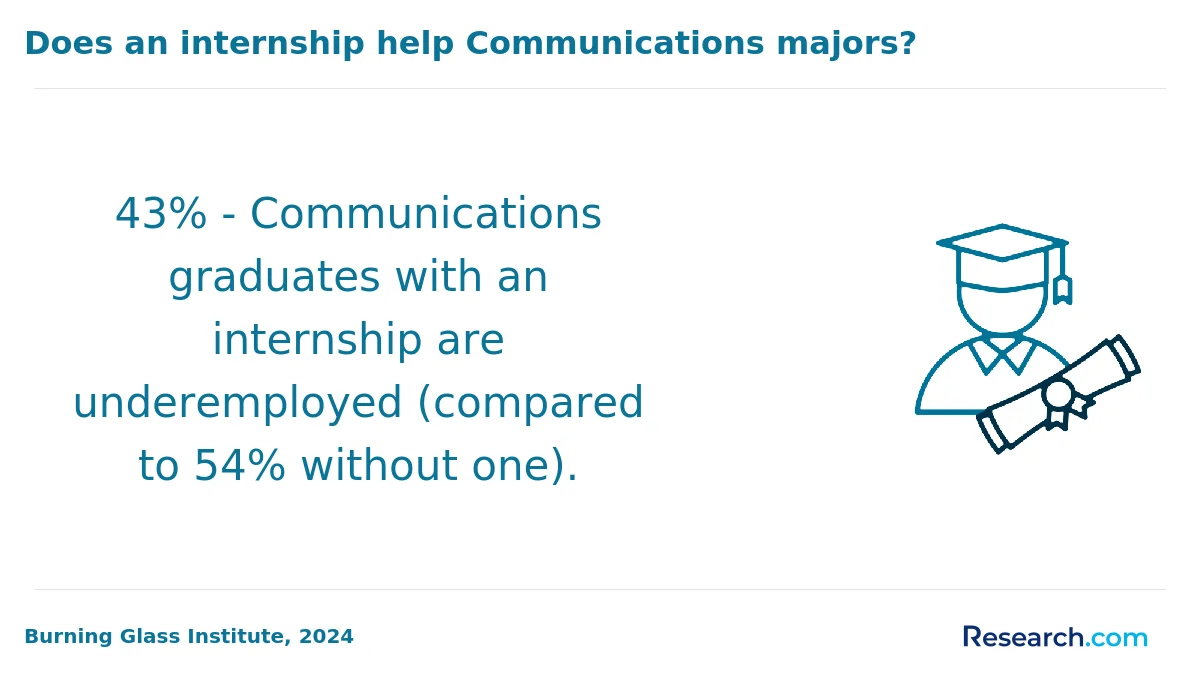
Many graduates recount how internships secured during their studies helped bridge the gap between classroom theory and real-world challenges, enhancing their resumes and confidence when entering a competitive workplace. The average salary range from $55,000 to $75,000 reflects the value employers place on skilled communicators who can adeptly handle media relations, digital content, and crisis messaging.
Strong networks in Maryland's nonprofit and federal sectors provide extensive opportunities for relationship-building and career advancement. For those curious about specific roles and compensation, exploring public relations job titles and salaries can offer concrete insights and guide career planning in this field.
Graduates report a growing demand in healthcare communication and social media management, confirming that the integration of technical expertise within communication fields enhances employability in Maryland's diverse economy focused on technology and defense contracting.
Frequently Asked Questions About communication
Students pursuing online communication degrees in Maryland can enhance their learning by actively engaging with virtual course materials and participating in discussion forums. Maryland has a robust higher education system with institutions like the University of Maryland offering diverse communication specializations.
Utilizing campus resources, such as online tutoring and library databases, helps deepen understanding. Networking with peers and faculty through virtual events or social media can offer valuable insights and professional connections. According to Maryland Higher Education Commission data, students who combine online learning with such engagement often see improved retention and graduation rates.
Practical experience through internships with Maryland-based media or public relations firms also strengthens skills and resumes.
The communication field is rapidly evolving, with new specializations emerging to meet changing societal and business needs. In Maryland, growing areas include digital media strategy, social media analytics, and health communication. According to the U.S. Bureau of Labor Statistics, Maryland's focus on healthcare and technology drives demand for communicators skilled in crafting messages for diverse audiences in these sectors.
Another rising niche is crisis communication, especially important in government and public safety agencies headquartered in Maryland's metropolitan areas. Professionals trained in data-driven storytelling and virtual communication platforms are increasingly valued. These trends reflect a shift towards integrating technology and analytics with traditional communication skills.
Maryland universities offering online communication degrees are adapting curricula to include courses on these emerging niches, preparing graduates for the state's competitive job market.
After completing an online communication degree in Maryland, preparing for the job market involves several strategic steps. First, graduates should leverage Maryland's growing media and public relations industries, which employ over 12,000 communication professionals as of 2023, according to the U.S. Bureau of Labor Statistics. Building a strong professional network through LinkedIn and local industry events, such as those hosted by the Maryland Public Relations Association, enhances job opportunities.
Internships and practical experience gained during studies remain crucial; many Maryland employers prefer candidates with real-world skills. Additionally, mastering digital tools and analytics relevant to communication roles improves employability. Finally, tailoring resumes to highlight Maryland-specific market knowledge is recommended for candidates targeting this regional job market.
Employers in Maryland prioritize a blend of technical and interpersonal skills when hiring graduates with online communication degrees. Strong written and verbal communication abilities remain essential, as these skills enable professionals to convey clear messages across diverse platforms. According to the Maryland Department of Labor, almost 70% of communication roles require proficiency in digital media tools like social media management and content creation software.
Additionally, critical thinking and problem-solving are highly valued. Employers seek candidates who can analyze information and adapt communication strategies effectively. Teamwork and collaboration skills are also crucial, reflecting the increasing need for cross-departmental coordination in Maryland's business and government sectors.
Familiarity with data analytics and basic marketing principles improves job prospects significantly. The Bureau of Labor Statistics reports a steady growth of communication-related jobs in Maryland, highlighting demand for versatile graduates.
Finding internships in Maryland related to a communication degree involves strategic research and networking. Many universities in Maryland, such as Towson University and the University of Maryland, College Park, offer resources that connect students with local media outlets, nonprofits, and corporate communication departments.
Internship opportunities can also be explored through the Maryland Department of Labor's Workforce Exchange, which lists openings specific to communication fields. In Baltimore, a communications hub, internships are available in public relations, digital media, and corporate communication sectors. According to the 2023 Maryland Workforce Report, the sector is growing by 4%, increasing demand for communication interns.
Joining professional organizations such as the Public Relations Society of America (PRSA) Maryland chapter can also enhance connections. Additionally, using LinkedIn filters for internships within Maryland and communication keywords can uncover unpaid and paid opportunities suited for degree-seeking students.
Obtaining an online communication degree in Maryland significantly enhances career mobility and advancement opportunities in various industries. The Maryland Department of Labor reports growing demand for communication specialists in sectors such as public relations, marketing, and corporate communications. Graduates with advanced communication skills often qualify for higher-paying roles and managerial positions earlier in their careers.
Online programs provide flexibility allowing working professionals to upskill without interrupting their jobs. This flexibility is linked to higher retention and completion rates among Maryland students, increasing their competitive advantage. According to the Bureau of Labor Statistics, Maryland's employment in media and communication roles is expected to grow 7% by 2031, slightly above the national average.
Furthermore, Maryland's proximity to Washington, D.C., offers unique networking and internship opportunities, beneficial to online learners aiming for upward job mobility. Career services and alumni networks often bridge the gap between online education and real-world professional advancement, making online communication degrees a practical choice in this region.
Studying for a communication degree online in Maryland equips students with versatile skills suited for interdisciplinary roles across various industries. Maryland universities integrate coursework in digital media, public relations, and organizational communication, fostering critical thinking and adaptability. According to the Maryland Higher Education Commission (MHEC), many programs emphasize collaboration with fields like business, healthcare, and technology, reflecting real-world workplace demands.
This interdisciplinary approach prepares graduates to work effectively in diverse teams, manage cross-functional projects, and apply communication strategies in complex environments. Employers in Maryland's growing sectors, including cybersecurity and biotechnology, value these graduates for their ability to connect technical and non-technical stakeholders.
Research from Maryland universities highlights that graduates with communication degrees have a 10% higher employment rate in multifunctional roles compared to single-discipline graduates. This emphasizes the benefits of Maryland's integrated curriculum approach.
Choosing between a thesis and a non-thesis communication degree program in Maryland depends on your career goals and learning preferences. A thesis program involves conducting original research and writing a formal dissertation, ideal for students aiming at research roles or doctoral studies. Non-thesis programs typically focus on coursework and practical skills, which suit professionals seeking advancement without heavy research.
Maryland schools like Towson University and University of Maryland offer both options, reflecting flexibility in graduate pathways. According to Maryland Higher Education Commission data, nearly 40% of communication graduates opt for non-thesis tracks to enter industry roles quickly.
Consider your interest in research intensity, time commitment, and professional plans before deciding.
Students based in Maryland seeking to study communication abroad while enrolled in online programs have several pathways to consider. Many Maryland universities with online communication degrees offer exchange programs or partnerships with international institutions, allowing credit transfer and global learning experiences without relocating permanently.
For example, the University of Maryland Global Campus provides opportunities for virtual international collaboration and occasional study abroad options in countries connected to its academic network. Such programs emphasize global media trends and cross-cultural communication skills, which are crucial in today's interconnected world.
According to the Maryland Higher Education Commission, over 30% of online graduate students in communication pursue programs with international components or internships tied to global organizations, reflecting growing demand for global competence.
Students should consult academic advisors to explore tailored options that align with their career goals and scheduling needs.
Part-time job opportunities in Maryland that complement a communication degree education are diverse and plentiful. Roles such as social media coordinator, public relations assistant, and content writer offer practical experience aligned with communication skills. These positions help students develop expertise in digital communication, media relations, and strategic messaging.
Maryland's growing media and tech sectors create demand for communication professionals, with job growth in related roles expected to rise 8% by 2028, according to the U.S. Bureau of Labor Statistics. Internships and part-time roles within educational institutions and non-profits also provide valuable networking opportunities.
Students may find openings through platforms like Maryland's Workforce Exchange or local university career centers focused on communication fields.
Online communication students in Maryland benefit from several networking opportunities that bridge virtual learning with local professional communities. Maryland hosts a variety of communication-focused organizations, such as the Chesapeake Public Relations Society and the Maryland Chapter of the International Association of Business Communicators, which offer virtual and in-person events. These provide students valuable access to industry professionals for mentorship and internships.
Moreover, many universities with online programs encourage participation in statewide career fairs and alumni networks. According to the Maryland Higher Education Commission, over 75% of communication graduates engage in professional groups or local workshops within their first year. Such involvement helps students build connections critical for their career advancement.
Alumni networks play a significant role in supporting online communication degree students in Maryland. These networks offer valuable professional connections, mentorship opportunities, and access to job leads within local and national communication industries. According to the University System of Maryland, graduates who engage with alumni connections report higher employment rates within six months of graduation.
For students juggling remote studies, alumni events-often held virtually-provide crucial networking platforms that transcend geographic barriers. This is especially beneficial in Maryland, which hosts a growing media and public relations sector employing over 15,000 communication professionals, according to the Bureau of Labor Statistics.
Furthermore, alumni can share industry insights relevant to Maryland's unique market, helping students tailor their skills to regional demands. This personalized support enhances career readiness and promotes long-term professional growth in the communication field.
Customizing an online communication degree in Maryland allows students to align their studies with specific career goals. Many Maryland universities offer flexible curricula where students can choose concentrations like strategic communication, digital media, or public relations. These options prepare graduates for the region's growing sectors, including government, healthcare, and technology companies.
Students can also select electives that develop skills in data analysis or media production, enhancing marketability. Internship opportunities available through Maryland's robust professional networks provide practical experience. According to the Maryland Higher Education Commission, tailored programs increase job placement rates by up to 15% in communication fields within the state.
Additionally, some programs offer capstone projects focused on regional communication challenges, helping students create portfolios that appeal to local employers.
Online communication students in Maryland often face challenges related to balancing their studies with personal and professional responsibilities. Many students juggle full-time jobs while completing coursework, which can lead to time management difficulties. Technical issues also affect the learning experience, as reliable internet access is crucial for participating in lectures and submitting assignments. According to the Maryland Higher Education Commission, about 40% of online students report occasional connectivity problems.
Additionally, some students struggle with limited face-to-face interaction, impacting networking opportunities and real-time feedback. This is particularly important in communication degrees, which emphasize interpersonal skills. Navigating diverse online platforms can also be overwhelming for those less familiar with digital learning tools, a barrier noted by several Maryland community colleges.
With an online communication degree in Maryland, students can pursue various professional certifications to enhance their credentials and career prospects. Popular options include the Accredited Business Communicator (ABC) certification offered by the Association for Business Communication, which is recognized nationally. Another key certification is the Certified Professional in Learning and Performance (CPLP), relevant for those focusing on organizational communication and training.
Maryland's growing job market for communication professionals often values credentials like the Digital Marketing Certificate from the American Marketing Association, which aligns well with communication skill sets. Additionally, certifications in public relations from the Public Relations Society of America (PRSA) hold weight in the local industry. These certifications demonstrate expertise and commitment, which can lead to higher salaries and leadership roles.
To write a winning application for an online communication program in Maryland, start with a clear and concise personal statement. Highlight your academic background, professional experience, and specific communication goals. Maryland universities value applicants who demonstrate strong writing skills and a genuine interest in communication fields such as media, public relations, or digital marketing.
Provide detailed information about relevant work or volunteer experiences that show your leadership and communication abilities. According to the Maryland Higher Education Commission, enrollment in online programs has grown 12% annually, underscoring the competitive nature of these courses.
Submit all required documents, including transcripts and letters of recommendation, on time. Tailor your application to reflect the unique features of the Maryland communication programs you choose, focusing on how their curriculum matches your career ambitions.
The field of communication is increasingly global, with professionals collaborating across borders to address diverse cultural and business challenges. According to the Bureau of Labor Statistics, communication-related roles in the U.S. are projected to grow by 11% from 2022 to 2032, reflecting strong demand nationally, including Maryland.
Maryland's strategic location near international hubs like Washington, D.C., enhances opportunities for communication graduates to engage in global media, public relations, and diplomatic sectors. Many online programs in Maryland emphasize cross-cultural communication skills to prepare students for worldwide careers.
Globally, communication careers involve adapting messages for international audiences, requiring cultural awareness and multilingual proficiency-skills promoted in many Maryland universities' curriculum. Developing expertise in digital and intercultural communication is key in today's connected world.
Students pursuing an online communication degree in Maryland can gain valuable practical experience through internships, which many accredited programs encourage or require. Maryland hosts a variety of media outlets, nonprofits, and government agencies, offering diverse internship opportunities tailored to communication fields. According to the Maryland Higher Education Commission, nearly 70% of communication students engage in internships during their studies.
Additionally, some online programs incorporate project-based learning, allowing students to work on real-world communication campaigns virtually. Students can also join Maryland-based professional organizations like the Maryland Chapter of the Public Relations Society of America to network and participate in workshops or conferences. These experiences enhance skills and improve job prospects upon graduation.
Choosing the right concentration within an online communication degree program in Maryland requires assessing your career goals and interests. Common concentrations include public relations, digital media, corporate communication, and health communication. Each focus area prepares students for specific roles, such as media strategist or corporate communicator.
Maryland employers value communication skills tailored to their industries, including government agencies and healthcare organizations. According to the Maryland Department of Labor, jobs in media and communication-related fields are projected to grow by 5% through 2030, highlighting demand for specialized expertise.
Review program curriculums carefully to ensure they align with your professional aspirations and offer relevant practical experiences. Checking faculty expertise and alumni outcomes can also guide your decision.
Related Communication Rankings for Nearby States
- 2027 Fastest Online Master's in Communication Degree Programs Ranking in Virginia
- 2027 Fastest Online Master's in Communication Degree Programs Ranking in New York
- 2027 Fastest Online Master's in Communication Degree Programs Ranking in Ohio
- 2027 Fastest Online Master's in Communication Degree Programs Ranking in Florida
- 2027 Fastest Online Master's in Communication Degree Programs Ranking in Missouri
Top Trending Communication Rankings
References
- Top Skills Employers Look for in Mass Communication Graduates https://urbeuniversity.edu/blog/top-skills-employers-look-for-in-mass-communication-graduates
- Online Graduate Certificate Programs in Communication: Strategic, Business https://www.mastersincommunications.com/faqs/graduate-certificate-programs-in-communication
- What studies are needed to work in communications? - Sup de Pub https://www.supdepub.com/en/guide/what-studies-are-needed-to-work-in-communications/
- What Kind of Jobs Can You Get With a Communications Degree? https://www.belmont.edu/stories/articles/2025/what-kind-of-jobs-can-you-get-with-a-communications-degree.html
- 5 Common Barriers To Communication In Schools | Skool Loop https://skoolloop.com/news-items/5-common-barriers-to-communication-in-schools/
- Best Bachelor's in Communication Degrees in Maryland 2026 https://www.mastersincommunications.org/bachelors/maryland/
- Master of Arts (M.A.) Major in Communication Studies (Non-thesis Option) https://mycatalog.txstate.edu/graduate/fine-arts-communication/commstudies-nonthesis-nominor-ma/
- Online Degree vs. Traditional: Choosing the Right Path https://beal.edu/online-degree-vs-traditional/
- Liberal Arts and Communications | UMGC Europe https://europe.umgc.edu/online-degrees/liberal-arts-and-communications
- Communication & Journalism Study Abroad Programs - Media, PR https://www.ceastudyabroad.com/academic-discipline/communication-journalism