2027 Most Valuable Online Bachelor's in Communication Degree Programs Ranking in Missouri

Co-Founder and Chief Data Scientist
Choosing the right online bachelor's in communication program in Missouri can feel overwhelming. To help, our article features the 2027 Most Valuable Online Bachelor's in Communication Degree Programs Ranking in Missouri, created by the Research.com team of data scientists. This ranking offers clear, data-driven insights designed to guide you toward programs that deliver real value.
Communication skills open doors in many careers, and earning a degree can boost your confidence and opportunities. Reading this article will empower you to make an informed decision that aligns with your goals and lifestyle.
Key benefits of getting online communication degree in Missouri
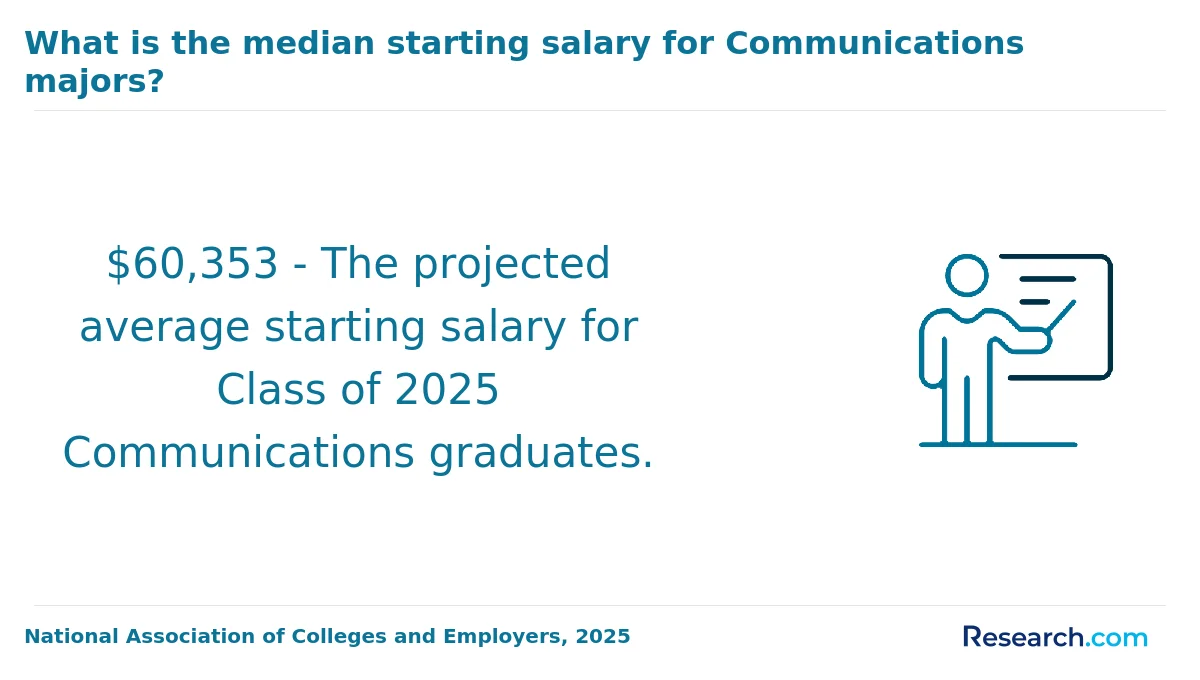
- Communication degree graduates in Missouri often find rewarding salaries, with related roles in the US averaging around $60,000 annually, offering financial stability and growth potential.
- Graduates from Missouri State University highlight career paths like public relations, media, and corporate communication, showcasing the degree's versatility in exciting industries.
- Online communication degrees provide flexible learning schedules and lower costs, as Missouri students from the University of Missouri online program often praise the convenience and ability to balance work and study.
- Key benefits of getting online communication degree in Missouri
- What can I expect from online communication degree in Missouri?
- Where can I work with online communication degree in Missouri?
- How much can I make with online communication degree in Missouri?
- 2027 Most Valuable Online Bachelor's in Communication Degree Programs Ranking in Missouri
- Key Findings
- How long does it take to complete online communication degree in Missouri?
- What's the difference between online and on-campus communication degree?
- What is the average cost of online communication degree in Missouri?
- What financial aid is available to online communication degree students in Missouri?
- What are the prerequisites for enrolling in online communication degree program in Missouri?
- What courses are typically in online communication degree programs in Missouri?
- What types of specializations are available in online communication degree programs in Missouri?
- How do you choose the best online communication degree in Missouri?
- What career paths are available for online communication degree students in Missouri?
- What is the job market for online communication degree in Missouri?
- Related Communication Rankings for Nearby States
- Top Trending Communication Rankings
What can I expect from online communication degree in Missouri?
The average cost of earning an online communication degree in Missouri typically ranges from $25,000 to $40,000 for the full bachelor's program. Graduates from popular institutions like the University of Missouri or Missouri State University often reflect on how their tuition fit within this range, balancing affordability with the quality of regional accreditation and flexible course scheduling.
Many students appreciate how Missouri programs emphasize practical experience, such as internships with local media outlets in St. Louis or Kansas City, boosting their confidence and job readiness. One graduate shared how working remotely with a Kansas City nonprofit during their practicum eased financial pressure while building a strong résumé.
Since most online communication degrees in Missouri come from regionally accredited schools recognized by the Higher Learning Commission, graduates feel confident their investment pays off with career support and access to federal aid. Choosing a program with dedicated advising and career services lets students plan financially and professionally, creating a manageable path without sacrificing quality or local workforce relevance.
Where can I work with online communication degree in Missouri?
Graduates with an online communication degree in Missouri find career opportunities in diverse fields like marketing, public relations, journalism, corporate communication, and nonprofit work. For instance, graduates from universities such as the University of Missouri or Webster University often secure roles in marketing firms located in Kansas City and St. Louis, managing brand messaging and digital campaigns. These cities offer vibrant environments where communication skills lead to tangible impact and professional growth.
Many graduates also join public relations teams in healthcare or educational institutions, using their training to craft clear, effective messages. Working in government agencies around Missouri provides steady demand for communication roles that focus on media relations and community outreach.
Digital media careers appeal to those who enjoy multimedia storytelling, often found in Missouri's bustling media hubs. Graduates frequently remark on how communication programs prepared them for dynamic roles involving content creation and digital engagement on platforms they use daily.
Additionally, corporate communication positions within Missouri's large companies emphasize internal communication and employee engagement, where practical skills gained online translate well into real-world business settings. Nonprofit organizations also seek strong communicators for fundraising and campaign work, making this degree a versatile choice throughout Missouri's job market.
How much can I make with online communication degree in Missouri?
Graduates with an online communication degree in Missouri often start their careers earning around $35,000 to $40,000 annually, especially in entry-level roles like communication coordinators or junior media specialists. Those who graduated from well-known institutions such as the University of Missouri or Missouri State University report seeing steady growth as they gain experience. For example, a graduate working in St. Louis or Kansas City might move into public relations specialist roles earning about $54,000 per year due to the demand for skilled communicators in these urban centers.
Experienced professionals or those who develop skills in digital marketing, social media strategy, and content creation often see salaries rise into the $75,000 to $90,000 range. Graduates who leverage their university network and internships to build portfolios tend to secure these higher-paying positions. The state's relatively low cost of living boosts the real value of these earnings, making Missouri a practical location for communication degree holders to start and grow their careers.
With Missouri's job market expected to grow by 10% in communication roles, graduates can plan confidently for future opportunities and salary increases.
2027 Most Valuable Online Bachelor's in Communication Degree Programs Ranking in Missouri
How do we rank schools?
Investing in your education is a significant decision that can shape your future, and the Research.com team recognizes the importance of making well-informed choices. To support prospective students considering communication degrees in Missouri, we have carefully developed the "2027 Most Valuable Online Bachelor's in Communication Degree Programs Ranking in Missouri." Our dedication to quality, credibility, and accuracy is demonstrated through thorough research and detailed analysis performed to create this ranking.
We utilized the following reputable data sources to ensure a comprehensive evaluation of these programs:
By reviewing this ranking, readers will obtain valuable insights enabling them to identify the most valuable and credible online communication degree programs in Missouri, facilitating confident and informed educational decisions. For more information on how this ranking was created, please visit our Research.com methodology page.


Key Findings
- Missouri offers fully online bachelor's degrees in communication through several accredited universities.
- Tuition for in-state students typically ranges from $8,000 to $15,000 per year.
- Starting salaries for communication graduates average around $42,000 per year in Missouri.
- Experienced professionals in the field can earn between $60,000 and $75,000 annually within five to ten years after graduation.
- Major cities like St. Louis and Kansas City have growing job markets in marketing, healthcare communication, media, and corporate communications.
How long does it take to complete online communication degree in Missouri?
Completing an online communication degree in Missouri usually takes about four years for full-time students, similar to many traditional undergraduate programs. For example, graduates from well-known Missouri institutions often share how sticking to a steady schedule helped them finish within this timeframe, balancing coursework with other commitments.
If you're studying part-time or juggling work and family, expect your path to extend to five or six years. Many students from popular schools like the University of Missouri System opt for this flexible pace, appreciating the ability to manage their own time without rushing.
Transfer students can shorten this timeline by applying credits from community colleges or previous studies. Some Missouri graduates mention that starting with transferred credits significantly sped up their journey.
Additionally, certain universities offer accelerated online programs, allowing motivated students to graduate in three years through year-round terms. This option demands serious dedication but can be exciting for those eager to enter the workforce faster and reduce tuition costs.
What's the difference between online and on-campus communication degree?
Choosing between online and on-campus communication degrees in Missouri boils down to your lifestyle and learning style. Online programs at schools like Missouri State University let you study from home, fitting classes around jobs or family. Graduates appreciate the flexibility but stress the need for discipline since discussions and lectures happen asynchronously via virtual classrooms.
On-campus options, such as those at the University of Missouri, offer face-to-face interaction, immediate feedback, and hands-on experiences in media labs or internships. Students benefit from networking events and student organizations they can join in person, which many find energizing and motivating.
Cost-wise, online degrees can save you money by cutting commuting and housing expenses, though tuition often matches that of on-campus programs-around $9,000 to $14,000 yearly. Many on-campus students find extra financial aid that recognizes their physical presence, potentially lowering costs.
Ultimately, graduates from both paths highlight the importance of aligning your choice with personal goals-online for convenience and work-life balance or on-campus for immersive, collaborative learning.
What is the average cost of online communication degree in Missouri?
The average cost of an online communication degree in Missouri typically ranges around a median total of $59,000, with in-state students paying closer to $35,340. Graduates from public institutions like the University of Missouri-Columbia often share that in-state tuition and fees are more affordable, usually falling between $9,000 and $12,000 per year for online programs. Private universities in Missouri, such as Webster University, tend to charge more, pushing total costs nearer to the $20,000-$25,000 annually range. These figures reflect the total tuition and fees for Missouri online communication programs and can help you realistically budget for your degree journey.
Many students have found that the costs are manageable when you consider potential savings from eliminated campus expenses like housing and commuting. One graduate described how balancing work and studies was easier knowing their tuition aligned with state averages, making financial aid and scholarship opportunities crucial components of their planning. Missouri's community colleges also provide cost-effective pathways to transfer into four-year communication programs, which can cut the overall price significantly.
When comparing programs, it's important to look at credit-hour requirements and additional fees, as these impact your final costs. To explore options for financing your education and identify the fastest route to graduation, consider researching resources like the fastest online degree in communication. Thoughtful planning based on average cost data will enable you to navigate your educational path in Missouri confidently and affordably.
What financial aid is available to online communication degree students in Missouri?
Students pursuing an online communication degree in Missouri should start by completing the FAFSA to unlock federal aid like Pell Grants, which can provide up to $7,395 annually without repayment. Many graduates from universities like the University of Missouri noticed this grant significantly eased their tuition burden.
State aid is another essential resource. The Access Missouri Financial Assistance Program offers need-based grants specifically for Missouri residents at approved schools, including those offering online communication degrees. This grant helped past students balance costs around the $9,000-$11,000 in-state tuition range at public universities such as Missouri State University.
Institutional scholarships are often automatic for communication majors, based on academic merit. Graduates from Missouri Southern State University report these scholarships made attending online classes more affordable by reducing out-of-pocket costs.
Additionally, professional organizations occasionally offer scholarships that cover expenses beyond tuition, like textbooks and tech fees. Employer tuition assistance plans can also stack with federal and state aid, a strategy many working students use to fund their degrees while maintaining their income.
Early FAFSA application and checking the Missouri Department of Higher Education & Workforce Development site regularly are pragmatic steps to maximize funding opportunities and minimize debt.
What are the prerequisites for enrolling in online communication degree program in Missouri?
To enroll in an online communication degree program in Missouri, you'll first need a high school diploma or GED. This foundation is crucial, ensuring you're prepared for college-level work. Many graduates from Missouri State University and the University of Missouri emphasize how having this basic credential helped them confidently start their studies without surprises. Next, while some schools traditionally required SAT or ACT scores, many Missouri institutions have adopted test-optional policies recently, making admission less stressful and more accessible for online learners.
Applying involves submitting transcripts and often a personal statement or essay that explains your interest in communication. This step lets admissions teams at schools like Missouri State understand your motivation and readiness. Reliable internet and a functional computer are essential-graduates often recall the frustration of technical glitches when unprepared, so having the right gear makes a real difference. Finally, maintain at least a 2.0 GPA to meet typical admission standards and stay competitive among applicants.
What courses are typically in online communication degree programs in Missouri?
Online communication degrees in Missouri typically include a core set of courses designed to build both foundational knowledge and practical skills. Graduates from popular institutions like the University of Missouri often highlight classes such as Introduction to Communication, where they first learn about basic communication models that apply to everyday life and work.
Media Writing is another key course, teaching students how to craft compelling content for digital platforms, a skill many graduates find directly useful in marketing roles or social media management. Interpersonal Communication courses help students master conversations and presentations, boosting confidence for public speaking situations-common challenges in job interviews or team meetings.
Other important classes include Communication Research Methods, which trains students in data collection and analysis, essential for roles in corporate communication or media analytics. Electives like digital media production or crisis communication let students tailor their studies, preparing them for real-world project work, including creating marketing campaigns or managing public relations crises encountered in local businesses or nonprofit organizations.
What types of specializations are available in online communication degree programs in Missouri?
Online communication degree specializations in Missouri offer practical paths to match various career goals. For instance, graduates from the University of Missouri often choose Corporate Communication, which sharpens skills in leadership messaging and crisis management-essential for roles in large organizations. Missouri State University students frequently select Public Relations, where they gain hands-on experience crafting media campaigns and managing brand reputation.
Other valuable tracks include Digital Media and Social Media, teaching how to leverage analytics and digital marketing, perfect for those aiming at the fast-evolving online content sector. Interpersonal and Organizational Communication prepares students to excel in teamwork and negotiation, skills highly sought after in Missouri's diverse workplaces. Media Studies remains a popular choice too, focusing on broadcast journalism and media effects to build a solid understanding of mass communication.
Choosing the right specialization involves reviewing programs closely, especially if you want a focus like health communication or media law, which aren't always available online. Many prefer studying Missouri's programs because they often include internships or capstone projects, giving real-world experience that recent graduates praise for boosting their confidence and employability in competitive markets. To find affordable options, consider the cheapest online degree in communication that Missouri has to offer.
How do you choose the best online communication degree in Missouri?
Start by verifying program accreditation; Missouri students frequently choose schools accredited by the Higher Learning Commission (HLC) for trusted quality and smoother credit transfers. Graduates from online communication programs at well-known Missouri universities often highlight how accreditation made applying for jobs easier. Next, analyze the curriculum-look for options in public relations, digital media, and intercultural communication that match your career goals. Many find that affordable communication programs Missouri offer specialized tracks that helped them build precise skills for local industries.
Consider tuition, as some Missouri public universities provide in-state rates below the national average, reducing debt burden. Alumni from these programs share how manageable costs boosted their confidence and focused their studies instead of financial stress. To understand the practical side, tap into career services and internship support; graduates report these as crucial for successful job placement locally. Also, review student experiences with online platforms and support services since smooth technology use directly impacts course completion.
Finally, check out resources like the College Scorecard and Missouri Department of Higher Education, and explore what is a public relations degree to clarify program details that fit your aspirations perfectly.
What career paths are available for online communication degree students in Missouri?
Graduates with an online communication degree in Missouri find practical career opportunities in fields like public relations, marketing, and corporate communication. For example, alumni from popular universities such as the University of Missouri and Missouri State often begin as public relations specialists managing organizational messaging, with many advancing into management roles. Those interested in marketing communication can leverage Missouri's diverse economy-especially in manufacturing and healthcare-to craft impactful campaigns and build brand awareness.
Broadcasting careers also appeal to communication graduates, particularly in cities like St. Louis and Kansas City, where media outlets offer roles in reporting and digital content creation. Corporate communication focuses on improving internal collaboration and employee relations, a common pathway for graduates seeking steady corporate roles. Missouri-based students pursuing these options recognize the value of a degree that opens doors locally.
For practical advice on what careers can you pursue with a master's in public relation, check resources like what careers can you pursue with a master's in public relation. Using your communication degree strategically in Missouri's job market maximizes your career prospects and income potential.
What is the job market for online communication degree in Missouri?
The job market for an online communication degree in Missouri offers steady and diverse opportunities across multiple industries. Graduates from well-regarded universities in St. Louis or Kansas City often find roles in corporate communications, media outlets, and marketing firms that emphasize digital strategies. These metropolitan hubs provide a rich environment where communication skills are in constant demand, especially for positions in public relations and nonprofit outreach. Several recent graduates describe moving smoothly into roles with regional companies and campaigns that value their practical experience.
Employment prospects for communication graduates Missouri are optimistic, with projections indicating growth in public relations and market research roles. The state's cost-effective public universities and online programs keep tuition manageable, usually around $10,000 to $12,000 annually for in-state students, helping graduates avoid excessive debt. For those looking to specialize further, pursuing a public relations masters degree online can be a strategic move that opens even more doors in Missouri's competitive market.
Frequently Asked Questions About communication
Students pursuing online communication degrees in Missouri can enhance their learning by actively engaging with virtual lectures and discussion forums. Participation helps clarify difficult concepts and builds professional networks. Missouri's universities often provide access to local media internships, which offer practical experience crucial for communication careers.
Utilizing university resources, such as academic advising and career services, supports goal setting and skill development. Additionally, students should seek opportunities to develop digital literacy and social media skills, as these are highly valued in communication roles nationwide.
Missouri's communication graduates reportedly earn a median annual wage of about $60,000, emphasizing the importance of practical skills alongside academic knowledge (Bureau of Labor Statistics, 2023).
Emerging niches in the communication field reflect the growing diversity of media and technology use, especially in Missouri's evolving job market. Digital communication roles, including social media management and content strategy, have expanded rapidly as businesses seek to engage online audiences effectively. According to the Missouri Economic Research and Information Center, employment in media and communication occupations is projected to grow by about 5% through 2030.
Public relations with a focus on crisis communication and brand reputation is another important area. Additionally, health communication is gaining attention as Missouri's healthcare industry emphasizes clear messaging for diverse populations.
Specializations in data analytics and multimedia production are also becoming valuable skills for communication graduates interested in online media careers.
Graduates with an online communication degree in Missouri should build a strong professional network to enhance job prospects. Missouri hosts a variety of media companies and corporate headquarters where communication skills are highly valued. Joining organizations like the Missouri Association of Broadcasters or local chapters of the Public Relations Society of America can provide valuable connections.
Internships or volunteer roles during study also increase employability, offering real-world experience and skill development. According to the U.S. Bureau of Labor Statistics, communication-related jobs in Missouri grew 3% between 2020 and 2030, indicating steady demand.
Additionally, developing digital skills such as social media management and content creation is essential to meet modern employer expectations.
Employers in Missouri highly value communication degree graduates who demonstrate strong interpersonal skills. According to the Missouri Economic Research and Information Center, effective verbal and written communication abilities remain among the top qualities sought by local employers across industries.
Additionally, proficiency in digital media tools and social media management is increasingly important as businesses aim to enhance their online presence. Analytical thinking and problem-solving skills also rank highly because communication roles often involve crafting strategic messages tailored to diverse audiences.
Collaboration skills and adaptability are crucial, especially for remote or hybrid work environments common in Missouri's expanding communication sector. These competencies equip graduates to thrive in dynamic workplaces.
Finding internships in Missouri related to a communication degree requires strategic steps. Start by exploring university career centers, as many Missouri colleges partner with local media outlets, nonprofits, and corporations to offer internships tailored to communication students.
Additionally, the Missouri Broadcasters Association and the Missouri Press Association provide internship listings and networking opportunities specifically for communication fields.
Online platforms like Handshake and LinkedIn also feature internships in Missouri, often filtered by communication roles such as public relations, journalism, and digital media.
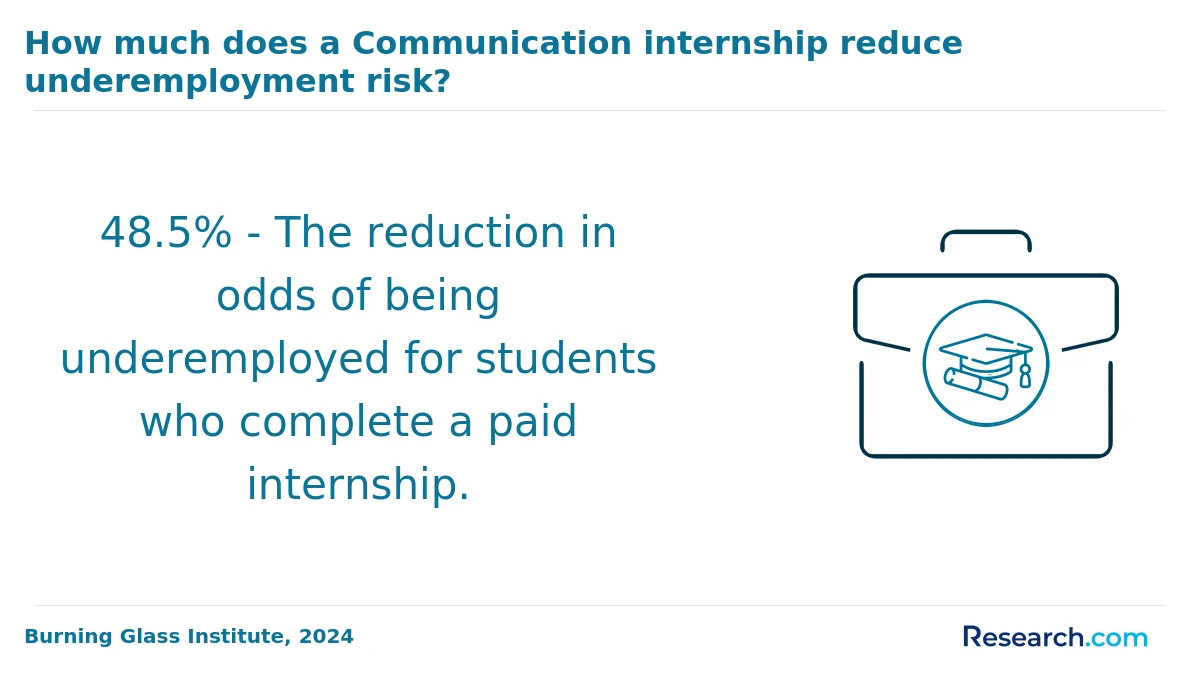
According to the National Association of Colleges and Employers, internships increase employment chances by 59%, making them vital for communication students.
An online communication degree in Missouri can significantly enhance career mobility and advancement opportunities. According to the Missouri Economic Research and Information Center, industries relying on strong communication skills, such as public relations, marketing, and media, are expected to grow by 5% through 2030. Graduates with communication degrees are well-positioned to move into supervisory and specialist roles, supported by their training in digital communication, media strategies, and interpersonal skills.
Employers in Missouri increasingly value candidates who demonstrate effective virtual communication abilities, a key component of online degree programs. Additionally, flexible online degrees offer working professionals the chance to upskill without interrupting their careers, facilitating upward mobility within companies.
Studying for an online communication degree in Missouri equips students with versatile skills applicable across various fields. Communication programs emphasize writing, critical thinking, and multimedia literacy, which are essential in interdisciplinary roles. According to the Missouri Department of Higher Education, communication-related jobs have grown by 8% statewide from 2019 to 2023.
Missouri's universities often integrate courses from business, psychology, and technology, allowing students to apply communication principles in diverse professional contexts. This interdisciplinary approach prepares graduates for careers in marketing, healthcare, public relations, and education.
Additionally, practical training and internships offered through many Missouri programs enhance real-world experience, making students adaptable in evolving job markets.
Choosing between a thesis and a non-thesis online communication degree program in Missouri depends largely on your career goals and learning preferences. Thesis programs typically involve conducting original research and writing a detailed project, which benefits students interested in advanced studies or research-oriented careers.
Non-thesis options focus more on coursework and practical skills, ideal for those aiming to enter the workforce quickly or pursue professional roles in media, public relations, or corporate communication.
According to the Missouri Department of Higher Education, communication fields in Missouri grew by 5% from 2018 to 2023, highlighting demand for versatile skills.
Consider your interest in research, time commitment, and future plans when deciding between these paths.
Students in Missouri pursuing online communication degrees who wish to study abroad have several pathways. Many Missouri universities with communication programs offer international study options through partner institutions worldwide. For example, the University of Missouri system has established exchange programs in Europe and Asia, allowing credit transfer toward online degrees. Additionally, some institutions provide virtual internships and global projects as part of their curricula, blending international experience with remote learning.
While direct overseas enrollment may be limited for fully online students, these program-integrated opportunities enable global exposure without interrupting degree progress. According to the Missouri Department of Higher Education, over 25% of communication undergraduates engage in study abroad or international collaboration activities during their studies.
Students pursuing online communication degrees in Missouri can enhance their education through various part-time jobs that build relevant skills. Common roles include social media coordinator, content writer, and public relations assistant, which help develop expertise in digital communication and media management.
Missouri's growing media sector offers opportunities at local TV stations and nonprofit organizations, which often seek interns or part-time workers with communication skills. According to the Missouri Economic Research and Information Center (MERIC), employment in media and communication occupations is projected to grow steadily through 2028, reflecting demand for skilled communicators.
Additionally, working as a marketing assistant or event coordinator provides practical experience with messaging and audience engagement, complementing coursework in communication theory and strategy.
Online communication students in Missouri benefit from a variety of networking opportunities that enhance their educational experience and professional growth. Many universities offering online communication degrees facilitate virtual networking events, webinars, and guest speaker sessions featuring industry professionals. Missouri's vibrant media and corporate sectors provide platforms for internships and mentorships, often arranged through university partnerships.
Students can also join statewide organizations such as the Missouri Broadcasters Association or local chapters of the Public Relations Society of America (PRSA), which offer conferences, workshops, and networking mixers. According to the Missouri Department of Higher Education, these connections significantly improve job placement rates for graduates in communication fields.
Additionally, alumni networks from institutions like the University of Missouri and Missouri State University offer online forums and career resources, encouraging engagement beyond graduation.
Alumni networks play a key role in supporting online communication degree students in Missouri by connecting them with professionals and peers in the field. Graduates from Missouri institutions often have access to active alumni groups that host job fairs, mentorship programs, and networking events. According to the Missouri Department of Higher Education, such networks have been linked to higher employment rates among recent communication graduates.
These connections provide valuable insights into local job markets, internships, and emerging industry trends, which can be particularly helpful in Missouri's media and corporate communication sectors. Furthermore, alumni networks help students develop professional skills and secure references for their resumes.
In addition, many Missouri-based universities offer online platforms for alumni engagement, enhancing accessibility for remote communication students across the state. This ongoing support helps graduates maintain strong professional relationships well after completing their degree.
Many online communication degree programs in Missouri allow students to tailor their education to match career goals. Customization often comes through choosing electives or specializations such as public relations, digital media, or corporate communication. This helps students develop skills directly relevant to industries like healthcare, marketing, or government, which are prominent employers in Missouri's communication sector.
Advisors at Missouri institutions encourage students to engage in internships and real-world projects, enhancing practical experience alongside online coursework. According to the Missouri Department of Higher Education, programs frequently update their curricula to reflect evolving communication technologies and industry demands, ensuring graduates stay competitive.
Students should review course catalogs and seek programs with flexible formats and diverse options for specialization.
Online communication students in Missouri commonly face challenges related to balancing coursework with personal and professional responsibilities. Many students juggle jobs and family duties while managing the demands of asynchronous classes, which can lead to feelings of isolation or reduced motivation.
Additionally, technical issues such as unreliable internet access affect some students, especially in rural areas of Missouri where broadband connectivity remains uneven. According to the Missouri Broadband Coalition, about 11% of rural residents lack sufficient internet speeds for streaming or video conferencing, impacting their ability to fully engage in online learning.
Students also report difficulties in building networks and gaining practical experience without traditional in-person internships or networking events. This can make it harder to develop soft skills essential for communication careers.
Lastly, navigating different online platforms and course management systems can pose a learning curve, especially for those new to digital education.
With an online communication degree in Missouri, students can pursue several professional certifications to enhance their career prospects. Popular options include the Accredited in Public Relations (APR) credential, which is nationally recognized and valued by employers in media, corporate communication, and nonprofit sectors. Another relevant certification is the Digital Marketing Pro offered by the Digital Marketing Institute, which complements communication skills with digital expertise.
Missouri professionals often pursue certifications like the Certified Communication Professional (CCP) by the International Association of Business Communicators. According to the Missouri Department of Higher Education, these credentials increase job competitiveness in a state where communication roles are projected to grow 7% through 2030.
These certifications require a combination of education, experience, and passing an exam, making them achievable next steps after earning an online communication degree.
Applying for an online communication degree in Missouri requires a clear, focused approach. Start by researching the programs thoroughly to understand their unique features and how they align with your career goals. Missouri colleges often value applicants who highlight relevant experience or skills in digital media, writing, or public speaking.
Prepare a compelling personal statement that explains why communication is important to you and how the program fits your aspirations. Use concrete examples and show familiarity with communication trends affecting Missouri's job market, where digital communication roles are growing fast according to Missouri Economic Research and Information Center data.
Submit all required documents, including transcripts and letters of recommendation, ensuring they are complete and error-free. Attention to detail in your application reflects professionalism, a key trait for communication careers.
The field of communication enjoys a broad global relevance, with careers spanning public relations, media, corporate communication, and digital marketing. In the United States, and specifically Missouri, the Bureau of Labor Statistics projects a 6% growth in communication-related jobs through 2030, reflecting steady demand.
Missouri's online communication degree programs prepare students to work in diverse global environments, emphasizing intercultural communication and digital literacy. Graduates often find opportunities in multinational companies, government agencies, and non-profits.
Data from the Missouri Economic Research and Information Center highlights communication as a versatile skill set, valuable not just locally but internationally, supporting careers in global media and international relations sectors.
Students pursuing an online communication degree in Missouri can gain practical experience through internships, which are often integrated into academic programs. Many Missouri universities partner with local media outlets, marketing firms, and public relations agencies to provide remote or hybrid internship opportunities. According to the Missouri Department of Higher Education & Workforce Development, about 60% of communication students participate in internships, enhancing their job readiness.
Additionally, students can engage in virtual projects, such as content creation, social media management, or digital campaigns, that mirror real-world communication tasks. Joining online student organizations or volunteering for communication roles in community groups also offers valuable hands-on experience.
Choosing the right concentration within an online communication degree in Missouri involves understanding your career goals and local industry demands. Popular concentrations include public relations, digital media, and organizational communication. For example, Missouri hosts a growing media market, especially in Kansas City and St. Louis, where skills in digital communication are increasingly valued (Missouri Economic Research and Information Center, MERIC).
Research programs carefully to see which concentrations align with job opportunities in your area. The Missouri Department of Higher Education reports that communication-related fields are expected to grow by 6% through 2030, highlighting the importance of selecting a concentration that matches employment trends.
Consider your strengths and interests. If you enjoy managing public perception and outreach, public relations may suit you. If you prefer content creation or social media strategy, digital media might be a better fit. Organizational communication focuses on internal communication in companies, which is crucial for many Missouri businesses.
Related Communication Rankings for Nearby States
- 2027 Most Valuable Online Bachelor's in Communication Degree Programs Ranking in Arkansas
- 2027 Most Valuable Online Bachelor's in Communication Degree Programs Ranking in Illinois
- 2027 Most Valuable Online Bachelor's in Communication Degree Programs Ranking in Kentucky
- 2027 Most Valuable Online Bachelor's in Communication Degree Programs Ranking in Colorado
- 2027 Most Valuable Online Bachelor's in Communication Degree Programs Ranking in Texas
- 2027 Most Valuable Online Bachelor's in Communication Degree Programs Ranking in Florida
- 2027 Most Valuable Online Bachelor's in Communication Degree Programs Ranking in Pennsylvania
- 2027 Most Valuable Online Bachelor's in Communication Degree Programs Ranking in New York
- 2027 Most Valuable Online Bachelor's in Communication Degree Programs Ranking in Arizona
Top Trending Communication Rankings
References
- Study Media Abroad: 2026 Global Guide to Courses & Careers https://www.hotcoursesabroad.com/subject/media/
- 10 Essential Networking Tips for Students to Help Build Strong Connections - Luxury Student Homes https://www.luxurystudenthomes.co.uk/networking-tips-for-students/
- Communication Studies, BS https://www.ucmo.edu/academics/programs/majors/cahss/communication-and-digital-media-production/communication-studies-bs/
- Online Graduate Certificate Programs in Communication: Strategic, Business https://www.mastersincommunications.com/faqs/graduate-certificate-programs-in-communication
- Online Communication Degree - Bachelor's https://online.maryville.edu/online-bachelors-degrees/communications/
- Communication Frequently Asked Questions | Central Methodist University https://centralmethodist.edu/academics/undergraduate/communication/communication-faq.html
- Top 6 Communication Skills for Career Growth and Organizational Impact https://www.callutheran.edu/programs/articles/top-communication-skills-career-growth-organizational-impact/
- What do you study in communication studies? - INSEEC https://www.inseec.com/en/guides/orientation-guide/what-do-you-study-in-communication-studies/
- Top Skills Employers Look for in Mass Communication Graduates https://urbeuniversity.edu/blog/top-skills-employers-look-for-in-mass-communication-graduates
- Online Communication Degree | University of Phoenix https://www.phoenix.edu/online-liberal-arts-degrees/communication-bachelors-degree.html