2027 Best Online Communication Degree Programs Ranking in Virginia

Co-Founder and Chief Data Scientist
Choosing the right online communication degree program can feel overwhelming, especially with so many options available to Virginia students. This article presents the 2027 Best Online Communication Degree Programs Ranking in Virginia, carefully created by the Research.com team of data scientists to guide you through your decision.
By exploring this ranking, you'll discover programs that match your goals and lifestyle, making it easier to invest in a degree that truly matters. Communication skills open doors to exciting careers and personal growth, and this guide is here to help you take that important step forward.
Key benefits of getting online communication degree in Virginia
- The average annual salary for communication-related roles such as public relations specialists in Virginia typically falls around $60,000, offering a rewarding financial outlook.
- Graduates from the University of Virginia in communication can pursue diverse careers, including media relations, corporate communications, and digital marketing, giving strong flexibility and growth opportunities.
- Online communication degrees from institutions like Virginia Commonwealth University provide the convenience of learning from home while balancing work and life, making education more accessible and adaptable for busy students.
- Key benefits of getting online communication degree in Virginia
- What can I expect from online communication degree in Virginia?
- Where can I work with online communication degree in Virginia?
- How much can I make with online communication degree in Virginia?
- 2027 Best Online Communication Degree Programs Ranking in Virginia
- Key Findings
- How long does it take to complete online communication degree in Virginia?
- What's the difference between online and on-campus communication degree?
- What is the average cost of online communication degree in Virginia?
- What financial aid is available to online communication degree students in Virginia?
- What are the prerequisites for enrolling in online communication degree program in Virginia?
- What courses are typically in online communication degree programs in Virginia?
- What types of specializations are available in online communication degree programs in Virginia?
- How do you choose the best online communication degree in Virginia?
- What career paths are available for online communication degree students in Virginia?
- What is the job market for online communication degree in Virginia?
- Related Communication Rankings for Nearby States
- Top Trending Communication Rankings
What can I expect from online communication degree in Virginia?
The average cost of an online communication degree in Virginia is notably accessible, especially for residents who benefit from in-state tuition rates at public institutions like James Madison University and George Mason University. Many graduates express relief and satisfaction knowing their investment is manageable, often ranging between $7,000 and $12,000 per year for tuition alone. This affordability allows students to focus on building skills in digital storytelling, strategic communication, and media ethics without overwhelming financial stress.
Graduates frequently share how affordable tuition paired with robust online learning platforms enabled them to balance studies with work or family commitments, making their education journey feel empowering rather than burdensome. The practical hands-on experiences offered through virtual internships and collaborations with Virginia-based organizations enrich learning in real-world settings, further enhancing value beyond cost.
By choosing Virginia's online communication programs, students embrace a future filled with opportunity, supported by quality education that fosters confidence and career readiness in media, public relations, and corporate communication fields.
Where can I work with online communication degree in Virginia?
Graduates from online communication programs at Virginia's top schools, like the University of Virginia and James Madison University, find vibrant career paths waiting for them. Many land exciting roles in public relations and marketing firms, where they shape compelling campaigns and build lasting client relationships. Imagine working in Richmond, a city buzzing with growth in marketing and PR jobs, where your creative ideas can truly make an impact.
Other alumni thrive in media companies and digital platforms across Virginia, becoming content creators or social media managers who influence how stories reach audiences. Students from these programs often share how their hands-on projects prepared them for these dynamic roles.
Corporate communication jobs in Northern Virginia and government agencies offer graduates opportunities to lead important brand messaging and internal engagement-roles that make you a vital part of organizational success.
The nonprofit sector, especially in places like Charlottesville and Norfolk, also welcomes communication experts passionate about outreach and advocacy, transforming communities through meaningful campaigns.
Finally, many find rewarding positions in education and training, using their skills to inspire effective communication in others, proving that a degree in Virginia opens doors to diverse, fulfilling careers.
How much can I make with online communication degree in Virginia?
Graduates with an online communication degree in Virginia often embark on rewarding careers with starting salaries around $40,000 to $50,000. Those who studied at prominent institutions like George Mason University or James Madison University report exciting early opportunities in public relations and corporate communications, especially within vibrant Northern Virginia markets. The close proximity to federal agencies and thriving private firms gives these graduates a distinct advantage, opening doors to positions where they can quickly make an impact and grow professionally.
As experience deepens, many find themselves advancing into roles such as communications directors or marketing managers, with salaries climbing toward $90,000 and beyond. The dynamic media and nonprofit sectors in Virginia also offer varied paths, allowing graduates to align their passions with fulfilling careers that reward their dedication and skills.
Students who complement their online degrees with internships or digital certifications often see faster salary growth, feeling the confidence that comes from practical, hands-on expertise. Graduates celebrate how their Virginia-based education prepares them to thrive and earn competitive wages in a vibrant, evolving communication landscape.
2027 Best Online Communication Degree Programs Ranking in Virginia
How do we rank schools?
Investing in your education is a significant decision that can shape your future, and the Research.com team understands the importance of making informed choices. To assist prospective students, we have meticulously crafted the "2027 Best Online Communication Degree Programs Ranking in Virginia." Our commitment to quality, credibility, and accuracy is reflected in the extensive research and analysis conducted to compile this ranking.
We utilized the following reputable data sources to ensure a comprehensive evaluation of communication programs:
By exploring this ranking, readers will gain valuable insights into the best online communication degree programs in Virginia, helping them make informed decisions about their educational paths. For more details on our methodology, please visit our Research.com methodology page.


Key Findings
- Online communication degrees in Virginia range from associate to master's levels, offered by accredited institutions.
- Tuition for public universities is about $8,000 to $12,000 per year for undergraduates; private schools charge between $20,000 and $35,000 annually.
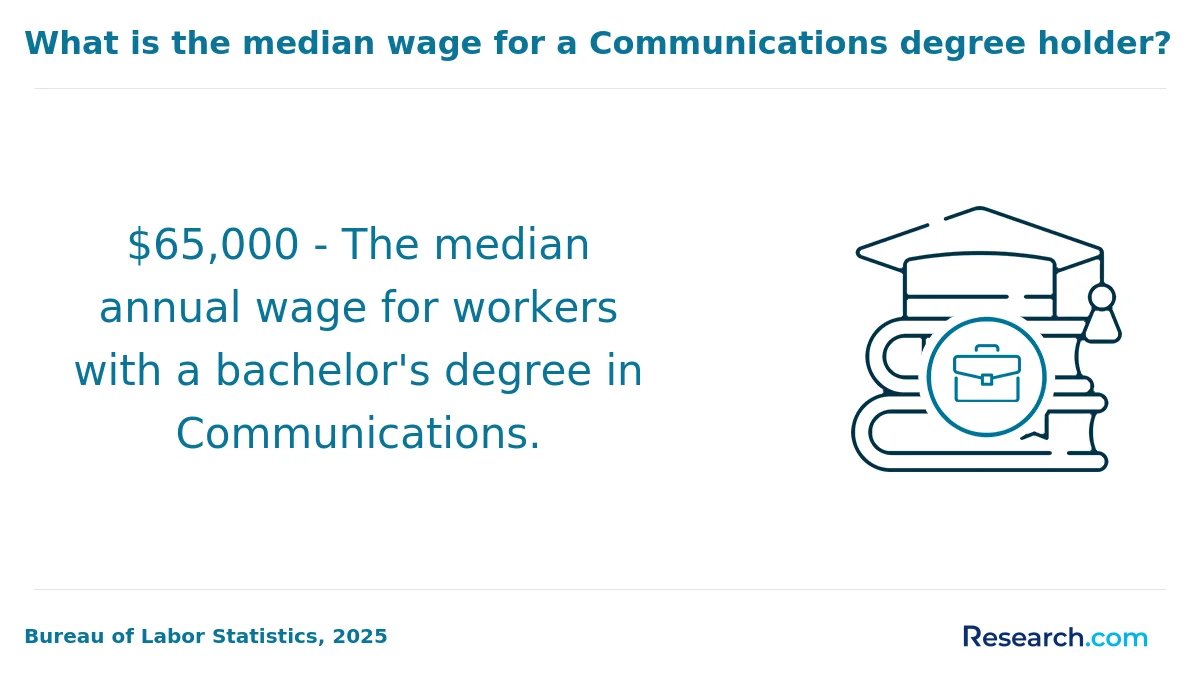
- Entry-level salaries for communication graduates average $40,000 to $50,000, with mid-career earnings from $60,000 to $80,000.
- Top employment sectors include government, technology, education, healthcare, and media, especially around Northern Virginia and Washington, D.C.
- Many Virginia colleges have articulation agreements to help transfer credits and reduce time and cost to earn a bachelor's degree.
How long does it take to complete online communication degree in Virginia?
Completing an online communication degree in Virginia offers a flexible journey tailored to your lifestyle and goals. Full-time students at popular schools like James Madison University or George Mason University typically graduate in about four years, embracing a well-balanced academic plan that fits their aspirations.
Many graduates share how part-time study allowed them to blend work, family, and education seamlessly, extending their completion time to five or six years but keeping motivation high. Others accelerate their progress by transferring credits or enrolling in intensive sessions, finishing in as little as two to three years.
Imagine a working professional at Old Dominion University who navigates evening classes and online resources, steadily advancing toward a master's degree within two years. These programs empower students to adapt their pace without compromising quality or achievement.
With each step, students gain valuable skills and confidence, proving that no matter the timeline, earning your online communication degree in Virginia is an achievable and rewarding milestone.
What's the difference between online and on-campus communication degree?
Choosing between online and on-campus communication degrees in Virginia opens exciting paths tailored to your lifestyle and aspirations. Online programs at universities like George Mason offer the freedom to study whenever and wherever, perfect for those balancing work or family. Imagine joining lively virtual discussions or submitting assignments after your kids are asleep, all while advancing toward your degree with confidence.
On-campus programs at schools such as Virginia Commonwealth University inspire through direct connections-with professors guiding you face-to-face and group projects sparking creativity. Graduates often recall how engaging in campus events and using media labs helped sharpen their skills and build lasting professional networks.
Both paths cover essential topics like media writing and public relations, yet online courses may include innovative digital media training, while on-campus experiences often feature hands-on learning through community partnerships. Knowing Virginia's in-state tuition averages near $12,000 makes either choice a valuable investment in your future communication career.
What is the average cost of online communication degree in Virginia?
The average cost of online communication degree in Virginia offers an encouraging balance between quality and affordability. For in-state students, the median total cost typically hovers around $31,518, making it an accessible investment in your future. Graduates from well-known Virginia universities often reflect on how this cost opened doors to exciting career paths without overwhelming financial burdens. Schools like Old Dominion University and Virginia Commonwealth University provide a foundation where students can thrive while managing practical expenses.
Out-of-state students may experience a median cost closer to $35,130, which still aligns well with the value of a comprehensive online education focused on communication studies. Those pursuing these degrees often highlight how flexible online programs allow them to juggle work, family, and studies, turning every dollar into both personal and professional growth. When you consider Virginia online communication degree tuition and fees, it's clear the investment supports engaging coursework and meaningful connections that empower future communication leaders.
Beyond tuition, many embrace additional financial aid opportunities-scholarships, grants, and federal aid-that lighten the financial load and bring the dream of an online degree even closer. Students aiming for excellence have turned to resources such as the cheapest online master's in communication for guidance, discovering affordable paths tailored to their ambitions and lifestyle. This balance of cost and quality makes pursuing your communication degree in Virginia a truly motivating journey.
What financial aid is available to online communication degree students in Virginia?
Many online communication students in Virginia find hope and support through federal aid like the Pell Grant, which can cover thousands of dollars annually based on financial need. This aid transforms dreams into reality, enabling learners at universities such as George Mason or Virginia Commonwealth University to focus on their studies instead of money worries. The Virginia Tuition Assistance Grant (VTAG) further eases costs for in-state residents attending private nonprofit colleges, offering crucial financial relief that graduates often say made their education possible.
Scholarships from institutions themselves celebrate dedication and leadership, rewarding students who excel both in and out of the classroom. Work-study programs offer more than income; they build valuable skills while students contribute meaningfully to their campuses. Many find these jobs a source of pride and professional growth alongside academic pursuits.
Federal loans, with manageable terms, become a practical option after grants and scholarships, while tuition reimbursement from Virginia employers empowers working students to advance without sacrificing financial security. The collective support available lights a path for communication students ready to embrace their future.
What are the prerequisites for enrolling in online communication degree program in Virginia?
If you're excited to start your online communication degree in Virginia, the first step is having a solid foundation-most programs require a high school diploma or GED for undergraduates, while graduate degrees ask for a bachelor's from an accredited college. Imagine joining the virtual classrooms at well-known Virginia schools like James Madison University or George Mason University, where fellow graduates recall that submitting official transcripts was key to showcasing their academic journey with pride and confidence.
Many students appreciate the flexibility of test-optional policies that these universities have embraced, easing stress over standardized tests like the SAT or ACT. You'll feel empowered knowing that your dedication and personal story often speak louder. Practical tech readiness matters too, from reliable internet to mastering online platforms, which alumni describe as opening new doors to collaboration and creativity in their studies.
Additional essentials you might prepare include letters of recommendation and a personal essay that lets your unique voice shine-tools that Virginia's programs value when welcoming passionate future communicators.
What courses are typically in online communication degree programs in Virginia?
Online communication degree programs in Virginia typically offer a vibrant mix of courses designed to ignite your passion and sharpen your skills. From the start, classes like Introduction to Communication and Fundamentals of Human Communication help you grasp essential concepts that graduates from popular Virginia colleges often describe as eye-opening, setting the stage for confident engagement in any environment.
As you progress, courses such as Interpersonal and Group Communication and Public Speaking and Presentation provide dynamic opportunities to develop your voice-whether you're leading a team meeting or delivering a powerful speech. Many students appreciate how these lessons directly reflect real-world challenges encountered in Virginia's bustling business and media scenes.
Specialized classes like Mass Communication and Media Studies and Communication Theory deepen your understanding of how messages influence society, a perspective valued by those working alongside government and corporate clients in Virginia's diverse economy. Plus, courses on Digital Media Production and Social Media and Content Strategy ensure you're prepared to thrive in the fast-paced digital landscape today's graduates excitedly navigate.
What types of specializations are available in online communication degree programs in Virginia?
Virginia students pursuing an online communication degree find exciting options through diverse specializations that perfectly match their ambitions. Graduates share how focusing on Public Relations empowered them to confidently manage real-world media crises, while others celebrated gaining hands-on experience with Digital and Social Media Communication-mastering content creation and marketing strategies that shine in today's digital economy. Many who chose Organizational Communication describe a transformation in their leadership skills, positively impacting workplace culture within Virginia's vibrant business community.
Health Communication, another vital specialization, equips students at top Virginia colleges to develop clear, compassionate messaging crucial in healthcare settings, reflecting real initiatives in public health campaigns. Learners also explore niche areas like Intercultural Communication and Media Studies, discovering global perspectives and creative media production. Those seeking tailor-made paths appreciate the flexibility that online programs offer, enhancing their studies with specializations that meet distinct career goals.
Exploring Virginia communication degree concentration options opens doors to these promising journeys. For those curious about the best programs offering such enriched choices, check out the online bachelors degree communications available nationwide.
How do you choose the best online communication degree in Virginia?
Choosing the best online communication degree programs Virginia offers means focusing on what truly fits your goals and lifestyle. Graduates from popular Virginia universities often share stories of how accreditation assured them their credits would transfer smoothly, making their education a smart investment. Exploring curriculum options that align with your passions-whether it's digital media or corporate communication-helps you stay motivated and prepared for real-world challenges. Many have found that programs blending theory with practicum experiences open doors to valuable career opportunities.
Cost plays an uplifting role when you discover affordable communication degree Virginia online options that don't compromise quality. For students balancing work and family, flexible scheduling and part-time paths make pursuing your dreams achievable. Supportive faculty and strong student services enrich the journey, creating a rewarding environment. You can even explore the cheapest online bachelor's in journalism as a way to balance budget with ambition.
What career paths are available for online communication degree students in Virginia?
An online communication degree in Virginia unlocks diverse career opportunities that inspire and empower graduates to make a real impact. Many find themselves thriving as Public Relations Specialists, crafting compelling narratives that shape public perception, or as Marketing Coordinators driving exciting campaigns that connect brands with their audiences. Graduates from universities known for strong communication programs often share how studying in Virginia's supportive online environment prepared them for dynamic roles like Corporate Communication Managers and Social Media Managers, where creativity and strategy combine to build meaningful engagement.
For those exploring communication degree job opportunities in Virginia, the state's unique economy offers distinct advantages. Whether working with government agencies, tech firms, or healthcare organizations, communication professionals enjoy rewarding careers filled with purpose. Technical Writers also flourish here, creating essential guides and manuals that keep businesses running smoothly. Many graduates attest to the value of their education in Richmond, Norfolk, or Fairfax, where hands-on learning meets real-world application.
Students passionate about media often encounter exciting intersections with journalism jobs, broadening their horizons and enriching their career paths. Choosing an online communication degree in Virginia is more than an educational decision-it's a launchpad for a fulfilling future.
What is the job market for online communication degree in Virginia?
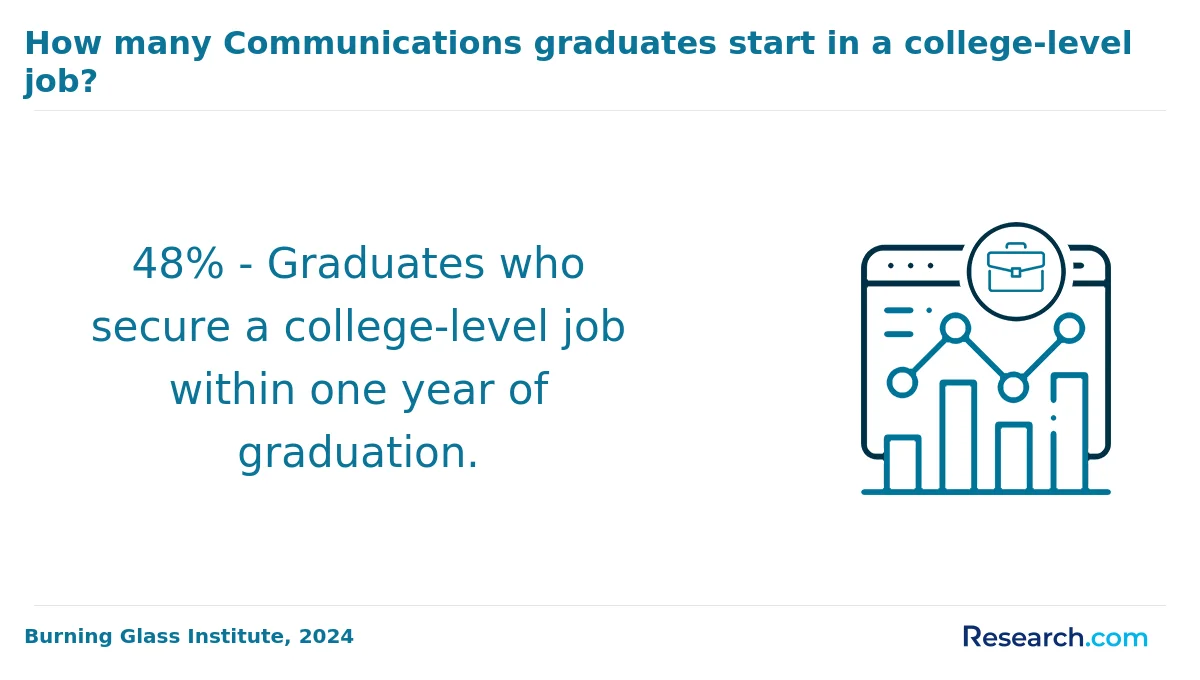
The job market for graduates with an online communication degree in Virginia is vibrant and full of opportunity. Many graduates from popular universities and colleges in the state find themselves thriving in roles that range from corporate communications to digital marketing and public relations. One can easily envision a recent graduate landing a position with a Northern Virginia tech firm or a federal agency, where communication skills are in high demand. These Virginia communication degree employment opportunities often come with competitive salaries, typically starting between $45,000 and $55,000, giving new professionals a strong financial footing.
Graduates report feeling motivated by the region's dynamic economy, which supports diverse fields like government, healthcare communication, and media. The flexibility and cost-effectiveness of an online communication degree in Virginia allow students to balance studies with real-world experience, positioning them well for rapid career growth. For many, exploring public relations job titles and salaries highlights the exciting paths available in the state's thriving communications landscape.
Frequently Asked Questions About communication
Online communication degree students in Virginia can maximize their learning experience by actively engaging with their coursework and utilizing university resources. According to the Virginia Department of Education, effective time management and regular interaction with instructors significantly boost academic success in online programs. Participating in virtual study groups also helps deepen understanding and builds networking opportunities within the field.
Students should take advantage of internships offered by Virginia-based media and communication organizations, such as those in Richmond and Arlington, to gain hands-on experience. Additionally, staying informed about regional communication trends through sources like the Virginia Communication Association can enhance practical knowledge relevant to local industries.
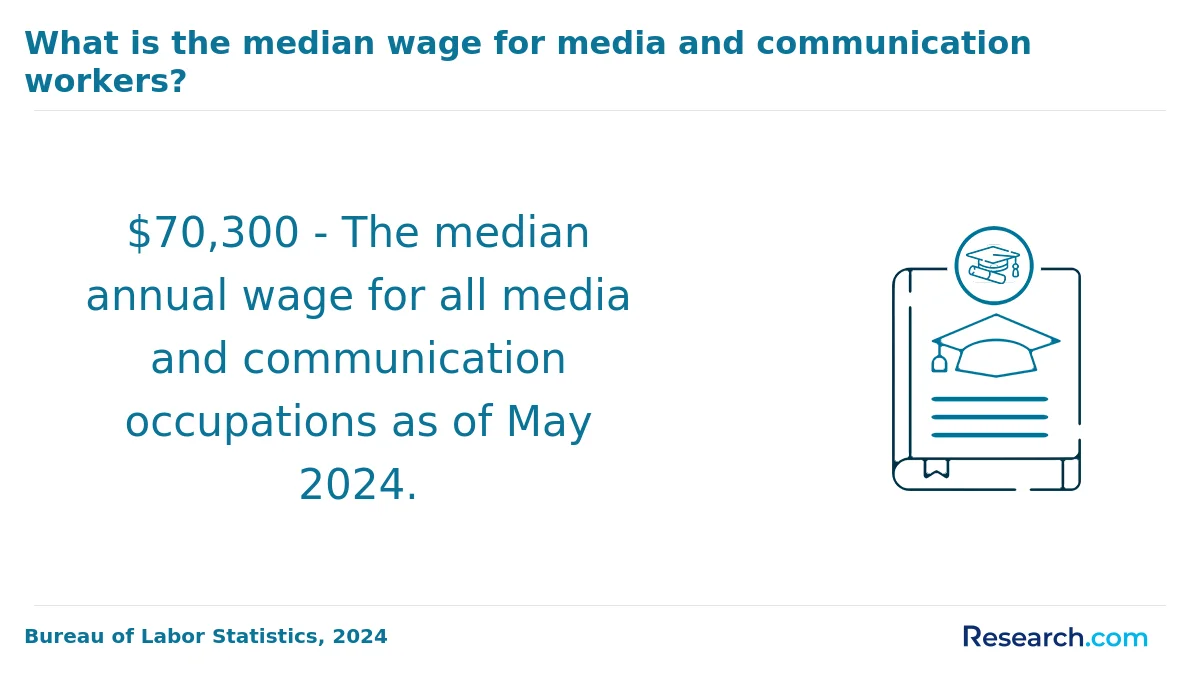
Emerging niches within the communication field reflect rapid technological advances and changing audience needs. In Virginia, fields like digital media strategy, health communication, and social media analytics are gaining prominence. The U.S. Bureau of Labor Statistics projects a 10% growth in media and communication-related jobs through 2031, showing strong demand.
Digital media specialists focus on creating content tailored for online platforms, which is crucial as more businesses adopt virtual marketing strategies. Health communication experts work to improve public health messaging, a niche reinforced by Virginia's robust healthcare sector. Social media analytics professionals analyze data to optimize brand engagement and outreach.
Universities offering online communication degrees in Virginia increasingly integrate these areas into their curricula to prepare students for these dynamic roles.
Graduates with online communication degrees in Virginia should focus on building a professional portfolio that highlights their writing, multimedia, and digital communication skills. According to the U.S. Bureau of Labor Statistics, Virginia's communication-related fields are expected to grow about 7% by 2030, indicating steady job opportunities.
Internships remain crucial. Many Virginia-based organizations, including local media and government agencies, offer remote internships that provide real-world experience. Networking through platforms like LinkedIn and local professional groups such as the Public Relations Society of America (PRSA) Virginia chapter can enhance job prospects.
Additionally, mastering tools relevant to public relations, social media, and digital marketing is essential. Certification in software like Adobe Creative Suite or Google Analytics can improve employability. Staying informed about regional industry trends through reports from the Virginia Economic Development Partnership can also guide career planning.
Employers in Virginia highly value communication degree graduates who demonstrate strong writing and verbal skills. According to the National Association of Colleges and Employers (NACE), 85% of employers prioritize written communication ability, making it essential for professionals working in public relations, marketing, and media industries common in Virginia.
Interpersonal skills and teamwork are also critical, especially given Virginia's growing tech and government sectors. The Virginia Employment Commission highlights that collaboration skills increase job placement success by 23% among recent graduates.
Additionally, employers look for digital literacy, including proficiency in social media management, content creation, and data analytics. These skills align with trends in online marketing and communications, vital for the dynamic Virginia job market.
Finding internships in Virginia relevant to a communication degree involves leveraging both academic and local resources. Many universities in Virginia, such as George Mason University and Virginia Commonwealth University, have strong career centers that connect students with internship opportunities in fields like public relations, media, and corporate communication.
Additionally, websites like Handshake and the Virginia Internship Program offer listings tailored for communication students. Since Richmond and Northern Virginia have growing media and tech industries, targeting organizations in these areas increases chances for relevant internships. Networking through professional groups such as the Public Relations Society of America (PRSA) Virginia chapter can also be valuable.
According to the Virginia Economic Development Partnership, communication-related job sectors are expanding, highlighting internships as critical paths to entry-level employment.
An online communication degree in Virginia significantly enhances career mobility and advancement opportunities within the state's growing media, public relations, and corporate sectors. According to the Virginia Employment Commission, communication-related jobs are projected to grow by 8% from 2022 to 2032, faster than the average for all occupations. This degree equips graduates with skills in digital communication, media strategy, and interpersonal relations, which are highly valued by employers in industries such as marketing, healthcare, and government agencies.
Professionals with online communication degrees often access higher-level positions, including management and specialized roles, due to their demonstrated expertise and flexible learning backgrounds. Additionally, the online format allows working adults to continue employment while gaining credentials, supporting career advancement without career interruptions.
Virginia's diverse economy rewards communication professionals who can adapt to digital trends, making the degree a strong asset for long-term career growth and versatility in job markets across the state.
Studying for a communication degree in Virginia equips students with versatile skills applicable across various disciplines. Programs emphasize both theoretical knowledge and practical application, fostering critical thinking, writing, and digital communication abilities.
Virginia's online communication degrees often include coursework in media studies, public relations, and organizational communication, encouraging students to engage with diverse fields like business, healthcare, and education. According to the Virginia Department of Education, interdisciplinary skills are increasingly valued in the job market, with communication graduates well-prepared for collaboration in multi-sector roles.
Additionally, accredited Virginia institutions integrate real-world projects and internships, enhancing adaptability to different professional environments.
Choosing between a thesis and a non-thesis online communication degree program in Virginia depends on your career goals and learning preferences. A thesis option usually involves in-depth research and writing, ideal for students aiming for academic or research careers. It helps develop strong analytical skills and contributes to the field's knowledge base.
Non-thesis programs focus more on practical skills through coursework and projects, suited for professionals seeking advancement in media, public relations, or corporate communication. According to the Virginia Department of Education, nearly 60% of communication graduates enter industry roles, which often favor applied learning.
Consider your time availability as thesis programs generally require 6-12 additional months. Also, verify if your chosen Virginia school offers online mentorship or research support if you opt for a thesis. Institutions accredited by agencies recognized by the U.S. Department of Education ensure quality across both options.
Students based in Virginia who wish to study communication abroad through online programs have limited direct options but can benefit from partnerships between Virginia institutions and international universities. Some Virginia universities offer study-abroad components within their online communication degrees, allowing students to earn credits from overseas campuses or participate in short-term international residencies.
Additionally, students can explore programs accredited by regionally recognized bodies, ensuring credits are transferable. The Council for Higher Education Accreditation (CHEA) provides resources on institutions with international collaborations, which can be valuable when considering study abroad.
Virginia's emphasis on communication studies aligns with the growing global demand for media and communication skills, making international exposure beneficial. However, the availability of fully online communication degrees with built-in foreign study remains uncommon.
Part-time jobs in Virginia that complement communication degrees often focus on building relevant skills in media, public relations, and writing. Popular roles include social media coordinator, where students manage online presence for local businesses or nonprofits, helping to refine digital communication skills.
Other common positions are content writer or copywriter, frequently available through Virginia-based marketing agencies or freelance platforms. These jobs enhance professional writing and editing abilities, crucial for communication professionals. According to the Virginia Employment Commission, jobs in public relations and advertising are projected to grow by 8% from 2020 to 2030, indicating rising opportunities.
Additionally, roles such as event assistant or communications intern offer hands-on experience in organizing campaigns and internal communications, directly benefiting online communication students. These positions also help build professional networks within Virginia's diverse communication industries.
Online communication students in Virginia have multiple networking opportunities despite studying remotely. Many Virginia universities hosting online programs, such as George Mason University and Virginia Commonwealth University, offer virtual career fairs, alumni networking events, and access to professional organizations.
Students can join local chapters of national groups like the Public Relations Society of America (PRSA), which has an active Richmond Chapter providing webinars and workshops tailored to communication professionals.
Virginia's diverse media and tech industries in cities like Arlington and Richmond also create internship and mentorship opportunities, often advertised through university career centers. Additionally, LinkedIn groups specific to Virginia communication professionals can help students build connections.
These combined resources help online students build industry relationships critical for career advancement.
Alumni networks provide valuable benefits to students pursuing online communication degrees in Virginia. These networks create opportunities for mentorship, offering guidance from graduates who understand the local job market. Networking through alumni can lead to internships and job placements, which is crucial in Virginia's competitive communication industry.
According to the Virginia Economic Review, communication fields are growing with a projected 8% increase in related jobs by 2028. Alumni connections help students stay informed about industry trends and employer expectations.
Additionally, active alumni groups organize events and workshops that enhance professional skills and offer platforms to share experiences and resources.
Students pursuing an online communication degree in Virginia can tailor their programs by choosing electives that align with specific career goals. Many Virginia universities offer concentrations such as public relations, digital media, or organizational communication. This flexibility helps learners develop skills directly relevant to their target industries.
Internships and practicum opportunities are often available virtually, enabling hands-on experience with local firms or national organizations. Virginia's labor market data shows growing demand in communication roles, especially in government, healthcare, and technology sectors, according to the Virginia Employment Commission.
Additionally, students can select minors or certificates in related fields like marketing or multimedia production to enhance their expertise.
Online communication students in Virginia often face challenges related to maintaining engagement and motivation. Without in-person interactions, many struggle with staying connected to peers and instructors, which can impact learning outcomes. Time management is another common issue, especially for those balancing work and family responsibilities alongside their studies.
Technical difficulties also arise, as reliable internet access is essential for streaming lectures and participating in discussions. According to the Virginia Department of Education, approximately 10% of households in rural areas still experience limited broadband availability, complicating access for some students.
Lastly, students sometimes find it difficult to gain practical communication experience, such as internships or group projects, which are crucial for career readiness in communication fields.
Graduates with an online communication degree in Virginia have several professional certifications available to enhance their credentials and marketability. Popular options include the Certified Communication Professional (CCP) and the Strategic Communication Management Professional (SCMP), both recognized nationally and valuable across industries.
These certifications validate skills in public relations, corporate communication, and media management, which align well with communication degree coursework. According to the Virginia Department of Labor, communication-related roles are projected to grow by 8% through 2030, increasing demand for certified professionals.
Also, certifications like the Project Management Professional (PMP) can complement a communication degree, given Virginia's strong presence in government and tech sectors. Pursuing these credentials supports career advancement and higher earning potential.
Applying for an online communication program in Virginia requires careful preparation to stand out. Start by clearly articulating your career goals and how the program aligns with them. Virginia hosts several reputable institutions offering online communication degrees, so tailor your application to reflect knowledge of their specific curriculum and faculty expertise.
Highlight relevant experience such as internships, volunteer work, or jobs involving media, public relations, or digital communication. According to the Virginia Employment Commission, communication-related jobs in Virginia are projected to grow by 6% through 2030, demonstrating solid career prospects for graduates. This data reinforces the importance of emphasizing your commitment to the field.
Strong letters of recommendation and a well-crafted personal statement explaining your motivation for online study also improve your chances. Ensure your application meets all technical requirements, as many Virginia programs use digital platforms to evaluate candidates efficiently.
Communication careers continue to grow globally, influenced by advances in digital media and cross-cultural engagement. In the United States, including Virginia, the demand for communication professionals is expected to increase by 10% from 2022 to 2032, according to the U.S. Bureau of Labor Statistics. This growth reflects global trends where effective communication skills drive business, diplomacy, and media industries.
Virginia's strategic location near Washington, D.C., offers unique opportunities in international relations and public affairs, making communication graduates valuable worldwide. Programs often emphasize global communication ethics, digital media, and multicultural competence, aligning with international standards.
Understanding global perspectives enables graduates to work in diverse environments, enhancing career flexibility in fields like public relations, marketing, and communication consulting.
Gaining practical experience while studying for an online communication degree in Virginia is essential for career success. Many Virginia institutions offer virtual internships through local media companies, nonprofits, and government agencies, providing hands-on opportunities without geographic constraints. According to the Virginia Department of Labor, communication roles in public relations and digital marketing are expected to grow by 8% by 2030, increasing demand for skilled graduates with practical skills.
Students can also participate in online student media organizations or contribute to local digital outlets remotely. Virginia's universities often connect students with alumni networks that help secure freelance projects or mentorships. Additionally, completing service-learning projects and virtual workshops can build real-world communication skills during the degree program.
Choosing the right concentration within an online communication degree program in Virginia involves understanding your career goals and local industry demands. Popular concentrations include public relations, digital media, and organizational communication. According to the Virginia Employment Commission, communications-related jobs in Virginia are forecasted to grow by 8% through 2030, highlighting strong opportunities in media and corporate sectors.
Consider your interests in skills like writing, media production, or strategic communication. Research programs from Virginia's accredited universities, as some offer specialized tracks aligned with state job markets. Also, examine course flexibility, faculty expertise, and internship possibilities to enhance practical experience.
Related Communication Rankings for Nearby States
- 2027 Best Online Communication Degree Programs Ranking in North Carolina
- 2027 Best Online Communication Degree Programs Ranking in Kentucky
- 2027 Best Online Communication Degree Programs Ranking in Pennsylvania
- 2027 Best Online Communication Degree Programs Ranking in Ohio
- 2027 Best Online Communication Degree Programs Ranking in Georgia
- 2027 Best Online Communication Degree Programs Ranking in New York
- 2027 Best Online Communication Degree Programs Ranking in Florida
- 2027 Best Online Communication Degree Programs Ranking in Missouri
- 2027 Best Online Communication Degree Programs Ranking in Illinois
- 2027 Best Online Communication Degree Programs Ranking in Arkansas
Top Trending Communication Rankings
References
- How to find communication niches? - PSMM Monitoring & More https://psmm.pl/en/how-to-find-communication-niches/
- Undergraduate Programs - Mass Communications https://www.vsu.edu/sola/departments/mass-communications/undergraduate-program.php
- Top Skills Employers Look for in Mass Communication Graduates https://urbeuniversity.edu/blog/top-skills-employers-look-for-in-mass-communication-graduates
- Best Bachelor's in Communication Degrees in Virginia (2026) https://www.mastersincommunications.org/bachelors/virginia/
- 6+ Communications Cover Letter Examples (with In-Depth Guidance) https://www.tealhq.com/cover-letter-examples/communications
- Master of Arts (M.A.) Major in Communication Studies (Non-thesis Option) https://mycatalog.txstate.edu/graduate/fine-arts-communication/commstudies-nonthesis-nominor-ma/
- The Power of Effective Communication in Career Advancement https://www.nationalcollege.edu.au/The-Power-of-Effective-Communication-in-Career-Advancement.php
- What skills will I get with a communication degree? - CIS University https://www.cis-spain.com/en/blog/what-skills-will-i-get-with-a-communication-degree/
- Communication & Journalism Study Abroad Programs - Media, PR https://www.ceastudyabroad.com/academic-discipline/communication-journalism
- Global Perspectives on Intercultural Communication https://www.routledge.com/Global-Perspectives-on-Intercultural-Communication/Croucher/p/book/9781138860780