2027 Best Online Communication Degree Programs Ranking in Kentucky

Co-Founder and Chief Data Scientist
Choosing the right communication degree program can feel overwhelming, especially with so many options available. That's why this article offers the 2027 Best Online Communication Degree Programs Ranking in Kentucky, created by the Research.com team of data scientists. It's designed to help you make an informed choice based on trusted data.
Getting a communication degree opens doors to exciting careers, improving your skills in a world that values clear, effective interaction. This guide highlights programs that truly stand out, making your decision easier and more confident.
Key benefits of getting online communication degree in Kentucky
- Communication graduates in the US typically earn between $45,000 and $70,000 annually, offering solid financial prospects for Kentucky students entering fields like public relations or media.
- Graduates from the University of Kentucky have pursued rewarding careers in marketing, journalism, and corporate communications, showing diverse opportunities tailored to personal passions.
- Completing a communication degree online from institutions such as Northern Kentucky University provides flexibility and convenience, enabling students to balance work and study while earning the same respected credential.
- Key benefits of getting online communication degree in Kentucky
- What can I expect from online communication degree in Kentucky?
- Where can I work with online communication degree in Kentucky?
- How much can I make with online communication degree in Kentucky?
- 2027 Best Online Communication Degree Programs Ranking in Kentucky
- Key Findings
- How long does it take to complete online communication degree in Kentucky?
- What's the difference between online and on-campus communication degree?
- What is the average cost of online communication degree in Kentucky?
- What financial aid is available to online communication degree students in Kentucky?
- What are the prerequisites for enrolling in online communication degree program in Kentucky?
- What courses are typically in online communication degree programs in Kentucky?
- What types of specializations are available in online communication degree programs in Kentucky?
- How do you choose the best online communication degree in Kentucky?
- What career paths are available for online communication degree students in Kentucky?
- What is the job market for online communication degree in Kentucky?
- Related Communication Rankings for Nearby States
- Top Trending Communication Rankings
What can I expect from online communication degree in Kentucky?
The average cost of pursuing an online communication degree in Kentucky is surprisingly accessible, especially when compared to national standards. Graduates from institutions like Western Kentucky University often recall how in-state tuition rates, typically ranging between $300 and $400 per credit hour, made their educational goals feel within reach without sacrificing quality.
For many students balancing jobs and family, this affordability translates into real relief, allowing them to focus on mastering skills like social media management and strategic communication without overwhelming debt. Eastern Kentucky University's online program, for instance, offers a flexible pathway where the cost efficiency aligns seamlessly with practical learning experiences, making remote study a doable and positive journey.
Financial aid and scholarships further soften the financial load, turning what might seem like a hefty commitment into a manageable investment. These real-life advantages highlight how Kentucky's online communication degrees not only educate but empower students to advance confidently in competitive industries.
Where can I work with online communication degree in Kentucky?
Graduates with an online communication degree in Kentucky find themselves stepping into vibrant roles across the state's diverse economic landscape. Imagine a recent graduate from the University of Kentucky, energized by internships in Lexington's marketing firms, now thriving as a social media manager shaping campaigns for local businesses. Others from Eastern Kentucky University have found their voice as public relations specialists, crafting compelling stories for nonprofit organizations in Louisville, demonstrating how communication skills transcend sectors.
Many communication graduates relish opportunities in media hubs like Louisville or Bowling Green, where TV stations and newspapers eagerly seek creative minds for journalism support and audience engagement. These roles are not just jobs but gateways to influence public discourse and community connection. Moreover, the growth of healthcare and manufacturing in Kentucky opens new paths for internal communication specialists dedicated to enhancing corporate messaging and employee engagement.
Whether it's managing public outreach for state agencies or designing alumni relations strategies for universities, Kentucky's communication graduates discover rewarding careers fueled by meaningful impact and digital innovation. Their journeys reveal that an online degree here is more than theory-it's a direct conduit to dynamic, evolving professions.
How much can I make with online communication degree in Kentucky?
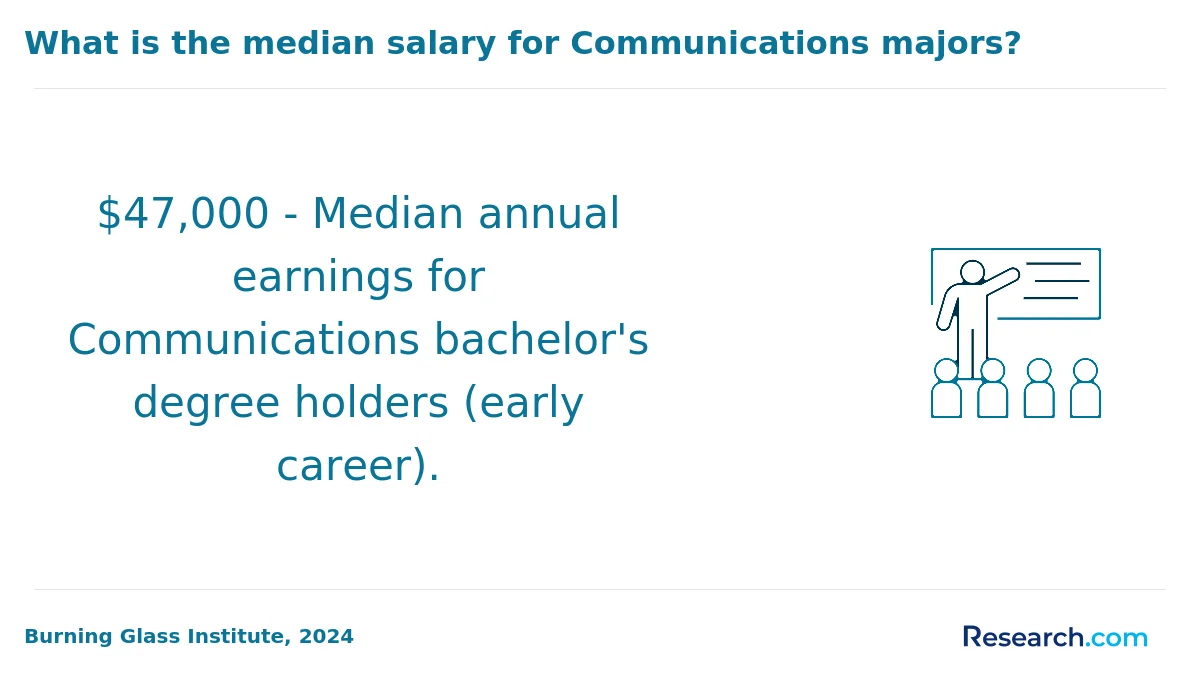
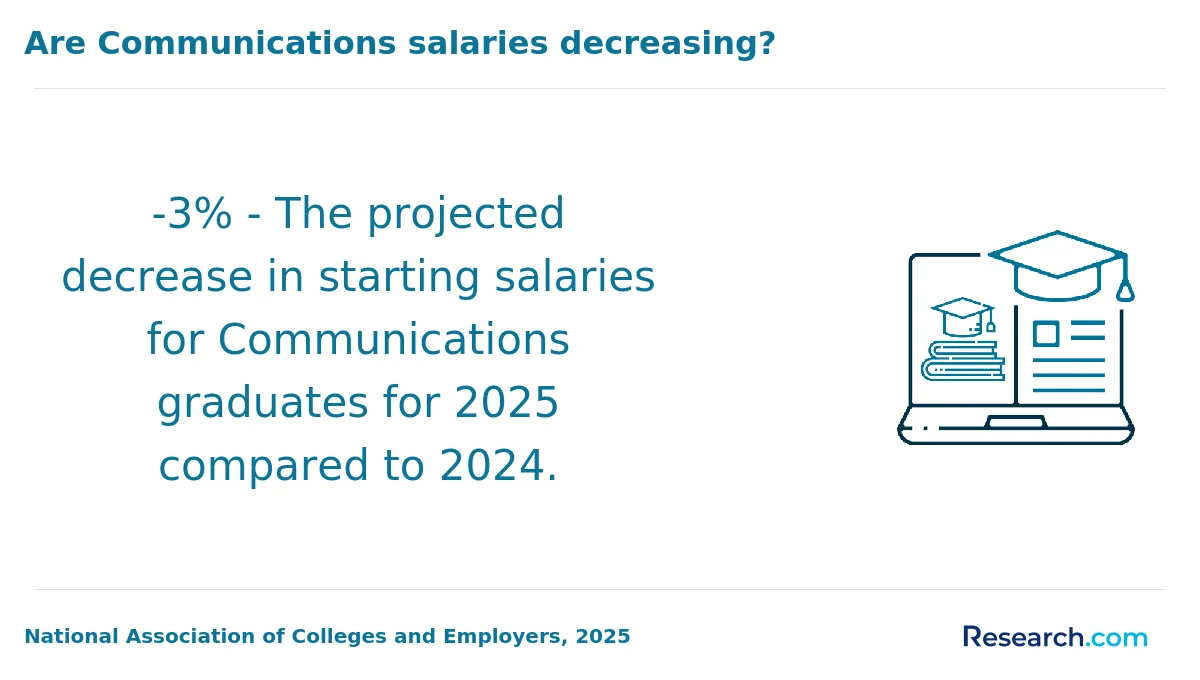
Graduates from online communication degree programs in Kentucky often navigate a salary landscape influenced by local market conditions and career stage rather than fixed numbers. Although specific Salary Data for communication roles in Kentucky is unavailable from official federal sources, many find that entry-level positions, similar to those held by recent graduates from institutions like the University of Kentucky or Bellarmine University, start around $40,000 to $50,000. These figures reflect real experiences shared by alumni who land roles as public relations assistants or content coordinators within the state's media and business sectors.
As graduates gain experience, their earnings frequently increase to the $55,000-$70,000 range. Graduates working in Louisville or Lexington report feeling optimistic about this growth, attributing success to networking and digital media skills acquired through their programs. While top salaries exceeding $85,000 are more common in larger cities or managerial positions, even freelance professionals find rewarding opportunities that blend creativity with competitive pay.
This perspective encourages prospective students to look beyond raw numbers and embrace the evolving communication industry in Kentucky, recognizing how adaptability and ongoing skill development can transform an online degree into a fulfilling, prosperous career.
2027 Best Online Communication Degree Programs Ranking in Kentucky
How do we rank schools?
Investing in your education is a significant decision that can shape your future, and the Research.com team understands the importance of making informed choices. To assist prospective students in Kentucky, we have meticulously crafted the "2027 Best Online Communication Degree Programs Ranking in Kentucky." Our commitment to quality, credibility, and accuracy is reflected in the extensive research and analysis conducted to compile this ranking. We utilized the following reputable data sources to ensure a comprehensive evaluation of communication programs:
By exploring this ranking, readers will gain valuable insights into the best online communication degree programs available in Kentucky, empowering them to make well-informed decisions about their educational futures. For more details on how the ranking was created, please visit our Research.com methodology page.


Key Findings
- Annual tuition for online communication bachelor's degrees in Kentucky ranges from $10,000 to $20,000 for in-state public universities and can exceed $30,000 at private schools.
- Communication-related jobs in Kentucky are expected to grow by about 7% over the next decade, matching the national average.
- Starting salaries for communication graduates average around $42,000 per year, increasing to about $65,000 with 5 to 10 years of experience.
- Many Kentucky programs offer accredited, flexible online options focused on digital media, strategic communication, and multimedia production.
- The regional economy supports diverse job opportunities for communication graduates in healthcare, education, government, and business sectors.
How long does it take to complete online communication degree in Kentucky?
Completing an online communication degree in Kentucky isn't a one-size-fits-all timeline. While associate degrees typically wrap up in about two years of full-time study, bachelor's programs stretch closer to four years. Graduates from institutions like the University of Kentucky or Eastern Kentucky University often share how their part-time schedules extended their journey to five or six years, balancing work, family, and studies. Conversely, some discovered accelerated paths-enrolling in summer terms and heavier course loads-cut their bachelor's degree down to as little as 2.5 or 3 years, proving that determination and smart planning pay off.
Master's degree holders from Kentucky's online programs often note the emotional lift from finishing in just 1.5 to 2 years full-time, or up to three years part-time when life demanded flexibility. Many appreciate how accepting transfer credits from community colleges enabled them to shave valuable time off graduation deadlines. These experiences underscore how Kentucky's online communication education is designed to meet diverse life rhythms without sacrificing the thrill of achievement.
What's the difference between online and on-campus communication degree?
Choosing between an online and on-campus communication degree in Kentucky often comes down to how you want to experience your education. Graduates from the University of Kentucky praise the energizing classroom debates and face-to-face networking moments that spark real connections and unexpected opportunities on campus. These interactions create an immersive environment where learning feels dynamic and interactive.
On the other hand, graduates from Western Kentucky University highlight the freedom online programs provide. Balancing work, family, and study without a daily commute lets them pursue advancement on their own terms. They value accessing lectures at midnight or engaging in discussion boards between shifts, illustrating how flexibility becomes a powerful tool for adult learners.
Cost is another practical consideration. In-state tuition at Kentucky's public universities averages around $10,200 yearly, but online options may reduce expenses related to housing or transportation. Still, students weigh this against technology needs and the self-driven nature of digital learning.
Ultimately, Kentucky students discover both paths uphold academic rigor, yet offer distinctly different experiences rooted in lifestyle, connectivity, and personal growth.
What is the average cost of online communication degree in Kentucky?
Determining the average cost of an online communication degree in Kentucky involves looking beyond just sticker prices and considering the nuances students face. Many graduates from Eastern Kentucky University and Northern Kentucky University recall managing tuition fees that typically range from $8,000 to $15,000 for a full bachelor's degree when studying in-state. This cost reflects tuition fees hovering between $300 and $400 per credit hour and the requirement of around 120 credits to graduate. Such figures position Kentucky as an affordable choice compared to national averages, making it a pragmatic option in the realm of tuition fees for communication degree programs in Kentucky.
One compelling aspect is how residency status dramatically affects expenses; out-of-state students often pay two to three times more, which can push total program costs significantly higher. Many students resonate with the challenge of balancing these higher costs while navigating technology and administrative fees, both of which subtly add to the overall financial burden.
Graduate students pursuing advanced communication degrees in Kentucky experience differently scaled costs, with many public institutions charging between $10,000 and $20,000 for the entire program. For those curious about exploring affordable options nationally, especially at the graduate level, there are helpful resources spotlighting the cheapest masters in communication online.
Kentucky's public universities offer a meaningful balance of cost and educational quality that often inspires pride among graduates. With state grants and scholarships tailored to communication studies, students find opportunities not only to save money but to feel deeply connected to their academic communities, fostering a positive outlook on their educational investment.
What financial aid is available to online communication degree students in Kentucky?
Many Kentucky students pursuing an online communication degree at institutions like the University of Kentucky or Northern Kentucky University find financial aid a lifeline rather than just a formality. Completing the FAFSA opens doors to federal Pell Grants, which alleviate stress by offering funds that don't need repayment-imagine the relief of not worrying about loan debt right after graduation. State-specific programs like the Kentucky College Access Program (KY CAP) provide tangible support for residents, easing the cost burden particularly for in-state learners.
Graduates often recall institutional scholarships that rewarded their dedication to leadership or community engagement, reinforcing that effort outside the classroom can translate into real financial benefits. While federal loans remain an option, many now weigh their long-term impact carefully, mindful that communication graduates often carry a moderate debt load of $20,000 to $30,000. Work-study programs, sometimes adapted for remote roles, empower students to balance earning with learning, adding enriching work experience to their resumes.
Beyond the classroom, employer tuition assistance programs meaningfully reduce costs for working adults, marrying career growth with education. These diverse financial pathways transform what feels like a daunting expense into manageable steps toward success, making the dream of a communication degree in Kentucky feel genuinely attainable.
What are the prerequisites for enrolling in online communication degree program in Kentucky?
To enroll in an online communication degree program in Kentucky, prospective students must first secure a high school diploma or its equivalent, such as a GED. Graduates from institutions like the University of Kentucky or Western Kentucky University often share how submitting official transcripts and optional standardized test scores-SAT or ACT-felt more like a formality than a barrier, especially as many schools have adopted test-optional policies.
Graduate applicants face a different but equally achievable threshold: a completed bachelor's degree with a cumulative GPA generally near 3.0. Many students recall that submitting GRE scores wasn't always mandatory, easing their path to advanced study while their professional experiences in media or communications enriched their applications.
Beyond academics, these programs emphasize personal statements and letters of recommendation. Kentucky learners often describe how crafting these documents deepened their sense of purpose and connection to communication fields. Furthermore, orientation sessions and tech preparedness courses offered by local colleges equip students with the confidence to navigate online platforms effectively, turning skepticism about remote learning into enthusiasm.
What courses are typically in online communication degree programs in Kentucky?
Online communication degree programs in Kentucky frequently immerse students in a curriculum that feels both practical and transformative. Graduates from popular institutions like the University of Kentucky and Eastern Kentucky University often recall how courses such as Introduction to Communication broke down complex theories into tangible insights they could apply immediately-whether crafting a crucial message for a nonprofit or navigating a team conflict at work.
More than just theory, courses like Public Relations and Strategic Communication push students to think critically about managing real-world reputations and shaping narratives, skills that graduates find invaluable when working in Kentucky's dynamic healthcare and government sectors.
Students also frequently reflect on the impact of Media Writing and Digital Content Creation, where they develop the agility to create compelling digital content, mastering platforms that dominate the local job market. The ability to blend communication theory with practical, hands-on projects makes these courses distinctly relevant for Kentucky's online learners.
What types of specializations are available in online communication degree programs in Kentucky?
When considering an online communication degree in Kentucky, it's crucial to recognize that specializations go far beyond basic theory-they shape real career paths tailored to diverse industries. Graduates from well-regarded Kentucky institutions often reflect on how focusing on Public Relations transformed their ability to manage crises and craft compelling narratives that resonate locally and nationally. Others highlight Organizational Communication's impact in enhancing internal company culture within Louisville's thriving business sector.
Typical concentrations such as Digital and Social Media Communication equip students with practical skills in content strategy and analytics, crucial for engaging today's digital audiences. Similarly, those who emphasize Interpersonal and Conflict Communication find themselves adept at negotiation and leadership roles, often citing experiences gained through practicum opportunities offered by universities in Lexington. For students curious about media production and ethical journalism, Media Studies provides a foundation that feels immediately applicable, especially in a state rich with news outlets and media firms.
These varied tracks within Kentucky online communication programs concentrations encourage a bold, integrated approach to communication careers. Exploring options through an online bachelor degree communications based in Kentucky enables learners to balance flexibility with relevance, making education feel both personalized and locally grounded.
How do you choose the best online communication degree in Kentucky?
Choosing the best online communication degree in Kentucky demands more than just comparing tuition or program length. Graduates from popular institutions like the University of Kentucky or Western Kentucky University often point to accreditation as a game-changer-programs regionally accredited by bodies such as SACSCOC ensured their credits transferred smoothly and their resumes stood out to local employers.
Consider the curriculum's relevance: one graduate appreciated how her program's focus on digital communication and public relations gave her hands-on experience through locally arranged internships, making the difference when she entered Kentucky's competitive media market. Exploring affordable online communication degrees Kentucky offers means balancing cost with genuine career preparation-remember, annual tuition for online study can stretch beyond state averages.
Flexibility shapes many students' stories; asynchronous classes allowed them to juggle work, family, and studies seamlessly. When researching options, it's worth checking detailed program outcomes and faculty backgrounds to avoid programs that feel generic. For a comprehensive view of online communication advancement, some students turn to an online master of communications to elevate their expertise with nationally recognized credentials.
What career paths are available for online communication degree students in Kentucky?
Graduates with an online communication degree in Kentucky often find themselves at the crossroads of dynamic career paths that defy traditional boundaries. From public relations specialists shaping company narratives in Lexington's corporate offices to digital media strategists crafting viral content for startups around Louisville, the versatility of communication skills opens doors previously unconsidered. Students from popular institutions like the University of Kentucky or Western Kentucky University reflect on how their programs empowered them to engage with real-world challenges, such as managing social media during crises or developing targeted marketing campaigns in healthcare and technology sectors thriving in the state.
For those curious about online communication degree jobs in Kentucky, the scope extends beyond storytelling to include roles in corporate leadership development and human resources, where communication expertise drives employee engagement and organizational culture. These graduates often describe a surprising sense of fulfillment, realizing their skills influence both internal dynamics and public perception.
Exploring further, many turn to advertising or journalism, leveraging platforms like online news or podcasting to captivate niche audiences. To discover pathways tied to public relations, consider an online public relations degree, which exemplifies how specialized programs equip students for Kentucky's evolving job market.
What is the job market for online communication degree in Kentucky?
The job market for graduates holding an online communication degree in Kentucky defies any notion that regional prospects are limited. With cities like Louisville and Lexington acting as hubs for expanding digital marketing and corporate communication sectors, graduates from local institutions find themselves stepping into dynamic roles. Many who earned their degrees from universities renowned within the state report quickly engaging with roles such as marketing coordinators or social media strategists, adjusting seamlessly to the evolving business demands.
Considering Kentucky communication degree career outlook, the appeal lies in the steady growth of fields like public relations and content creation, especially as businesses increase their online footprint. Graduates often emphasize how affordable in-state tuition and practical internship opportunities in Kentucky's media and nonprofit sectors enhance their readiness and confidence entering the workforce.
For anyone eager to accelerate their expertise and career trajectory, pursuing the fastest online master of public relations is a strategic step embraced by many seeking higher-level communication roles within the state's thriving market.
Frequently Asked Questions About communication
Students pursuing online communication degrees in Kentucky can maximize their learning by actively engaging with course materials and instructors. Many Kentucky institutions offer virtual office hours and discussion boards, encouraging regular interaction.
Utilizing local resources is also beneficial. For example, the University of Kentucky and Western Kentucky University provide access to digital libraries and communication labs, which support skill development. According to the Kentucky Council on Postsecondary Education, students who participate in interactive online components report higher satisfaction and performance.
Additionally, joining professional communication organizations within Kentucky, such as the Kentucky Communication Association, helps students network and access industry insights. Practical experience through internships or local media projects enhances understanding.
The communication field is evolving rapidly, offering new niches for students pursuing online communication degrees in Kentucky. Emerging areas include digital media management, social media strategy, and health communication. Kentucky's growing healthcare industry creates demand for communication experts skilled at conveying complex information clearly to diverse audiences.
Another notable niche is crisis communication, especially important in public safety and government sectors within the state. According to the Kentucky Center for Statistics, communication roles related to technology and healthcare show growth rates above the national average, signaling strong job prospects.
Understanding data analytics in communication is also gaining importance, helping professionals design more effective campaigns. These emerging specialties reflect the expanding role communication plays across industries in Kentucky.
After earning an online communication degree in Kentucky, students should focus on building practical skills and professional networks to succeed in the job market. Internships and volunteer opportunities in local media, public relations, and corporate communication provide valuable real-world experience. According to the Kentucky Center for Statistics, communication careers are growing steadily, with a 6% job increase expected through 2028 in the state.
Developing a strong portfolio showcasing writing, digital media, and interpersonal skills is essential. Networking through professional associations like the Public Relations Society of America's Kentucky chapter can open doors. Additionally, attending career fairs and using university alumni resources strengthens job search efforts.
Employers in Kentucky seek communication degree graduates with strong interpersonal and digital communication skills. According to the Kentucky Career Center, effective writing and public speaking are among the most valued abilities. Graduates must also demonstrate proficiency in using social media platforms and content management systems to engage diverse audiences.
Critical thinking and problem-solving skills are essential, as communication roles often require tailoring messages to meet organizational goals. Additionally, teamwork and adaptability are key, given the evolving nature of media and technology in the state's business environment.
Knowledge of ethical communication practices remains a priority for many employers in Kentucky's public and private sectors.
Finding internships in Kentucky relevant to a communication degree requires strategic research and networking. Start by exploring university career centers, as many institutions maintain partnerships with local businesses and media outlets. For example, the University of Kentucky and Western Kentucky University offer resources connecting students with internships in public relations, marketing, and media.
Another effective method is to use Kentucky-specific job platforms like the Kentucky Career Center, which frequently lists internship opportunities in communication fields. Additionally, professional organizations such as the Public Relations Society of America (PRSA) Kentucky chapter provide networking events and internship listings tailored for communication students.
Students should also consider targeting local media organizations and nonprofit groups, which often seek interns to assist with communications. Finally, online platforms like Handshake and LinkedIn allow filtering for Kentucky-based internships, increasing chances to find relevant roles close to home.
An online communication degree in Kentucky can significantly enhance career mobility and advancement opportunities. The state's growing media, public relations, and corporate sectors increasingly seek professionals with strong communication skills. According to the Kentucky Career Center, roles in marketing, social media management, and corporate communication are expected to grow by 10% through 2030. Earning an online degree provides flexibility for working adults while building expertise in digital communication, which is critical in today's job market.
Employers in Kentucky value candidates who demonstrate clear writing, persuasive speaking, and media literacy skills. Graduates often move into supervisory roles faster due to their ability to lead projects and manage diverse teams effectively. Online programs also foster networking with local businesses, aiding career progression within the region.
Studying for an online communication degree in Kentucky equips students with skills that apply across various industries, fostering interdisciplinary expertise. Programs emphasize critical thinking, media literacy, and effective messaging, which are essential in fields like business, healthcare, and public policy. According to the Kentucky Council on Postsecondary Education, communication-related fields have grown by 12% in job openings statewide over recent years, highlighting the demand for versatile professionals.
Courses often integrate digital media, organizational communication, and cultural studies, enabling graduates to collaborate with diverse teams. This combination prepares students to address complex challenges through multiple professional lenses.
Moreover, many Kentucky institutions offer internships and partnerships with local industries, providing practical experience in interdisciplinary settings.
Choosing between a thesis and a non-thesis online communication degree program in Kentucky depends on your career goals and time commitment. A thesis option involves conducting original research and writing a substantial paper, ideal for students considering doctoral studies or research roles. Non-thesis programs emphasize coursework and practical skills, which may suit working professionals aiming for leadership or managerial positions in communication fields.
Data from the Kentucky Council on Postsecondary Education shows that programs with thesis options often require 30-36 credit hours, with extended time for research. Non-thesis tracks tend to be shorter and more flexible.
Consider the teaching format, faculty expertise, and your long-term plans when deciding.
Students in Kentucky pursuing online communication degrees have limited but growing options to study abroad through their home institutions. Many public and private universities in Kentucky offer study abroad programs that can complement online studies, often featuring partnerships with universities in Europe, Asia, and Latin America. These programs typically allow students to earn credit toward their degree while gaining international experience.
The University of Kentucky and the University of Louisville, for example, provide virtual exchange opportunities and short-term overseas study modules designed for communication majors. According to the Institute of International Education, nearly 2% of Kentucky college students participate in study abroad programs, with communication being a popular major for such experiences.
For fully online communication students, some universities facilitate remote international internships and collaborative projects with foreign institutions. Students should consult academic advisors to explore eligible programs and financial aid options focused on study abroad opportunities linked to communication degrees.
Students pursuing online communication degrees in Kentucky can benefit from various part-time job opportunities that directly complement their studies. Roles such as social media assistant, public relations intern, and content writer are common and highly relevant. These positions provide hands-on experience in crafting messages, managing digital platforms, and engaging audiences, key skills for communication professionals.
According to the Kentucky Department of Workforce Investment, communication-related jobs have grown 8% over the past five years, indicating strong demand for practical experience alongside academic learning. Additionally, internships with local media outlets or nonprofit organizations offer exposure to real-world communication challenges in Kentucky's diverse communities.
Such jobs not only enhance resumes but also improve networking prospects within the state's media and corporate sectors.
Online communication students in Kentucky benefit from numerous networking opportunities designed to support their professional growth. Many universities offer virtual events connecting students with alumni and industry professionals statewide.
The Kentucky Communication Association (KCA) provides a valuable platform for students to attend conferences, workshops, and local meetups, fostering connections within the communication field. In addition, institutions often partner with businesses and media organizations across Kentucky, facilitating internships and project collaborations.
According to the Kentucky Education and Workforce Development Cabinet, effective networking increases job placement rates for communication graduates by over 15%. These resources and statewide organizations create a strong, accessible network for online students.
Alumni networks play a crucial role for students pursuing online communication degrees in Kentucky. These networks offer valuable connections to professionals working in media, public relations, and corporate communication within the state's growing industries. According to the Kentucky Chamber of Commerce, sectors such as digital marketing continue to expand, increasing demand for skilled communicators.
Through alumni events, mentorship programs, and job boards, students gain real-world insights and access to internships. This access often helps improve employment prospects after graduation. Studies from the National Association of Colleges and Employers show graduates with active alumni support report higher job placement rates.
For online learners, alumni networks also provide a sense of community and practical guidance despite distance education constraints.
Customizing an online communication degree in Kentucky allows students to tailor their education to specific career goals. Many Kentucky institutions offer electives and concentration areas such as digital media, public relations, or interpersonal communication. This flexibility helps align studies with fields like marketing, corporate communication, or journalism.
Students can often choose capstone projects or internships related to Kentucky's media and business sectors, enhancing practical experience. According to the Kentucky Cabinet for Economic Development, nearly 10% of jobs in the Bluegrass State involve communication skills, highlighting the value of focused training.
Advising services also support personalized academic planning to meet professional aspirations effectively.
Online communication students in Kentucky frequently encounter challenges related to technology access and connectivity. Rural areas in Kentucky often have limited high-speed internet, which can disrupt coursework and synchronous sessions. According to the Kentucky Broadband Status Report 2023, about 20% of residents still lack reliable broadband. This can create barriers for students who depend on smooth video conferencing and online research.
Another challenge is maintaining motivation and time management. Without campus structure, many students struggle to balance their studies with job and family obligations. Communication programs often require collaboration, and online students may face difficulties networking and engaging with peers or instructors virtually.
Graduates with an online communication degree in Kentucky can pursue various professional certifications to boost their careers. Common credentials include the Accredited in Public Relations (APR) certification, valuable for those interested in public relations and corporate communication.
The Certified Professional Communicator (CPC) credential helps demonstrate expertise in communication strategy and leadership. Additionally, the Project Management Professional (PMP) certification is often pursued by communication graduates managing campaigns or teams.
Kentucky's workforce data from the Bureau of Labor Statistics shows a growing need for skilled communication specialists in sectors like healthcare and education, where such certifications improve job prospects and earning potential.
To write a winning application for an online communication program in Kentucky, start by carefully reviewing each school's admission requirements. Highlight your clear interest in communication fields such as media, public relations, or digital communication. Use your personal statement to showcase relevant experience, whether academic or professional, emphasizing skills like writing, critical thinking, and digital literacy. Kentucky's communication job market is expected to grow steadily, according to the Kentucky Center for Statistics, making strong applications even more competitive.
Be sure to request letters of recommendation from instructors or employers who can speak to your communication abilities.
Submit all materials before deadlines and proofread thoroughly to avoid errors that can undermine your professionalism.
The field of communication offers broad opportunities worldwide, reflecting the growing importance of effective messaging and media in a globalized society. Employers increasingly value professionals skilled in digital communication, public relations, and media strategy. In the US, including Kentucky, communication careers are expected to grow by 11% through 2030, according to the Bureau of Labor Statistics, which is faster than average for all occupations.
Globally, strong communication skills are crucial for managing multicultural teams, international marketing, and global media platforms. Kentucky's online communication degree programs prepare students to meet these demands by focusing on both traditional and digital media, ensuring graduates can compete in an interconnected workplace.
Knowledge of global communication trends also enables graduates to navigate cultural differences and emerging technologies, which are vital for success in many industries such as healthcare, business, and education.
Gaining practical experience while studying for an online communication degree in Kentucky is essential for career readiness. Many Kentucky universities support internships with local media outlets, PR firms, and nonprofits, which provide hands-on learning opportunities. According to the Kentucky Center for Statistics, about 65% of communication graduates participate in internships before graduating, enhancing their employability.
Students can also engage in virtual internships and freelance projects to build portfolios. Additionally, joining student organizations related to communication or media allows practical skill development through event planning, content creation, and leadership roles. These experiences complement academic learning and prepare students for Kentucky's competitive communication job market.
Choosing the right concentration within an online communication degree in Kentucky requires focusing on your career goals and interests. Common concentrations include public relations, media studies, and organizational communication, each offering different skills and job prospects. Kentucky's communication job market is growing steadily, with a 5% increase in media and communication roles projected by the Kentucky Center for Statistics through 2028.
Research program specifics at accredited Kentucky schools, such as the University of Kentucky and Western Kentucky University, to compare course offerings and practical opportunities. Consider concentrations aligned with local industries, like healthcare communication or digital media, to increase employment chances.
Additionally, explore internships and network-building options included in programs to gain hands-on experience relevant to your chosen concentration.
Related Communication Rankings for Nearby States
- 2027 Best Online Communication Degree Programs Ranking in Ohio
- 2027 Best Online Communication Degree Programs Ranking in Virginia
- 2027 Best Online Communication Degree Programs Ranking in Illinois
- 2027 Best Online Communication Degree Programs Ranking in Missouri
- 2027 Best Online Communication Degree Programs Ranking in North Carolina
- 2027 Best Online Communication Degree Programs Ranking in Georgia
- 2027 Best Online Communication Degree Programs Ranking in Arkansas
- 2027 Best Online Communication Degree Programs Ranking in Pennsylvania
- 2027 Best Online Communication Degree Programs Ranking in Florida
- 2027 Best Online Communication Degree Programs Ranking in New York
Top Trending Communication Rankings
References
- Master's in Communication Salaries by Career and Position ... https://www.mastersincommunications.com/faqs/masters-in-communication-salary
- Top 10 Effective Networking Tips for Students https://www.unfc.ca/blog/networking-tips-for-students
- Communications Degree Salary Guide | Maryville Online https://online.maryville.edu/online-bachelors-degrees/communications/careers/communications-degree-salary-guide/
- 10 Essential Networking Tips for Students to Help Build ... https://www.luxurystudenthomes.co.uk/networking-tips-for-students/
- The Online Bachelor of Arts Degree in Communication https://www.wiu.edu/cofac/communication/online_BA.php
- Best Bachelor's in Communication Degrees in Kentucky 2026 https://www.mastersincommunications.org/bachelors/kentucky/
- Why You Should Start Networking as a Student https://amplifyme.com/blog/why-you-should-start-networking-as-a-student
- Importance of Networking https://www.universitylabpartners.org/student-voices/importance-of-networking
- Online Colleges in Kentucky https://www.onlineschools.org/guides/kentucky/
- Finding Networking Opportunities as a Student https://www.nshss.org/resources/blog/blog-posts/how-to-find-networking-opportunities-as-a-student/