2027 Fastest Online Master's in Communication Degree Programs Ranking in the Midwest

Co-Founder and Chief Data Scientist
Are you considering advancing your career with a master's degree in communication but want to do it quickly and conveniently? This article introduces the 2027 Fastest Online Master's in Communication Degree Programs Ranking in the Midwest, carefully crafted by the Research.com team of data scientists. It is designed to help you identify top programs that balance speed and quality for busy students.
Discover programs that fit your lifestyle and goals, offering valuable skills to boost your career. Reading this guide can make your decision easier and more confident, opening doors to exciting opportunities in communication.
Key benefits of getting online communication degree in the Midwest
- Communication graduates in the Midwest can expect competitive salaries, with public relations specialists earning a median annual wage of around $62,810 nationally, offering a promising financial future.
- A graduate from the University of Michigan, for example, may pursue careers in media relations, marketing, or corporate communications, showcasing the wide range of exciting opportunities available.
- Completing an online communication degree from a school like Northwestern University allows for flexible study schedules, helping students balance work and life while gaining valuable skills without relocating.
- Key benefits of getting online communication degree in the Midwest
- What can I expect from online communication degree in the Midwest?
- Where can I work with online communication degree in the Midwest?
- How much can I make with online communication degree in the Midwest?
- 2027 Fastest Online Master's in Communication Degree Programs Ranking in the Midwest
- Key Findings
- How long does it take to complete online communication degree in the Midwest?
- What's the difference between online and on-campus communication degree?
- What is the average cost of online communication degree in the Midwest?
- What financial aid is available to online communication degree students in the Midwest?
- What are the prerequisites for enrolling in online communication degree program in the Midwest?
- What courses are typically in online communication degree programs in the Midwest?
- What types of specializations are available in online communication degree programs in the Midwest?
- How do you choose the best online communication degree in the Midwest?
- What career paths are available for online communication degree students in the Midwest?
- What is the job market for online communication degree in the Midwest?
- Top Trending Communication Rankings
What can I expect from online communication degree in the Midwest?
The average cost of an online communication degree in the Midwest typically falls between $400 and $700 per credit hour at public universities, making it an accessible choice for many. Graduates from institutions like the University of Illinois Springfield recall balancing part-time studies with professional responsibilities, appreciating the program's affordability without compromising quality. These students often highlight how the cost-effectiveness allowed them to focus on gaining both theoretical knowledge and applied skills crucial for media or corporate roles.
Consider a graduate from Michigan State University who leveraged scholarships designed for online learners, substantially lowering their financial burden. This practical affordability contrasts with private institutions, which often carry higher tuition, emphasizing the Midwest's appeal for budget-conscious students eager for growth. Rather than accumulating excessive debt, many find the value of investing steadily in their education-with flexible pacing and supportive faculty-translates into meaningful career advancement in communication fields.
Where can I work with online communication degree in the Midwest?
Graduates with an online communication degree from Midwest institutions like the University of Illinois or Ohio State often find themselves stepping into dynamic roles beyond the expected. Instead of being confined to traditional media, many thrive in corporate communication across manufacturing and healthcare industries, where their ability to craft clear, strategic messages drives internal culture and public trust. One graduate described navigating complex finance environments in Chicago, turning abstract data into compelling narratives that influence executive decisions.
Midwestern cities such as Minneapolis and Indianapolis burst with opportunities in public relations and advertising, where hands-on projects during studies translate into real-world client campaigns. Alumni recall the excitement of joining leading ad agencies, where digital savvy and creative storytelling become key to winning competitive accounts. The nonprofit sector also offers a rewarding pathway, engaging graduates in community outreach and public affairs, often supported by collegiate networks.
Even within academia, graduates play pivotal roles managing university communications and alumni networks, underscoring the widespread need for skilled communicators. The rise of remote work has amplified demand for professionals who master virtual engagement, allowing recent graduates to shape the future of workplace interaction across the Midwest.
How much can I make with online communication degree in the Midwest?
Graduates from well-known Midwest institutions pursuing online communication degrees often find their earnings reflective of both their location and experience. While official BLS salary data specific to communication roles in the region isn't available, published trends reveal that starting salaries usually hover around $40,000 to $50,000 annually in cities like Chicago and Minneapolis. This is consistent with graduates from schools such as the University of Illinois Urbana-Champaign or Indiana University, who often share stories of entry-level roles paying in that range.
As graduates gain expertise-perhaps by developing skills in digital marketing or corporate communication-they report mid-career salaries reaching $70,000 to $90,000. These figures resonate deeply in metropolitan areas where the cost of living and job demand align to reward advanced credentials. Graduates recall how earning a master's degree or certifications through flexible online programs enabled meaningful salary increases, reinforcing the value of continued education.
Ultimately, while exact numbers may vary, the Midwest's communication graduates experience earnings that challenge simplistic assumptions, reflecting a dynamic balance between opportunity, skill growth, and geographic nuance.
2027 Fastest Online Master's in Communication Degree Programs Ranking in the Midwest
How do we rank schools?
Investing in your education is a significant decision that can shape your future, and the Research.com team understands the importance of making informed choices. To assist prospective students in the Midwest, we have meticulously crafted the "2027 Fastest Online Master's in Communication Degree Programs Ranking." Our commitment to quality, credibility, and accuracy is reflected in the extensive research and analysis conducted to compile this ranking.
We utilized the following reputable data sources to ensure a comprehensive evaluation of communication programs:
By exploring this ranking, readers will gain valuable insights into the fastest online master's programs in communication in the Midwest, helping them make well-informed decisions that suit their educational and career goals. For more details on our methodology, please visit our Research.com methodology page.


# 9 position
Walden University
Master of Communications


Key Findings
- Online communication degrees in the Midwest are offered fully online by accredited universities in states like Ohio, Illinois, Michigan, and Indiana.
- Tuition for online bachelor's degrees typically ranges from $8,000 to $15,000 per year for in-state students, with graduate programs costing between $10,000 and $20,000 in total tuition.
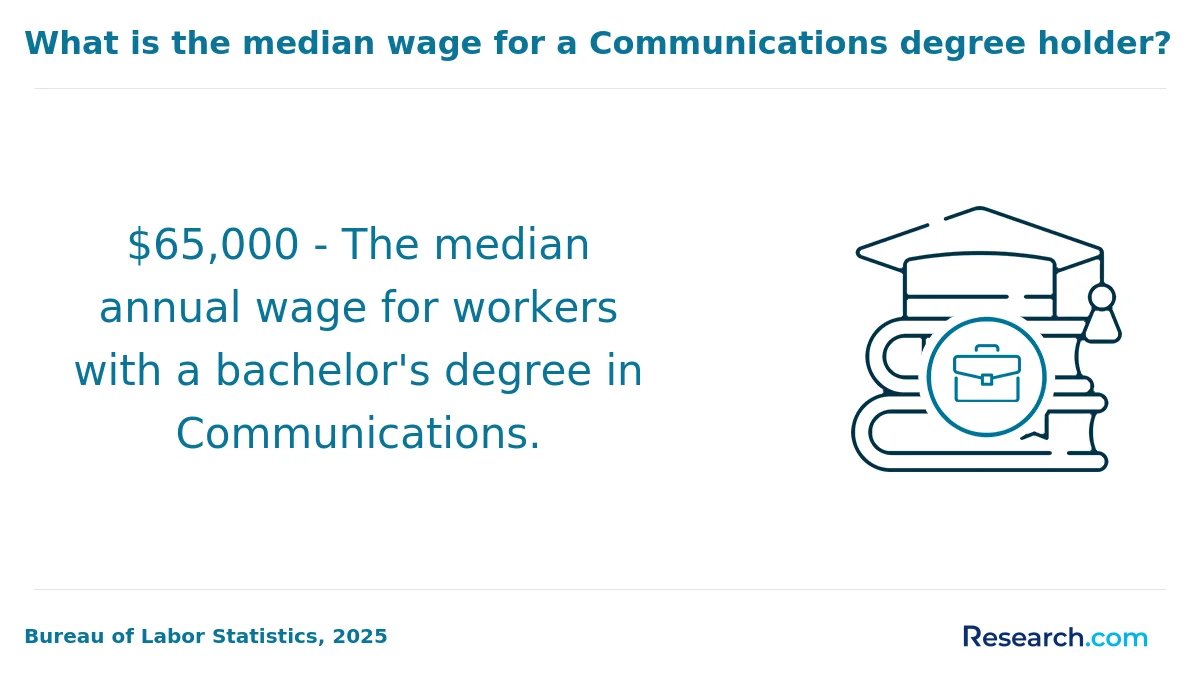
- Entry-level salaries for communication graduates in the Midwest start around $45,000 to $50,000 annually, with median wages rising to $65,000 to $75,000 for experienced professionals.
- Job opportunities are available in healthcare, education, business, and technology sectors, especially in urban areas like Chicago and Minneapolis.
- The Midwest's lower living costs and demand for digital literacy make it attractive for students earning and working locally after graduation.
How long does it take to complete online communication degree in the Midwest?
Completing an online communication degree in the Midwest rarely fits a one-size-fits-all timeline. While many graduates from universities like the University of Illinois Urbana-Champaign or Michigan State University finish their Master's programs in about two years, this timeline is often stretched or shortened depending on personal circumstances. A seasoned professional juggling work and family might choose a part-time path, extending their studies over three to four years without losing momentum or motivation.
Conversely, some driven students embrace accelerated options offered by schools such as Indiana University, cutting completion time to as little as 12 to 18 months. These students often describe an invigorating challenge, the balance of intensive coursework and real-world application creating a deep sense of accomplishment.
The journey can also lengthen for those needing foundational courses due to non-communication backgrounds, highlighting how tailored each path truly is. This variation celebrates individual growth more than rigid deadlines, allowing Midwestern students to own their educational experience fully.
What's the difference between online and on-campus communication degree?
Graduates from universities like the University of Illinois Urbana-Champaign or Michigan State often reflect on how their choice between online and on-campus communication degrees shaped their daily lives. Online learners praise the freedom to juggle jobs or family responsibilities while diving into coursework whenever it fits their schedule. Imagine tuning in to a lecture after putting kids to bed or during a lunch break at a local café in Chicago-this flexibility eases stress and empowers sustained focus.
On-campus peers at schools such as Northwestern University relish face-to-face debates and spontaneous connections in campus media labs, where hands-on projects bring concepts to life. These moments foster confidence and an irreplaceable sense of community. However, some graduates note that rigid class times and daily commutes through cities like Columbus or Minneapolis can feel draining compared to the online rhythm.
In the Midwest, tuition differences also prompt reflection. Public institutions often offer online in-state rates, making distant learning financially attractive, while private colleges may not differentiate costs. The choice inevitably revolves around one's lifestyle, motivation, and preferred learning style in a region known for its diverse educational paths.
What is the average cost of online communication degree in the Midwest?
The average cost of an online communication degree in the Midwest often surprises prospective students who assume higher fees based on national trends. Data from the region reveals a median total cost near $19,389, with in-state students paying closer to $15,870 and out-of-state around $18,180. These figures challenge the preconceived notion that quality education must come with overwhelming debt. Graduates from well-known public universities in the Midwest recount feeling a mix of relief and pride-relief from manageable tuition costs and pride in investing in a program that offers both accessibility and respected credentials.
Many communication students enrolled in popular schools across Illinois and Ohio have described balancing work and study while utilizing affordable tuition plans. This balance is a key selling point that makes the Midwest a compelling choice for those weighing the average cost of online communication degree Midwest options. Rather than defaulting to expensive private institutions, these students found strong programs that respect their financial and personal commitments. The cost per credit hour, which often ranges between $300 and $600 for in-state public university students, provides flexibility to progress at a comfortable pace without undue financial pressure.
Moreover, those exploring their options should consider that the Midwest's online programs often leverage federal grants, employer tuition assistance, and scholarships to stretch every dollar. These financial aids not only ease the burden but also fuel hope and motivation. For a practical and insightful comparison of different paths, students might look at resources offering clear guidance on the easiest communication degrees online, helping them choose a program that aligns with both their ambitions and budgets.
What financial aid is available to online communication degree students in the Midwest?
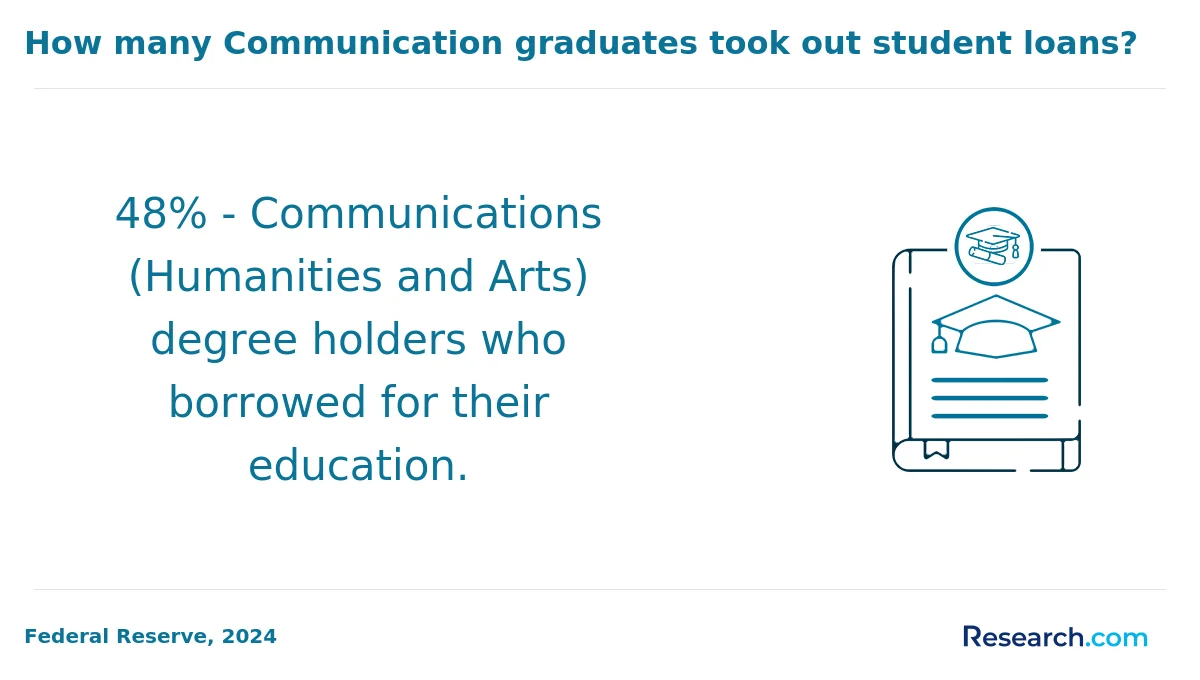
Many online communication students in the Midwest find that federal aid forms the backbone of their financial support, often starting with the FAFSA application. Graduates from renowned institutions like the University of Illinois Urbana-Champaign recall how securing a Direct Unsubsidized Loan made balancing work and study manageable, especially with interest rates hovering around 7%. It's common for these students to combine federal loans with state programs-such as Illinois' Monetary Award Program (MAP) or Michigan's Tuition Grant-to bridge the gap between tuition and personal funds.
Institutional scholarships at universities like Ohio State University also brighten the financial landscape. A graduate once shared how a 20% tuition discount for online learners lifted a significant burden, making advanced education feel within reach rather than a distant dream. For many juggling jobs, employer tuition reimbursement programs become indispensable support, turning professional ambitions into achievable goals.
Moreover, scholarships from professional groups like the National Communication Association stir hope, rewarding dedication with tangible financial relief. These aid sources knit together a complex but hopeful safety net for Midwestern communication students.
What are the prerequisites for enrolling in online communication degree program in the Midwest?
Meeting the prerequisites for an online communication degree in the Midwest often means more than just holding a bachelor's degree. Graduates from well-regarded schools like the University of Illinois Urbana-Champaign or DePaul University reflect on how their solid academic foundation, typically with a GPA around 3.0, shaped their success. It's not uncommon for programs to prefer communication-related backgrounds, yet many accept diverse degrees if you demonstrate strong critical thinking and writing skills.
Standardized tests such as the GRE have lost some of their grip, with many schools adopting test-optional policies, easing pressure while retaining rigor. Imagine a graduate from a Midwest urban university feeling relieved when the GRE was waived, enabling focus on building a compelling personal statement instead.
Technical readiness is crucial; students often recall setting up their first virtual presentations using platforms like Blackboard, realizing that practical digital skills complement academic ability. This blend of preparation reflects both challenge and opportunity, fostering confidence as students enter dynamic communication fields.
What courses are typically in online communication degree programs in the Midwest?
Online communication degrees in the Midwest commonly include courses that challenge students to rethink how communication functions in our interconnected world. Graduates from respected institutions report that foundational classes like Interpersonal Communication push them to analyze everyday exchanges-not just in theory, but by dissecting real conversations with family, colleagues, and peers. This makes the learning deeply personal and applicable.
Courses such as Organizational Communication expose students to the evolving dynamics within corporations and nonprofits, highlighting how messaging shapes workplace culture. Many who studied at prominent Midwest colleges found this eye-opening when navigating their own internships or jobs, realizing communication is the underpinning of successful leadership.
Media Writing and Reporting classes immerse students in producing content across digital platforms, mimicking fast-paced newsroom environments common in media hubs like Chicago. Meanwhile, Communication Research Methods encourage practical use of data to decode audience behavior-skills graduates say transformed how they approach campaign strategies or public relations challenges.
Programs also emphasize Public Relations and Strategic Communication alongside Digital and Social Media Communication, reflecting the shift toward managing brand narratives in online communities. For many Midwestern students juggling work and study, these courses offer hope and excitement as they prepare for real-world roles where storytelling influences industries from healthcare to manufacturing.
What types of specializations are available in online communication degree programs in the Midwest?
Online communication degree specializations Midwest programs often offer extend beyond traditional media studies, reflecting a strategic alignment with regional industry needs and student aspirations. Graduates from well-known institutions like the University of Missouri or Michigan State University frequently share how corporate communication tracks prepared them for crisis management in real-world businesses, while public relations and strategic communication concentrations opened doors to dynamic careers in agencies and nonprofits. These stories prove the transformative power of tailored curriculum focused on genuine workplace challenges.
Some programs delve into health communication, responding to the Midwest's robust healthcare sector by training students to craft messages that resonate in medical and public health settings. Others adapt to the digital age, emphasizing digital and social media communication to meet the rising demand for experts in content creation and social engagement analytics. These specializations encourage students to envision themselves as pivotal influencers in shaping narratives.
Those exploring a Midwest master's in communication concentration options often appreciate intercultural and global communication for its emphasis on diverse communities and international business-a reflection of the region's evolving cultural landscape. Pursuing such tracks can spark not just knowledge but passion and confidence in students determined to thrive in varied communication environments. For anyone considering a career in communications, these options invite deeper reflection on where your strengths and interests can intersect meaningfully with opportunity.
How do you choose the best online communication degree in the Midwest?
Choosing the best online communication degree in the Midwest is less about following trends and more about aligning the program with your true professional ambitions. Graduates from renowned universities in the region often emphasize how understanding the exact specialization-be it corporate communication, media studies, or public relations-transformed their approach. Instead of chasing the brand name alone, reflect on how the program's curriculum mirrors your vision for future success.
Affordability matters but should be weighed alongside accreditation and flexibility. Many affordable online communication programs Midwest offer asynchronous schedules, making it possible to balance work and study-a feature praised by graduates juggling family and jobs. Practical experience through internships or projects tied to Midwest media markets can make all the difference when you enter Chicago's or Minneapolis's job scene.
Remember, connection matters deeply in communication fields. Institutions with strong alumni networks in the Midwest media and corporate sectors enhance opportunities. Some graduates found surprisingly valuable mentorship through programs linked directly to a degree for public relations, which opened doors locally and nationally.
What career paths are available for online communication degree students in the Midwest?
Graduates with an online communication degree in the Midwest often discover career opportunities that defy simple categorization. For instance, those from well-regarded universities like the University of Illinois or Ohio State frequently transition into roles such as public relations specialists or social media managers, where their strategic messaging skills shine. These careers reflect the dynamic industries found in the region, from healthcare to manufacturing, demanding candidates who can tailor messages to diverse audiences. This challenges the notion that communication is a one-dimensional field, revealing instead a multifaceted career landscape.
Many graduates find themselves drawn to the growing field of organizational communication within Midwestern educational and corporate sectors. Their daily work might involve enhancing employee engagement or designing internal campaigns that directly affect company culture. Such roles exemplify how an online communication degree career opportunities Midwest allow professionals to influence real-world environments profoundly and positively.
Moreover, the rise of digital storytelling has opened doors for media specialists and journalists, especially around hubs like Chicago and Minneapolis. This makes the communication degree jobs in Midwest uniquely positioned to adapt to evolving media landscapes. For those curious about further specialization, exploring careers with a master's degree in public relations can provide insightful guidance on advancing within this vibrant field.
What is the job market for online communication degree in the Midwest?
The job market for online communication degree holders in the Midwest reveals promising opportunities that often defy traditional expectations. Graduates from well-known institutions such as the University of Illinois or Ohio State University frequently share how their skills directly translated into career growth within urban hubs like Chicago or Minneapolis. These cities are hotspots where industries actively seek communication experts, especially in healthcare, corporate, and government sectors, highlighting the Midwest career opportunities for communication graduates.
Many find that the practical communication competencies gained online position them uniquely to enter roles centered on managing public health campaigns or digital marketing initiatives. The experience of these graduates challenges the notion that online degrees might limit career mobility, with numerous success stories emerging from colleges known for balancing rigorous academics with flexible learning.
With starting salaries between $45,000 and $55,000 and the chance to grow into leadership roles, graduates see their investment in education pay off. For those looking to deepen their expertise, exploring the best public relations graduate program online can open even more doors.
Frequently Asked Questions About communication
Students pursuing online communication degrees in the Midwest can enhance their learning by actively engaging with university resources. Many Midwestern institutions offer virtual libraries and research databases, such as those provided by the Association of Midwestern Universities, which are crucial for comprehensive study.
Networking with peers and faculty via discussion boards and video conferences helps simulate traditional classroom interaction, fostering deeper understanding. According to the National Communication Association, communication graduates with strong virtual collaboration skills report better job placement outcomes.
Additionally, Midwest students should seek internships or part-time roles in regional media outlets or public relations firms to gain practical experience alongside their coursework, increasing marketability after graduation.
The communication field is evolving rapidly, presenting new and specialized career paths for graduates. In the Midwest, emerging niches include digital content strategy, data-driven communication, and corporate social responsibility messaging. These areas respond to the increased demand for professionals skilled in managing online platforms and interpreting audience analytics.
According to the National Communication Association, digital communication roles are growing by over 10% annually, particularly in Chicago and Minneapolis metropolitan areas. Additionally, healthcare communication is a rising focus due to the region's strong medical industry.
Students pursuing online communication degrees in the Midwest can expect to engage with these dynamic, future-oriented specialties.
Preparing for the job market after earning an online communication degree in the Midwest involves practical experience and networking. Students should seek internships or entry-level roles during their studies to build a professional portfolio. According to the Bureau of Labor Statistics, communication-related fields in the Midwest grew by around 6% from 2021 to 2023, highlighting rising opportunities.
Graduates are encouraged to join regional communication associations like the Central States Communication Association to connect with industry professionals. Developing skills in digital media, public relations, and corporate communication is crucial, as these areas see the most demand locally.
Finally, Midwest employers value graduates who demonstrate adaptability and technological proficiency alongside strong writing and interpersonal skills.
Employers in the Midwest highly value communication degree graduates who demonstrate strong interpersonal and digital communication skills. According to the National Association of Colleges and Employers, 85% of regional employers prioritize candidates with effective verbal and written communication abilities. Proficiency in social media management and data analytics is increasingly important due to the rise of digital marketing roles in key Midwest industries like manufacturing and healthcare.
Critical thinking and problem-solving skills are also essential, enabling graduates to adapt messages strategically across diverse platforms. Additionally, teamwork and collaboration are frequently highlighted by employers from Midwest cities such as Chicago and Minneapolis, where cross-functional communication drives organizational success.
Finding internships in the Midwest for communication degree students involves leveraging local resources and industry connections. Universities often have dedicated career centers that list internship opportunities specifically for communication fields. According to the National Association of Colleges and Employers (NACE), about 62% of internships convert into job offers, making them valuable for career advancement.
Students should also explore regional companies in media, marketing, and public relations, especially in urban hubs like Chicago, Minneapolis, and Indianapolis. State workforce agencies and professional associations such as the Public Relations Society of America (PRSA) Midwest chapter provide targeted internship listings.
Networking through LinkedIn and attending university-hosted virtual career fairs can increase chances of securing relevant internships. Internships in the Midwest often offer hands-on experience with local brands and nonprofits, boosting practical skills aligned with communication degrees.
An online communication degree can significantly enhance career mobility and advancement opportunities in the Midwest. Many industries in this region, such as marketing, healthcare, and public relations, increasingly value strong communication skills combined with digital proficiency. According to the U.S. Bureau of Labor Statistics, communication-related roles in the Midwest are expected to grow by approximately 8% through 2031, signaling rising demand.
Graduates with an online communication degree often qualify for higher-paying positions and leadership roles. Employers cite skills in digital media, strategic messaging, and interpersonal communication as key factors for promotion. Further, flexible online programs allow working professionals to gain credentials without interrupting their careers, supporting continuous advancement.
Studying for a communication degree in the Midwest offers a strong foundation for interdisciplinary careers by combining theoretical knowledge with practical skills. Many universities integrate communication studies with fields like business, technology, and health sciences, reflecting regional economic strengths. For example, communication programs often include coursework in digital media, organizational communication, and public relations, preparing students for diverse roles.
The Midwest's emphasis on collaboration across departments helps students develop versatile skill sets. According to the National Communication Association, Midwest institutions rank highly for cross-disciplinary research and applied learning opportunities, enhancing career readiness in areas such as marketing, healthcare communication, and information technology.
This holistic approach equips graduates to adapt in rapidly evolving professional environments, positioning them well for roles that require expertise in multiple fields.
Choosing between a thesis and a non-thesis online communication degree in the Midwest depends primarily on your career goals and learning preferences. Thesis programs typically emphasize research, requiring a significant project that contributes original knowledge to the field. They suit students considering doctoral studies or research-oriented careers. Non-thesis tracks focus more on practical skills and coursework, ideal for professionals aiming to advance in corporate, media, or public relations roles.
Midwestern universities often offer both options, with tuition varying accordingly. According to the National Center for Education Statistics, about 40% of communication master's students in the region choose thesis paths, reflecting strong research interests. Consider your time commitment, as thesis programs usually extend study duration due to research demands.
Students in the Midwest interested in studying communication abroad through online degrees have several noteworthy options. Many universities in the region offer online communication programs with international study components or partnerships. These programs often include virtual exchange opportunities or short-term study abroad residencies aligned with global communication trends.
While fully online degrees typically focus on domestic delivery, some institutions facilitate semester-long exchanges or research projects abroad that complement online coursework. According to data from the Midwestern Association of Colleges and Schools, nearly 40% of accredited communications programs in the Midwest have established relationships with overseas institutions.
Such collaborations enable students to gain international perspectives without relocating permanently, an important advantage for working professionals. Students should carefully review course offerings and partnership specifics to maximize their global learning experience.
Part-time job opportunities in the Midwest that complement online communication degrees often include roles in public relations, social media management, and content creation. These positions allow students to develop practical skills in audience engagement and message crafting. According to the U.S. Bureau of Labor Statistics, communication-related jobs in the Midwest are expected to grow by about 9% through 2031, reflecting steady demand.
Internships or part-time roles in local media outlets, marketing firms, and nonprofit organizations provide hands-on experience and networking chances. Additionally, freelance writing or digital marketing gigs can enhance understanding of strategic communication in real-world settings. These options align well with coursework and long-term career goals.
Online communication students in the Midwest have access to diverse networking opportunities that enhance their academic and professional growth. Many universities partner with local industries such as media, public relations, and corporate communications, providing students with virtual internships and project collaborations. According to the National Communication Association, Midwest institutions emphasize community engagement, helping students connect with regional communication professionals through webinars and online conferences.
Professional organizations, like the Midwest Communication Association, also offer online forums and annual meetings specifically designed for communication students and professionals. These platforms foster mentorship and knowledge exchange, broadening career prospects.
Alumni networks play a crucial role in supporting online communication degree students in the Midwest. These networks connect current students with graduates who have experience in the regional job market, particularly in key cities like Chicago, Minneapolis, and Indianapolis. According to the National Communication Association, over 70% of communication professionals in the Midwest use connections from their alma maters to discover job opportunities or internships.
Additionally, alumni often provide mentorship, industry insights, and recommendations, which can be especially valuable for online students seeking remote or hybrid roles in digital media and corporate communications. Universities in the Midwest typically offer dedicated platforms and networking events that help online students build these professional relationships efficiently.
Students pursuing an online communication degree in the Midwest can tailor their programs through elective courses, concentrations, or certificates aligned with their career goals. Many Midwestern universities offer specializations such as digital media, health communication, or public relations to meet industry demands. According to the National Communication Association, approximately 42% of communication students opt for programs combining theory with practical skills, enhancing job readiness.
Advisors typically assist students in selecting courses that develop skills for roles in corporate communication, marketing, or nonprofit sectors. Flexible scheduling and internship opportunities allow learners to gain relevant experience while studying remotely.
Online communication students in the Midwest often face challenges related to balancing work, family, and studies. According to the National Center for Education Statistics, many students in this region are part-time learners juggling multiple responsibilities. Limited access to reliable high-speed internet in rural areas also impacts the online learning experience, as reported by the Federal Communications Commission in 2023.
Additionally, some students find it difficult to engage actively in virtual discussions and networking, which are vital for communication skills development. Time zone differences within the large geographic area of the Midwest can complicate real-time collaboration with peers and instructors. Lastly, navigating the variety of online platforms used by different universities adds a layer of complexity for many.
With an online communication degree, professionals in the Midwest can pursue several valuable certifications to enhance their careers. Among the most recognized is the Accredited Business Communicator (ABC) credential offered by the Business Marketing Association. This certification demonstrates expertise in strategic communication and business writing.
The Professional Certified Marketer (PCM) in Digital Marketing from the American Marketing Association is also relevant, especially for graduates focused on digital communication roles. The demand for digital communication skills is strong in Midwest industries such as manufacturing and healthcare, according to the U.S. Bureau of Labor Statistics (2023).
Additionally, the Certified Communication Professional (CCP) credential, available through the Global Communication Certification Council, validates broad communication competencies. Pursuing these certifications can improve job prospects and salary potential in the region's competitive communication market.
Writing a winning application for an online communication program in the Midwest begins by carefully researching each school's specific requirements, as most universities prioritize a clear demonstration of your goals and fit for the program. Midwest institutions often expect a compelling personal statement that connects your background with career aspirations in communication fields such as corporate communication or media relations. According to the National Communication Association, communication roles in the Midwest are growing 10% faster than the national average, highlighting a competitive job market.
Strong recommendations focusing on your communication skills and relevant experience are essential. Highlight any practical work, internships, or projects, as Midwestern programs value applied knowledge. Finally, ensure your application is error-free and tailored to the school's mission, emphasizing your commitment to succeeding in an online learning environment.
Global perspectives on communication careers highlight growing demand driven by technology and cultural exchange. In the Midwest, where industries like manufacturing, healthcare, and agriculture are prominent, communication professionals support these sectors by managing internal and external messaging effectively. According to the Bureau of Labor Statistics, employment in communication-related fields is expected to grow by 10% nationally through 2032, roughly aligning with Midwest trends.
Effective communication skills are critical worldwide, emphasizing cross-cultural competence and digital literacy. Many U.S. employers in the Midwest seek graduates who can navigate global markets and diverse audiences.
Universities in the region increasingly offer online degrees tailored to these global demands, preparing students for careers in public relations, media, or corporate communication.
Gaining practical experience while studying for an online communication degree in the Midwest is essential for career readiness. Many Midwestern universities offer virtual internships, allowing students to work with local media outlets, nonprofits, or businesses remotely. According to the National Association of Colleges and Employers, internships increase employability by 20% in communication fields.
Students can also participate in online student media projects, including digital newsletters and podcasts, to build portfolios. Additionally, Midwestern schools often collaborate with regional companies in Chicago, Minneapolis, and Columbus to provide online practicum opportunities that reflect real-world scenarios.
Networking through professional organizations like the Midwest Communication Association can further enhance practical learning.
Choosing the right concentration within an online communication degree in the Midwest involves assessing your career goals and local industry trends. Popular concentrations include public relations, digital media, and health communication, reflecting regional job markets like Chicago's media sector and Minneapolis's healthcare industry. The U.S. Bureau of Labor Statistics projects a 9% growth in communication-related roles through 2031, with the Midwest contributing significantly.
Research Midwest universities' curricula to find programs offering practical skills aligned with employers' needs. Consider concentrations offering internships or partnerships with local businesses, as hands-on experience improves job prospects. Reviewing employment rates by concentration can provide valuable insights before deciding.
Top Trending Communication Rankings
References
- Communication MiTransfer https://midmich.edu/degrees-programs/programs/com/
- Master's in Communication Salaries by Career and Position (2025 Update) https://www.mastersincommunications.com/faqs/masters-in-communication-salary
- Know more about thesis vs non- thesis: what is the difference? https://studyfans.com/en/blogs/816
- How Long is an Online Master’s in Communication Program? https://www.onlineeducation.com/communication/faqs/how-long-to-earn-a-communications-masters-degree-online
- What do you study in communication studies? - INSEEC https://www.inseec.com/en/guides/orientation-guide/what-do-you-study-in-communication-studies/
- CONCENTRATIONS IN COMMUNICATION https://www.villanova.edu/university/liberal-arts-sciences/programs/communication/undergraduate-program/major/specializations.html
- What You Can Do with a Communications Degree https://www.cune.edu/news/what-you-can-do-communications-degree
- Why You Should Start Networking as a Student – and How to Do It https://amplifyme.com/blog/why-you-should-start-networking-as-a-student
- What you need to know about niche communications | BlueSky Education https://www.blueskyeducationpr.com/blog/business-education/niche-communications
- How job seekers can use their college & alumni networks - Journalism Institute https://www.pressclubinstitute.org/how-job-seekers-can-use-their-college-alumni-networks/