2027 Most Affordable Online Bachelor's in Communication Degree Programs Ranking in the West

Co-Founder and Chief Data Scientist
Choosing the right online communication degree can feel overwhelming, especially with so many options available. This article presents the 2027 Most Affordable Online Bachelor's in Communication Degree Programs Ranking in the West, crafted by the Research.com team of data scientists to guide you in making an informed decision.
Discover programs that balance quality and affordability, designed to fit your lifestyle and career goals. Earning a communication degree opens doors to meaningful opportunities and personal growth. Dive in and explore the best pathways to advance your future with confidence.
Key benefits of getting online communication degree in the West
- The salary for communication degree graduates varies, but many find rewarding careers in media, public relations, and marketing, often earning competitive wages that reflect their skills in storytelling and persuasion.
- Graduates from popular Western universities, such as the University of California, enjoy diverse career paths including corporate communications, social media management, and content creation, offering dynamic and creative work environments.
- Online communication degrees provide flexible schedules and the ability to learn at your own pace, which many graduates from institutions like Arizona State University find ideal for balancing work, life, and study while gaining valuable skills.
- Key benefits of getting online communication degree in the West
- What can I expect from online communication degree in the West?
- Where can I work with online communication degree in the West?
- How much can I make with online communication degree in the West?
- 2027 Most Affordable Online Bachelor's in Communication Degree Programs Ranking in the West
- Key Findings
- How long does it take to complete online communication degree in the West?
- What's the difference between online and on-campus communication degree?
- What is the average cost of online communication degree in the West?
- What financial aid is available to online communication degree students in the West?
- What are the prerequisites for enrolling in online communication degree program in the West?
- What courses are typically in online communication degree programs in the West?
- What types of specializations are available in online communication degree programs in the West?
- How do you choose the best online communication degree in the West?
- What career paths are available for online communication degree students in the West?
- What is the job market for online communication degree in the West?
- Top Trending Communication Rankings
What can I expect from online communication degree in the West?
Imagine a recent graduate from the University of Washington logging into a virtual class from their cozy Seattle apartment, feeling the thrill of affordability mixed with top-notch education. The average cost of an online communication degree in the West hovers around a sweet spot, often 30% less than traditional campus fees, thanks to in-state tuition perks and digital delivery savings.
At California State University, students often describe the tuition as a financial breeze compared to other regions, making that leap into media mastery feel less daunting. These programs thrive on balancing quality with cost, ensuring you don't have to empty your wallet to tap into skills like digital storytelling, public relations, and social media analytics.
Picture navigating coursework while sipping coffee, knowing your investment supports both contemporary digital tools and real-world internships. The budget-friendly nature combined with rich, hands-on virtual experiences gives many West Coast grads a confident step toward dynamic communication careers without the burden of hefty debt.
Where can I work with online communication degree in the West?
Graduates from communication programs in vibrant hubs like the University of Washington or UCLA often find themselves shaping narratives at tech firms in Seattle or media agencies in Los Angeles, where storytelling meets innovation. One alum recalls crafting viral social campaigns that elevated local nonprofits, blending creativity with purpose. Picture working as a public relations specialist in California, where over 25,000 pros manage brand reputations with an average salary of $75,000-your voice becomes a company's megaphone in a bustling digital marketplace.
Others dive into social media management, riding the wave of a 12% job surge in California's urban tech scenes. Imagine strategizing viral content from a cozy San Francisco apartment, transforming clicks into community. Corporate communications roles also beckon, with salaries between $60,000 and $90,000, offering graduates the chance to boost morale at major firms or craft compelling internal messages.
From multimedia journalism in Portland's local newsrooms to dynamic roles in government agencies championing public outreach, communication grads in the West harness their skills to spark connection, influence, and change.
How much can I make with online communication degree in the West?
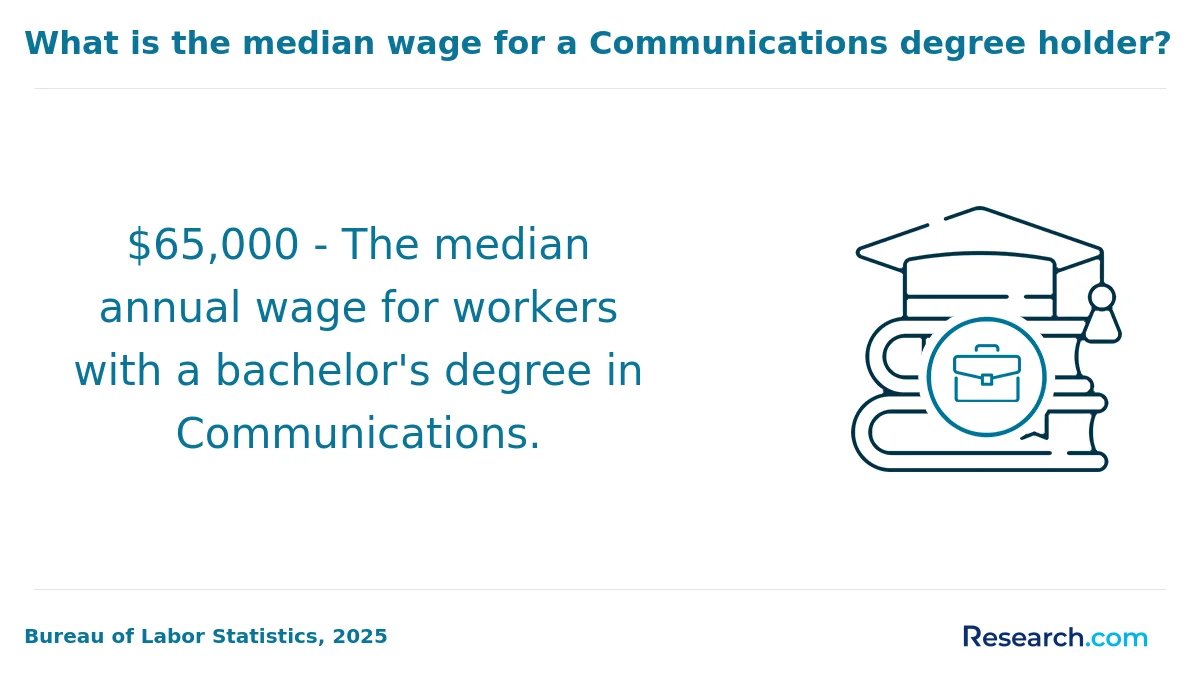
Graduates with online communication degrees from Western powerhouses like the University of Southern California or the University of Washington often find themselves stepping into a landscape rich with opportunity and dollars. Across California, Washington, and Oregon, entry to mid-level roles tend to open doors with salaries generally ranging from $66,000 up to $75,000 annually-numbers that make your degree feel like a golden ticket rather than just a piece of paper.
Imagine landing a job as a communications coordinator in Seattle or a digital marketing role in San Francisco. These cities aren't just tech and media hotspots; they splash extra bonuses and freelance gigs into your paycheck. Some grads report nudging close to $80,000, especially when their expertise dives into trendy niches like social media management or crisis communications.
What fuels this momentum? It's the vibrant ecosystem of tech firms, entertainment studios, and startups hungry for savvy communicators. Graduates here don't just earn a living-they build careers that evolve, fueled by creativity and connections cultivated at esteemed Western institutions.
2027 Most Affordable Online Bachelor's in Communication Degree Programs Ranking in the West
How do we rank schools?
Investing in your education is a significant decision that can shape your future, and the Research.com team understands the importance of making informed choices. To assist prospective students in the western United States, we have meticulously crafted the "2027 Most Affordable Online Bachelor's in Communication Degree Programs Ranking in the West." Our commitment to quality, credibility, and accuracy is reflected in the extensive research and analysis conducted to compile this ranking.
We utilized the following reputable data sources to ensure a comprehensive evaluation of communication degree programs:
By exploring this ranking, readers will gain valuable insights into affordable and quality online communication degree options in the West, enabling them to make well-informed educational decisions. For more details on our methodology, please visit our Research.com methodology page.


# 3 position
Colorado Christian University
Bachelor of Communication Studies




# 10 position
University of Massachusetts Global
Bachelor of Communications and Media

Key Findings
- Online communication degrees typically take four years to complete and are offered fully online or as hybrid programs by accredited universities.
- In-state tuition at public universities in the Western US ranges from $6,000 to $12,000 per year, while out-of-state students may pay up to $20,000 or more annually.
- Private universities charge between $15,000 and $30,000 annually for online communication programs.
- Graduates in the West start with an average salary between $40,000 and $50,000, increasing to $70,000 to $85,000 with five to ten years of experience.
- Job opportunities include social media management, content creation, public affairs, and corporate communications, with steady growth expected in these fields.
- Programs often focus on practical skills like digital media literacy, writing, and strategic communication, and provide internships and networking to help with job placement.
How long does it take to complete online communication degree in the West?
Four years-this is the rhythm most online communication students in the West find themselves dancing to. Imagine a full-time learner weaving through 15 credit hours each semester at a place like the University of Washington or Arizona State University, steadily painting their degree canvas over eight semesters. Graduates often recall that steady pulse, a mix of challenge and exhilaration, that marked their journey.
But life isn't always a straight line. Some students, juggling jobs or family, glide through part-time paths, stretching their studies into five or six years without losing momentum. Others tap into community college credits-say from California's vibrant local systems-to leapfrog ahead, slicing months or even years off the finish line.
Then there are the sprinters who seize accelerated programs: enrolling in summer terms or stacking extra classes, finishing in two or three years and feeling the thrill of early achievement. This flexibility, abundant across Western institutions, turns traditional degree timelines into personalized adventures tailored to each student's pace and ambition.
What's the difference between online and on-campus communication degree?
Imagine standing in a bustling campus media lab at the University of Washington, surrounded by peers crafting podcasts and debating communication theories face-to-face. That's the heartbeat of an on-campus communication degree-vibrant, direct interaction where spontaneous conversations and group projects spark brilliance. Graduates often reminisce about late-night study sessions fueled by shared energy and instant feedback from professors who notice every question and nuance.
Now, envision a graduate from Arizona State University weaving their coursework around a full-time job, logging into lectures at midnight after the kids are asleep. The online degree molds itself around life rather than the other way around, with flexibility ruling the day. While the asynchronous pace demands discipline, it gifts students freedom to learn in bursts of inspiration, whether lounging in a coffee shop or commuting through desert sunsets.
On-campus energy charges creativity through proximity, while online programs cultivate independence and resilience-both carry the same academic weight but color the Western communication experience with unique shades of possibility.
What is the average cost of online communication degree in the West?
The average cost of an online communication degree in the West often lands near $62,760, a figure that many graduates from popular universities like those in California or Washington recall as an investment with rewarding returns. Imagine a student balancing work and study; for an in-state resident at a well-known public university, the tuition can dip closer to $46,668, making affordable online communication bachelor's programs Western US a practical reality. Out-of-state learners might face a steeper climb towards $99,691, but stories from these students often highlight the value of long-term connections and brand recognition from their institutions.
Graduates frequently share how additional fees-technology, materials, and administration-blend into the tapestry of costs yet are manageable pieces of a larger puzzle. Many express relief upon discovering that scholarships and financial aid soften the financial edges, especially when federal grants or institutional help come into play. One alum recalled her joy when the extended aid package helped her sail through the final semesters without financial worry, emphasizing the difference it made in her educational journey.
Visualize diving deep into the curriculum, just like an eager student at a top Western school engrossed in their communication major class requirements. The average cost here is more than a number; it represents the doorway to mastering storytelling, media literacy, and public relations. This tangible investment anchors the dream of turning passion into profession while keeping the average cost of online communication degree in the West realistic and relatable.
What financial aid is available to online communication degree students in the West?
Imagine a graduate from a well-known West Coast university, feeling the weight of tuition that can soar above $30,000 annually. Yet, this student navigates relief through federal Pell Grants, scooping up to $7,895 to slice into those costs like a beacon of hope. Meanwhile, peers at public universities in California or Oregon tap into state grants crafted specifically to ease online learners' financial journeys, transforming daunting bills into manageable investments.
Others recount tales of merit-based scholarships gifted for leadership or academic grit-awards that recognize more than just grades, but the spark of passion in communication fields. National communication organizations also sprinkle aid, providing unexpected lifelines like threads weaving a safety net.
Federal student loans often arrive with friendlier terms, cushioning the leap toward career dreams, while private loans lurk as last-ditch options with steeper strings attached. Those embracing these aid forms often share a common refrain: it's not just about money, but the empowerment to broadcast their voice to the world.
What are the prerequisites for enrolling in online communication degree program in the West?
To step into the world of online communication degrees in the West, you'll need more than just good intentions. Picture a recent graduate from a major public university in California who launched their media career armed with a solid high school diploma and a GPA hovering around 3.0-this academic baseline opens the gateway. While some institutions may cherish SAT or ACT scores, many Western schools embrace test-optional policies, giving you the freedom to showcase your voice without being boxed in by standardized exams.
Imagine a student juggling remote study from a mountain town in Oregon; proof of English proficiency via TOEFL helps them connect fully in lively virtual discussions, making every Zoom session feel like a real conversation over coffee.
Beyond grades and tests, admissions often yearn for a spark-a personal essay or recommendation letters that paint you as a motivated thinker ready to dive into communication's dynamic landscape at beloved Western colleges.
Don't forget the tech essentials: a reliable internet connection and a device geared for crisp video chats are your virtual handshake, bridging gaps across states and time zones with ease.
- High school diploma or equivalent credential
- Minimum GPA (usually 2.5-3.0)
- Test scores (optional in many cases)
- Proof of English proficiency for non-native speakers
- Personal statement or essay
- Letters of recommendation (sometimes required)
- Technical requirements such as internet access and a suitable device
What courses are typically in online communication degree programs in the West?
Online communication degrees in the Western United States unfold like a rich tapestry of human connection and digital innovation. Imagine a graduate from a major West Coast university mastering Interpersonal and Group Communication, transforming family dinners into meaningful dialogue and leading virtual team meetings with newfound confidence. They dive into Public Speaking and Presentation Skills, conquering Zoom calls as if they were TED Talks, captivating audiences with poise.
Courses like Media Writing and Journalism sharpen storytelling, turning everyday observations into compelling news pieces or viral social content, just like a recent graduate from a prominent California public university who now crafts engaging stories for top digital outlets. Meanwhile, Digital Media and Social Networking sparks creativity, teaching students from Washington schools to harness social platforms for authentic engagement in a digital-first world.
- Organizational Communication prepares them to navigate corporate cultures, decoding office politics and messaging with finesse.
- Communication Research Methods arms students across the West with tools to analyze trends, empowering data-driven decisions in real campaigns.
- Strategic courses like Public Relations and Strategic Communication become their playbook for shaping public perception, vital in today's fast-paced media landscape.
- Intercultural Communication
What types of specializations are available in online communication degree programs in the West?
Online communication degrees in the West unlock specializations that feel like keys to thriving digital and corporate realms. Picture graduates from top Western colleges who dive into Digital Media, mastering social media buzz and creative storytelling-skills that fuel careers managing viral campaigns or building brands from the ground up. Others find their calling in Public Relations, where crisis communication and brand management become daily victories, reflecting the real-world hustle of industries spending billions on PR.
For the organizationally obsessed, Organizational Communication offers a backstage pass to leadership strategies and change-making conversations within companies, a go-to specialization for those who want to shape corporate culture. Western programs also embrace the pulse of news through Broadcast and Electronic Media, training graduates to navigate fast-paced reporting and digital storytelling in vibrant media landscapes.
Health-conscious students gravitate toward Health Communication, translating complex medical info into clear, compassionate outreach, meeting the demands of a sector that represents nearly 12% of the U.S. GDP. These affordable online communication degree specializations in the West open doors to tailored futures, supported by research highlighting media communication salary prospects for those ready to leap in.
How do you choose the best online communication degree in the West?
Choosing an online communication degree in the West feels like tuning into the perfect wavelength of your future. Graduates from California State University or the University of Washington often share how a program's accreditation by WASC gave them confidence in their investment. Imagine diving into courses that mirror your passion-whether it's digital marketing buzz or strategic storytelling-while juggling a full-time job with the flexible schedules offered. Many celebrate the thrill of internships embedded in these programs, transforming theory into real-world savvy, a crucial edge for landing roles in thriving industries.
Costs in West Coast universities can be as inviting as a Pacific breeze, especially with in-state tuition discounts that lift financial weight. When you search for affordable online communication degrees West of the Rockies, consider those that back up their curriculum with strong student supports and glowing graduate outcomes. If you want to deepen your skills further, exploring opportunities linked to a public relations degree could sharpen your voice in a competitive arena.
What career paths are available for online communication degree students in the West?
Imagine graduating from a renowned West Coast university with an online communication degree and stepping into a kaleidoscope of career possibilities. Graduates from places like the University of Southern California or the University of Washington often find themselves crafting compelling narratives as Public Relations Specialists, shaping company images that ripple across California's bustling media markets. Others dive into the fast-paced realm of social media management, where managing vibrant digital campaigns in Seattle's tech hubs becomes second nature-these are tangible examples of online communication degree jobs in the West.
Marketing Coordinators busy themselves weaving strategies that sway consumers, while digital journalists and content creators pulse with creativity, producing engaging stories that echo through the Pacific's digital waves. Corporate Communications Managers orchestrate internal symphonies of clear, motivating dialogue within major West Coast firms, transforming workplaces into vibrant ecosystems.
With digital marketing roles on the rise, graduates feel the electric thrill of potential as they build careers fortified by skills sharpened online. For those curious about advancing further, a glance at the online masters in public relations degree salary reveals promising opportunities waiting beyond the horizon, shining bright for communication graduates West Coast wide.
What is the job market for online communication degree in the West?
The job market for online communication graduates in the West buzzes like a cityscape at dawn-alive, expanding, and full of promise. Graduates from popular communication programs at universities in California and Washington often find themselves stepping directly into roles at marketing agencies or tech firms where storytelling becomes a tool for innovation. This fertile ground offers more than just jobs; it creates vibrant career arcs where digital savvy and creativity are currency.
Employment outlook for communication degree holders western states is notably bright, especially in metropolitan hubs such as Los Angeles or Seattle, where media, advertising, and corporate communications collide. Public relations careers flourish here, often launching with competitive salaries that rise as professionals master social media strategies and multimedia content.
Graduates recount how internships at bustling PR firms or nonprofit organizations helped them build real-world skills that employers crave. Online learners from institutions like the University of Southern California or the University of Washington often leverage their connections to step into these roles confidently, buoyed by the region's growing need for expert communicators.
For those hungry to advance even further, exploring programs such as an online masters degree in pr opens new doors to leadership roles in this energetic landscape.
Frequently Asked Questions About communication
Students pursuing online communication degrees in the Western United States can enhance their educational experience by actively engaging with course materials and faculty. Universities in this region often offer interactive platforms designed to foster collaboration and real-time discussion, which can mimic in-person learning benefits. According to the National Center for Education Statistics, approximately 35% of communication students in the West enroll in programs with synchronous sessions, boosting engagement and comprehension.
Building a consistent study routine and leveraging available digital resources, such as video lectures and communication labs, are crucial steps. Networking with peers via social media groups or virtual forums also enriches learning by providing diverse perspectives on media and public relations.
Finally, students should utilize internship opportunities often facilitated by West Coast institutions, as practical experience complements theoretical knowledge and prepares graduates for the competitive communications job market.
The field of communication is rapidly evolving, with several emerging niches gaining prominence in the Western United States. One such area is digital and social media strategy, which focuses on managing online brand identities and engagement. According to the Bureau of Labor Statistics, jobs in social media management are projected to grow 10% through 2032, faster than average for all occupations.
Another growing niche is health communication, where professionals work to improve public health messaging and patient education. This is especially important in diverse communities across the West, where tailored communication can address health disparities.
Additionally, crisis communication and reputation management have become critical, reflecting the increased demand for experts who can guide organizations during emergencies or controversies.
After earning an online communication degree in the West, graduates should focus on building a strong professional network. According to the National Association of Colleges and Employers, 80% of jobs are secured through networking. Joining regional communication associations, such as the Western States Communication Association, can provide valuable contacts and job leads.
Internships remain crucial; about 61% of communication graduates find their first job through internship experience, per the Bureau of Labor Statistics. Graduates should seek remote or local internships to gain practical skills.
Developing a portfolio showcasing writing, media, and digital skills also enhances job prospects. Many employers in California and Washington emphasize digital literacy in job listings.
Continuing education, including certifications in social media or public relations, can further boost employability in the competitive Western job market.
Employers hiring communication degree graduates in the Western United States prioritize several key skills. Strong written and verbal communication remain fundamental, with 85% of employers seeking graduates who can clearly and effectively convey ideas, according to the National Association of Colleges and Employers (NACE) 2023 report.
Digital literacy, including social media management and multimedia content creation, is increasingly important due to the rise of online platforms in professional settings.
Critical thinking and problem-solving skills are also highly valued, enabling graduates to adapt messages strategically in diverse environments.
Additionally, teamwork and interpersonal skills are essential, as collaboration across departments is common in Western industries.
Finding internships relevant to a communication degree in the Western United States involves several strategic steps. Many universities in the West, such as those in California and Washington, offer career services that connect students with local media companies, PR firms, and nonprofit organizations. These internships often provide hands-on experience crucial for communication students.
Online job portals like Handshake and Internships.com list thousands of opportunities specifically for communication majors in the West. According to the National Association of Colleges and Employers (NACE), about 60% of communication students secure internships through university partnerships or alumni networks.
Networking events, virtual career fairs, and LinkedIn groups focused on communication fields can also boost chances. Students should target roles in digital marketing, corporate communication, or media production to gain relevant skills.
Obtaining an online communication degree in the Western United States significantly enhances career mobility and advancement opportunities. According to the National Center for Education Statistics, communication-related jobs in the West have grown by approximately 8% between 2019 and 2023. Graduates gain skills in digital media, public relations, and strategic communication, which are in high demand across various industries.
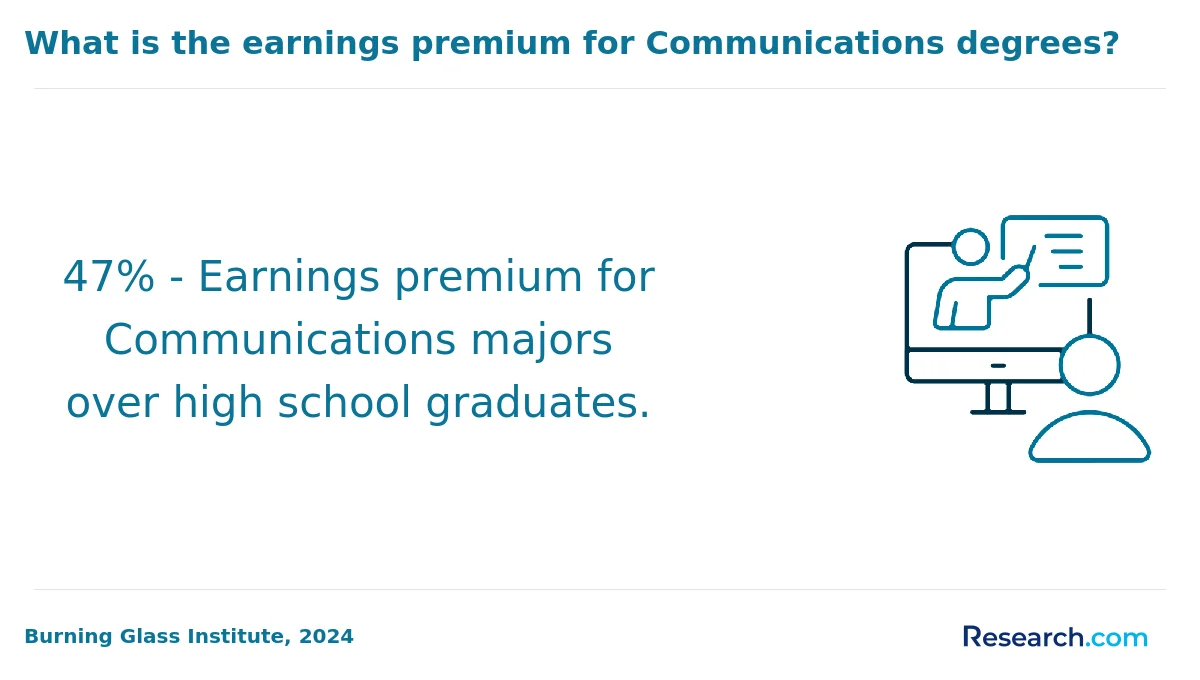
Employers value the flexibility and up-to-date knowledge that online programs offer, especially in tech-forward cities like Seattle and San Francisco. Additionally, the Western Workforce Development Council reports that communication professionals with bachelor's degrees earn salaries 15-20% higher than those with only a high school diploma.
Overall, an online communication degree provides essential credentials and practical experience, contributing to greater job security and accelerated promotion potential in the competitive Western job market.
Studying for a communication degree in the West equips students with versatile skills essential for interdisciplinary roles. Many Western universities emphasize integrating communication studies with fields like business, technology, and public health. This approach reflects a growing demand for professionals who can navigate diverse industries effectively.
Programs often include coursework in digital media, organizational communication, and cultural studies, aligning with industry needs. According to the National Center for Education Statistics, over 40% of communication graduates in the US work in sectors beyond traditional media, such as marketing and healthcare.
This broad skill set prepares graduates to collaborate across departments, making them valuable in complex, multidisciplinary environments common in the Western job market.
When choosing between a thesis and a non-thesis online communication degree program in the West, consider your career goals first. A thesis program typically suits students interested in research or academic careers, requiring them to complete an extensive research project. According to the Western Association of Schools and Colleges, thesis options often demand more time-sometimes an extra semester-but provide deeper expertise.
On the other hand, non-thesis programs emphasize practical skills and coursework, appealing to those aiming for immediate employment in media, public relations, or corporate communication roles. These programs often conclude faster and include internship opportunities.
Cost differences exist but vary widely; always check accreditation status and student support services to ensure quality education.
Students in the Western United States seeking online communication degrees have various options for studying abroad while completing their programs remotely. Many accredited U.S. universities offer fully online bachelor's degrees in communication, allowing students to engage with coursework internationally without relocating.
Some institutions also provide study-abroad opportunities integrated within their online programs, offering short-term residencies or virtual exchange projects with partner universities overseas. According to the National Center for Education Statistics, approximately 22% of U.S. college students participate in some form of study-abroad during their degree, often complementing online studies.
These options enable students to gain global communication skills essential in today's market while leveraging affordable, flexible online education in the West.
Part-time job opportunities in the Western US that complement communication degree education are diverse and practical. Many students work as social media coordinators or content creators, gaining real-world experience in digital communication. According to the Bureau of Labor Statistics, the demand for marketing and public relations assistants grew by 12% from 2020 to 2030, particularly in urban centers like Los Angeles and Seattle.
Other common roles include event coordinators and customer service representatives, which help build interpersonal and organizational skills essential to communication careers. Internships in media outlets or PR firms are often available part-time and provide invaluable hands-on learning.
Online communication students in the Western United States have access to numerous networking opportunities despite the virtual nature of their programs. Many accredited Western universities offer dedicated online forums, virtual career fairs, and alumni networks specifically for communication majors. According to the National Communication Association, about 65% of communication graduates find job leads through networking events hosted by their schools.
Regional industry events in cities like Los Angeles, San Francisco, and Seattle are also often accessible to students, providing valuable connections with media professionals and public relations experts. Additionally, LinkedIn groups centered on Western communication industries have grown by 20% in the last two years, enabling students to engage with professionals statewide.
These combined opportunities help bridge the gap between distance learning and real-world career development in the communication field.
Alumni networks play a vital role for students pursuing online communication degrees in the Western United States. These networks connect current students with graduates who often work in regional media, marketing, and public relations industries. Access to such networks can provide mentorship, internship opportunities, and job referrals, which are essential in the competitive communication field.
According to the National Communication Association, nearly 70% of communication graduates in the West find employment through personal contacts and alumni ties. Universities like California State and the University of Washington emphasize alumni engagement, helping build strong professional communities.
These connections also foster lifelong learning through workshops and events shared exclusively within alumni groups, enhancing career growth beyond graduation.
Online communication degree programs in the Western US often allow students to tailor their studies to match career aspirations. Many universities offer specializations such as digital media, public relations, or corporate communication. This flexibility supports skills development in areas most relevant to your desired job.
Students can choose electives that build expertise in emerging fields like social media strategy or multimedia production. According to the Western Interstate Commission for Higher Education, institutions in this region typically provide access to internships and capstone projects to enhance practical experience.
Advisors also help align coursework with industry demands, ensuring graduates meet employer expectations in communications roles.
Online communication students in the Western United States often face challenges related to technology access and digital literacy. According to the National Center for Education Statistics (NCES), about 15% of students report unreliable internet connections impacting their ability to participate in live discussions and access coursework. Many also struggle with time management, balancing studies with work or family obligations.
Another significant issue is the limited face-to-face interaction, which can affect the development of practical communication skills. Research from the Western Interstate Commission for Higher Education (WICHE) highlights that students frequently request more opportunities for real-time collaboration to build professional networks.
Finally, navigating remote learning platforms can be overwhelming without adequate technical support, contributing to increased dropout rates in online programs.
Graduates with an online communication degree can pursue various professional certifications that enhance career prospects. Popular certifications include the Accredited Business Communicator (ABC) from the Business Marketing Association and the Strategic Communication Management Professional (SCMP) offered by the International Association of Business Communicators (IABC).
These credentials validate expertise in strategic communication, public relations, and corporate communication management. According to the U.S. Bureau of Labor Statistics, earning such certifications can lead to higher salaries and better job opportunities, especially in the Western states where industries value communication skills.
Other recognized options include certifications in digital marketing, social media management, and content strategy, aligning with growing market demands.
Writing a winning application for an online communication degree in the West requires clear focus and preparation. Start by researching the program carefully to tailor your personal statement to highlight why you are interested in communication and how the program fits your career goals.
Focus on your relevant experience, such as internships or work in media, public relations, or digital communication. According to the National Center for Education Statistics, showing tangible skills increases your chances of admission.
Emphasize your ability to study independently, an essential skill for online learning success. Also, request strong recommendation letters from professionals or educators familiar with your communication skills.
Global perspectives on communication careers emphasize the growing importance of digital and intercultural skills. In the West, particularly the US, employment in communication-related fields is expected to grow by 7% from 2021 to 2031, according to the U.S. Bureau of Labor Statistics. This growth reflects increasing demand for professionals skilled in media, public relations, and corporate communication within a globalized economy.
Communication degrees offer diverse opportunities, ranging from marketing to international relations. Graduates with online degrees are increasingly competitive due to widespread acceptance of digital credentials in the Western job market.
Understanding global communication trends, such as the influence of social media and cross-cultural interaction, prepares students for careers that require adaptability and multicultural awareness.
Gaining practical experience during an online communication degree in the Western US is achievable through diverse methods. Many programs encourage internships, which can be completed remotely or at local companies, offering real-world exposure in public relations, marketing, or media production.
Students often participate in virtual student media outlets or professional clubs, providing opportunities to develop content creation, editing, and teamwork skills. Additionally, capstone projects typically simulate workplace scenarios, building hands-on expertise.
According to the National Association of Colleges and Employers, over 60% of communication graduates secure internships during studies, improving job prospects post-graduation.
Choosing the right concentration within an online communication degree in the Western United States depends largely on your career goals and interests. Popular concentrations include digital media, public relations, and organizational communication. For example, digital media skills are increasingly in demand, with Bureau of Labor Statistics data showing a 13% growth in related jobs through 2030.
Evaluate how each concentration aligns with industries thriving in the West, such as tech, entertainment, and nonprofits. Research programs that offer practical experience, like internships or capstone projects. Also consider accreditation and faculty expertise to ensure quality education.
Utilize resources like regional university websites and the National Communication Association for up-to-date program insights and industry trends, helping to make an informed choice.
Top Trending Communication Rankings
References
- Communication & Journalism Study Abroad Programs - Media, PR https://www.ceastudyabroad.com/academic-discipline/communication-journalism
- Master's in Communication Salaries by Career and Position (2025 Update) https://www.mastersincommunications.com/faqs/masters-in-communication-salary
- The Power of Effective Communication in Career Advancement https://www.nationalcollege.edu.au/The-Power-of-Effective-Communication-in-Career-Advancement.php
- What You Can Do with a Communications Degree https://www.cune.edu/news/what-you-can-do-communications-degree
- What do you study in communication studies? - INSEEC https://www.inseec.com/en/guides/orientation-guide/what-do-you-study-in-communication-studies/
- 2025 Most Affordable Online Communications Degrees https://www.onlineu.com/most-affordable-colleges/communications-degrees
- 6+ Communications Cover Letter Examples (with In-Depth Guidance) https://www.tealhq.com/cover-letter-examples/communications
- Importance of Networking https://www.universitylabpartners.org/student-voices/importance-of-networking
- Know more about thesis vs non- thesis: what is the difference? https://studyfans.com/en/blogs/816
- Online Degree vs. Traditional | University of Arkansas Grantham https://www.uagrantham.edu/blog/pros-cons-online-degree-vs-traditional-university/